A healthy childhood can shape how people understand trust and relationships later in life. Supportive family bonds can provide a strong foundation for building respectful connections, which later in life translate, hopefully, to healthy dating and marriage dynamics. When those foundations are missing, human relationships can become harder and harder.
The Original Poster (OP) is a 25-year-old woman who believed she had found a loving partner who shared her hopes for marriage. However, one recurring disagreement revolving around their future marriage exposed a deeper issue. What began as a simple dispute turned on the OP’s defense systems, making her question their entire relationship.
More info: Reddit
Warning signs in romantic and family relationships can go unnoticed, but recognizing them can protect personal well-being

Image credits: prostooleh / Magnific (not the actual photo)

A couple shared marriage plans, but the boyfriend insisted on involving the girlfriend’s estranged father despite their painful family history

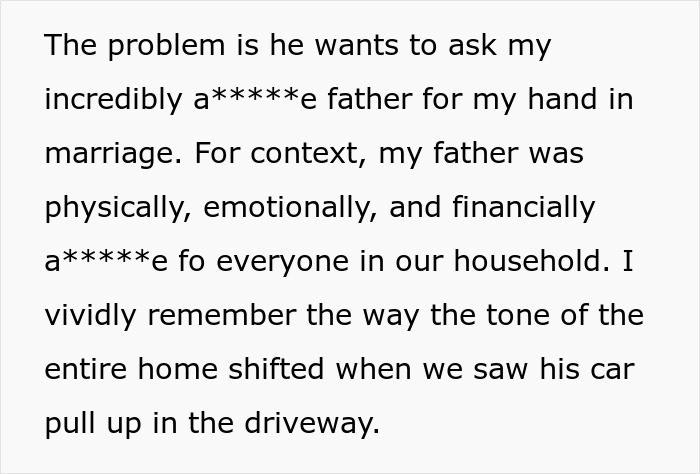
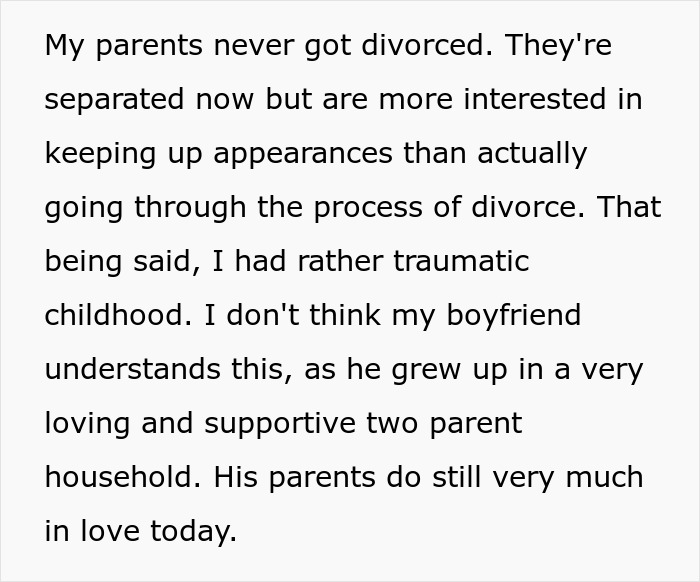


Image credits: Camandona / Magnific (not the actual photo)
The author repeatedly explained her boundary, but he insisted on seeking her father’s approval before proposing
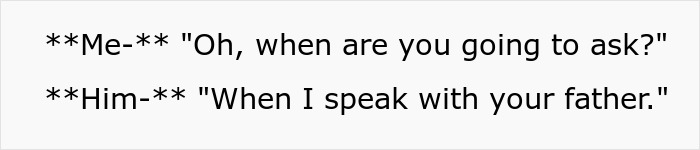
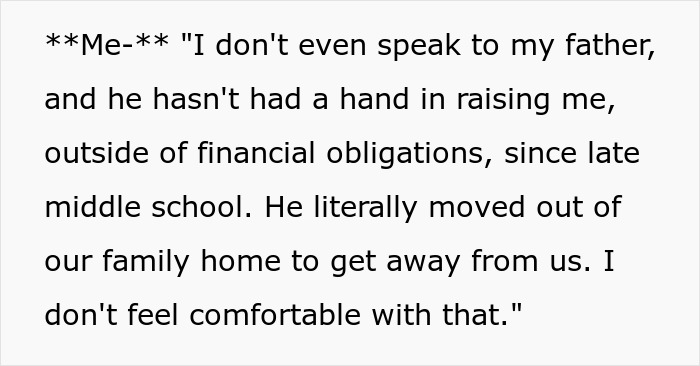
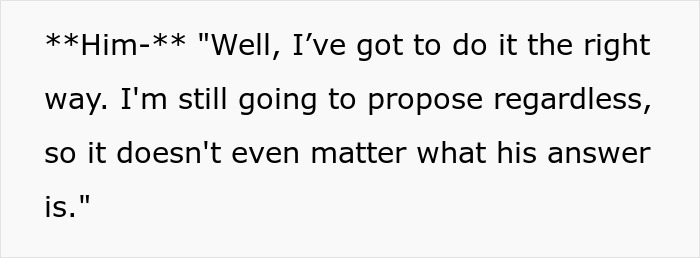

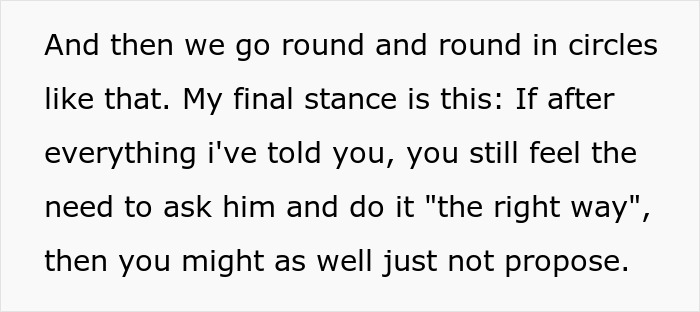
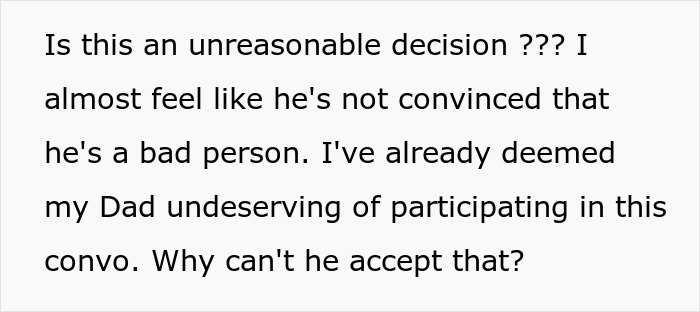

Image credits: minervastudio / Magnific (not the actual photo)
The woman noticed troubling behavior and eventually realized her boyfriend was pushing her towards ending their relationship

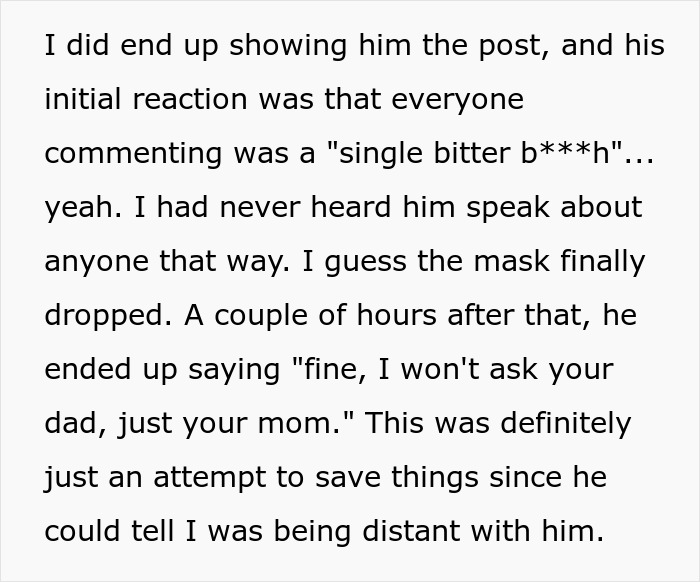


Image credits: magnific / Magnific (not the actual photo)
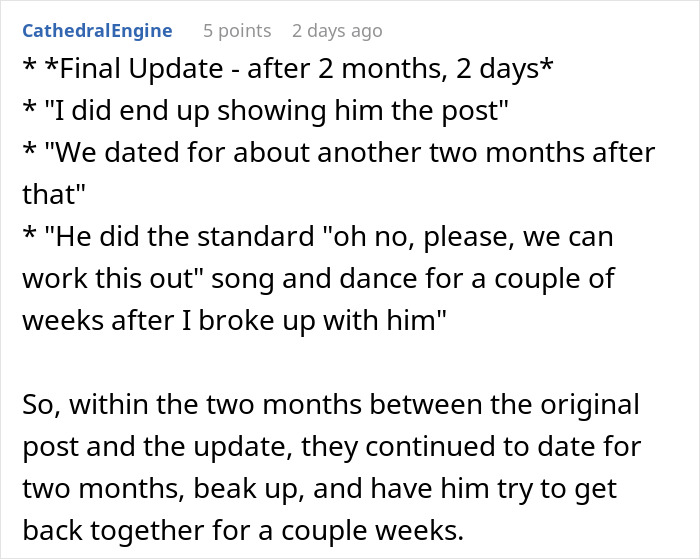
She finally ended the relationship after growing concerns, but he later pleaded for another chance before eventually giving up
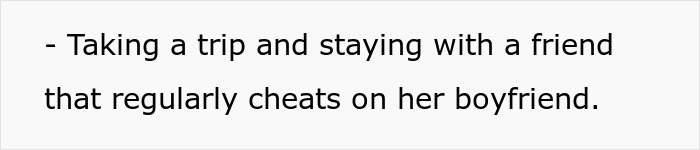


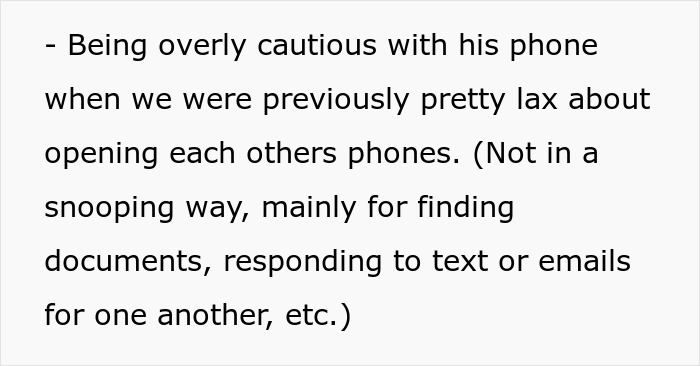
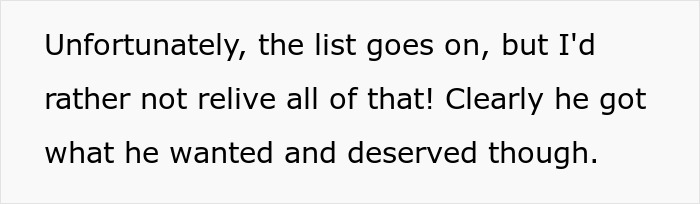
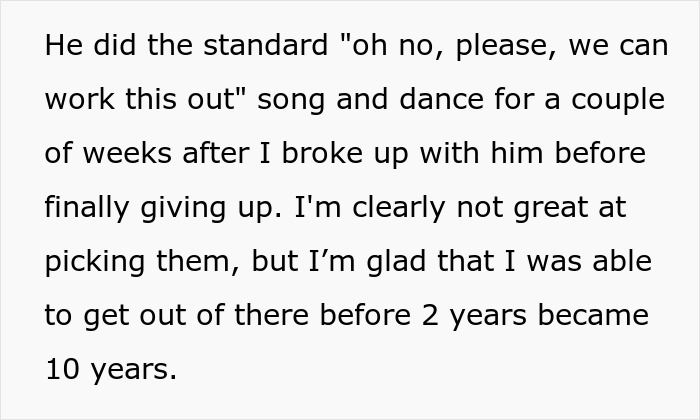
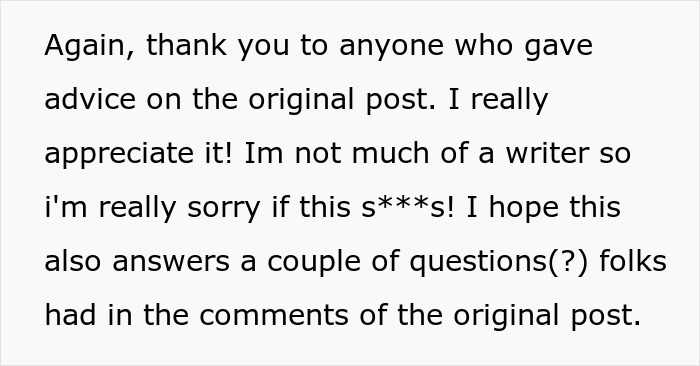
Image credits: Important_Talk8808
The poster felt grateful for leaving before the relationship became more serious, turning a painful episode into an important lesson
The narrator had dated her 25-year-old boyfriend for nearly two years, believing they shared similar views about marriage and their future together. However, there was one issue that repeatedly caused tension: he insisted he wanted to ask her estranged father for permission before proposing.
Although it sounds romantic and traditional, the problem was that the OP’s father had caused years of torment within the family, and she didn’t want at all to involve him in such an important moment. She explained that he had barely participated in raising her since middle school and that she did not consider his approval relevant. Her boyfriend insisted that asking was simply the proper way to propose.
The disagreement continued until the author eventually showed him the replies to an online post where she had asked for help. His response shocked her, as he dismissed the commenters with an insult she had never heard him use before. This led to a long fight, until he eventually agreed to approach her mother instead, but the change failed to repair her view of him.
They remained together for roughly two more months while they tried to fix things, but further problems surfaced. He became increasingly distant, avoided difficult conversations, guarded his phone, and behaved in ways that made her suspect he wanted her to end things. She eventually broke up with him, relieved that she left before their relationship became much harder to escape.

Image credits: cookie_studio / Magnific (not the actual photo)
Childhood experiences with a harmful father can shape how safety, trust, and personal boundaries develop later in life, as stated by this research. For the OP, her father’s presence represented fear rather than family tradition, and she didn’t want his involvement in marriage. Her boyfriend’s insistence therefore touched something much deeper than a simple disagreement.
Parental mistreatment can also affect adult relationships by complicating trust, self-esteem, and boundary-setting. Experts note that harmful parental behavior may continue into adulthood and that healthy relationships require firm boundaries. For someone raised around instability, having a partner dismiss those limits can understandably become a source of uncertainty.
That context helps explain why the OP became increasingly wary as her boyfriend continued pushing the same issue. His refusal to accept her decision, followed by dismissive comments about netizens who were trying to help her, and increasingly questionable behavior, gave the author more reasons to reconsider whether their relationship was actually as secure as she believed.
Marriage professionals explain that growing distance, reduced effort, excuses, picking fights, and less communication are among potential breakup indicators. Several of those patterns appeared after the couple’s conflict, suggesting the OP’s doubts were not baseless. Her eventual decision to leave came after recognizing a broader pattern rather than reacting to a single disagreement.
Was the OP right to end the relationship after her boyfriend ignored her boundaries? Do you think his behavior showed deeper problems? Share your thoughts in the comments!
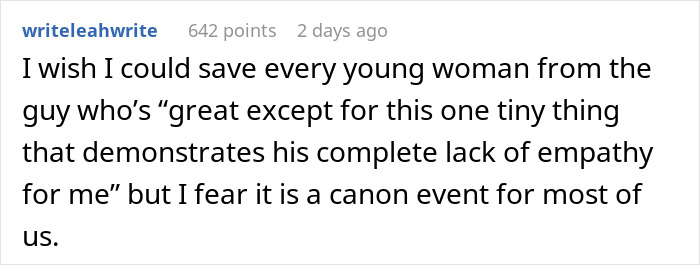
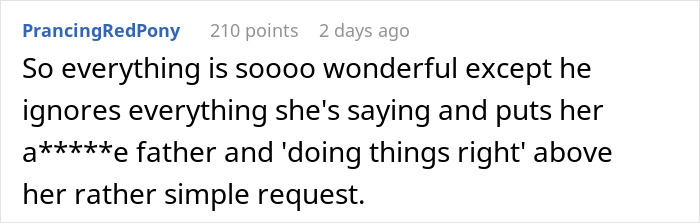
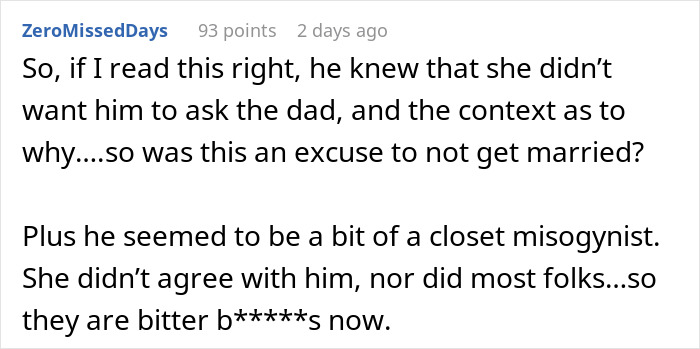
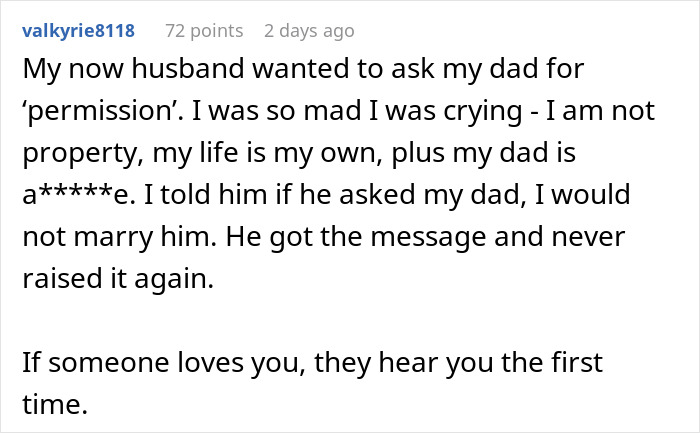
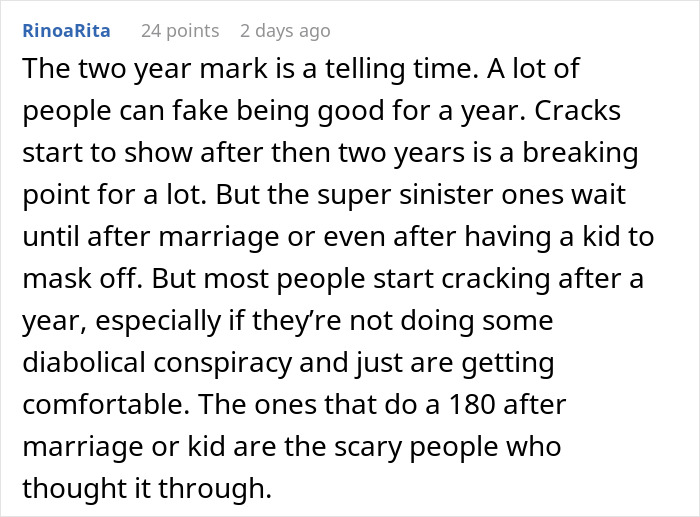
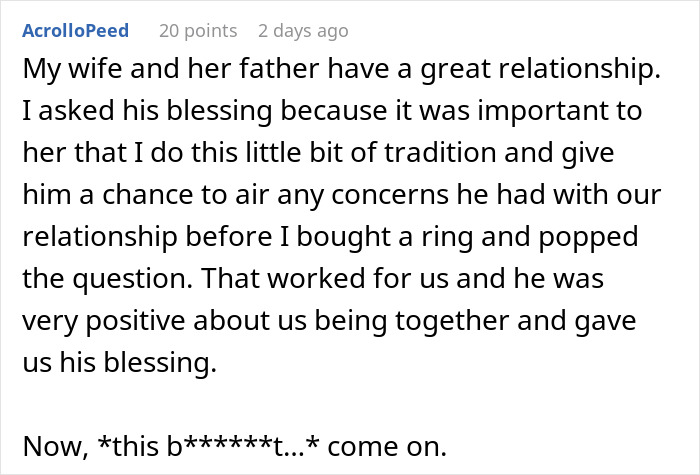
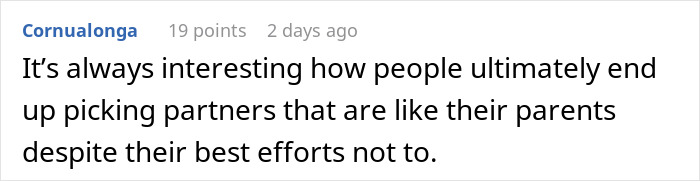
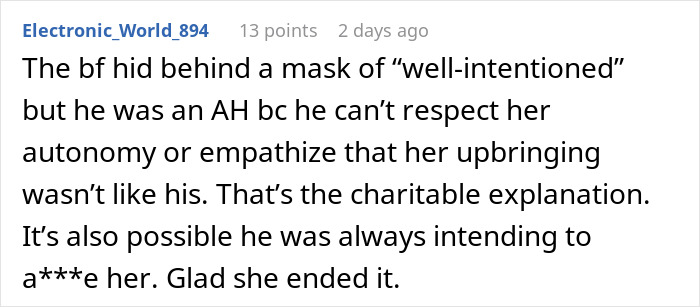
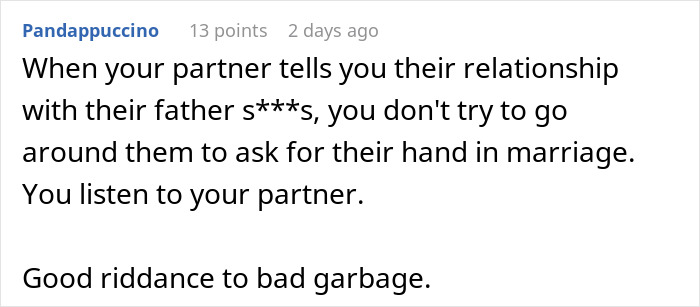
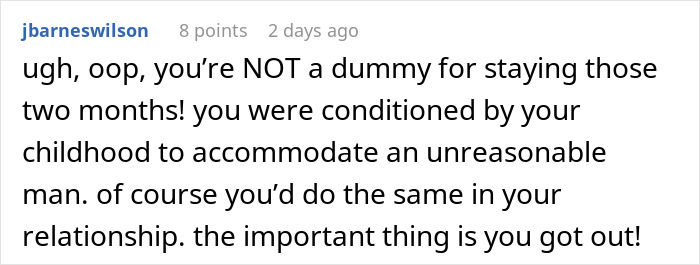
The community rushed to side with the woman, and their comments were vital not only to help her make a decision but also to support her during this heartbreaking moment








 Follow Us