Normally, infidelity is enough to end a relationship, which a casual glance at online cheating stories would show. However, these sorts of tales come with one major flaw, the fact that we only get one perspective.
A woman shared her relationship advice request online after she caught her boyfriend cheating and seemed like she wanted to keep things going. Then, in a twist uncommon to these stories, their boyfriend also made a post sharing his part of the saga. Readers shared their thoughts, advice and just reacted to the drama.
Most folks would kick cheaters to the curb

Image credits: simonapilolla (not the actual photo)

But one woman set of a long saga of drama when she wanted help staying with a cheater
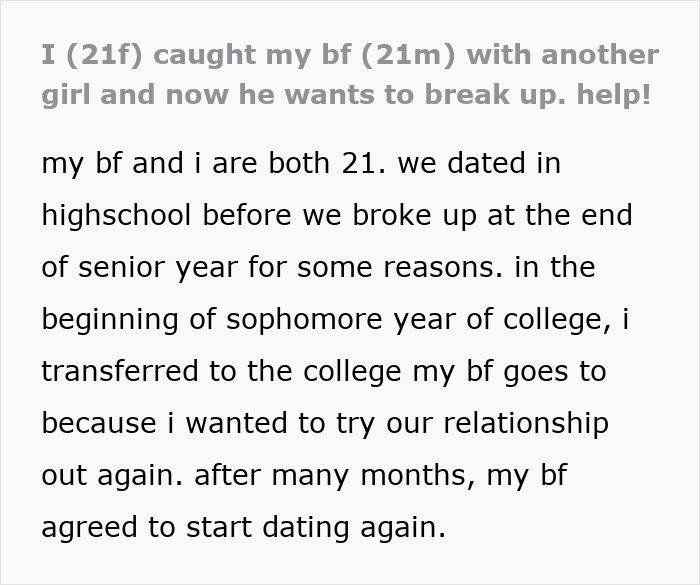
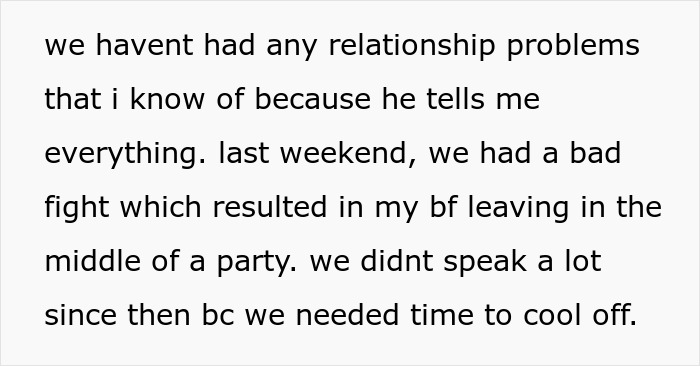
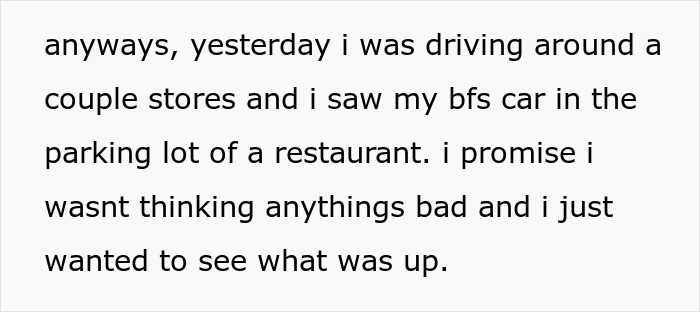
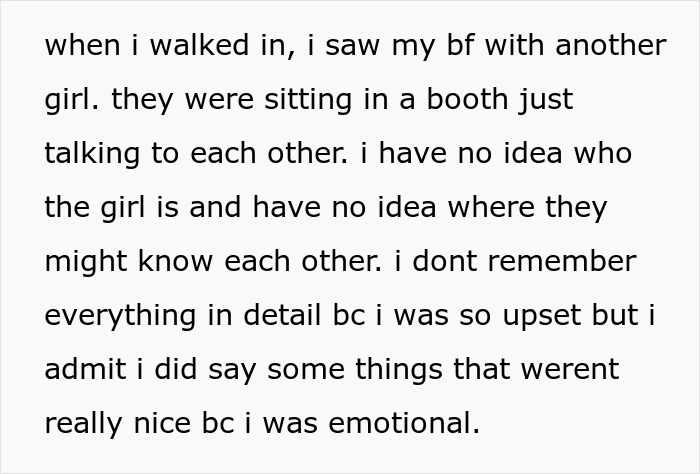
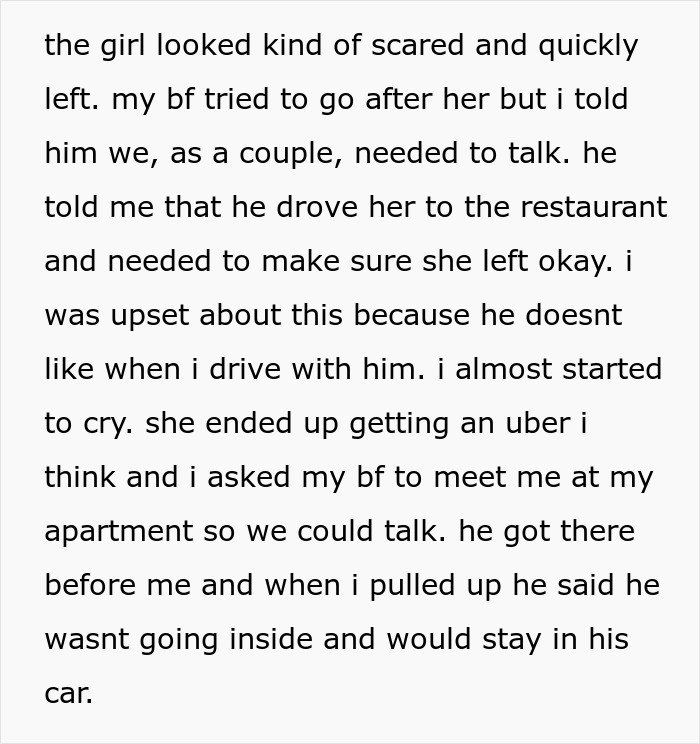
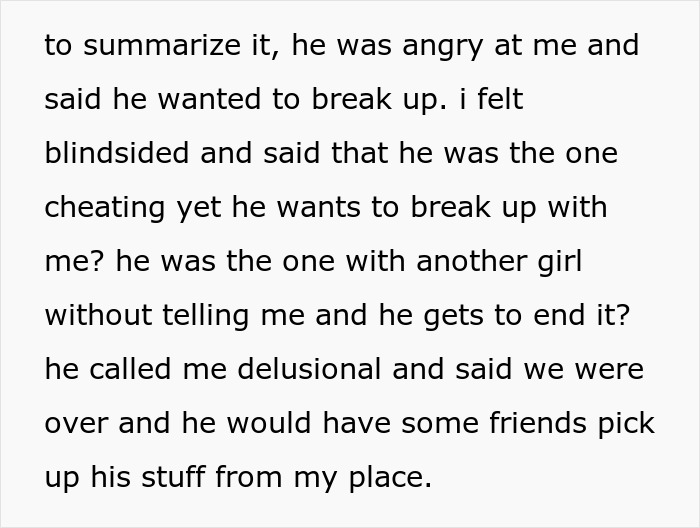

Image credits: Drazen Zigic (not the actual photo)
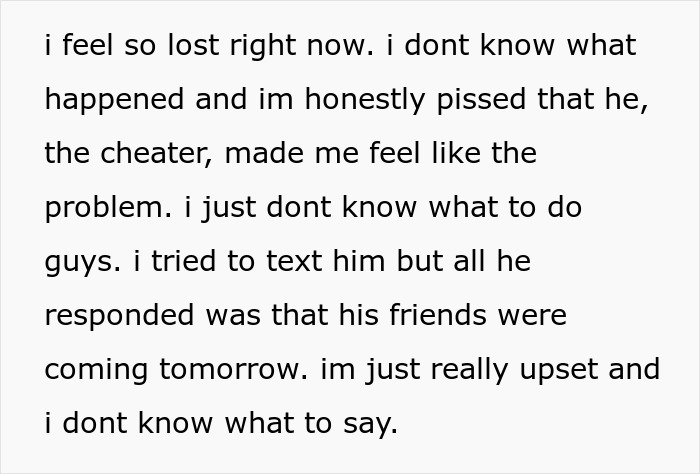

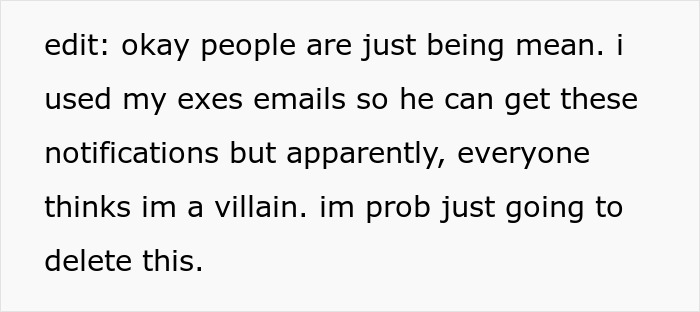
Image credits: ThrowRagf71602
This isn’t a typical relationship story
What’s striking about these two posts is that we almost never get both sides like this. Usually a story like this shows up once, gets thousands of comments calling someone a monster, and that’s the end of it. The accused person either never sees it, decides it’s not worth engaging with, or doesn’t have the same platform to respond from. So we’re left forming strong opinions about real people based on a single account of a moment none of us actually witnessed.
Reading both versions side by side is a good reminder of how much a story can shift depending on who’s holding the pen. Neither account is necessarily lying. Memory during a stressful, emotional event is unreliable for everyone involved, and both people are also choosing what to include, what to leave out, and how to frame their own actions. That’s not unique to this couple. It’s how storytelling works. Psychologists call our tendency to prefer a single clean narrative over messy, incomplete information narrative bias, and it’s a well documented pattern in how people process information generally, not just gossip on the internet. When something unexpected happens, our minds tend to jump straight to a simple, coherent explanation, because that coherence feels satisfying even when it isn’t accurate. A short post from one person’s perspective is basically built to trigger that instinct.
There’s also a more specific version of this bias that applies directly to what happened with these posts. People are wired to look for a cause behind events, and that wiring makes us more likely to accept an explanation simply because it fits a clear story, regardless of whether it’s actually true. A post that says “my boyfriend cheated and then called me the villain” gives readers an instant villain and an instant victim. It’s emotionally satisfying in a way that “there was a messy situation involving jealousy, past trust issues, and a scared coworker” just isn’t. The second version requires readers to sit with ambiguity, and most people online don’t want to do that. They want a clean answer they can react to.
It’s very easy to convince yourself of something you want to believe
This is where confirmation bias comes in too. Once someone forms an initial impression, they tend to notice and remember details that support that impression while dismissing anything that complicates it, which is exactly why so many commenters likely locked onto “cheater” within the first few lines of the girlfriend’s post and never revisited that judgment, even as more context came out later in her own writing, let alone in his.
The risk here isn’t abstract. Real people get their names dragged through public judgment, sometimes permanently, based on a version of events that turns out to be incomplete or one sided in ways the original poster themselves may not have fully realized. Comment sections build entire character profiles out of a few paragraphs, then treat those profiles as settled fact. Once that happens, even a follow up post with more context struggles to undo the damage, because people have already moved on emotionally and mentally filed the story away as resolved.
None of this means every disputed online story is secretly balanced or that both people are always equally in the right. Sometimes one account really is more accurate than the other. The point is that we usually can’t tell which, and treating a single post as the full truth skips that step entirely. A little skepticism, a willingness to hold judgment loosely, and an awareness that stories are shaped by whoever is telling them go a long way toward not turning strangers into main characters based on incomplete information. If a story like this makes you curious about why it’s so easy to get swept up, that pull toward tidy narratives over messy reality is worth reading more about on its own, since it shows up everywhere, not just in relationship drama.
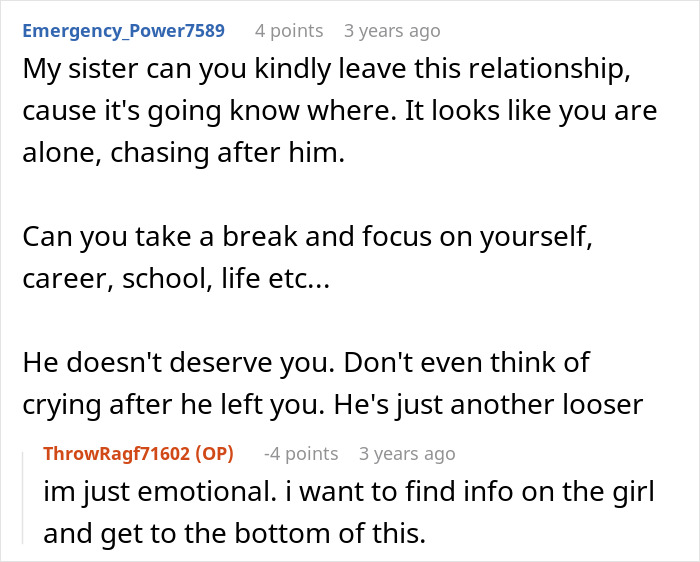
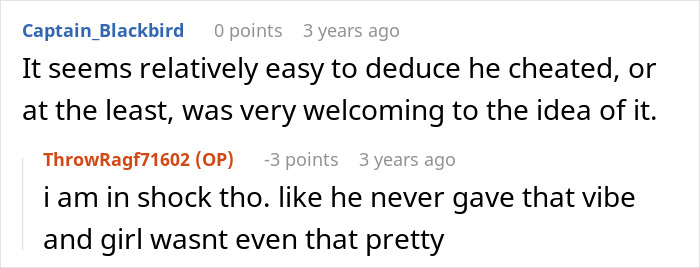
She answered some reader questions
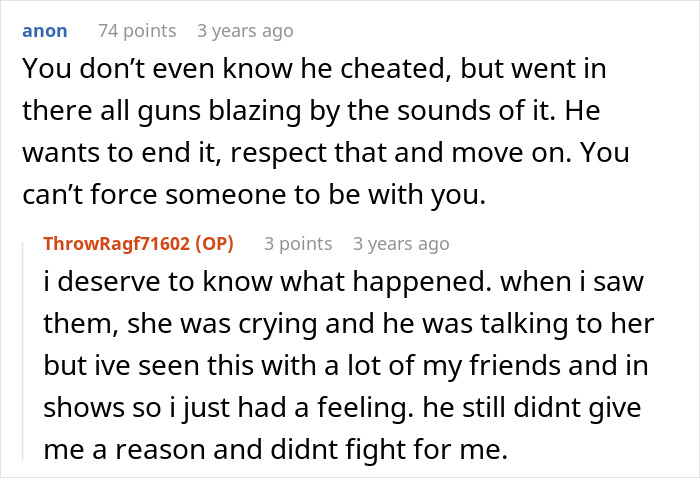
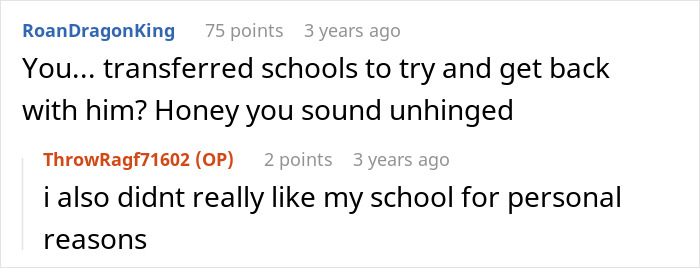
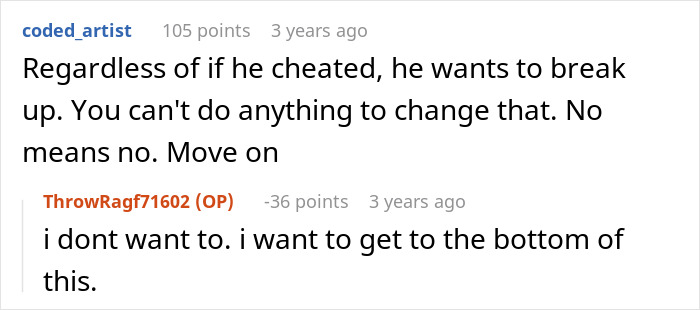
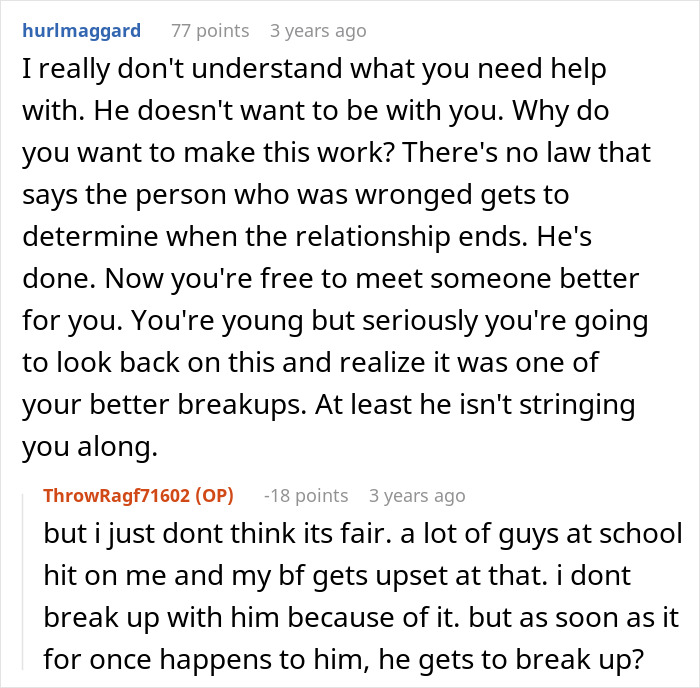
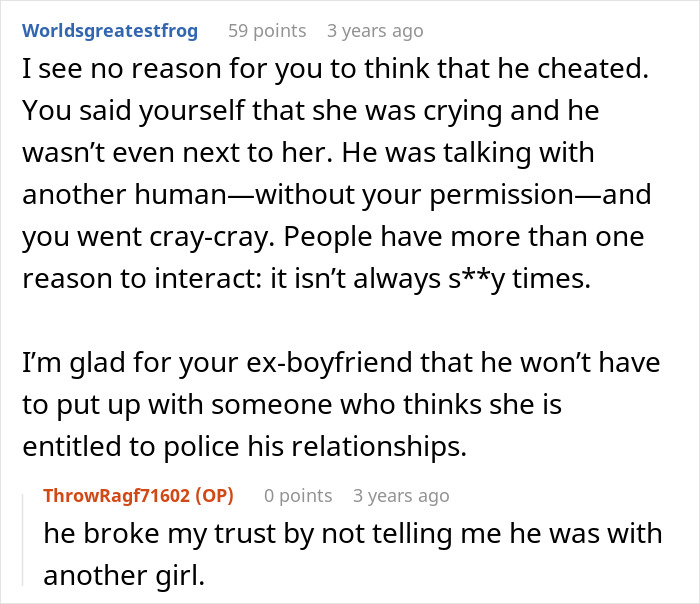
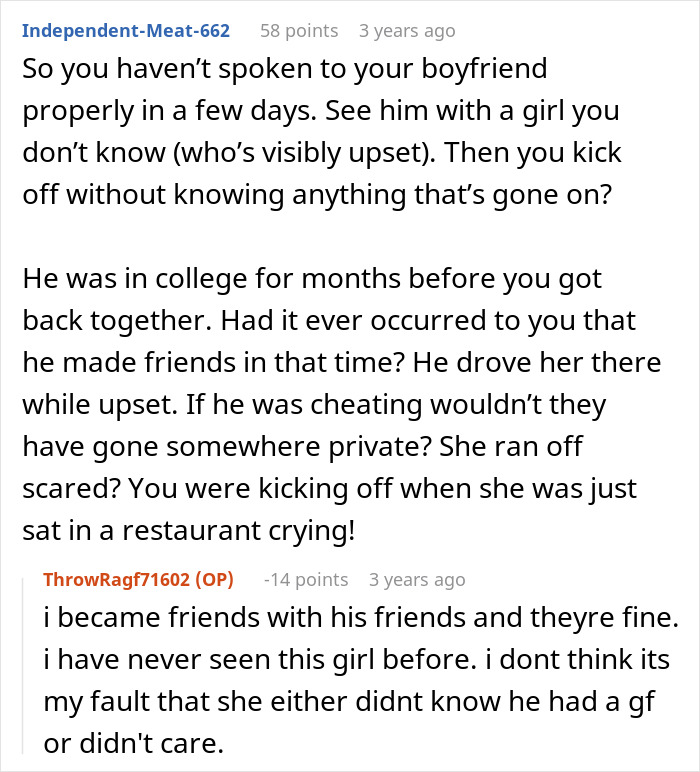
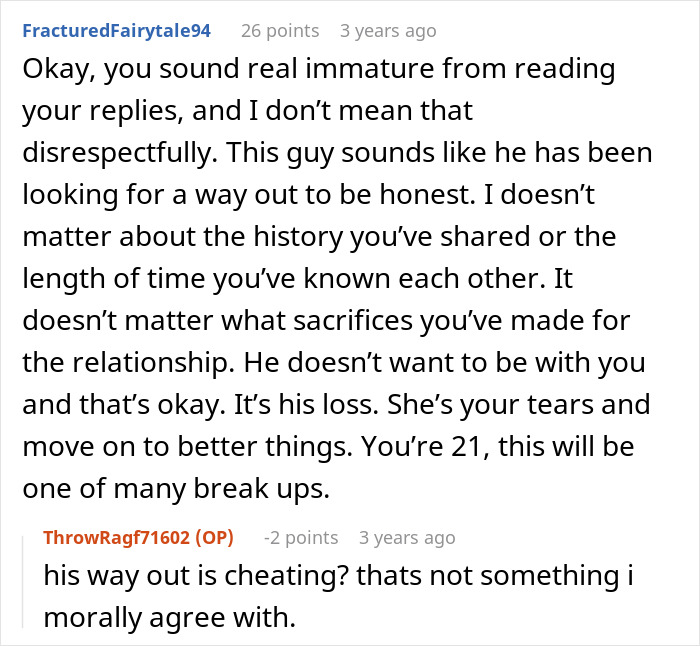
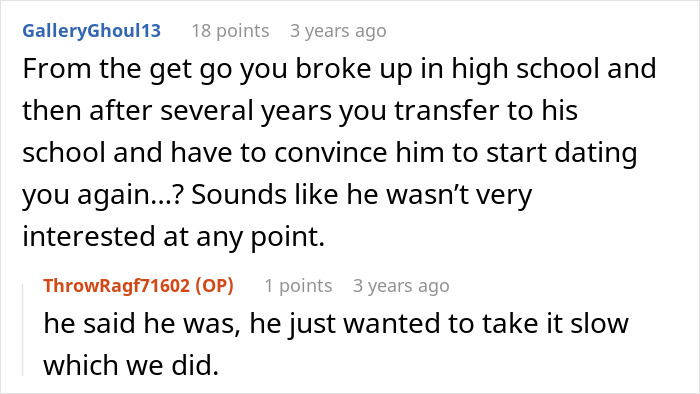
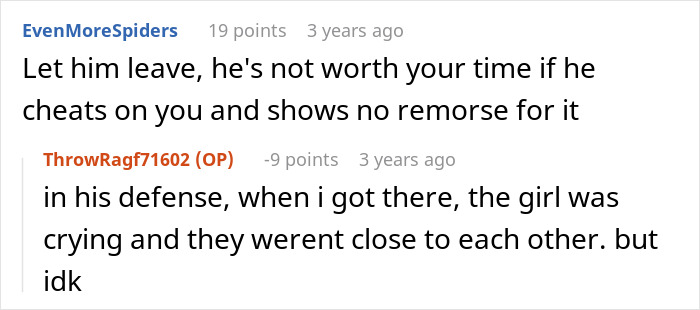
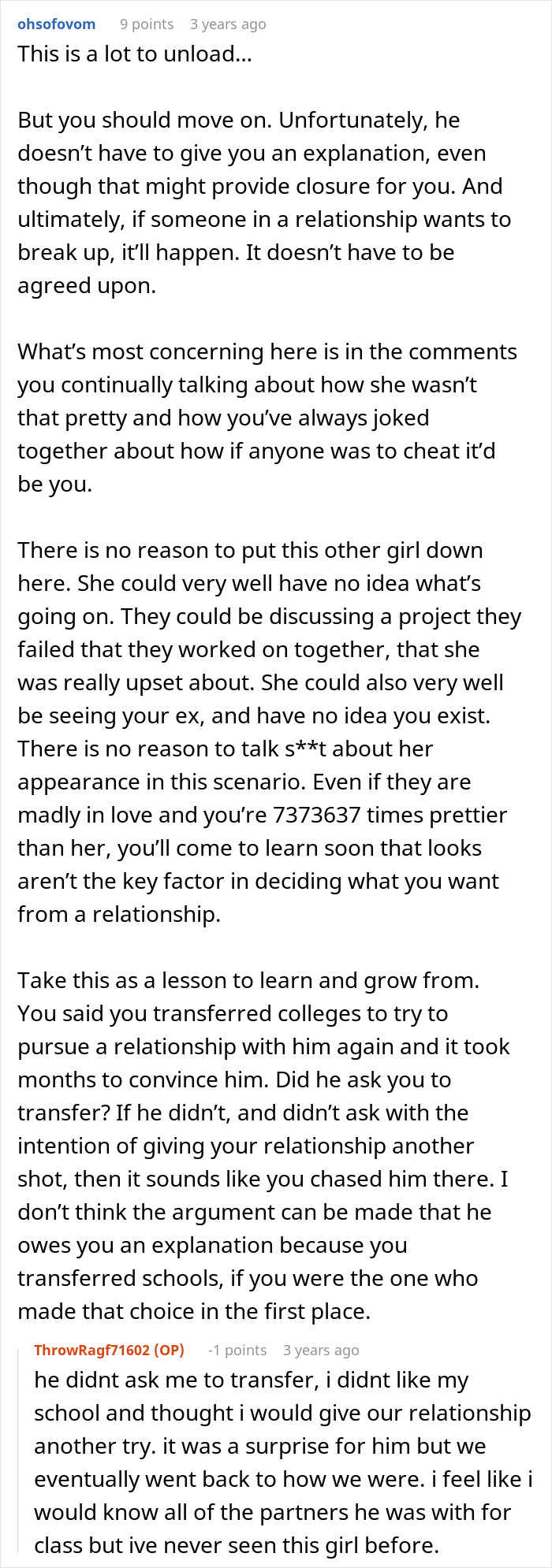

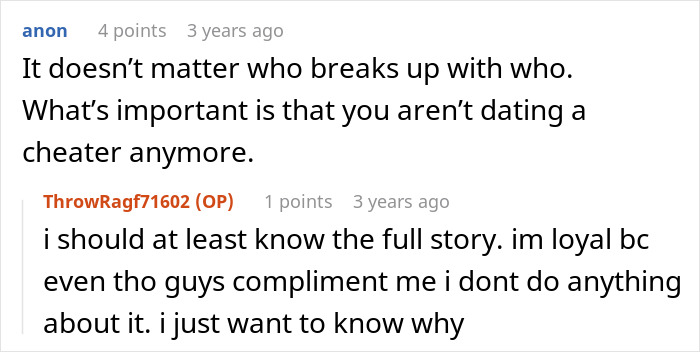
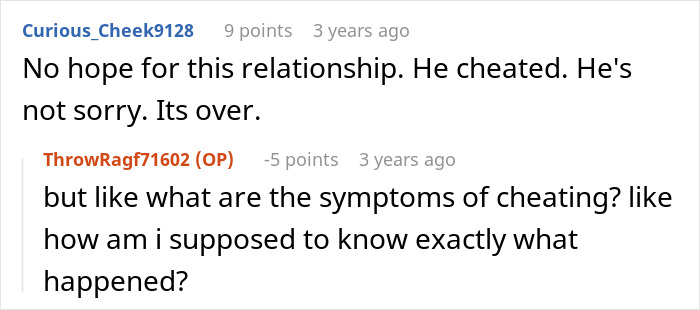
Others gave her advice
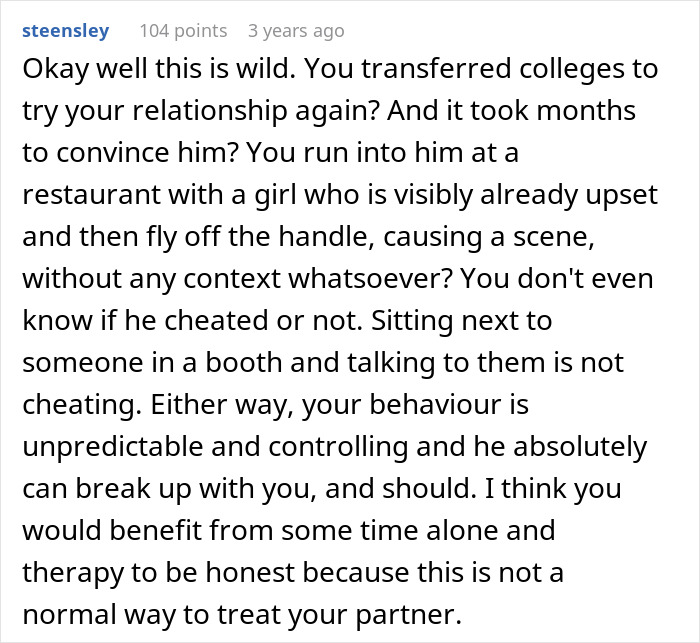
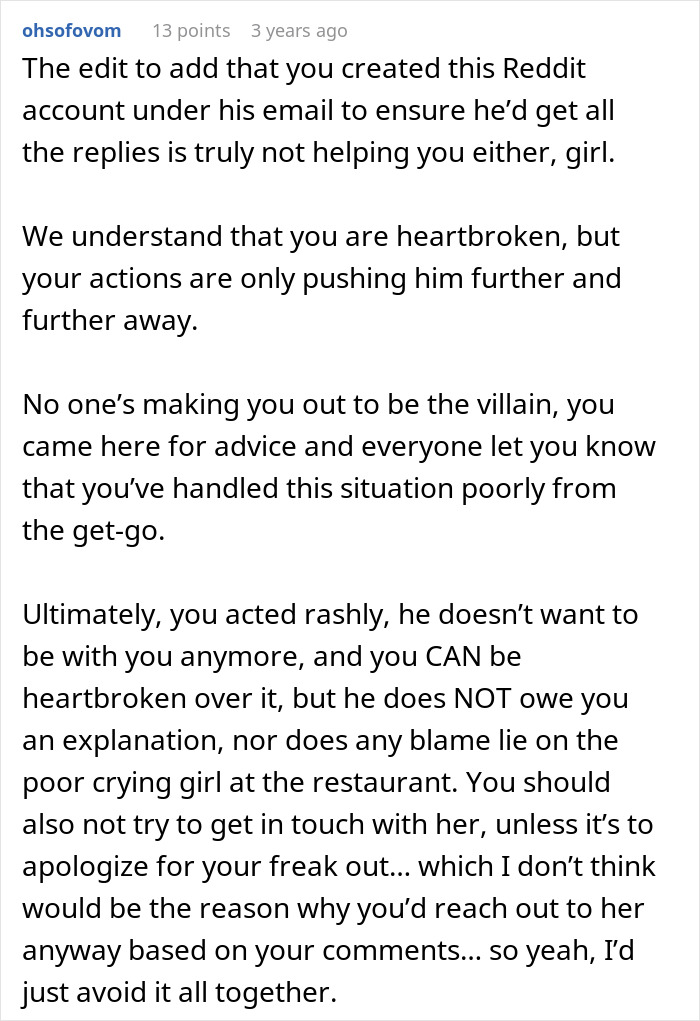
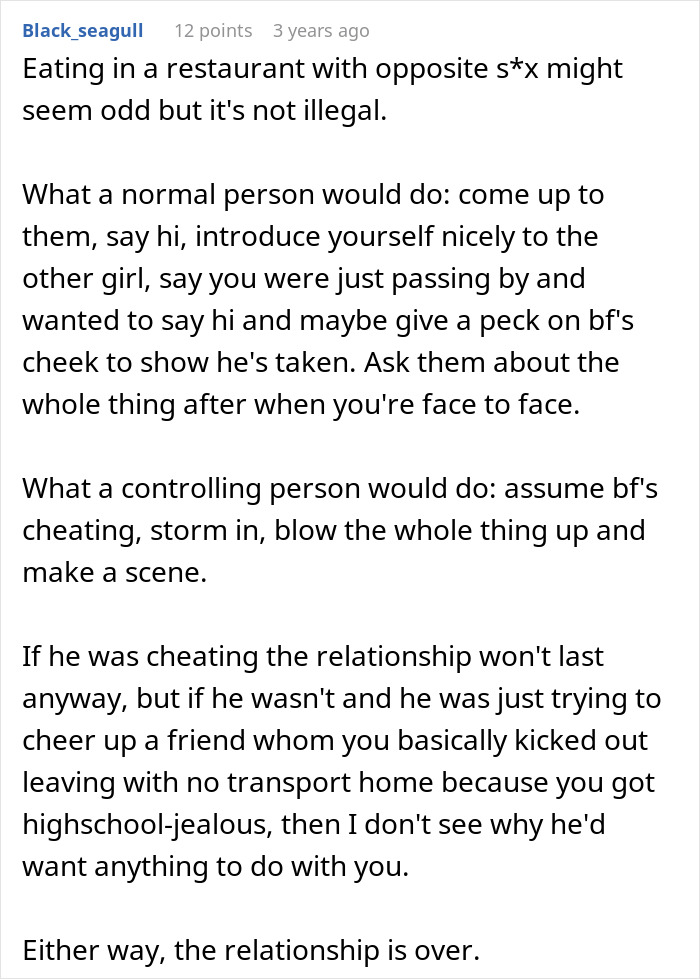
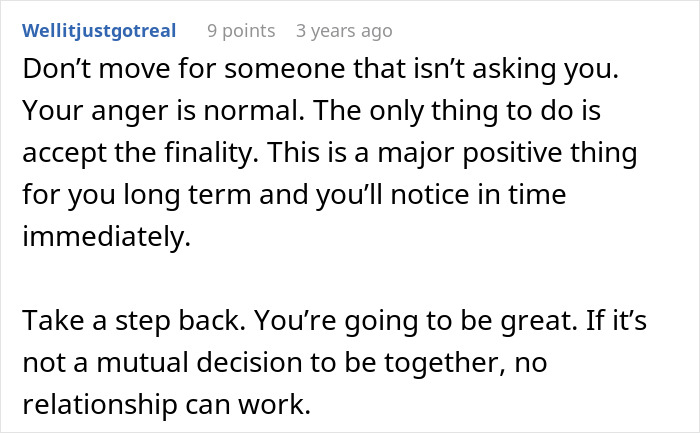
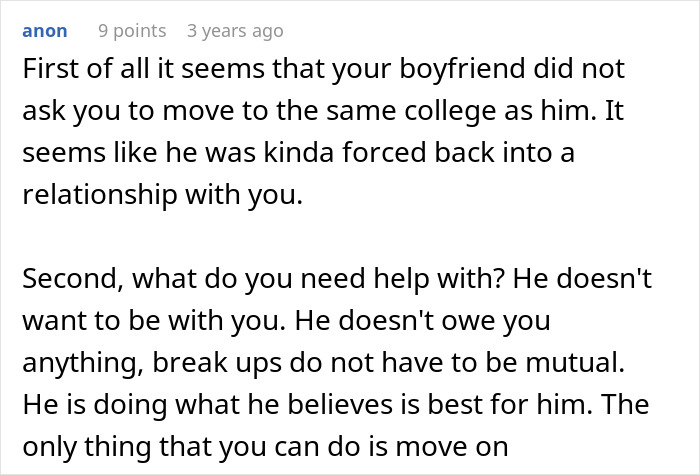
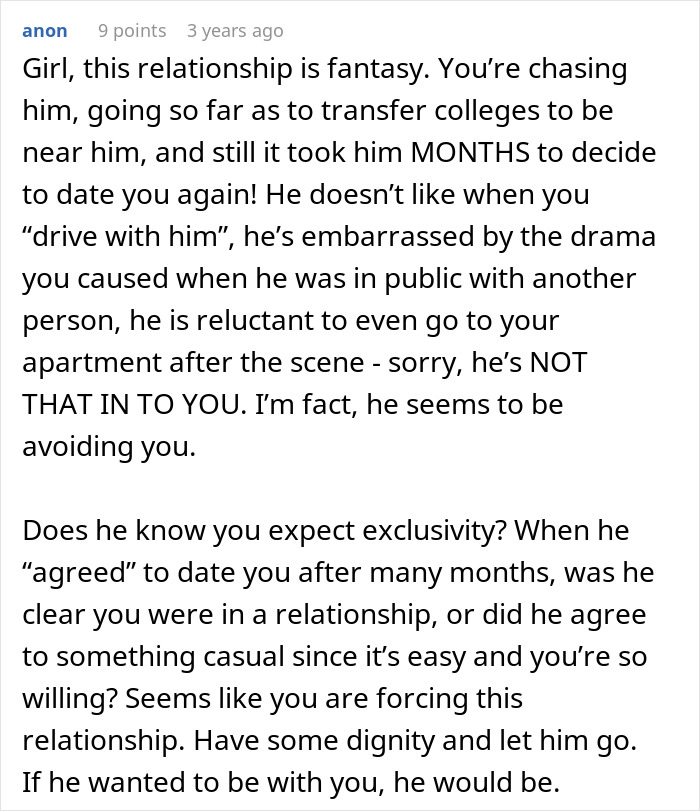
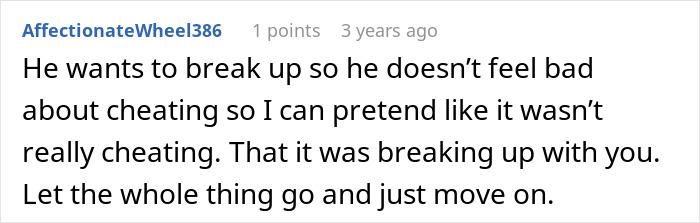

Image credits: Drazen Zigic (not the actual photo)
Later, the BF shared his side
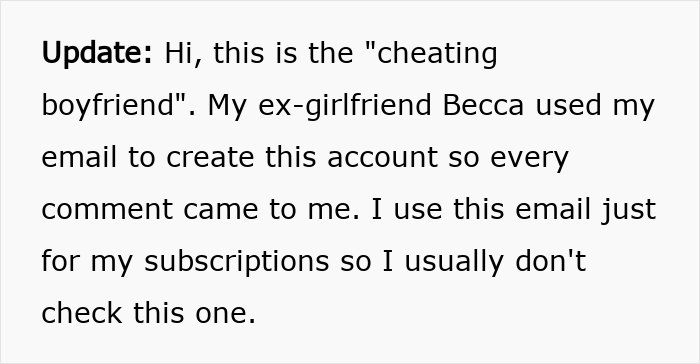
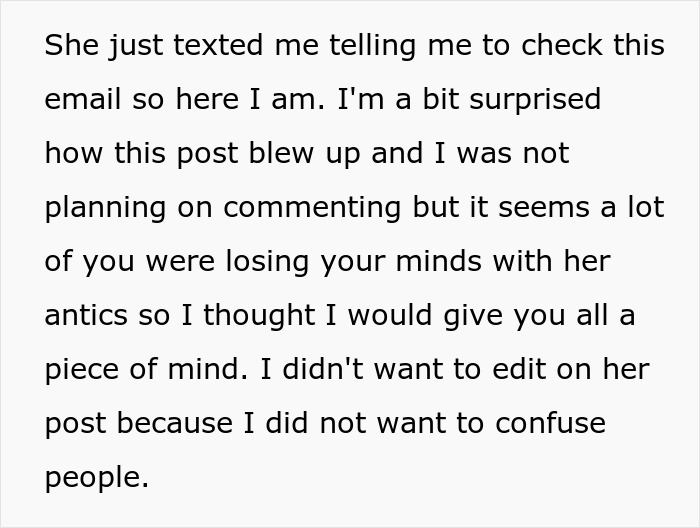
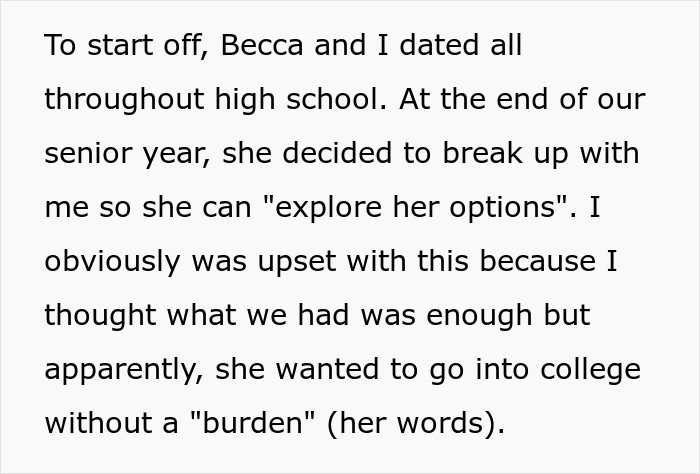
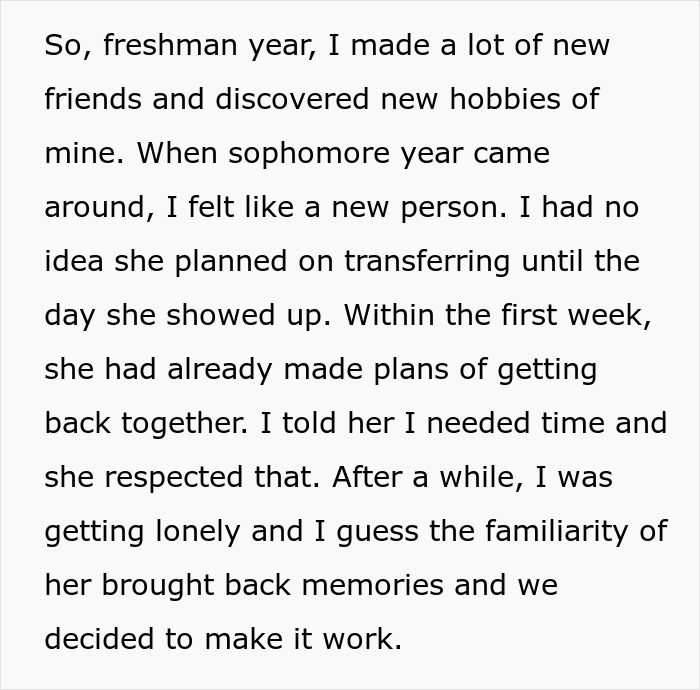
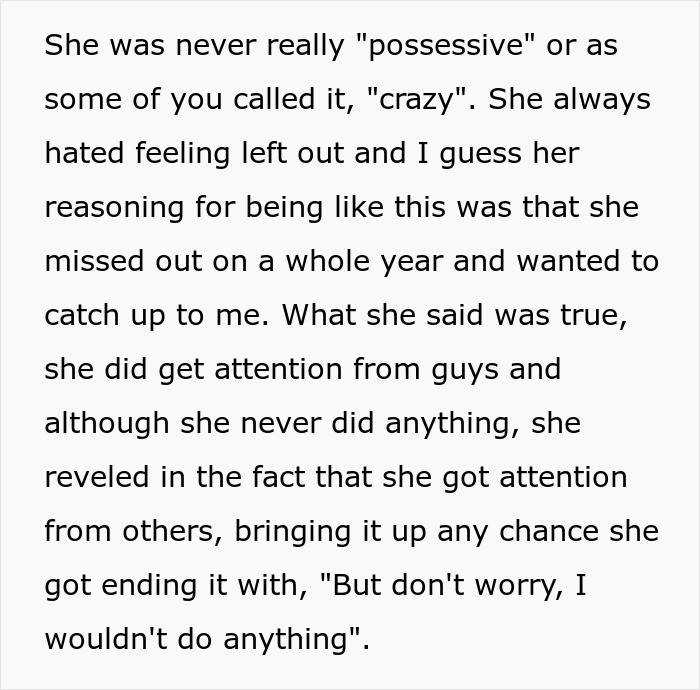
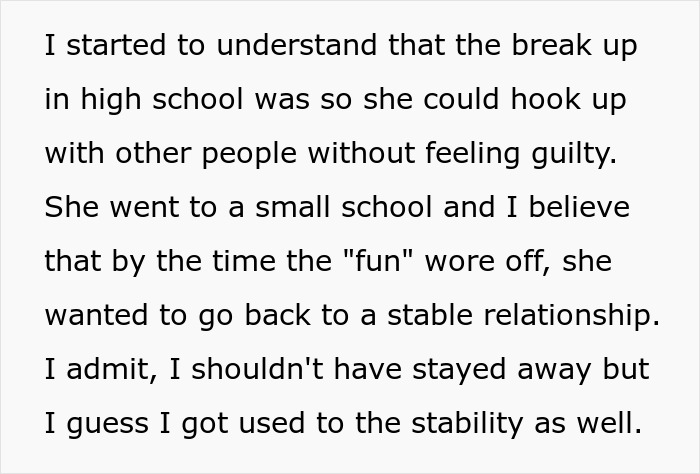

Image credits: The Yuri Arcurs Collection (not the actual photo)
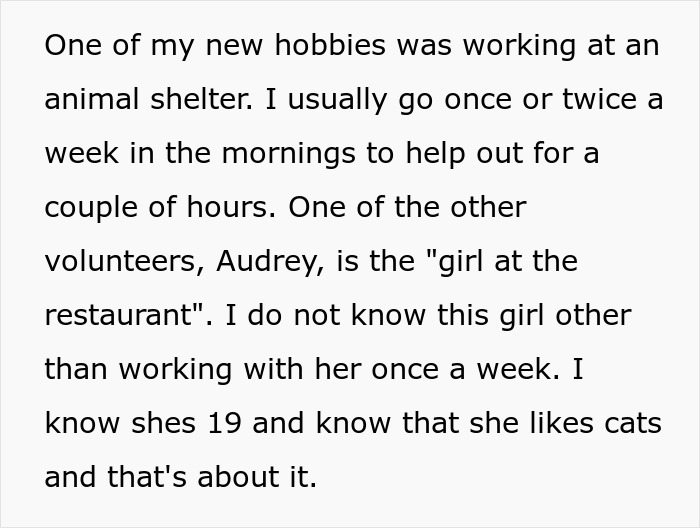
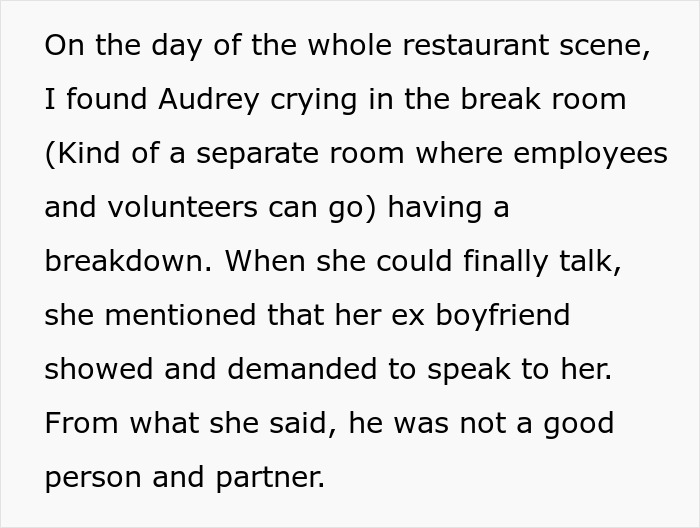
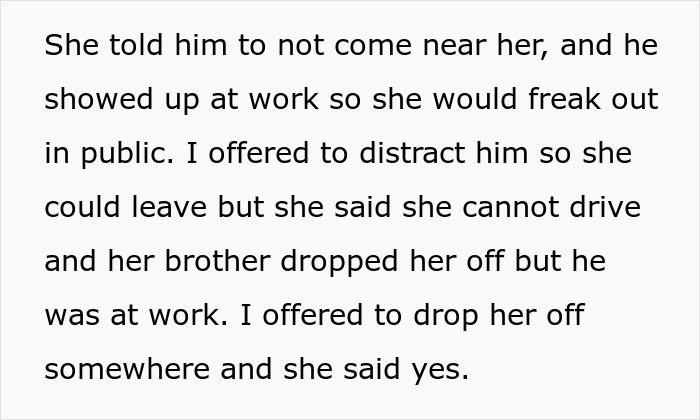
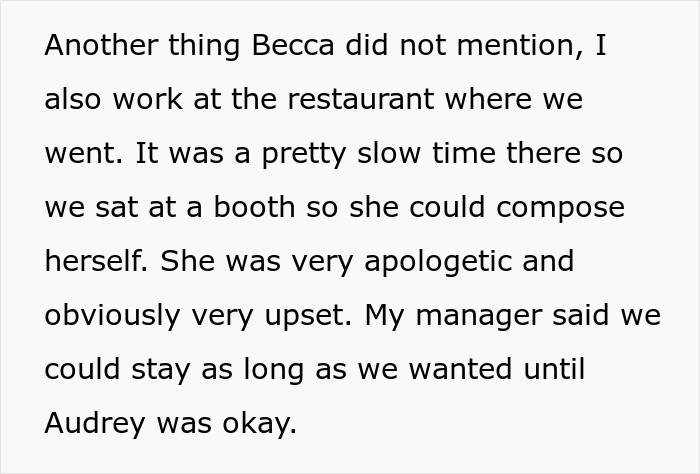
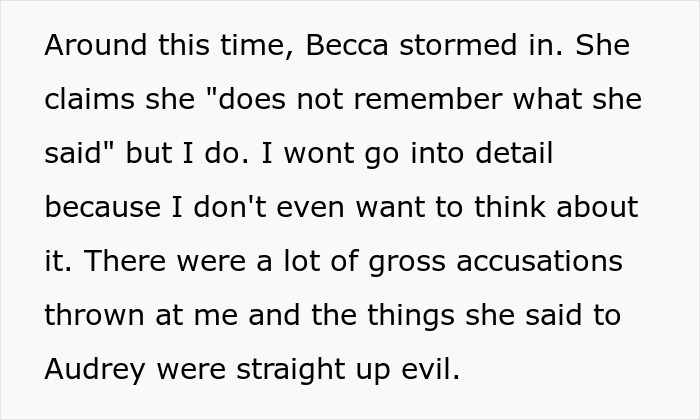
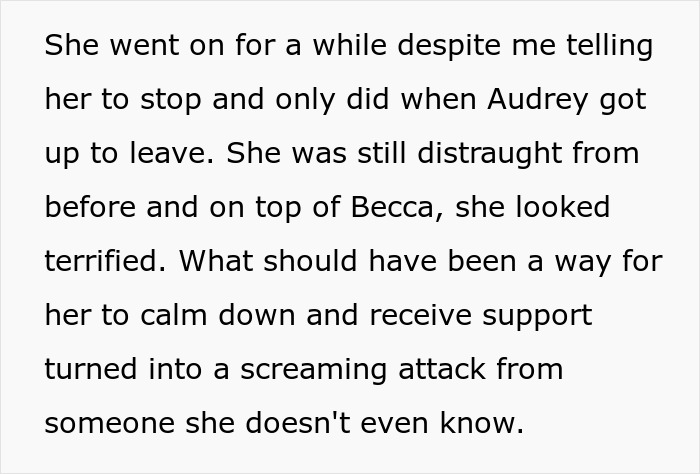
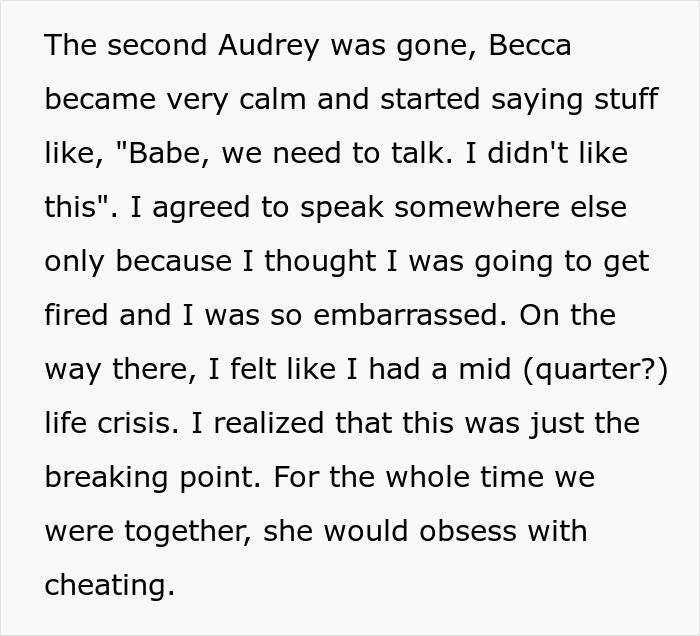
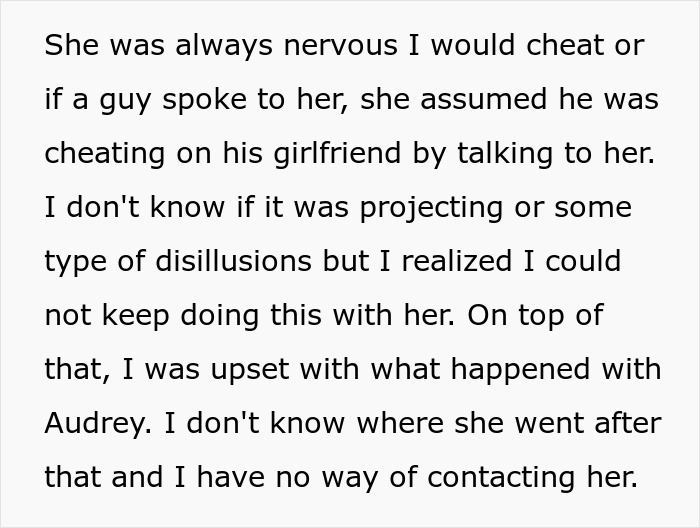
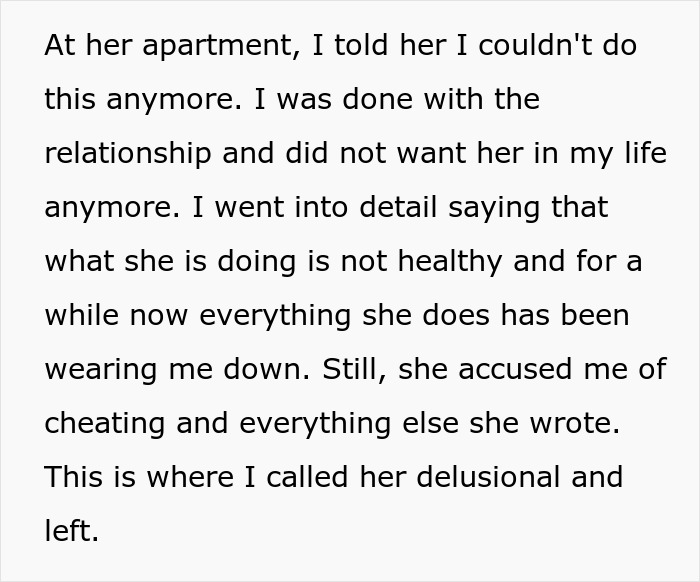
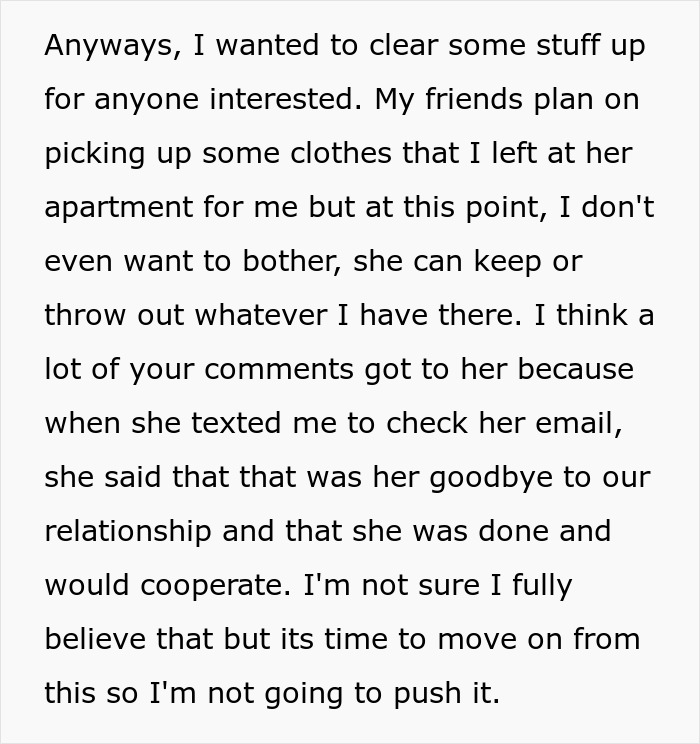
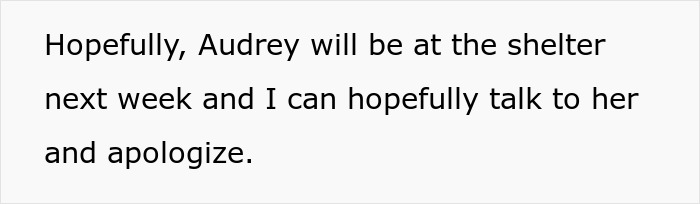
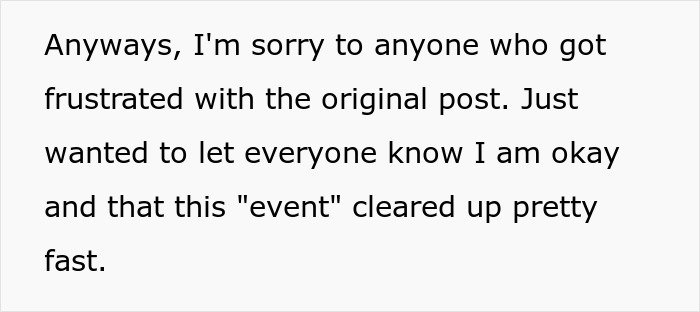
Image credits: ThrowRagf71602
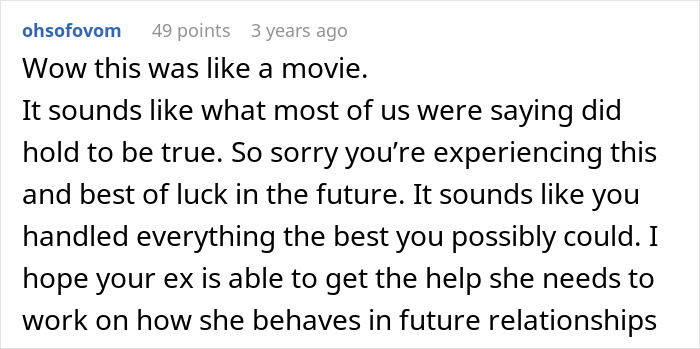
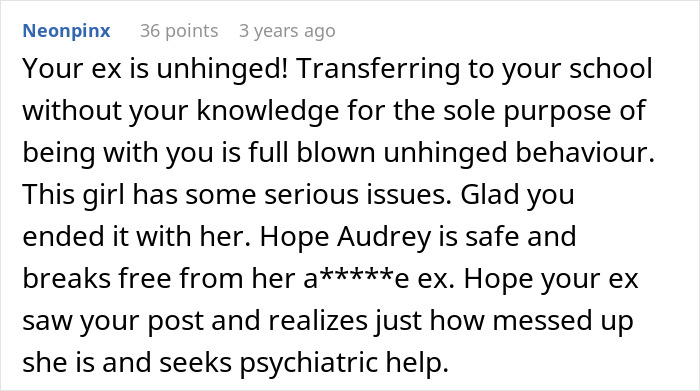
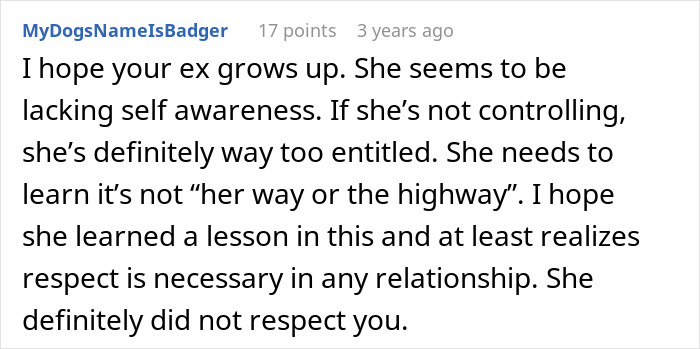
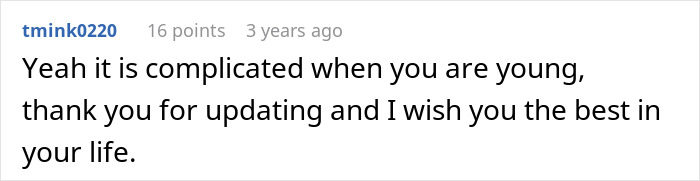
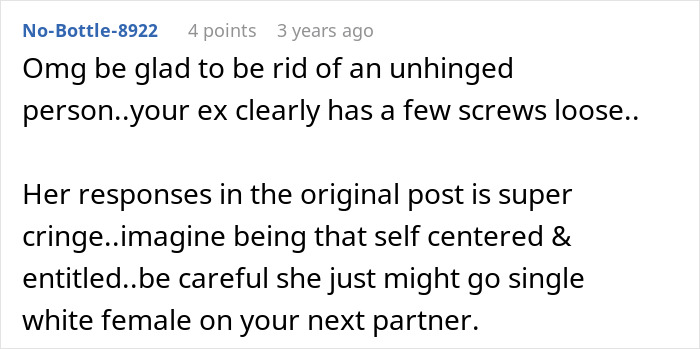
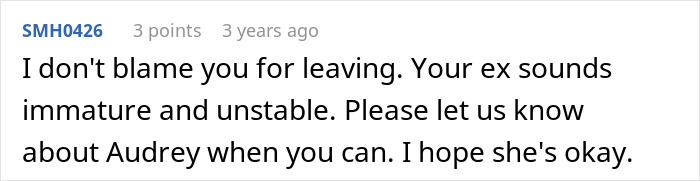
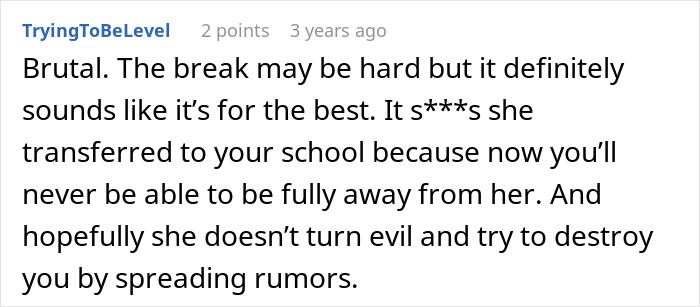
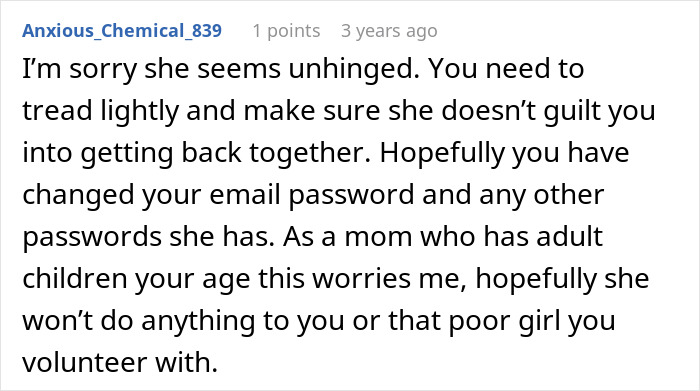
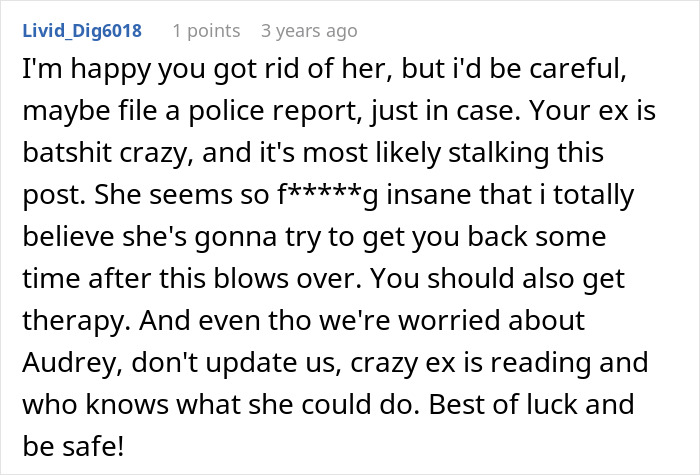
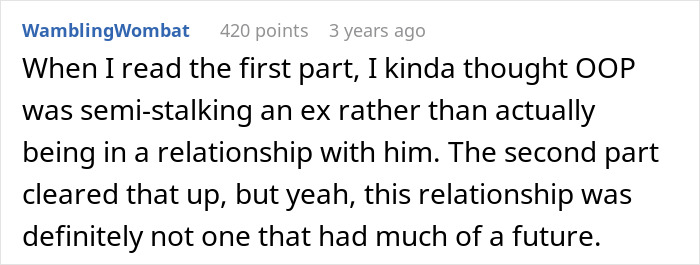
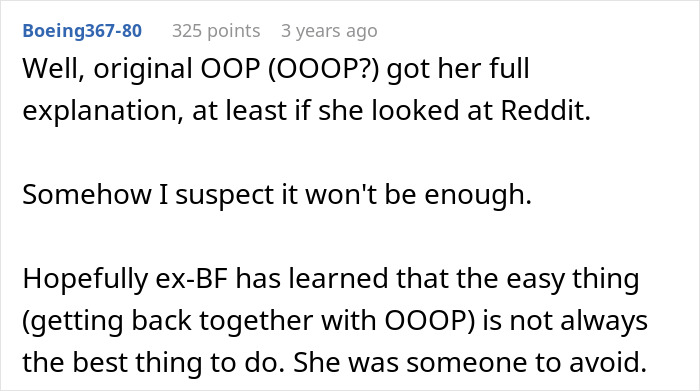
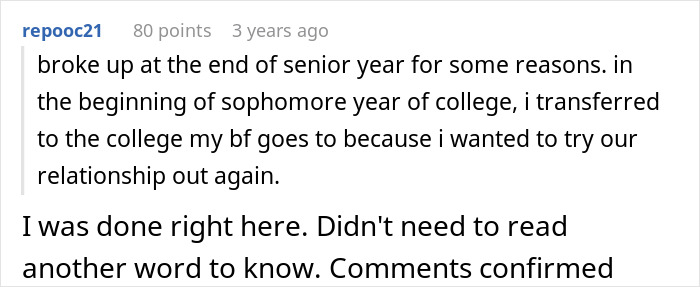
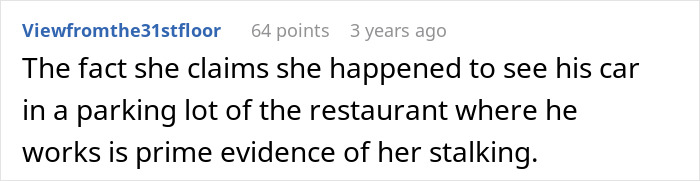
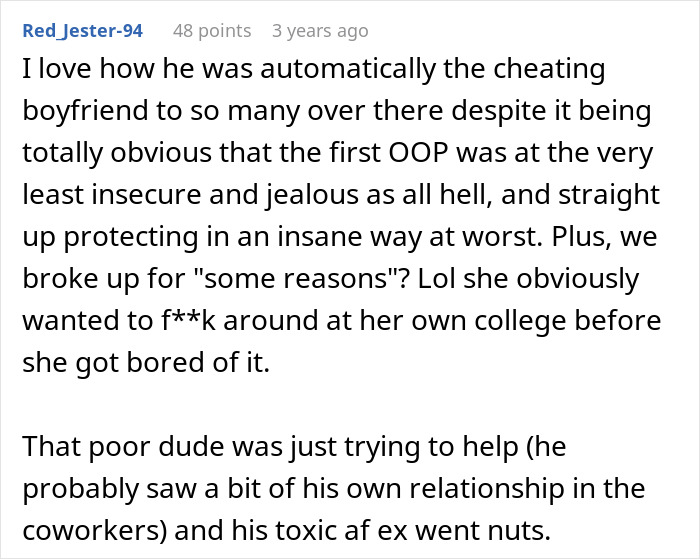
Commenters shared their support










 Follow Us