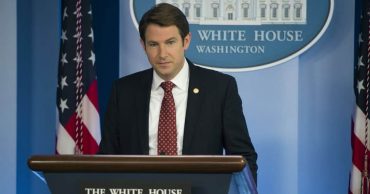
Singer SZA recently sparked an unexpected conversation after revealing that she had been formally diagnosed with Autism Spectrum Disorder (ASD).
The Grammy winner shared excerpts from her clinical assessment on Instagram, explaining that the evaluation helped answer long-standing questions about her experiences with sensory sensitivities, social interaction, and masking.
In a lighthearted caption, she joked that her strong pattern recognition might explain why she spends so much time in online comment sections.
The 36-year-old wrote, “Finally took the time n got formally diagnosed .. Asperger’s / high functioning autism / smarter than u ni**as so stop playing in my face cause pattern recognition told me and I WILL get to the bottom of it thanks.”
“Pretty sure this is why I’m taking AI so personally btw lol. And also why I’m in every comment section.”
However, the discussion quickly shifted beyond her diagnosis.
SZA referred to herself as having “Asperger’s” and “high-functioning autism,” terms that many autism advocates and medical professionals now consider outdated.
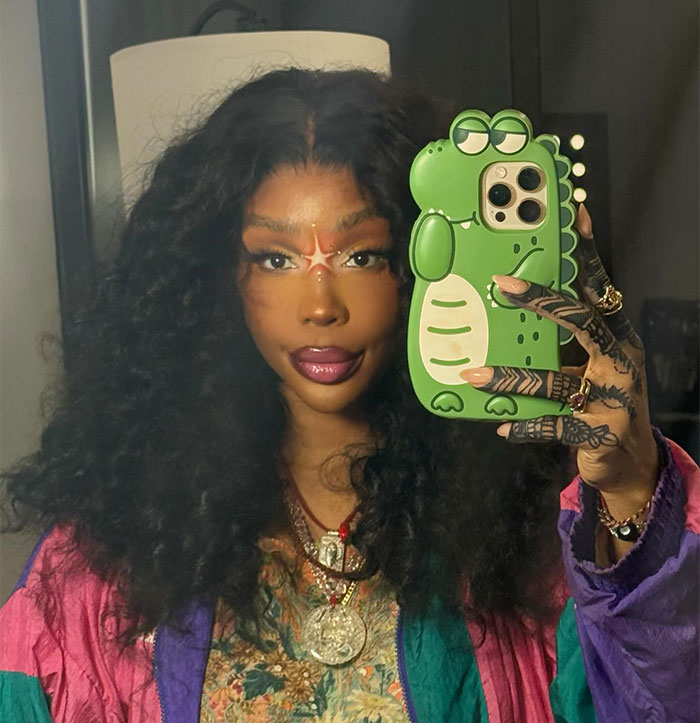
Image credits: sza
Since the publication of the Diagnostic and Statistical Manual of Mental Disorders, Fifth Edition (DSM-5) in 2013, Asperger’s syndrome has been folded into the broader diagnosis of Autism Spectrum Disorder.
Advocacy groups have also increasingly discouraged labels such as “high-functioning” because they can oversimplify the diverse support needs of autistic people and overlook the emotional toll of masking autistic traits.
The terminology debate soon spread across social media.
While many praised SZA for speaking openly about receiving a diagnosis later in life, others questioned her wording.
“I’m glad she talked about it. A lot of people, especially women, don’t get diagnosed until much later in life,” one supporter wrote.
Others criticized the language she used, with one commenter saying, “Using the word Asperger’s in 2026 is crazy… it’s an odd choice of words and isn’t even recognized as the correct terminology.”
Another wrote, “That was a whole mess… to have her use an outdated term… was so cringey,” while someone else questioned how the terminology appeared in the medical paperwork.
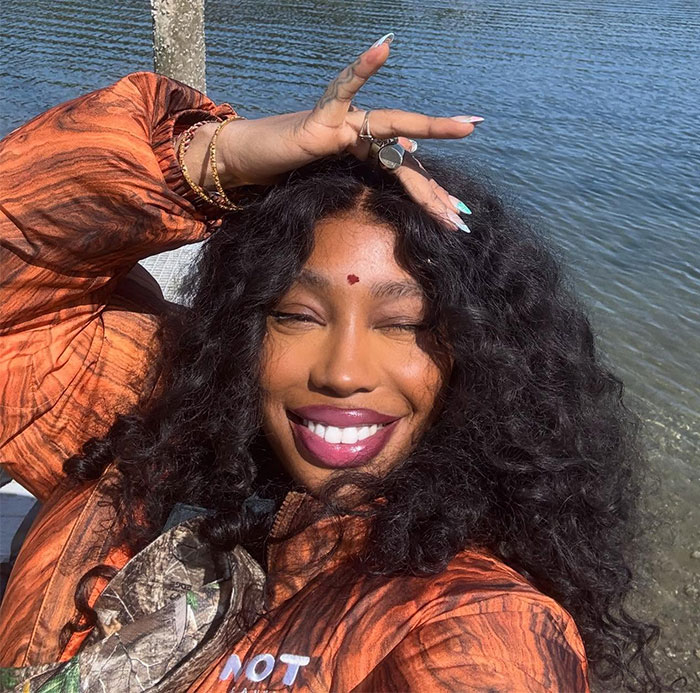
Image credits: sza
Despite the debate over language, many neurodiversity advocates noted that SZA’s announcement has brought renewed attention to late autism diagnoses, particularly among women and people whose traits may have been overlooked for years.
Her story has also prompted broader conversations about masking, sensory differences, and why many autistic adults receive answers only later in life.
And SZA isn’t the only public figure to have shared such an experience.
Over the years, a growing number of actors, musicians, comedians, entrepreneurs, and television personalities have spoken candidly about being on the autism spectrum, often explaining how understanding their diagnosis helped them make sense of lifelong experiences.
Here are 17 well-known stars who have shared that they are on the autism spectrum, proving there’s no single way autism looks or is experienced.
#1 Daryl Hannah
Long before autism was widely understood, actress Daryl Hannah was navigating a world that often misunderstood her.
Best known for films like Splash, Blade Runner, and Kill Bill, Hannah was diagnosed as a young child in the 1960s after struggling with social interaction, communication, and overwhelming sensory experiences.
She kept her diagnosis private throughout most of her Hollywood career, only speaking about it publicly in a 2013 interview with People.
As a child, Hannah frequently rocked back and forth to calm herself, became intensely fixated on things like fire, and found school especially difficult.
“My shyness was probably made worse because of my condition,” she recalled.
“I’d come home from school and cry myself to sleep. Right from an early age, I’d rock myself back and forth because it helped calm me down.”
She also remembered feeling isolated from classmates, adding, “I was tall, stick-thin skinny and kind of goofy looking and not very communicative. Everybody at school picked on me because I was different – I had white hair and a boy’s name.”
According to Daryl, doctors advised her mother to medicate her and place her in an institution, recommendations her mother firmly rejected.
Instead, she removed the actress from school for a year, encouraged her imagination, and later moved the family to Jamaica, giving her daughter the space to develop without the pressures that had made everyday life so overwhelming.
Although Hannah eventually pursued acting at 17, fame presented its own challenges.
She has explained that performing on a film set felt far easier than appearing in public as herself.
“I’ve never been comfortable being the center of attention. It’s always freaked me out,” she admitted.
The anxiety became so severe that she routinely skipped movie premieres, avoided talk shows, and even declined an invitation to appear on The Oprah Winfrey Show because the prospect of facing a live audience left her feeling as though she might faint.
Her reluctance to participate in Hollywood publicity was sometimes mistaken for arrogance, something she later believed contributed to her being overlooked for certain opportunities.
“I wasted so much time scared, self-conscious, and insecure. Life is too short to stress the small things anymore.”
Over the years, she has developed strategies to manage sensory overload, accepted her need for quieter environments, and continued to use self-soothing techniques that help her regulate in overwhelming situations.
Fans have praised Hannah for speaking candidly about her experience while acknowledging that autism affects everyone differently.
“She seems so wonderful. And good on her for not trying to over-apply her experience to the realities of others. She left space for our individual differences. We stan an empathetic queen,” one person wrote.
Another added, “I think this is part of what made her so great in her role in Steel Magnolias. Her character in that flick is clearly one an autistic person could identify with.”
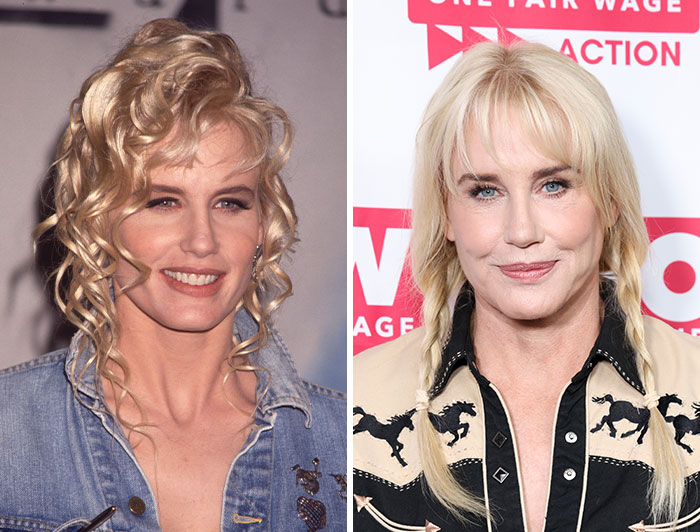
Image source: Darlene Hammond/Hulton Archive/Getty Images, Mark Von Holden/Variety via Getty Images
#2 Dan Aykroyd
The Saturday Night Live alum Dan Aykroyd has spoken openly about being diagnosed with Asperger’s syndrome in the early 1980s, a diagnosis that today falls under the broader umbrella of Autism Spectrum Disorder (ASD).
Rather than viewing it as a limitation, Aykroyd has often credited his neurodivergence with helping shape one of Hollywood’s most beloved supernatural comedies.
As a child, Dan struggled in traditional school settings and was expelled from two schools before anyone understood the reason behind his behaviors.
At age 12, he was also diagnosed with Tourette syndrome, experiencing both physical and vocal tics, including barking, which he says he largely learned to manage through therapy by his mid-teens.
It wasn’t until adulthood that another piece of the puzzle fell into place.
Encouraged by his wife, actress Donna Dixon, Aykroyd sought a medical evaluation and was diagnosed with Asperger’s syndrome in the early 1980s, the term used at the time.
Since 2013, that diagnosis has been incorporated into the broader diagnosis of Autism Spectrum Disorder under the Diagnostic and Statistical Manual of Mental Disorders (DSM-5), although many people who received the earlier diagnosis, including Aykroyd, still refer to it by its original name because that was the terminology they were given.
Speaking to the Daily Mail in 2013, he explained how one of his lifelong autistic traits became the foundation for Ghostbusters.
He said, “I also have Asperger’s, but I can manage it. One of my symptoms included my obsession with ghosts and law enforcement; I carry around a police badge with me, for example.”
“I became obsessed by Hans Holzer, the greatest ghost hunter ever. That’s when the idea of my film Ghostbusters was born.”
Dan has also described how his mind processes the world differently from those around him.
“You look at the floor and see the floor. I look at the floor and see molecules,” he once remarked, explaining how his attention naturally gravitates toward details others might overlook.
Rather than trying to suppress those traits, he has embraced them as part of the creativity and curiosity that have fueled his decades-long career in comedy, film, and writing.
One fan wrote, “I love how he turned one of his biggest interests into one of the greatest comedy films ever made.”
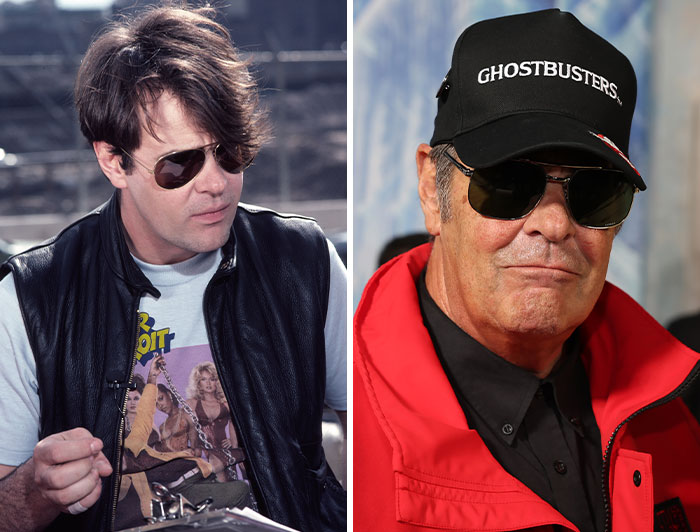
Image source: Gary Gershoff/Getty Images, Shareif Ziyadat/FilmMagic
#3 Elon Musk
Elon Musk publicly revealed that he is on the autism spectrum during his opening monologue on Saturday Night Live in May 2021.
Introducing himself to viewers, the Tesla and SpaceX CEO joked, “I’m actually making history tonight as the first person with Asperger’s to host SNL. Or at least the first to admit it.”
Since the publication of the Diagnostic and Statistical Manual of Mental Disorders (DSM-5) in 2013, Asperger’s syndrome has been incorporated into the broader diagnosis of Autism Spectrum Disorder (ASD).
Throughout the monologue, Musk leaned into his differences with self-deprecating humor, explaining that he doesn’t always have the smoothest delivery.
“Look, I know I sometimes say or post strange things, but that’s just how my brain works,” he quipped.
“To anyone I’ve offended, I just want to say: I reinvented electric cars, and I’m sending people to Mars in a rocket ship. Did you also think I was going to be a chill, normal dude?”
He also joked that he had become surprisingly good at “running human in emulation mode,” a playful reference to consciously practicing eye contact and social interaction.
In later interviews, Elon described growing up in South Africa as an intensely lonely child who often struggled to understand social cues and found comfort in books and computers instead.
He has spoken about spending hours reading the Encyclopedia Britannica, teaching himself programming, and immersing himself in subjects that fascinated him.
“I found it rewarding to spend all night programming computers just by myself,” he once said, reflecting on how solitary work suited the way his mind naturally operates.
Many of the traits Musk has described, including intense focus on specific interests, literal communication, and a preference for logical problem-solving, are commonly associated with autism.
He has frequently suggested that the same way of thinking helped fuel his decades-long commitment to electric vehicles, space exploration, and artificial intelligence.
However, Elon’s SNL announcement sparked broader conversations about neurodiversity.
Some critics noted that Dan Aykroyd, who has also publicly shared that he is on the autism spectrum, had hosted SNL years earlier, arguing that Musk’s claim overlooked earlier neurodivergent performers.
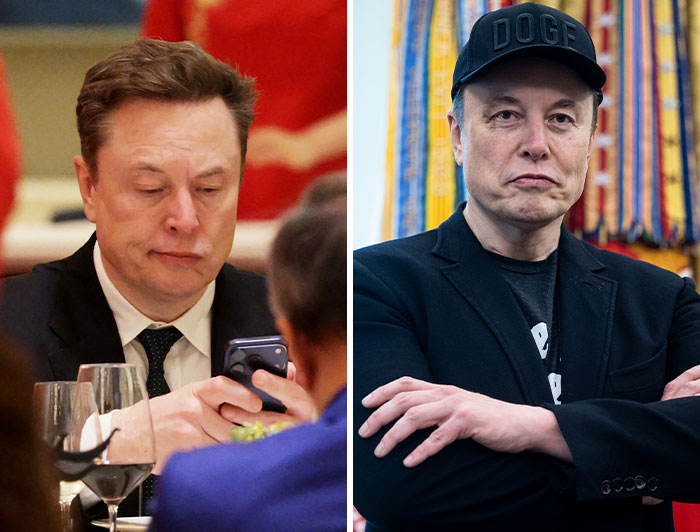
Image source: Alex Wong/Getty Images, Francis Chung/Politico/Bloomberg via Getty Images
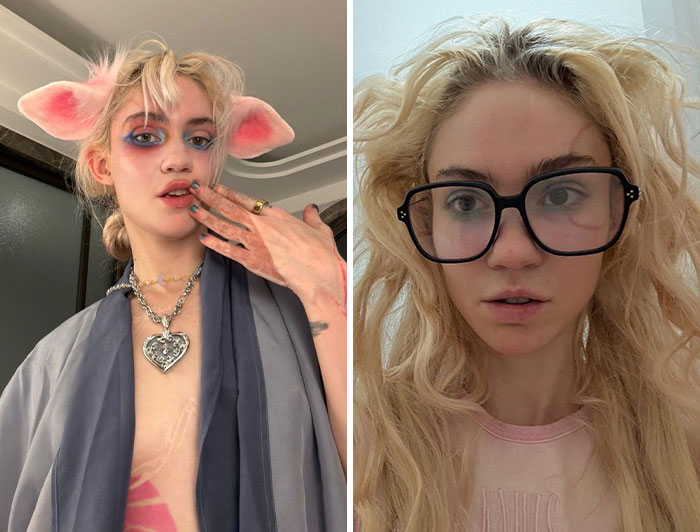
#4 Grimes
Canadian singer-songwriter Grimes, whose real name is Claire Boucher, revealed in March 2025 that she had been formally diagnosed with Autism Spectrum Disorder (ASD) and ADHD at the age of 37.
Sharing the news on X, the Genesis singer said finally having answers helped explain many of the struggles and intense interests that had shaped her life for years.
Reflecting on her late diagnosis, Grimes wrote, “Got diagnosed w ADHD / autism this year and realized I’m prob dyslexic which is why I can’t spell at all without spellcheck.”
She added that learning she was neurodivergent made her look at her childhood differently, saying, “Had we known this when I was a child, I would have worked so much less hard.”
While acknowledging the challenges, she also said she was grateful she had persevered rather than letting those difficulties define her.
Her experience also reflects a broader medical pattern.
Autism has historically been underdiagnosed in girls and women because many learn to “mask” their traits or internalize social difficulties, often delaying recognition until adulthood.
Grimes’ diagnosis became another high-profile example of how many women only receive answers later in life after years of wondering why certain experiences felt so different.
At the same time, the musician urged caution about relying on viral social media content for mental health information.
While sharing her own experience, she criticized what she described as an “uninformed social media mental health subculture,” warning that online algorithms can encourage people to pathologize ordinary behaviors.
Instead, she encouraged anyone with concerns to seek proper clinical evaluations from qualified professionals.
Many fans praised her openness, with one person writing, “Correcto, I knew this years ago, and it actually helped me realize my own diagnosis.”
Another user added, “I have some posts talking about this. Having her as a reference helped me to accept myself as I am.”
#5 Susan Boyle
For most of her childhood and adult life, Susan Boyle believed she had suffered permanent brain damage during a complicated birth.
It wasn’t until 2012, at age 51, that she sought a private diagnosis and discovered the truth: she is autistic.
Today, what was identified as Asperger’s syndrome is recognized as part of the broader Autism Spectrum Disorder (ASD), a realization that brought the Scottish singer immense relief.
For Boyle, this diagnosis replaced a lifetime of confusion and unfair labels with a clearer understanding of herself.
Growing up in Blackburn, Scotland, her unusual behaviors led to severe bullying, with peers cruelly nicknaming her “Susie Simple.”
She found her sanctuary in music, later reflecting in a 2013 interview with The Observer, she said, “My singing silenced the bullies, but better than that, it silenced the demons inside me… When I was singing, it was peaceful.”
However, her sudden rise to fame in 2009 was profoundly jarring for her.
The intense noise and lack of routine triggered severe anxiety, leading to public meltdowns that the media, lacking context, often unfairly pathologized as erratic behavior.
Today, Susan manages her condition through a structured environment and a dedicated team.
She admitted, “I am not strong on my own… When I have the support of people around me, I am fine. I have a great team.”
Boyle also stressed that the diagnosis neither defines nor limits who she is.
“It will not make any difference to my life. It’s just a condition that I have to live with and work through,” she said, expressing hope that greater awareness would help people better understand her experiences.
Boyle hoped her diagnosis would foster greater empathy, saying, “I think people will treat me better because they will have a much greater understanding of who I am and why I do the things I do.”
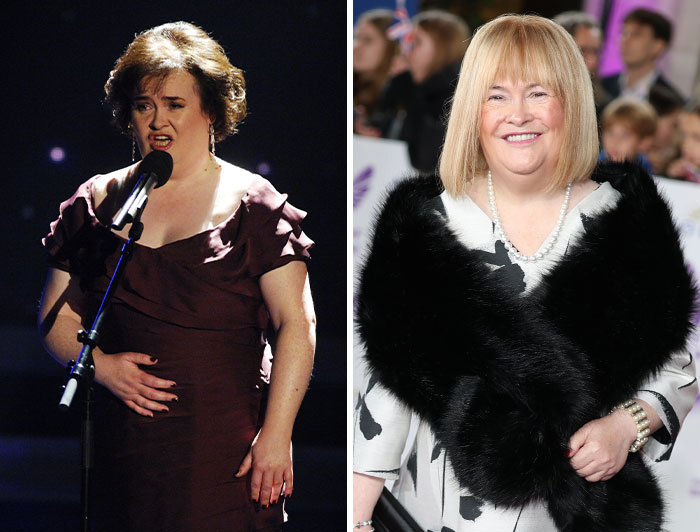
Image source: Stefan Menne/Getty Images, Mike Marsland/WireImage
#6 Kanye West
Rapper and fashion designer Ye, formerly known as Kanye West, revealed in February 2025 that he had been diagnosed with Autism Spectrum Disorder (ASD) after seeking a second medical opinion.
Speaking on The Download podcast with Justin LaBoy, Ye said he had previously been diagnosed with bipolar disorder in 2016 but later learned that autism was a more accurate explanation for many of his lifelong traits.
According to him, it was his wife, Bianca Censori, who encouraged him to undergo another evaluation after feeling that his behavior did not align with bipolar disorder.
Recalling the experience, Ye said, “My wife took me because she said, ‘Something about your personality doesn’t feel like it’s bipolar, I’ve seen bipolar before.'”
After consulting a new doctor, he was told, “I’ve come to find that it’s really a case of autism that I have.”
He also reflected on how the diagnosis helped him understand certain behaviors, explaining, “Autism takes you to a Rain Man thing. When fans tell me to do my album a certain way, I’ll do it the opposite way.”
Ye added that he stopped taking the medication prescribed for bipolar disorder after learning it had been a misdiagnosis, noting that autism itself is not treated with medication.
He now focuses on managing his mental health in ways that do not interfere with his creativity.
“It’s finding stuff that doesn’t block the creativity… It’s worth the ramp-up, as long as y’all get the creativity.”
The VULTURES rapper also acknowledged that he remains mindful of periods when his mental health becomes more difficult to manage.
The announcement followed years of public speculation about Ye’s mental health.
In 2023, screenshots of a private text message he had sent to Elon Musk reportedly surfaced online, in which he wrote, “I’m not bipolar; I have signs of autism from my car accident.”
The crash he was referring to was his widely publicized near-fatal collision in October 2002, when he reportedly fell asleep at the wheel of a rented Lexus and collided head-on with another vehicle.
West suffered a shattered jaw and severe facial fractures, while the other driver sustained broken legs.
Ye has since suggested in interviews and private messages that he believes the accident contributed to his autism.
However, there is no established medical evidence that traumatic car accidents cause autism.
His 2025 interview marked the first time he publicly said that a medical evaluation had concluded he was autistic, after years of public discussions surrounding his mental health.
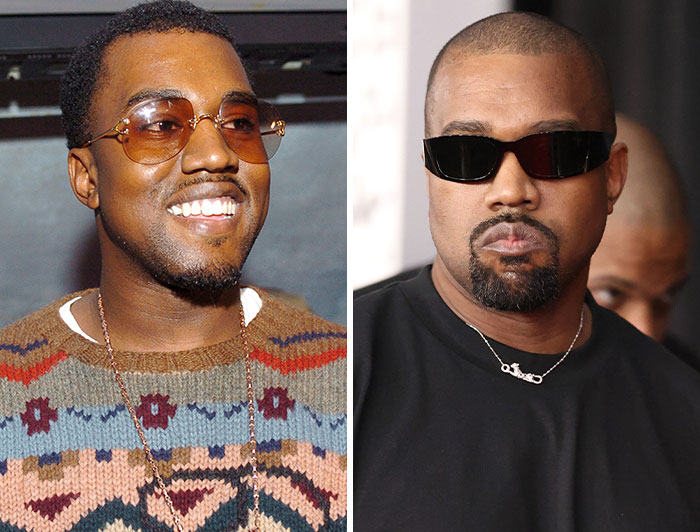
Image source: Dimitrios Kambouris/WireImage, Matt Winkelmeyer/Getty Images
#7 Jaime King
What began as a deeper exploration of psychology ultimately led Jaime King to a life-changing discovery about herself.
While pursuing a master’s degree in spiritual science and psychology, the Hart of Dixie and Sin City actress realized many of the experiences she had lived with since childhood closely aligned with autism.
After already being diagnosed with ADHD, she sought a clinical evaluation and, in her late twenties, was diagnosed with Autism Spectrum Disorder (ASD).
She publicly shared her diagnosis for the first time during a late-2025 appearance on the Juicy Scoop with Heather McDonald podcast.
Recalling the journey, King said, “I found out in my late twenties. It came about through getting tested because I realized that by having ADHD there was a possibility that the other thing would be the case.”
The actress explained that her studies helped her understand feelings she had struggled to describe for years.
“It’s just the way that my brain processes and the way that I relate or connect to the world is very… it’s not, like, normal, per se,” she shared.
Jamie’s experience reflects a growing pattern identified by clinicians, with many autistic women receiving diagnoses later in life after spending years masking their traits by unconsciously adapting to social expectations.
Having begun her modeling career at just 12 years old, King said she had long assumed her experiences were simply part of being introverted rather than signs of neurodivergence.
During the conversation, host Heather suggested that Jamie’s neurodivergence was closely tied to her intensely creative and “genius” way of thinking.
King warmly embraced that perspective, replying, “It’s a gift.”
Her openness resonated with many listeners and added to the growing conversation about late autism diagnoses, particularly among women whose traits often go unnoticed for years.
Historically, autism research and diagnostic criteria were developed primarily around young boys, leaving many girls and women to grow up without answers.
As a result, countless women are only diagnosed in their 20s, 30s, or even later in life, sometimes after one of their own children is diagnosed or following years of anxiety, burnout, or other mental health challenges.
According to multiple medical studies, autistic boys are more likely to display outwardly recognizable behaviors, while autistic girls often internalize their struggles.
Instead of obvious repetitive behaviors or social withdrawal, many present with intense anxiety, perfectionism, quiet observation, or a strong tendency to mask their differences in social settings.
Many women are initially diagnosed with conditions such as anxiety, depression, eating disorders, or borderline personality disorder before later discovering they are autistic.
Autism also frequently co-occurs with ADHD, a combination often referred to as AuDHD, which can further complicate or delay an accurate diagnosis.
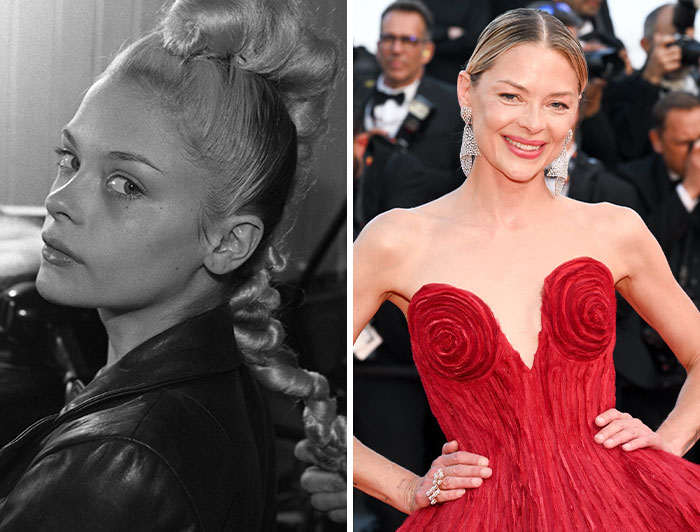
Image source: Catherine McGann/Getty Images, Michael Buckner/Variety via Getty Images
#8 Bella Ramsey
While filming the first season of The Last of Us, Bella Ramsey received an unexpected observation that would change how they understood themselves.
A crew member whose daughter is autistic noticed similarities in Ramsey’s behavior and gently suggested they consider an assessment.
The conversation prompted the actor to pursue a formal evaluation, leading to an autism diagnosis at age 18.
Bella later confirmed the diagnosis publicly in a March 2025 interview with British Vogue, after previously describing themselves more broadly as neurodivergent.
Looking back, the Game of Thrones star said the diagnosis finally explained why they had always felt different growing up.
“I’ve spoken a bit about neurodivergence before, but I always, for some reason, didn’t want to,” Ramsey shared.
They described finally having an answer as “freeing,” adding, “My experience of moving through the world is as an autistic person. There’s no reason for people not to know.”
Rather than seeing autism as a barrier, Bella believes it has strengthened their acting.
“I’ve always been watching and learning from people. Having to learn more manually how to socialize and interact with the people around me has helped me with acting,” they explained.
Their diagnostic assessment highlighted what they described as “insane perception levels,” allowing them to pick up subtle facial expressions, body language, and emotional cues that naturally feed into their performances.
While crowded public places and press tours can feel overwhelming, the structured routine of a film set provides comfort.
“I have a call time, and I’m told what to wear, how to stand, where to stand and what to eat,” Ramsey said, explaining why production schedules suit them so well.
One fan wrote, “Imagine someone from work telling you they think you might be autistic. Sometimes people just look out for one another, especially from one neurodivergent to another. I’m glad it worked out for Bella.”
Another user commented, “It’s great that she found clarity and understanding through the diagnosis. Self-awareness can be a powerful thing, especially in a demanding industry like acting.”
Another comment read, “I was diagnosed with Autism this year, solidarity Bella. It doesn’t change us, and it is just glowing proof that Autism has such a spectrum of players.”
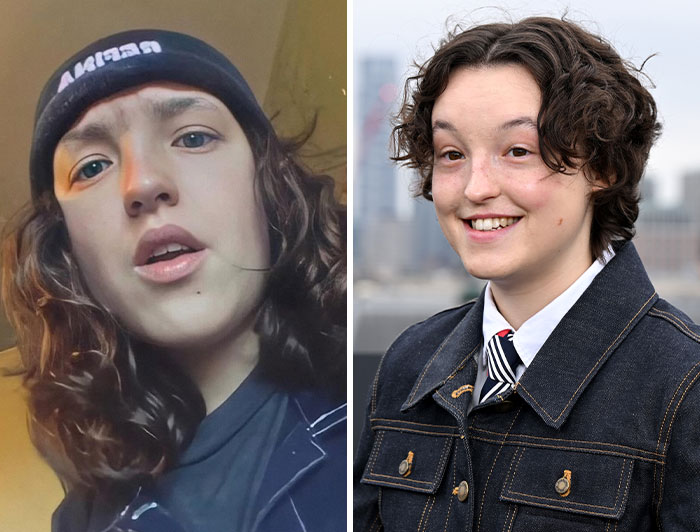
Image source: bellaramseysgirl, Jeff Spicer/Getty Images
#9 Bill Gates
While promoting his 2025 memoir Source Code: My Beginnings, Microsoft co-founder Bill Gates made one of his most personal revelations yet, saying that if he were growing up today, he would “probably be diagnosed on the autism spectrum.”
Although Gates has never publicly said he received a formal clinical diagnosis, he reflected on many childhood behaviors that closely align with the modern understanding of Autism Spectrum Disorder (ASD), opening up about them for the first time.
Bill recalled displaying several traits from an early age, including rocking back and forth to help himself think, becoming intensely absorbed in specific interests, and struggling to understand social cues.
One of his favorite examples came from sixth grade, when a simple class assignment turned into a 200-page report on the state of Delaware.
He remembered feeling confused and embarrassed when his classmates submitted reports that were only a few pages long.
His teachers were equally puzzled, with some believing he should skip grades because of his intellectual abilities, while others felt he lacked the social maturity to move ahead.
Outside a close-knit group of “nerdy boys,” Gates admitted it took him much longer than it did his peers to develop social connections.
He said his parents often viewed him as “rude and inappropriate” because he regularly missed common social cues, and, with little understanding of neurodiversity in the 1960s, they eventually took him to see a child therapist.
Looking back, Bill credits that therapist with changing the trajectory of his life, recalling, “Over a year, he succeeded in convincing me that my mental style might be a positive thing.”
The conversation gained even more attention a few months later when Gates’ daughter, Phoebe Gates, appeared on the Call Her Daddy podcast.
While joking about what it is like for potential boyfriends to meet her father, she remarked, “My dad’s pretty socially awkward.”
“Like he’s said before, he has Asperger’s,” referring to the diagnostic term that was historically used before being incorporated into the broader Autism Spectrum Disorder classification.
The entrepreneur later acknowledged that deciding whether to discuss autism in his memoir was one of the most difficult parts of writing the book, but ultimately chose to do so in hopes of reducing stigma and helping others.
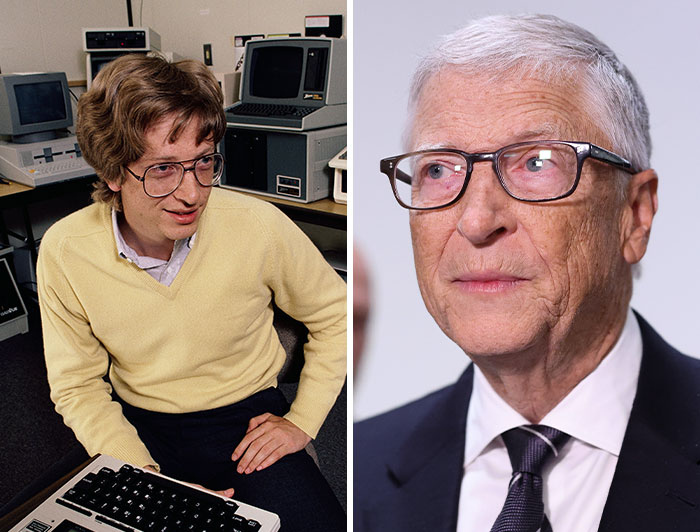
Image source: Doug Wilson/CORBIS/Corbis via Getty Images, Tom Brenner/Getty Images
#10 Tallulah Willis
Tallulah Willis surprised fans in 2024 when she publicly revealed her diagnosis at age 29 after years of receiving different diagnoses that never fully explained her experiences.
The artist, fashion designer, and youngest daughter of Bruce Willis and Demi Moore shared the news through a touching Instagram post featuring a childhood red carpet video with her father.
In the clip, while Bruce answered reporters’ questions, a young Tallulah remained completely absorbed in rubbing and playing with his ear, a repetitive, self-soothing behavior she now recognizes as an autistic trait.
Captioning the post, she joked, “Tell me you’re autistic without telling me you’re autistic,” before adding, “Actually, this is the first time I’ve ever publicly shared my diagnosis. Found out this summer and it’s changed my life.”
Before receiving her autism diagnosis, Willis had spent years searching for answers.
She was diagnosed with ADHD as a teenager and later with Borderline Personality Disorder (BPD) in 2022, but she felt those explanations never captured the full picture.
After her therapist referred her to a specialist, she underwent an intensive four-day assessment that ultimately confirmed she was autistic.
The diagnosis helped her reframe decades of experiences that had previously left her feeling confused and isolated.
Looking back, Tallulah realized many of the challenges she faced throughout childhood were rooted in sensory sensitivities rather than personal shortcomings.
She has explained that she is highly sensitive to taste, smell, touch, light, and sound, and has long believed that everyone experiences the world with the same overwhelming intensity.
She recalled that during first grade, the classroom environment became so overstimulating that she often hid beneath her teacher’s desk, her ears plugged, just to cope.
She also struggled with severe food selectivity, something she now suspects may have been related to Avoidant/Restrictive Food Intake Disorder (ARFID).
Speaking about the emotional impact of finally understanding herself, Willis admitted that years of masking her autistic traits and believing she was “too dramatic” or “too demanding” “almost ki**ed me,” adding that the diagnosis finally allowed her to show herself compassion instead of constantly feeling broken.
Her family has been openly supportive throughout her journey.
Tallulah has credited her parents for encouraging her to speak openly about her experiences and embrace her diagnosis.
Later, her sister, Rumer Willis, presented her with an advocacy award at the Autism Speaks Los Angeles Gala in recognition of her efforts to raise awareness about late autism diagnoses in women.
Many people connected deeply with the childhood video.
One commenter wrote, “Reminds me of my son. Playing with ears is soothing to him. And a sign of endearment.”
Another added, “The fact that no one noticed is kind of astonishing. I have 3 kids on the spectrum and have followed you for years. I’ve often sent posts of some random thing showing your particular quirkiness to my eldest simply with the caption ‘you.’”
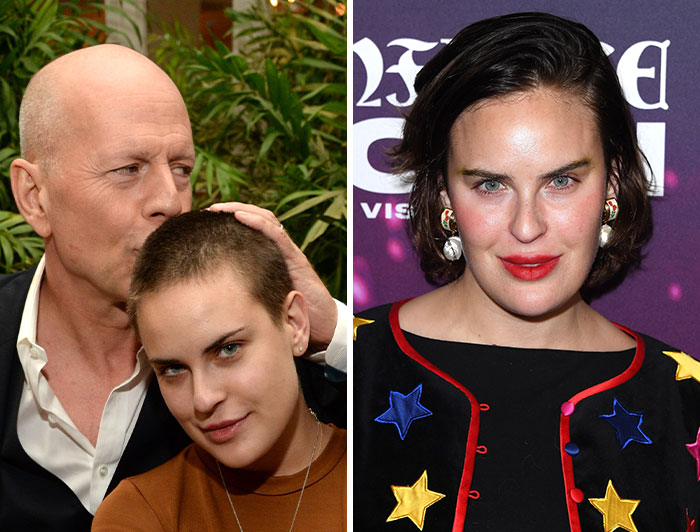
Image source: Kevin Mazur/WireImage, Steve Granitz/FilmMagic
#11 Wentworth Miller
After decades of feeling out of step with the world around him, Prison Break star Wentworth Miller revealed in 2021 that he had been formally diagnosed with autism at age 48.
Sharing the news in a heartfelt Instagram post, Miller explained that his official diagnosis came in 2020 after first recognizing autistic traits in himself and then pursuing a clinical evaluation.
Reflecting on the experience, he admitted the diagnosis was “a shock, but not a surprise.”
Wentworth explained that his journey followed a path familiar to many autistic adults: years of quietly feeling different, followed by extensive self-research before finally receiving professional confirmation.
He also criticized the current diagnostic process for adults, calling it “a long, flawed process in need of updating.”
“I’m a middle-aged man. Not a 5-year-old,” he wrote, noting that adult assessments are still largely designed around children and that access to specialized evaluations remains a privilege many people cannot afford.
Rather than viewing autism as something to overcome, Miller said it helped him better understand his entire life.
“This isn’t something I’d change… immediately being autistic is central to who I am. To everything I’ve achieved/articulated,” he wrote, firmly rejecting the outdated idea that autism is something to be “fixed.”
He also chose not to immediately position himself as a spokesperson for the community, explaining, “Meanwhile, I don’t want to run the risk of suddenly being a loud, ill-informed voice in the room. The #autistic community… has historically been talked over. Spoken for.”
Instead, he said he wanted to listen, learn, and amplify autistic creators whose lived experiences had already been educating him.
The diagnosis also gave the actor new context for many of the struggles he had spoken about publicly over the years, including his experiences with depression and feeling misunderstood.
Looking back, he said understanding himself through an autistic lens helped explain why everyday life had often felt so overwhelming for so long.
Fans applauded his honesty, with one person commenting, “Wentworth you continue to impress me with your honesty and vulnerability in your life’s journey.”
Another wrote, “Thank you for this. Got my autism diagnosis at 30 years old, and it was a peculiar gift, really. Your voice, about this, is so comforting. So, so comforting.”
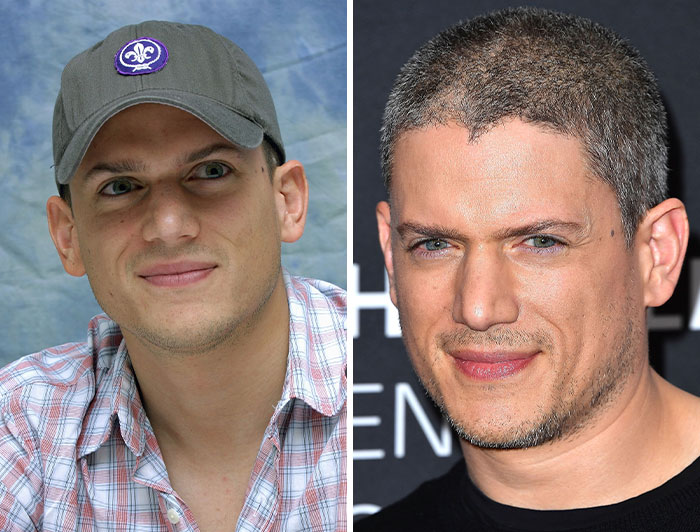
Image source: Piyal Hosain/Fotos International/Getty Images, Steve Granitz/WireImage
#12 Greta Thunberg
The face of the global climate movement, Greta Thunberg, was diagnosed with Asperger’s syndrome at age 11, a diagnostic term historically used before being incorporated into the broader Autism Spectrum Disorder (ASD) classification, alongside OCD and selective mutism.
Rather than seeing the diagnosis as a setback, Thunberg has repeatedly said it helped her better understand herself and gave her the support she needed.
Her diagnosis came after an extremely difficult period during childhood.
After learning about climate change at around age eight, Greta became deeply distressed by what she saw as a lack of meaningful action from world leaders.
The emotional toll eventually led to a years-long depression, and by age 11, she had largely stopped speaking and was eating so little that she lost a significant amount of weight.
Looking back on that time, she told The Guardian, “When I felt the most sad, I didn’t know that I had autism. I just thought, I don’t want to be like this.”
“The diagnosis was almost only positive for me. It helped me get the support I needed and made me understand why I was like this.”
As Thunberg’s climate activism gained international attention, she began speaking openly about how autism shapes the way she approaches the world.
She has often described her direct, logical thinking and her ability to focus intensely on scientific evidence as strengths rather than weaknesses.
In a widely shared 2019 social media post, she wrote, “I have Asperger’s and that means I’m sometimes a bit different from the norm. And, given the right circumstances, being different is a superpower.”
She has also emphasized that autism is not something to be ashamed of, writing, “Autism is not a disease. It’s not something you ‘have’… It simply means that you are a bit different from everyone else… That’s why I’m very proud to be autistic.”
The Swedish activist has also explained how her selective mutism influences the way she communicates.
During her TEDx Stockholm talk, she said, “That basically means I only speak when I think it’s necessary. Now is one of those moments,” a mindset that has become closely associated with her straightforward, fact-driven advocacy.
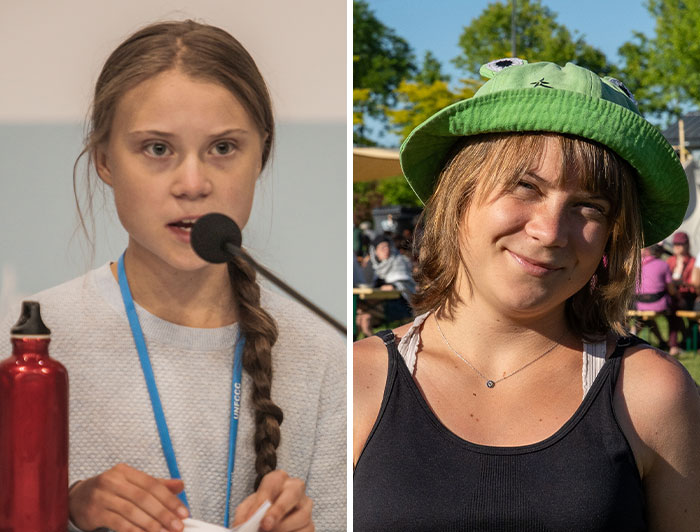
Image source: Celestino Arce/NurPhoto via Getty Images, Max Lametz/picture alliance via Getty Images
#13 Julia Fox
Julia Fox didn’t announce her autism diagnosis through a magazine interview or television appearance.
Instead, the Uncut Gems actress casually confirmed she is on the autism spectrum while replying to a fan on TikTok in 2022.
After posting a video criticizing gender-based pricing on everyday products, one follower commented, “What?! Girl your random knowledge is fascinating,” to which Fox simply responded, “It’s my autism lol.”
The now-viral exchange came after Julia’s video about the “pink tax,” in which she pointed out that Rogaine, commonly used to treat hair loss in men, is tax-exempt in the United States, while menstrual products are not.
Her brief reply about autism quickly sparked an entirely different conversation about neurodiversity.
Since then, Fox has spoken more openly about how autism shapes her daily life.
While promoting her memoir Down the Drain, she described experiencing heightened sensory sensitivities, particularly to smells, and also discussed living with ADHD, OCD, and bipolar disorder.
Julia’s diagnosis also helped explain a widely discussed social media misunderstanding in 2023.
After a TikTok creator used the platform’s coded “algospeak” to describe surviving s**ual a**ault, Fox interpreted the post literally, believing he was complaining about someone borrowing his mascara, and left a dismissive comment.
Once she learned the hidden meaning behind the coded language, she immediately apologized, explaining, “I really thought u were talking about mascara like as in makeup… I really thought this man was crying about mascara.”
Many autistic and neurodivergent users defended the model, noting that interpreting language literally is a common autistic trait and arguing that constantly evolving internet code words can make online spaces especially confusing.
One commenter wrote, “A perfect example of an autistic person (Julia Fox) taking something literally and being painted as a villain for doing so.”
The same user added, “It was big of Ms Fox to apologise when it was the other person’s language usage that led to the confusion. But, us autists are always expected to apologise.”
Many fans also expressed that her revelation helped them relate to her even more.
“I knew I felt some neurodivergent energy and it wasn’t just my own,” one person commented.
Another wrote, “I knew you were one of us,” while someone else added, “So that’s why I connect with you and love your info dumps so much. You represent us so well.”
Another fan shared, “I had no clue that you had autism! You’re already an incredible role model, but more now for me, as I also have autism.”
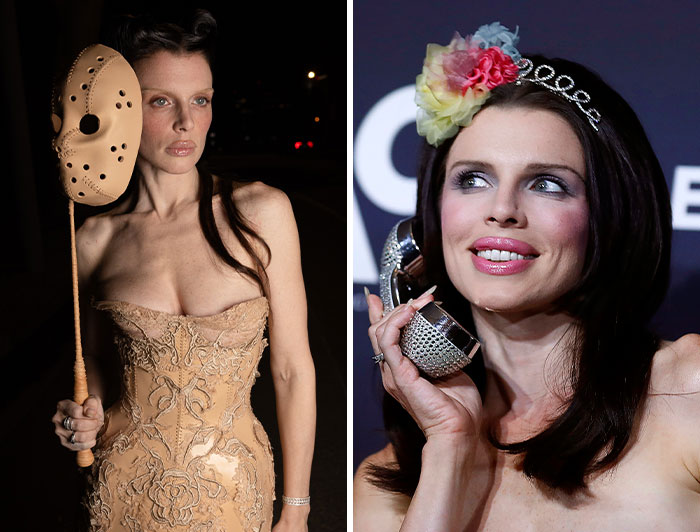
Image source: Rachpoot/Bauer-Griffin/GC Images, John Lamparski/Getty Images
#14 Tom Hardy
Tom Hardy surprised fans when he casually revealed that he is on the autism spectrum during a Sony panel at New York Comic Con while discussing his meticulous approach to playing Eddie Brock and Venom.
Explaining just how deeply he analyzes every aspect of a character, the Mad Max: Fury Road and The Dark Knight Rises star joked, “I could get really geeky about this process and talk to you about it, but I just sound like I’m on the spectrum. Because I am. That’s for you.”
He later partnered with the Brazilian Jiu-Jitsu brand Tatami Fightwear to launch The AUTSiders Social Club / Neurospicy Collection, featuring training gear with slogans such as “Zero Eye Contact.”
Tom also asked followers to recommend autism charities so proceeds from the collection could support advocacy organizations.
His revelation prompted many fans to revisit years of interviews and performances through a different lens, with some suggesting that his intense focus, distinctive communication style, and dedication to his roles reflected traits they now recognized as part of his neurodivergence.
One fan wrote, “I saw it a looooooong time ago. All you have to do is watch his body language and his eyes when he speaks. He also stims a lot. It’s also in his voice and tone.”
Another user said, “Something healing about discovering you’re autistic in your adulthood, your life all of a sudden makes sense.”
Others praised how his diagnosis reshaped their perspective on his work, with one viewer writing, “His portrayal in Mad Max was spot on autistic. Another reason why I love it.”
Another comment read, “I mean from the way he kinda talks, grunts and does not look people in the eyes most of the time it kinda makes sense looking back at his interviews and even his acting style.”
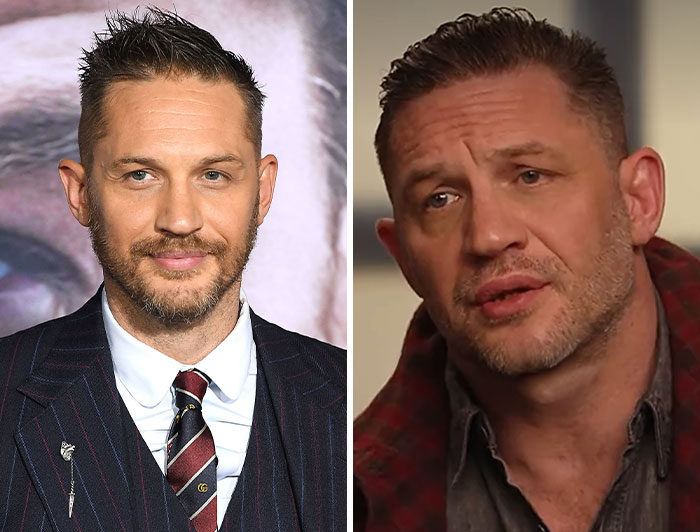
Image source: Steve Granitz/WireImage, tomhardyvariations
#15 Kim Rhodes
Kim Rhodes spent decades wondering why she experienced the world differently before an unexpected realization changed everything.
While learning how to support her young daughter after she was diagnosed with autism, the The Suite Life of Zack & Cody and Supernatural actress began recognizing many of the same lifelong traits in herself.
After initially self-identifying as autistic and connecting with neurodivergent educators, Rhodes pursued a comprehensive assessment and received a formal autism diagnosis in 2022.
Kim has described the diagnosis as life-changing. She compared her undiagnosed years to “walking n*ked and barefoot in the woods without shoes,” saying that finally understanding her neurodivergence felt like putting on “a suit of armor.”
The diagnosis gave her the language to recognize her boundaries, protect her energy, and stop blaming herself for struggles she had carried for years.
She has also spoken candidly about experiencing hyper-empathy and realizing she didn’t have to absorb everyone else’s emotions to be compassionate.
Looking back, Rhodes believes acting became an unexpected coping mechanism, as performing scripted characters gave her a structured way to navigate social situations that often felt confusing or overwhelming.
Since receiving her diagnosis, the actress has used her platform to challenge outdated stereotypes surrounding autism, particularly the misconception that autistic people are simply “rigid” thinkers.
In a 2024 Facebook post, Rhodes explained that what can appear as inflexibility is often a survival response to unexpected change.
Joking, “My brain is as flexible as a well-cooked noodle!” she added that unfamiliar situations can make her nervous system feel like “we are all gonna d*e.”
She has also pushed back against misconceptions about autism, writing, “First of all, that’s not a compliment. Autism isn’t a disease or curse. It’s a difference,” after seeing people attempt to minimize her daughter’s diagnosis.
Through her openness, Kim has become a prominent voice for adults, especially women, whose autism went unrecognized for years.
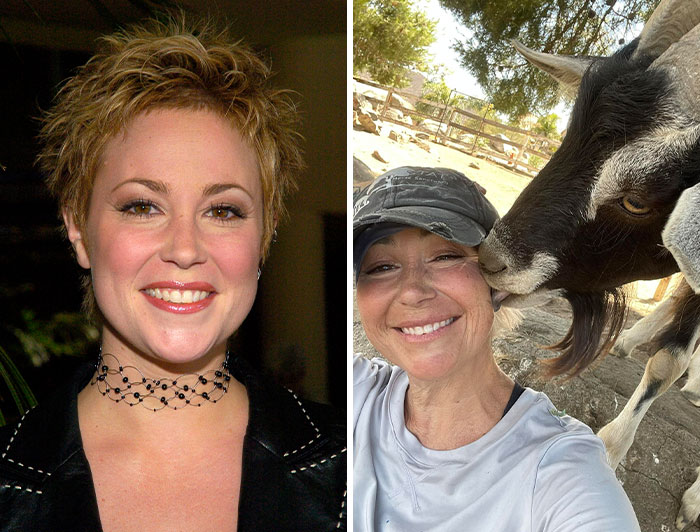
Image source: John Heller/WireImage, Kim Rhodes
#16 Sia
Australian singer-songwriter Sia revealed in 2023 that she is on the autism spectrum.
Speaking on Rob Has a Podcast, she casually shared, “I’m on the spectrum, and I’m in recovery and whatever, there’s a lot of things,” marking the first time she had publicly discussed her diagnosis.
Reflecting on life before receiving answers, Sia described years of masking with a striking metaphor.
“I’ve felt like, for 45 years, I was like, ‘I’ve got to go put my human suit on,’” she said, explaining that she had only truly felt like herself in the two years following her diagnosis.
The revelation came two years after the singer faced widespread criticism over her 2021 directorial debut, Music, which centered on a non-speaking autistic teenager.
Disability advocates objected to the casting of a neurotypical actor in the lead role and raised serious concerns about scenes depicting prone restraint during sensory meltdowns.
Following the backlash, Sia publicly apologized and acknowledged that she had not listened to the right voices during the filmmaking process.
She wrote in a public apology, “I listened to the wrong people and that is my responsibility, my research was clearly not thorough enough, not wide enough.”
She also said the restraint scenes would be removed from future versions of the film and that a warning card would clarify the movie “in no way condones or recommends the use of restraint on autistic people.”
The conversation also highlighted the importance of listening to autistic voices and lived experiences when telling stories about the community.
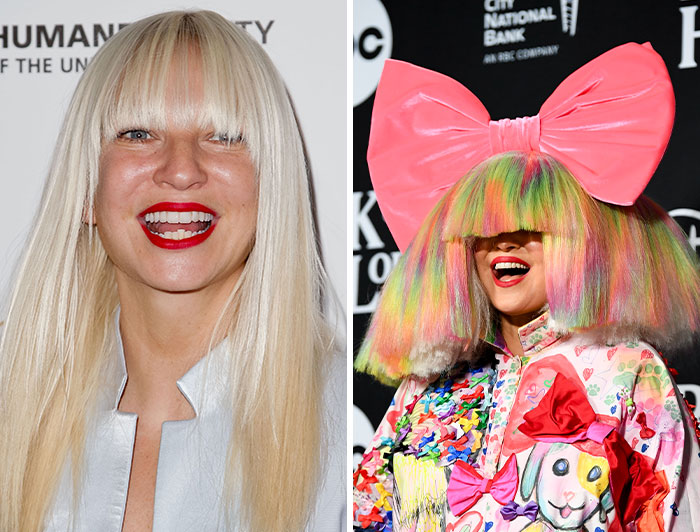
Image source: Tibrina Hobson/Getty Images, Daniel Zuchnik/Penske Media via Getty Images
#17 Paddy Considine
Long before he became known for playing King Viserys Targaryen in House of the Dragon, Paddy Considine spent years struggling with overwhelming social anxiety that he couldn’t explain.
The English actor and filmmaker was formally diagnosed with Asperger’s syndrome, now part of the broader Autism Spectrum Disorder (ASD), at the age of 36, a discovery he said finally helped him understand decades of confusion.
Before receiving answers, Considine found everyday situations deeply distressing.
He has recalled experiencing panic attacks in supermarkets and even hiding under his dining room table if someone unexpectedly knocked on his front door because social interactions felt so overwhelming.
Reflecting on the diagnosis, he admitted, “For a few weeks after the diagnosis, I was wandering around thinking, ‘Who the hell am I?’ But naming my problem has helped me a lot.”
“It’s allowed me to make sense of so many things I didn’t understand before.”
A few years later, Paddy made another important discovery when he was diagnosed with Irlen syndrome, a perceptual processing disorder that affects how the brain processes light and visual information.
He explained that bright lights and visual overstimulation often pushed his brain into survival mode, leading many people to mistake his discomfort for anger.
“I wasn’t angry. I was just ill, in a way… I didn’t know what was going on. My brain was telling me to shut down,” he said.
After being prescribed custom purple-tinted Irlen glasses, he found that his panic attacks eased, his concentration improved, and memorizing scripts became far less difficult.
Looking back on his career, Paddy admitted there were times he considered walking away from acting, as the struggles he later learned were connected to his autism frequently made the profession feel overwhelming.
“It was something I had to learn to love and appreciate because it was giving me so much,” he told The Guardian.
“It’s very easy to run and hide, but there’s some part of me that won’t do that… I’m not going to drown here. I’m going to swim.”
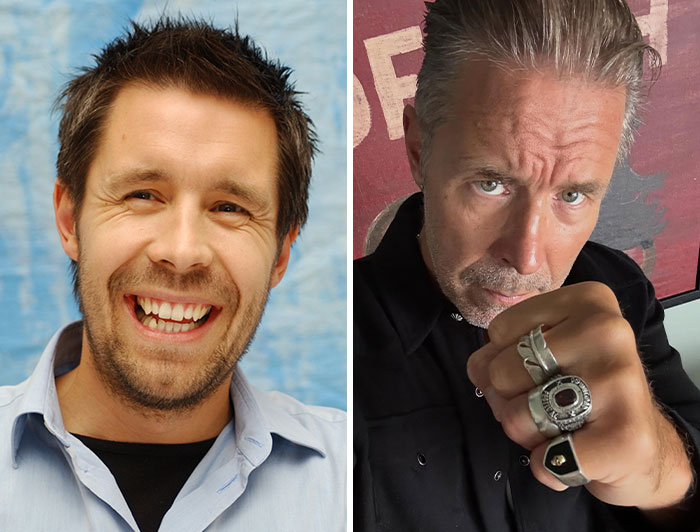
Image source: Vera Anderson/WireImage, paddy_considine
 Follow Us