For decades, HBO has stood at the center of what critics and audiences call “prestige television.” The network built its reputation on bold storytelling, cinematic production values, and a willingness to take risks that traditional broadcasters often avoided. While many platforms chase trends, HBO has consistently set them, delivering shows that redefine genres and influence the entire entertainment industry. Interestingly, decades later, its legacy has not faded, even as streaming giants flood the market with content.
Today’s television landscape looks more crowded than ever, with competitors like Netflix and Amazon Prime Video investing billions into original programming. Despite this fierce competition, HBO continues to stand apart. The network maintains a reputation for prestige rather than volume, focusing on quality over quantity. Such a strategy has kept HBO relevant and influential, even as viewing habits evolve and audiences shift toward on-demand streaming.
HBO Built the Foundation of Prestige Television
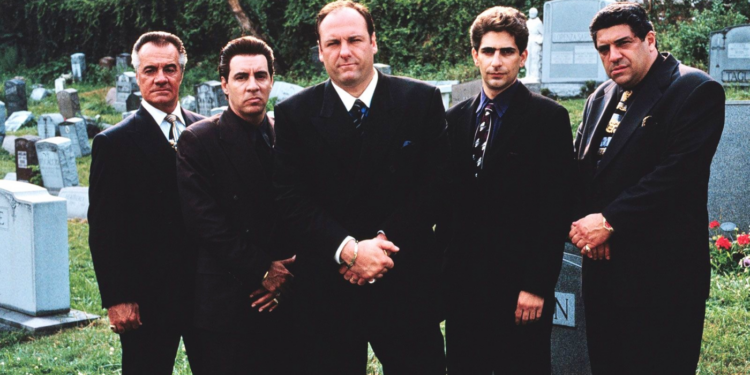
HBO did not stumble into success, but built a new standard for television from the ground up. When the network released groundbreaking series like The Sopranos, it changed how people viewed television drama. The show delivered complex characters, morally ambiguous storytelling, and cinematic production quality that rivaled major films.
The momentum continued with shows such as The Wire and Six Feet Under. Each series pushed storytelling boundaries, tackling themes that traditional networks rarely explored. HBO created a brand identity rooted in bold, intelligent content. That foundation still supports the network’s current success and continues to influence how creators approach television writing and production.

HBO Has Had a Consistent Track Record of Hit Series
HBO’s dominance comes from consistency, not luck. The network has delivered hit after hit across multiple decades, proving its ability to adapt while maintaining quality. Game of Thrones became a global phenomenon, attracting millions of viewers and redefining fantasy television. The show’s unprecedented success showed that HBO could scale its storytelling without sacrificing depth or quality.
More recently, shows like Succession and Euphoria have also captured cultural attention. These series dominate conversations online and earn critical acclaim, reinforcing HBO’s position as a leader in premium content. While other platforms release dozens of shows each month, HBO focuses on fewer projects and ensures each one meets a high standard. It is such discipline that has helped the network maintain its reputation.
HBO’s Creative Freedom Has Driven Its Better Storytelling
One of HBO’s greatest strengths lies in its commitment to creative freedom. Unlike many traditional networks, HBO allows writers and showrunners to tell stories without excessive interference. This approach has attracted top-tier talent who want to create meaningful, uncompromised work. As a result, HBO projects often feel more authentic and daring. Unsurprisingly, this freedom has led to unique storytelling choices that set HBO apart. Writers can explore complex themes, develop layered characters, and take risks that might fail on more restrictive platforms. Audiences recognize this difference, and they associate HBO with storytelling that challenges and engages them.
HBO’s Awards Recognition Reinforces Its Reputation

Although awards do not define quality, they often reflect industry respect. HBO consistently dominates major award ceremonies, including the Primetime Emmy Awards. Shows like Succession and Big Little Lies have earned multiple accolades, highlighting the network’s commitment to excellence.
This recognition strengthens HBO’s brand. Audiences often associate award-winning content with higher quality, which encourages them to trust HBO’s programming. While competitors also win awards, HBO maintains a steady presence year after year. Such consistency reinforces its image as a leader in prestige television and helps it stand out in a crowded market.
HBO’s Transition to Streaming Strengthened Its Reach
The rise of streaming forced traditional networks to evolve, and HBO responded with strategic precision. The launch of Max expanded HBO’s reach beyond cable subscribers. This move allowed the network to compete directly with digital-first platforms while preserving its identity.
Max combines HBO’s premium content with a broader library, giving audiences more value without diluting the brand. Interestingly, HBO still prioritizes quality, even within a larger streaming ecosystem. This balance helps the network attract both long-time fans and new audiences. As streaming continues to dominate, HBO’s ability to adapt has ensured its continued relevance.
Strong Competition Has Kept HBO Sharp
HBO does not operate in isolation. Platforms like Netflix and Disney+ continue to push the industry forward with massive budgets and global reach. These competitors challenge HBO to innovate and refine its strategy. Instead of trying to outproduce its rivals, HBO focuses on differentiation. It leans into its aforementioned strengths, including storytelling, production quality, and creative freedom. This approach allows HBO to compete effectively without abandoning its identity. The presence of strong competition ultimately benefits HBO, as it forces it to maintain its high standards.
 Follow Us