Being cheated on can be a deeply painful and disorienting experience. It shakes trust, rewrites memories, and forces people to confront uncomfortable truths. But sometimes, instead of explosive confrontations, people cope in quieter, more complicated ways.
One woman shared how she had made peace with her husband’s affair because she valued the life they had built: the comfort, the financial stability, the freedom to spend her days doing what she loved. For her, the arrangement was painful but manageable. That is, until the mistress decided to reach out directly. What happened next was not the reaction anyone expected. Keep reading to find out how she handled it.
When a partner cheats, it can be emotionally overwhelming

Image credits: Engin Akyurt/Pexels (not the actual photo)

A woman shared how she was fully aware of her husband’s affair but chose to stay silent until the mistress decided to contact her directly





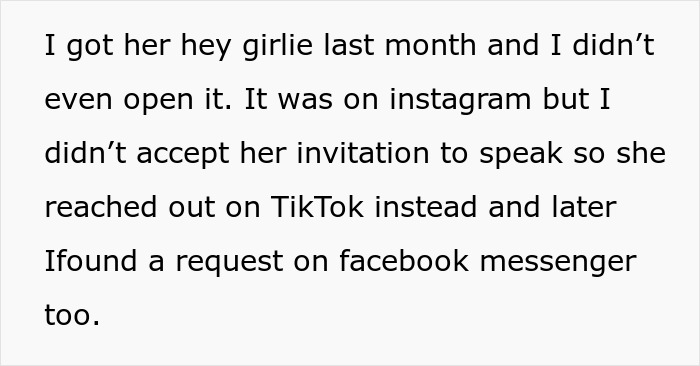

Image credits: RDNE Stock project/Pexels (not the actual photo)
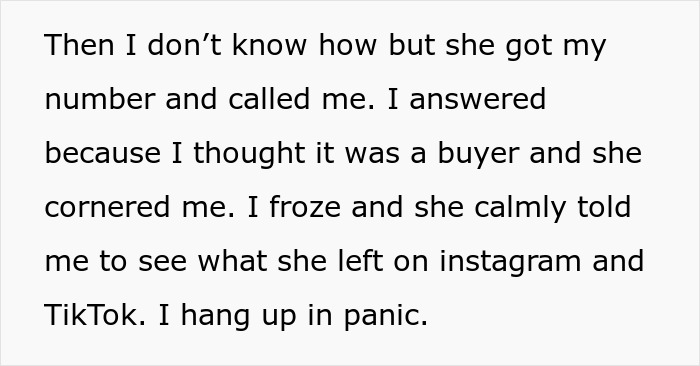






Image credits: Long-Debt-6765
Research shows that some people may be more likely to cheat when they believe there’s little chance of getting caught
Often, relationships take a major hit when trust is broken. There are many ways trust can erode over time: repeatedly lying about your whereabouts, avoiding honest conversations about the future, hiding financial troubles, or keeping secrets. But one of the most damaging breaches is cheating. Infidelity shakes the foundation of any relationship because it’s not just about the act itself; it’s about the betrayal of intimacy, honesty, and emotional safety. Once trust is broken, even the simplest interactions can feel loaded with doubt, suspicion, or fear of being hurt again.
Sadly, cheating is more common than many realize. A 2020 study tracking extramarital affairs from 1991 to 2018 found that rates of infidelity rose from 14.63% to 16.48%. Another survey reported that 46% of respondents admitted to having an affair while in a monogamous relationship. These numbers show that even in committed partnerships, temptation and opportunity can lead some people to make choices that cause deep emotional pain for their partners.
Surveys in the United States also suggest that roughly half of married individuals cheat at least once during their marriage. Interestingly, close to three-quarters of men and over two-thirds of women admitted they would engage in an affair if they were guaranteed they would never get caught. These findings highlight how human nature, opportunity, and secrecy can intersect in ways that challenge trust and commitment in long-term relationships.
Infidelity is a leading cause of divorce, according to data from the American Psychological Association. Yet, not all relationships end after betrayal. Some couples choose to forgive and work through the pain. Rebuilding trust requires intentional effort, vulnerability, and time, and it’s rarely an easy path. For those who try, the process often starts with confronting the breach openly, acknowledging the pain, and committing to change.
Rebuilding trust after infidelity is challenging and requires effort, honesty, and commitment from both partners
Research shows that couples who successfully recover from infidelity must tackle five key areas to rebuild trust and repair their relationship. These are: knowing the details of the betrayal, releasing anger and resentment, showing ongoing commitment, rebuilding trust through consistent action, and ultimately rebuilding the relationship itself. Each step is critical, and skipping any one of them can make recovery much harder.
For the partner who betrayed the trust, transparency is essential. According to Psychology Today, being honest means answering all questions clearly, without hiding details or minimizing the breach. Even uncomfortable conversations should be faced head-on. Avoiding or glossing over the truth only deepens the hurt and slows the healing process. Full disclosure allows the betrayed partner to process what happened and start to rebuild a sense of emotional security.
On the other side, the betrayed partner must allow themselves to process the full range of emotions—anger, sadness, frustration, and doubt. It’s important to reflect on how life has been disrupted and communicate these feelings to your partner. Journaling, therapy, or guided conversations can help articulate emotions in a constructive way. Acknowledging the disruption and voicing concerns prevents bottled-up resentment from sabotaging recovery.
Both partners must show commitment to the process. Forgiveness is not instantaneous; it’s a step-by-step journey that requires consistency, patience, and accountability. Small gestures—being punctual, keeping promises, or showing affection—can gradually reinforce the idea that the relationship is safe again. It’s about proving through action, not just words, that the bond can be repaired.
Rebuilding trust takes time, and it’s best to start with small steps. Celebrate the small wins, even if it’s just getting through a tricky conversation without arguing. Be patient with the bumps along the way. Slowly get back into routines, keep things open and honest, and focus on what you both want together. Little by little, these efforts can help rebuild trust, and over time, your relationship can come out stronger, closer, and more solid than ever before.
In this particular case, the wife had clearly made peace with her situation and was focused on enjoying her life, friendships, and independence. But the mistress’s reaction shows she wasn’t expecting such confidence and calm. Why do you think she got so irked when the author said, “enjoy my leftovers”? Do you think the mistress expected jealousy, drama, or confrontation?
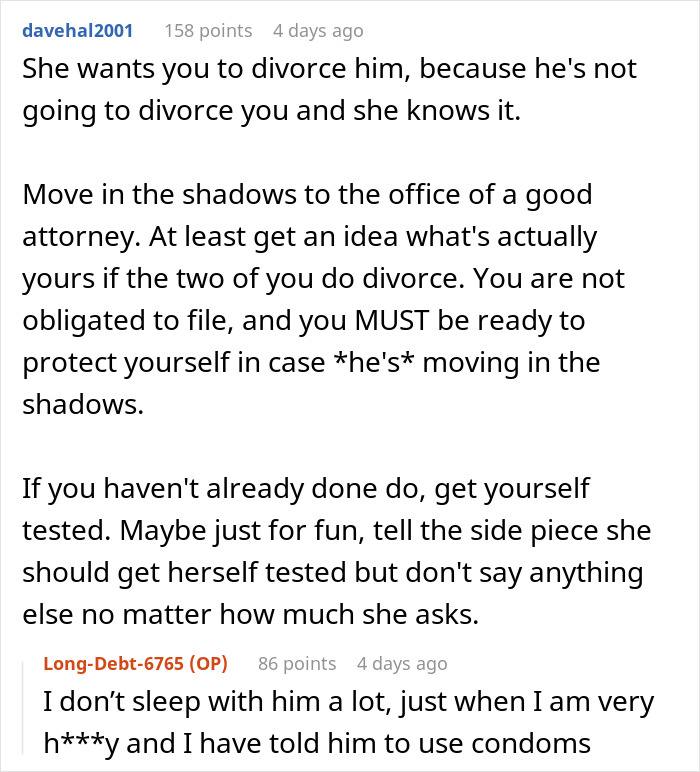
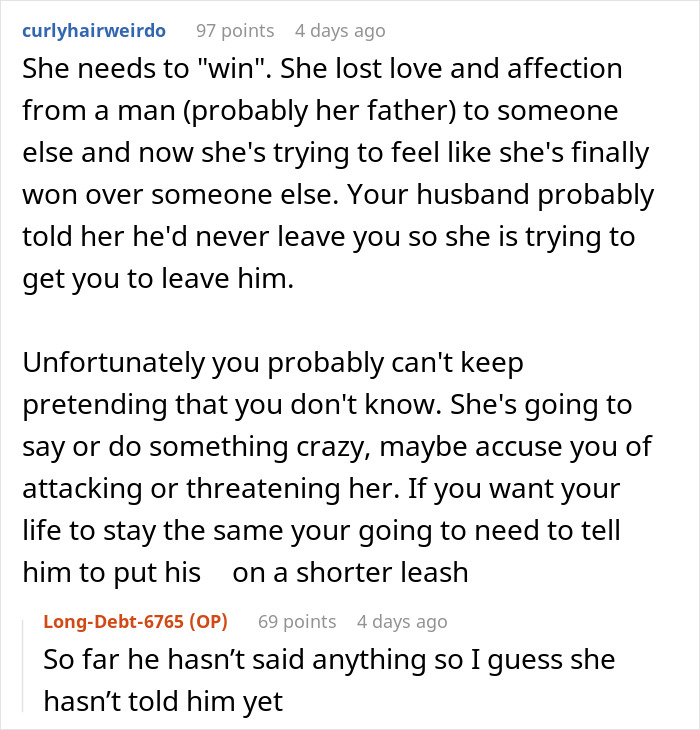
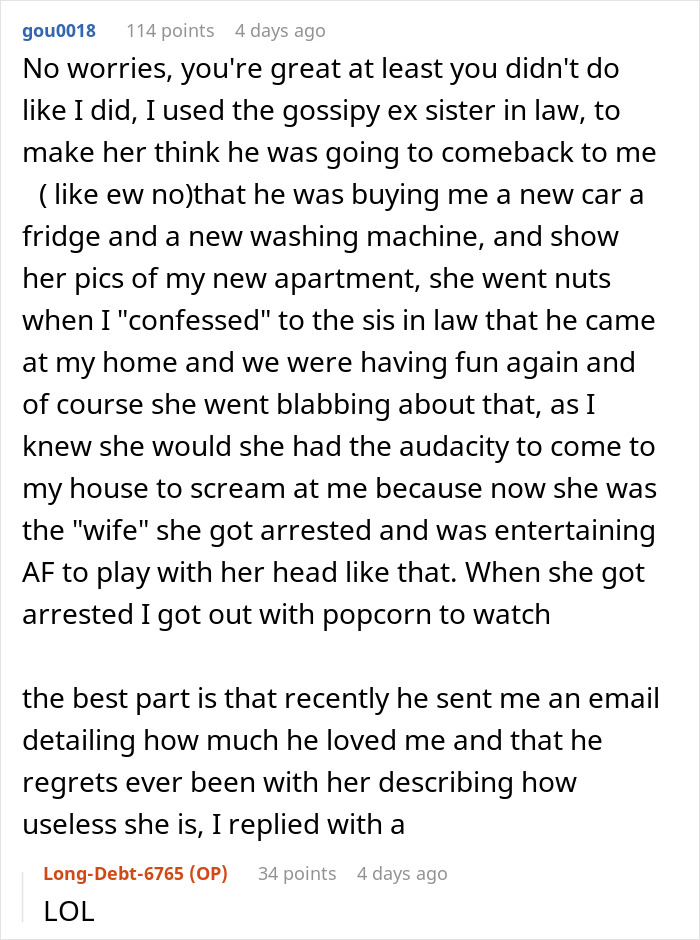
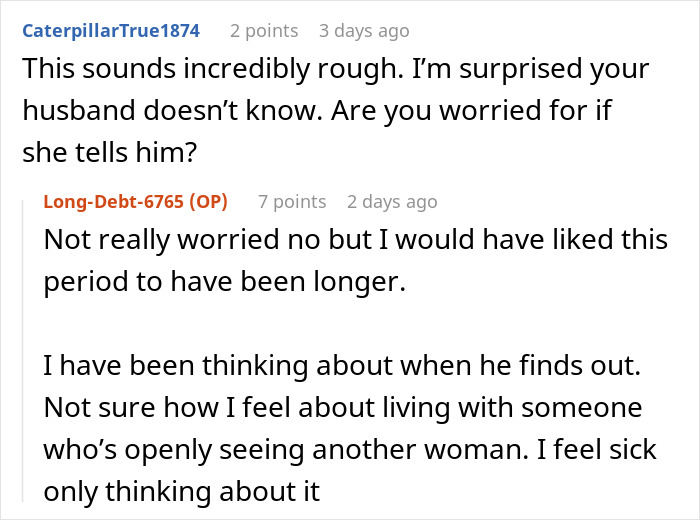
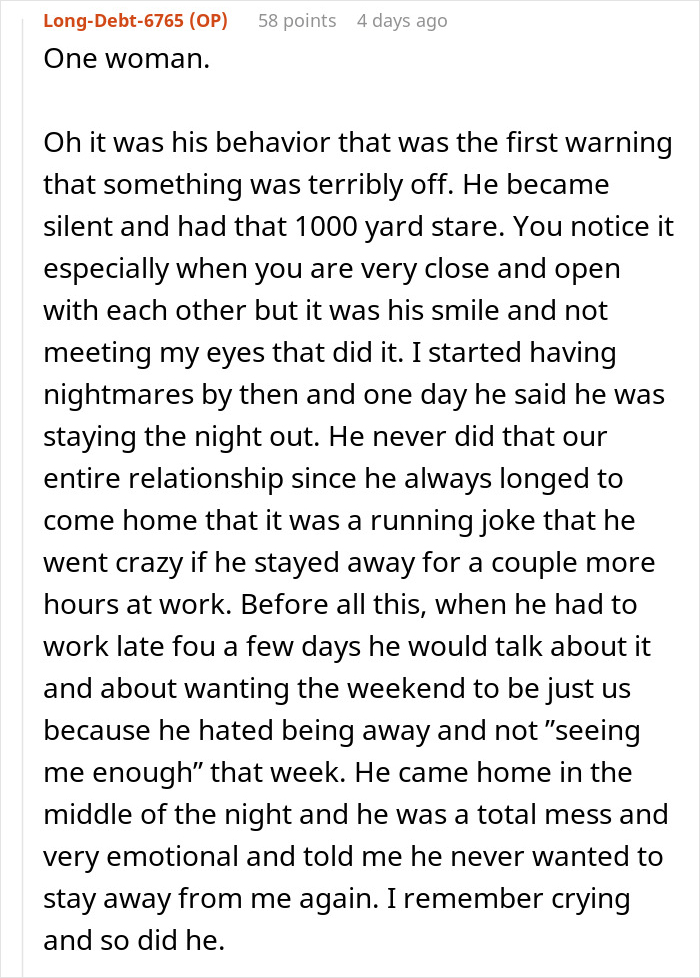
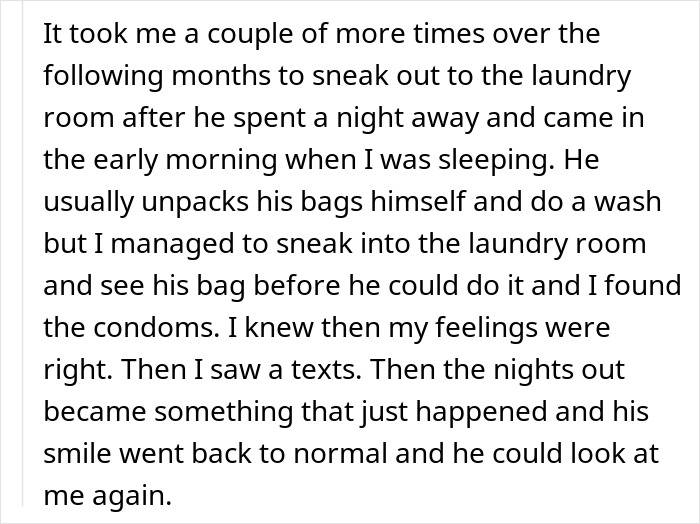
As readers grew curious about her choices, the author went on to answer questions and share more details about her situation













 Follow Us