Hollywood loves bestselling books because they arrive with built-in audiences, tested stories, and recognizable titles. Studios spend millions securing rights, attaching major stars, and hiring award-winning writers, all in hopes of turning literary success into box office gold. Yet, not every beloved book survives the trip from page to screen. While some projects collapse after years of planning, others get trapped in “Development Hell” so long that they become industry legends.
Over the years, the reasons for these failed adaptations have varied. While some novels resist adaptation due to their structure, scale, or controversial content, others lose momentum when directors leave, budgets balloon, or studios shift their priorities. These nine books represent some of Hollywood’s longest, strangest, and most fascinating failed adaptation stories. They are also a reminder that some stories work best on the page.
1. A Confederacy of Dunces
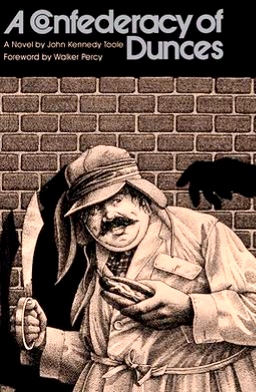
Author: John Kennedy Toole
Published in 1980, A Confederacy of Dunces won the Pulitzer Prize for Fiction and quickly became one of the most celebrated comic novels in American literature. The book follows Ignatius J. Reilly, a brilliant but chaotic man wandering through New Orleans. Hollywood recognized the book’s potential almost immediately. In 1982, Harold Ramis planned a film with John Belushi in the lead, but Belushi died before production began. Later versions were helmed by Steven Soderbergh, David Gordon Green, and Will Ferrell. From deaths to production issues, the A Confederacy of Dunces’ book-to-screen adaptation keeps falling apart. After four decades of failed starts, the book remains Hollywood’s most famous unfinished adaptation.

2. Blood Meridian
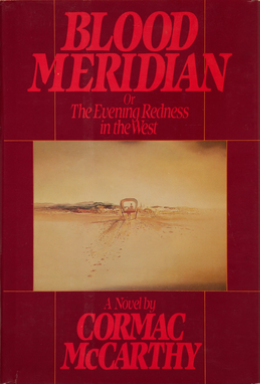
Author: Cormac McCarthy
Cormac McCarthy published Blood Meridian in 1985, and critics now rank it among the greatest American novels ever written. Its brutal Western story that follows a teenage runaway swept into horrific violence along the U.S.-Mexico border. Filmmakers like Tommy Lee Jones, Ridley Scott, and James Franco have all explored adaptations at some point since the late 1980s. The problem sits in the book itself. Its violence pushes limits even by modern standards, and its philosophical style leaves little room for conventional storytelling. Many filmmakers call it “unfilmable,” which explains why it keeps escaping Hollywood’s grasp.
3. The Devil in the White City
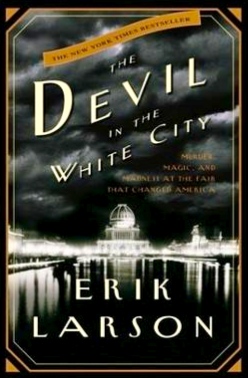
Author: Erik Larson
Erik Larson’s 2003 nonfiction bestseller tells two stories at once: the building of the 1893 Chicago World’s Fair and the murders of H. H. Holmes. Actor Leonardo DiCaprio bought the rights in 2010, and Martin Scorsese joined in 2015. For years, fans expected a prestige film. Then the project shifted into a Hulu series before collapsing again. The main obstacle comes from the structure. The book balances architecture, politics, and serial murder, which makes compression difficult. Every version seems to struggle with deciding which story deserves the spotlight.
4. Neuromancer
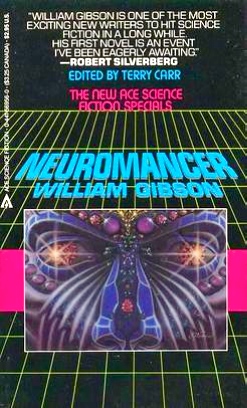
Author: William Gibson
William Gibson’s 1984 cyberpunk masterpiece shaped modern science fiction. It influenced everything from The Matrix to modern gaming culture. Hollywood pursued it for decades, with directors like Vincenzo Natali, Chuck Russell, and Tim Miller attached at different stages.
Its dense world-building creates the biggest challenge. Gibson built an entire digital universe before the internet became mainstream, and translating that complexity into film requires enormous vision and money. Although for decades studios keep hesitating because the risk remains high, Apple announced it was adapting the book into a 10-episode series in 2024. As of early 2026, there has been no further update on the project.
5. The Amazing Adventures of Kavalier & Clay
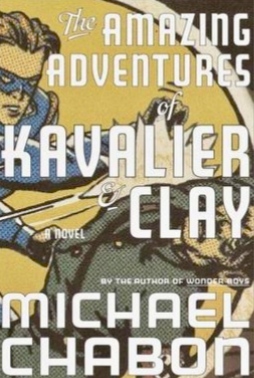
Author: Michael Chabon
Michael Chabon’s Pulitzer-winning novel follows two Jewish cousins who create comic book heroes during World War II. Producers chased the rights for years, and filmmaker Stephen Daldry developed it for a feature film before the project stalled. The novel spans decades, multiple cities, and emotional arcs that demand a large canvas. A single movie cannot easily contain its scope. The reality keeps pushing the project toward television, but no version has crossed the finish line.
6. House of Leaves
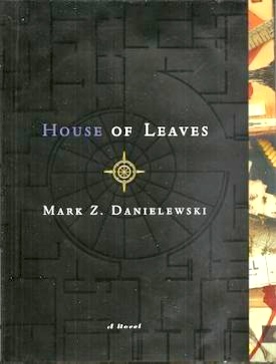
Author: Mark Z. Danielewski
Few novels challenge readers like House of Leaves. Published in 2000, it tells a horror story through fragmented notes, layered narrators, and unconventional page design. Producers have shown interest, and television discussions have emerged over the years. Its physical structure creates the biggest obstacle. The book uses typography as storytelling, which film cannot replicate directly. Without that experience, much of the horror loses its power. This problem has kept every adaptation attempt from advancing.
7. Hyperion
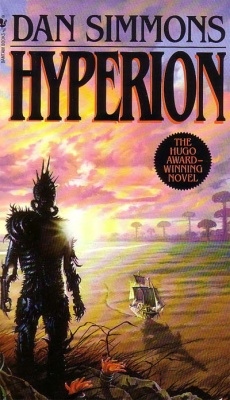
Author: Dan Simmons
Dan Simmons published Hyperion in 1989, creating one of science fiction’s most ambitious epics. The novel follows multiple pilgrims, each telling separate stories while traveling toward a mysterious destination. Bradley Cooper spent years trying to produce it. Its anthology-like structure creates obvious screenwriting headaches. A traditional film needs a central throughline, but Hyperion spreads attention across several characters. Studios admire the material but struggle to simplify it.
8. Rendezvous with Rama
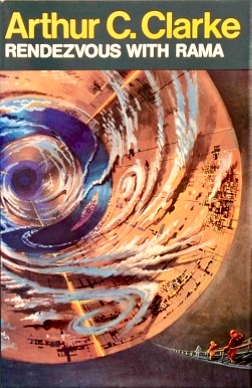
Author: Arthur C. Clarke
Arthur C. Clarke’s 1973 novel follows scientists investigating a mysterious alien spacecraft entering the solar system. Morgan Freeman secured the rights decades ago and repeatedly worked to launch it. The issue has not been a lack of action but atmosphere. The novel focuses on exploration, mystery, and discovery rather than conflict. Hollywood often demands stronger commercial hooks, and that tension has delayed progress for years, especially in adapting an acceptable script.
9. Infinite Jest
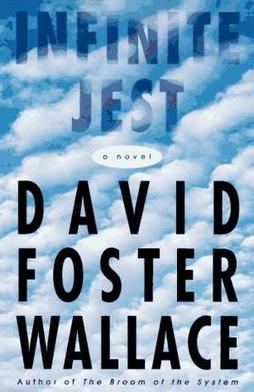
Author: David Foster Wallace
David Foster Wallace published Infinite Jest in 1996, creating a massive, fragmented novel about addiction, entertainment, and modern life. At over 1,000 pages, it remains one of the most ambitious books of its era. Hollywood has explored adaptation conversations for years, but no serious production has materialized. The sheer size creates the biggest obstacle. The book’s nonlinear narrative and endless side stories make traditional adaptation incredibly difficult.
 Follow Us