It’s unsettling how some foolish humans never take history seriously and keep repeating the same mistakes over and over. I mean, there are still ongoing wars in many parts, and it just makes me question how they have not learned anything from the massively destructive World Wars.
Those were truly horrifying days, and it’s really a wonder how people survived them. Alas, we can only know about it from stories, so these folks asked their grandparents to share their World War II experiences. Some of these tales are honestly quite brutal, so scroll down at your own risk!
More info: Reddit
#1
Something sweet:
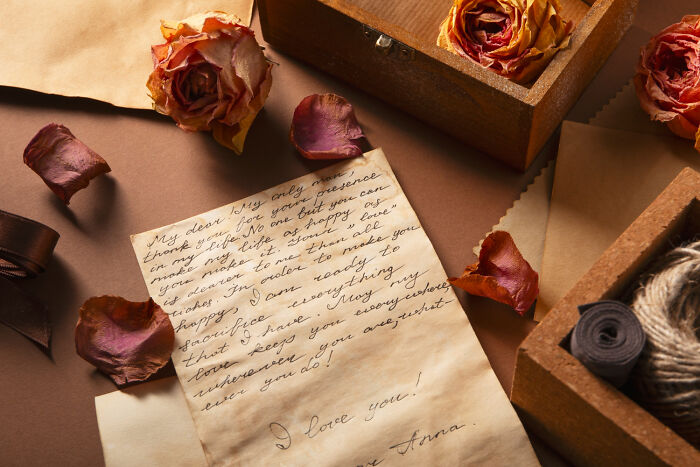
My grandparents saved *all* their love-letters sent back and forth during that time.
They had just met and had fallen in love before his departure. So they carried on their romance and developed the relationship through beautifully written letters.
Those letters expressed every emotion – from the realities and horrors of war to the abiding hope they’d be reunited safe & sound. They were married not long after grandfather’s return.

#2
I don’t know the details very well so I’ll let more knowledgeable war historians fill in the blanks for me:
My grandfather was a random farmhand in central France, about 20 when the French government surrendered. A couple years later, he joined the Resistance, not knowing how long the war was going to last. Turns out he joined at the end of 1943, so it was only a few months later that the US army ended up wining the French territories back.
When the US forces arrived near my grandpa’s countryside, his *maquis* (Resistance group) essentially offered their services as scouts/reconnaissance, since they didn’t have much firepower but they were quite good at sneaking around. They ended up making their way through eastern France and into Germany, liberating various small towns on the way (although my understanding is that the Wehrmacht was essentially fleeing at this point).
Enter the small town of Annweiler in Germany. My grandpa is making a reconnaissance round, when he hears a patrol coming around and has to hide quickly. He knocked on a random door, and asked in broken German to be hidden inside (“Versteck mich”). They accepted, and in that house, my grandpa met the daughter of the family, just three years younger than him. Her name was Anna. They… Kept in touch, and he came back with his hat in his hands a couple years later, and asked for her hand.
They settled in Lorraine, a region that historically got passed around between France and Prussia/Germany, and where a French-German couple would not be judged quite as harshly.
60 years of marriage, six children, and a gaggle of grandkids and great-grandkids later, they p****d a**y a few months apart from each other. They’re buried in the tiny graveyard of the church of the village where I grew up.

Image source: Calembreloque, Guzov Ruslan
#3
Grandpa and grandma were out in Austria, Grandma was super pregnant with my aunt. They were stumbling through the forest when they met 5 afro-american soldiers. Might have been the first time they’ve seen black people. One asked grandpoppy to come closer (no common language just by using hand signs). They both thought that that’s the end, they’re done. (it’s scary to run into guys with big guns in the forest). Turns out, they got a bunch of eggs in exchange for some help at a nearby farm, and when they saw grandma’s big belly they thought she’ll be needing the extra calories more then them, so they put it all into pa’s hat, and pointed on grandma smiling. Best dudes ever. ♥.

I don’t know about you, but some of these stories gave me goosebumps as I read. I can’t fathom how anyone can cope after witnessing so much horror firsthand. In Hollywood movies based on the World Wars, we see the heroes live a happy life once the battles are over. Well, we all know their stories are glamorized just to give the audience a joyful ending.
Meanwhile, research highlights that reality is starkly different and way harsher. Only about 1 in 16 WWII service members faced sustained combat. However, this small group bore the brunt of the war’s trauma, leading to over half a million psychiatric casualties. Returning home wasn’t a simple transition, either. Some veterans chased the adrenaline of the battlefield by starting car and motorcycle clubs.
Others quietly struggled with combat fatigue that strained their lives and relationships. Over time, this unresolved trauma often transformed into PTSD. Many veterans spent decades keeping their pain completely bottled up. It wasn’t until they retired in the 1990s that these painful memories resurfaced, leading to a massive, late-life wave of veterans finally seeking help.
#4
OK, so let me first insist that the story that will follow is absolutely serious and nowhere near to be a joke.
This happens in the middle of the war, in Brussels, occupied by N**i forces.
The uncle of my grandmother, Arthur, had a dog, which he always took with him when he would go outside. For a walk, to the shop, to visit family, etc. Everywhere. And everybody knew it.
One day, Arthur meets the local butcher in the street and he doesn’t have his dog with him. The butcher is surprised so he asks him how comes. Arthur tells him the dog just d**d the day before. The butcher says sorry, condolences, blahblah then asks him what he did with the corpse. Arthur tells him he buried it in his garden.
The morning after, there’s a hole in the garden and the corpse has disappeared.
The very next day, the butcher who’s shop was pretty much empty for months now due to the obvious food shortages of the war, suddenly has kilos of sausage for sale. Not really difficult to understand what happened but of course Arthur also had no evidence so he couldn’t do/tell anything.
Now what’s even more surprising is what happened later:
– A few years after the war, the son of the butcher committed s*****e, hanging himself
– The butcher himself d**d shortly after. He was ice-skating on frozen lake and the ice broke
– A new butcher took over the shop. His son was k****d during a robbery by an infamous gang, [the Brabant K*****s]
– After this it became a laundry shop, whose owners k****d himself at 17 with a gun
– New owners came in and two years ago a fire completely destroyed the shop.
It’s been rebuild now but I can tell you this: the place is f*****g cursed.

Image source: Utegenthal, wirestock
#5
My great-grandfather d**d in the Netherlands fighting when my grandpa was 1 year old. My great-grandmother never spoke about it even up until she d**d, and it was only cleaning the house my grandpa found the purple heart and other memorabilia, tucked away. She never remarried.
Recently my dad and I went to the Netherlands and got the chance to visit the American Cemetery there to see where he was buried. It was touching and sad, my dad had never met his grandpa and his dad could never make it over there at this point. We rubbed sand into his name on the gravestone and planted flags, talked about him. He d**d in 1945.
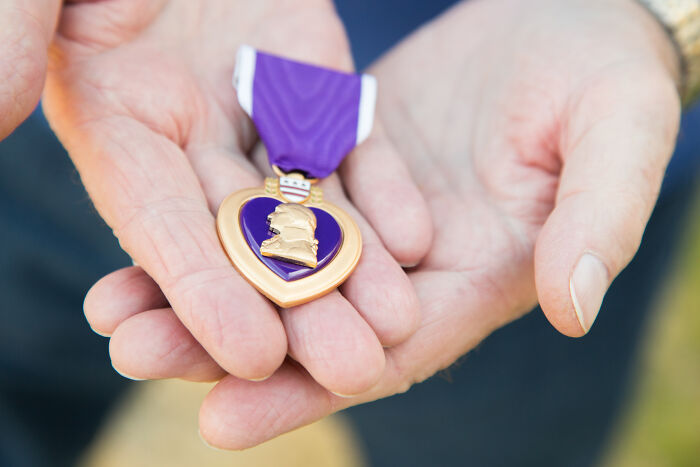
Image source: immakingthisfor1post, andy_dean_photography
#6
My grandfather joined up in 1943 when he turned 18 years old.
He was stationed on a Pacific island where he basically became a Radar O’Reilly.
His family were Mennonites, so he was a conscientious objector.
He was a medic, clerical worker, cook, ditch digger, driver, and anything else that he was asked.
Most of his time was spent cleaning up after everyone else and watching for air raids by the Japanese Air Force.
EDIT: My mom said that he watched the Japanese planes surrender on the USS Missouri.
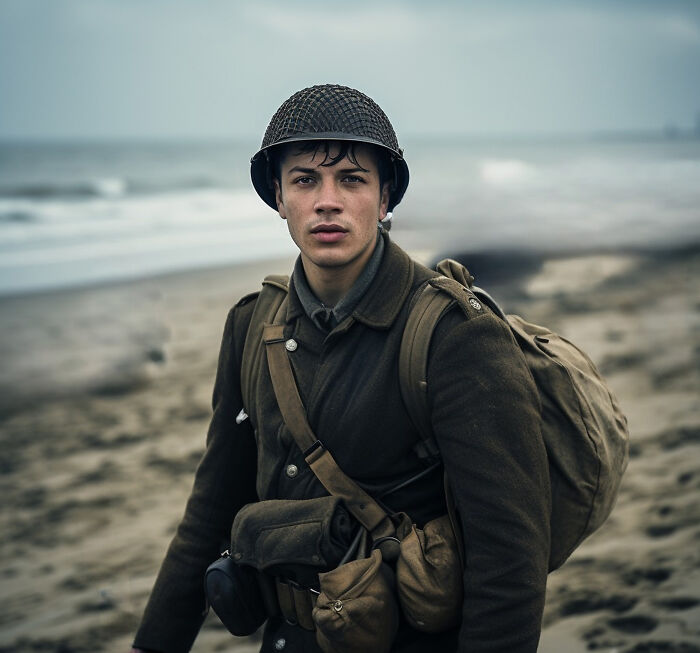
Image source: knightni73, magnific
Following the Vietnam War, the US government officially recognized PTSD in 1980. This prompted researchers to start looking into how a soldier’s trauma impacts their entire family. Early studies on the children of Holocaust survivors had already shown that a parent’s deep emotional scars could be passed down.
In fact, sometimes, it seemed as though the children themselves had actually lived through the horror. While there hasn’t been much research on the families of World War II veterans, a 1986 study is quite noteworthy.
By studying the relatives of a few men undergoing treatment for severe PTSD, experts found that these households often felt like emotional pressure cookers. For many of these children, daily life revolved entirely around anticipating and managing their father’s unpredictable moods, impulses, and obsessions.
#7
My grandfather, a six foot six inch redheaded Irishman from New York was a lieutenant in charge of an anti-aircraft battery at Normandy. That’s not the interesting bit though.
As the Allies advanced into Europe they took a number of prisoners, who all spoke German, obviously.
My Lieutenant grandfather was put into a private’s uniform and stationed outside the POW camp.
Why?
Because my six foot six redheaded Irishman from New York Grandfather was the son of a German immigrant and spoke fluent German. He got a lot of intel from the prisoners who spoke German freely in front of the American.
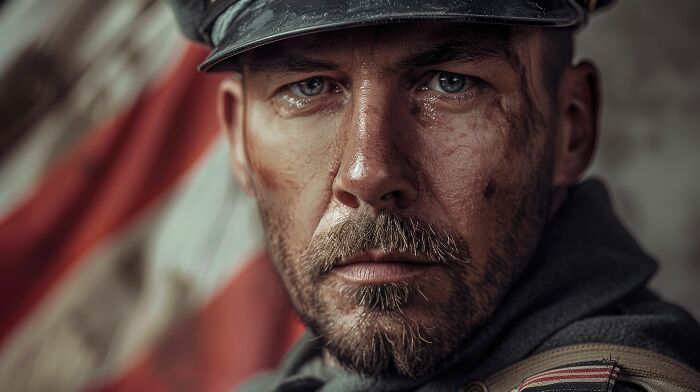
Image source: AngryZen_Ingress, Frolopiaton Palm
#8
My great grandfather commanded a battery stationed in France for a period of time. They were tipped off about a German supply train that would be passing through the area. They ambushed the train and captured 150 German soldiers, injured 30 k*****g 25 in the fight. Some tanks and other equipment was destroyed or taken. All members received a bronze star and my great grandfather also received the Croix de Guerre, awarded to those soldiers who distinguish themselves by acts of heroism involving combat with the enemy.
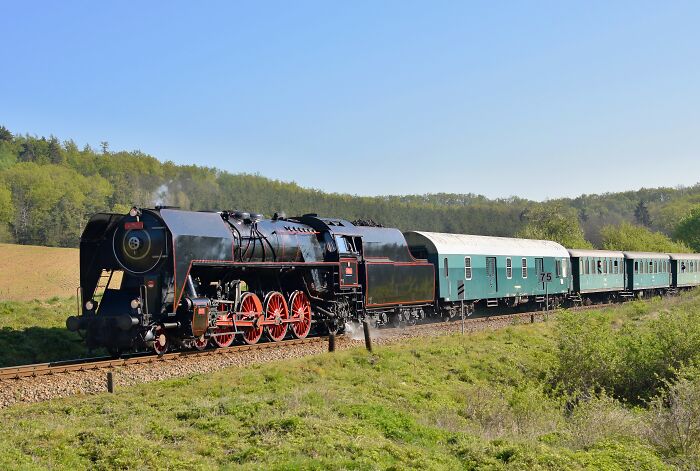
Image source: coolbeanbeans, montypeter
#9
My great grandfather had a hobby of pissing off the N**i’s. Like going down the street in bright orange (national colors), waving the national flag, blasting the forbidden resistance radio over the street. Anything to annoy the n**i’s. He was put against the wall multiple times, after which he quit whatever he was doing for a while. He also sheltered jews and some that were wanted by the reich.
Needless to say, it was a stressfull period for the rest of the family.
Image source: Skinflint_, kulyashinafoto
Growing up in such a stressful environment led the kids to adapt in several ways. Some children ended up completely mirroring their fathers, becoming focused on fighting and survival, while one even absorbed his dad’s combat nightmares.
On the other hand, some kids handled the stress by completely disconnecting, emotionally distancing themselves from their family to protect themselves. For the children who stayed deeply entangled in the family dynamic, the study identified two main roles.
The most heavily affected kids over-identified with their fathers, essentially taking on the trauma as if it were their own. Another group stepped into the role of rescuers, carrying an intense, exhausting sense of responsibility to keep their dads calm, safe, and happy.
#10
My grandparents were 8 and 5 when the japanese attacked nanjing. My grandpa told me he remembers his dad taking him and his mom running away 2 days before the r**e happened. My grandma’s family was pretty well off, they owned a few resturants in nanjing. Her family had to basically give up everything to not get r***d or k****d.

#11
My grandfather was captured on Corregidor at the start of the war and was a POW to the Japanese for the duration. His being on the island could be considered somewhat fortunate, as he had previously been on the USS Houston which was sunk shortly before the island fortress fell.
He talked about being on the Houston, and being in Manilla, and his service after the war, but said almost nothing about his time as a POW. He did write a fairly sanitized account of his experience but didn’t like to actually talk about it.
As a cattle rancher, he once had to call my uncles to put down a calf that wasn’t going to live. He had to take a drive while my uncles shot the calf because in his words “I’ve seen enough k*****g and don’t want to be around for any more of it.”
He at once point told my mom that he didn’t hold any ill will against the Japanese people, but if he ever saw one specific guard on the streets he would k**l him without hesitation.
At one point in the war he was moved to Japan to be used as s***e labor in the coal mines. His civilian mine foreman was kinder than most people and saved his life after a near-fatal accident. In the days immediately after the war ended the POWs were issued red cross boxes and allowed to roam the city as they pleased. My grandpa ran into his former foreman whose family was now starving due to the severe food shortages. My grandpa spent the next few weeks bringing the Japanese family food from this red cross packages and continued to mail them care packages after he was returned home. Having sold everything else of value the foreman gave him their only remaining possession in thanks, a traditional wedding kimono that had been in the family for generations.
The two men remained lifelong friends and in the early 2000s after both men had passed my family flew to japan to return the Kimono to his widow and sons. It was an extremely emotional visit for both sides.
My grandpa had a hard life growing up and saw the Navy as a source of stability, enlisting before the start of the war. He loved the sense of order and comradery being in the service gave him and stayed until retirement shortly before Vietnam got going in earnest. His time as a POW was too horrific to talk about though so for most of my life there was a hole in his stories between 1942 and 1945.
The things I’ve found out about the camps he was in are truly horrific. The t******s the men endured and the fact that any of them survived at all is amazing.
One of the stories he did write about concerned his transport to the Japanese mainland. The Japanese needed more manpower and promised better conditions and better food to anyone who volunteered to go back to the home islands. The POWs were packed into the transport ship’s hold so tightly that they couldn’t lay down. They had to sit with their legs in a V a*s to c****h to fit everyone without standing. There was only one small door open to the deck and the men cycled out who was closest to it based on who passed out from the heat and stale air.
The transport ship was part of a convoy but had no markings indicating that it was carrying POWs. During the night American submarines ambushed the convoy. The Japanese quickly shut and latched the only door after telling the POW’s that if the Americans sunk the ship, they were going down with it. For the rest of the night and several nights after the men sat in the dark stifling heat and listened to ships exploding around them, never knowing if they were next.
When the guards would open the door in the morning the air was so foul it looked like smoke. There were no bathrooms so the men were sitting in their own filth with the corpses of the men who’d d**d during the night leaning against them.
That story was tame enough that he thought he could share it. He never talked about the really bad stuff that happened.
Edit:
I just remembered another more light-hearted story he told. When he was still in a camp in the Philippines a couple of the guards decided that they wanted to try to learn a little English.
The POWs mimed big and strong, patting their biceps and flexing while saying “Son of a b***h” and pointing to the guards. For the next day, two of the guards were walking camp around proudly telling all the POWs they saw “I son of b***h!” The prisoners caught a beating for it when the guards found out what they had been saying but from the way he told the story it was worth it.
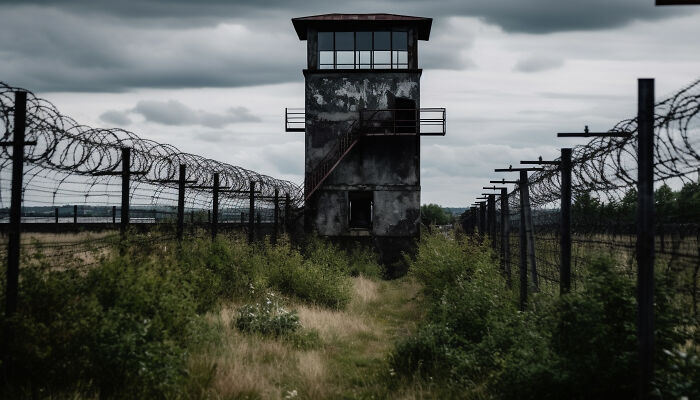
Image source: Sea2Chi, vecstock
#12
My grandfather befriended a German family during the war. They would cook him meals and the mother would wash his clothes. One day hey loaded up a box with eggs and used toilet paper to make sure they didn’t break. The next day there was a note in his laundry thanking him for the eggs, but an even bigger thank you for the toilet paper. They hadn’t had any in years.

Image source: ChoochMMM, magnific
While people often talk about the soldiers who fought the battles, being a civilian was equally frightening during the war. In fact, they bear an immense, invisible burden that history books often overlook. They endured terrifying nightly attacks, the constant threat of invasion, survived severe starvation, and lost their homes. Millions of people lived in a state of terror.
For a long time, their psychological suffering was pushed to the background because the immediate focus was on rebuilding shattered cities and treating returning troops. We now know that this neglect left permanent scars. Studies show that civilians exposed to the chaos of World War II faced a higher risk of battling mental health disorders, like severe anxiety, depression, and PTSD, for the rest of their lives.
#13
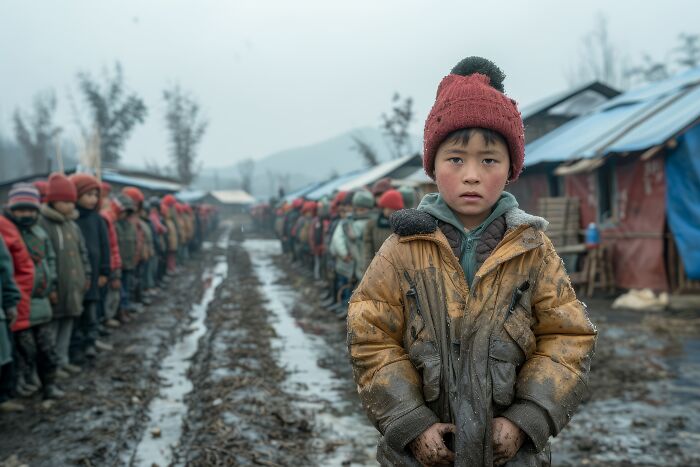
My grandfather would talk about the training, time with his unit while being transported, but mostly about a little kid he was helping feed in China after Japan surrendering. He would just think aloud about what happened to him and if he was alright.
He never talked about combat. I did walk into his house once and the history channel was on showing a USMC graveyard on Okinawa and he was crying.
#14
My Great Grandfather never talked about the war until he had his stroke. We knew he had a Purple Heart and a Bronze Star, but we didn’t know how he got them. He was just a Private, and he’d had enough of the military when the war was over.
After the stroke, he seemed to loosen up. He laughed about sighting rifles in by shooting at chickens. He showed us pictures of him in front of the Eiffel Tower. Turns out he was occupation force. Ended up occupying an area near Berlin that became involved in the Battle of the Bulge.
Apparently, while he was fighting, some sort of explosive blew off his buddy’s leg, so grandpa “did what anyone else would do” and threw his buddy over his shoulder to get him to the med tent. This included running across a field in the line of sight of a German machine gun nest. He was shot in the leg and some more shrapnel ended up in his chest. Somehow, Grandpa and his buddy survived.
We thought he was embellishing it, but the Bronze Star paperwork included a report that we found after he p****d a**y. Two higher ups signed that the story was true, so I guess I have to believe it. He told us it wasn’t that big of a deal and that he didn’t deserve all those medals for what he did. What a b****s. RIP, Gramps.
Edit: words
Edit 2: people are pointing out the this battle didn’t happen in Berlin. He never said Berlin, just Germany. I said Berlin because I’m not good at history. Sorry.
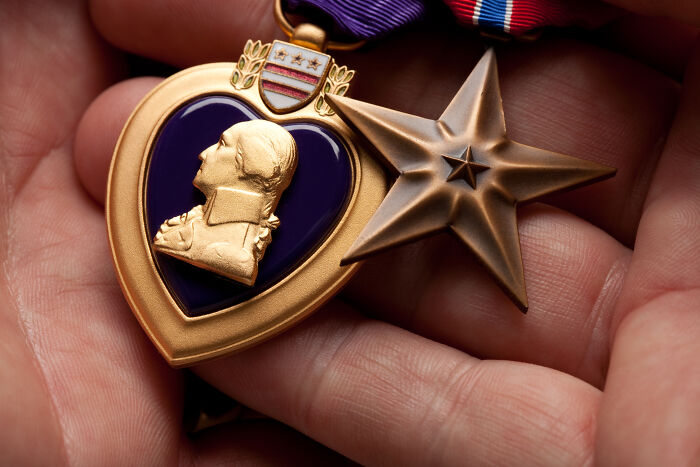
Image source: IOnlyNut2ToddlerVore, andy_dean_photography
#15
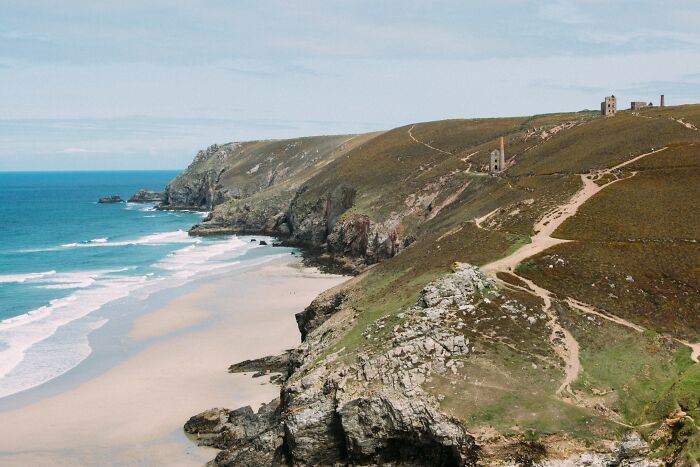
My Grandpa stormed the beaches at Pointe du Hoc in Normandy, and lived to tell about it. Afterwards, when things calmed down and they had left France, he ran off for about a week to another country and had some fun.
I went back to Pointe du Hoc with him for a Rangers reunion with my family several years ago. Now that was powerful. Standing in the same area with your grandpa, and family, where he stormed the beaches.
The really sad part about this is that it’s still going on because wars are still waging in some parts of the world. Right at this moment, there are people living in fear, kids who can only dream of getting older, and soldiers sacrificing themselves for their country. It’s really heartbreaking what we humans do to our own kind, isn’t it?
Anyway, dear readers, that’s it from our end. If you have stories about World War II that your grandparents shared with you, don’t hesitate to share them in the comments. You know how much we love hearing from you!
#16
My Grandfather lost his twin and his mother in a German b*****g raid during the blitz. He was 15 at the time and an alcoholic for most of his adult life.
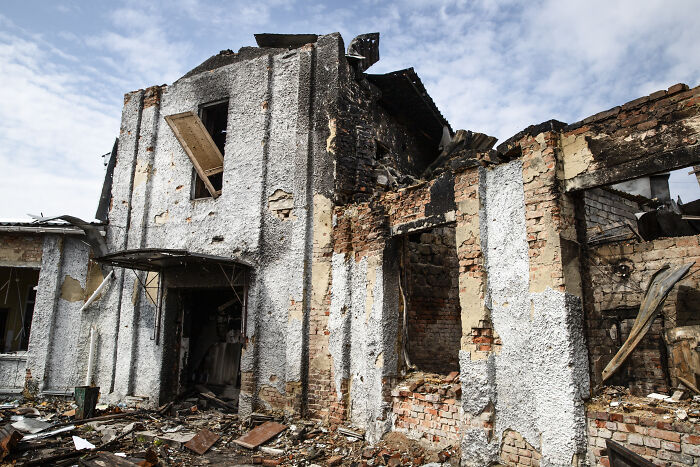
My Great Aunt told me she and her friends used to play in the b****d ruins of buildings near their home in West London. In retrospect she realised how dangerous it was to be three stories up a crumbling building but at the time, they didn’t care at all.
#17
My father was a medic in WWII and was part of the Normandy invasion where he had to do what he could with pieces of soldiers. It must have been horrifying.
On his d****bed he admitted that he stole two small bars of silver from the body of a German soldier somewhere in France. He wasn’t proud of it and in fact he was quite ashamed of his actions even 60+ years later. When he returned home he sold the silver and in a small way it helped him purchase a small trailer in which he and my mom lived while he finished college.
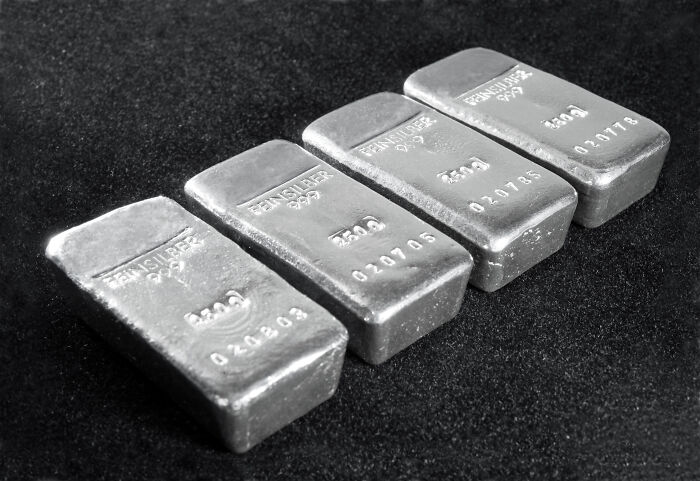
Image source: CarlSpencer, evgeniibashta
#18
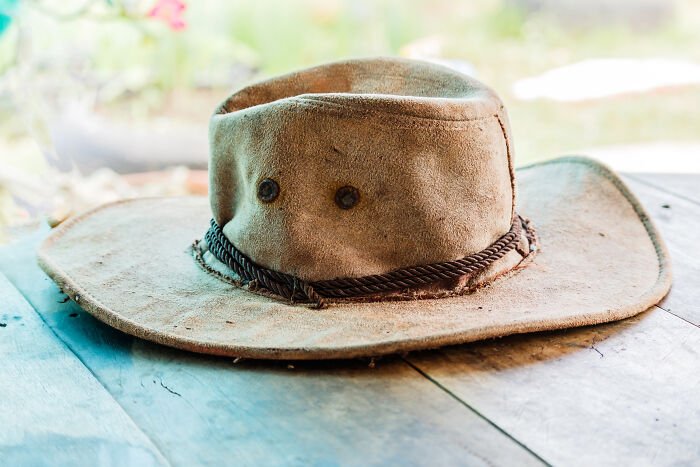
My grandpa on his feet vs a Japanese in his plane. He trips and gets a bullet through his hat instead of his head. *He never kept the hat!*.
#19
My grandfather was pretty rich from real estate in the coastal province of Zhejiang in China until the Japanese invaded. He and his family relocated to the inland wartime capital and worked as a telegraph operator for the war.
The Japanese took everything from everyone back then, and nothing was the same afterwards. Coupled with a civil war right after and things were pretty s****y.
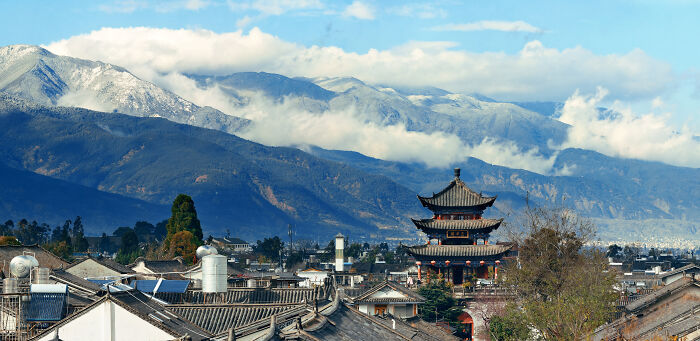
Image source: whohat, TravelScape
#20
My grandmother was in Auschwitz so… nothing good. She and her oldest sister moved from Lithuania to Poland under fake identities, but were later arrested and identified when her sister and her husband were caught forging documents for French prisoners of war and a “friend” sold them all out. She went into the camps a young woman with two parents, four grandparents and six siblings and left with virtually no living relatives.
I was just talking to my grandmother recently (she’s alive and in her 90s), about her grandfather who was a high ranking member of some military or another and was under a lot of pressure at one point to essentially change his last name to something not Jewish sounding and convert himself and his family to Christianity in order to continue his peaceful and prosperous existence, but he refused. Not really thinking about it, I said “imagine how much trouble it might have saved you if he had” (she’s Jewish on both sides of her family so I don’t know how that would have worked exactly, but again I wasn’t really thinking about my words). And she laughed a bit and said “I don’t think so, in Russian there’s an expression” and then she paused a moment as if considering how to translate it and said “You get punched in the face, not the passport.”.
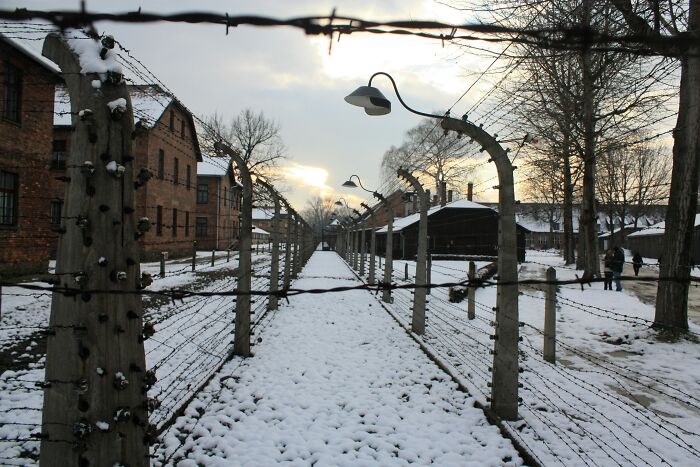
Image source: anon, Julia Taubitz
#21
My grandfather was a paratrooper and the translator for his squad.
When paratrooping in to, I believe, France his entire squad was either shot out of the sky or captured and k****d except for my grandfather. He hid until he came across a patrol that was looking for him, k****d them and stole a uniform. Putting one of the Germans in his uniform and dragging them back to the nearest base so they would stop trying to find him, he spent the rest of the war pretending to be a German soldier and relaying information to the allies anonymously.
My grandmother had been told, when his squad was shot down, that he was KIA and not to expect him back.
In 1948 there was a knock at my grandmother’s door, when she answered is there stood my grandfather who, after walking all the way back from Berlin, just said to her: “What’s for dinner? It has been a frightfully long day.”
**Edit: For those of you questioning legitimacy**, I can only give the information I have. My grandfather was a paratrooper in the British army, the story was told to me by my uncle after my grandfather p****d and was told to him by my grandmother when he was sent to the Merchant Navy by my grandfather as a kid. My grandmother, prior to her d***h, confirmed that she was told he was KIA and that he showed up again in 1948 with the what’s for dinner line because that was the “how your mother came to be” story.
As for actual legitimacy, I have no sources to follow up with to corroborate anything as all that is left of my family is myself, my mother (whom does not speak to me), my two brothers (who have the same information I do), and my aunt (who I have not spoken to since before I moved to the US 10 years ago).
The post asked for his story, this is his story as it is known to me and what remains of his family.
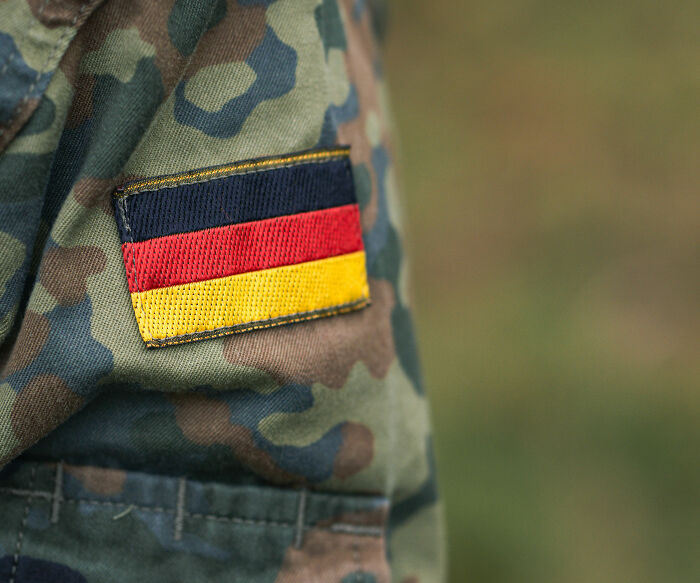
Image source: AriaTheTransgressor, Adrian Schmidt
#22
Posted this already in another thread some time ago:
My German grandpa fled from what is now Poland. He’s born in 1937. His dad owned a larger farm estate and they were some of the wealthier farmers in the region (they owned a car for instance, which was a luxury). When worst came to worst in 1944/45, his dad was drafted in the Volkssturm (n**i recruitment of children and elders). But because he was a stubborn farmer, he said f**k the n***s and hid out in a forest nearby.
One day the Red Army arrived and my grandpa (who is still alive right now) recalls it that they literally parked in front of the main house, knocked down the door and yelled in broken German to them to pack their things in 10 minutes and leave or they’ll all be shot. So my grandpa (about 7 or 8) had to flee with barely anything. They marched for weeks through war-torn wastelands, burning villages, all while artillery and tanks were roaring in the distance and war planes flew over their heads. He recalls playing with some gas masks they had found on their way (probably next to some burned out vehicles). They rejoined the larger streams of refugees and made it to east Germany, where my grandpa’s dad was “re-educated” into socialism and lived bitter and angry until his d***h. My grandpa eventually fled East Germany in the 1950s with nothing but his rusty bike and the stars above his head to the west.
To this day, my grandpa refuses to visit Russia (my grandma always wanted to go to St. Petersburg). He doesn’t hate on the Russians as a people, but he has never lived down this childhood trauma.
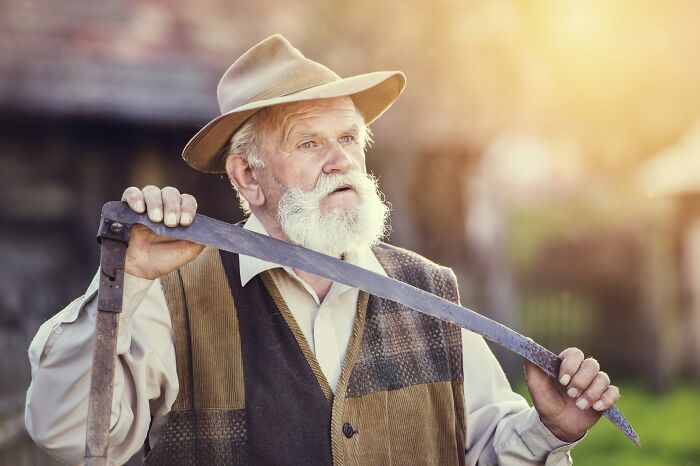
Image source: Priamosish, Getty Images
#23
Grandfather was drafted- broke his femur in basic training.
Spent the entirety of WWII behind a desk in Oklahoma processing logistics and supply chain management requests.
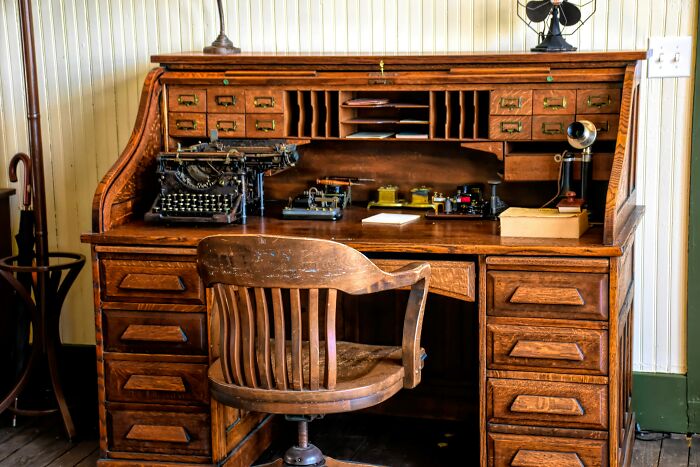
Image source: anon, Ray Shrewsberry
#24
My grand uncle was part of a “clean up crew” in Japan after the battle of Leyte. So after all the fighting was done, they’d send his unit in to clear out the bodies of the fallen Japanese. He said that they would loot their bodies (take “treasures” like knives, swords, gold off the teeth) and then put their bodies on a giant landing craft (the kind that open up on a beach), and take them out to sea to dispose of them. He says he’ll never forget watching the sharks just go to town on the d**d. Haunts him to this day.
Edit: this was in Philippines, not japan. But it was a battle against the Japanese
Another edit: The intention was to give them a sea burial since the Japanese left their d**d upon retreat. It wasn’t meant to desecrate the deceased further.

Image source: tellmetheworld, Gerald Schömbs
#25
The only thing my grandpa ever said about the war was how he made his engagement ring out of a quarter using a tablespoon.
I assume he saw some s**t.
I did however meet a N**i airplane mechanic. 90 years old and dude still had all his wits about him. Interesting convo.
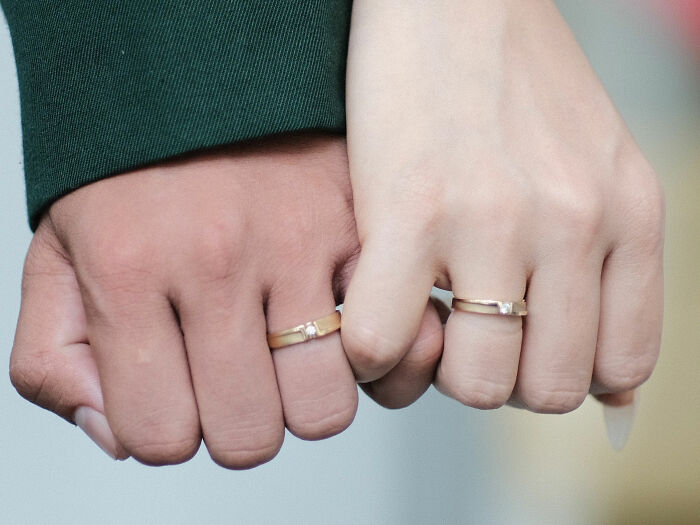
Image source: stumpdawg, Quân Nguyễn
#26
Not my grandparents but remembering interviewing a women about her experience during WW2 and she told me she loved it. As her father and brother was away, she got to run her family’s shoe shop in London and she felt she had a real sense of purpose for the first time in her life.
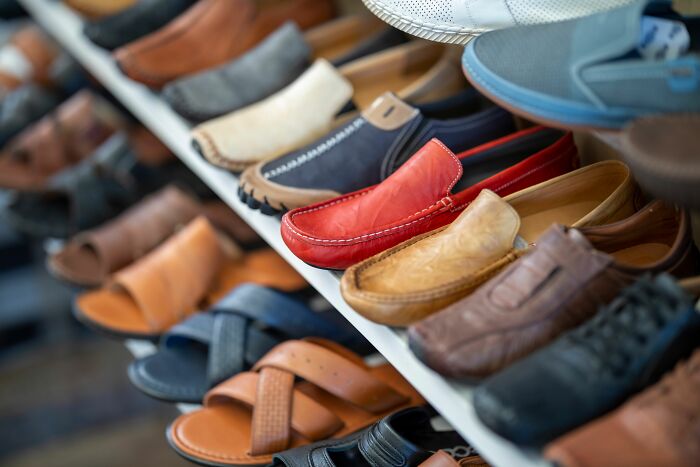
Image source: Chatsubo_657, Engin Akyurt
#27
Pacific theatre, south east Asia. Japanese occupation.
Grandad was a small boy. At the beginning of the occupation, he didn’t know he has to bow to any soldiers he passes. One day, the soldier called him over, gave him one tight slap across his cheek and ear, he went permanently ~~d***h~~ _deaf_ in that ear.
Image source: veryfascinating, Lucas Metz
#28
My father was an orphan who joined the army at age 16 with a forged birth certificate in January 1944. He was sent to the Pacific with a crew of SeaBees. He ended up in a Japanese POW camp after the tiny island where they landed to build an air strip was a secret Japanese base. He lost two finger tips and several toes to frostbite. He said it was mostly extremely boring, punctuated by horror.
Image source: melston9380, Maarten Ceulemans
#29
My great grandad was, along with his soldier mates, captured by the Germans in North Africa (He was German born himself but his family emigrated to Britain in the early 30s so he could converse with his captors).
The German guards had to leave the area (I think he said cave) they were detained in, because an alarm went off, and so my great grandad and the others ran out and stole a car, making it back to friendly lines lol.
Image source: anon, Jean Marc Bonnel
#30
One of my grandfathers (german but not n**i) told me about the time, he and his family was hiding in the basement of a building in Leipzig (Ger). American planes where flying over the city and he was the one looking up the chimney and every time he heard the sound of b***s dropping he shouted “Runter da kommt noch eine!” (“Get down another one is coming!”)
He is still alive and I love to listen to WW2 stories first hand. These memories are so expensive…
Image source: BloodyComedyy, Oleksandr Akulenko
#31
He never said much but he did talk once about throwing explosives of some kind in a river to catch fish. He was in the south Pacific as a Marine.
I just remembered another one, he did not smoke so he traded his cigarettes till he had enough for a typewriter so he could type his letters to his wife and my mom his daughter who was born after he went to war.
Image source: Peelboy
#32
Got two stories.
Grandmother on my moms side told me this story: ” I remember first time when the Germans came in to my village, I was outside playing with my cousin when my mom came and pulled us in to the house and said ‘ssh, be silent the Germans are here’ … We stood by the window that had a little opening and saw how German soldiers walked on the road with tanks and knocked on peoples doors and pulled some of them out, I saw my neighbor get shot on the spot… I was 5 years old and still remember it clearly”.
Grandmother on my dads side: “We live just by the Danube and I remember seeing the Germans on the other side of the stream. They started to board some small boats to cross the river. After some min they started to shell and shoot towards us and I took my little brother in my arms and started to run for my life I was 9 years old and my brother 4”. They didn’t care how we look like or not, they hated us because we are Slavs and not Germans.
My grandmother on dads side was red head, irish red head.
My grandmother on moms side was blond and green/blue eyes.
Two stories that stuck the most.
Image source: Vojvodus
#33
Light-hearted story:
My Grandpa was an MP (Military Police). When the soldiers got in bar fights and they needed to call the MP, he would get sent out to break it up, load them into the Jeep and take them back to base.
He said, they would drop them off at the gate. If they were sober enough to walk back to barracks on thier own, they were free to go. If they were too drunk they would have to take them to the brig.
These soldiers were under a lot of stress. I think it’s a pretty cool thing that he bent the rules for some of these guys.
Image source: anon
#34
My great-grandfather was resistant. He lived in Lorraine (a region of France, very close to Germany). When the N**i regime wanted to force the soldiers of Alsace and Lorraine to enroll, he refused to join the N**i army. He will be imprisoned, but will later manage to escape with his family to Toulouse in the free zone. To avoid being found by the N***s, he joined the Maquis (rural guerrilla bands) until the end of the war.
His son, my grandfather, was also kind of a resistant in a way : he put fat mixed with sand to sabotage the rail ball bearings. One day, he wanted to give a bottle of water to a deportee and was slapped by a German officer. The officer was then punished for this slap.
There’s an amazing french video subtitled in english with a lot of great testimonies of people telling their grandparents’ stories about awful, touching, disgusting, amazing things N***s did while occupying their village. It’s a must-watch : [https://www.youtube.com/watch?v=ukAdEciKNA0](https://www.youtube.com/watch?v=ukAdEciKNA0).
Image source: ImOwningThisUsername
#35
My dad told me his grandpa used to help jews flee. One of the people he worked with told him that if the jews got caught, they were k****d. He didn’t believe it because: how can you k**l that many people? It was after the war he learned that it was all true.
Image source: anon
#36
My grandmother was told to hide under the bed when the g*****o came for her father as a perceived spy for the French resistance.
Image source: 106473
#37
Australia here. My grandfather was a teenager during WW2 in North Queensland and he distinctly remembers seeing General MacArthur coming out of a building in our home town (not sure what he was there for) and thinking that he looked like a complete j*****s and just not a nice person.
We are also from a big army town and the Americans used to dock here frequently. As a result of the American lads “stealing all the women”, he very much dislikes America and American’s now haha.
Image source: ZhenHen
#38
My grandfather served on a destroyer for the US and saw action in the Pacific Theater and Korea. One story I vividly remember is him telling me they had to assist in recovering downed US pilots from the ocean. He said many times the pilots were already d**d and had been mutilated by sharks. He said he would never forget pulling those men out of the water.
Image source: natamamba
#39
You know, now that I think about it, I don’t remember my grandma ever telling me about WWII and her life through it. I know my dad was born a year after, so she must’ve done some celebrating when it ended. Lol
Edit: my dad was born 6 months after the war ended.
Image source: xotinabelle
#40
All I know is that my grandfather fought against the N**i regime and got shot during the battle for Berlin. (He was a soviet soldier).
Survived thankfully only to p**s a**y in the 70’s.
Image source: milner236
#41
My grandpa went to Annapolis during the war and ended playing piano for the uso. It might not be bad a*s but its still kind of cool.
Image source: ableseacat14
#42
My grandmother didn’t like to talk about the war (she lost several brothers – to this day we don’t know where exactly two of them are buried).
She told me that life was pretty much normal, especially in the first years, and continued to be normal until the b******s started (she lived in West of Germany, a small town). Farm life has to go on, war or no war.
She did tell small things though. For example, she saw a friend of her pick up a g*****e, not knowing what it was. The girl lost both hands. Or how they hid in the woods when the sirens for air b******s started.
The first black person she saw was a “Tommy”. Most of them were friendly and asked for water or some potatoes when they arrived came though her town. She was afraid though – the Germans had lost, after all, the soldiers carried guns (stories about the brutality of the russians had reached her), and they didn’t understand each other due to the language barrier.
Image source: Xivon
 Follow Us