No matter how easy or simple it sounds, it’s hard to stick to physical training. You set your mind into it, you pay a yearly gym subscription, and you go all in. But then, the excuses start, life gets busy, motivation fades.
But YouTuber Scott Luu managed to work around this issue. After noticing that his fitness and appearance had declined, he challenged himself to complete 50 pull-ups and 100 push-ups every day for 30 days. This routine pushed his body to its limits, and taught him a lot about it.
Bored Panda reached out to Scott with a few questions, and he kindly shared more details about his experience. Scroll down to read our interview with him.
Building better fitness habits can take time, consistency, and plenty of determination


“I recommend experimenting and finding out what you enjoy doing”, lifestyle creator Scott Luu shares his thoughts
Scott’s love for push-ups started when he was a kid, when he and his dad would do them together. Over the years, he also developed an interest in increasing his maximum reps, although doing too much at one point left him with an injury.
That experience taught him the importance of balancing pushing exercises with pulling movements. “My physical therapist told me I needed to balance push with pull,” he explained, which became one of the reasons he decided to include both pushups and pull ups in his challenge.
Luu hasn’t repeated the same 30-day challenge since, but he still tries to keep push-ups and pull-ups in his routine every day or two. When it comes to staying consistent, he recommends making exercise more enjoyable by turning it into a personal experiment.
“Definitely train smart,” Scott added, stressing that his challenge was mainly a fun test of his own limits rather than an optimized workout plan. Looking back, he also acknowledged that he was “seriously lucky” not to injure himself.

For his challenge, Luu tracked his daily progress with an app and discovered this was very important
Scott makes videos about lifestyle and self-improvement. After a long trip to Japan, he realized he had fallen out of shape. So, he decided to start the challenge.
The project was tough, but he was already familiar with building habits. He knew he had to break the project into manageable stages, so he started with a 30-day preparation phase. This was essential for getting his body ready for the challenge itself.
The second phase was painful, but it also taught Scott the importance of keeping track of his progress. He used an app to follow his streak and make each completed day visible. Author James Clear explains a similar principle in Atomic Habits: tracking a habit can help make progress easier to maintain.
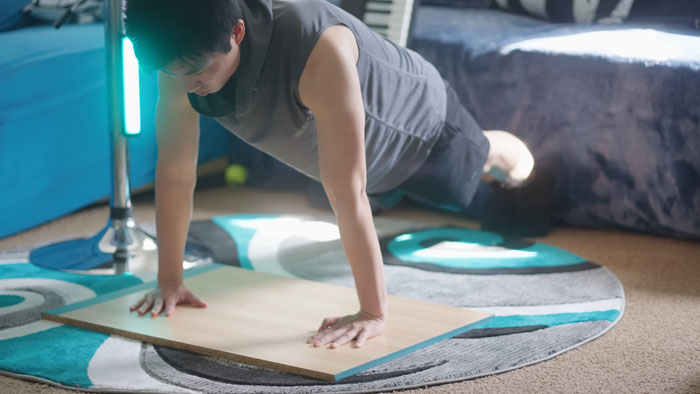
As his body adapted, Luu realized the demanding routine tested his mindset a great deal
Despite the pain, Scott noticed that his body gradually adapted to the demanding routine. After the third week, the soreness began to ease, and the workout became easier.
Luu’s final lesson was that the challenge had become more mental than physical. Should anyone try a challenge like this themselves, he recommends listening to their body and taking a break when needed. For Scott , the challenge itself was what kept him pushing through moments when he otherwise would have rested.

After finishing, he felt stronger than before more confident in his abilities
Online workout challenges and digital exercise programs are very popular nowadays. The U.S. National Library of Medicine published a study explaining that virtual exercise plans can produce health benefits comparable to traditional ones, while offering flexibility that helps people maintain a routine.
In the US, 33% of people who exercise have streamed fitness videos, and 51% prefer working out at home, largely due to convenience.
Of course, working out offers benefits beyond changing how someone looks. The American Psychological Association highlights the link between regular physical activity and better mood and lower stress.
Another study published in the National Library of Medicine suggests that exercise can influence how people approach other parts of life. The study found that participants associated regular workouts with greater discipline, productivity, control, and emotional resilience. For them, training was about becoming better for their everyday struggles.

fxquadro (not the actual photo)
A paper published in ScienceDirect found that making a commitment in front of others can help people follow through with their goals. The researchers found that public commitments can encourage cooperation by creating social pressure to honor what people have promised.
Dr. Adam Abbs, a specialist in personalized, evidence-based obesity care, agrees that public commitments can increase accountability and motivation. Sharing a goal gives other people the opportunity to check in, offer encouragement, and create social expectations that make it harder to quit.
Abbs also recommends setting clear goals, choosing a supportive audience, and regularly sharing progress. In Scott’s case, documenting the challenge and keeping his streak visible gave him another reason to return to the routine each day.
The YouTuber’s experience shows that consistency can build both physical strength and mental resilience, as long as people also take the time to listen to their bodies.
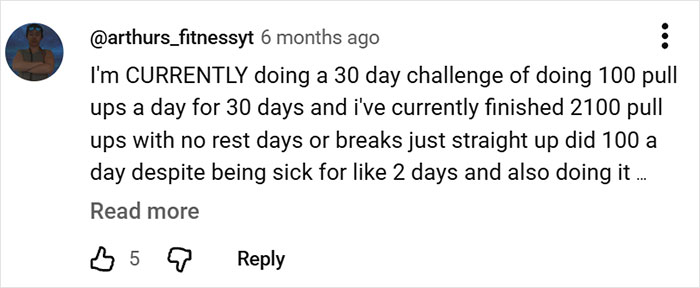
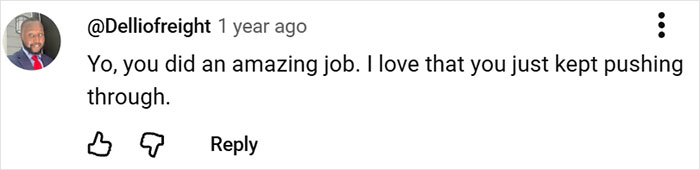
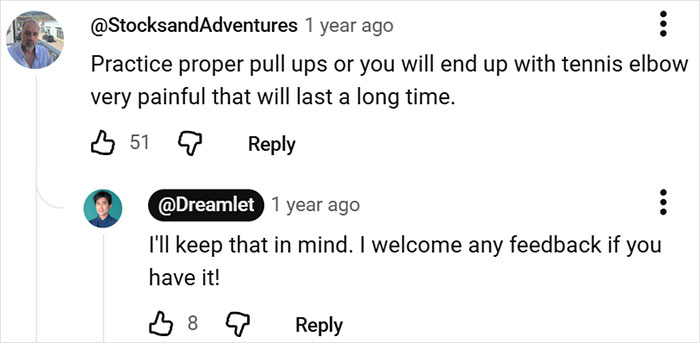
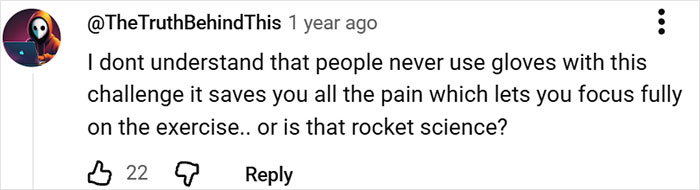
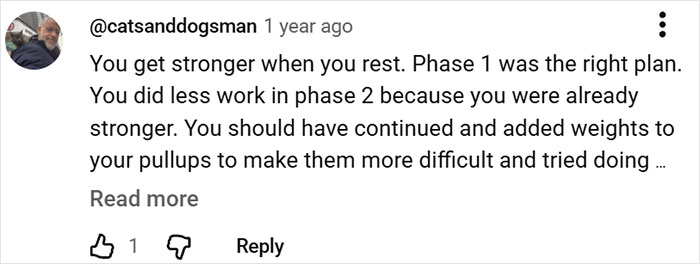
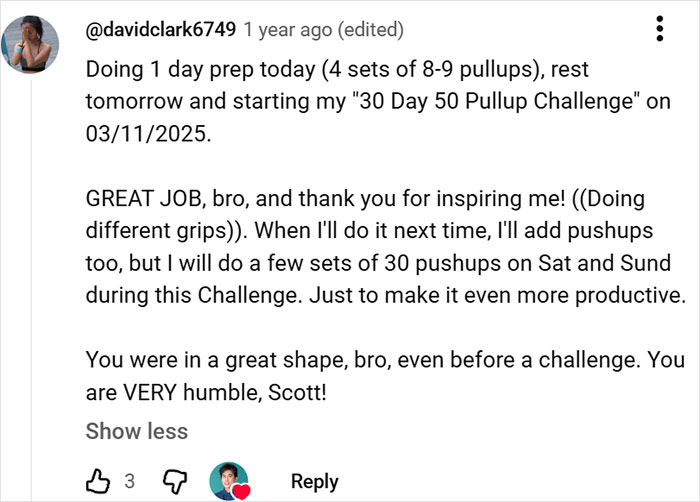
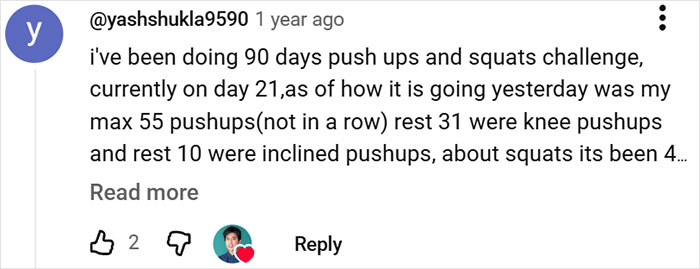
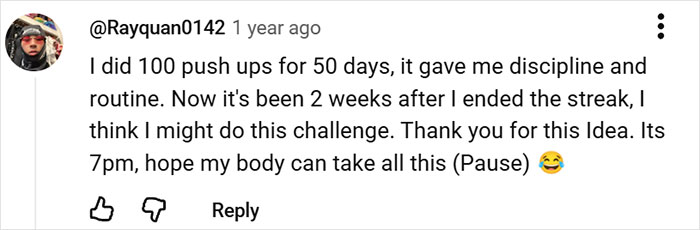
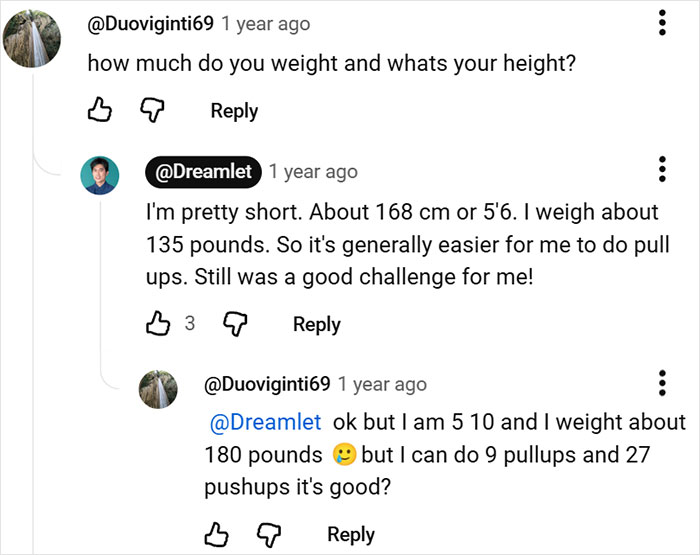
People admired Luu’s dedication and shared their own workout experiences and advice






 Follow Us