Dating someone and actually living with them can feel like two completely different relationships. Right, pandas? When you’re just seeing each other a few times a week, it’s easy to put your best foot forward – cute outfits, thoughtful texts, all the charm. But once you move in together, the mask might slowly slip, and you start seeing their day-to-day habits, quirks, and, sometimes, chaos.
And that’s exactly what happened in the case of an 18-year-old whose relationship quickly spiraled after moving in with her boyfriend. What started as an exciting step forward turned into something far more overwhelming once she settled into his home. That’s when she learned that his 3-year-old daughter stays with them for two weeks every month. Keep reading to see how this unexpected situation completely turned her world upside down.
Becoming a mother comes with plenty of responsibilities, but that doesn’t mean someone should be expected to take on a parental role they never agreed to

simonapilolla / Magnific (not the actual photo)

An 18-year-old shared how overwhelmed she felt after being expected to take on motherly duties for her boyfriend’s child




branin / Magnific (not the actual photo)



The Yuri Arcurs Collection / Magnific (not the actual photo)




senivpetro / Magnific (not the actual photo)

Self-disclosure plays an important role in helping relationships grow and deepen over time
First dates are funny little things, aren’t they? You spend way too much time deciding what to wear, rehearsing possible conversation topics in your head, and try your best not to say anything embarrassing. Most of us stick to the safe subjects first—favorite books, movies, hobbies, funny childhood memories, or what they do for work. You’re usually just trying to have a nice time, get a feel for the other person, and see if there’s enough of a spark to meet again. After all, when you’ve only just met someone, opening up about the really personal stuff can feel like a bit much.
But if things go well, something interesting starts to happen. The conversations slowly move beyond favorite pizza toppings and binge-worthy TV shows. You start learning about the person behind the small talk. Maybe they tell you about a difficult breakup, a career setback, a family struggle, or a dream they’ve never shared with many people. Little by little, the polished version of themselves fades, and the real person begins to emerge. It can feel scary because being vulnerable always comes with a risk. Yet it’s also one of the most important parts of building a meaningful relationship. After all, you can’t truly know someone if all you ever see is their highlight reel.
Psychologists refer to this process as self-disclosure. In simple terms, it’s the act of sharing personal thoughts, feelings, experiences, and information about yourself with another person. Self-disclosure is one of the building blocks of intimacy because it helps people develop trust, understanding, and emotional closeness. Some people are naturally open books. Within a few conversations, they’ll tell you stories from their childhood, discuss their insecurities, and reveal things that others might keep private for years. Others are far more cautious. They prefer to reveal pieces of themselves slowly, waiting until trust has been earned before opening certain doors.
Personality plays a huge role in how willing someone is to open up. Extroverted people often find it easier to share personal experiences because social interaction energizes them. They tend to process thoughts out loud and feel comfortable expressing themselves. More introverted people, on the other hand, usually need more time before they feel safe enough to reveal their inner world. They may prefer listening over talking, observing before participating, and building trust gradually. It’s not that they’re hiding anything. They simply value privacy and emotional safety differently. When it comes to opening up, everyone operates on their own timeline.
There’s also a fascinating social phenomenon that happens during conversations. When someone shares something personal with you, you often feel an instinctive urge to share something personal back. Researchers call this reciprocal self-disclosure. Think about it: if a friend tells you about a difficult experience, you’re suddenly more likely to reveal one of your own. This back-and-forth exchange helps create emotional closeness and strengthens bonds between people. It can make a conversation feel deeper and more meaningful surprisingly quickly. Of course, it can also feel a little uncomfortable if you’re not ready to share at the same level. Even so, this natural exchange is one reason some relationships seem to deepen almost effortlessly.
Our moods can influence the process too. When you’re feeling happy, relaxed, and confident, opening up often feels easy. You’re more willing to laugh, share stories, and connect with people around you. But during stressful periods, many people retreat inward. When you’re overwhelmed, anxious, or emotionally drained, even simple conversations can feel exhausting. You may avoid discussing personal matters altogether, not because you don’t trust the other person, but because you simply don’t have the emotional energy. That’s completely normal. How much we share isn’t just shaped by who we are; it can also depend on how we’re feeling in that moment.
Sometimes, when people don’t open up, they can come across as distant, unfriendly, or even rude
Beyond personality and mood, countless other factors affect self-disclosure. Loneliness, for example, can make people more eager to connect and therefore more willing to share personal information. Environment matters too. A quiet coffee shop conversation feels very different from a crowded party. Timing matters. Trust matters. Even something as simple as how attentive or supportive the other person seems can influence whether someone decides to open up. Human connection is rarely straightforward. Often, people reveal themselves only when they feel emotionally safe enough.
Interestingly, people who don’t open up can sometimes be misunderstood. Someone who values privacy may come across as distant, cold, unfriendly, or even secretive. In friendships, dating, and even professional relationships, openness often influences how trustworthy and approachable we seem. That’s not always fair, of course. Some people simply need more time before sharing personal information. But whether intentional or not, withholding important details can affect how others view a relationship. Transparency helps people feel closer, while secrecy can sometimes create distance.
At the same time, sharing personal experiences can have powerful benefits. Opening up helps build stronger emotional bonds and lets trust grow naturally. It makes relationships feel more real and meaningful. When both people feel safe to be themselves, it builds a deeper sense of connection and understanding. Of course, it doesn’t mean sharing everything all at once but finding that balance is key. In the end, it’s those honest, vulnerable moments that often bring people closer and turn simple connections into lasting relationships.
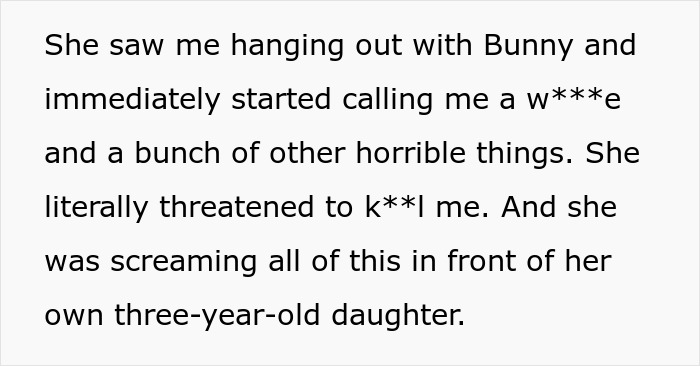
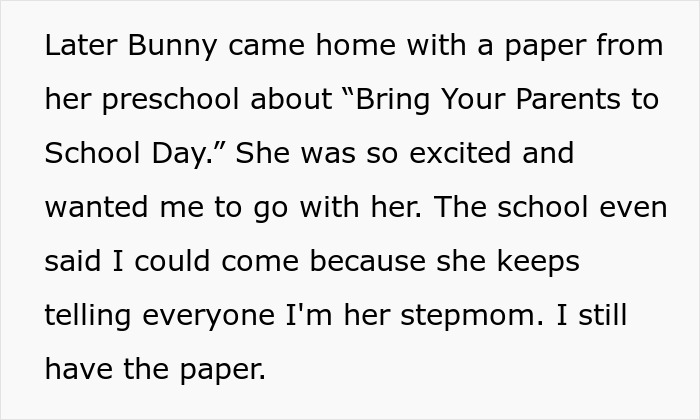
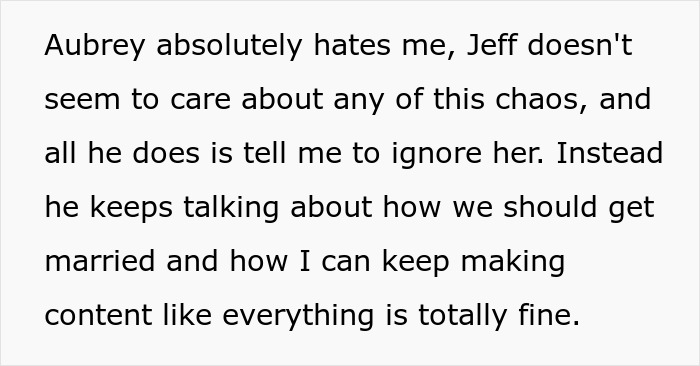
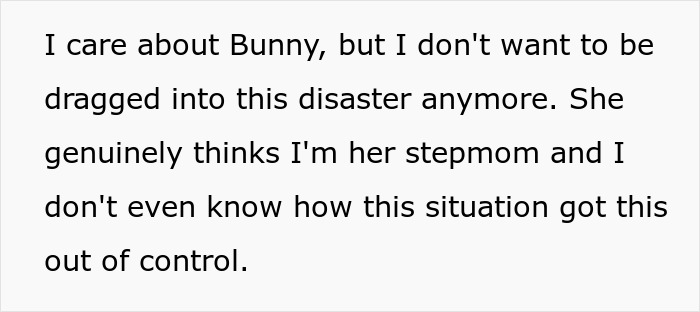
Which brings us to today’s story. Most people would agree that having a child isn’t exactly a minor detail you’d forget to mention while dating someone. Yet that’s exactly what happened here. The author discovered her boyfriend had a three-year-old child—something he had never mentioned during their relationship. Unsurprisingly, the revelation raised some serious questions. Not only had he kept a huge part of his life hidden, but he also didn’t seem particularly involved in the child’s life. What are your thoughts on this situation, Pandas? Let us know what you think.
As people weighed in on the situation, the young woman offered more details about the situation
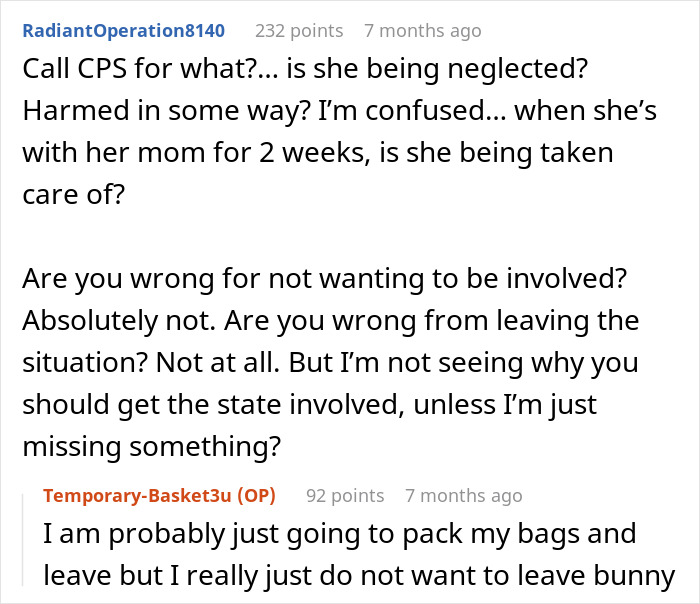




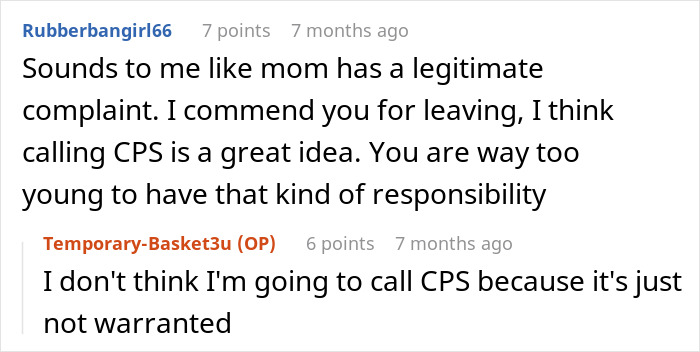

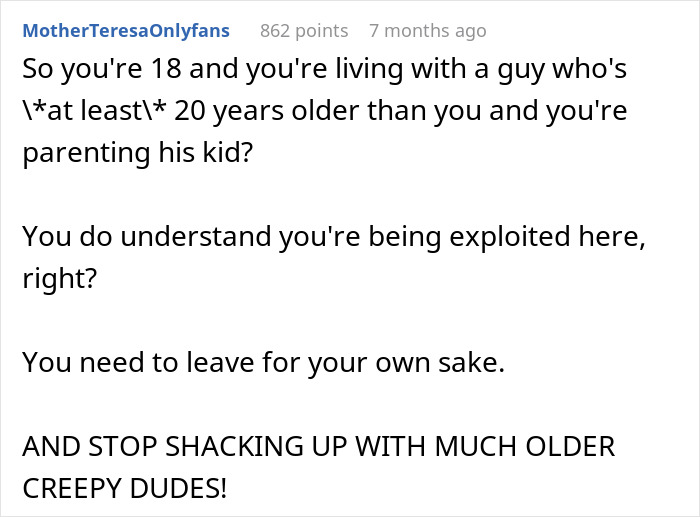



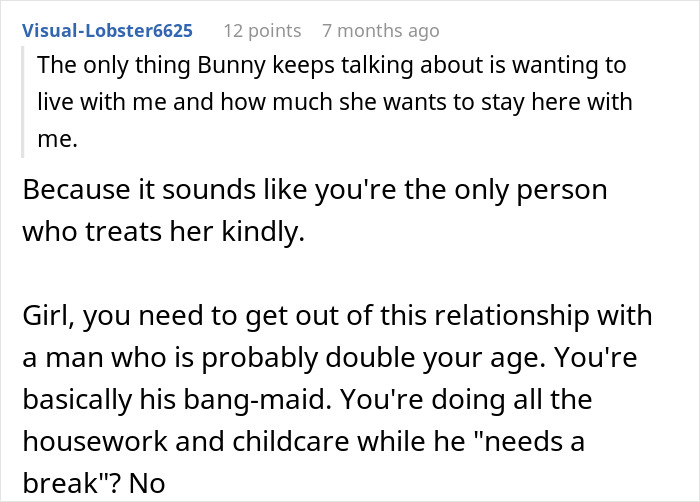


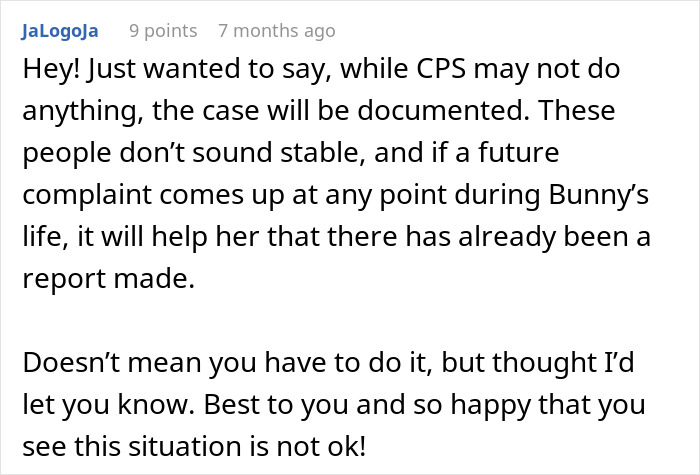
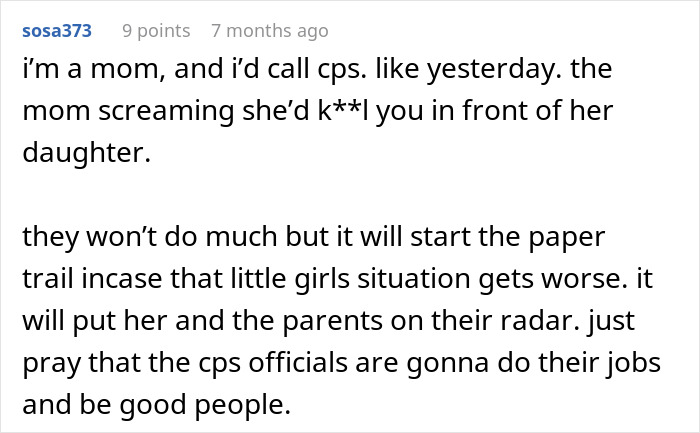
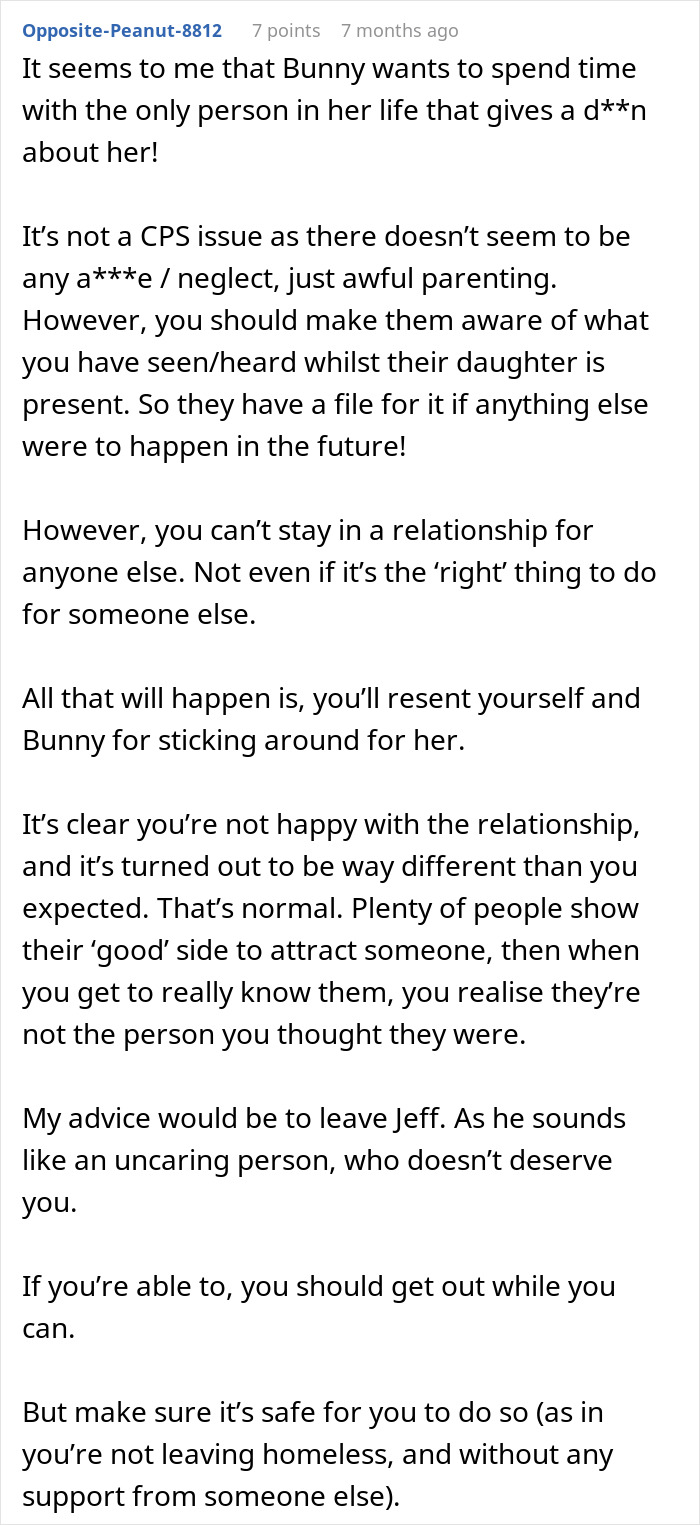

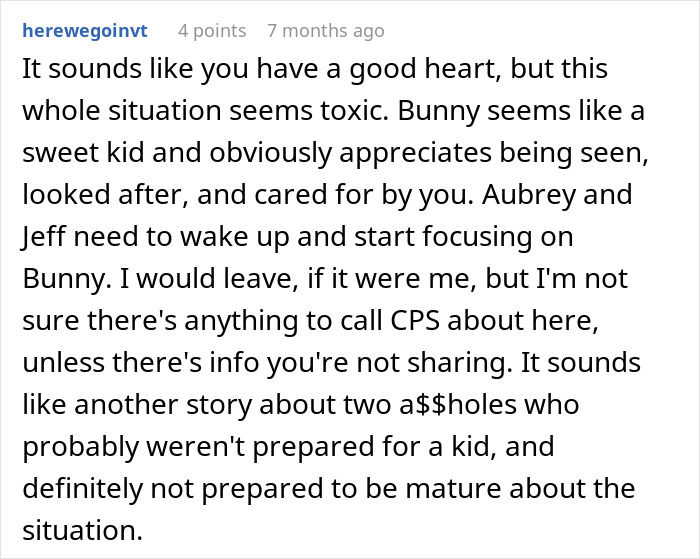
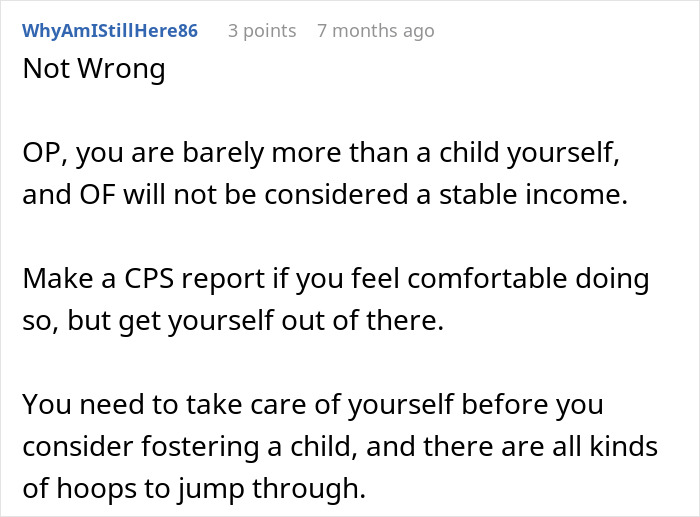


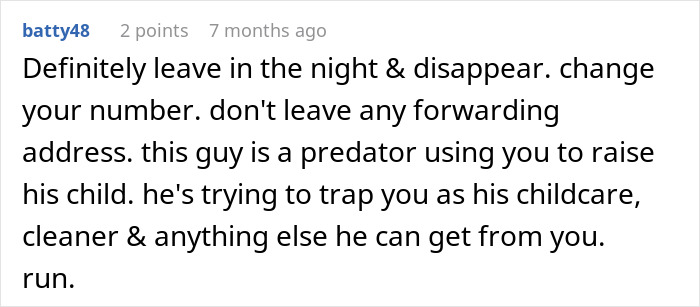

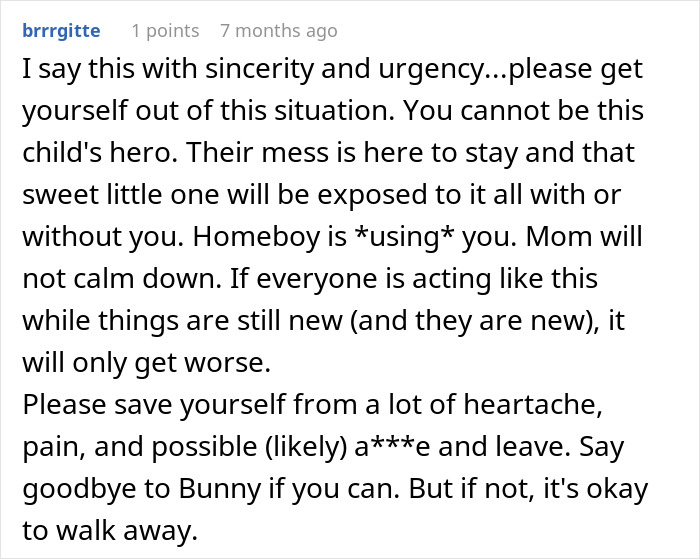

One person even shared a similar experience of their own, describing the situation as toxic

 Follow Us