For 16 months, Stacey Duguid kept sending applications into what felt like a black hole.
The former fashion executive had spent decades building an impressive career, yet despite submitting hundreds of job applications, she says she rarely made it beyond automated rejection emails.
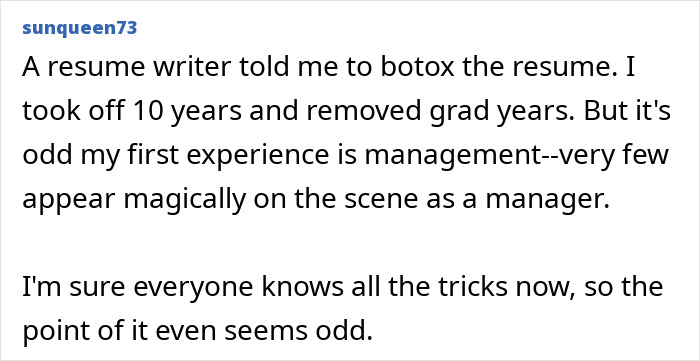
Then a friend looked at her resume and delivered a piece of advice that sounded more like a beauty treatment than career guidance: “You need to Botox your CV.”
The unusual suggestion has since thrust Duguid into the middle of a growing debate over ageism, artificial intelligence, and whether experienced professionals now have to erase parts of their own careers just to get noticed.
A former fashion executive says one comment completely changed the way she approached job hunting
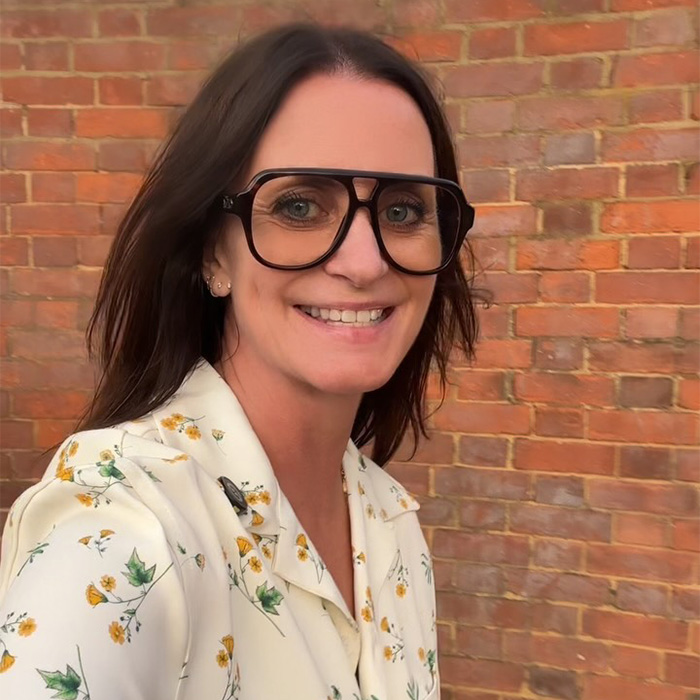
Until recently, 52-year-old Stacey Duguid had never struggled to find work.
Over more than two decades, she built a career that many aspiring fashion journalists could only dream of, holding senior editorial positions, working with luxury fashion houses, and becoming a published author.


But when she decided it was time to find what she described as “one last job,” the response was nothing as she expected.
For 16 months, she says she sent out “gazillions” of applications, only to receive little more than automated rejection emails in return.
“I’d never had any trouble getting a job before,” she recalled in an interview with the BBC.
After months of rejections, she said she began feeling “lonely and shameful,” wondering whether it was somehow a “me problem.”
Then a friend working at a major London company reviewed her resume and pointed to something Duguid hadn’t even considered.
According to her, the friend looked over the document before delivering a blunt verdict, “Stacey, this is an old lady’s CV. You need to Botox it.”
According to many job seekers, “CV Botoxing” promises to hide career “wrinkles”
Jirapong/Adobe Stock (Not the actual photo)
As Duguid soon discovered, “CV Botoxing” has quietly become a growing strategy among experienced professionals trying to stay competitive in an increasingly AI-driven job market.
Instead of fabricating qualifications, the practice focuses on carefully editing a resume to make a candidate appear more relevant, and often, younger.
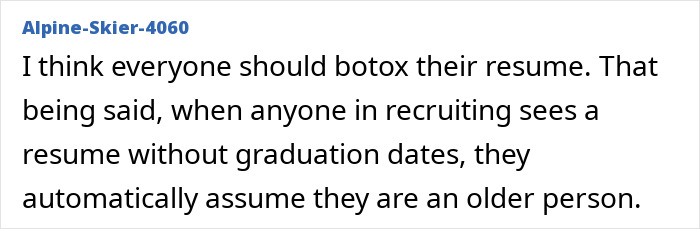
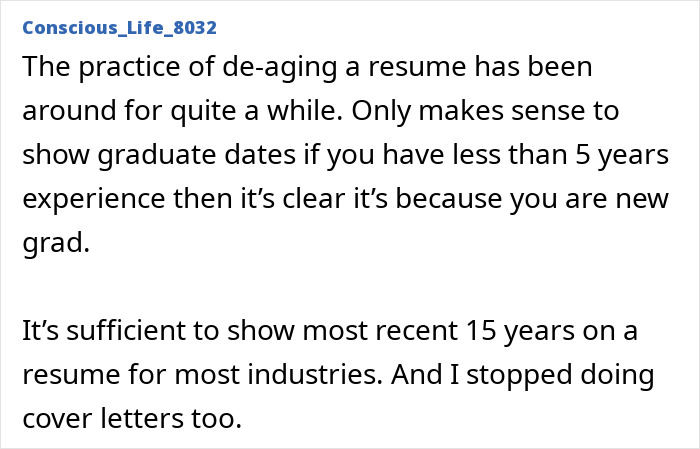
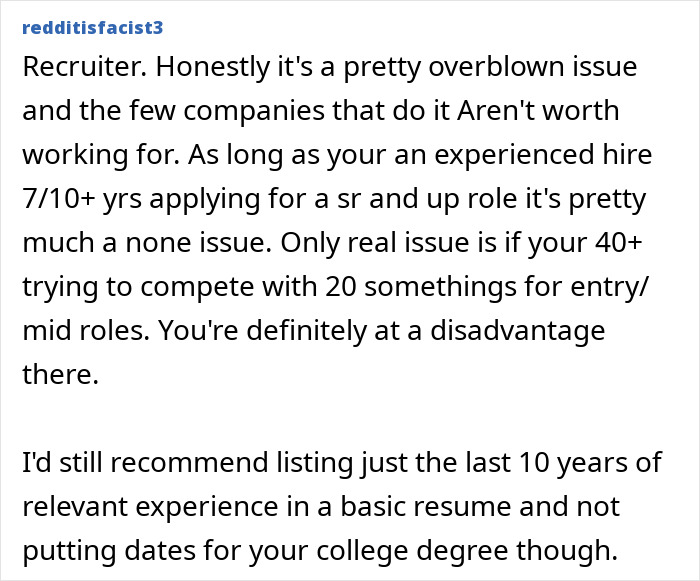
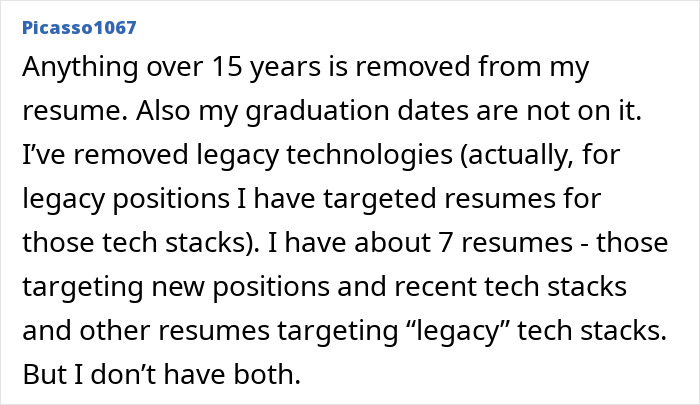
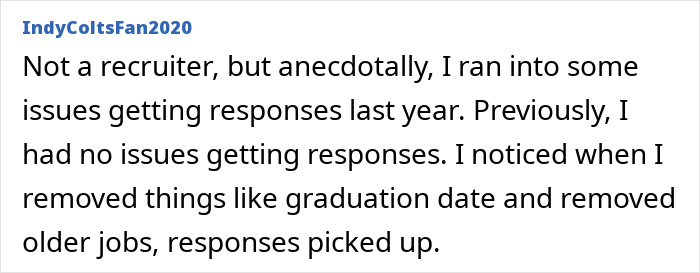
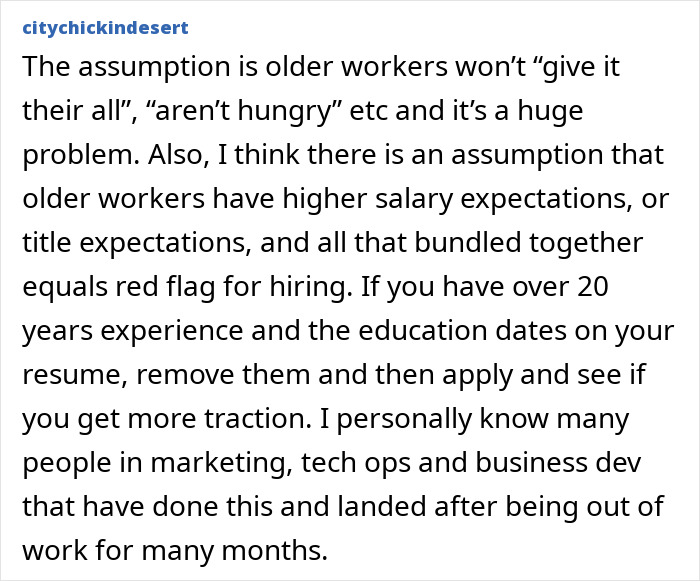
For many applicants, that means removing graduation dates, cutting decades-old roles, and limiting work history to roughly the last 10 to 15 years.

Andrii Zastrozhnov/Adobe Stock (Not the actual photo)
Others soften senior leadership titles to avoid being labeled “overqualified” or too expensive, while some even refresh their online presence with updated profile photos and modernized LinkedIn pages.
The goal, career experts say, isn’t to lie, it’s to ensure recruiters and automated hiring systems focus on current skills rather than the length of someone’s career.
LinkedIn career strategist Katy O’Loughlin described the approach as highlighting the strongest, most relevant chapters of a person’s professional life instead of documenting every role they’ve ever held.

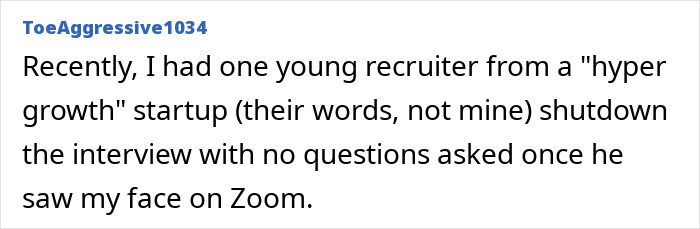
“CV botox is essentially the art of highlighting the strongest, most relevant parts of your career rather than documenting every role you’ve ever held,” she wrote.
“It’s not dishonest—it’s strategic storytelling. Every CV is a marketing document. The key is curation, not fabrication.”
Still, she cautioned against taking the idea too far, saying, “The risk isn’t CV botox—it’s over-botox. If the document becomes so smoothed out that it hides important truth, you’ve gone too far.”
For Stacey, the suggestion was about confronting a difficult possibility: that the very experience she had spent decades building might now be preventing employers from giving her a chance.
Experts say AI screening and age bias are changing the way people write their resumes

photobyphotoboy/Adobe Stock (Not the actual photo)
Duguid’s story has resonated because it reflects a problem many experienced job seekers say they’re already facing.
Rather than competing solely against other applicants, many believe they’re first competing against automated hiring systems.
Speaking to the BBC, Duguid said she believes artificial intelligence has become part of the problem.
“AI holds a mirror up to society. It’s a reflection of our bias,” she said. “I’m not saying this is just a women’s issue; I’ve had messages from men too. My point is about gendered ageism.”

ArLawKa/Adobe Stock (Not the actual photo)
Another professional featured in the outlet, 49-year-old Koeyli Jaluka, said she had previously been approached by recruiters throughout her career.
After being made redundant, however, the experience changed dramatically.
Despite holding two degrees and more than 20 years of professional experience, she said she applied for 442 jobs over nine months and received responses from only a handful.
On the rare occasions she did receive feedback, she was told she was “too senior,” a phrase she believes often serves as polite shorthand for “too old.”
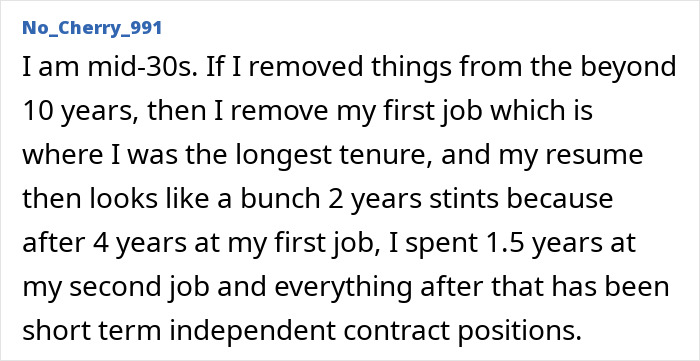
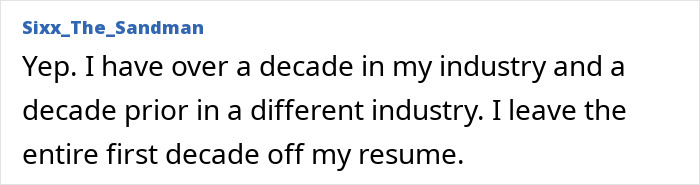
Jaluka shared, “A lot of us have been told by career coaches to shave off the first 10 years of work on our CVs just to ensure we don’t come across as having worked for too long.”
According to career expert Angela Champ, older professionals are increasingly being encouraged to “smooth the wrinkles” in their resume simply to remain competitive.
Employers often assume experienced candidates will struggle with technology, expect significantly higher salaries, or won’t adapt as quickly as younger workers.
“There seems to be a youth bias right now because we are an older population,” she told CTV Your Morning.
To tackle the issue, she advised, “Remove the dates from your education. Remove jobs from more than 15 years ago.”
However, she stressed that instead of hiding years of experience, candidates should demonstrate how their responsibilities, leadership, and skills have evolved over time.
Career coaches warn “CV Botoxing” can help, but only if applicants don’t take it too far
While “CV Botoxing” has become a survival strategy for many professionals, career experts say there’s a fine line between smart editing and stripping away the very experience that makes someone valuable.
O’Loughlin believes the approach works best when it’s treated as careful curation rather than an attempt to reinvent a career.
She argues that relevance should always take priority over completeness, but transparency still matters once conversations with employers begin.

metamorworks/Adobe Stock (Not the actual photo)
“A refined CV shouldn’t replace an open conversation about career breaks, pivots, or context,” she wrote. “Authenticity builds trust.”
Meanwhile, Champ reminds job seekers that a resume is only one part of the hiring process
“Applying with a resume is not the only way to get a job,” Champ said, encouraging candidates to rely on referrals and professional networks wherever possible.
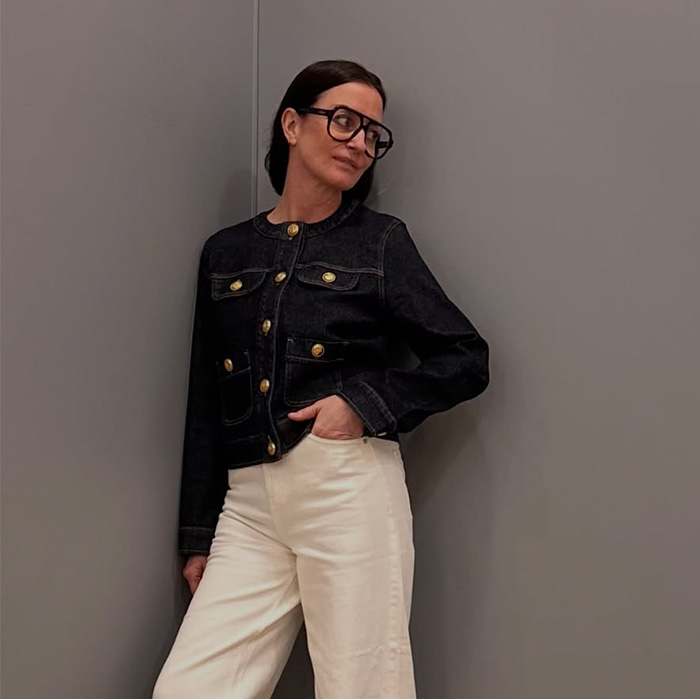
For Stacey, however, the broader issue extends beyond resume formatting.
She has turned her attention to raising awareness about age discrimination in modern hiring, arguing that no one should feel pressured to erase decades of hard-earned experience simply to make it past an algorithm.
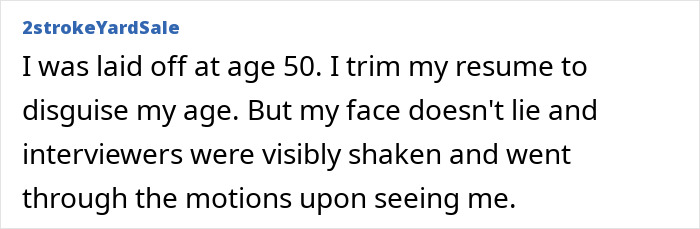
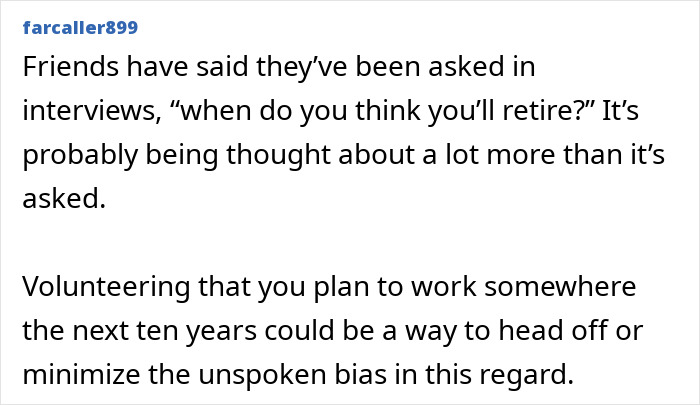
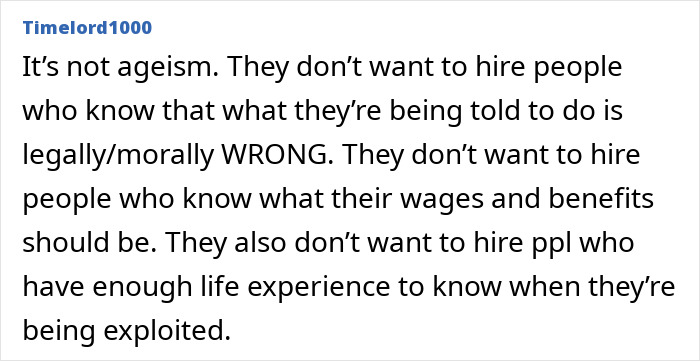
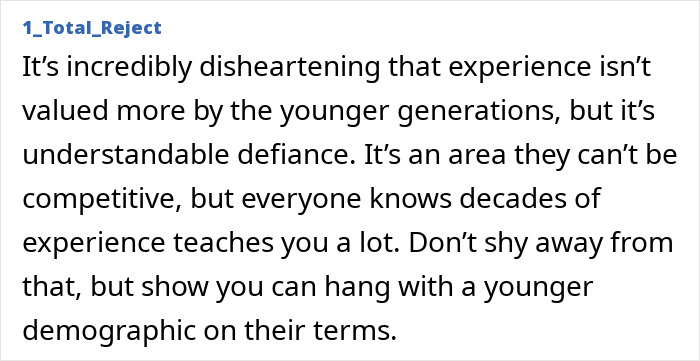
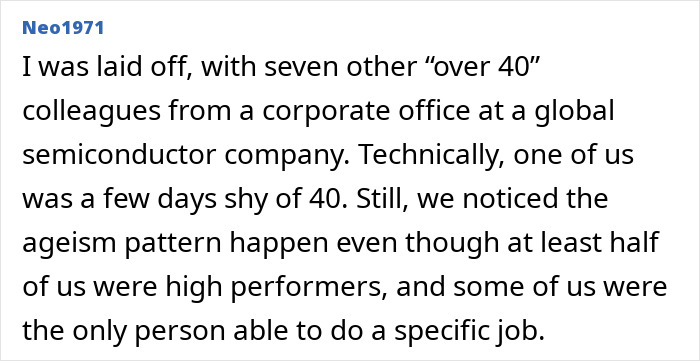
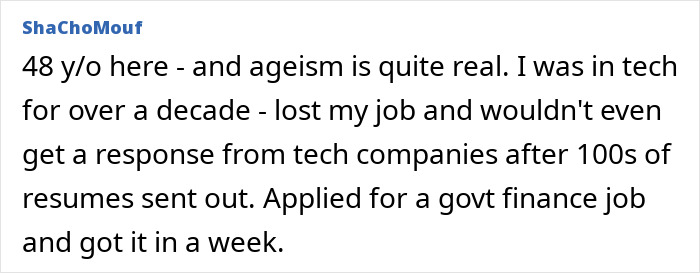
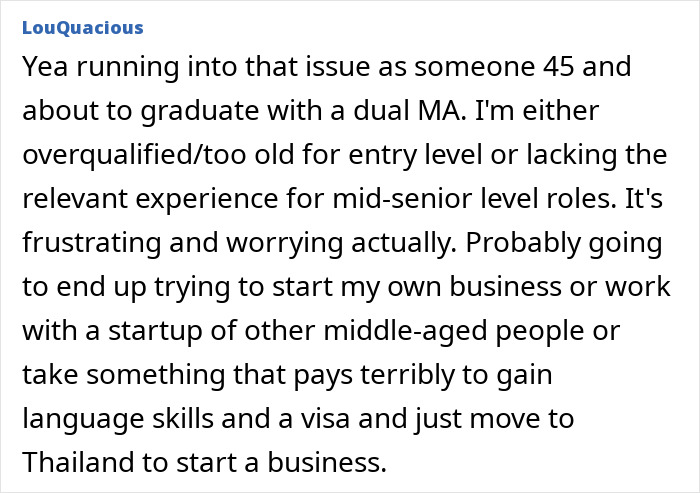
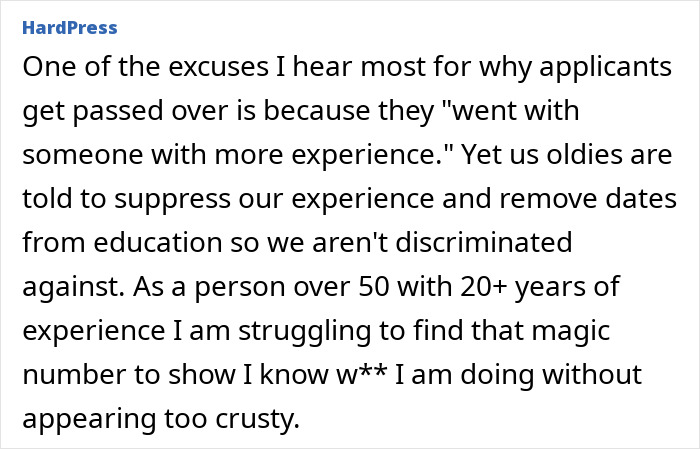
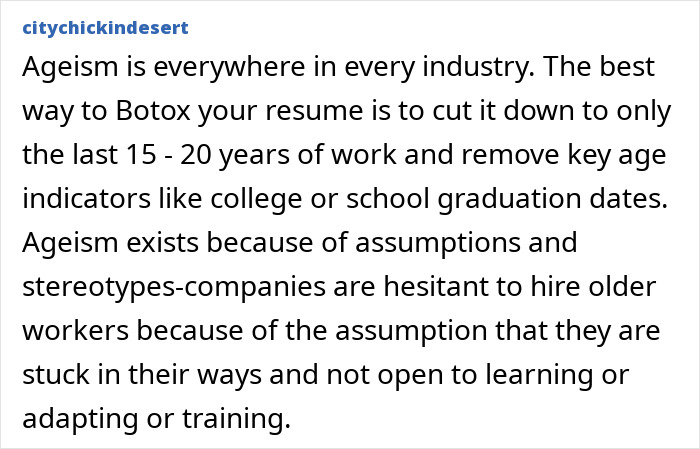
“Interesting perspective. It’s definitely a reflection of how competitive the hiring market has become,” one netizen commented

 Follow Us