Having health issues doesn’t give you a blank check to treat other people like trash. If you’re aware of your problems, it’s your responsibility to take care of yourself instead of lashing out at others. Especially at your closest loved ones who are desperately trying to support you.
A pregnant woman’s story went viral online after she revealed how she finally stood up to her diabetic husband, who has massive anger issues. He ended up in the hospital, only to make unfair demands of her. Scroll down for the full story and to read the internet’s reactions to the emotional drama.
Ignoring your health problems and lashing out at your loved ones in anger will undermine your relationships

Matilda Wormwood (not the actual photo)

This woman opened up about how she finally had enough of her diabetic husband’s chaotic anger issues














cottonbro studio (not the actual photo)


Angry people tend to be bad at communicating. Their anger may be a (very loud) plea for help
According to NYC-based psychotherapist and executive coach Moshe Ratson, MBA, MFT, anger often expresses itself in reactive, unattractive, and “ultimately destructive” ways. These can, in turn, lead to an environment of fear and hostility.
“These aggressive outbursts make it difficult for both partners to listen to one another, pushing them further apart instead of fostering understanding. Yet, it is crucial to recognize that these behaviors, while harmful, are often a reflection of deeper emotional wounds and hurt,” he writes in a post on Psychology Today.
“When a partner lashes out in anger, it is often because they feel overwhelmed by their emotions and are struggling to regulate their emotions and to express their needs in a healthy and productive way. In many cases, this anger stems from feelings of neglect, fear, or insecurity.”
Ratson explains that angry partners are essentially asking for help in a way that is not constructive. “They are seeking reassurance, respect, and a sense of being heard and valued. While their actions may feel hurtful and unfair, it is essential to approach the situation with compassion, recognizing the pain that lies beneath the anger.”
He argues that only by responding to anger with compassion and empathy can both partners begin to heal and move toward a more fulfilling relationship.
Meanwhile, the American Psychological Association emphasizes the fact that you can’t get rid of or avoid the things or people who enrage you. Nor can you change them. However, what’s within your sphere of influence is your ability to control your own reactions.
Anger management specialist and psychologist Jerry Deffenbacher, PhD, notes that some people generally get angry more easily and intensely than others. In the meantime, others are constantly irritable and grumpy, even if they don’t show their anger in loud ways.
“People who are easily angered generally have what some psychologists call a low tolerance for frustration, meaning simply that they feel that they should not have to be subjected to frustration, inconvenience, or annoyance. They can’t take things in stride, and they’re particularly infuriated if the situation seems somehow unjust: for example, being corrected for a minor mistake,” the APA stresses.

Juan Carlos Tamayo (not the actual photo)
If you want to tackle your anger issues, you must change your relationship with it. Use cold, hard logic
Genetic, physiological, family background, and sociocultural factors all influence a person’s vulnerability to anger.
Some ways to manage your anger include cognitive restructuring, better communication, using humor, changing your environment, and relaxation techniques. One of the main mindset shifts you may want to focus on is using cold, hard logic in moments of anger to get a more balanced perspective.
Anger won’t make you feel better and may actually make you feel worse. Furthermore, anger won’t fix anything.
“Angry people tend to demand things: fairness, appreciation, agreement, willingness to do things their way. Everyone wants these things, and we are all hurt and disappointed when we don’t get them, but angry people demand them, and when their demands aren’t met, their disappointment becomes anger.”
In the meantime, common relaxation techniques include the following:
We want to hear your perspectives, too, Pandas. What would you do if you were in the woman’s shoes? Have you ever had to deal with a loved one who has serious health and anger issues? How do you protect your boundaries from your nearest and dearest? It’s a sensitive topic, we know, but if you feel like sharing your insights, you can do so in the comments.
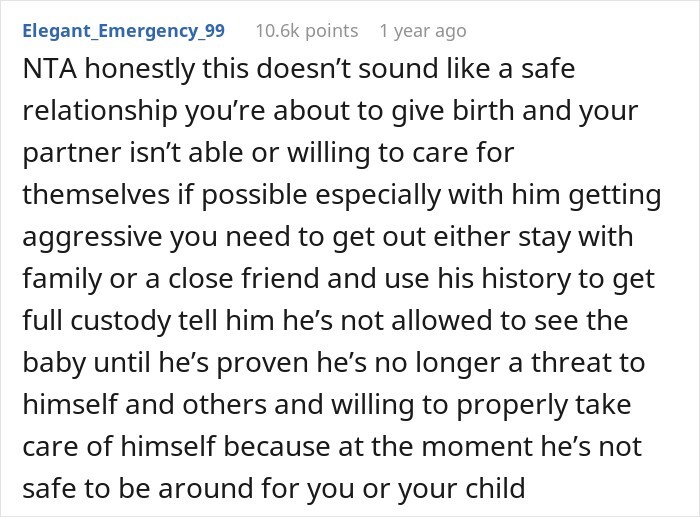
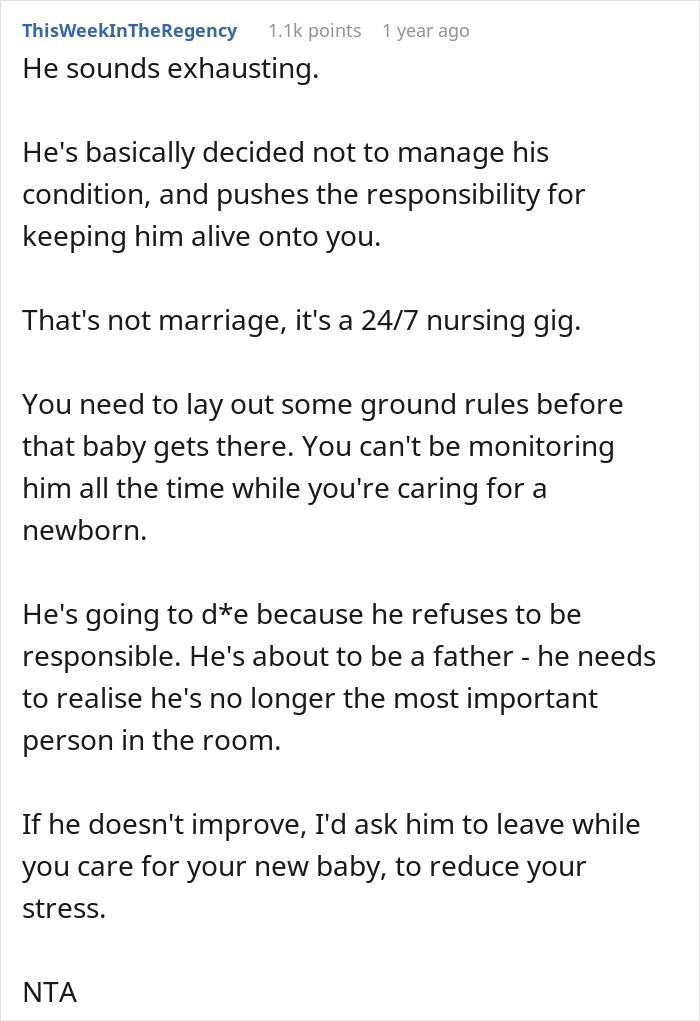
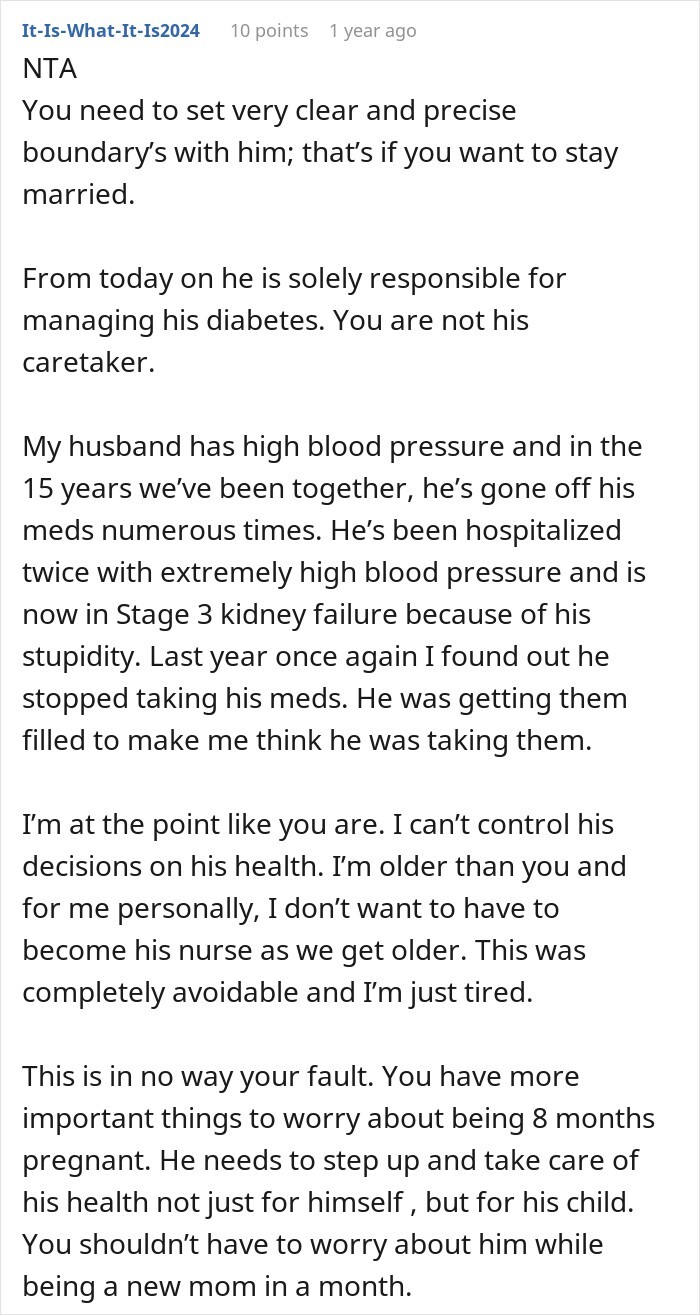
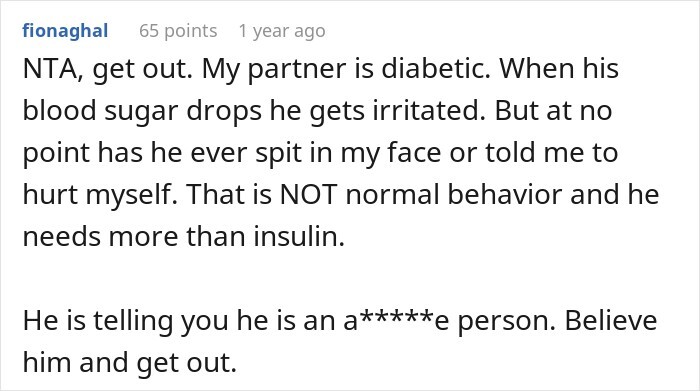
Internet users had a lot to say about the sensitive marriage drama. Here are their perspectives and pieces of advice











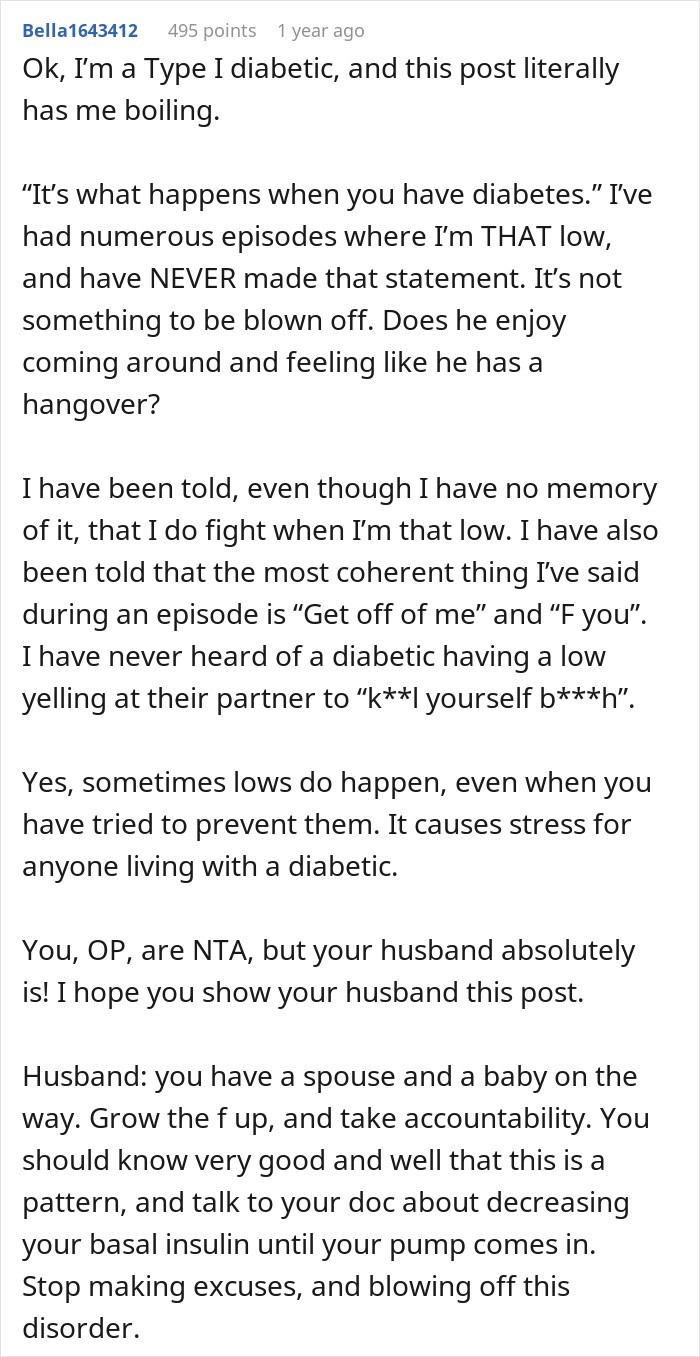
Some readers pointed out that this is not how diabetes works







 Follow Us