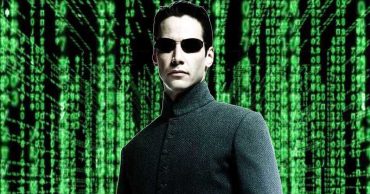
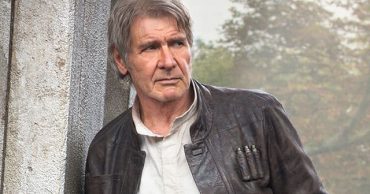
For about a decade, CGI became the default answer to almost every production problem. Need a monster, a crash, a collapsing city, or a “perfect” digital face. Just build it in post. The issue is that audiences got smarter. They can feel when a shot has no weight, no friction, and no real light interacting with real surfaces. That is why practical effects are creeping back into blockbusters. Not as nostalgia, but as a competitive advantage.
The modern best practice is not practical versus digital. It is practical plus digital, with physical builds creating the texture and the computer doing the invisible clean-up. That shift is also changing how studios hire crews, plan schedules, and spend budgets, especially as more filmmakers push for real camera effects that hold up on IMAX screens and 4K streaming. If you want a quick snapshot of how audiences reward craft, look at how the best horror movie of every year conversations usually spotlight tactile makeup, real sets, and in camera tension.
The Problem With “Too Clean” CGI
CGI is not the enemy. Lazy CGI is. When digital work is rushed, the flaws are obvious: floaty movement, mismatched lighting, and textures that look like plastic. Even when the work is technically strong, fully digital scenes can still feel sterile because everything is perfect. Real life is messy. Real surfaces have flaws. Real light bounces in unpredictable ways. Practical effects naturally capture that chaos, and the audience reads it as truth.
Another issue is performance. When actors are reacting to nothing but green screens, their timing can get slightly off, even if they are pros. When there is a real creature head on set, real debris, real smoke, or a real prosthetic face in front of them, the performance becomes sharper. That difference shows up most in close-ups. It is also why so many directors who care about realism still build sets and props even when they could do everything in post.
Practical Effects Create “Free” Realism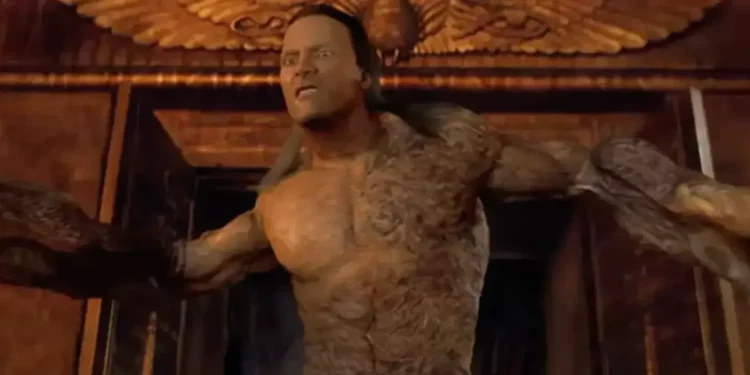
A practical build gives you realism without having to simulate it. If you build a creature suit, the wrinkles move naturally. If you pump smoke into a room, the light shafts behave correctly. If you blow dust across a set, it hits faces and clothes in a way CGI rarely matches unless you spend a fortune. Practical effects bake the imperfections into the shot, and that is why they feel expensive even when they are not.
This is also about camera behavior. Real objects interact with lenses in real ways: depth of field, motion blur, micro reflections, and tiny lens artifacts. Digital shots can recreate these, but it takes time and skill, which becomes difficult when release calendars are stacked and VFX houses are overloaded. When filmmakers choose practical first, they reduce the number of shots that need heavy digital work, which lowers risk and makes the final result more consistent.
Hybrid Effects Are the New Standard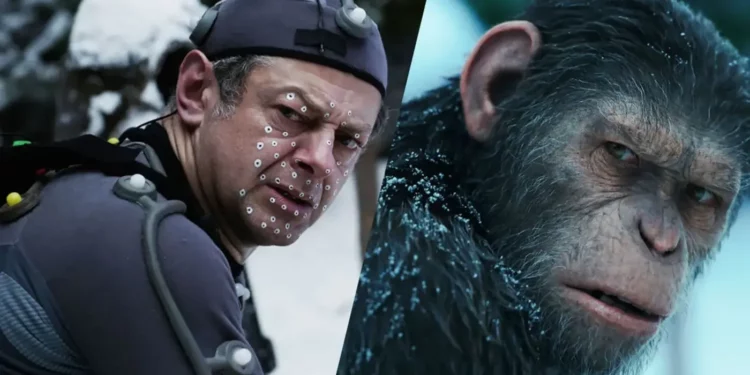
The smartest big budget productions are hybrid. They build what the camera needs to believe, then use CGI to enhance, extend, or erase limitations. A creature might be 70% practical in close-ups and 100% CGI for wide shots. A set might be built physically for the foreground and extended digitally for the skyline. This approach protects the realism while keeping the flexibility of modern post production.
That hybrid mindset also helps actors. If the set is real and the props have weight, performances improve. Then the CGI becomes support rather than replacement. You can see why studios are returning to this model as audiences keep rewarding films that look like they were made with care. When even one scene looks unfinished, social media can amplify the weakness instantly, turning visual credibility into a marketing liability.
Practical Effects Age Better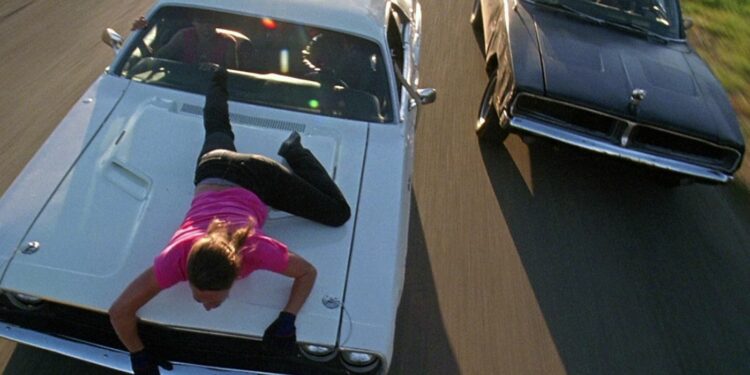
Old practical effects can look dated, but many still hold up because they live in real light. Bad CGI often ages faster because it is tied to the rendering standards of its time. A practical miniature shot from decades ago can still feel tactile. A mid-tier CGI shot from ten years ago can look like a video game cutscene. That is why filmmakers who care about longevity keep leaning practical in key moments.
Longevity matters more now because films live forever on streaming. A blockbuster is not just a theatrical product. It is an asset that will be watched on 4K TVs for years. If the visual work looks fake, it hurts rewatchability. That is one reason practical effects are returning, especially in genres where realism is part of the appeal, like action and horror.
Audience Trust Is a Currency
Practical effects build trust. When the audience believes the world, they accept the story faster. They stop analyzing and start feeling. That is the entire point of spectacle: to make viewers surrender to the movie. When effects look artificial, people detach emotionally. They start watching the budget instead of the character.
It is similar to why the most respected acting transformations still matter. When the physical reality is convincing, the performance hits harder. If you are curious how performance and illusion intersect at the top level, the Daniel Day-Lewis roles discussion is basically a blueprint of how commitment, texture, and physical detail build credibility that no post production can fake.
It Is Also About Time and Labor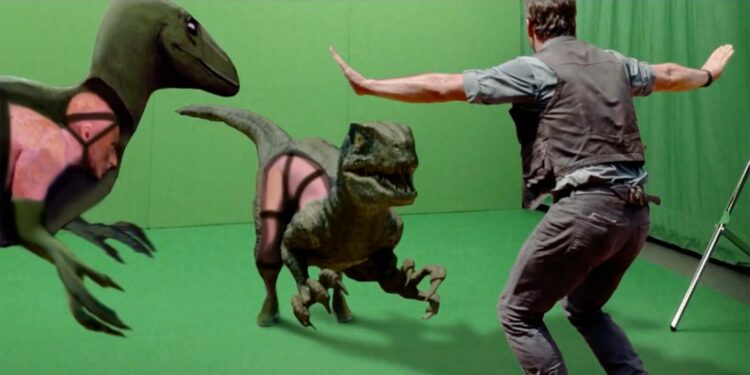
There is a business side too. VFX pipelines have been under massive pressure. Tight deadlines, endless revisions, and last-minute studio notes create chaotic workloads. Practical effects shift some of that pressure earlier in the process, where planning can be controlled. If you build a set piece and shoot it, you lock it in. You are not redesigning it ten times in post.
That does not mean practical is easier. It is hard, specialized work. But it is predictable. A physical build has known costs and known timelines. CGI can explode in cost if a sequence keeps changing. That is why some productions now prioritize practical builds for scenes that might otherwise become post production nightmares.
Why Horror Led the Comeback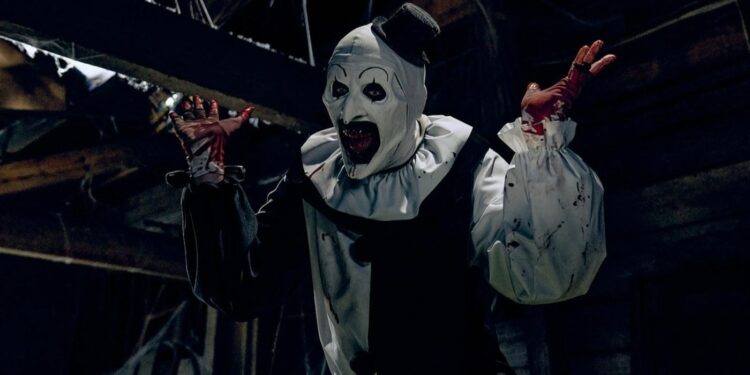
Horror never stopped loving practical effects. Prosthetics, makeup, animatronics, and in camera gore are part of the genre’s DNA. The reason is simple: horror relies on texture. A monster is only scary if it looks like it exists. Blood is only unsettling if it has thickness and weight. That is why so many modern horror hits mix practical effects with subtle CGI rather than going fully digital.
Once horror proved that audiences still respond to tactile craft, bigger genres started borrowing the lesson. Action films want impacts to feel real. Sci-fi wants environments to feel lived in. Even fantasy needs physical anchors to avoid looking like a cutscene. Horror was the proof of concept, and now blockbuster filmmaking is catching up.
The Future Is Physical First, Digital Second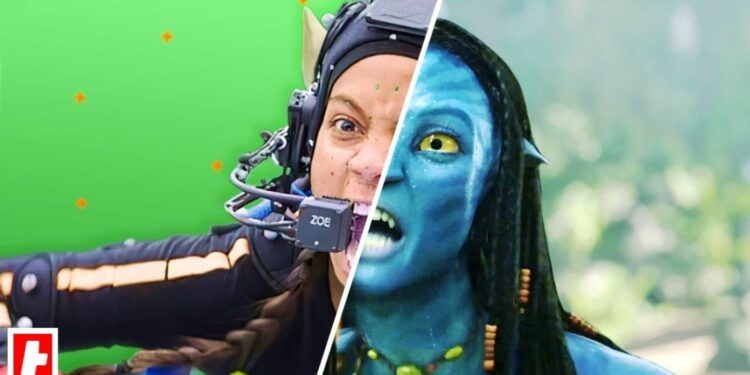
The practical comeback is not a rejection of CGI. It is a correction. The best films in the next decade will treat CGI like seasoning, not the main ingredient. They will build real sets, real props, and real effects wherever possible, then use digital tools to enhance what is already believable. That approach creates a stronger final image, stronger performances, and stronger audience trust.
In a market where attention is brutal and competition is constant, trust is everything. Practical effects help studios earn that trust by delivering visuals that feel grounded, weighty, and real. And once audiences believe what they are seeing, they stop nitpicking and start enjoying the ride, which is the only outcome that actually matters.
 Follow Us