The internet had no idea what they were watching when a woman began acting like an animal on the beach.
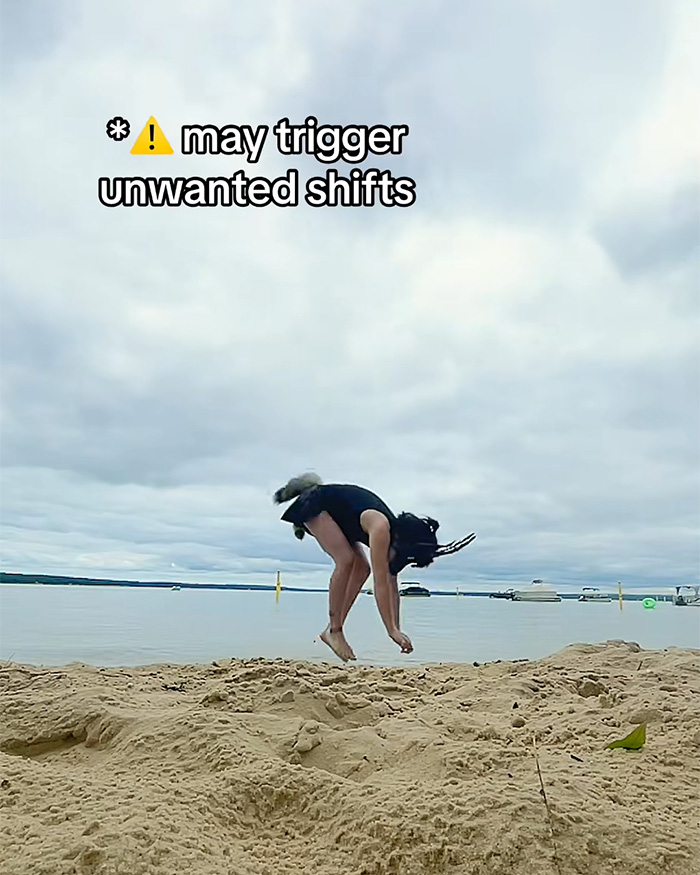
The self-described “therian” began wagging, crawling, and acting like an animal in the sand, saying she was experiencing a “therianthropic mental shift” in front of the camera.
Netizens were baffled as they witnessed her “transitioning into the mindset of my hybrid kintype crowdoggy.”
The internet had no idea what they were watching when a woman began acting like an animal on the beach
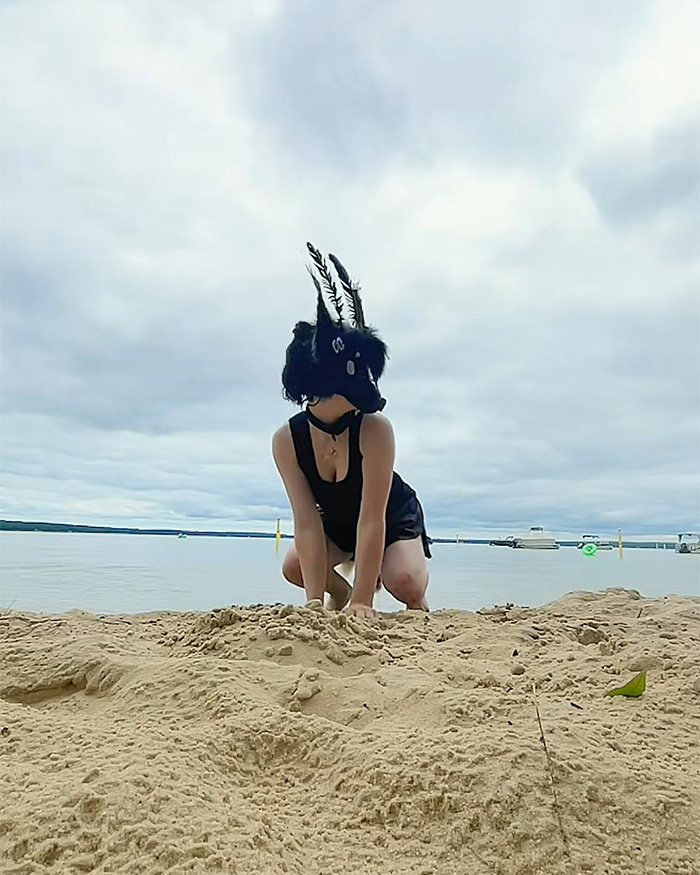
The viral woman said she was seeing the world through “different eyes” when she experienced a “mental shift” on the beach.
She identified herself as a therian, making her part of a small online subculture who claim to identify as an animal.
The Therian Guide website defines a therian or therianthrope as a person who “experiences being and identifies as a non-human animal on an integral, personal level.”

It reportedly started popping up on internet forums in the 1990s, with “therians” discreetly sharing ideas through websites and mailing lists. The trend picked up speed with the rise of TikTok, Instagram, and YouTube.
“The therian phenomenon is a perfect example of how algorithms and social media, with a mixture of political interest and morbid curiosity, can fabricate a news story out of thin air,” Adrián Juste, an analyst at the Al Descubierto think tank, told EL PAÍS.
Therians identify themselves with a non-human animal on a psychological, playful, or spiritual level, and it does not imply a physical transformation
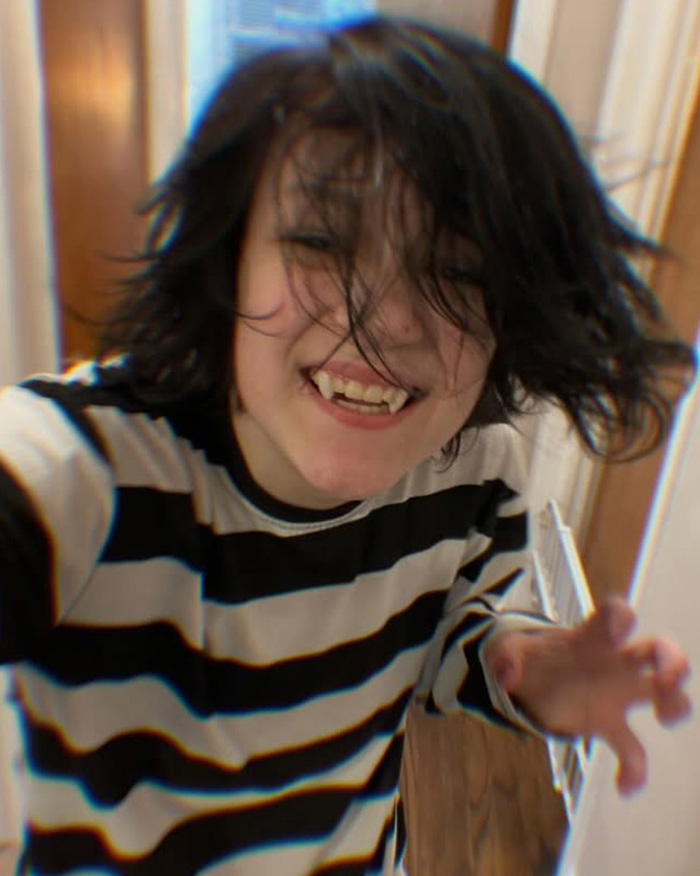
Therians identify themselves with a non-human animal on a psychological, playful, or spiritual level and does not imply a physical transformation or the belief of possessing a different body. Instead, it is more of an internal experience of identity for most people.
The word “therianthropy” comes from the Ancient Greek therion, meaning “wild animal” or “beast,” and anthropos, meaning “human.”

michal/Adobe Stock (not the actual photo)
In this context, therianthropy describes the perceived experience of identifying with an animal while remaining physically human.
Different people may identify with different animals, creatures or even multiple types. This animal or creature identity is known as a “theriotype” or “kintype.”
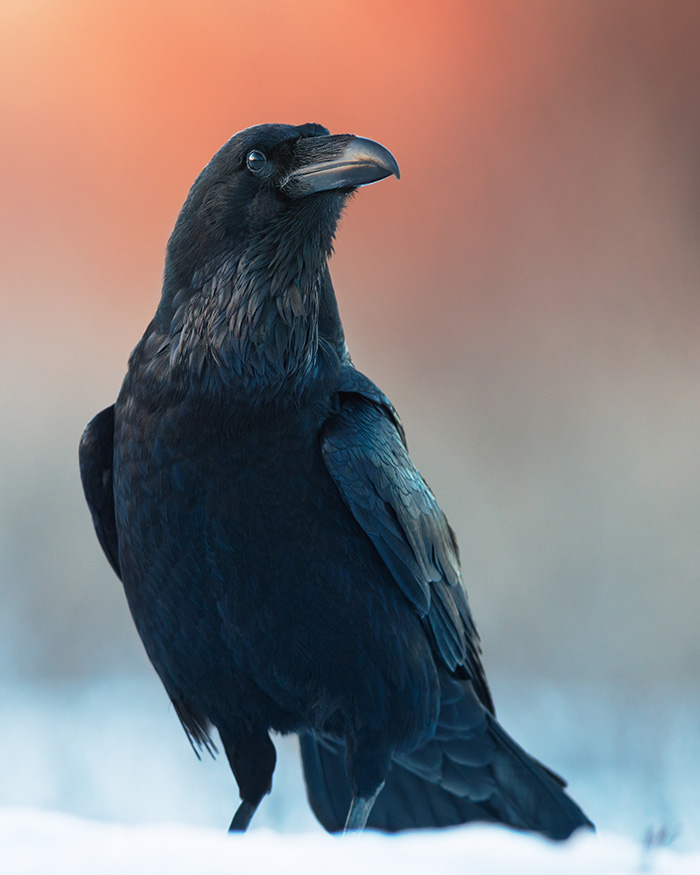
Sergey Ryzhkov/Adobe Stock (not the actual photo)


For example, someone might identify as wolfkin or say “My kintype is a wolf.” Another person may feel connected to a cat, bird or another creature.
Some may also identify with hybrid types, like the woman in the viral video who said her kintype is a “crowdoggy.”
The self-described therian said she was transitioning into her “crowdoggy” hybrid kintype
The woman explained that viewers were watching her transition into a crowdoggy.
When she shared her video on social media, the woman explained the “mental shift” as a “phenomenon some therians experience where they feel, perceive, act, and react akin to their thereotype for a period of time.”
She then explained to her viewers that they were watching her transition, saying she was “genuinely feeling so euphoric” at the time.
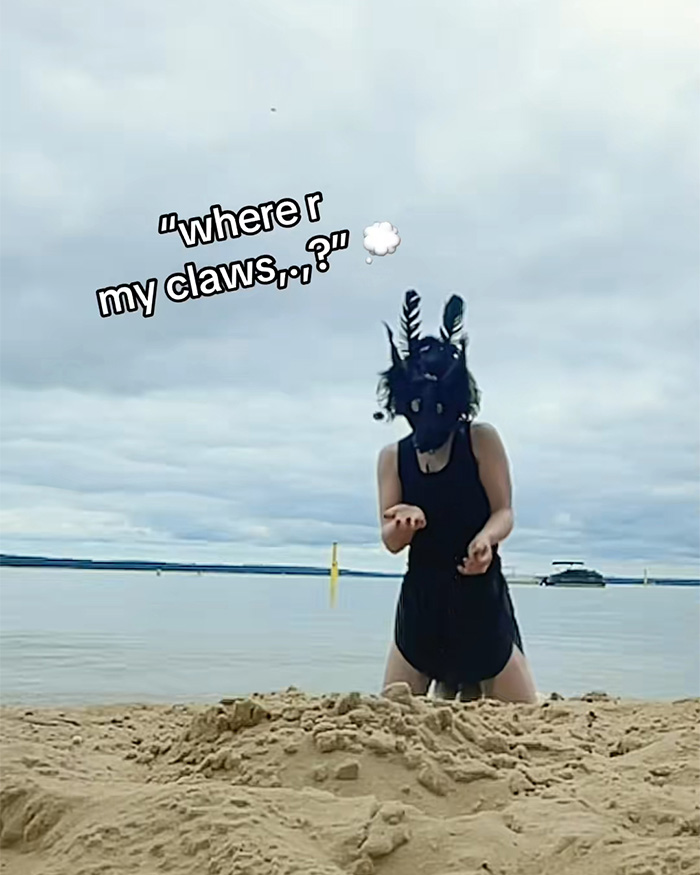
“What you’re seeing now is me transitioning into the mindset of my hybrid kintype crowdoggy. One of his hybridtypes is a sea wolf, so the beach made me shifty,” she said.
She believes her shift started around the time she started wagging in the sand.
“I was disassociating a bit here, seeing the world through different eyes,” she said.
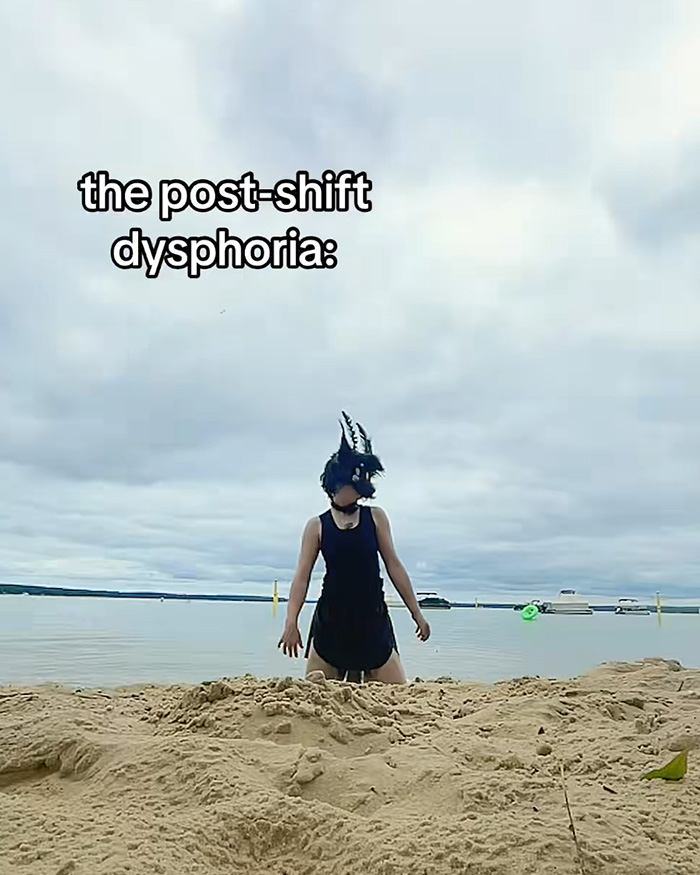
At some point, she saw the camera and said she felt “grounded” and “human-ish again.”
And then came the “post-shift dysphoria,” followed by “the excitement,” she added.
A psychology professor suggested therian experiences may involve highly immersive imaginative play
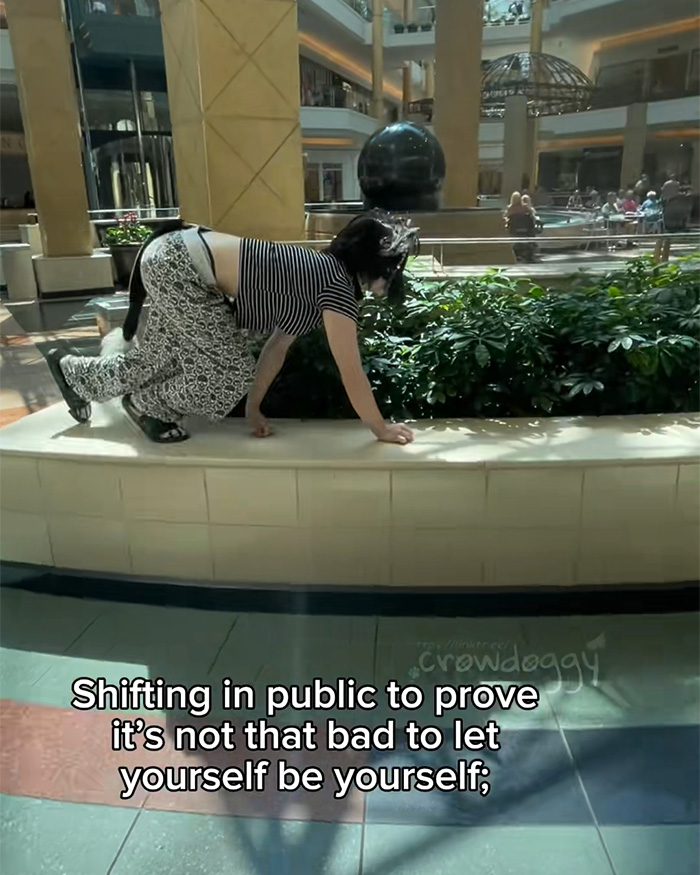
It is important to note that “mental shifting” is not a formally recognized psychiatric diagnosis or established clinical phenomenon.
The term is primarily used within therian communities to describe a subjective experience of feeling, thinking, or behaving more like the animal with which a person identifies.
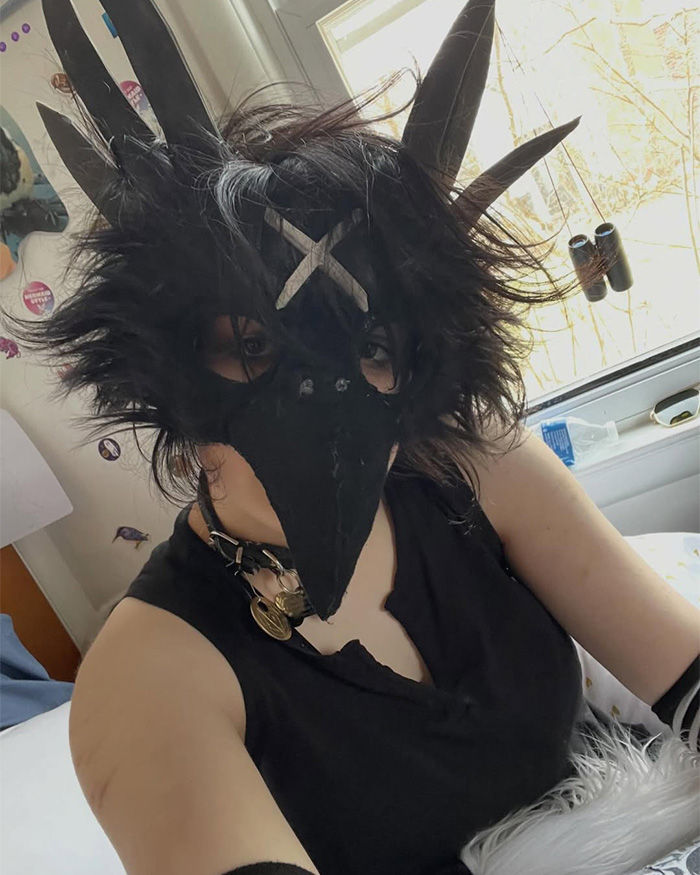
It is also difficult to know exactly what is happening internally when someone describes a therian experience, said Dr. Anne Wilson, who studies social media & social psychology.
The professor from Wilfrid Laurier University’s psychology department explained her perspective as a social psychologist and said, “My guess is that the therian experience is largely imaginative play that can become very immersive for some people.”
That does not necessarily mean the person is pretending, because for some people, imaginative experiences can become deeply absorbing.
Wilson said it is possible that some people genuinely experience them in a way that feels very different from ordinary play. But whether that reaches the level of an “altered state of consciousness” in some people is something she said she could not determine.
“It’s very hard to tell from the kinds of videos shared on TikTok whether any of it is genuinely experienced or more performative (after all, the person would have had to set up the camera, make sure they were in an altered state staying within the camera frame, etc.),” she said.
“Mental shifting” is not a formally recognized psychiatric diagnosis or established clinical phenomenon
“It seems possible that some people have these experiences in a genuine way while others perform them,” she added.
Another reason to be cautious is that therian communities have not been extensively studied.
Wilson said that, to her knowledge, therian subcultures are “at least partly social media phenomena” because platforms make it easy for people “to find others who share their imaginative interests.”
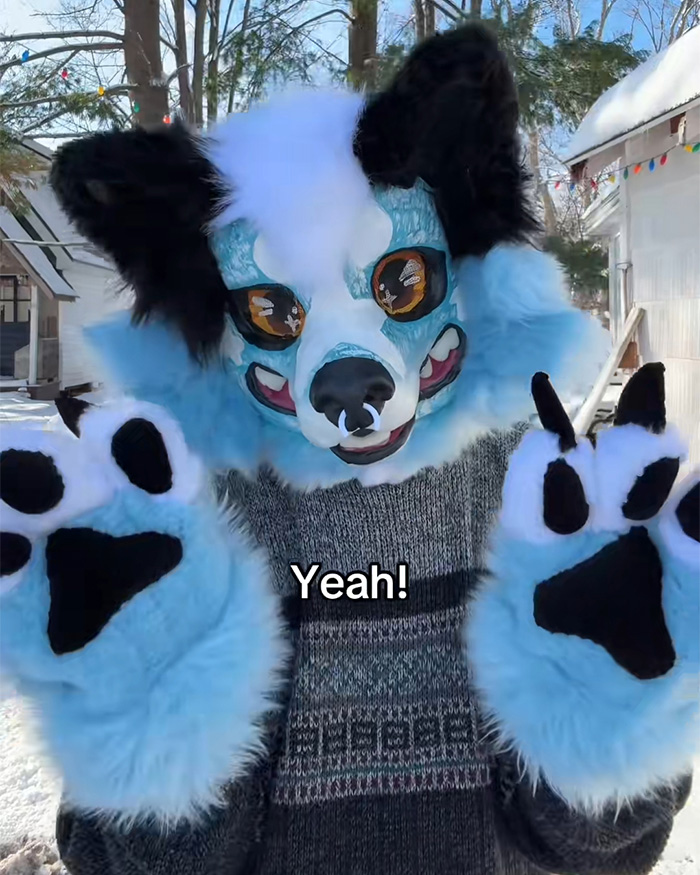
“It’s possible that in extreme cases there could be an unhealthy blurring of fantasy and reality, but I’m not sure how common that is. And for context, humans have long engaged in a great many forms of fantasy play,” she said.
Such behaviors might seem “odd” or “unusual” to outsiders, but for people within an “identity community” that shares a special interest, they engage in behavior that seems “normal.”
“Indeed, that is often part of what makes it feel special to members of the community!” Wilson added.
Experts say it is difficult to tell whether therians are sharing genuine experiences or being performative in their videos
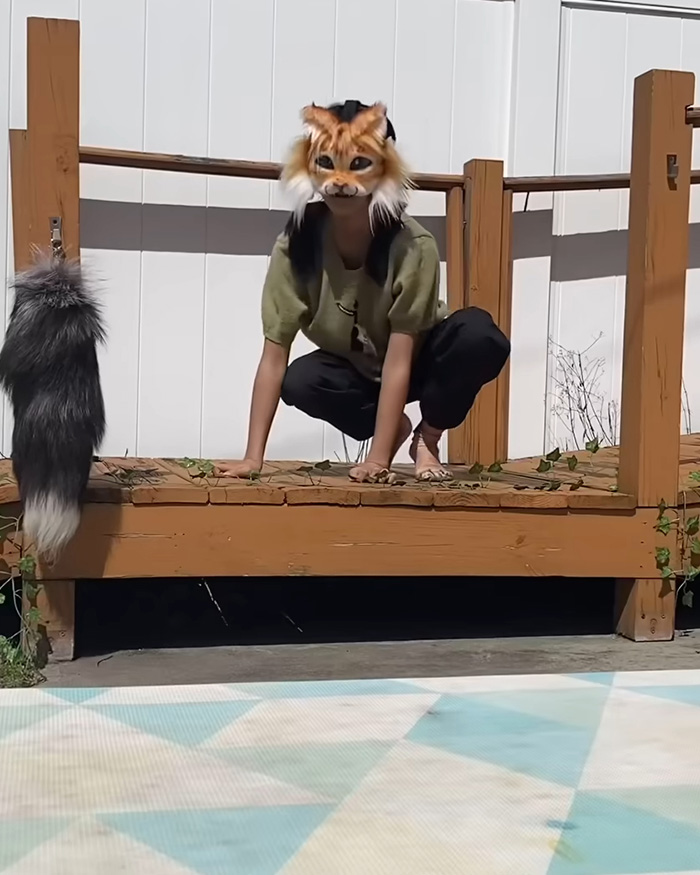
While psychology has documented and studied related concepts, there is currently no standardized clinical definition, diagnostic criteria or established scientific explanation for these “mental shifts.”
This also means that experiencing a mental shift does not, by itself, indicate that someone has a mental illness or psychiatric disorder.
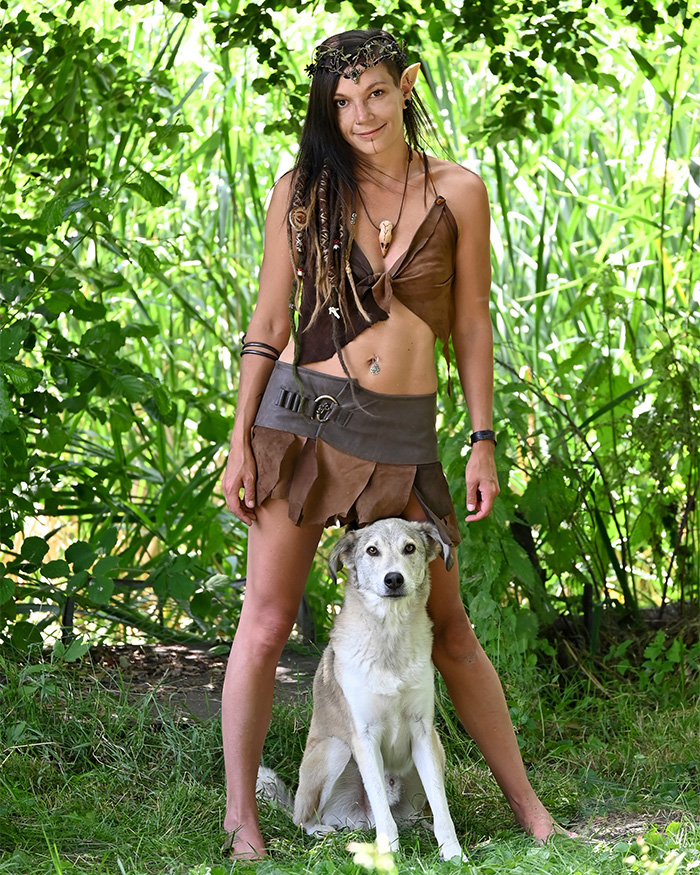
Mareen Vandelay/Adobe Stock (not the actual photo)
The experience of identifying with an animal has received some attention in psychological and psychiatric research.
In a 2025 systematic review published in Neuroscience & Biobehavioral Reviews, psychiatrists Jan Dirk Blom and Brian A. Sharpless examined 77 published cases of clinical therianthropy.
They described clinical therianthropy as “the delusional belief that one transforms into an animal and assumes its characteristics” and found that some of these individuals had deeper mental health issues.

Александра Вишнева/Adobe Stock (not the actual photo)
The researchers said they conducted a systematic review of the 77 published cases, and of these reported theriotype cases, 68% involved transformations into canines.
Men “debuted” at a significantly earlier age than women, and associated conditions included psychotic disorders (41 %), psychotic depression (24 %), bipolar disorder (18 %), and Cotard’s syndrome (12 %), while 16 % engaged in other-directed physical violence.
Subsequent treatment resulted in full remission (58%) and partial remission (33%) of the symptoms of clinical therianthropy, the researchers said, but noted that the associated conditions were often chronic in nature.
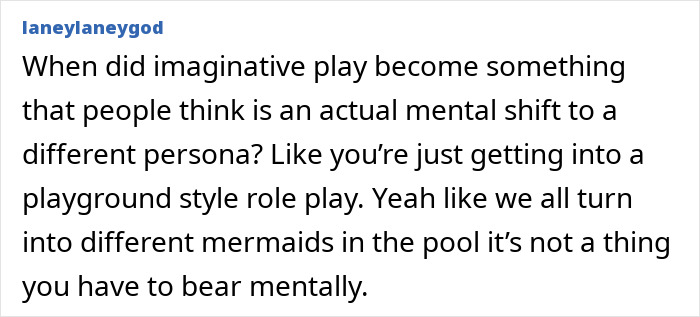
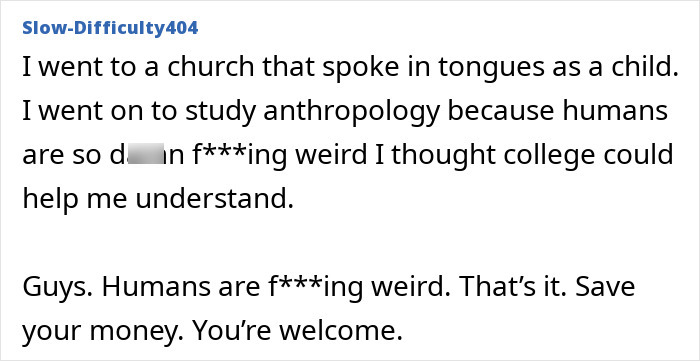
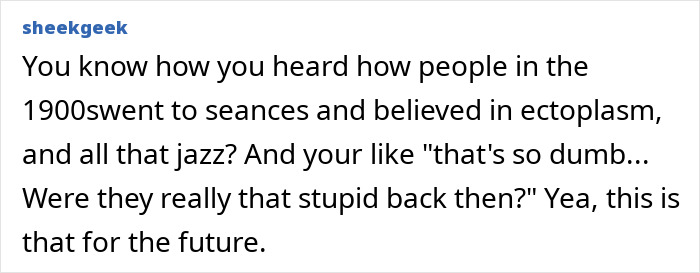
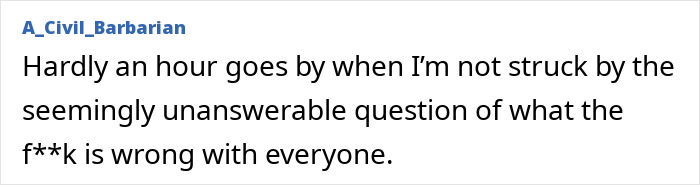
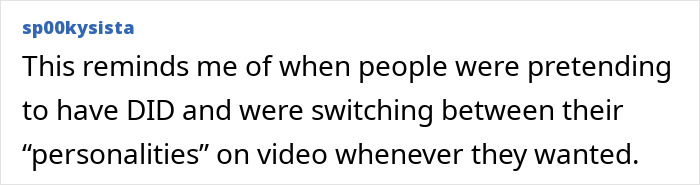
“This to me is just pretend for attention,” one commented online
















 Follow Us