Great acting debuts do not just “show promise.” They arrive fully formed, with a level of control that usually takes a decade to earn. The best ones change how casting directors see an actor overnight, and they also reshape what audiences think a newcomer can carry on screen. In the last 20 years, a handful of first major roles have done exactly that, turning unknowns into legitimate forces in a single project.
What separates a true debut from a lucky break is repeatable skill: presence, timing, listening, and the ability to hold the camera without begging for it. These performances are not famous because the actors were new. They are famous because they were already excellent, and the right film gave them a stage big enough to prove it.
1) Edward Norton in ‘Primal Fear’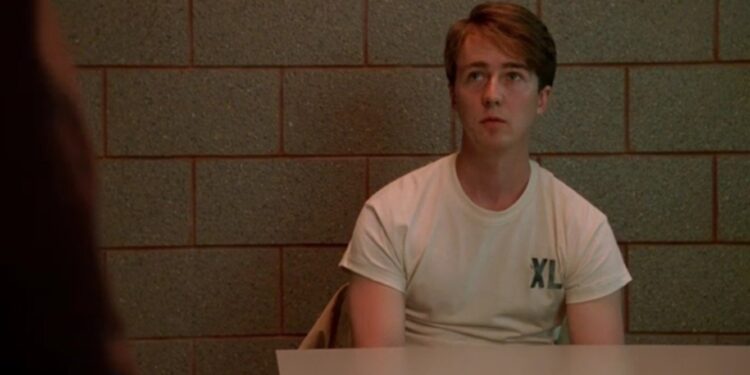
Edward Norton didn’t debut so much as detonate. His work in Primal Fear is a clinic in control, because the performance isn’t built on one trick. Norton uses pacing, posture, and voice like switches, and he makes every shift feel motivated rather than theatrical. Even when the plot turns, what lands is the precision: the performance remains grounded in behavior, not “acting.”
What’s wild is how complete it feels. The character is readable in the eyes even when the dialogue is doing misdirection. This is the kind of debut that immediately earns industry trust, and it still holds up because it is constructed, not improvised chaos. If you want to understand how careers start fast, start here.
2) Lupita Nyong’o in ’12 Years a Slave’
Lupita Nyong’o entered the mainstream with 12 Years a Slave and delivered something rarer than intensity: restraint under pressure. Nyong’o communicates fear and endurance without leaning on melodrama, which is exactly why the performance hits so hard. The camera doesn’t feel like it’s watching a newcomer. It feels like it’s watching a professional who understands silence as a weapon.
It’s also an example of how “debut” doesn’t mean small. The role required emotional range, physical commitment, and a level of internal truth that can’t be faked. If you’re tracking how the Best Picture conversation evolved in the modern era, this performance is one of the era-defining reasons why.
3) Hailee Steinfeld in ‘True Grit’
Hailee Steinfeld stepping into True Grit could have been a “good for her age” story. Instead, Steinfeld made it a “good, period” story. The performance works because the intelligence never feels forced. She speaks like someone who has lived inside the character’s mind, not someone reciting a script with confidence.
Steinfeld also holds her ground against experienced screen partners without trying to outshine them. That’s a sign of real instinct: she knows when the scene belongs to her and when it does not. The debut didn’t just introduce a new actor. It introduced a lead who could carry tone, rhythm, and dialogue-heavy scenes like a veteran.
4) Gabourey Sidibe in ‘Precious’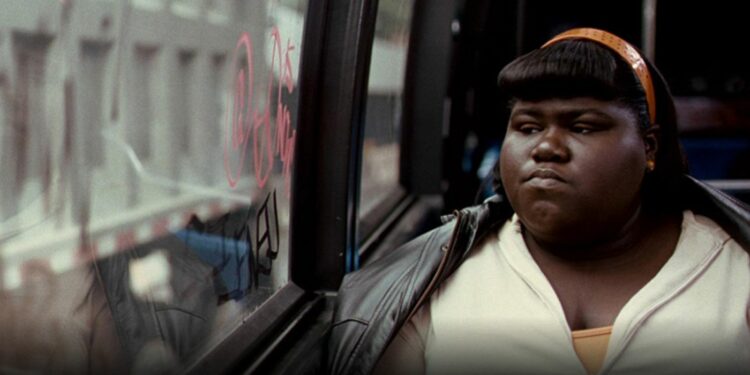
Gabourey Sidibe in Precious is a performance that could have collapsed under the weight of its material. Sidibe’s achievement is that she never turns the character into a symbol. She keeps it human, moment by moment, even when the story is brutal. That honesty is why the performance landed culturally and critically.
What makes this debut remarkable is the balance between vulnerability and presence. Sidibe’s character doesn’t ask for your sympathy. She forces you to look, and she does it with a clarity that feels fearless. If you study how audiences respond to unfiltered truth on screen, this is one of the sharpest examples from the past two decades.
5) Barkhad Abdi in ‘Captain Phillips’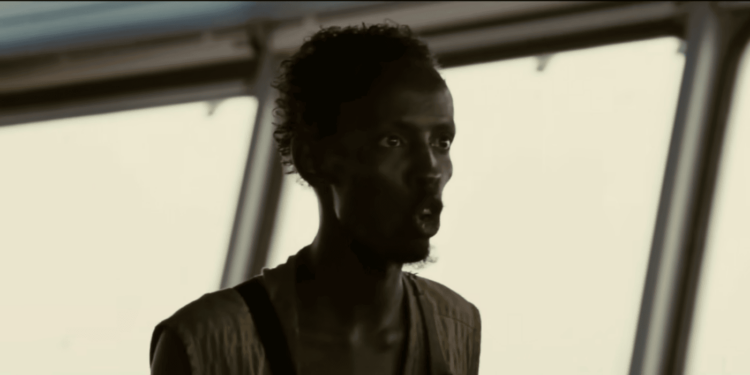
Barkhad Abdi arrived in Captain Phillips and immediately understood something many trained actors never learn: authority is not volume. Abdi’s power comes from stillness, eye contact, and the way he makes negotiation feel like a chess match. Even when the character is under pressure, he never plays panic. He plays calculation.
It’s also a debut built on chemistry. The tension works because Abdi listens in real time. You can feel choices being made, not lines being delivered. If you’re someone who cares about what separates “memorable villain” from “real person,” this performance is the blueprint.
6) Anya Taylor-Joy in ‘The Witch’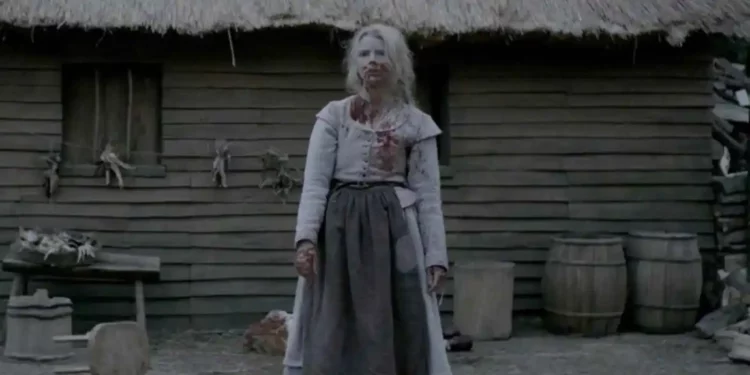
Anya Taylor-Joy didn’t become a star because she looked striking. She became a star because she can hold atmosphere. In The Witch, Taylor-Joy builds tension through micro-reactions, and she makes a slow-burn story feel like it’s tightening around the viewer’s throat. The performance is patient, and that patience is the skill.
After this, the industry stopped seeing her as “interesting.” It started seeing her as bankable in tone-heavy material. If you’ve ever wondered why certain actors get cast in projects that rely on dread and precision, this is why. And if you track horror as a serious acting lane, it belongs in any list of the best horror-era performances.
7) Florence Pugh in ‘Lady Macbeth’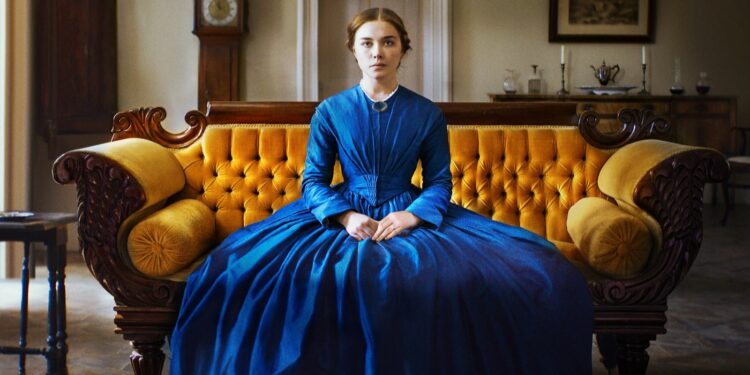
Florence Pugh broke out with Lady Macbeth by making quiet choices feel violent. Pugh’s performance isn’t loud, but it’s forceful. She plays desire, boredom, and ruthlessness as part of the same internal engine, which is why the character becomes unpredictable without becoming unrealistic.
The debut also signaled range. Pugh can project innocence and threat in the same frame, and she can switch between them without signaling the shift. That is what future-proof looks like: an actor whose face can tell multiple truths at once. If you’re building a watchlist of modern stars, this is a first chapter worth studying.
8) Dev Patel in ‘Slumdog Millionaire’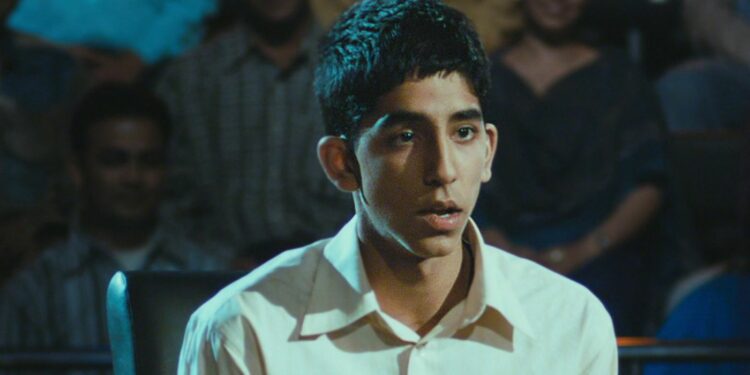
Dev Patel in Slumdog Millionaire is a reminder that charisma is a craft, not a vibe. Patel makes optimism feel earned rather than cute, and he anchors the film’s momentum with sincerity. The performance works because he never plays “inspirational.” He plays specific, and specificity creates emotion without manipulation.
Patel’s debut matters because it showed the industry a lead who could carry both intimacy and scale. It also proved that a first major role can become a global calling card when the actor understands rhythm, pacing, and emotional clarity. If you’re mapping which performances became modern reference points, this is one of the cleanest examples of momentum turning into identity.
 Follow Us