Whether we challenge ourselves or dare someone else to do something outrageous, there is something tempting about standing out from the crowd. Doing what nobody else would can give a quick sense of accomplishment. But without proper care, everything can spiral out of control.
Sam Ballard was a 19-year-old Australian and an aspiring rugby player when a night with friends changed his life forever. In 2010, someone dared him to eat a slug, and Sam accepted without realizing the bug carried a dangerous parasite.
Years later, his story has become a sinister reminder of how lethal a silly challenge and peer pressure can be.
A silly dare can seem harmless in the moment, but some challenges can have consequences nobody expects
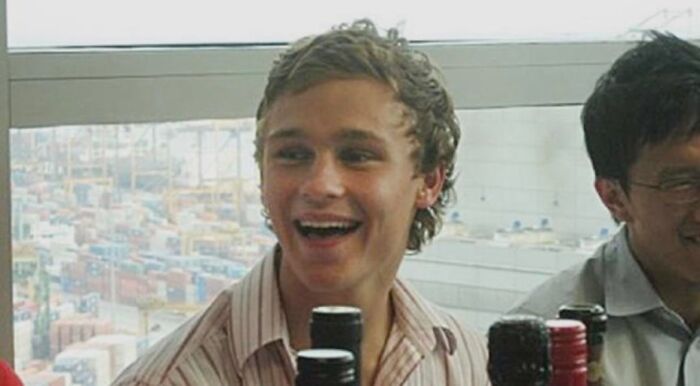

A young Australian accepted a dare from his friends and ate a slug without knowing what it carried
Sam was just a young man living in Sydney. He was spending a fun evening drinking with friends when they noticed a slug crawling nearby. Someone dared him to eat it and he accepted, probably thinking it was just something gross that nobody else would do.
A few days later, Sam developed significant pain and weakness in his legs and went to the hospital. Doctors discovered that the slug carried Angiostrongylus cantonensis, a parasite commonly known as “rat lungworm”. The parasite can infect humans, although severe neurological illness is an uncommon consequence.
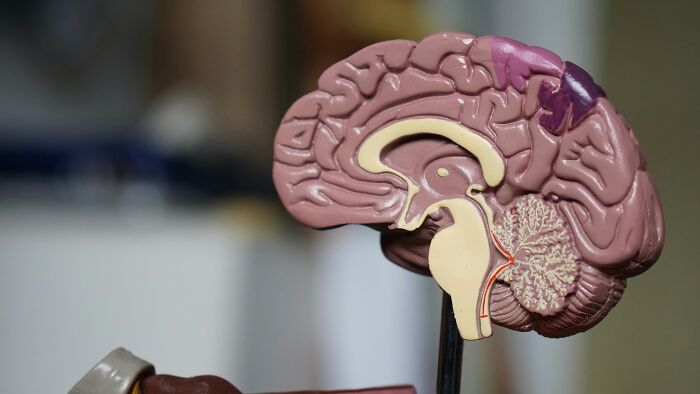
In Sam’s case, the infection triggered eosinophilic meningoencephalitis, a serious inflammation that affects the brain and its surrounding tissues. The parasite’s larvae reached his head via blood stream, and Sam fell into a coma that lasted 420 days. When he finally woke up, the brain damage had left him unable to move normally.
Sam spent three years in hospital before returning home in a wheelchair, where his mother took care of him all day long. He continued to experience serious complications and never recovered. After eight years of living with the consequences of the silly challenge, Sam left this world in November 2018 at age 29.
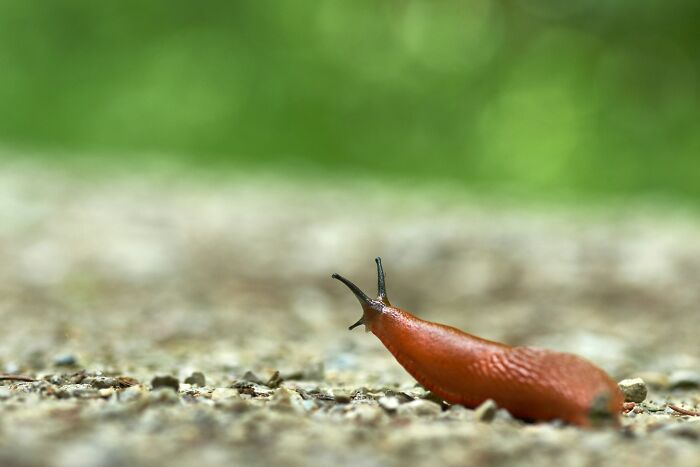
Wolfgang Hasselmann / Unsplash (not the actual photo)
Sam Ballard developed severe symptoms days after eating the slug and doctors discovered a dangerous parasite
People have challenged each other for centuries, sometimes with consequences that sound almost absurd today. Like Danish astronomer Tycho Brahe, who in 1566 argued with a fellow nobleman over who was the better mathematician. The dispute became a sword duel that cost Brahe part of his nose.
Some of you may be too young to remember, but in the early 2000s there was a television show that turned stupidity and gross challenges into entertainment. Johnny Knoxville became the face of this comedy series, a format that turned reckless dares into something millions of viewers watched for fun.
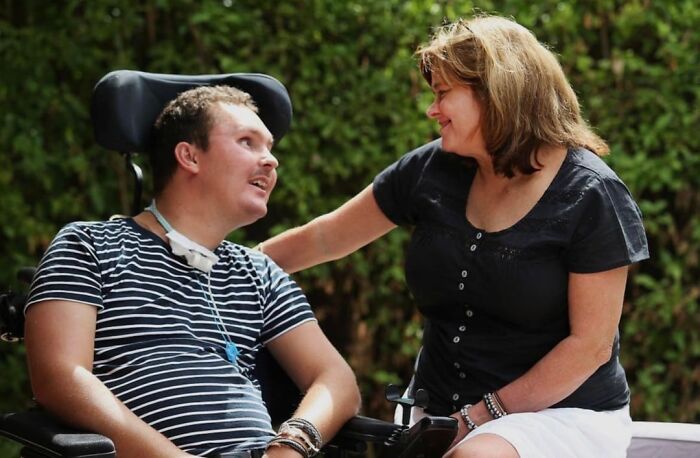
The parasite reached Sam’s brain and left him in a coma for more than a year with severe neurological damage
Today, challenges have moved from television screens to social media feeds. Some remain harmless, such as the bottle flip, while others have encouraged people to swallow laundry capsules. People join these trends for different reasons: they want attention, entertainment, recognition, a sense of belonging or simply the satisfaction of proving themselves.
That mix can make a simple dare surprisingly persuasive, especially when combined with peer pressure. There seems to be four recurring motivations: social pressure, attention, entertainment, and the contagion effect, which allows a behavior to spread from one person to another. If friends participate, the challenge may seem normal.
Robina Weermeijer / Unsplash (not the actual photo)
Sam spent years dealing with the consequences of the infection before he was gone at 29 in 2018
The consequences can become much more serious. For instance, the Blue Whale challenge became infamous after it led to the loss of hundreds of young lives around the world. Researchers later examined how online content could encourage imitation and spread harmful behavior among vulnerable users.
A study published in the US National Library of Medicine examined risky social media challenges from 2000 through 2024. Among the 54 studies that met its criteria, specialists found reports of burns, lung injuries and strangulation. The cases included emergency treatment and permanent health problems, showing how social media pressure can affect people.
Pablo Merchán Montes / Unsplash (not the actual photo)
The American Academy of Pediatrics also warns that teenagers can feel especially drawn to these trends because curiosity, peer approval can be stronger than their common sense. Social media can amplify that effect by rewarding likes, comments and shares. At the same time, a developing brain can struggle to measure consequences in the long run when there’s an immediate social reward.
So why do people keep doing them? Ankita Guchait, MBPsS, points to several forces behind our attraction to online trends, including herd mentality, social proof, identity, and the fear of missing out. A challenge can therefore feel less like a reckless individual choice and more like something everyone around you already accepts.
In a world where even something as ordinary as taking a selfie can put someone in serious danger, caution matters more than the thrill of completing a dare. If nobody eats raw slugs, there may be a good reason for that. Sam Ballard’s story shows just how terrible that reason can be.
What are your thoughts on Sam’s story? Has his experience ever made you think differently about the challenges we accept? Share your thoughts in the comments!
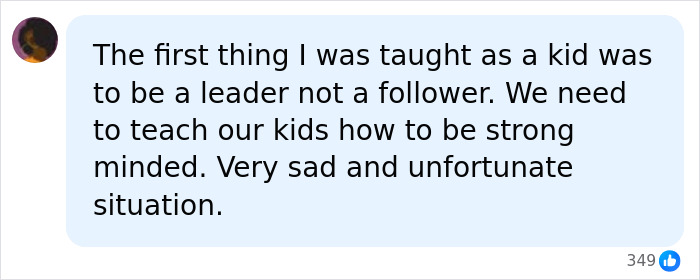
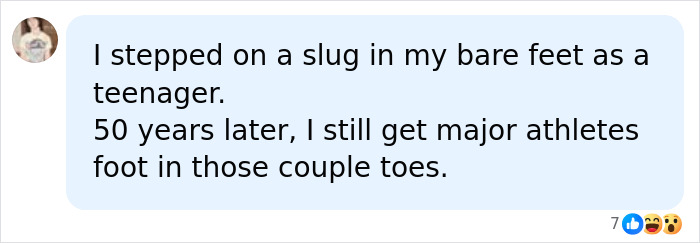
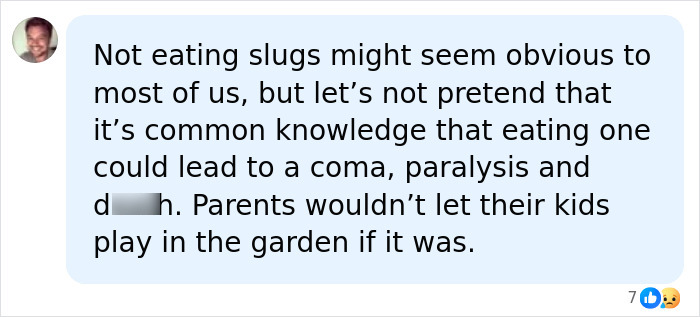
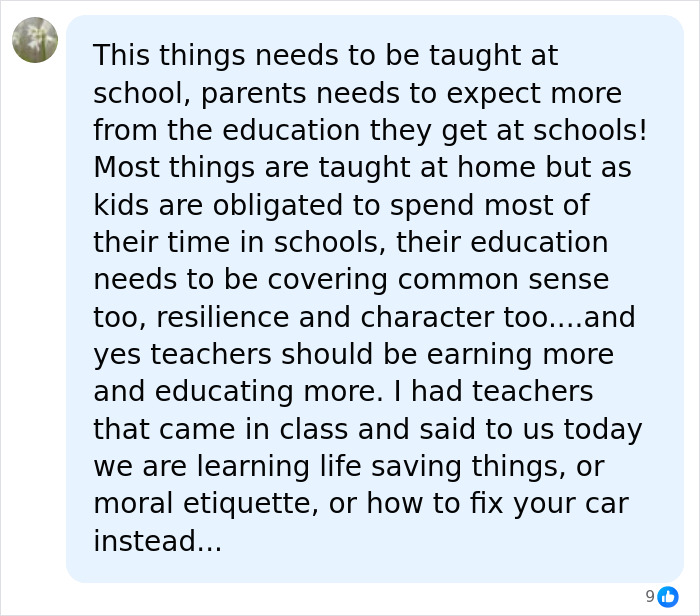
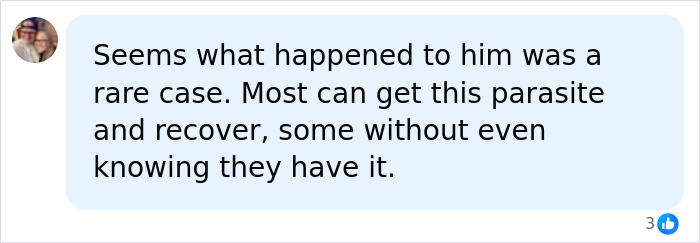
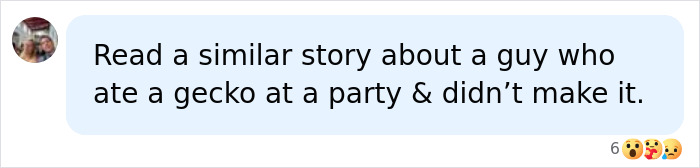
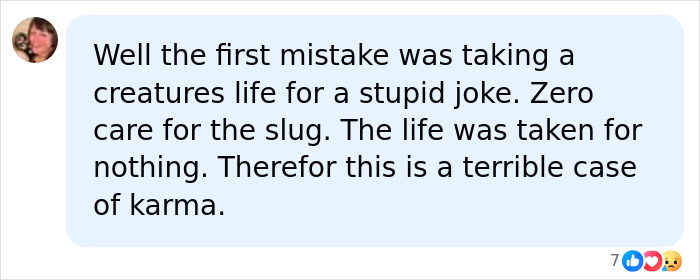
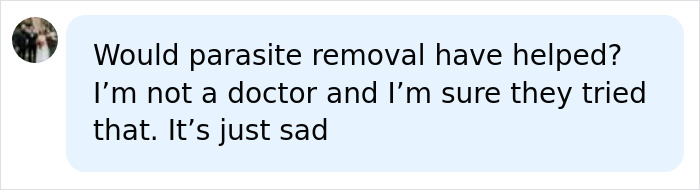
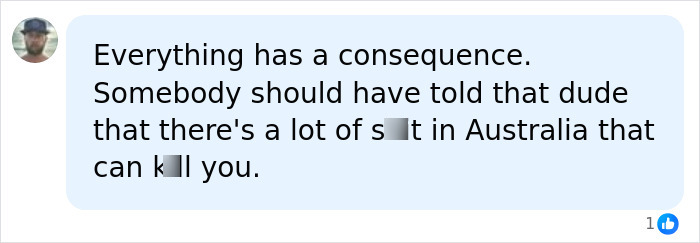
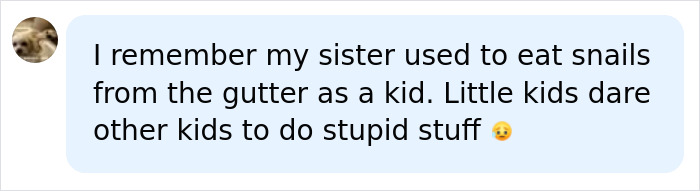
Sam’s story broke the internet’s heart while several people pondered if eating the slug was actually a good choice





 Follow Us