Long before a petty traffic dispute turned Higinio Sobera de la Flor into a national nightmare, warnings had gathered around the wealthy young heir.
Despite frightening hotel employees by “rehearsing” homicides and surviving an earlier arrest warrant, he continued driving through Mexico City with access to a firearm. Doctors had questioned his worsening mental state, yet his family allowed him to remain free.
Then a minor collision escalated into an exchange of insults. One word reached back to a humiliation Sobera had carried since childhood:
“Clown.”
The 24-year-old opened fire.
Over the next two days, one man and one young woman lost their lives, while police began examining Sobera’s history of violence.
Sobera’s instability appeared early in his life
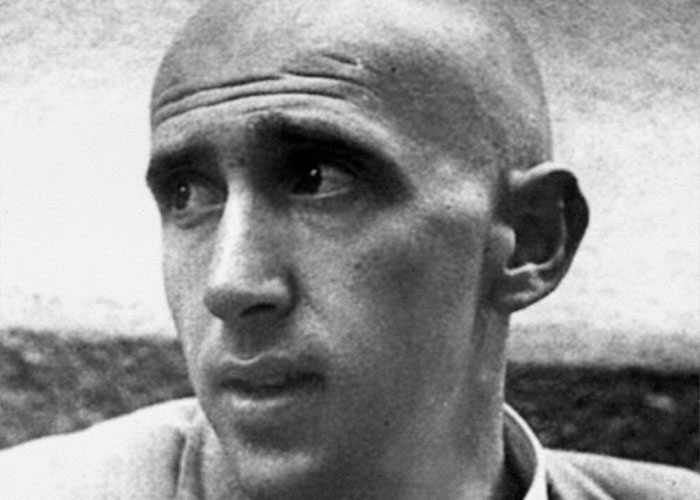
Sobera, affectionately referred to by his friends as “baldy,” was born into privilege. His father left the family a considerable fortune, allowing Higinio and his brothers to live comfortably while attorney Rodolfo Brito Foucher served as tutor and executor of the estate.
While his father was alive, Sobera went to Los Angeles, California, to study accounting. His father’s passing interrupted that period and, according to his mother, marked a sharp deterioration in his mental state.
His family sought psychiatric advice. Several doctors had concluded that insanity did not explain his condition, his mother later claimed. They believed his nervous system was severely damaged and that he required rest.
His behavior continued to worsen.

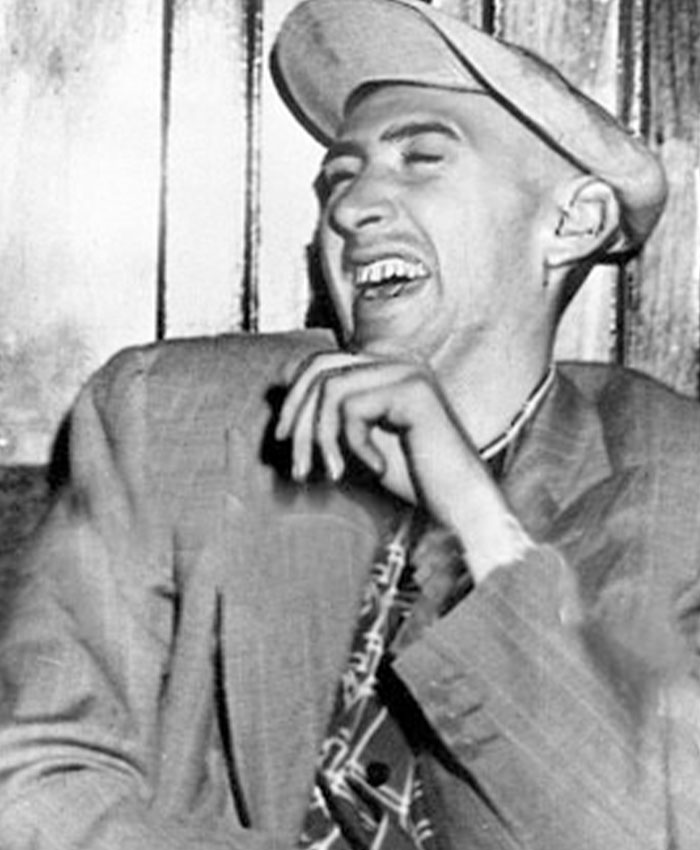
Image credits: martinolmos
Sobera became consumed by his appearance. Psychiatrist Alfonso León de Garay, who treated him for several months, said Sobera was distressed by his prominent ears and long nose.
When someone stood beside him, he turned to hide one feature, then worried that the movement had exposed the other. He eventually underwent facial procedures.
His hair became part of the same obsession. Shortly before the 1952 homicides, he tried to shave the receding areas above his forehead. The result was so uneven that his mother took him to a barber, who shaved his head completely.
The insult that followed him in childhood cut deeper. Schoolmates had called him “clown,” León de Garay said, and the word developed into a lasting fixation.
Around him, the threat was becoming harder to dismiss
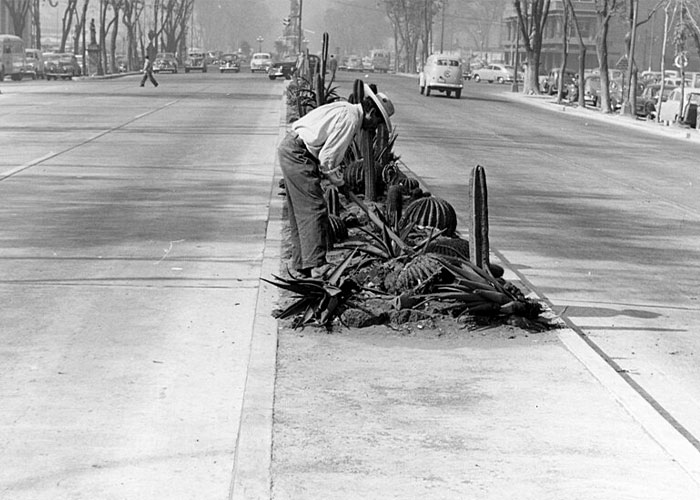
Image credits: Gobierno CDMX – Ciudad de México in 1952
At the Hotel Isabel, Sobera once argued with manager Javier Urdanivia and tried to strangle him. Employees intervened before he could complete the attack.
On another occasion, he rearranged the furniture in his room, tied a rope to a standing lamp, and pulled it while acting out the strangulation of an imaginary woman.
“That is how I like you to d*e in my hands, treacherous woman,” witnesses heard him say before he began laughing.
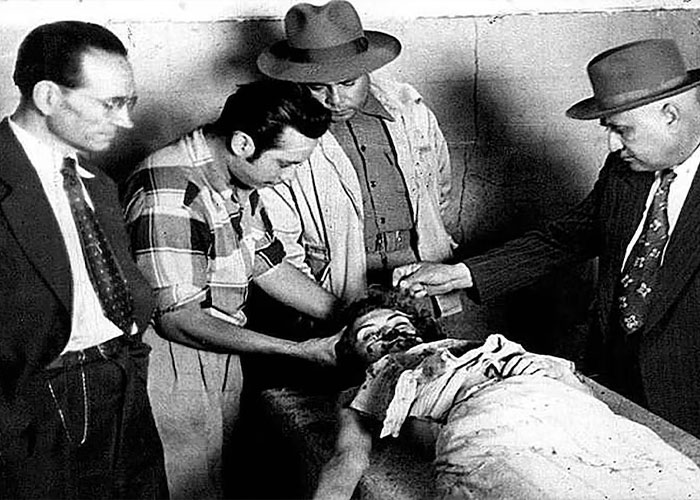
Image credits: maspormas
Sobera also carried medications to Dr. Rafael Bustamante León’s office at 60 Bolívar Street and asked to be injected, claiming the substances calmed his nerves. The doctor said the products were generally intended for influenza or other ordinary ailments and did not appear to hurt him.
Bustamante believed Sobera needed confinement and blamed the family for continuing to give him access to a car and pistol.
“I think his family bears more responsibility than he does,” the doctor said. “They gave him a car and a pistol and let him walk freely in the street, when he should have been confined in a psychiatric hospital.”
A woman survived an earlier attack, but Sobera remained free
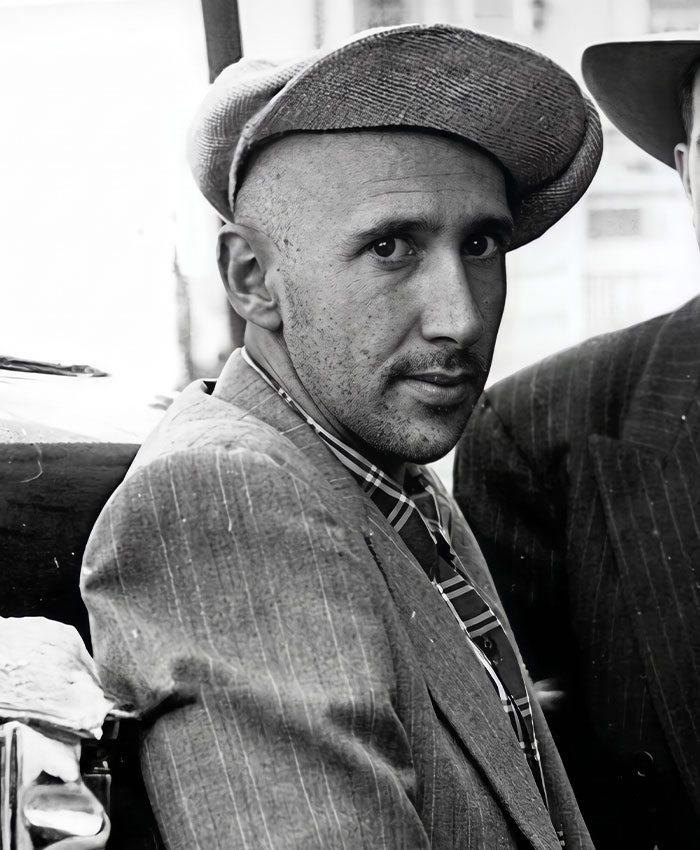
Image credits: Mexico City Historic Center Trust
By January 1950, the danger had already reached the courts.
Authorities issued a warrant for Sobera after an unnamed woman resisted an attack. He reportedly flew into a rage and crashed his car, leaving a companion with injuries that placed her life in danger.
The warrant remained outstanding for more than two years. Judicial police later claimed they had never been able to locate him.
During that period, Sobera continued moving through Mexico City with the same freedoms his doctor had questioned. The family fortune insulated him, while his threatening behavior was repeatedly explained as illness or eccentricity.
Then, in May 1952, people began dying.
An 18-year-old was fatally wounded with a firearm near Viveros de Coyoacán
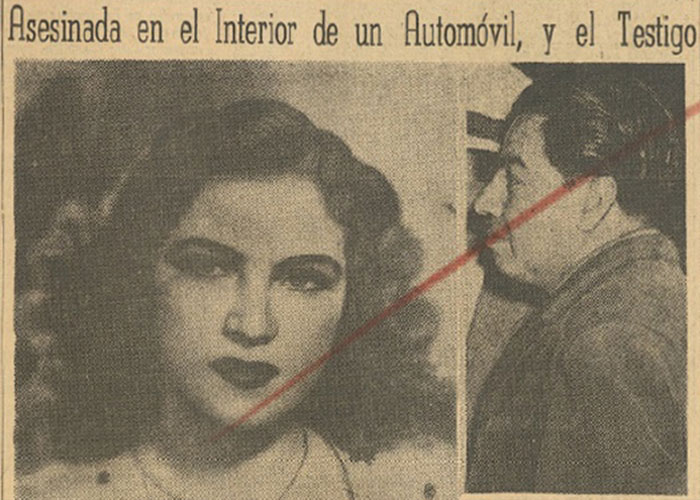
Image credits: Hemeroteca El Universal
On May 9, 18-year-old Arnoldo Galván Santoyo was fired at four times near the corner of Madrid Street and Avenida Coyoacán, close to Viveros de Coyoacán.
At the time, investigators had no proven connection between the teenager’s passing and Sobera. The homicide remained separate as the city moved into the weekend.
Two days later, Sobera encountered Armando Lepe Ruiz on Avenida de los Insurgentes.
May 11, 1952: a minor collision became a homicide
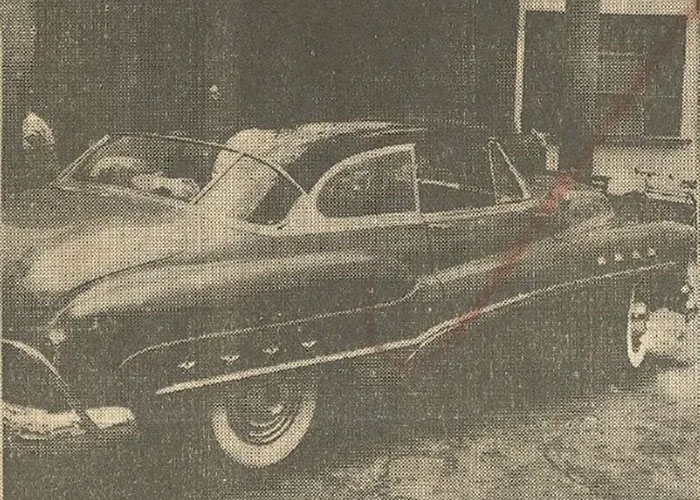
Image credits: Hemeroteca El Universal
At about noon, Sobera was driving a car with license plate 76-115 when its engine stalled near Álvaro Obregón.
Behind him was Armando Lepe Ruiz, a former Secret Service agent, traveling with 26-year-old María Guadalupe Manzano López. Lepe’s bumper lightly touched Sobera’s car.
The contact caused little damage. Sobera still became enraged.
The two men exchanged insults as they moved through traffic. Sobera drove slowly to prevent Lepe from passing. When they stopped near Insurgentes and Yucatán, the argument resumed.
Sobera later described the sequence with startling calm.
“The woman sitting beside him shouted, ‘Clown,’” he told investigators. “I s*ot him and k**led him. That is all”
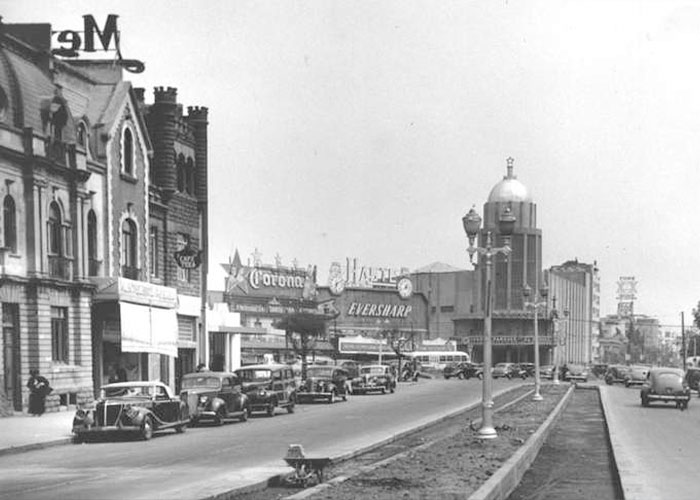
Image credits: maspormas
He fired repeatedly from his vehicle. Lepe d*ed inside his car, while one of the rounds grazed Manzano López’s finger.
Traffic officer Filemón Elizalde González, badge number 273, was nearby. Instead of pursuing the shooter or recording the license plate, he sought cover. Sobera escaped.
His behavior after the homicide showed little urgency.
He stopped to buy a Coca-Cola and a Sidral because, as he later explained, he was thirsty.
“From there, I went to Chapultepec to walk, as I do every day, and then I went home,” he said.
At home, he told his mother and sister that he had been involved in an incident and had fatally wounded a man. He framed the attack as self-preservation, claiming that daily confrontations in Mexico required people to remain alert or risk losing their own lives.
That night, Sobera hid at the Hotel Montejo.
Police began tracing the white, bald man seen driving the car with plate 76-115. Newspapers reported that he was preparing a defense based on mental incapacity.
The following morning, he left the hotel.
May 12: Hortensia López Gómez crossed his path
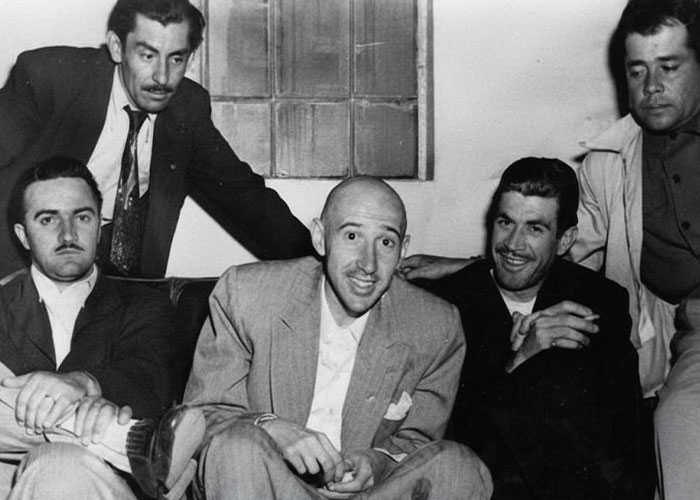
Image credits: leyendaspodcast
At about 10 a.m., Sobera walked along Paseo de la Reforma. He later said the hotel room had made him feel suffocated and that he was nervous.
He noticed Hortensia López Gómez trying to enter a car and approached her. Sobera later described her as beautiful and said her appearance immediately attracted him.
López Gómez ignored him.
When she entered a vehicle driven by Esteban Hernández Quezada, Sobera forced his way in and pretended they already knew one another. He offered her 1,000 pesos to accompany him for drinks and a drive.
She refused. When he continued, she slapped him.
Sobera pulled out his pistol and fired at her six times
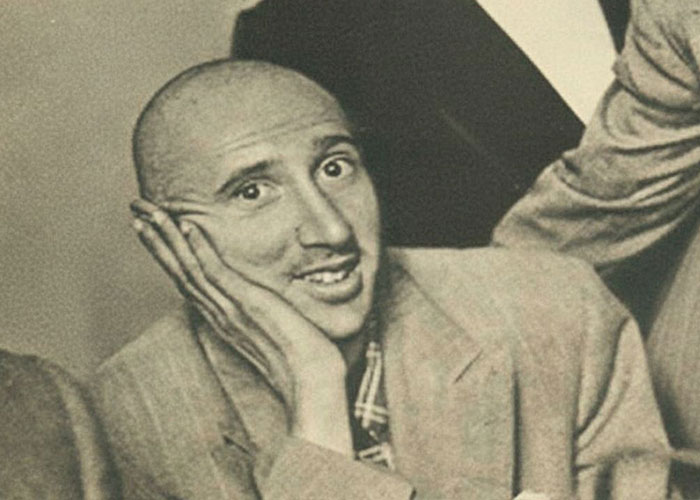
Image credits: Hemeroteca El Universal
He then turned the weapon on Hernández Quezada and threatened to end him unless he drove at the speed ordered. Near the entrance to Chapultepec, Sobera forced the driver out and took control of the car.
“Nobody disobeys me,” Sobera later said. “I am the master.”
He drove toward the Toluca highway and stopped at the Palo Alto inn. Sobera carried López Gómez inside and violated her after passing.
Some of her clothing disappeared, but investigators concluded that theft had not motivated the attack.
Hernández Quezada survived and described the gunman as a young man wearing a beret over a shaved head. The description matched the fugitive already wanted for Lepe’s homicide.
May 13: Sobera’s mother spoke while police closed in
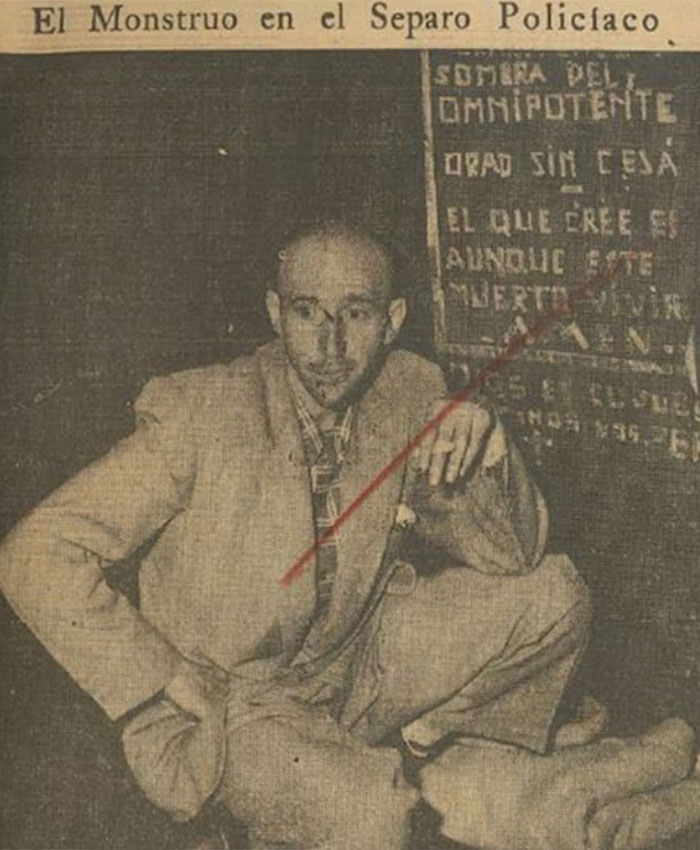
Image credits: Hemeroteca El Universal
As police searched for her son, Sobera’s mother spoke to reporters on May 13.
She described him as a good man who would eventually understand what he had done. Crying, she asked heaven to protect him and predicted that guilt might drive him toward taking his own life before he surrendered.
“He is so good, my son Higinio, that surely when he comes to his senses and realizes that he k*lled a man, he will try to k*ll himself and arrive crying at the police station to turn himself in,” she said.
During the same interview, she explained that Sobera had been studying accounting in Los Angeles when his father passed away. She attributed the beginning of his nervous collapse to the way he received the news and repeated that earlier doctors had recommended rest.
Sobera’s mother described him as a “good man”
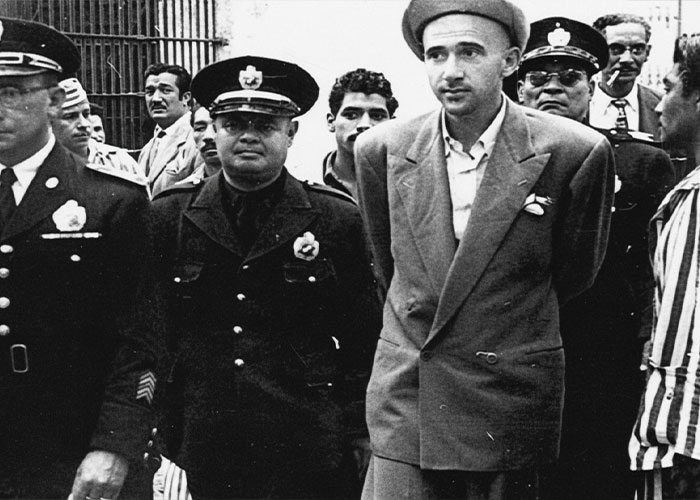
Image credits: leyendaspodcast
Her son did eventually surrender. Remorse never appeared
Police surrounded Sobera inside his room at the Hotel Montejo. He initially considered resisting, then abandoned the idea and gave himself up.
At police headquarters, he confessed to taking Lepe’s life. He said he had believed the other driver wanted to end him and had fired to prove that he was “no clown.”
Investigators also brought in Hernández Quezada. The driver recognized Sobera’s shaved head and a beret similar to the one worn by the man who had taken his car with López Gómez inside.
The two investigations became one case.
Sobera treated his interrogation like a performance
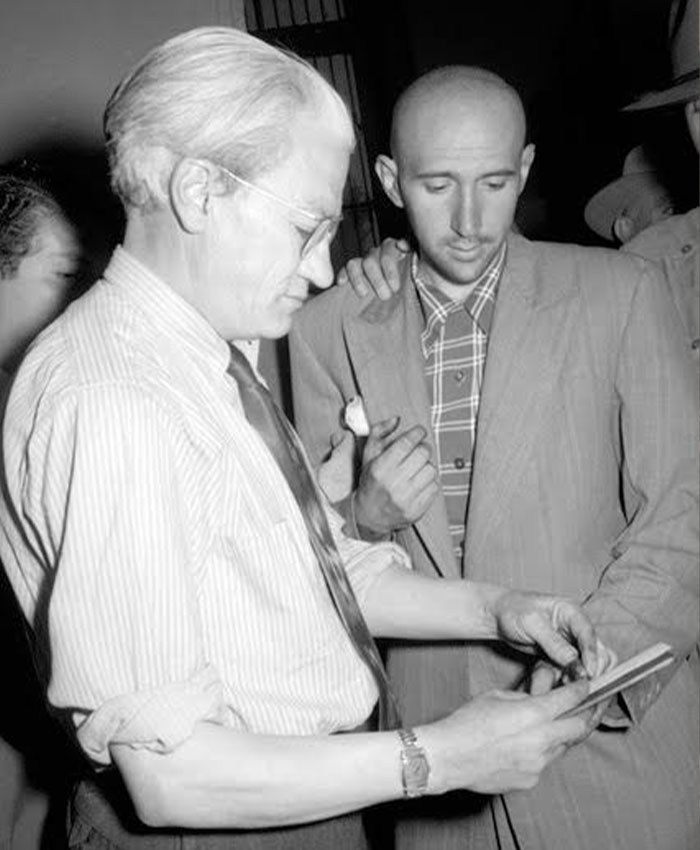
Image credits: Mexican Federal Government – Public Prosecutor takes Higinio Sobera’s fingerprints
Once in custody, Sobera moved between confession and apparent confusion, often delivering both with mockery.
He laughed while describing the crimes and smoked a pipe filled with English tobacco as officers and journalists listened. He complained that photographs of him smiling made him appear cynical, insisting that reporters were the ones making him laugh.
He then compared himself to Henri Landru, the French criminal known for targeting women.
“I am another Landru, only more refined and more intelligent,” Sobera said.
“He k*lled women, but I k*ll men and women alike”
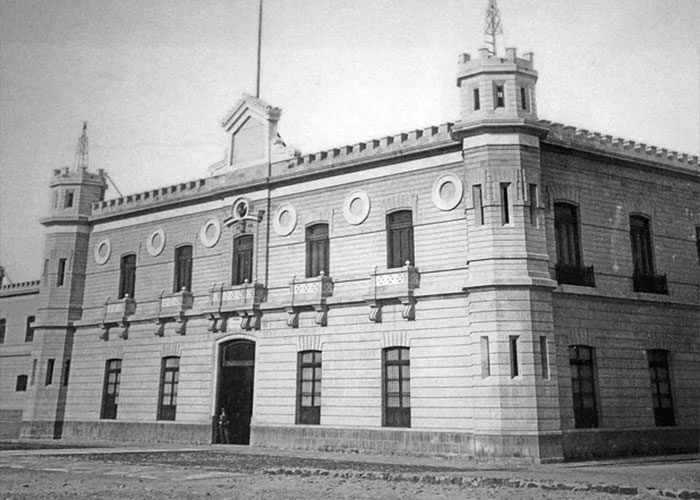
Image credits: Mexican Federal Government – Mexico City’s penitentiary
Secret Service chief Silvestre Fernández invited journalists into Sobera’s cell to hear his version of López Gómez’s passing directly. Sobera laughed and asked how many times he would have to repeat it.
He described seeing her on Reforma, becoming angry when she ignored him, forcing his way into the car, and firing at her after she struck him.
“I k*lled her because I liked her very much from the moment I saw her,” he said in another account. “I spoke to her politely, she ignored me, and her rejection enraged me.”
Whenever investigators asked about additional crimes, his demeanor shifted. He muttered, gave incoherent answers, and appeared to retreat into illness.
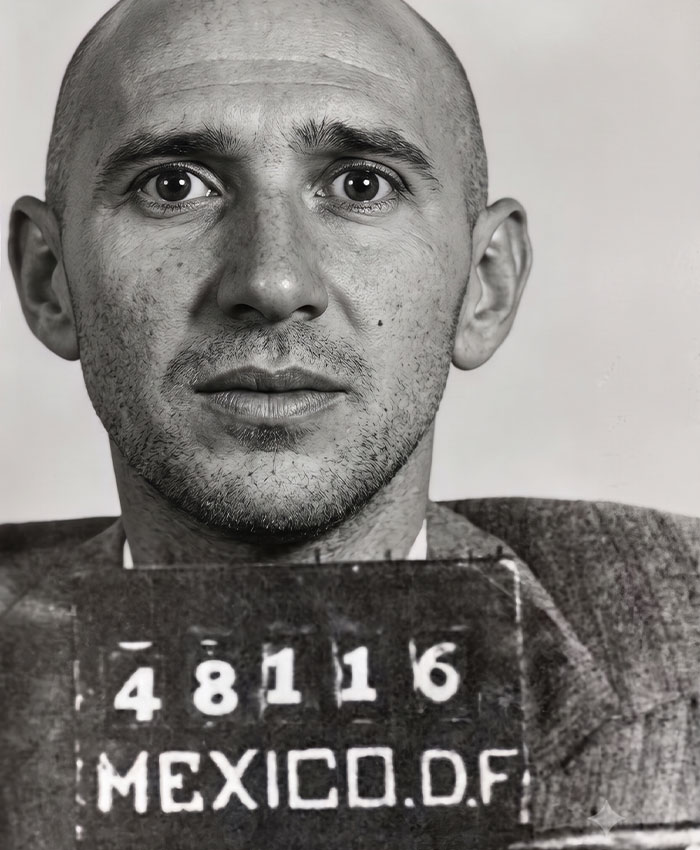
Image credits: maspormas
The k*lling of Arnoldo Galván Santoyo returned to the investigation.
An officer asked whether Sobera had recently been in Coyoacán and fired his weapon.
“I fired it four times, but I did not k*ll anyone,” he answered before the question had mentioned a victim.
Pressed about Galván, he changed his response.
“All right, yes, I k*lled him,” Sobera said. “He laughed at me, and I s*ot him four times. I do not know what happened afterward.”
The admission strengthened police suspicions, but Galván’s passing was never included among the two crimes formally established against Sobera. His changing statements made it difficult to determine whether he was confessing, boasting, or provoking investigators.
May 15: crowds and prisoners turned against him
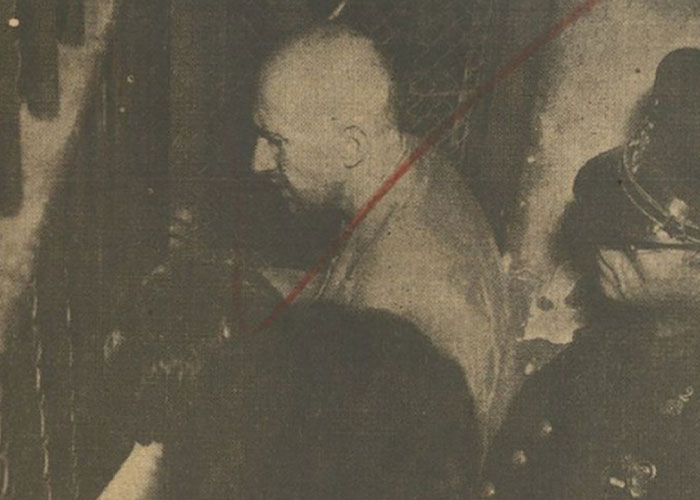
Image credits: Hemeroteca El Universal
On May 15, at 3:45 p.m., police transferred Sobera from headquarters to the penitentiary.
People recognized him inside the police vehicle and shouted insults. A young woman spat in his face.
Sobera laughed.
Inside, other prisoners rejected him. Reports described him as pale and depressed when he entered, but he still expressed no remorse.
He asked to be transferred to a medical facility, saying he needed attention. He also contradicted his mother’s prediction that he might take his own life.
“I will not k*ll myself or try to d*e in any way because I am afraid of d**th, like everyone else,” he said.
Sobera was diagnosed with neurosis and latent schizophrenia
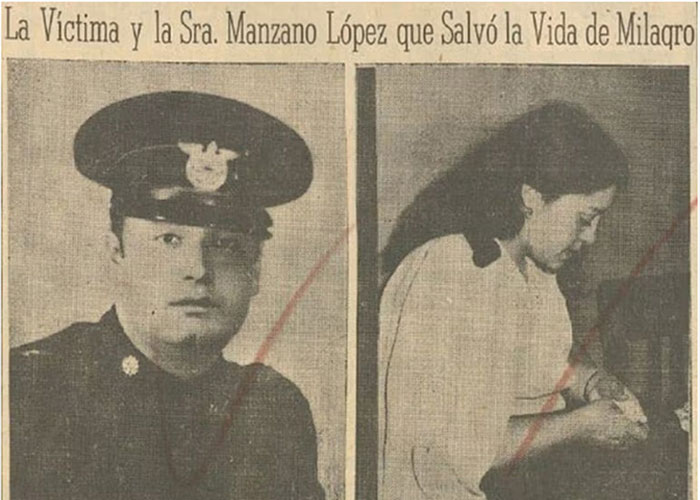
Image credits: Hemeroteca El Universal
León de Garay told reporters that he had previously diagnosed Sobera with acute neurosis and what doctors of the period called latent schizophrenia.
The psychiatrist also used the historical label “s**ual psychopath” and described Sobera as dominated by physical fixations.
León de Garay believed that timely hospitalization could have improved Sobera’s condition and might have prevented the attacks. He said Sobera’s relatives and Brito Foucher had refused to institutionalize him despite knowing how dangerous he had become.
Police still had the surviving driver’s identification and Sobera’s detailed statements connecting him to both confirmed homicides.
Sobera was formally imprisoned for the homicides of Armando Lepe Ruiz and Hortensia López Gómez.
Thirty years later, Sobera returned to a different world
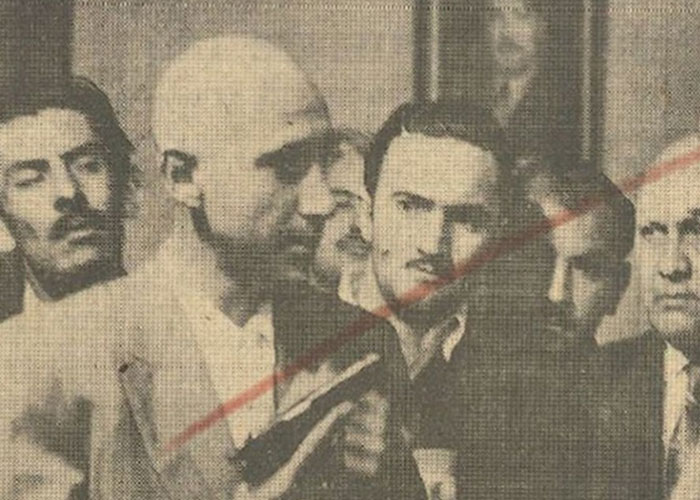
Image credits: Hemeroteca El Universal
Prosecutor Alfonso Narváez Angulo promised that wealth would not rescue him.
“As long as I am responsible for society’s interests, that man will not leave prison,” he said.
Sobera remained confined for 30 years.
When he was released in 1982 at 54, accounts described a slow, withdrawn man who bore little resemblance to the arrogant 24-year-old who had driven through Mexico City armed and convinced that nobody could disobey him.
He spent his final years in isolation. People occasionally saw him feeding ducks in Xochimilco, far from the crowds and newspaper cameras that had surrounded him in 1952.
Higinio Sobera de la Flor passed away of natural causes in 1985 at 57.
“The horrendous passivity of his parents is chilling,” a reader wrote







 Follow Us