Sometimes an opportunity you’ve been waiting for comes along at the worst possible time, leaving you torn between doing something for yourself and showing up for the people you love. When the two clash, standing by your decision can strain the relationships that matter to you.
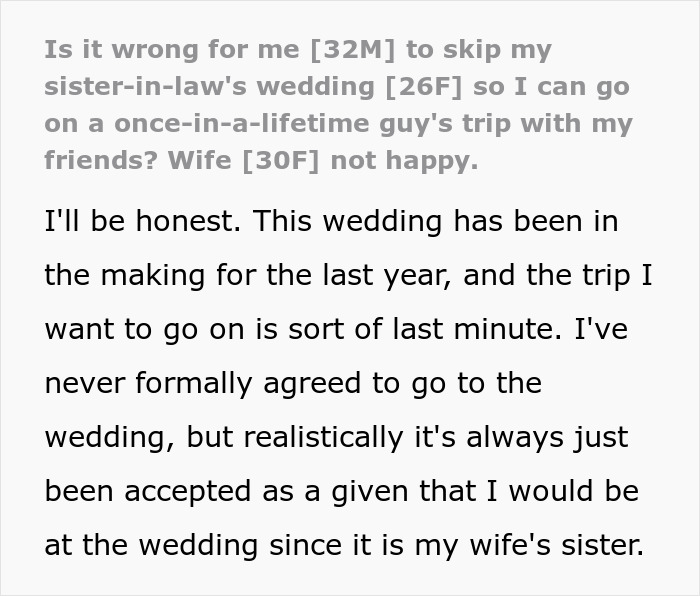
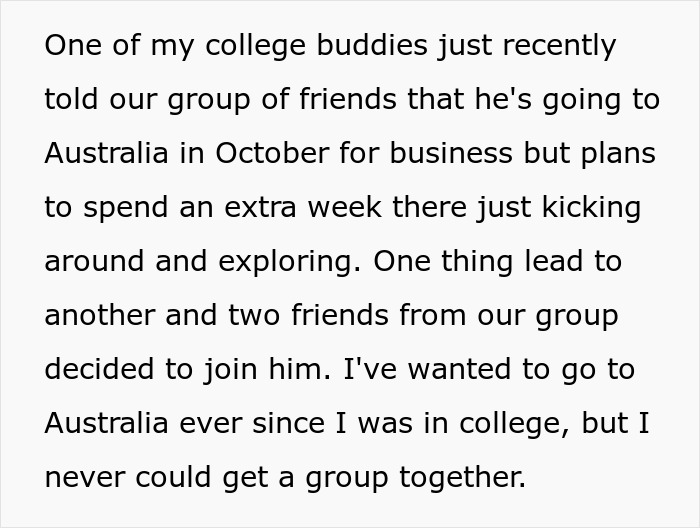
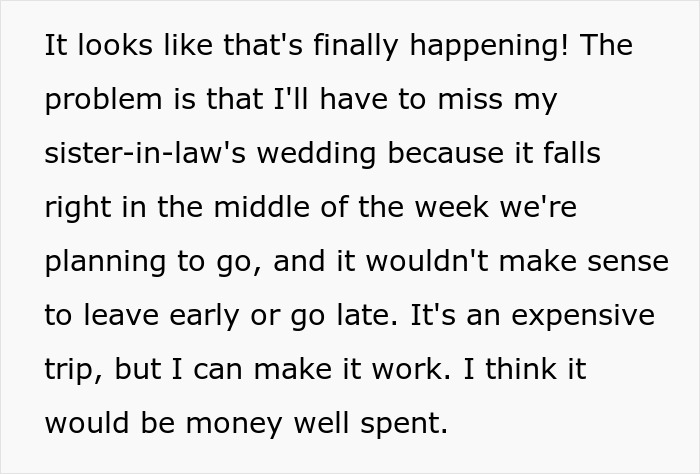
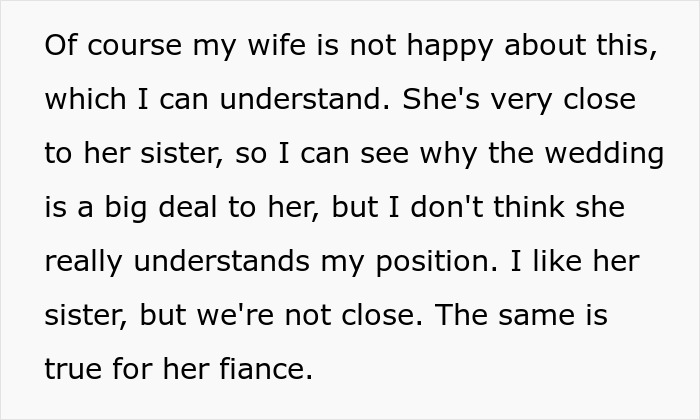
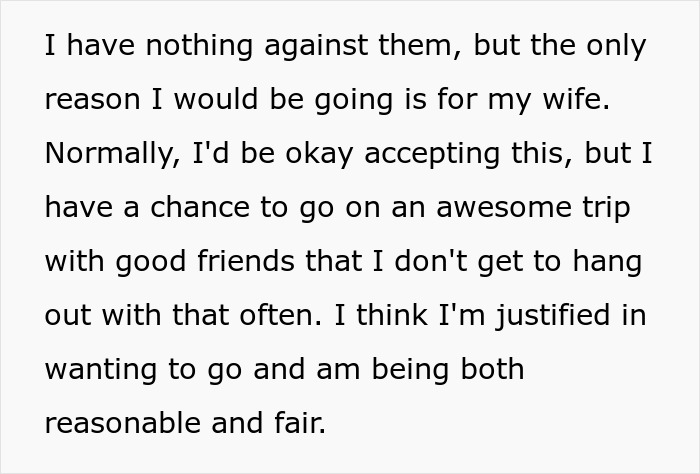
This man shared how he found himself in exactly this situation when he wanted to skip his sister-in-law’s wedding for a last-minute trip to Australia he’d always dreamed of taking with his friends. His wife wasn’t happy about it. And when he reached out to his sister-in-law to discuss the situation, the conversation set off a chain of events that left her engagement hanging in the balance.
Balancing what you want with what your loved ones need from you isn’t always easy

Alexander Mass / unsplash (not the actual photo)

This man wanted to skip his sister-in-law’s wedding for a dream trip, but his decision sparked a bigger conflict


Wavebreak Media / magnific (not the actual photo)
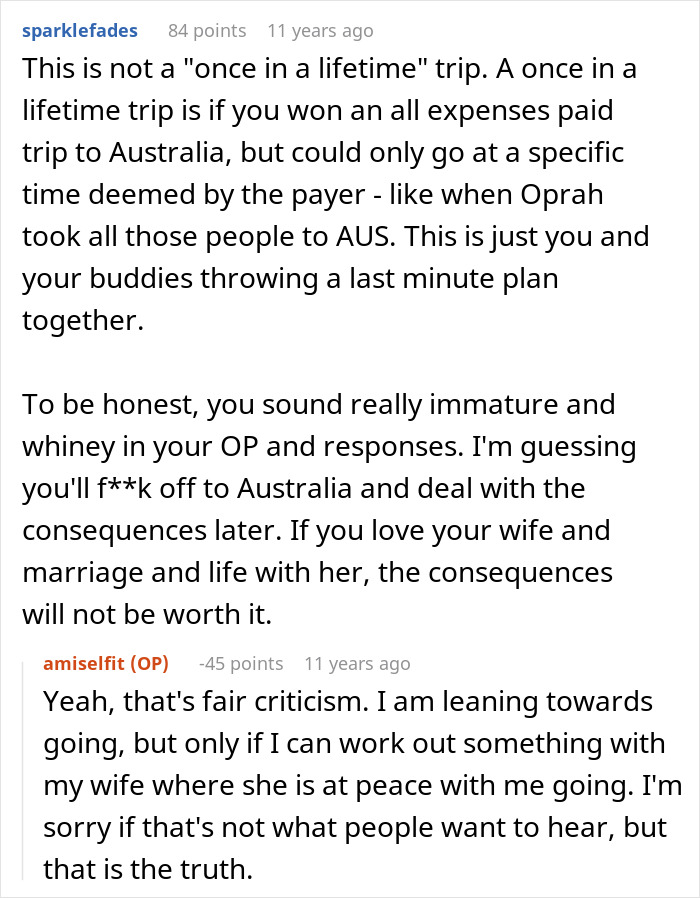
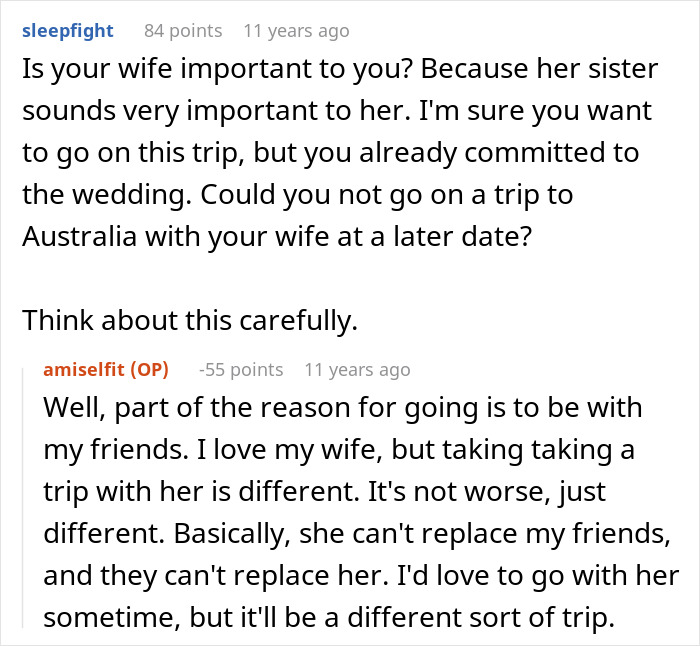
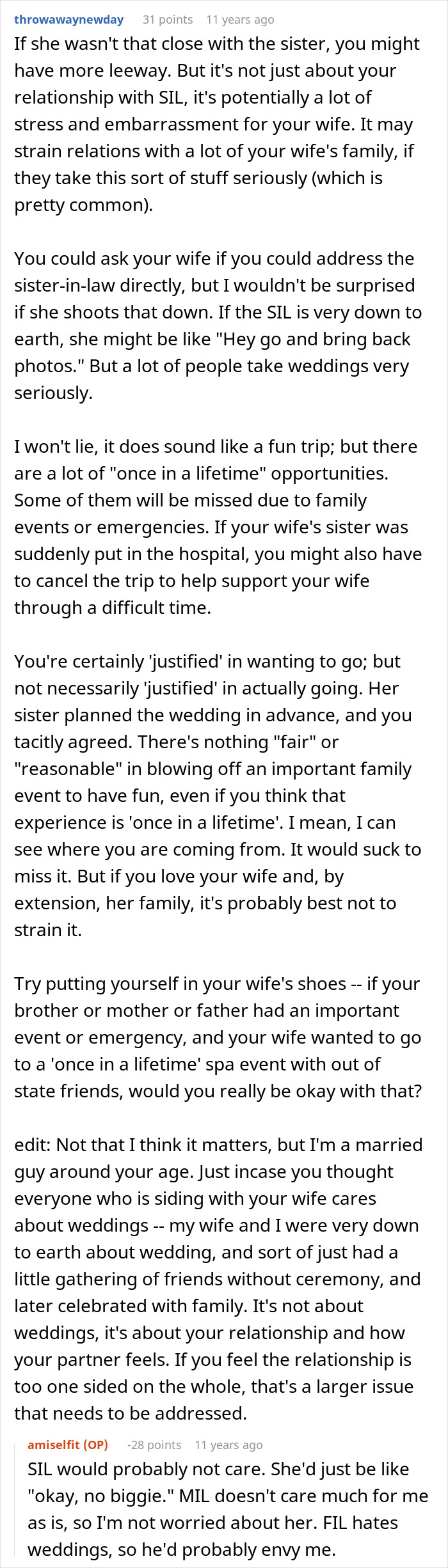
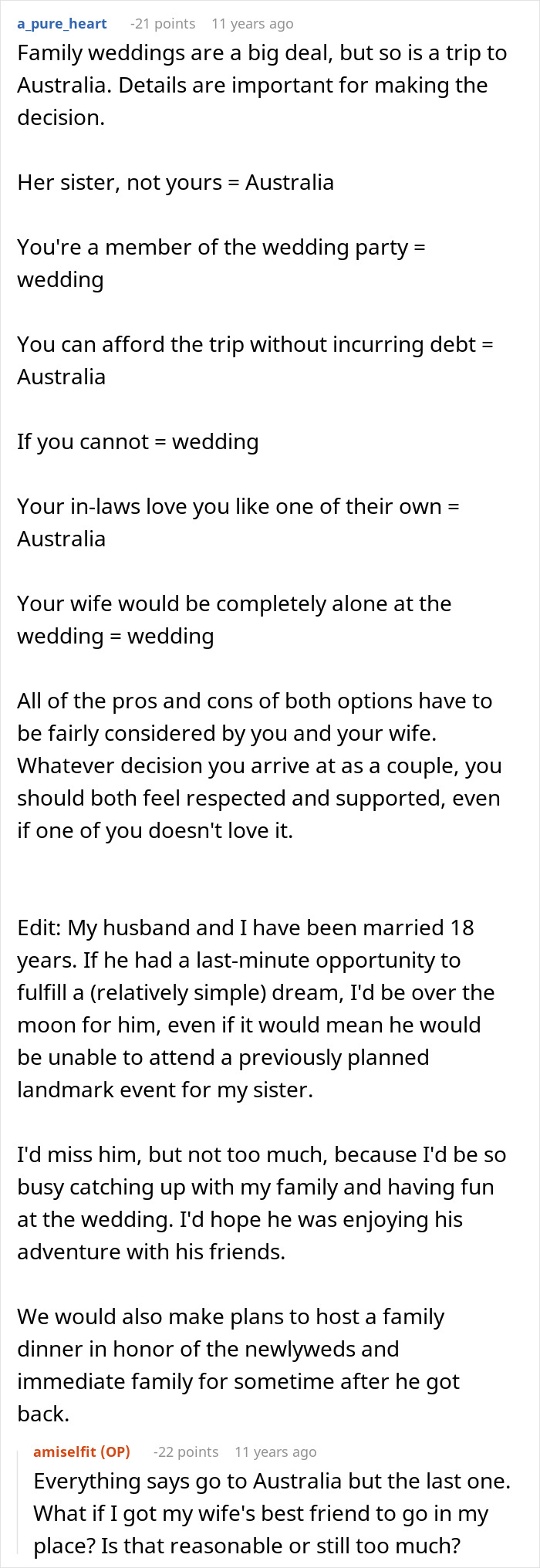
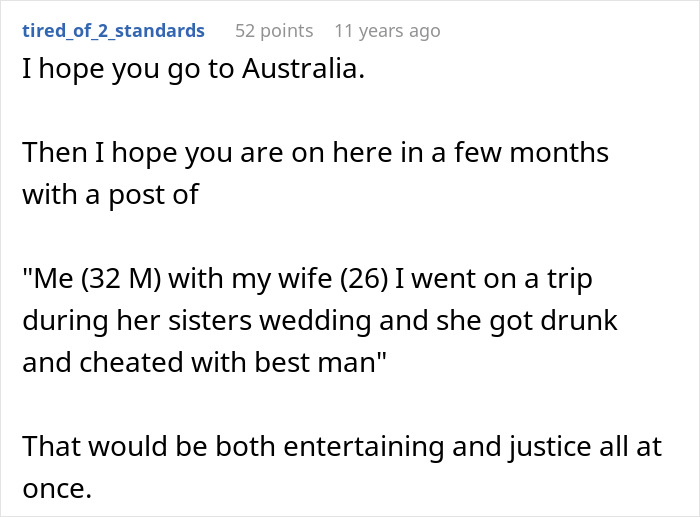
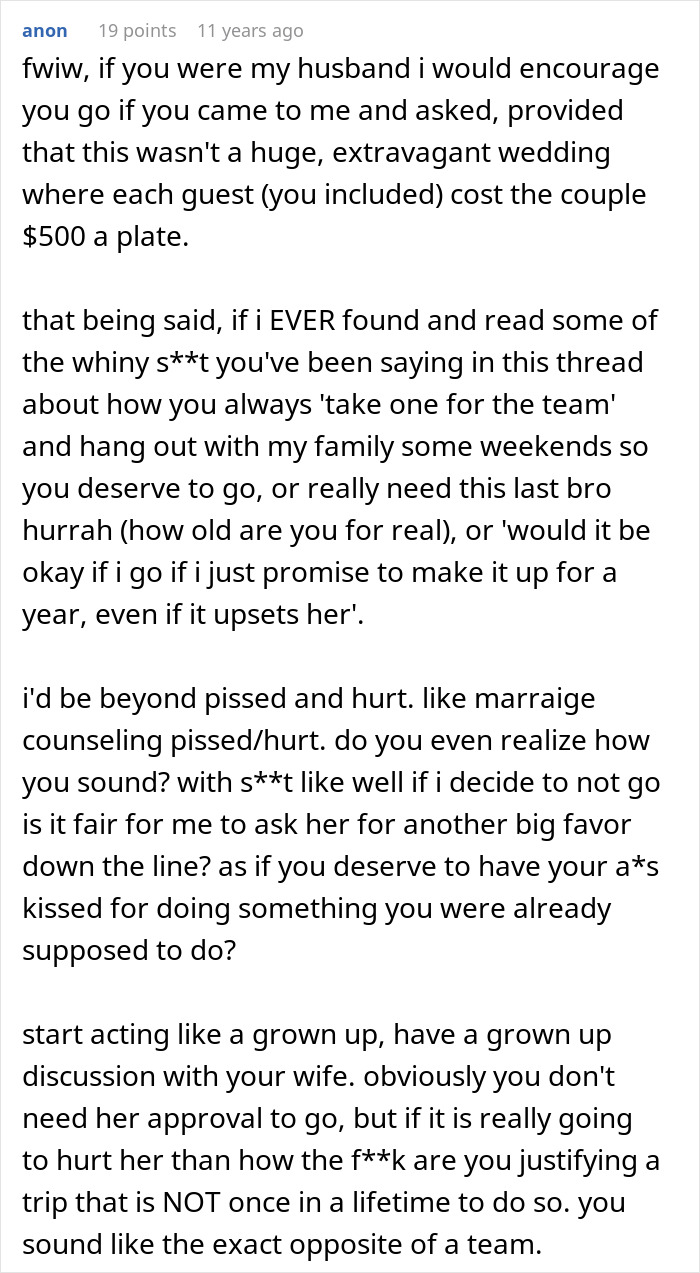
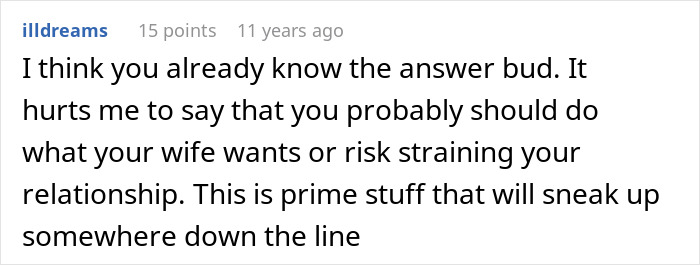
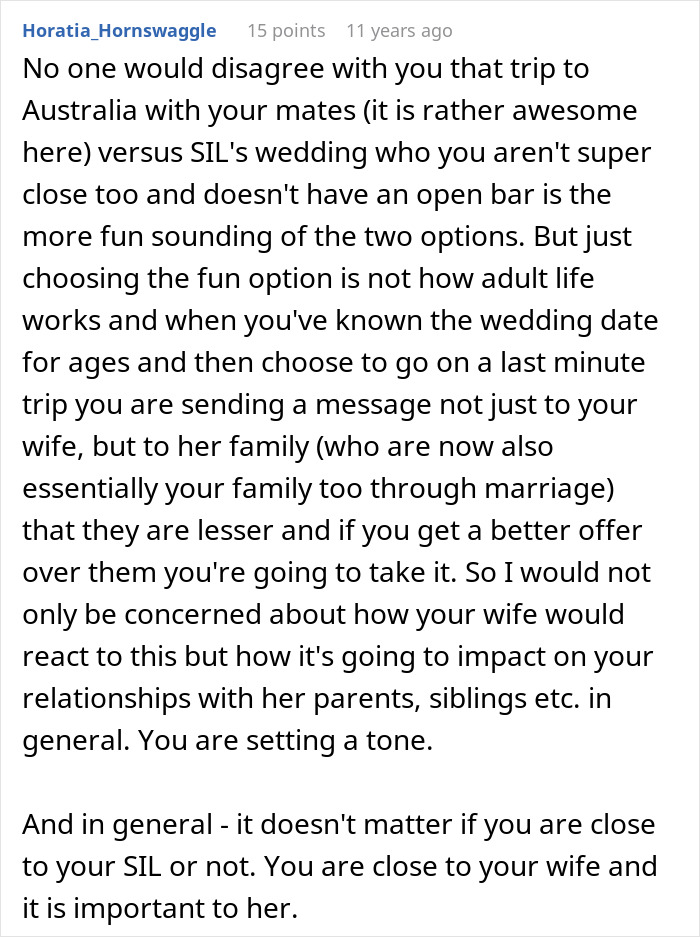
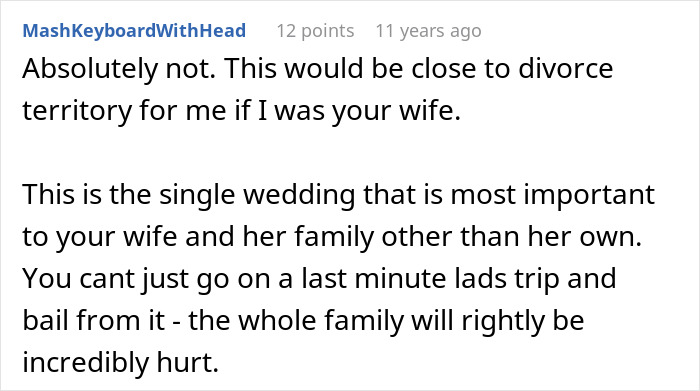
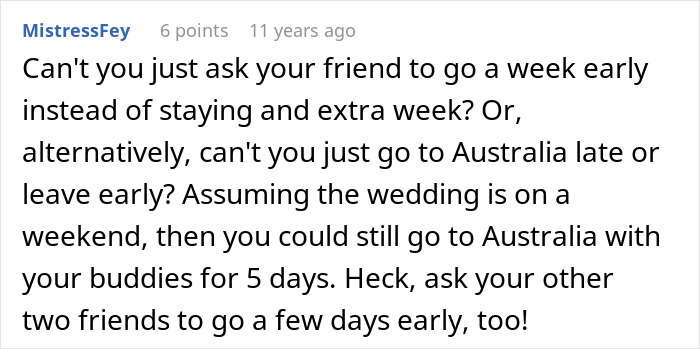
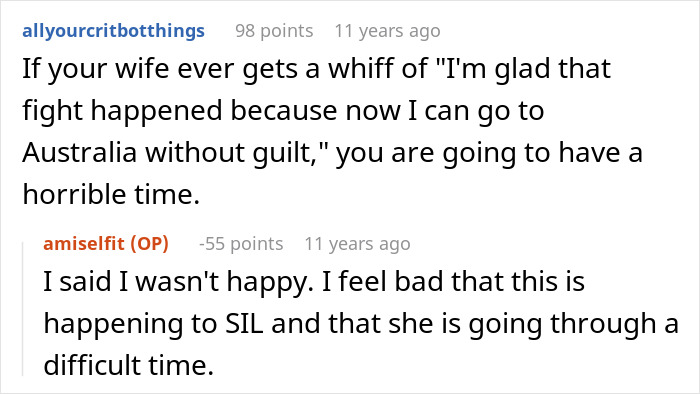
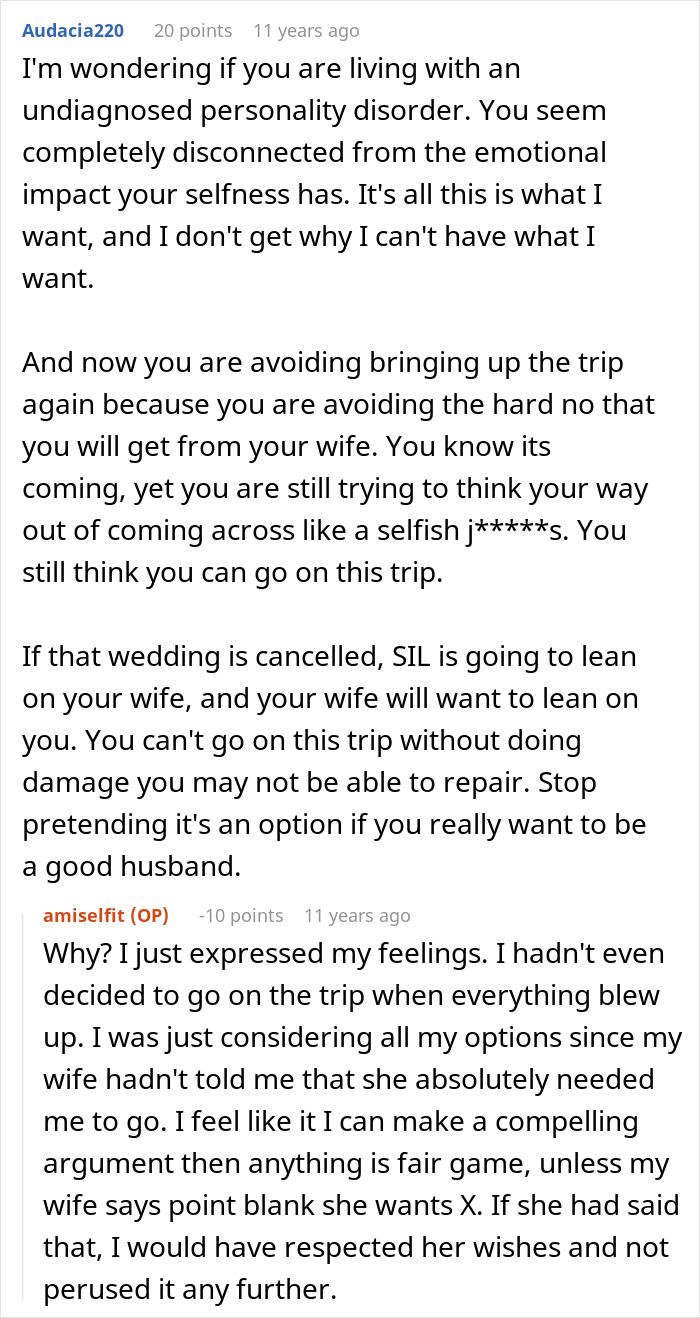
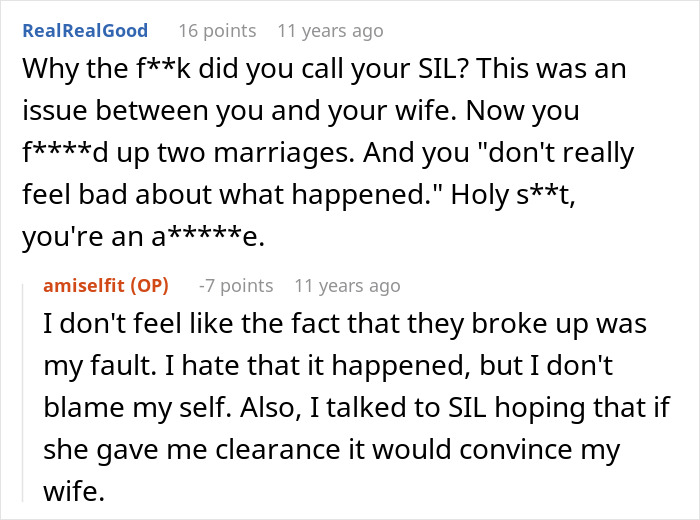
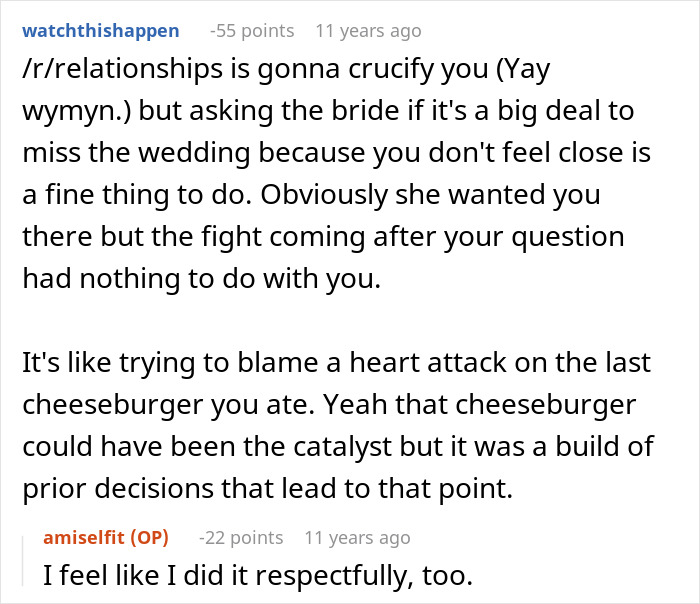
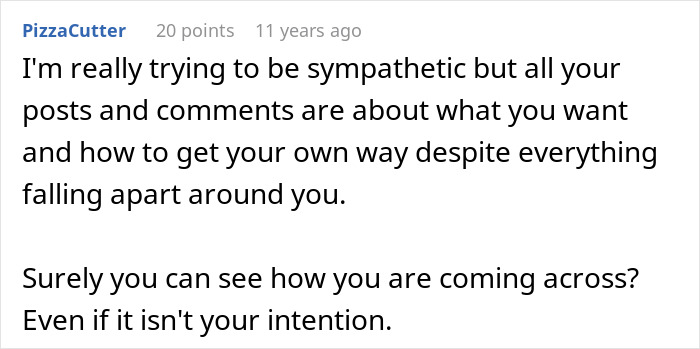
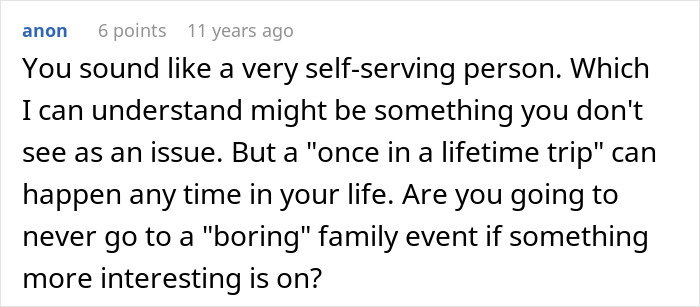
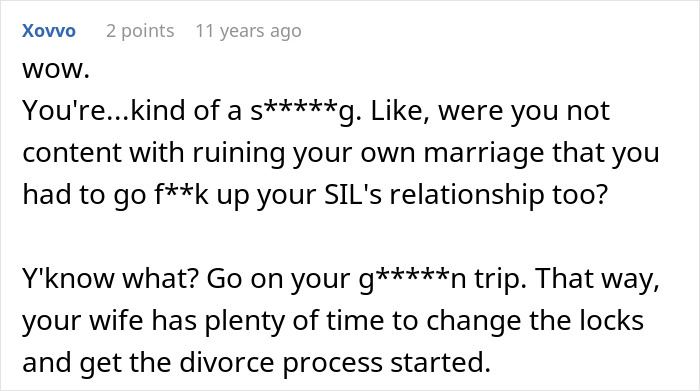
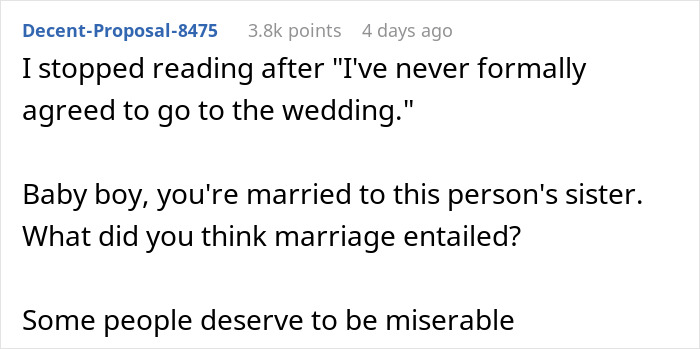
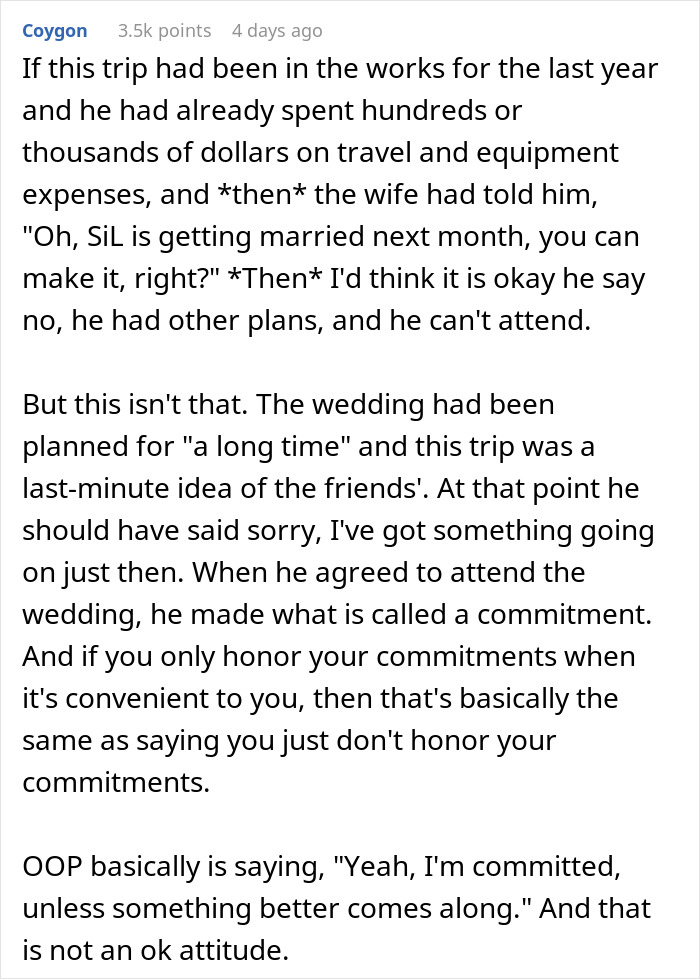
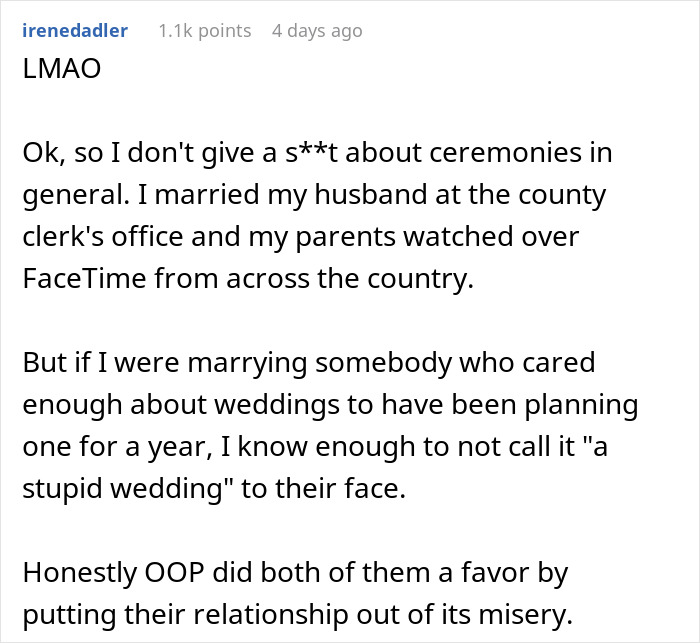
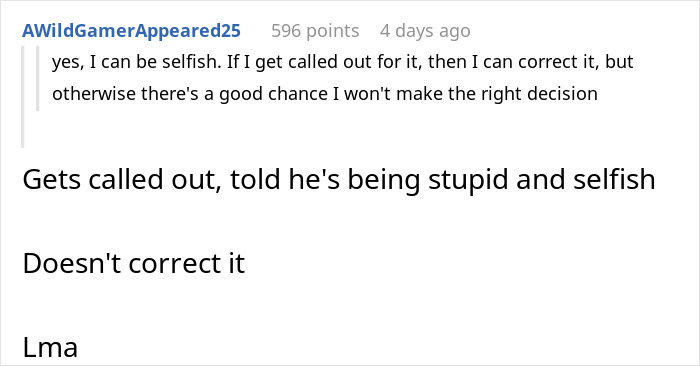
Netizens called the man out for ditching his SIL’s wedding for a last-minute trip, saying Australia could wait.
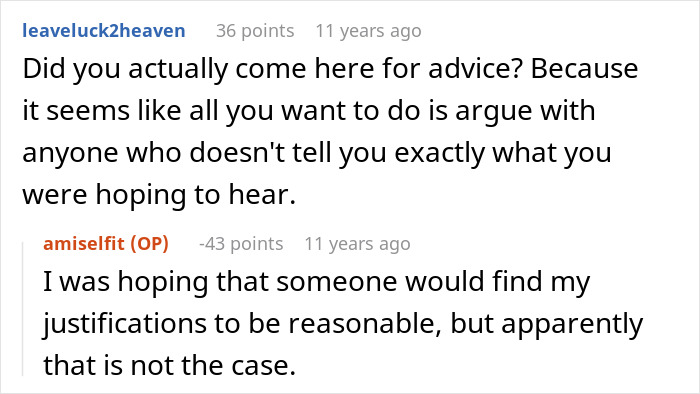
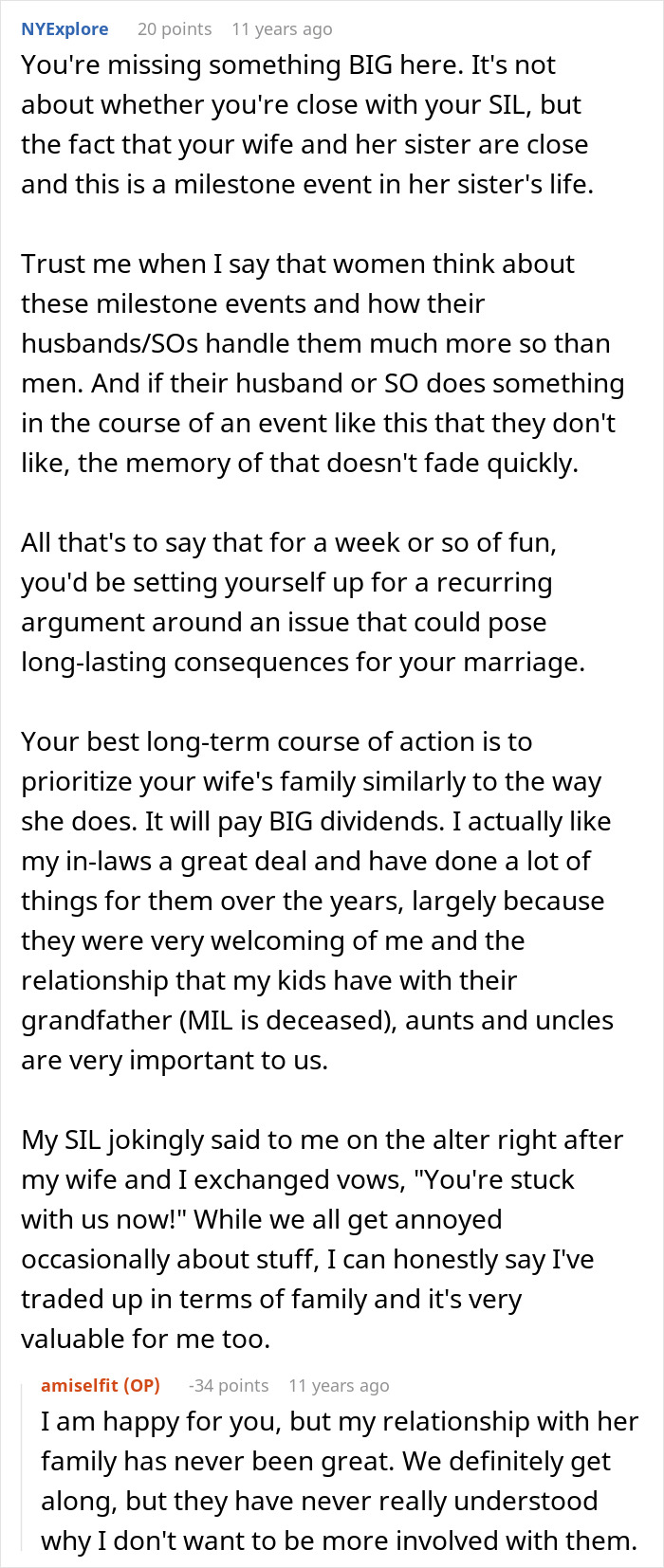
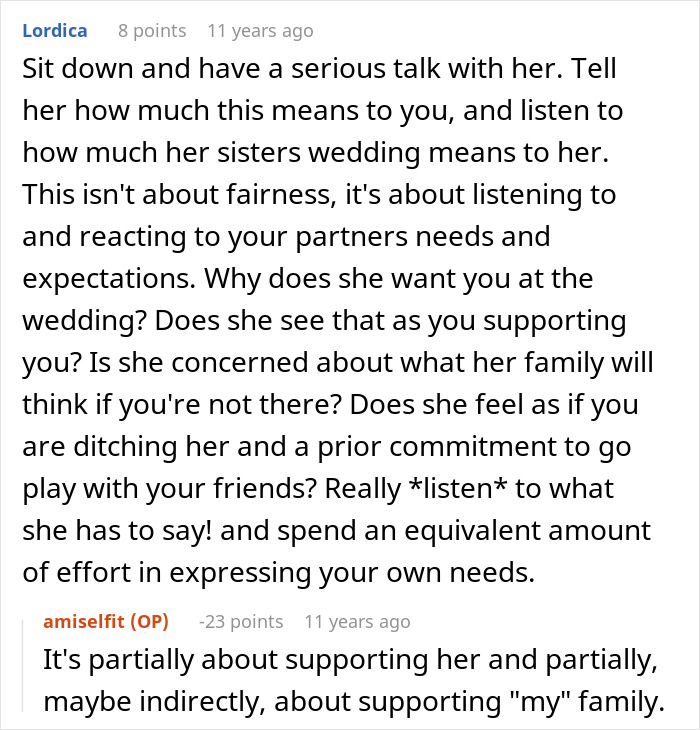
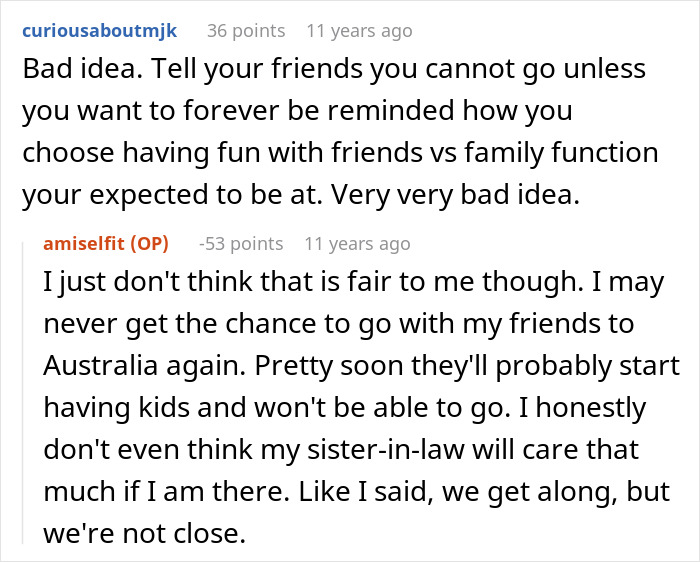




magnific (not the actual photo)
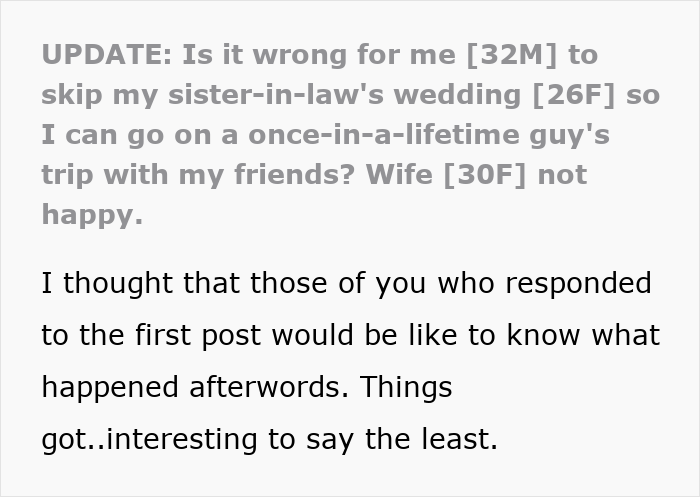
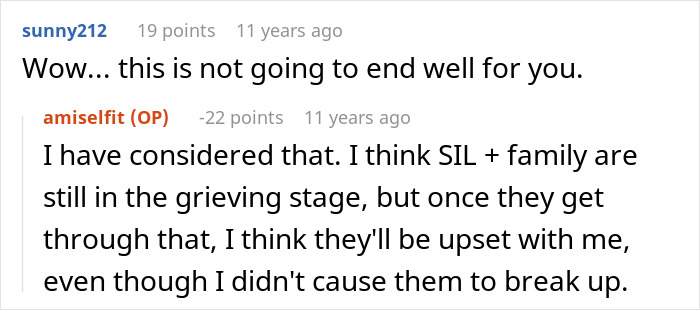
The man shared an update after his conversation with his SIL sparked a fight that threatened to end her engagement
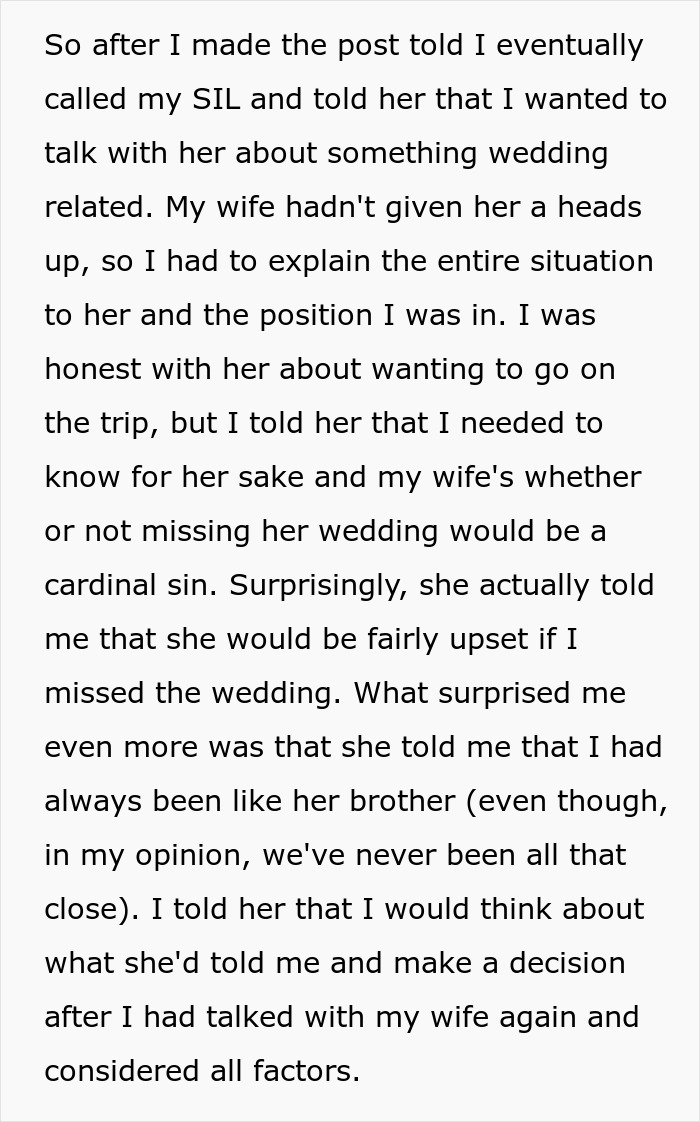
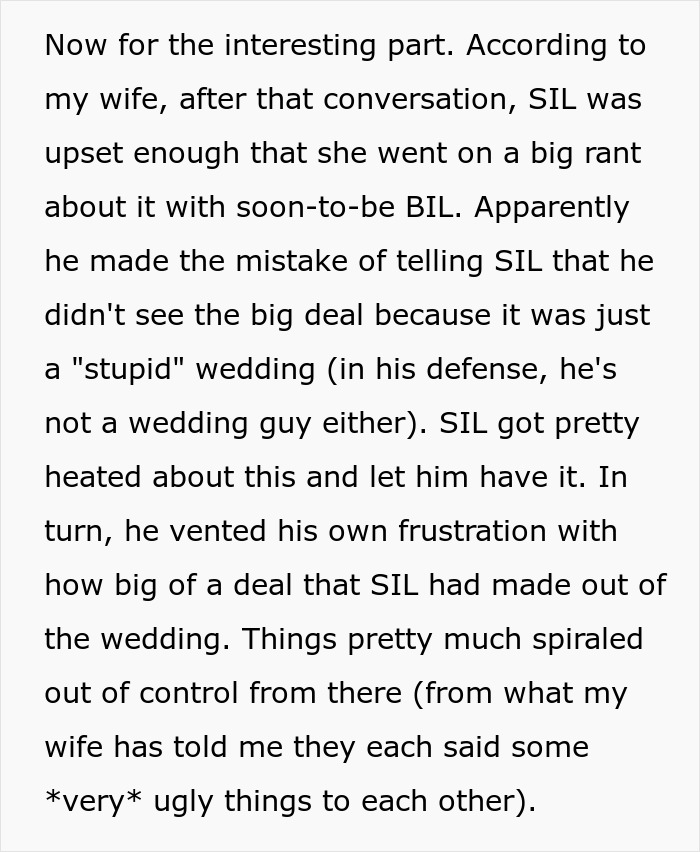
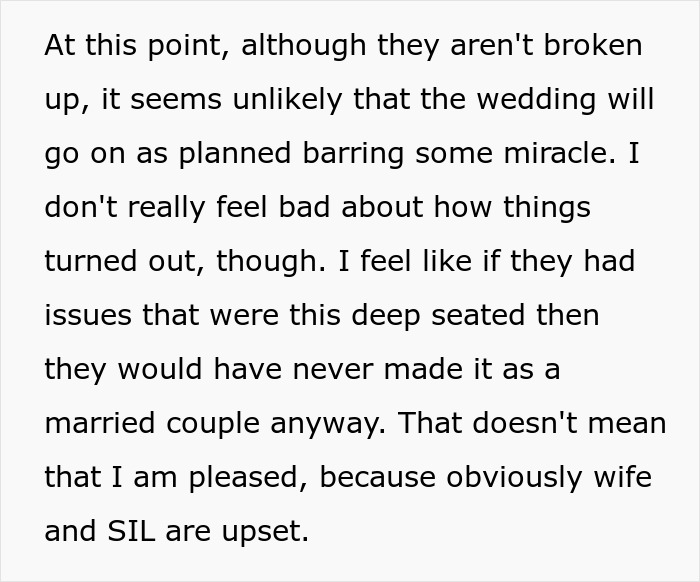
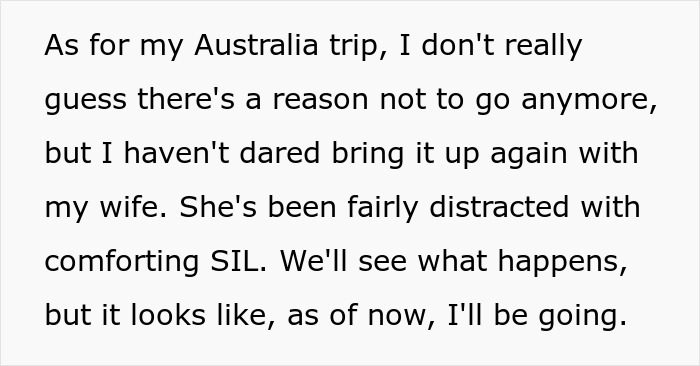
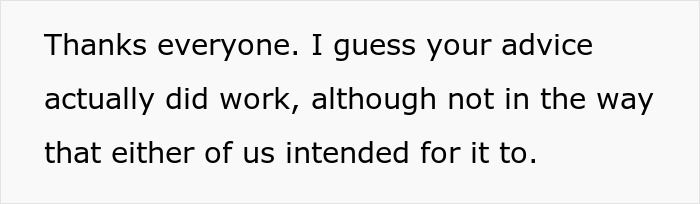

Being a good partner means considering how your choices affect the people you love
It’s understandable to want to make the most of an opportunity you’ve been looking forward to for years, especially when it means spending time with friends you rarely see. But when those plans clash with an important family event, it’s worth considering what your absence might mean to the people closest to you.
Although no rule says a spouse must attend every family event, especially if they aren’t particularly close to the people involved, weddings carry deep emotional significance. Showing up can support your partner and make them feel valued, even when you don’t feel the same way about the occasion.
At the same time, a long-awaited trip with friends can be a meaningful opportunity in its own right, and missing it may feel like a real sacrifice. Neither choice has to be wrong, but deciding what to do means weighing the trip’s importance against the impact your absence could have on your relationship.
This is where a healthy compromise comes in. Rather than one person getting their way while the other feels overlooked, both partners can explain what matters to them and work out where they’re willing to be flexible. According to relationship experts, healthy compromise involves understanding each other’s core needs and meeting halfway.
Wanting to take the trip doesn’t make someone a bad partner, just as wanting their spouse at a family wedding doesn’t make the other person unreasonable. Couples won’t always agree, but learning to handle those disagreements constructively can help them avoid turning a difference of opinion into a bigger problem.

Getty Images / unsplash (not the actual photo)
You don’t have to agree with your partner to respect the things that matter to them
One of the harder parts of a relationship is accepting that something you consider unimportant might mean a great deal to your partner. You don’t have to see things the same way, but dismissing what they care about can leave them feeling unsupported, especially when they’re looking to you for understanding.
That’s why calling an important occasion “stupid” can do more damage than expressing a different opinion. It can leave your partner feeling that you’re dismissing something they care deeply about. When it comes to a wedding, that can be especially hurtful, since you’re talking about a day that marks the beginning of your life together.
A study examining conflict in close relationships found that disagreements were less damaging to relationship satisfaction when people felt their partner understood their point of view. Couples don’t have to agree on everything to work through conflict; being willing to understand where the other person is coming from can make a difference in how they come out of it.
This doesn’t mean one person has to give in whenever their partner is upset. Both people can have their own needs, plans, and opinions. But listening without belittling the other person, asking why something matters, and acknowledging their feelings can make it easier to find common ground before resentment builds.
In this story, the disagreement went beyond whether the man should attend the wedding or take a trip. The fallout also revealed tensions between the engaged couple, and it wouldn’t be fair to assume that one conversation alone caused their relationship to unravel.
Still, it raises an interesting question about how much weight we should give what our loved ones care about, even when we don’t understand it.
What do you think? Was the husband justified in wanting to skip the wedding for his dream trip, or should he have put his wife’s feelings first? Let us know in the comments!
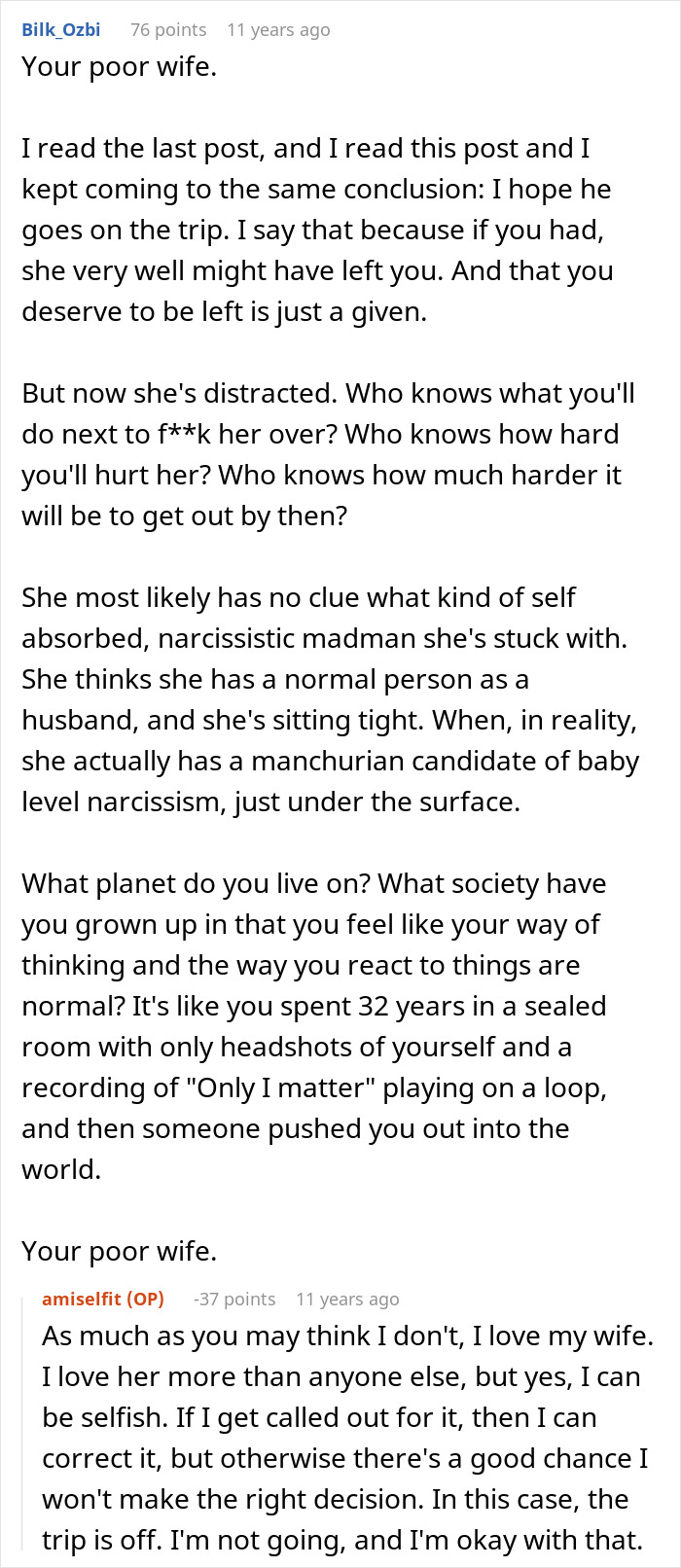
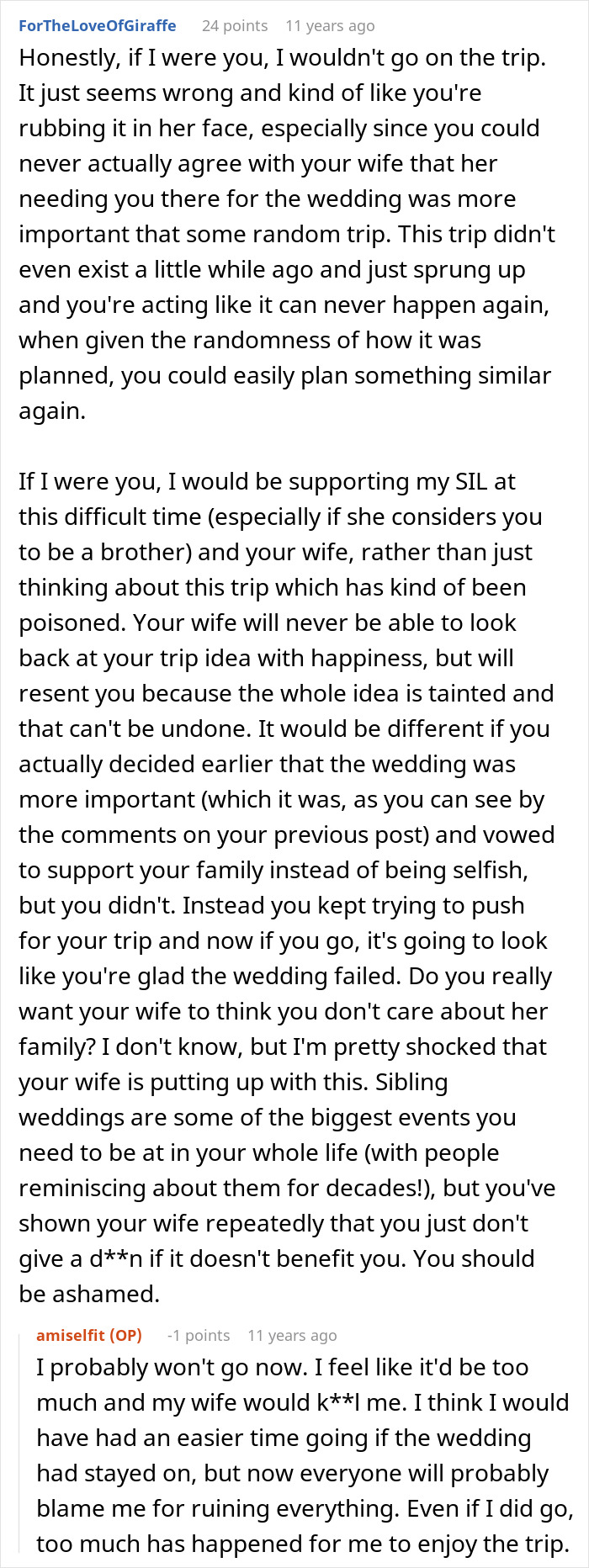
Netizens felt sorry for his wife, criticizing his lack of support for her and her sister during a difficult time

















 Follow Us