For many people, the era of infamous serial offenders is something they know only through documentaries, podcasts, and true-crime books. But for those who lived through it, the fear often felt much closer to home—changing everyday routines, shaping how communities responded to danger, and leaving behind memories that still feel unsettling decades later.
In this collection, people share personal stories and haunting recollections from a time when disturbing crimes regularly dominated the headlines. Some describe close encounters, while others remember the fear and uncertainty that affected entire communities. Keep reading to discover the stories that reveal what life was really like during this chilling chapter of history.
Content warning: The following collection includes discussions of disturbing experiences that some readers may find upsetting.
#1
The Night Stalker. A close friend was one of his suspected victims.
regrettablyAnnoying:
Richard Ramirez, the Night Stalker. I’m still affected by it.
Playful_Question538:
I remember Richard Ramirez the night stalker as a kid. When he got off of a bus back to LA he saw his picture on the newspaper he ran into a neighborhood and the locals kicked his a** and he got arrested. It was a scary time. Everyone started locking their doors. I can’t believe we didn’t before that but we didn’t.
slimkermit1:
He had a fascination with brown and yellow houses. We lived in the same neighborhood as one of his victims. Guess what color our house was?!
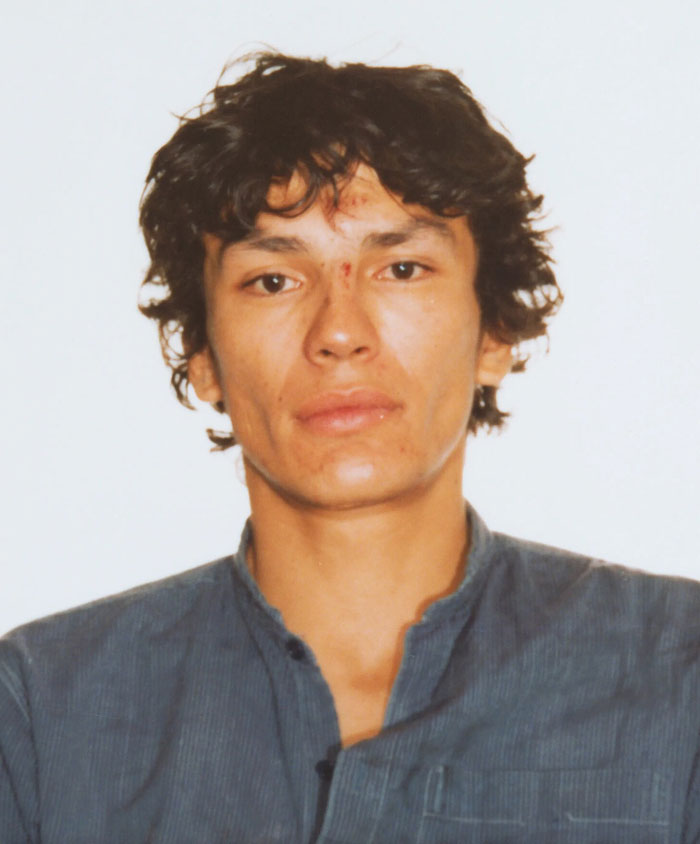
Image source: Objective_Ebb6898, Los Angeles Police Department

#2
John Wayne Gacy, not technically the same, but he was the boogie man for sure growing up.
Ancient-Ad-2474:
John Wayne Gacy used to pick up guys in a bar my mom bartended in. She told me he was picking up “trick boys”.
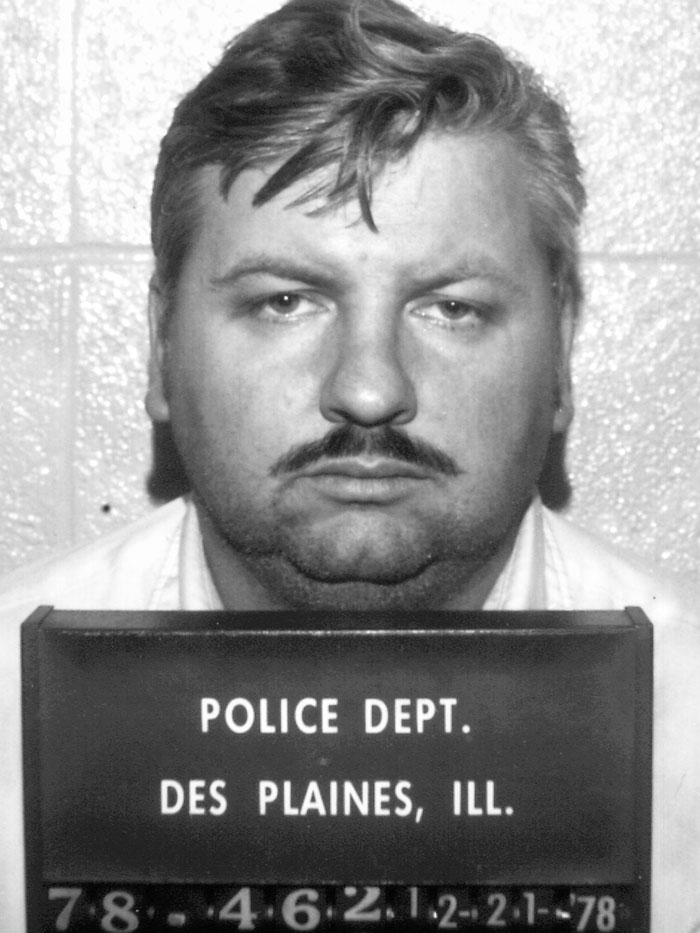
Image source: cmh_ender, Des Plaines Police Department
#3
I was a teenager in Canada when Paul Bernardo and Karla Homolka were arrested. When I saw his mugshot it completely changed my idea of what a ‘bad guy’ looked like. I remember thinking if I met him and he offered to buy me a drink, I’d have said yes. Totally freaked me out.
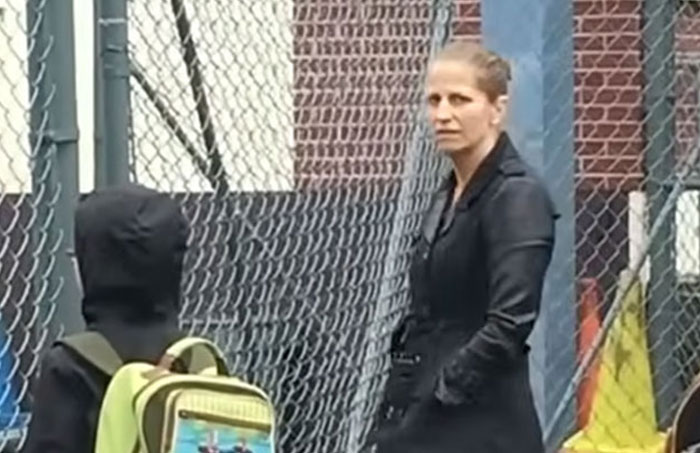
Image source: mapleleaffem, NEWS 1130
The late 1970s and 1980s were a deeply troubling period in modern American history. Violent crime had risen sharply during the previous decades, while several high-profile serial violence cases captured national attention and created a widespread sense of fear.
For many people, these crimes felt especially unsettling because the victims were sometimes strangers to their killers, making the danger appear unpredictable and difficult to understand. Although these tragedies remained relatively rare compared with other forms of violent crime, the shocking nature of these cases (and the intense media coverage surrounding them) left a lasting impression on communities across the country.
#4
Idk about 70’s but I lived in LA when Manson got arrested and people were freaking out. G*n sales exploded. Everybody locked doors. It was tense.
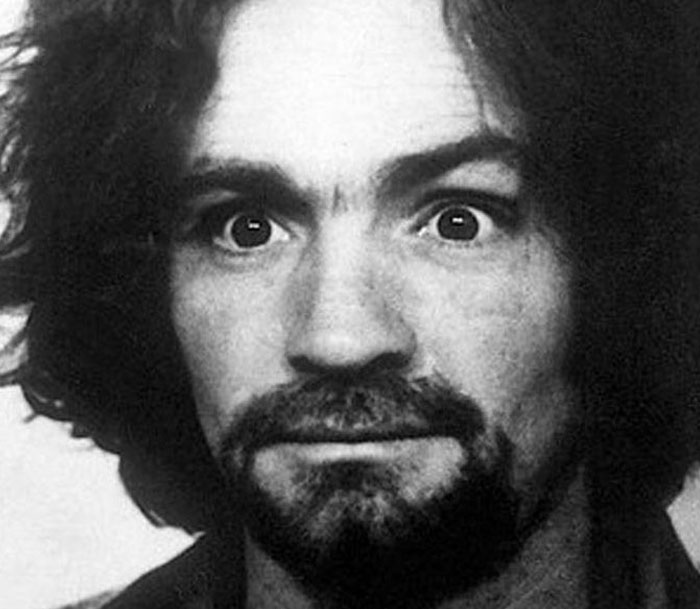
Image source: Mountain_Bet4588, California Department of Corrections and Rehabilitation
#5
When I was very young, (maybe age 4 or 5), I overheard my parents taking about the Boston Strangler. We lived in the area at the time, and my dad was concerned for my mother’s safety when he traveled for work. This scared me to d***h and began a nightly ritual of praying to God that no one k**l us while we slept.
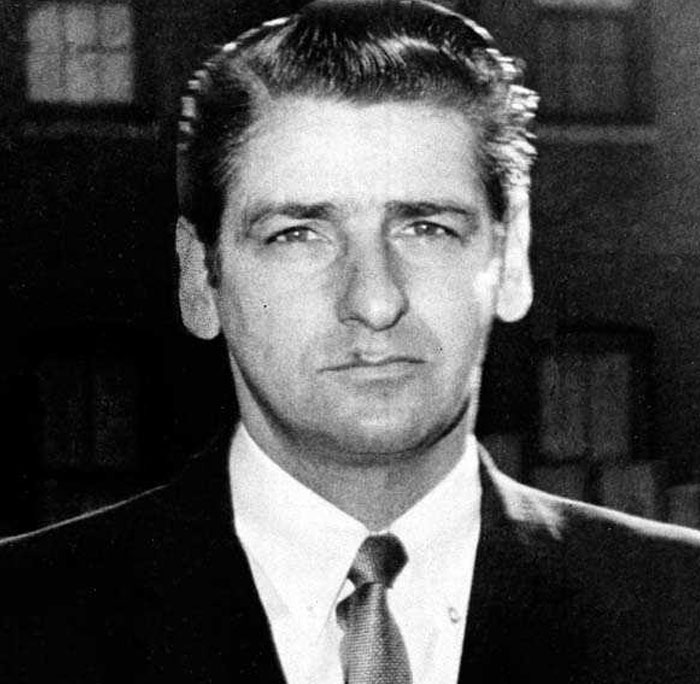
Image source: jerseygirl1105, Federal Bureau of Investigation
#6
Bob Berdella / Kansas City. (He owned a little shop at the Westport Flea Market called Bob’s Bizarre Bazaar. He also kidnapped, r***d, t**tured, and m******d six young men. (Six the PD knew about)
My roommate and I used to eat lunch and shop where Bob had his shop. He was always very nice. I remember my roommate had pierced her own ear. It was a little red/inflamed. Bob noticed it and gave her some antiseptic to treat it. He told her, she needed to be careful or it would get infected. A week later we were at the Flea Market, for lunch, and noticed Bob’s shop was closed. Asked the person who had the next booth and they told us he’d been arrested. We were shocked when the details came out.
Image source: Goodlife1988
Law enforcement agencies across the country were working to identify and capture these offenders, but investigators often faced challenges that traditional policing methods were not designed to solve. Many homicide investigations began by examining familiar connections, such as family relationships, financial disputes, personal conflicts, or other possible motives. However, when victims appeared to have no obvious connection to one another, investigators had fewer leads to follow. In some cases, crimes committed in different cities or states were not immediately linked, making it even harder to recognize a pattern or determine whether the same offender was responsible.
#7
Wayne Williams was our boogeyman.
Image source: StinkieBritches, FBI
#8
BTK. I was a kid in the 70s, and one generic fear was that if you were in Wichita and not behaving, the BTK would grab you. But he wasn’t in my street, he lived in the town where my sister and I babysat our little cousins, and one of those cousins even worked with him when he was the dog catcher.
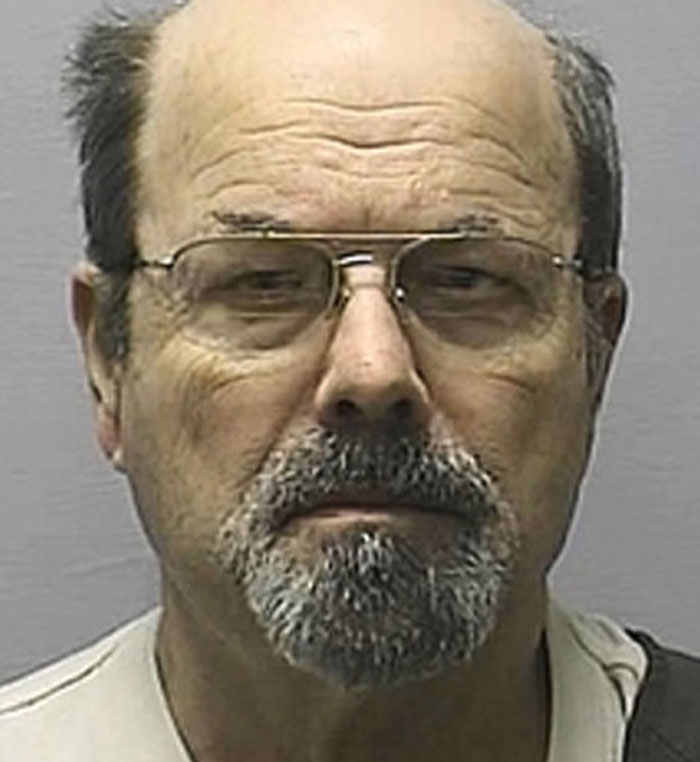
Image source: i-touched-morrissey, Kansas Department of Corrections
#9
Danny Rolling butchered five of my neighbors. My reaction was to take note of how surreal everything became as the whole town emptied of students and filled up with news reporters and camera crews from all over the world.
I was a UF student the same age as the 5 victims, one of whom, Christa Hoyt, lived 2 streets over from me. I lived by myself in a small apartment building from the 1940s that sat at the end of a d**d-end road, backed up against the forest. The big, screenless windows in the apartment opened with a crank and had no lock. The rickety wooden staircase attached to side of the building led up to my door and was the only way in or out.
The other students in the building went home, and every night my mother would call me on the landline — the only phone there was — to beg me to do the same. “You’re all alone there,” she’d say, “He could be walking up your stairs right now. He could be crouched in those woods, waiting for you to hang up.”
My poor mother. There was never any question that I would stay there. This was such an unusual situation that I saw it for what it was — an unusual situation — at the time, when normally you only understand that kind of thing in retrospect. But I knew that what was happening would be something people would be talking about long after it resolved itself, and I wanted to be there to see it.
The things I remember most from that period are:
Walking up to my completely empty classes in a completely empty town. I was a sophomore and was very very serious about my studies, so I had close relationships with my professors. Because I was only 18, it didn’t strike me as weird that my teachers kept having “classes” even though I was the only one who showed up. It didn’t occur to me that they kept having those classes BECAUSE I kept showing up. I wonder what they thought about me. About why I didn’t go home. Didn’t anyone love me?
I remember that, when I would show up to class, my professors and I would not talk about academics. Instead, they’d come sit in a student desk next to mine and we’d chain smoke cigarettes, which was a novel thing to do with a professor inside of a classroom. My religion professor brought in beer one day and we sat in the classroom and drank it until it was gone; my Russian professor, who had just moved to Gainesville from the USSR, brought his wife to class with us and she brought little pastries for us to eat. We sat in the classroom and ate pastries while they asked me to explain what was happening. Is this the kind of thing that goes on in America? Is this what you do?
I remember sitting in the Plaza of the Americas outside of the main library, normally a vibrant field of grass full of hackey-sack players and Hare Krishnas spooning out the free daily lunch. But each day as more and more bodies piled up the Plaza emptied of students and filled up with reporters and camera crews. I’d watch them as they scurried around, setting up their sh*ts, checking their levels, their makeup melting in the late August central Florida humidity.
The funniest thing about them was that, to a man, all of them would be dressed in a full suit coat and tie on their tops, but their bottoms would be Ocean Pacific surf shorts and flip flops. It was so funny to watch all of them jockeying for the best position in the Plaza, the best establishing sh*t, while completely ignoring the 50 other major media outlets doing exactly the same thing all around them.
It reminds me today of the YouTube videos I’ve seen of an underpass in a city in China, where influencer hopefuls line up by the hundreds with their ring lights, each in their own little bubble, each trying to out viral the other. The newscasters would approach me, one of the few students still sitting there, to ask me how I felt about my classmate’s head being found on that bookshelf. Bad? Good? I’d respond the way I still do when someone asks me questions: with my own questions for them as a deflection and defense. Aren’t you hot? Isn’t this weird? Do you have a lighter?
I remember the building horror, the absolute terror that even I as a jaded and cynical punk rock teenager had to acknowledge of waking up in the morning to it happening again. And again. It was crazy, it was madness, the idea that something so bad had happened that we’d all be wishing to return to two days ago, when all we had was two bodies. We thought that was bad? We had no idea how good we all had it two days ago.
The thing I remember the most, though, was the pizza delivery guys. As the week wore on and the contours of the nightmare we were mired in became more clear, everyone who was left in town ran out and bought g*ns. What kind of g*ns? How many g*ns? Yes.
They bought all these g*ns and then brought them home and leaned them all around themselves like a teepee as they turned on the evening news and waited for the pizza they’d ordered to arrive. By the end of the epically horrible news update they’d forgotten everything, including the fact that they’d ordered a pizza, so when they heard the footsteps on the walkway outside, they did the only reasonable thing and threw open the front door and took that Gumby’s or Five-Star man down.
In my memory, there were a total of eight pizza delivery guys who were k****d during the week it took them to charge the wrong man and falsely reassure us while the k**ler camped in a tent on the outskirts of town, playing his guitar and going to the Walmart to shop for victims. Eight innocent pizza guys, 3 more than the k**ler had claimed. But surely that can’t be true. Eight pizza guys is a lot of pizza guys, and it was so long ago. So much of what happened is in there, but hazy.
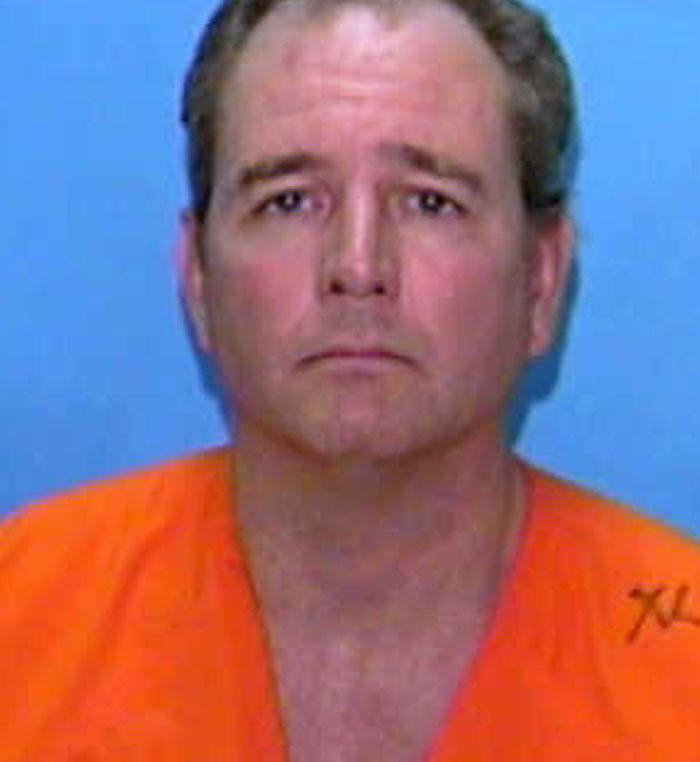
Image source: Downtown_Statement87, State of Florida Corrections
There is a great deal of heartbreaking history from this era that shows how difficult these investigations could be. Detectives were often searching for clear motives and identifiable connections while trying to understand crimes that appeared deeply personal to the offender but made little sense to anyone else.
A major shift in the study of violent crime came through the work of FBI agents and researchers who began examining offenders’ behavior more closely. Their experiences were documented in several books. One of them was John E. Douglas and Mark Olshaker’s Mindhunter: Inside the FBI’s Elite Serial Crime Unit, which explored the early development of behavioral analysis and criminal profiling.
#10
The Hillside Stranglers and the Night Stalker. Ramirez was indeed IN my neighborhood in La Habra. I was overjoyed when the vatos in east L.A. caught him and beat the everloving s**t out of him.
Hillside Stranglers just confirmed what we’d been taught about hitchhiking. Ramirez I was older and worked at the Licorice Pizza in Whittier on Whittier Blvd. First computer system I ever used. We rented videos at the time and someone had noted not to rent videos to Richard Ramirez. Do you have any idea how many guys are named Richard Ramirez in Whittier and La Habra??? But also we’d call each other and make sure everyone had their windows closed and locked.
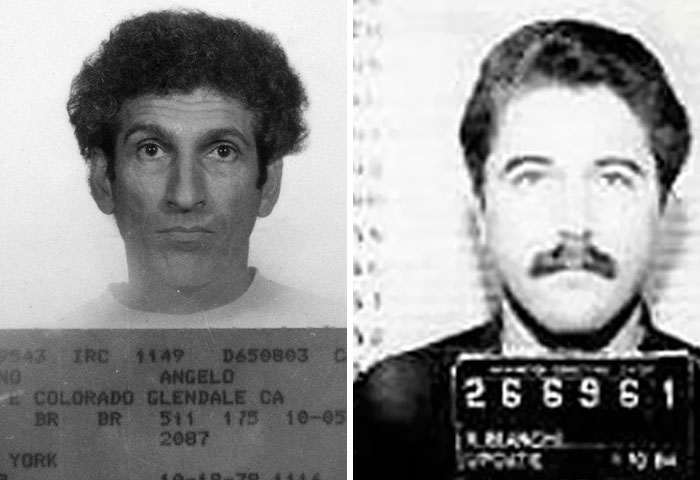
Image source: Realistic-Weird-4259
#11
Oakland County Child K**ler
My older brother was friends with one of the boys who was kidnapped and m******d. The k**ler has still never been caught.
At the time, the area I lived in was on high alert. The police came to my school, took Polaroids of all of our faces and finger printed all of us for records. I remember my mom would never let me out of her sight.
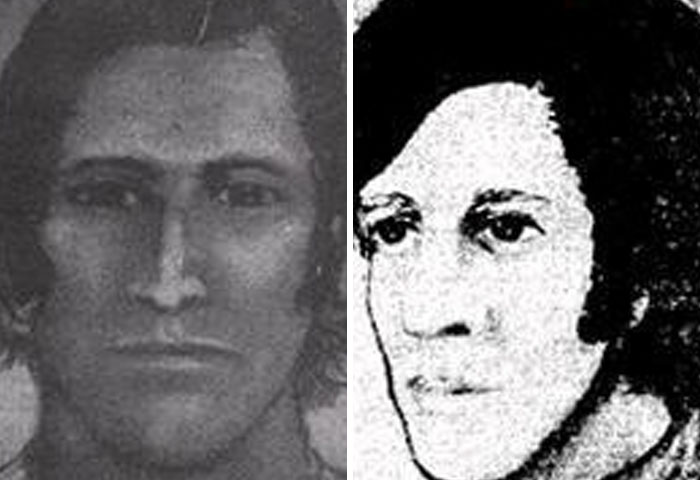
Image source: DrapersSmellyGlove
#12
***First Incident***
In the 1980s I took a business trip to San Fransciso, and on the flight there I read the book Zodiac (chilling and great).
My flight lands very late, I get a cab to my hotel, and as we approach the dropoff I see it’s at the intersection where the Zodiac K**ler was known to have caught a cab.
At this point, mentally, I’m deeeep into the world of the Zodiac crimes and manhunt, it’s just over a decade since the last known victim, it’s late and dark and foggy with empty streets, and he’s still not been caught.
To say my head was on a swivel that trip would have been an understatement.
***Second Incident***
I was hospitalized in eastern Pennsylvania, had surgery, and the night before I was to be released I developed severe, life-threatening complications, which I barely survived (got last rites, etc).
Over a decade later I find out that [Charles Cullen](https://en.wikipedia.org/wiki/Charles_Cullen) was working at my hospital while I was there. The nature of my complications could definitely have been caused by a malicious actor, and for a time I considered suing but, due to personal complications, ended up choosing not to pursue it.
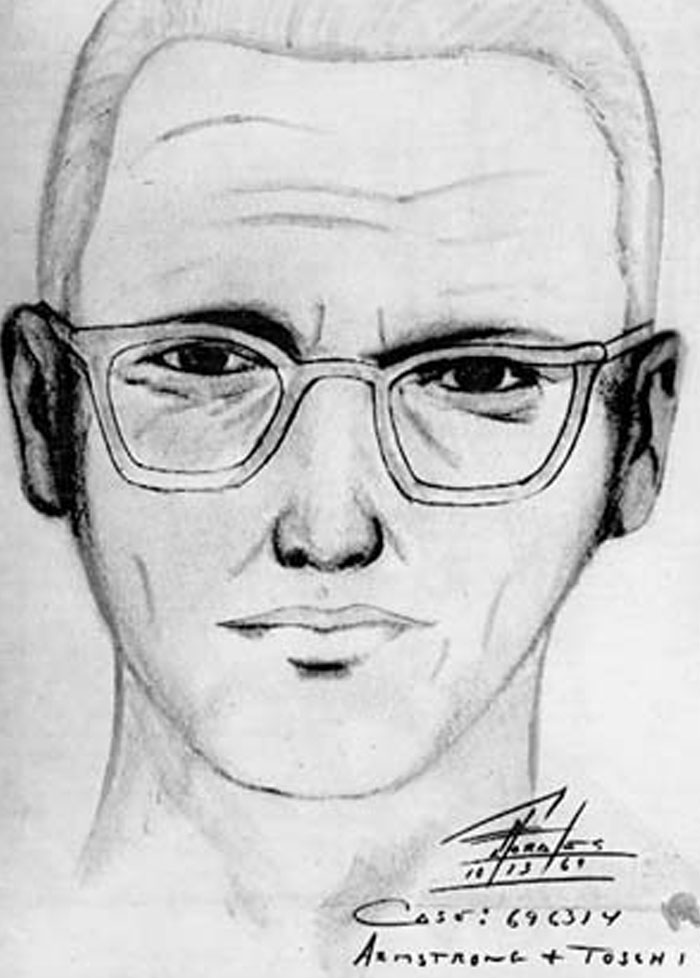
Image source: EngineerBoy00, San Francisco Police Department
Douglas and his colleagues believed that understanding an offender’s thoughts, behavior, and motivations could provide investigators with useful clues. Alongside FBI agent Robert Ressler and other researchers, the Behavioral Science Unit began interviewing incarcerated violent offenders to learn more about their backgrounds, fantasies, decision-making, and the circumstances surrounding their crimes. Their work initially faced skepticism, as many people questioned whether behavioral analysis could provide practical support to criminal investigations. Over time, however, the information gathered from these interviews helped researchers identify recurring patterns and develop new ways of examining crime scenes.
#13
My area’s Signature Serial K**ler was the Trailside K**ler at large in the Santa Cruz Mountains. My dad was super permissive and would see off my sister and me with a cheery “Don’t get m******d!” when we’d head out to the nearby state park to play in the river or hike.
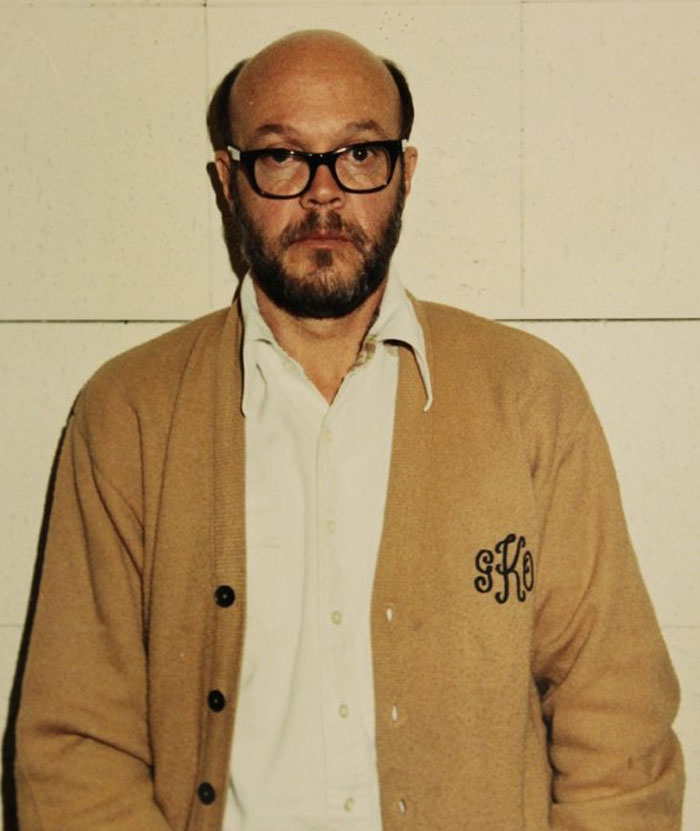
Image source: HBJones1056, Marin County Sherrif’s office
#14
My dad had to supervise the removal of bodies from John Wayne Gacy’s basement. It was on the news EVERY night in Chicago and my dad was always on tv. Years later about 2010, my daughter did a paper on Gacy for a high school class and watched a documentary and yelled out, “Is this Grandpa?” and it was weird to see my dad young, in a shearling coat, with 70s sideburns. I know it affected him. He suffered with depression the rest of his life.
Also, a few years before Gacy, my brother was at his friend’s house when sh*ts rang out…it was a neighbor, John Workman, who went crazy and sh*t his mom, dad, I believe 2 neighbors, and my brother’s friend mom & sister. It was horrifying!
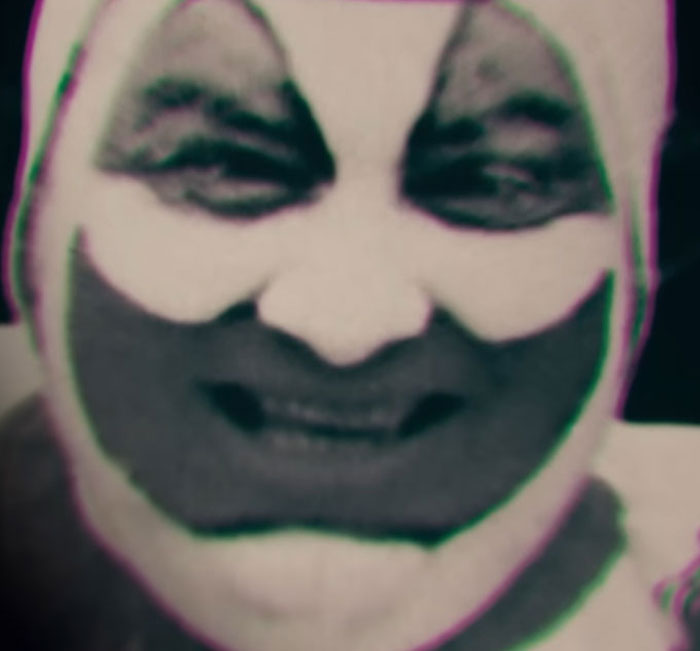
Image source: Quiet_Day1912, Real Crime
#15
What’s crazy about that day is that he gave his name as…Ted. His VW was spotted as a suspect vehicle by multiple people, and the artist rendering of Ted looks exactly like…Ted Bundy.
Even his girlfriend reported Ted as a possible suspect.
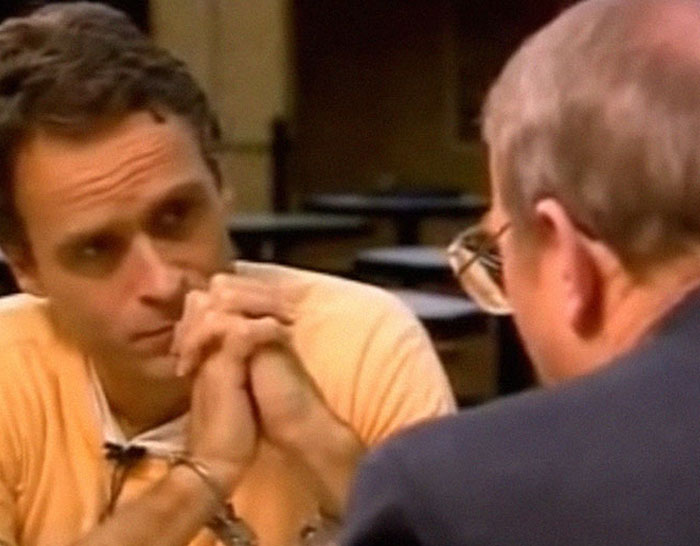
Image source: i-love-mexican-c0ke , DoDoButt
One of the most well-known offenders interviewed during this period was Edmund Kemper, often referred to in the media as the “Co-ed Killer.” Kemper killed his paternal grandparents when he was a teenager and later killed several young women in California, as well as his mother and her friend. Many of his victims were college students who had been hitchhiking near Santa Cruz, which contributed to the nickname associated with his crimes. He was eventually arrested after turning himself in and was later sentenced to life in prison. His case remains one of the most disturbing examples examined by researchers because of the extreme violence involved and the insight he offered into his own behavior
#16
Yeah, it was a weird time to be a young girl in Seattle. We understood the vague outlines of the concerns, but were protected from the gory details by our parents and the lack of internet. As a result, rumors ran rampant among groups of children and this sense of a boogeyman pervaded our activities and adventures.
Something that might not be immediately obvious if you were not there at the time is that, in the window between Bundy’s arrest and Ridgeway’s arrest, there was this strange feeling that the ongoing m*rders could have been committed by anyone, even your neighbor, and you might not ever suspect them. Parents dealt with this in different ways. I was not allowed to walk certain places without a sibling, friend, or our very large dog. Our neighbors were not allowed within certain distances of houses their parents viewed as suspect. Parents posted themselves outside to track children trickling back to their houses at dusk. In this pre-cell phone era, we had to call every so often or if our plans changed, carrying quarters for the pay phones on our routes. And going downtown to loiter at the arcade or market required an actual chaperone in a time where chaperones of that sort were not common.
Image source: hitheringthithering, Brett Sayles/Pexels (not the actual photo)
#17
I worked with a woman who was married to one of the guards on John Wayne Gacy’s death row. She said the fan mail was disturbing. Yes, the content of it, but also the fact that there was fan mail to begin with

Image source: wholesomeinsanity, www.kaboompics.com/Pexels (not the actual photo)
#18
Ed Kemper was so scary because he seemed so normal when he was talking. I watched an interview and thought he was likable! I don’t think he’d set off alarms if I met him. It’s like he has two parts that are aware of each other but independent: the rational, well-socialized one, and the angry, cruel one
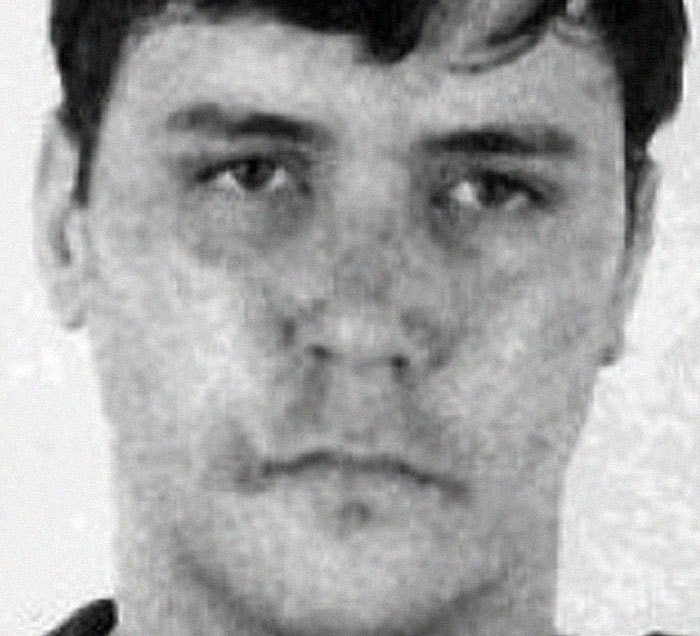
Image source: MaleficentMousse7473, California Department of Corrections and Rehabilitation
Kemper was known for being highly intelligent and unusually willing to speak at length about his experiences. During interviews, he discussed the violent fantasies, resentment, and psychological patterns that had influenced his actions. These conversations did not excuse or explain away the harm he caused. Instead, they gave researchers an opportunity to study how an offender understood and described his own behavior. The interviews also helped reinforce the idea that violent offenders could leave behavioral clues through their choices, routines, interactions with victims, and actions at a crime scene.
#19
I was only 10 during the Son of Sam k**lings, but all young women were afraid for a year or so. Growing up in the Bronx, I used to drive by the spot where two of the victims were k**led, and I later lived two blocks from where Donna Lauria was sh*t. All his victims deserve to be remembered.
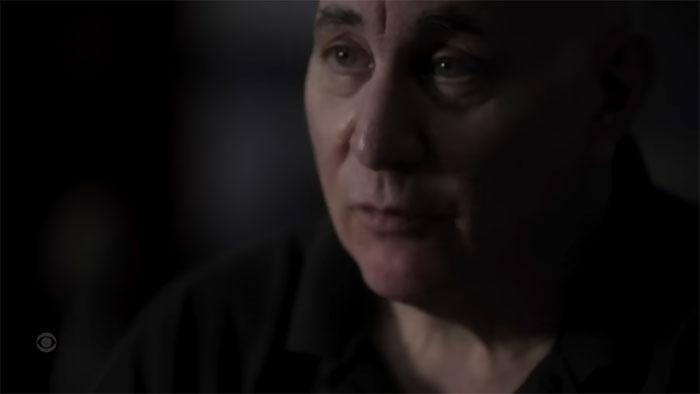
Image source: squeezemachine, 48 Hours
#20
Barbara Mackle! For whatever reason, I was allowed to watch the TV movie about her 1968 kidnapping by Gary Steven Krist in second grade. Being buried alive with only a small tube to breathe through — that was my fear until, thankfully, peer obsession and hormones took over in middle school
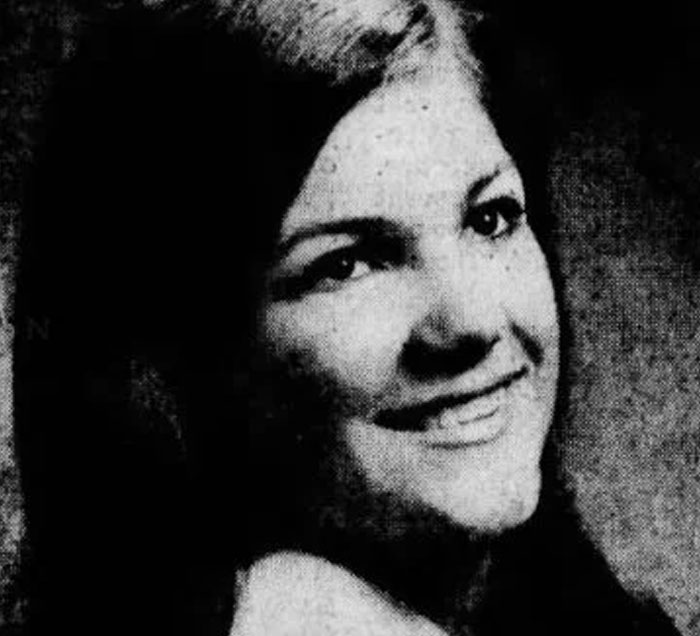
Image source: bettertheless, southernfriedtruecrime
#21
We had not a serial k**ler, but a serial r*pist. After he was caught, I realized I knew him. He sat behind me in English and in social studies classes (seated in alpha order) in the 7th grade.
As a young teen, I frequently walked to the local shopping center. I read in the paper that my usual path across the vacant lot along the golf course was one of the places where he had launched his attacks. I was freaked out by warnings and news stories. It was unreal when I found out that he had been arrested for these crimes. From my acquaintance of having him sit behind me, he struck me as a sort of light-hearted, not-dedicated student – not an exemplary honor student, but also not a predator of any sort.
He died relatively recently. Alums of my high school maintain a “memorial page” of people who attended or worked there, and each one has a little obituary. There was a great deal of discussion about whether he should be included. Some said, “he attended, he’s d**d, so yes”. Others were like, “he was a spectacularly bad person, and he should not be ‘remembered’.”.
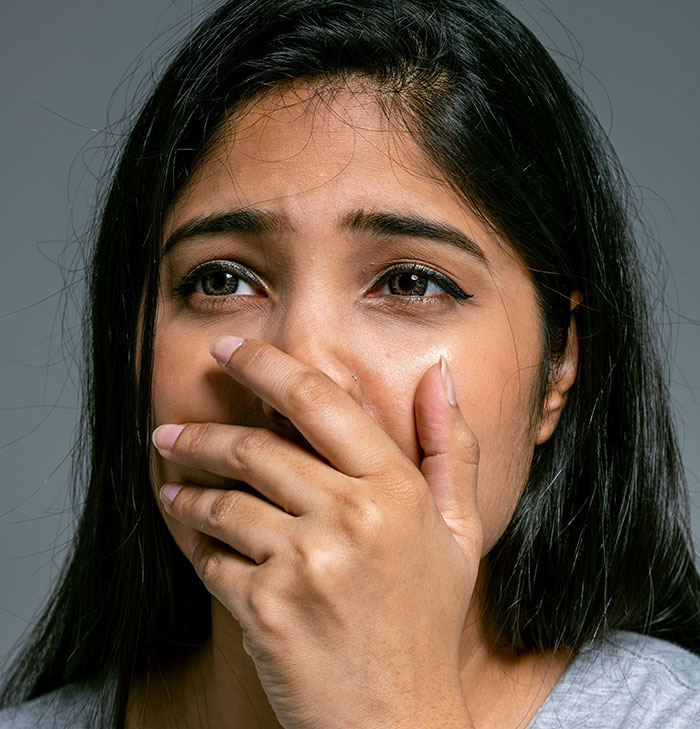
Image source: CPetersky, Ketut Subiyanto/Pexels (not the actual photo)
Kemper was far from the only offender studied by the FBI’s Behavioral Science Unit. Douglas, Ressler, and their colleagues interviewed numerous incarcerated violent criminals in an effort to compare their experiences and identify recurring patterns. Their research helped investigators consider questions that had previously received less attention: What might an offender’s behavior reveal about their motives? Could the way a crime was committed provide clues about the person responsible? And could similarities between cases help law enforcement connect crimes across different jurisdictions? The answers were never simple, but this work contributed to the development of behavioral analysis as an investigative tool.
#22
I remember the Washington Beltway snipers of 2002. They were the closest to my area (Baltimore) I’ve ever experienced. I had three children living in NOVA at the time. Truly scary.
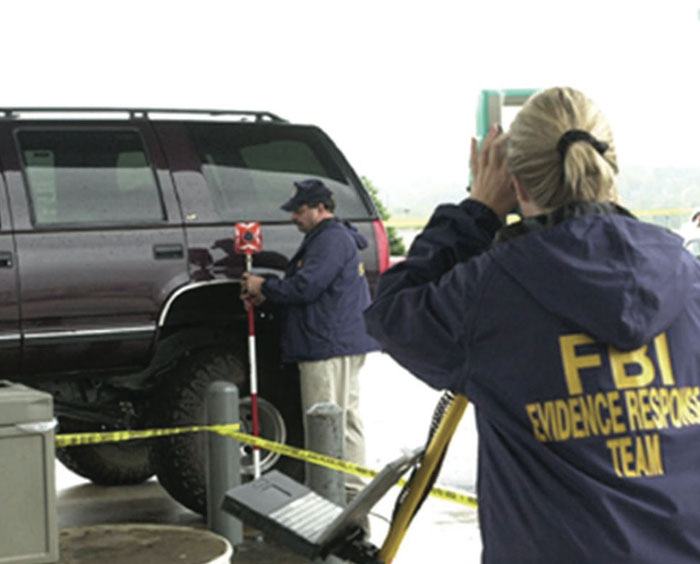
Image source: Used-Painter1982, FBI
#23
Green River K**ler. Ended up being my soccer teammate’s uncle. Her dad was always kinda weird too but not serial k**ler weird.
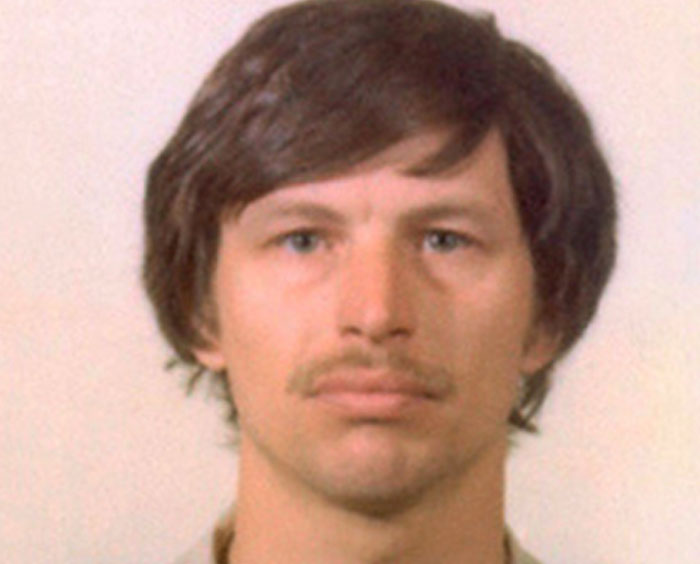
Image source: throneofthornes, King County Sheriff’s Office
#24
I was at UW in their criminology department during the Green River days. The police department would gather us up to do basic crime scene checks where we would stand in a long line, look forward, look right, look left. If we saw anything, we’d put a flag down. Then we’d take a step and start the process all over again.
Image source: bogeysbabe, Gabriel Hohol/Pexels (not the actual photo)
Today, criminal profiling (also known as offender profiling or behavioral analysis) is used to help investigators interpret information from a crime and develop possible leads. Profilers may examine details such as the location of the crime, the offender’s apparent level of planning, the way the victim was approached, evidence left behind, and any repeated patterns across multiple cases. They may then suggest possible characteristics, behaviors, or circumstances that investigators should consider. However, profiling is not a form of mind-reading, nor can it identify a specific person on its own. It is most useful when combined with physical evidence, forensic science, witness accounts, digital records, investigative experience, and other established methods.
#25
I was in Southern California during the Night Stalker years. I just remember not having air conditioning and it being a super hot summer. Our parents WOULD NOT let us sleep with the window open, out of fear. I was so glad when he was caught
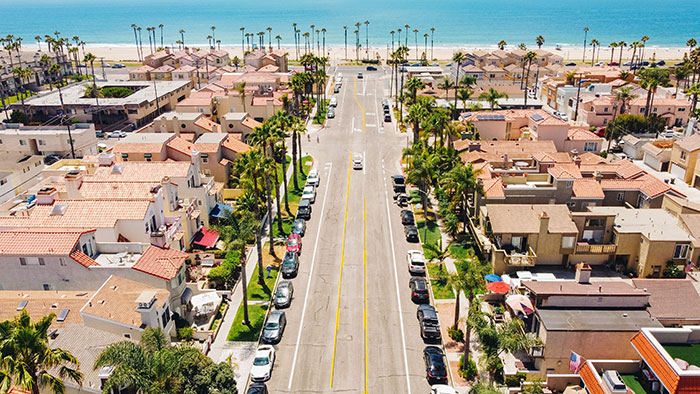
Image source: Away-Ad3792, Mike Fox/Pexels (not the actual photo)
#26
I lived on the other side of the city during the Scarborough R*pist years, but if I came home on the bus after dark, the driver would let me off right in front of my building. He watched until I got in, too
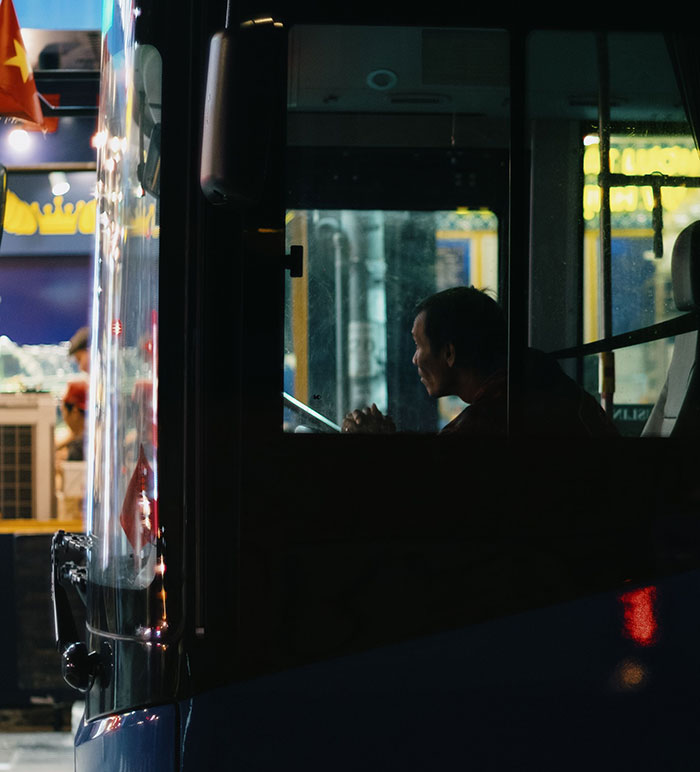
Image source: offee_Crisp_333, Thinh Phan Quoc/Pexels (not the actual photo)
#27
I was in elementary school in Sandy Springs during the Atlanta Child M*rders. I remember Channel 11 giving plastic whistles to all the schools to hand out. I wore mine on a piece of yarn when I walked home from school each day

Image source: azalea24601, Kampus Production/Pexels (not the actual photo)
Coming back to today’s collection, these posts offer a glimpse into how frightening and uncertain that period could feel for the people who lived through it. Some of the stories are unsettling because they involve close encounters, while others reveal how fear could spread through entire neighborhoods and communities. Which of these accounts gave you the chills, Pandas? Was there one that stayed with you long after you finished reading? Let us know your thoughts in the comments below.
#28
One of my good friend’s mother was k****d by Richard Chase in the Sacramento area. I was around 19 when I met her and while it was horrible to hear about it I didn’t feel any fear at the time. The fact that I was at that point in life when I was invincible probably helped.
I honestly just remember how much it affected her. It truly damaged her soul. She rarely spoke of it ~~but I believe she may have even been the one to find her (she was elementary school age when it happened, I believe).~~ (I had to edit this because I don’t trust my memory of what she said 100%)
We lost touch when our lifestyles diverged. I still think of her and my heart aches with hope that she found peace.
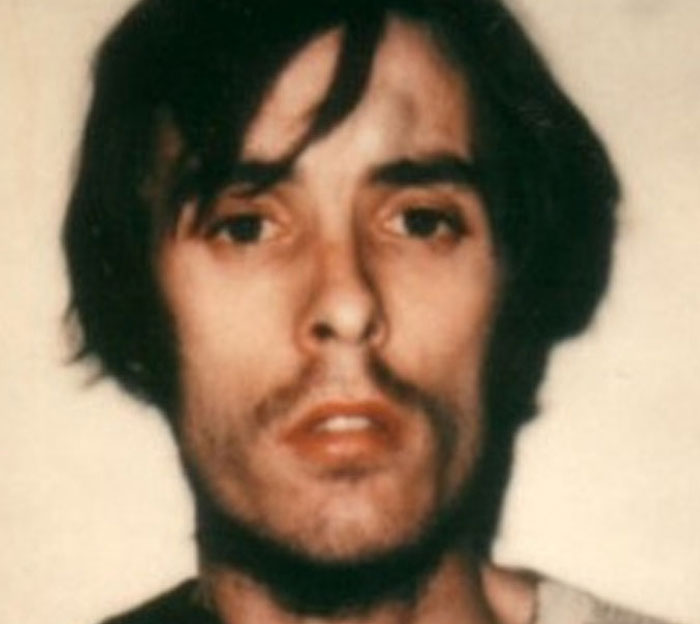
Image source: MVHood, Sacramento Police Department
#29
Joseph DeAngelo (the original Night Stalker) and Richard Ramerez (the Night Stalker) from the 70s & 80s respectively, both in SoCal. You better believe we kept our windows closed at night.
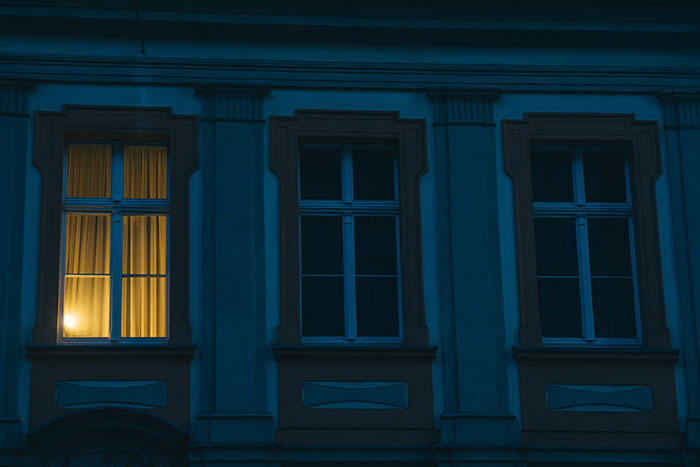
Image source: Cliff35264, Yana Oleksiuk/Pexels (not the actual photo)
#30
The Yorkshire Ripper
The misogyny of the police and other commentators at the time has been laid bare my more recent documentaries.
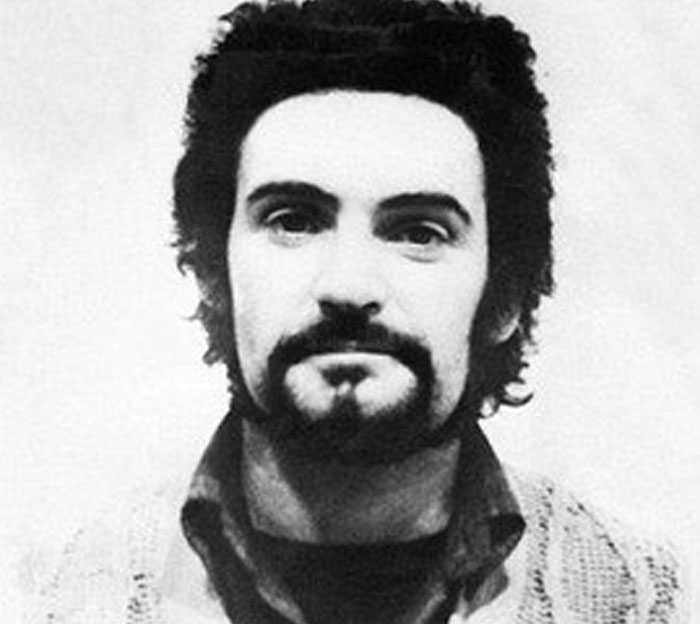
Image source: ODFoxtrotOscar, Dewsbury Police Station
#31
My aunt was in college and lost two of her sorority sisters to Ted Bundy. She saw him at one of the parties they had a few days before.
Image source: JohnMcD3482
#32
I remember being in Simi Valley at the time of the Night Stalker. A group of us were staying at a friend’s home during college in ’85 (this was probably in late June) on a group trip to Six Flags, and we were all a bit on edge because he was in the news so much. We were in sleeping bags on the floor in the living room when our friend’s brother came home at 2am through the front door. One girl woke up screaming and that got the rest of us screaming and grabbing for any heavy object nearby. Friend’s brother stood in the doorway perplexed, watching it all happen. I remember he said very calmly, “you all need to get a life” and then he walked down the hall to his room. Ramirez was caught about a month or two later in LA, about 45 miles away.
Image source: cat9tail
 Follow Us