Marriage can be tested in ways couples never anticipate. Losing a loved one, dealing with health problems, or struggling with emotional distance can slowly change even the strongest relationships. Sometimes, two people who once couldn’t imagine life without each other find themselves living like strangers. And when trust starts to disappear, getting back to the way things were can feel almost impossible.
That is what happened to this husband whose nine-year marriage began falling apart after his wife lost her father and he developed a serious health condition. As they struggled to cope with their individual problems, his wife moved out, filed for divorce, and eventually started dating another man. However, she later decided she wanted to save their marriage and returned with that request.
Time apart doesn’t always make things clearer, rather it can introduce a whole new set of complications
magnific / magnific (not the actual photo)

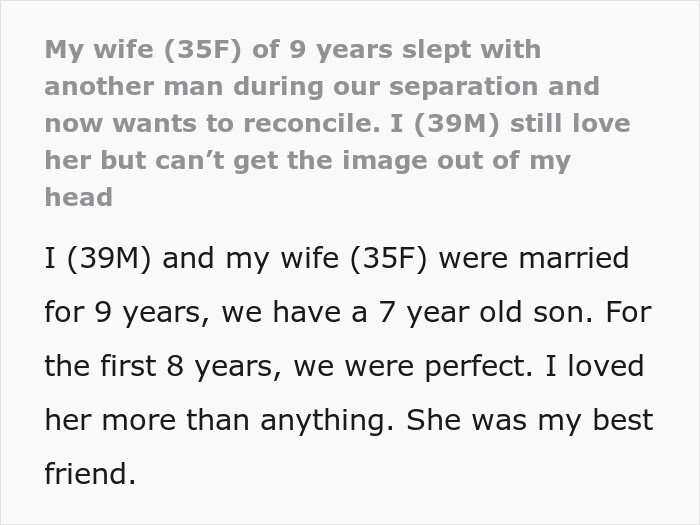
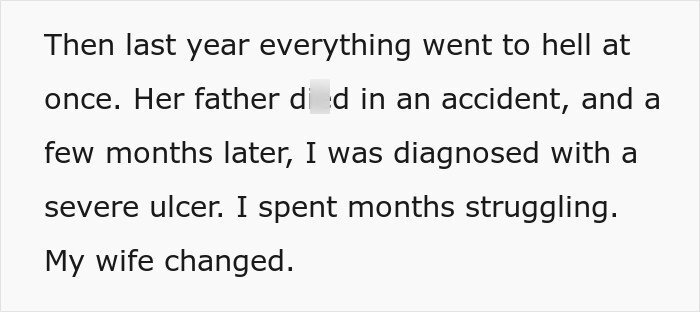
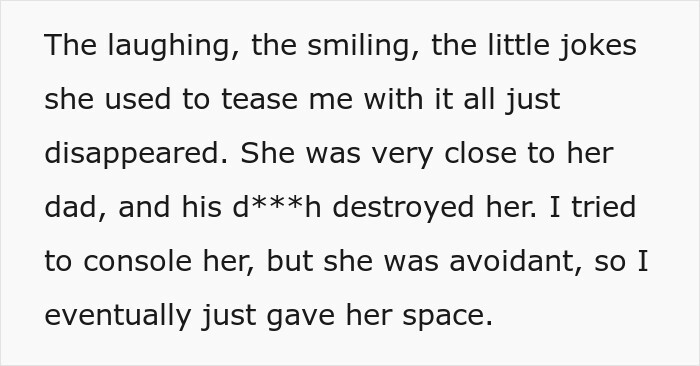
After a man’s wife lost her father and he developed a serious ulcer, their once-happy marriage began falling apart, and she eventually moved out and filed for divorce


gpointstudio / magnific (not the actual photo)
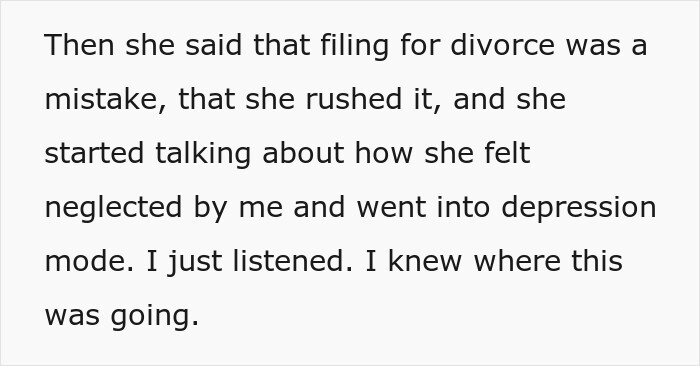
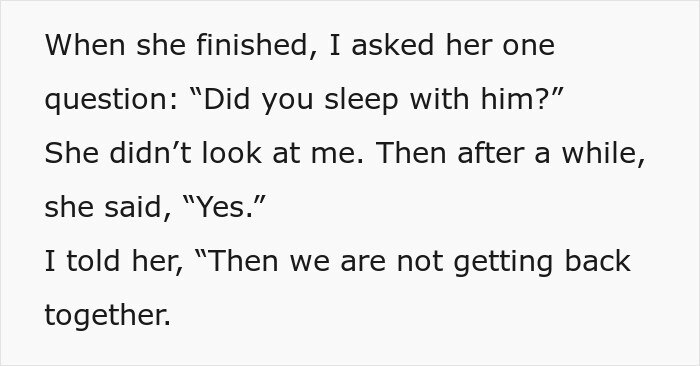
While they were separated, he discovered that his wife was dating another man and later learned they had slept together

Stockbusters / magnific (not the actual photo)
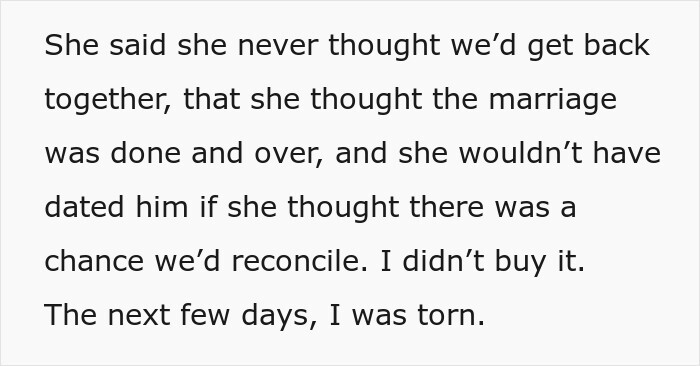
He agreed to a mutual divorce and began distancing himself from his wife, but she later admitted she regretted leaving and wanted to save their marriage



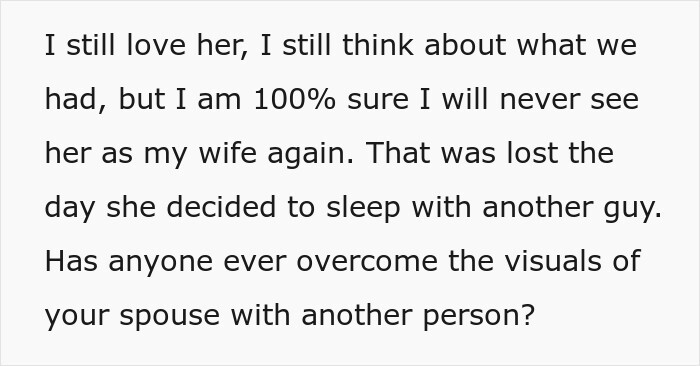
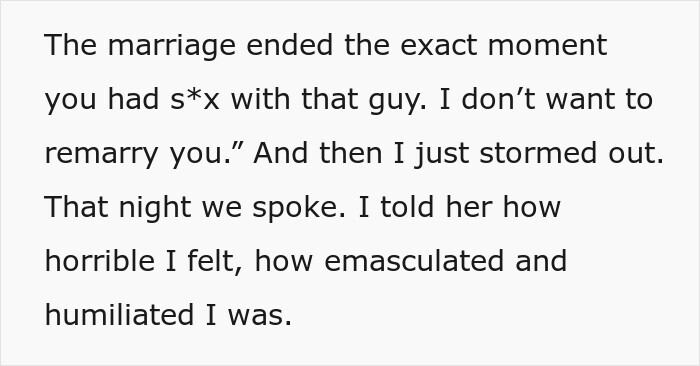
Despite still loving her, he refused to reconcile because he felt betrayed and could no longer trust her after she had been intimate with someone else
Psych Central emphasizes that grief can affect much more than someone’s mood. They explain that it can change how they communicate, seek comfort, and interact with the people closest to them. They suggest that discussing personal loss can help partners feel closer, even when those conversations bring up difficult emotions. Therefore, emotional support and honest communication matter when one partner is grieving.
However, supporting someone who is grieving isn’t always straightforward. Some people want reassurance and company, while others withdraw and struggle to explain what they’re feeling. A partner might interpret that distance as a sign that they are no longer wanted, while the grieving person may simply lack the emotional energy to maintain the relationship as before.
Giving someone space can be helpful, but prolonged silence leaves both partners feeling isolated. This is why couples going through major losses need to find ways to communicate, even when neither person knows exactly what to say. Depression can also make someone question feelings they previously considered certain.
According to Verywell Mind, depression and falling out of love can sometimes look similar because both may involve emotional withdrawal, reduced intimacy, irritability, and losing interest in activities. However, depression can affect someone’s enjoyment of life more generally, not just their romantic relationship.
It’s important to note this because someone experiencing depression might mistake their inability to feel happy or connected for proof that their relationship is no longer working. The difference becomes particularly important when major decisions are made during emotionally difficult periods. Losing interest in intimacy or struggling to feel affection doesn’t automatically mean that love has disappeared.

DC Studio / magnific (not the actual photo)
Separation, as in this situation, introduces another complicated issue, which has to do with different expectations about what the relationship still means. One partner might consider the marriage effectively over once they move out, while the other may continue viewing it as an ongoing commitment until the divorce is finalized. This can become particularly painful when one person starts dating someone else while the other still hopes for reconciliation.
Couples who separate therefore need to establish clear boundaries about dating, exclusivity, and whether they are genuinely leaving the possibility of getting back together open. Therefore, feelings of betrayal can be difficult to overcome, even when a couple has technically separated. Psychology Today notes that infidelity can damage emotional security and trigger intrusive thoughts, recurring mental images, and persistent questions about a partner’s actions.
These reactions can make it difficult to concentrate on rebuilding a relationship because the painful experience keeps resurfacing. For someone who still loves their partner, knowing that they were intimate with someone else can create a particularly painful conflict between wanting the relationship back and feeling unable to trust them again.
Rebuilding trust, meanwhile, requires considerably more than ending an outside relationship or apologizing. Mayo Clinic explains that the first step is addressing what happened, taking responsibility, and then finding ways to restore emotional security. Ultimately, reconciliation requires both people to be willing to work through the damage rather than simply expecting things to return to normal.
It is also important to understand that forgiveness and reconciliation are not the same thing. Someone can eventually let go of resentment without wanting to continue the relationship. Similarly, a partner who regrets their decision to leave may genuinely want another chance, but that doesn’t mean the other person is ready to offer one. After rough patches like this, two people can love each other but reach a point where they no longer want the same future.
What do you think about this situation? Do you think dating someone else during a separation counts as cheating if the divorce hasn’t been finalized? Let us know your thoughts in the comments!
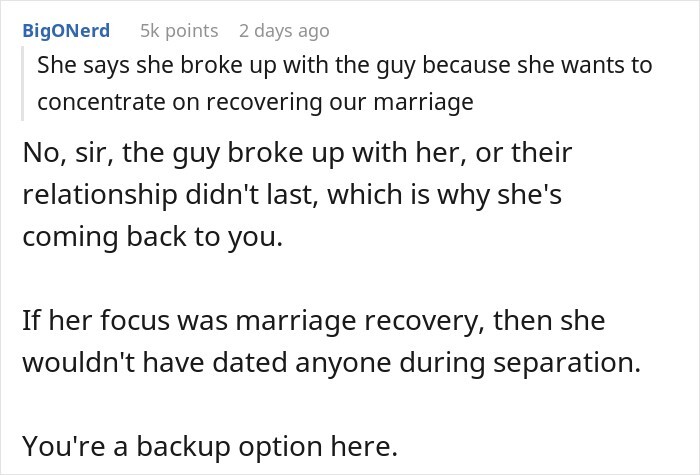
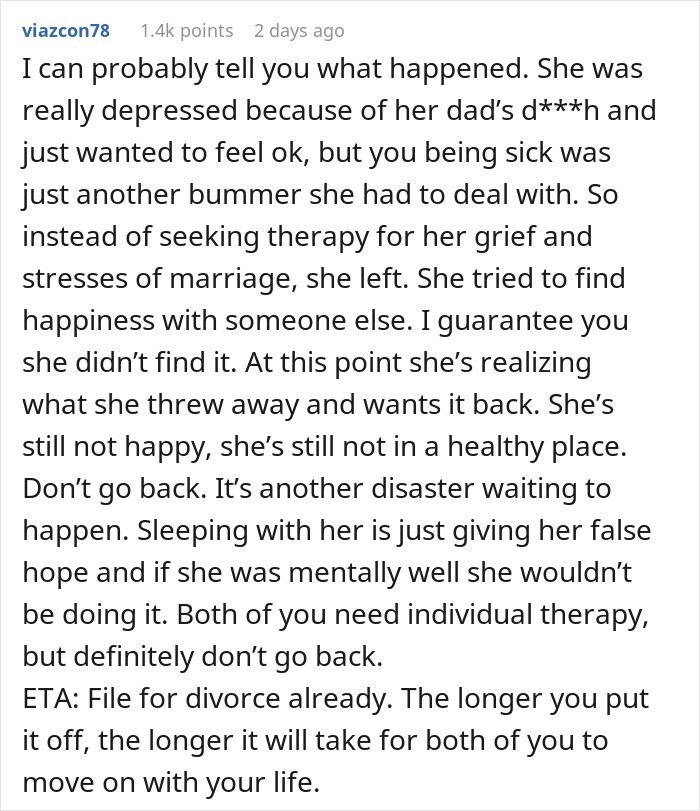
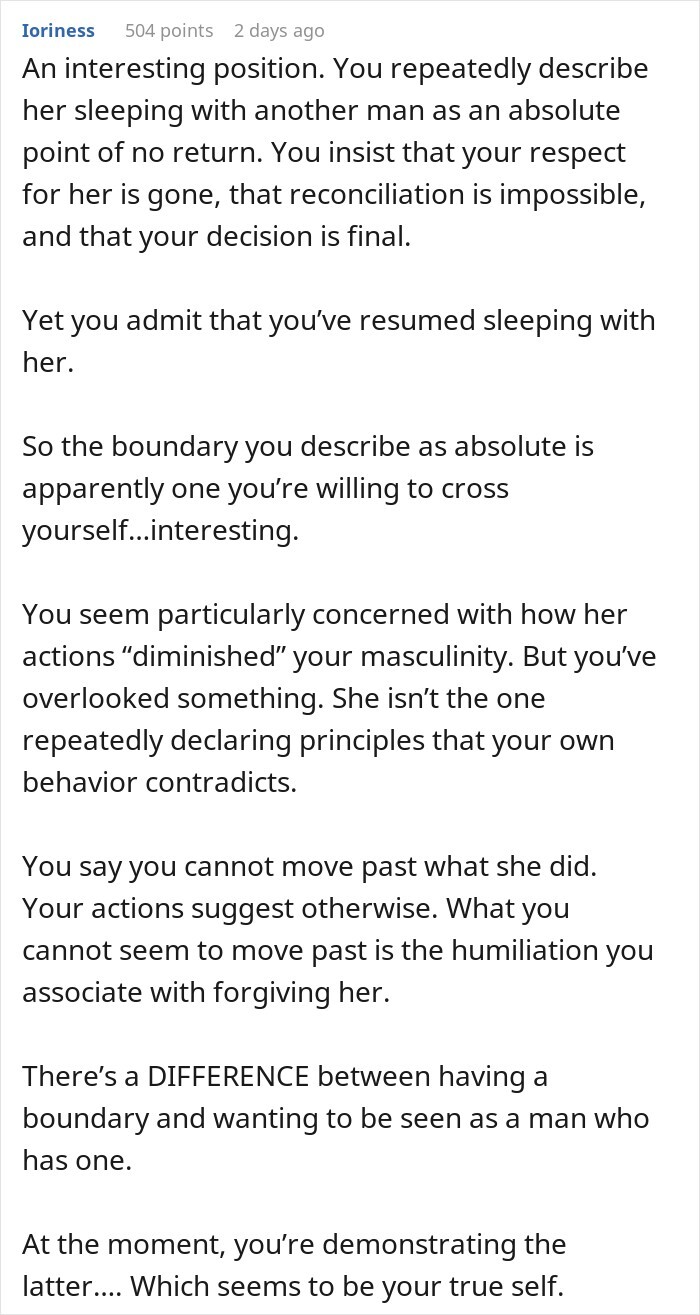
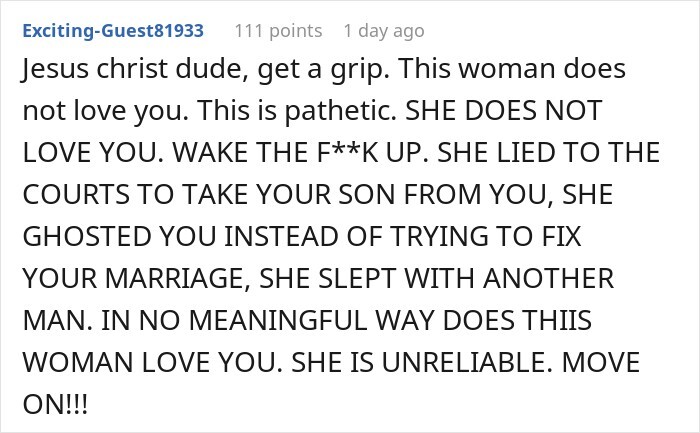
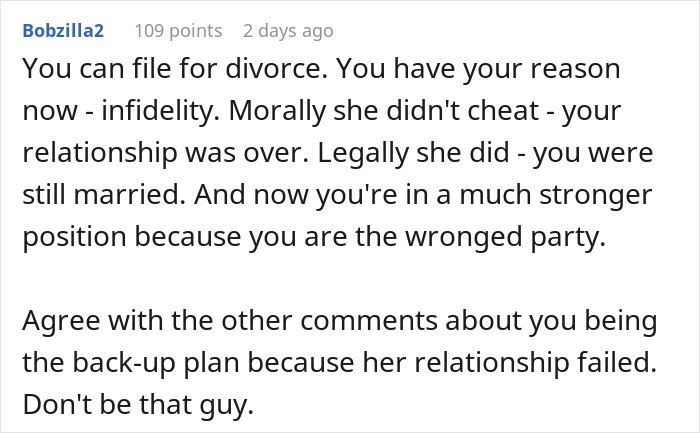
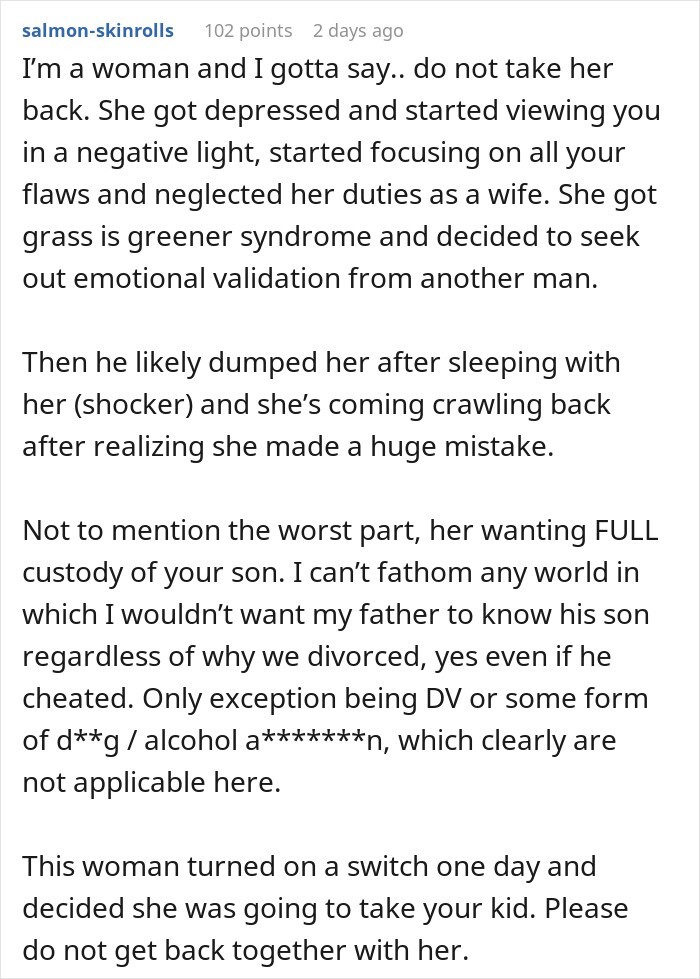
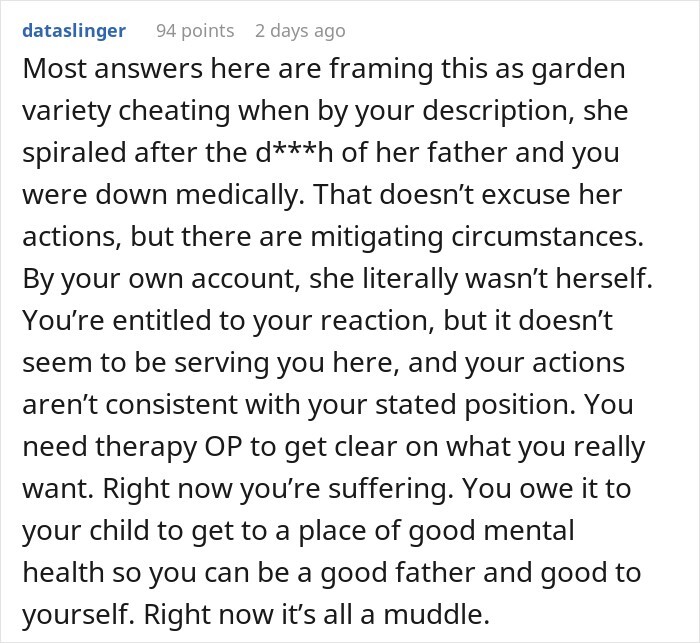
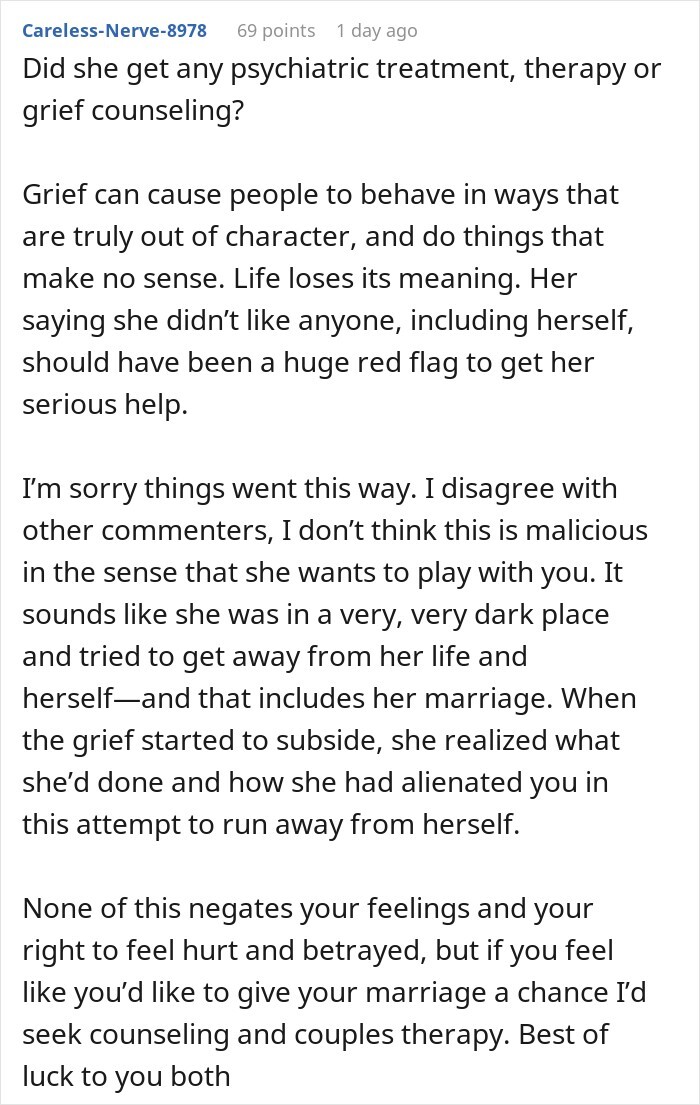
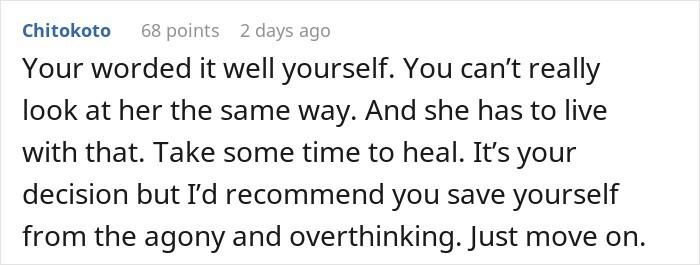
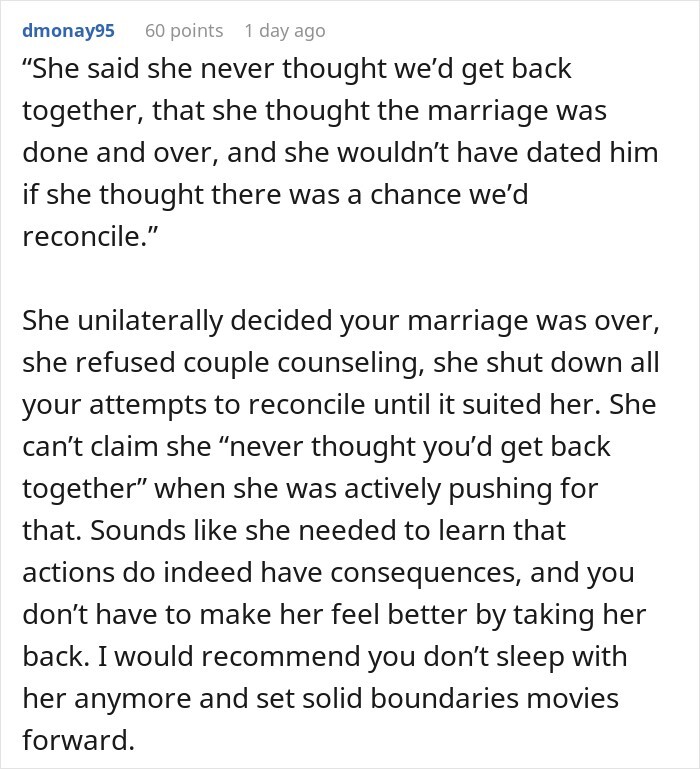
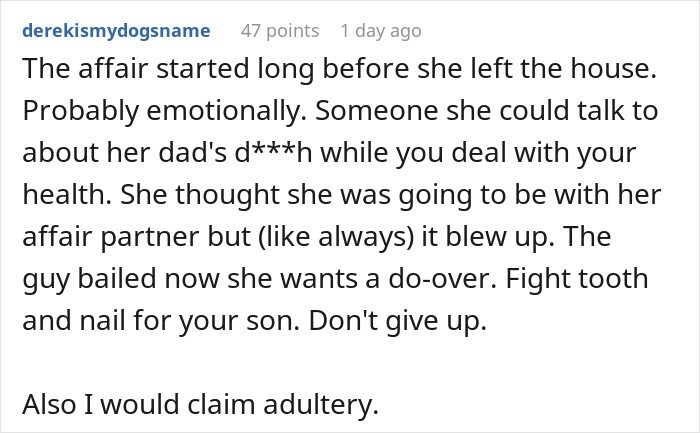
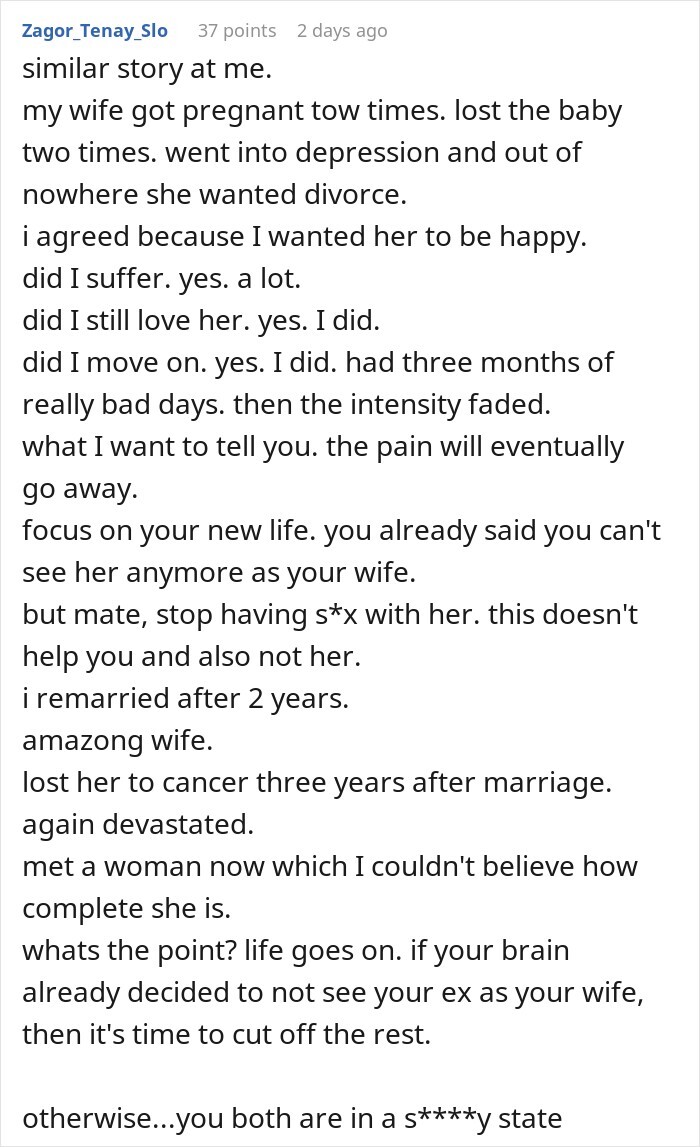
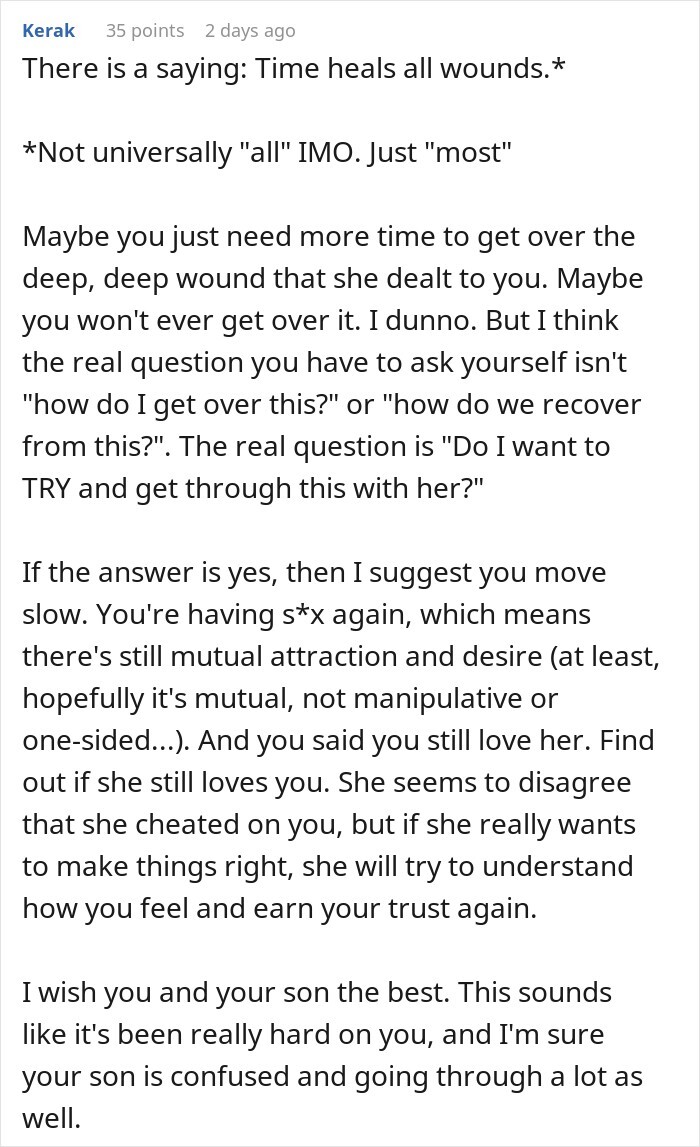
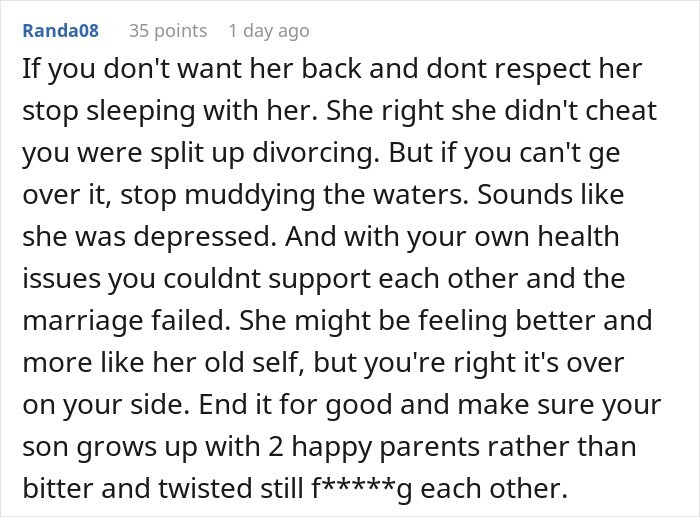
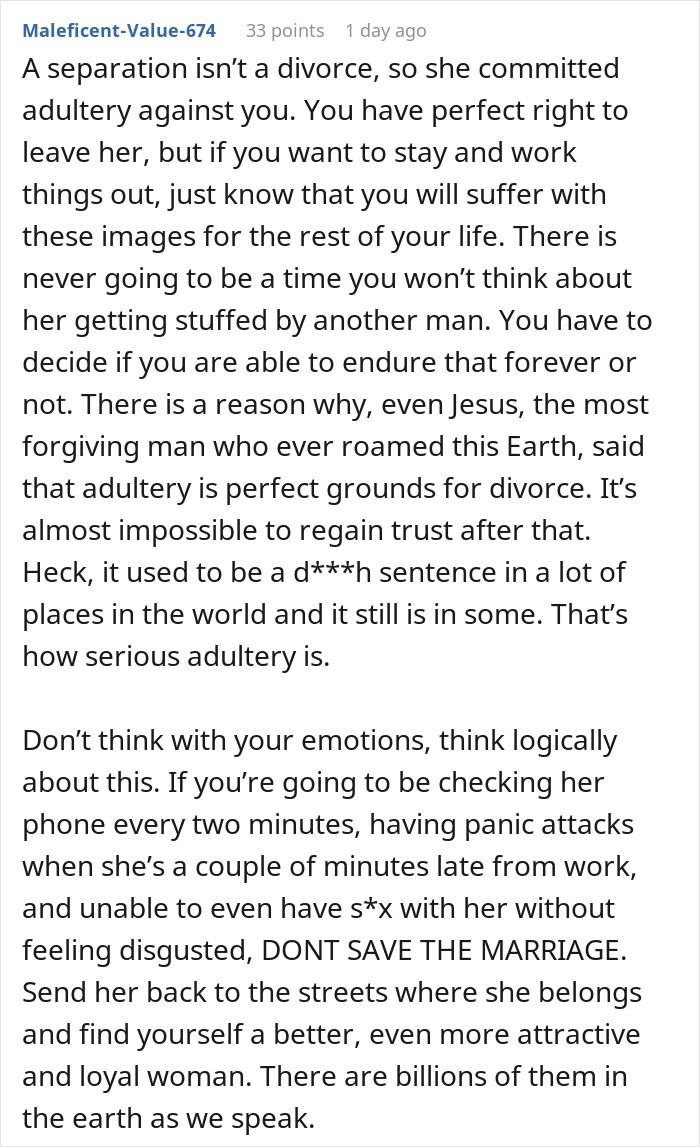
Some netizens insisted the wife was being insincere and urged him not to take her back, while others also criticized him for still being intimate with her











 Follow Us