Playing video games with friends is one of those little things in life that will just bring you joy every single time — even if you’re losing in competitive mode. Yes, I am speaking for experience and yes I may be yelling, but my dopamine levels are very high, trust me.
However, when naiveness and downright ingenuity come into play, it is fairly easy for things to derail very fast. While I often say that I wish I had Roblox growing up instead of solitaire at my dad’s work computer, I mean it. Or at least, I did until we came across a story of a girl who nearly got scammed out of $4000 all because of a fictional pixelated pet that a friend of hers had. Sounds crazy? That’s because it is.
Read more: Reddit
Back in the day, if you paid for a game, it was a one-time transaction, but that’s not the case anymore

Image credits: freepik / Freepik (not the actual photo)
A 17-year-old learned this the hard way after her friend asked her to look after her pet on Roblox, which she promptly lost
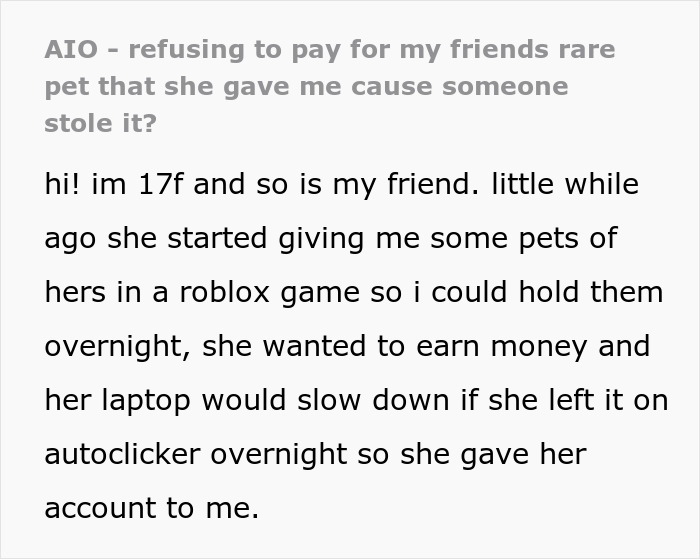
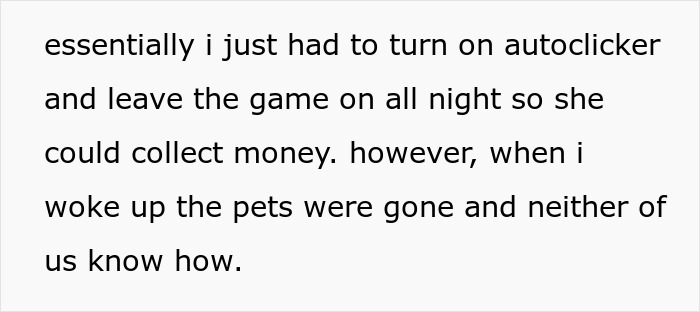



Image credits: pressmaster / Freepik (not the actual photo)
While a pixel pet may not be valuable to her, the friend was actually very upset about it, and wanted $4000 to get it back
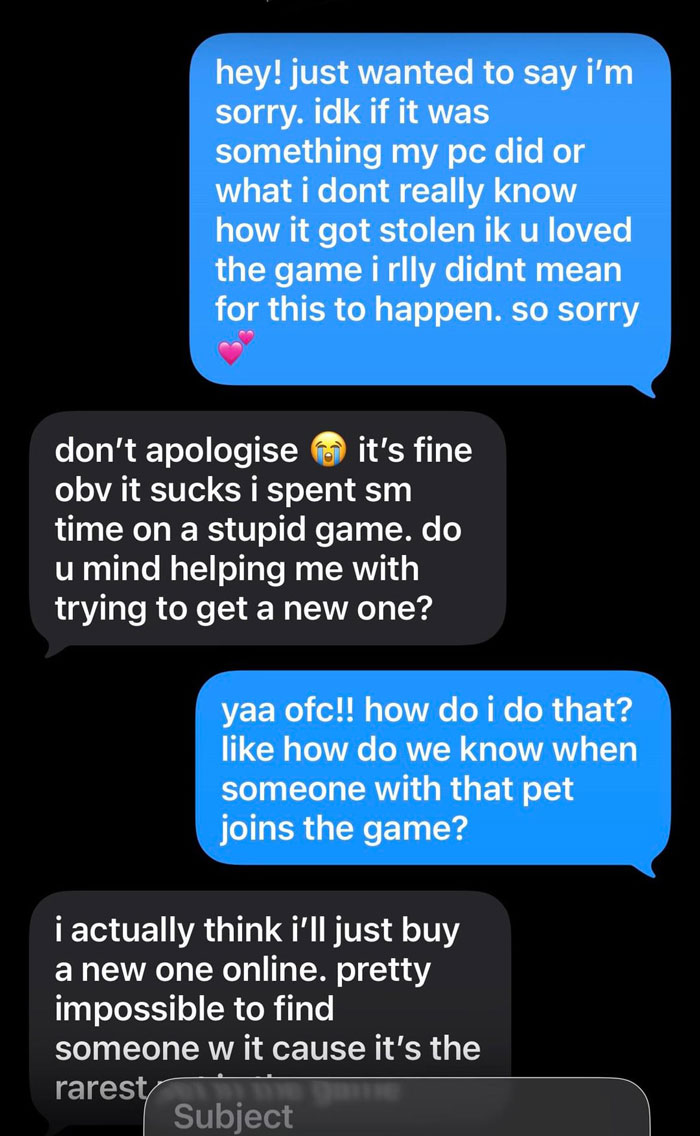
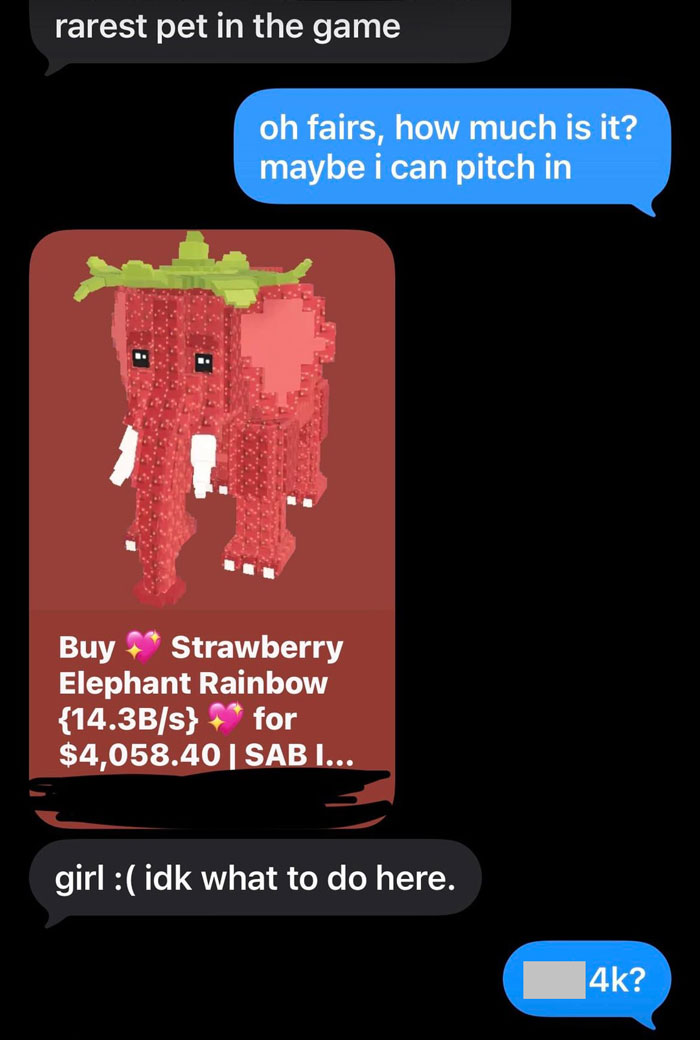

Image credits: Roblox / Stealabrainlrot.fandom.com
The situation escalated, and the friend began to guilt-trip the girl into giving her the money because she was the one who lost the pet
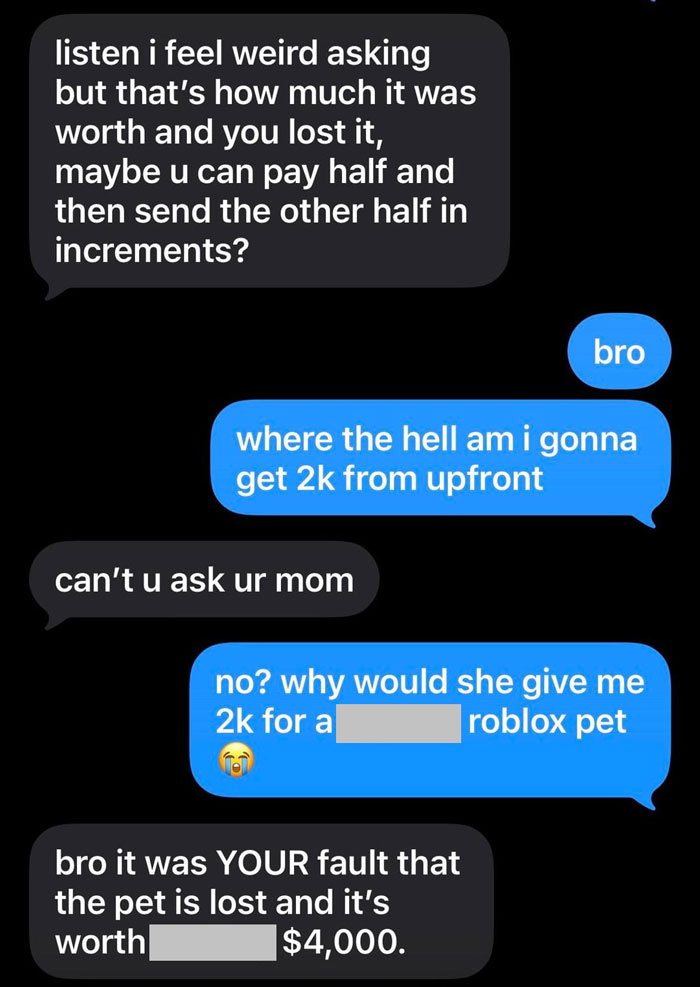
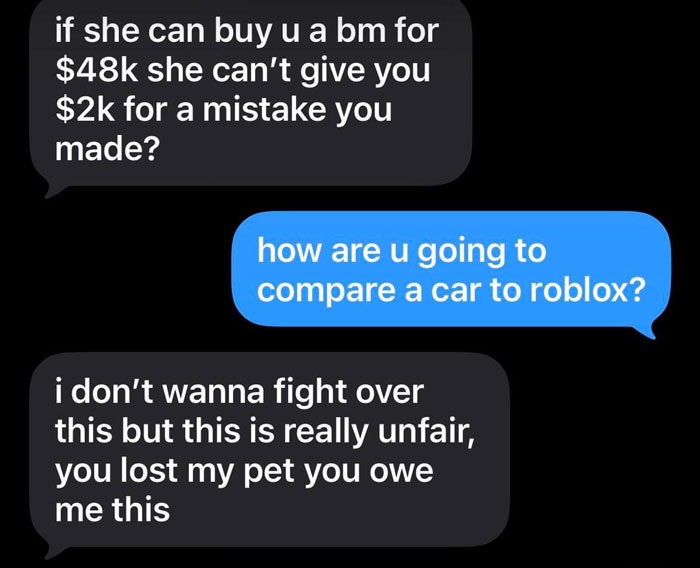
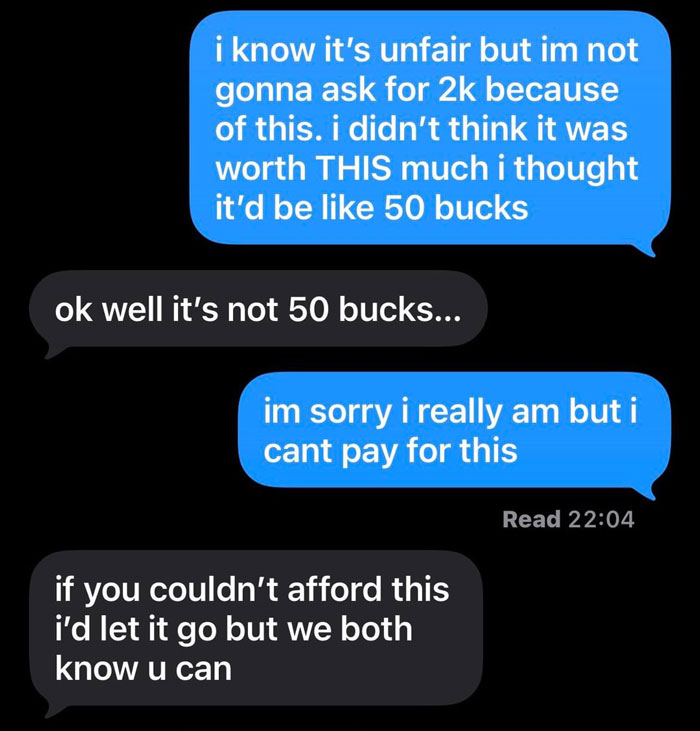
Image credits: Relative_Offer_2074
No matter how many times she said she couldn’t afford it, the friend kept insisting, bringing up her family’s money
We’re so often wrapped up in our own world that we don’t even stop to consider what it might be like to be a 17-year-old girl living on this planet, overstimulated by social media, constantly watched, and even dealing with friends trying to scam them in video games. That last one might sound oddly specific, but that’s exactly where this story is headed.
A 17-year-old girl, our original poster (OP), explains that her friend would often give her pets in a Roblox game where the objective is to steal other players’ pets. By stealing pets, you can make money off them (Roblox money, to be clear). You have to keep the pets in a cage, and usually with an autoclicker, you collect the money they make.
At one point, the friend asked the OP to look after one of her more expensive pets, an elephant, because her computer was allegedly too slow to run an autoclicker to collect the earnings. The OP, not thinking much of it, agreed. By the next morning, however, the pet was gone from its cage, which meant it had been stolen. She quickly and sincerely apologized to her friend, who at first only asked for help finding a similar replacement.
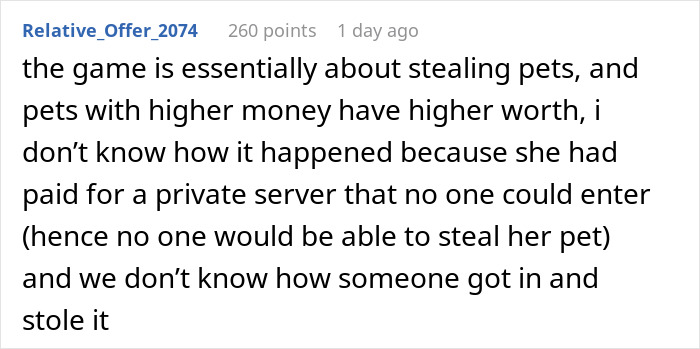
It’s worth keeping that they were supposedly on a private server, where no one else should have been able to steal the pet. The friend later changed her mind and decided she wanted to buy the pixelated pet instead, claiming it was worth $4,000. Obviously, no 17-year-old can afford that. Still, the friend insisted that the OP should be the one to pay, arguing that she could afford it simply because she owned an expensive car.

Image credits: Oberon Copeland @veryinformed.com / Unsplash (not the actual photo)
Now, it may seem a bit crazy that the situation has escalated from talking about a pixelated pet to demanding real money, but microtransactions in video games are more popular than ever, and yes, that includes kids’ games like Roblox. The game has its own virtual currency, Robux, but in order to get more of it, players have to spend real money.
It almost goes without saying that this can be harmful to children and teenagers. Research shows that engagement with loot boxes and microtransactions is directly linked to real-world gambling behavior. In fact, surveys of teens indicate that nearly half have interacted with these kinds of in-game purchases. And, of course, that money has to come from somewhere, usually their parents.
In this specific situation, however, the risks go beyond gambling or dependency. Teenagers are especially susceptible to peer pressure, and psychologists warn that this kind of influence can significantly shape their behavior, often leading to irrational decisions. Even if the demand is completely unreasonable, the OP is at exactly the age where she may feel pressured to give in just to keep the friendship.
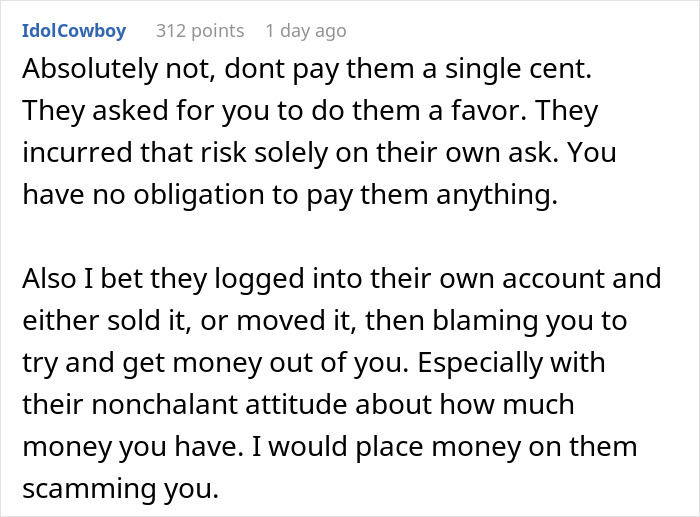
So, how can she put a stop to this? Experts suggest that the best way to deal with peer pressure is to set clear boundaries and avoid giving in to unreasonable demands. Talking to a trusted adult for guidance is also a smart move. Meanwhile, many online commenters pointed out that the friend may have been trying to scam her. So, what would you have done in her place?
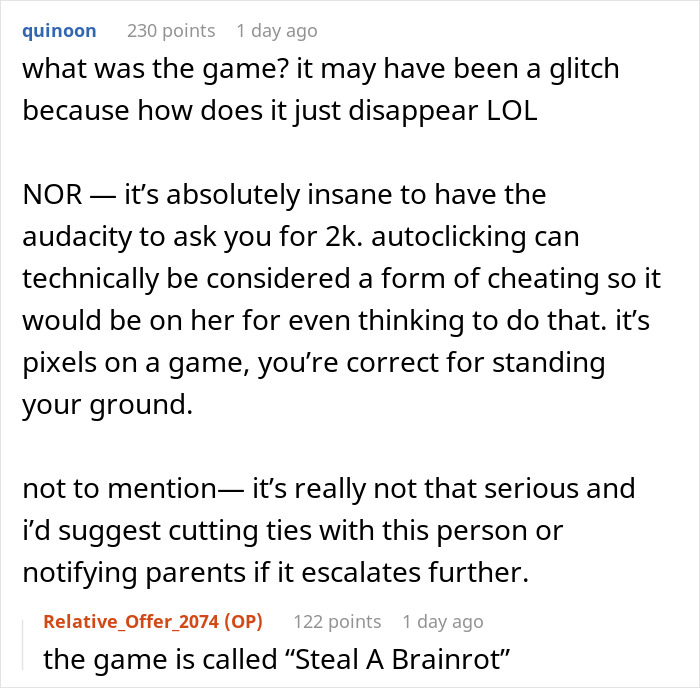
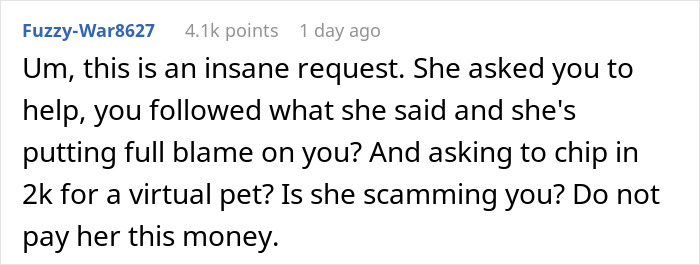
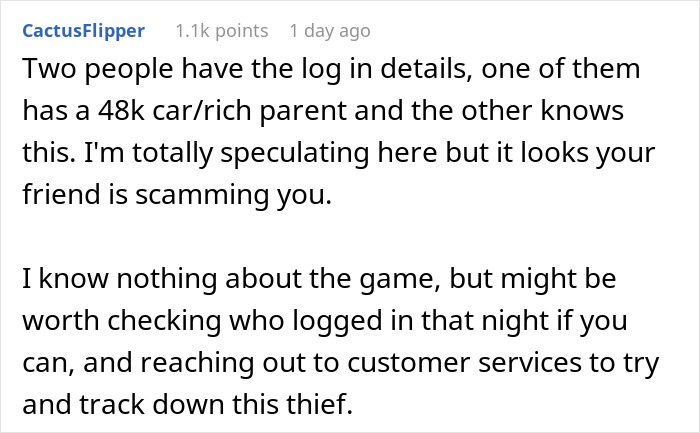
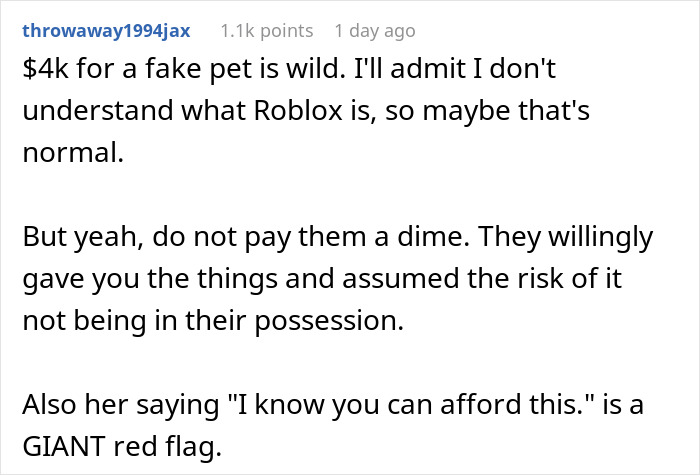
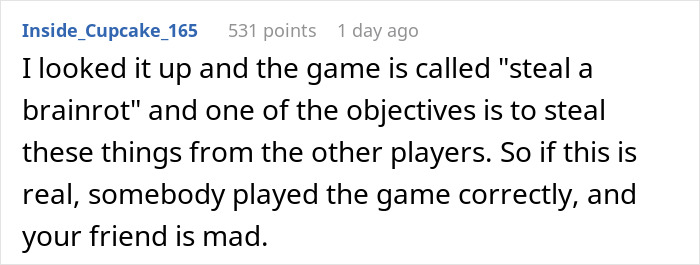
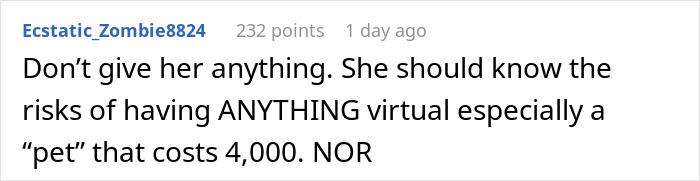
Netizens were obviously baffled that this situation was happening to begin with, and believe she’s being grifted

 Follow Us