A body positivity activist divided opinion after calling out popular food brands over what she described as “fatphobic” and “harmful” advertising.
Samyra, a singer and advocate with 2.3 million followers on TikTok, took to the platform on Wednesday (July 29) to share a product that caught her attention while grocery shopping.
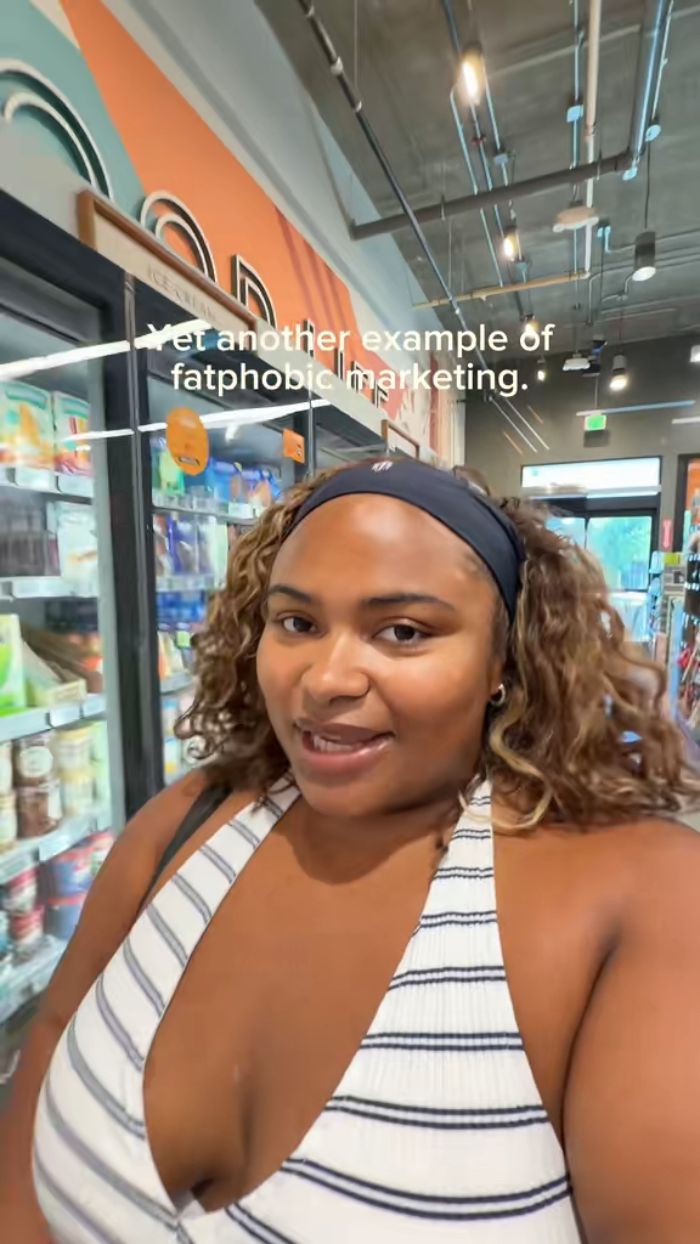
Image credits: Samyra
“Would you look at this? One of the most fatphobic brands to ever exist,” she said, panning her phone camera toward a bottle of Skinnygirl salad dressing.
“It’s okay to have these types of options, but it’s not okay to perpetuate and profit off fatphobia,” she fumed.
Founded by chef and reality star Bethenny Frankel in 2009, Skinnygirl sells low-calorie salad dressings, fruit preserves, candy, deli meat, and popcorn. The logo features a tall, slim woman wearing a ponytail and a red top.

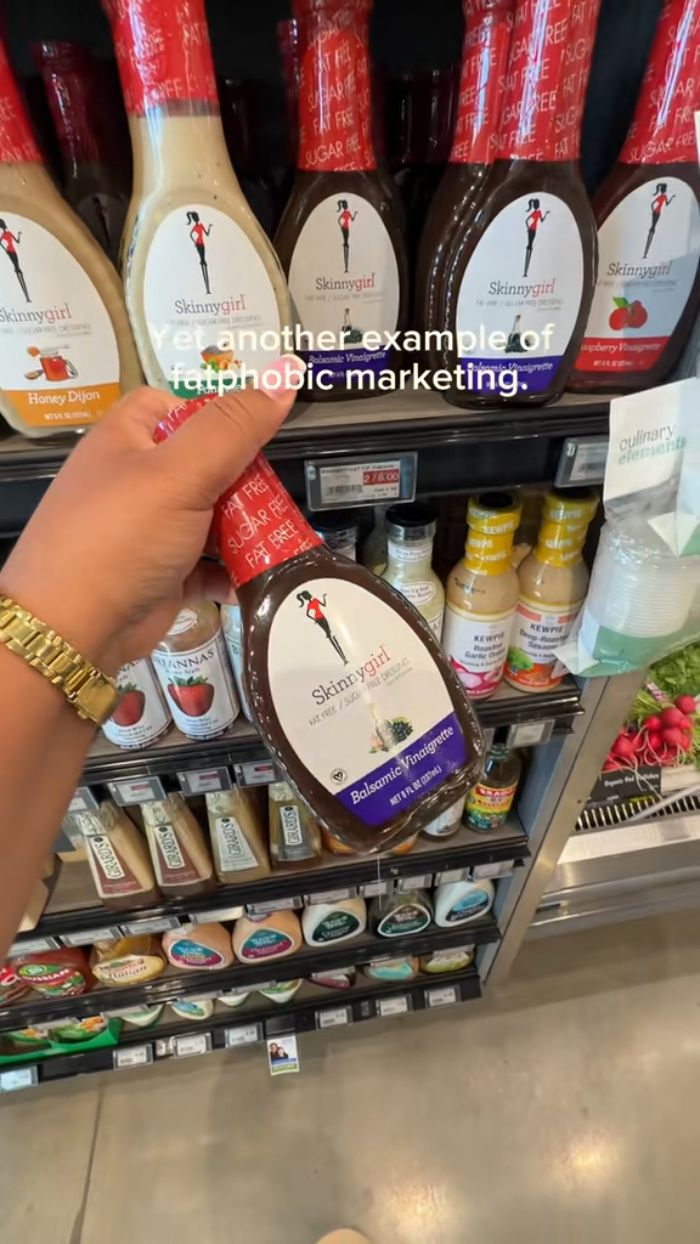
Image credits: Samyra
In a subsequent video, Samyra continued criticizing the food brand by sharing screenshots from its website.
These included phrases such as “Skinny has never tasted so good!” and “With Skinnygirl, you can have a balanced lifestyle with delicious products that help you celebrate the things you love. No guilt, no hassles.”
Samyra argued that this copy not only equates thinness with health but also presents it as the general “key to having a good life,” a message she found troubling.
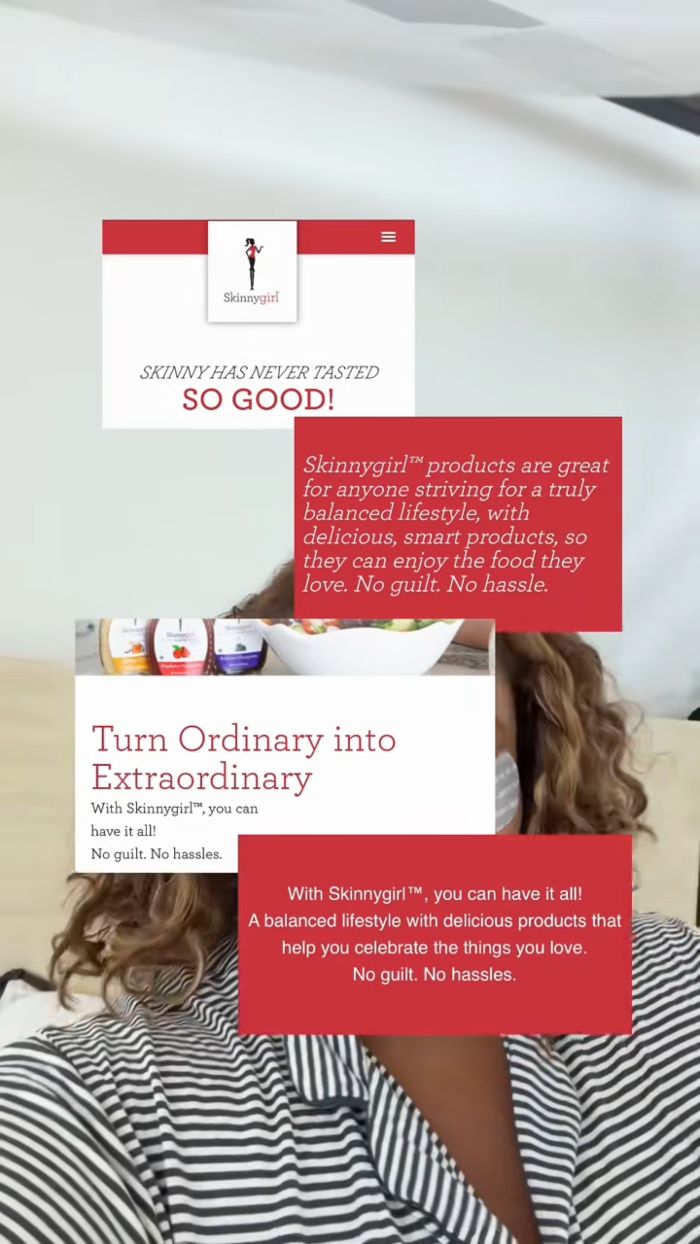
Image credits: Samyra
Samyra urged people to reconsider how they view the products on supermarket shelves and the messages they convey.
“This type of branding and rhetoric is incredibly harmful to everyone, not just fat people,” the content creator stated. “As I said time and time again, fatphobia affects everyone.”
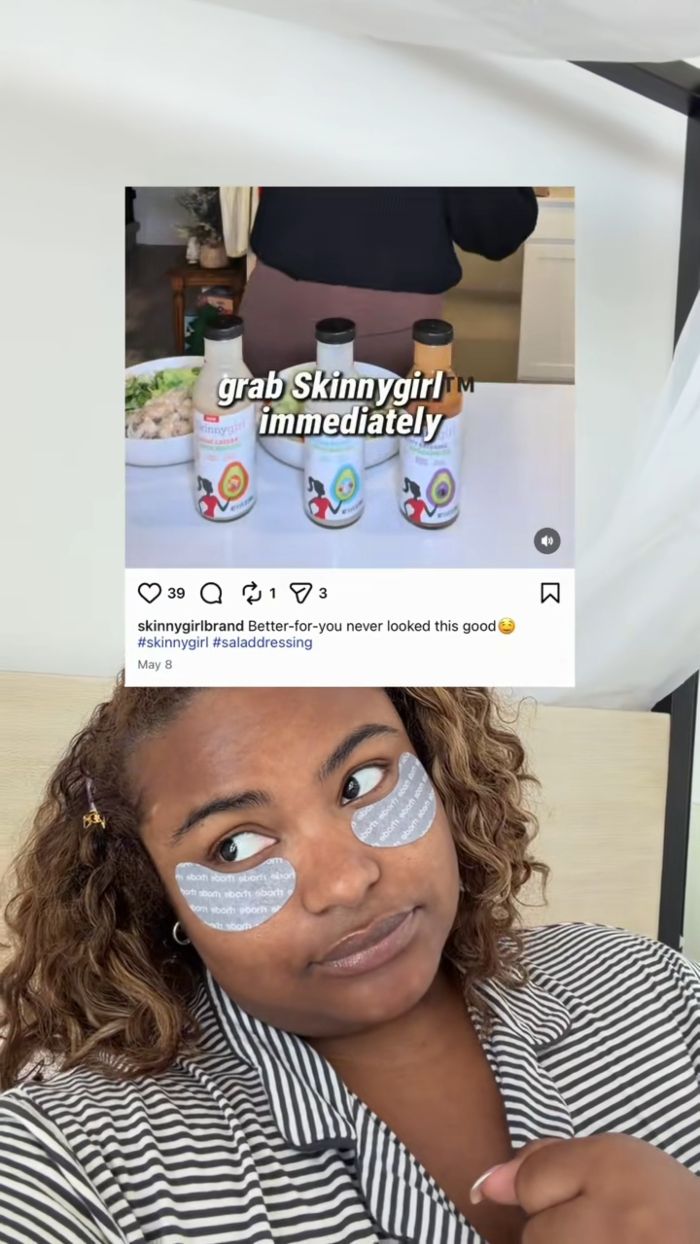
Image credits: Samyra
In the comments, people debated whether the Skinnygirl brand promoted a harmful message to society or simply offered products for people who want to follow a low-calorie diet.
“I feel like you throw around fatphobia too loosely,” one viewer shared.
“So getting healthy is a crime…?” another asked, while a third commented, “This has to be rage bait.”
Many others accused Samyra of being “skinnyphobic,” with one viewer commenting, “The descriptive word skinny is fatphobic now?”
Others supported the content creator’s point, arguing that the issue wasn’t the word itself but the intention behind how it was being used.
“Not everything with skinny in it is fatphobic. Like skinny jeans. The skinny is describing the jeans, not an ideal body type. Skinnygirl does not fit that mold, however, it does fit the mold of fatphobia,” one viewer concluded.
Another chimed in, “It’s not just about being skinny. Being skinny doesn’t automatically make you healthy. I’m underweight and I promise you I haven’t eaten a vegetable in like 3 weeks.”
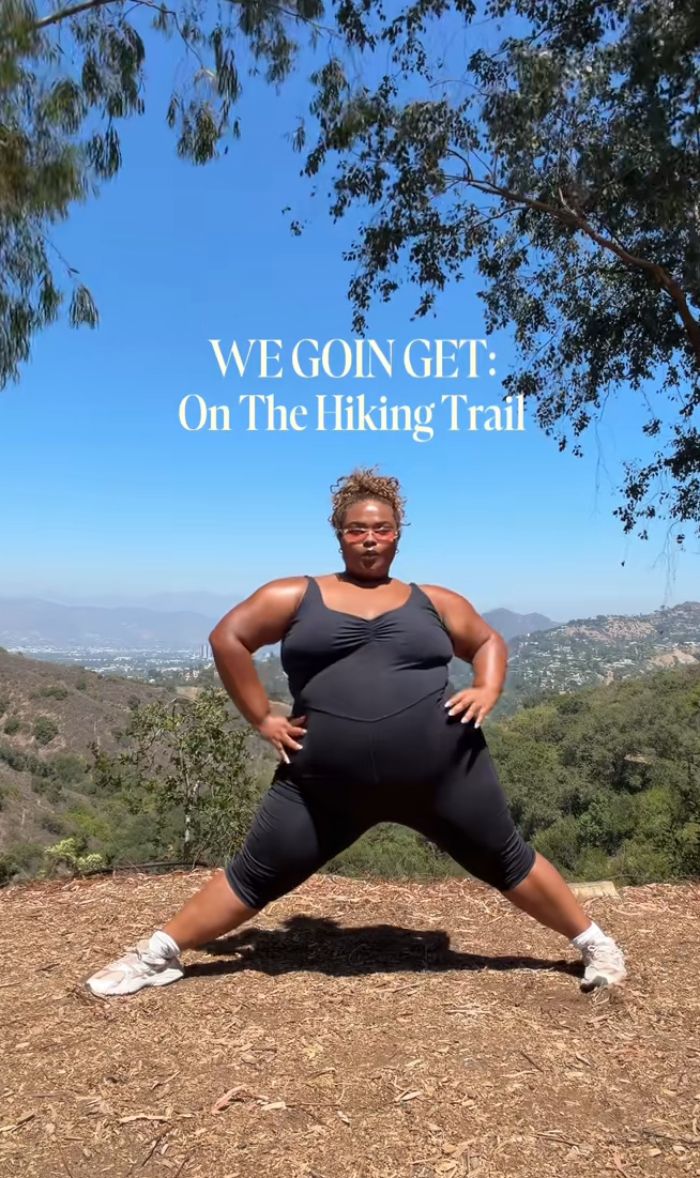
Image credits: Samyra
Samyra sparked a similar debate when she blasted Cheesecake Factory’s Skinnylicious menu, saying it had a “fatphobic” name in a separate video.
She stressed that “thinness does not equate [to] health,” adding that this message is a “lie told to you by diet culture.”
The plus-size influencer told people to improve their “critical thinking skills” after declaring that weight stigma is “one of the biggest health risks in our society.”
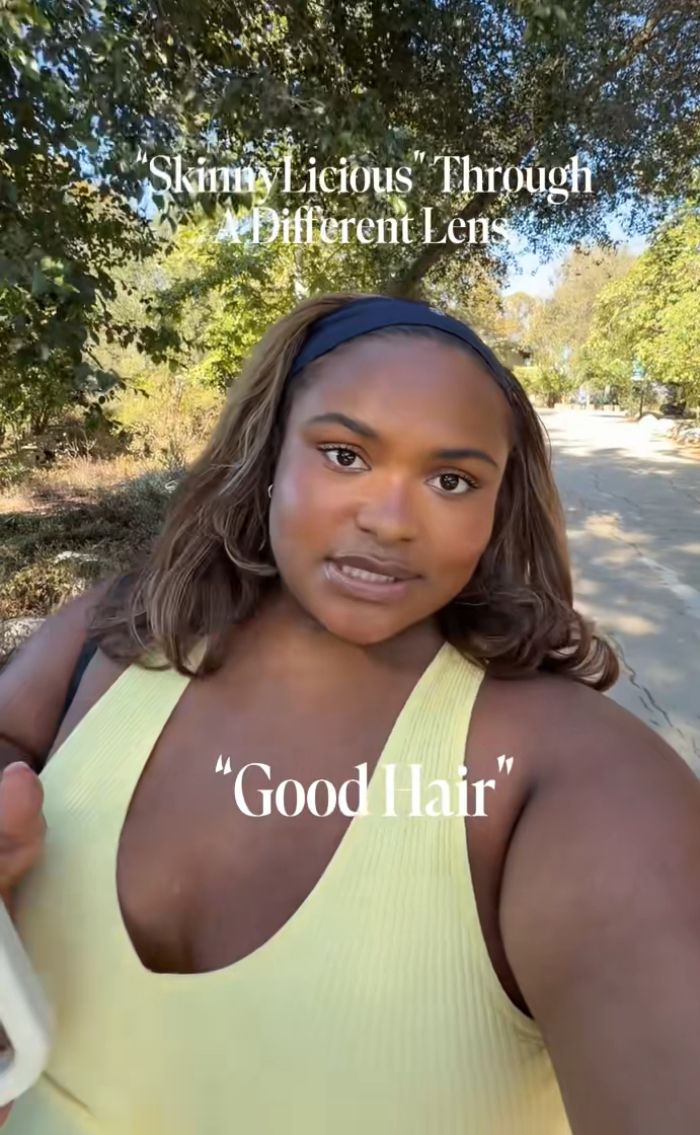
Image credits: Samyra
She captioned the video, “Y’all don’t care about people’s health—you just care about hating fat people.”
To support her argument, she compared the Skinnylicious message to someone who wants to get their hair done and goes to a salon website to book an appointment, only to find images of straight hair in its “good hair” category.
“While they do offer natural hair services, they are not listed in the ‘good hair’ category.
“Many of you would take issue with this, not because they’re offering the option to straighten your hair, but rather because of the assertion that only straight hair is good hair.”
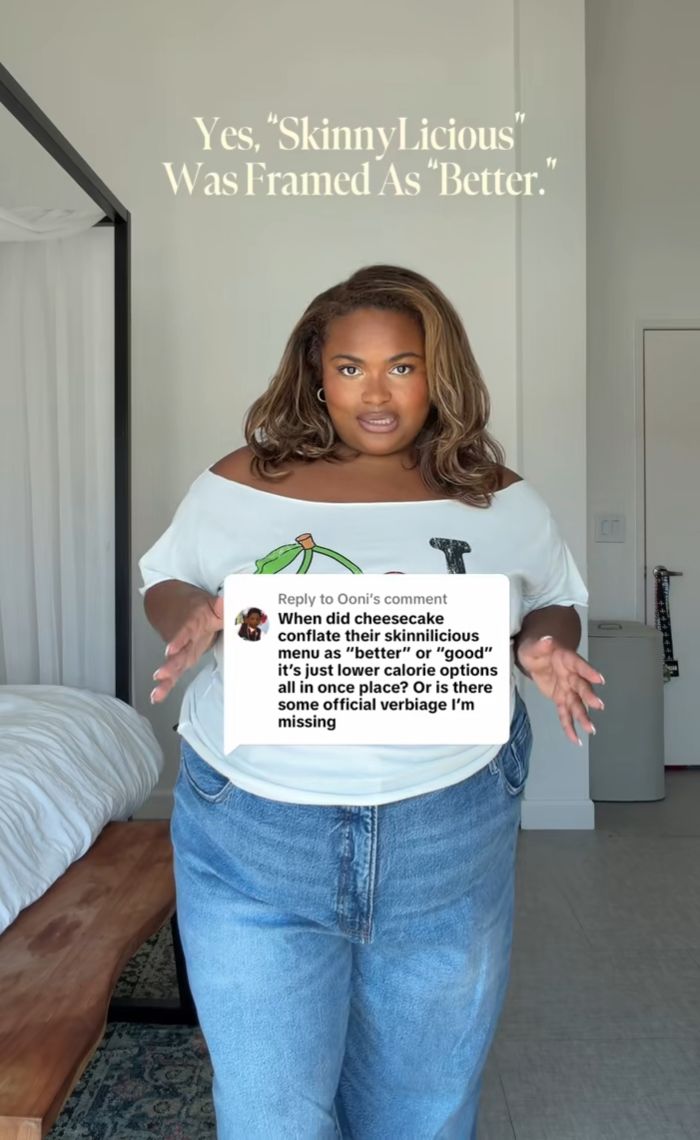
Image credits: Samyra
Addressing her critics, Samyra continued, “We understand that hair discrimination is a very real thing rooted in very real racism. And yet for some reason a lot of y’all seem to struggle to understand Cheesecake Factory and their fatphobia.”
In a different video, Samyra shared a series of screenshots from the restaurant’s X account that contained what she believed were harmful messages equating thinness with a great quality of life.
In a 2012 post, Cheesecake Factory encouraged people to share their “Skinnylicious New Year’s Resolutions” for a chance to win a prize.
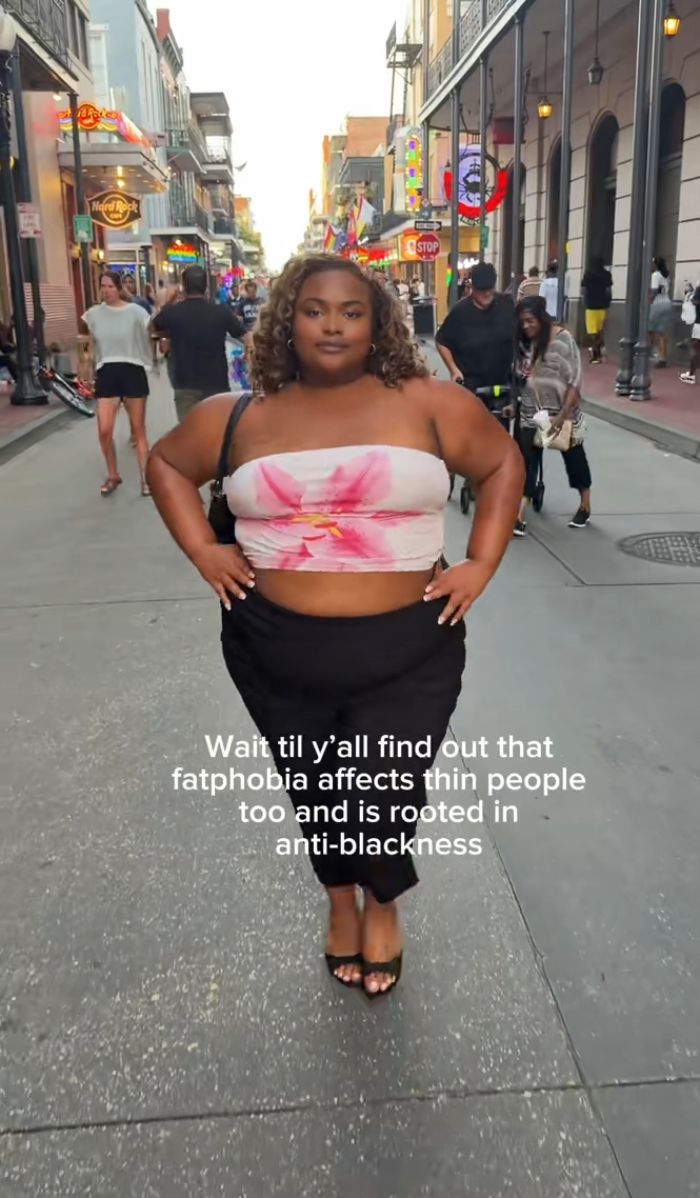
Image credits: Samyra
A separate 2012 post announced that a woman had won a swimsuit “for when she’s swimsuit ready” after sharing her resolutions. Another user received workout DVDs to help her fit exercise into her busy schedule.
“For 2015’s New Year’s celebration, they hosted Skinnylicious Cheesecake chats, where they said they’d be talking about eating healthier in 2015,” Samyra said.
“So yes, the name Skinnylicious has always been about equating ‘skinny’ to ‘better.’ It’s always been about creating guilt and shame about food and our bodies. It was always meant to be fatphobic.”
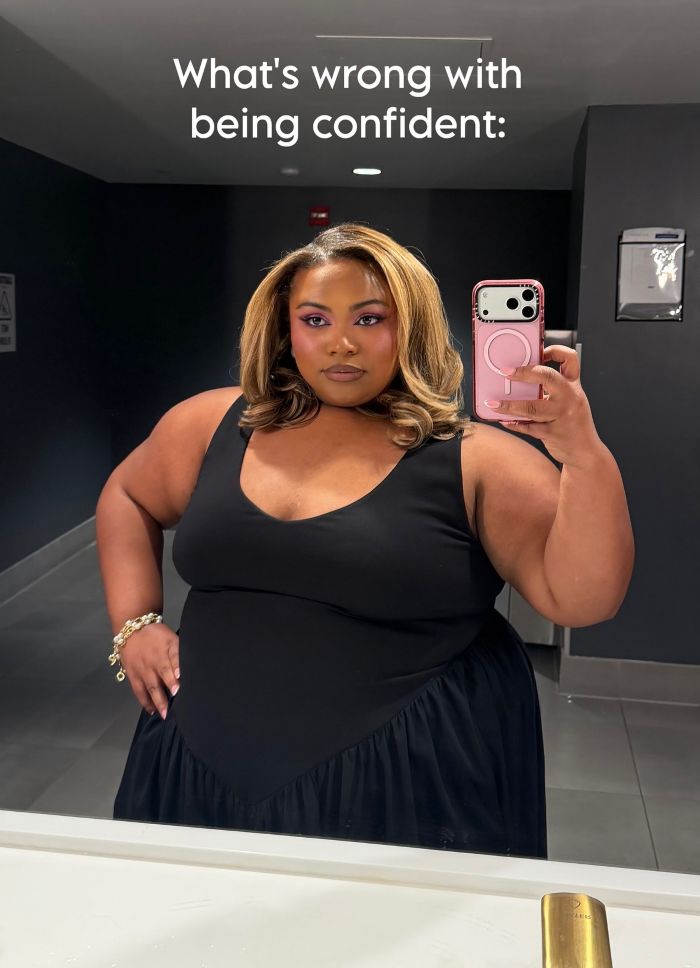
Image credits: Samyra
While the history of the body positivity movement dates back half a century, social media has amplified these conversations in recent years.
Many of these discussions have sparked change, from fashion magazine covers featuring different body types to campaigns urging popular clothing brands to offer more inclusive sizing.
This type of content also appears to have a positive impact on women’s mental health. A 2023 study from the University of New South Wales found that exposure to body positive content reduced how frequently women aged 18–25 compared their appearance to others in their everyday life.
 Follow Us