Not every legendary and historical figure lived a life of romance and passion, at least not in the way you might expect.
Behind the fame, power, and groundbreaking ideas, some of history’s most iconic names are believed to have lived surprisingly celibate lives.
From Queen Elizabeth I, who ruled an entire nation, to romance writers like Jane Austen, who captured love on paper, their stories reveal a different kind of intimacy, one defined more by restraint than indulgence.
Here are 15 prominent figures from history who likely lived and passed away as virgins.
#1 Emily Brontë
Emily Brontë, best known for her singular masterpiece Wuthering Heights, remains one of literature’s most enigmatic and celebrated dark gothic romance authors.
Despite writing one of the most intense and emotionally charged novels of the 19th century, historians and biographers widely agree that Emily herself likely lived a life of chastity.
Often described as shy, reserved, and “deeply private,” the author lived a largely secluded life in the Yorkshire countryside.
Reportedly, she had very little social interaction outside her immediate family.
Apart from a few acquaintances, such as Ellen Nussey, a close friend of her sister Charlotte Brontë, and William Weightman, the assistant curate to her father, Patrick Brontë, Emily had no interaction or close relationships with anyone beyond her inner circle.
Notably, there is no historical evidence that Emily was ever in love or had a suitor.
Biographers often point out that the passionate and turbulent relationships as depicted in Wuthering Heights seem to stem from her powerful imagination rather than personal experience.
In fact, her personal life was rooted more in creativity and solitude rather than real-life romantic pursuits.
Emily’s closest bond was reportedly with her sister Anne Brontë, as the two were inseparable, often described by family members and friends, including Nussey, “like twins – inseparable companions, and in the very closest sympathy, which never had any interruption.”
Living during the Victorian era as the daughter of an Anglican clergyman, Emily was also shaped by strict social expectations.
For an unmarried woman of her status, living a chaste life was not just expected but essential, further reinforcing the likelihood that she remained physically unattached to anyone throughout her life.
While in recent years, film adaptations like the 2022 Emily have imagined a romantic relationship between her and William Weightman, historians have emphasized that no factual evidence of the same has ever been discovered, deeming such fictional narratives as purely speculative.
The famed writer passed away unmarried at the age of 30 in December 1848, after falling ill with tuberculosis.
She reportedly refused medical treatment until her final hours, dismissing doctors as ineffective.
For many scholars, the woman who so vividly captured the complexities of love may have understood it more through imagination than from personal experience.
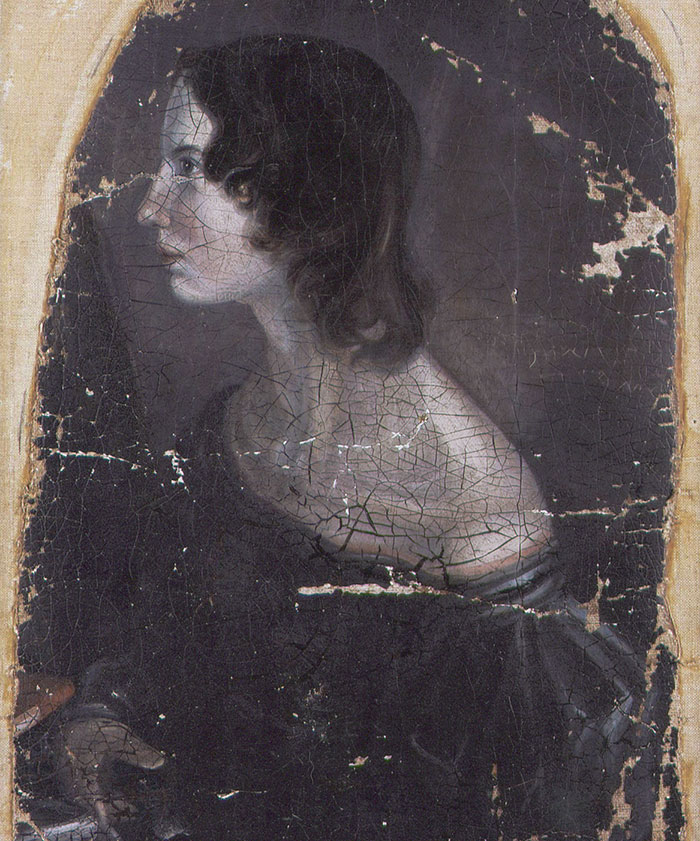
Image source: National Portrait Gallery
#2 Queen Elizabeth I
Queen Elizabeth I, one of the most powerful monarchs of the Tudor era, built an extraordinary political identity around a single idea: that she would never marry.
Known throughout history as the “Virgin Queen,” Elizabeth deliberately cultivated an image of lifelong chastity that strengthened her authority and unified her kingdom.
After her mother Anne Boleyn’s ex**ution, she was declared illegitimate, and even when she inherited the crown following the demise of her half-siblings Edward VI and Mary I of England, many still questioned her legitimacy.
To secure her rule, Elizabeth famously told Parliament in 1559, “I have already joined myself in marriage to a husband, namely the kingdom of England.”
By presenting herself as symbolically “married” to the nation, she avoided the dangers that came with taking a husband who might attempt to control the English throne.
Over time, Elizabeth’s strategy of remaining unmarried evolved into a powerful cultural image.
She was often portrayed in art and literature as an almost mythical figure, a virtuous ruler sometimes compared to the Virgin Mary or the Roman goddess Diana.
This gave rise to what became known as the Cult of Gloriana, reinforcing her role as a unifying figure for Protestant England.
Despite her carefully maintained image of chastity, Elizabeth was popularly known for being a “charismatic flirt,” and her closest relationship was with Robert Dudley, the Earl of Leicester and a longtime favorite at court.
Historians have noted that Dudley’s chambers were located close to the queen’s private apartments, and rumors about him visiting her late at night were rife at court.
Yet historians have never uncovered definitive evidence that their relationship ever became physical.
Elizabeth herself reportedly insisted near the end of her life that although she loved Dudley deeply, “nothing unseemly had ever passed between them.”
Rumors about Elizabeth’s s*xuality circulated widely during her lifetime, often spread by political enemies hoping to damage her reputation.
But at the tightly observed Tudor court, a pregnancy would have been impossible to conceal, and the political consequences would have been enormous.
By maintaining the image of the “Virgin Queen,” Elizabeth kept full control of her throne and avoided the complicated alliances that marriage would have created.
After ruling England for forty-four years, Elizabeth passed away on March 24, 1603, at the age of 69 at Richmond Palace.
While historians cannot prove the matter with absolute certainty, most reputable scholars agree that the woman who famously styled herself as the Virgin Queen may very well have lived and passed away without ever entering a physical relationship.
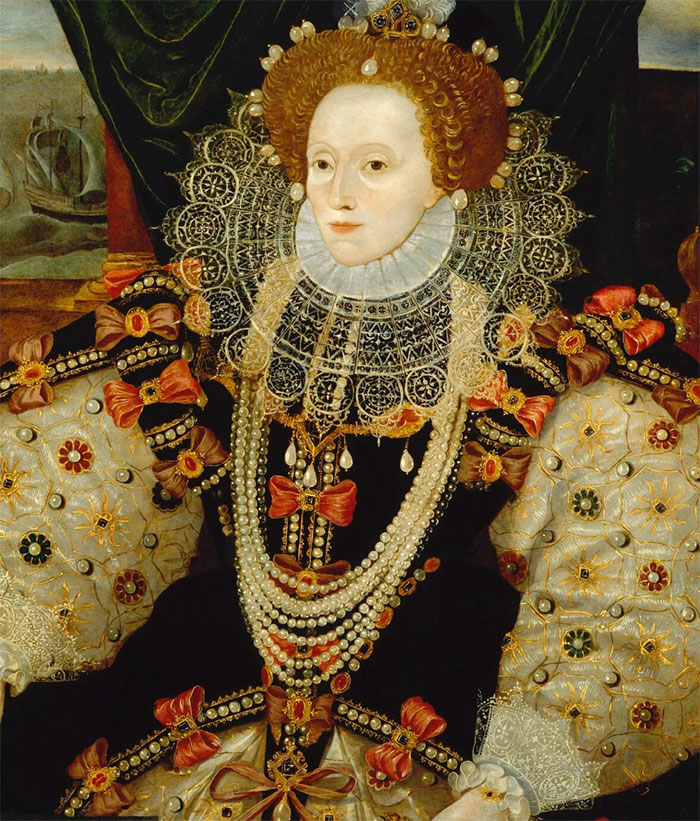
Image source: National Portrait Gallery
#3 Nikola Tesla
Nikola Tesla was one of the most brilliant and unconventional scientific minds of the late nineteenth and early twentieth centuries.
Known primarily for his pioneering work in developing alternating current electrical systems, Tesla lived a life marked by intellectual obsession, unusual personal habits, and deliberate social withdrawal.
Many biographers believe that Tesla maintained lifelong celibacy, a lifestyle choice he associated with preserving mental clarity for scientific discovery.
Tesla frequently expressed the belief that intense creative or scientific work required complete dedication and that physical intimacy could potentially distract from invention.
Throughout his life, Tesla also displayed behaviours that modern scholars sometimes associate with obsessive-compulsive tendencies.
Social interaction was often uncomfortable for Nikola, who avoided handshakes due to concerns about germs and contamination.
He also had specific aesthetic and sensory dislikes, including a well-documented aversion to pearls. According to anecdotal accounts, he once refused to speak with a woman because she was wearing pearl jewelry, illustrating the extent of his sensory sensitivities.
One of the most emotionally significant relationships in Tesla’s later life was with a white female pigeon that frequently visited him while he was staying at the Hotel New Yorker.
Tesla spoke about the bird with remarkable affection, telling biographer John J. O’Neill, as recorded in the 1944 book Prodigal Genius: The Life of Nikola Tesla, that the pigeon was unique among thousands he had fed over the years.
He stated, “I loved that pigeon as a man loves a woman, and she loved me”.
Tesla never married and left behind no confirmed record of romantic or intimate relationships.
Many modern historians even categorize him as possibly asexual, noting the absence of documented intimate partnerships in his life.
He passed away unmarried and without known romantic involvement at the age of 86 in January 1943, having spent much of his later life devoted almost entirely to scientific experimentation.
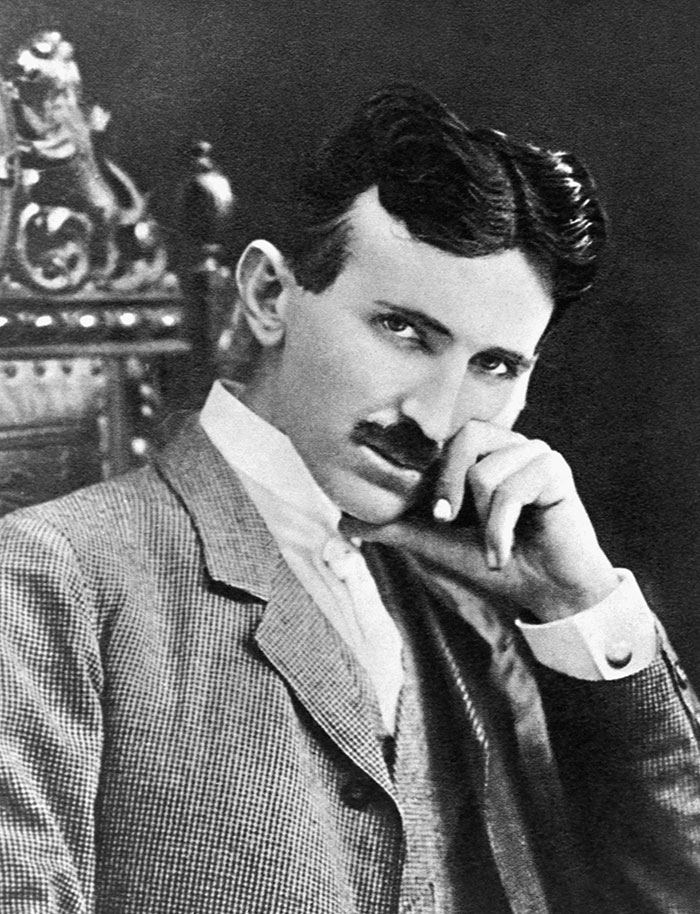
Image source: Wikimedia Commons
#4 Isaac Newton
One of history’s most consequential scientific minds, Isaac Newton lived a life defined by intellectual intensity, emotional reserve, and complete devotion to his work.
While his accomplishments were vast, most notably his theory of gravity and three laws of motion, his private life was starkly austere despite his monumental public achievements.
He never married, never had children, and was never romantically linked to anyone.
There are no credible records of lovers, nor even rumors of serious attachments, despite his prominence as a public figure in 17th-century England.
Newton left behind thousands of pages of correspondence, notebooks, and manuscripts filled with mathematics, theology, and alchemy, but any mention of romantic desire or s*xual experience is absent from this vast archive.
According to accounts recorded by contemporaries, he reportedly told his physician, Richard Mead, that he had “never known a woman.”
The French philosopher Voltaire, who attended Newton’s funeral, later remarked that the scientist “was never sensible to any passion… nor had he any commerce with women.”
Moreover, as a fellow of Trinity College, Cambridge, Newton was bound by statutes requiring celibacy and prohibiting marriage.
When he returned to Cambridge in 1667 at the age of 24 as a fellow, he formally adopted a life of chastity, a vow he appears to have kept for the rest of his life.
In his own writings, he reflected on restraint, noting, “The way to chastity is not to struggle directly with incontinent thoughts but to avert the thoughts by some employment, or by reading, or meditating on other things…”
Whether his abstinence stemmed primarily from religious conviction or a lack of inclination remains debated, though many biographers describe him as socially withdrawn, emotionally guarded, and uncomfortable with intimacy.
Even friendships could end over perceived improprieties; he reportedly ended his association with a colleague, Giovanni Vigani, after being told a “loose story” about a nun.
In light of this, it is widely believed by historians that Newton passed away a virgin at the age of 84.
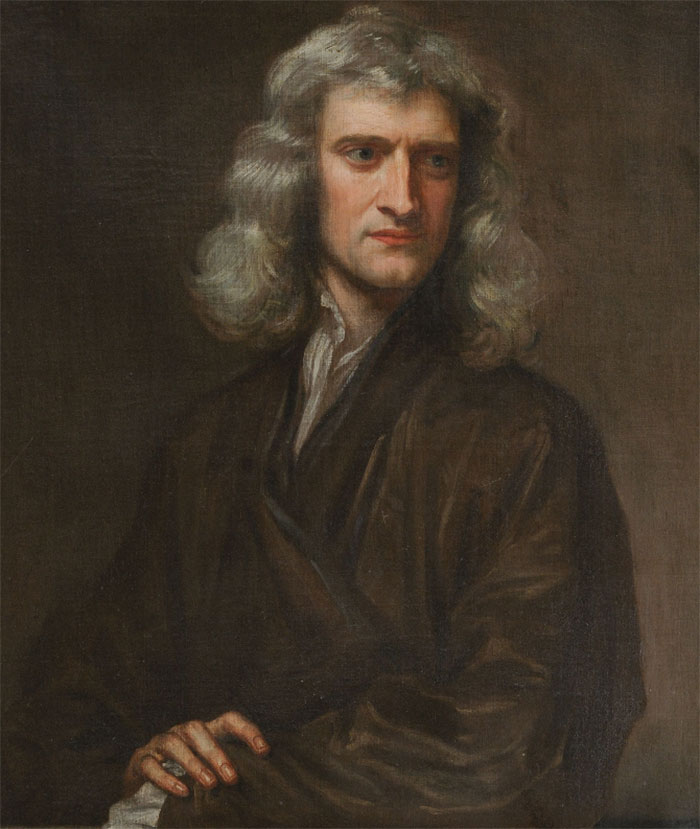
Image source: Isaac Newton Institute
#5 Emily Dickinson
The intensely private life of American poet Emily Dickinson has long fueled speculation about whether she ever experienced a physical romantic relationship.
Because she never married and spent most of her adult life living quietly at her family home in Amherst, Massachusetts, Dickinson was historically portrayed as a classic 19th-century “spinster.”
Reportedly, by her mid-30s, she had largely withdrawn from public life, eventually becoming so reclusive that she rarely left her bedroom and sometimes even spoke to visitors through a closed door.
Dickinson’s solitary lifestyle, combined with the strict Victorian norms of 19th-century New England, has led many historians to believe she likely lived a life of chastity.
There is no documented evidence that the poet ever had a publicly acknowledged romantic partner, and no record of any physical relationship during her lifetime.
However, Dickinson’s deeply emotional writings complicate that image. She wrote hundreds of letters filled with longing, devotion, and sometimes strikingly intimate language.
Many were addressed to her sister-in-law, Susan Huntington Gilbert Dickinson, whom some modern scholars, including literary historian Martha Nell Smith, believe may have been the great love of her life.
Dickinson reportedly sent Susan more than 300 letters, some containing lines such as, “Susie, will you indeed come home… and kiss me?”
The poet also left behind the mysterious “Master Letters,” three passionate drafts addressed to an unidentified figure, as well as a later romantic correspondence with family friend Judge Otis Phillips Lord, which, according to The Emily Dickinson Museum, suggests she may have considered marrying him before his demise in 1884.
Despite these emotionally charged relationships, historians have found no credible evidence that any of them became physical.
As a result, many scholars still believe Dickinson likely spent her life without ever consummating a romantic relationship.
The celebrated poet passed away on May 15, 1886, at age 55, in her family home, known as The Homestead in Amherst, leaving behind one of the most emotionally intense bodies of poetry in American literature.
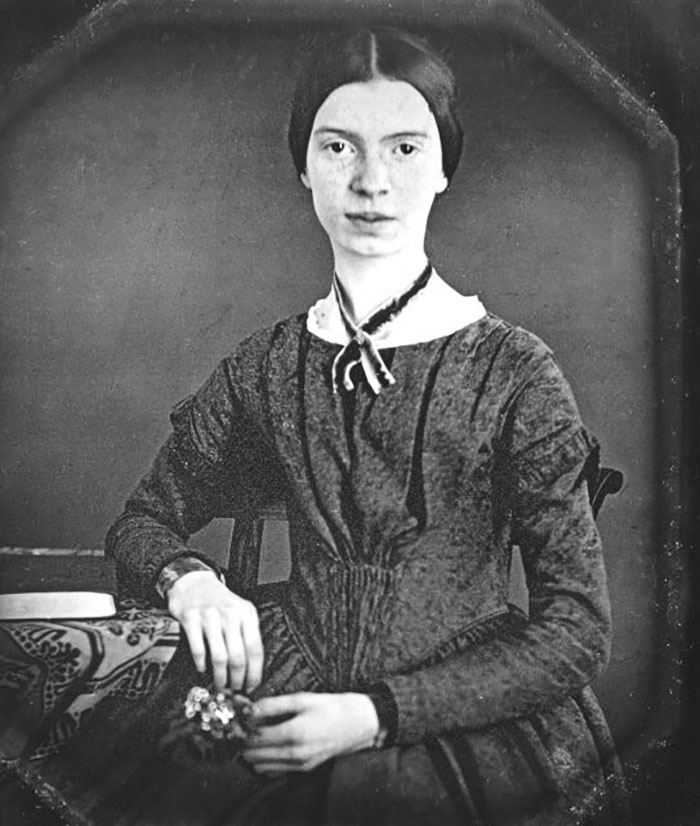
Image source: Yale University Manuscripts & Archives Digital Images Database
#6 Hans Christian Andersen
Hans Christian Andersen, the celebrated Danish storyteller behind classics such as The Little Mermaid, The Ugly Duckling, The Emperor’s New Clothes, and Thumbelina, lived one of the most emotionally complex personal lives among literary figures.
Based on his extensive diaries and later biographical research, many historians believe Andersen likely passed away without ever entering a physical relationship.
Although he never married, Andersen’s private journals reveal that he struggled intensely with romantic and s*xual desires.
In an 1834 diary entry, he candidly expressed the inner conflict he experienced, writing, “If it really is a sin to satisfy this powerful urge, then let me fight it. I am still innocent, but my blood is burning.”
“In my dreams I am boiling inside… Happy is the man who is married, engaged to be married! Oh, if only I were bound by strong bonds!—But I will, I will fight this weakness!”
Such entries appear repeatedly throughout his diaries, illustrating a lifelong tension between strong desire and an equally strong commitment to religious restraint, since his strict religious beliefs held that intimacy outside marriage was “sinful.”
Some scholars have also suggested that Andersen may have been bisexual, noting that he developed intense emotional attachments to both men and women, though these affections were rarely reciprocated.
One of his earliest and most enduring infatuations was with Riborg Voigt, a woman he loved deeply in his youth but never married.
Reportedly, when Andersen passed away decades later, a small leather pouch containing a letter from Voigt was discovered around his neck, suggesting he had carried it for much of his life.
Another painful episode involved Swedish opera star Jenny Lind, often called the “Swedish Nightingale,” who inspired Andersen’s story The Nightingale.
Andersen fell deeply in love with her, but Lind reportedly regarded him only as a brother, leaving him heartbroken.
Perhaps the most emotionally intense attachment of Andersen’s life was his bond with Edvard Collin, the son of a Danish statesman who helped support Andersen early in his career.
Andersen wrote passionately to Collin, once confessing, “The femininity of my nature and our friendship must remain a mystery.”
Collin later acknowledged the emotional difficulty of their relationship, writing in his memoir that he could not return Andersen’s feelings and that this caused the author great suffering.
Some literary historians believe the pain of this unfulfilled love influenced the tragic tone of The Little Mermaid.
Despite these deep emotional attachments, Andersen remained extremely anxious about physical intimacy.
His diaries describe moments when friends suggested visiting women together, only for Andersen to panic and run away.
Even late in life, when he finally gathered the courage to enter a brothel at age 61, he recorded that he could not bring himself to do anything and only talked with the women there.
Throughout his life, Andersen often described his longing for companionship in spiritual terms.
In another emotional diary entry, he wrote: “Almighty God, thee only have I; thou steerest my fate… Give me a livelihood! Give me a bride! My blood wants love, as my heart does!”
Despite these powerful desires, Andersen appears to have remained without entering a physical relationship throughout his lifetime.
He eventually passed away in Copenhagen on August 4, 1875, at the age of 70 after battling liver cancer.
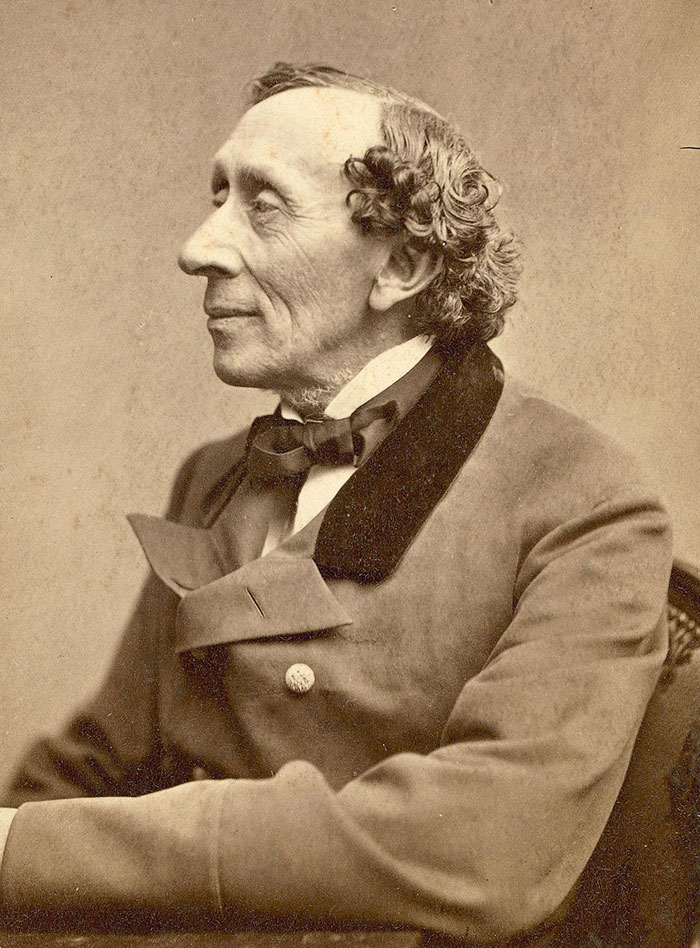
Image source: Thora Hallager
#7 Jane Austen
Jane Austen, the beloved author behind classics such as Pride and Prejudice, Sense and Sensibility, and Emma, is widely believed by historians to have remained chaste throughout her life.
Born into a respectable Anglican family, Austen was the daughter of a Church of England clergyman and grew up within the strict social conventions of the Regency era.
In the genteel social class to which she belonged, premarital intimacy could lead to severe scandal and social ruin, particularly for an unmarried woman financially dependent on her family.
As a result, historians widely believe that Jane adhered closely to the period’s expectations surrounding marriage and chastity.
Historian Lucy Worsley has stated that, after studying Austen’s surviving letters and historical context, the novelist “almost certainly” never had s*x.
Literary scholar John Mullan has similarly noted that there is “no doubt” Austen remained a virgin.
Biographers often suggest that Austen’s devotion to writing may have played a role in her lifelong singleness.
In an era when marriage typically meant a demanding domestic life, becoming a wife and mother could have left little time for a literary career.
Instead, Austen appears to have prioritized what she once called her “darling child,” her writing, pursuing a life centered on storytelling rather than matrimony.
Despite remaining unmarried, Austen was not unfamiliar with romantic feelings.
When she was about twenty, she developed a brief but intense flirtation with an Irish law student named Tom Lefroy.
In playful letters to her beloved sister Cassandra Austen, Austen described how they “danced and sat together” in what she jokingly called a “profligate and shocking” manner.
Their attachment, however, ended quickly because both families considered the match financially impractical.
Another notable moment came in 1802, when Austen accepted a marriage proposal from a wealthy family friend, Harris Bigg-Wither.
Yet by the following morning, she changed her mind and withdrew her consent, reportedly because she did not truly love him.
Moreover, while Austen’s stories revolve around romance, they rarely depict physical intimacy. Instead, they focus on the tension, anticipation, and emotional stakes surrounding courtship in early nineteenth-century England.
As Worsley once remarked, this restraint may partly explain the enduring appeal of Jane’s writing, noting that the novelist’s work captures the “pangs of disappointed love” with remarkable sensitivity.
Worsley has also suggested that Austen’s decision to remain single was an act of quiet independence.
By declining marriage, including the financially secure proposal from Bigg-Wither, she preserved the freedom to pursue her literary ambitions and ultimately “live by her pen.”
Austen eventually passed away in July 1817 in Winchester, England, at the age of 41, after a prolonged illness whose exact cause remains debated.
She passed away in the arms of her devoted sister Cassandra, leaving behind a legacy of novels that remain among the most beloved works in English literature.
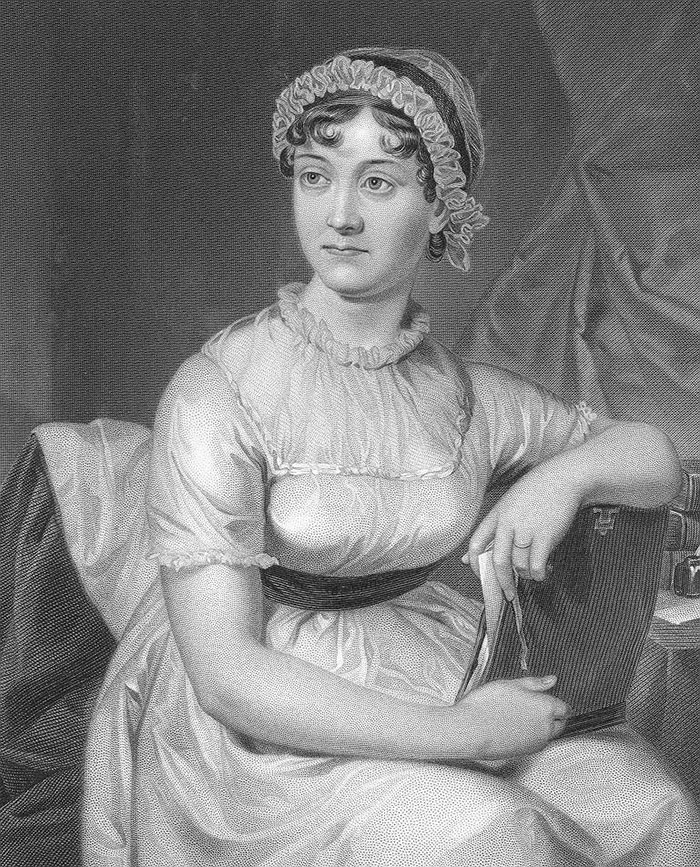
Image source: University of Texas Library
#8 Florence Nightingale
Florence Nightingale is widely regarded as the founder of modern nursing, yet historians have long noted that her personal life appeared just as unconventional as her professional legacy.
Born into a wealthy Victorian family, Nightingale believed from a young age that she had received a divine calling from God to dedicate her life to caring for the sick and poor.
While her parents hoped she would marry and lead a traditional upper-class life, she rejected that path, insisting that marriage would interfere with her purpose.
Reportedly, Nightingale received several marriage proposals throughout her life, most notably from poet and politician Richard Monckton Milnes, who pursued her for nearly nine years.
Although she allegedly admitted he stimulated her intellectually and emotionally, she ultimately declined his proposal, fearing that domestic life would “stifle” her active nature and prevent her from fulfilling her mission.
Moreover, she also wrote in her personal correspondence about what she described as a “marriage of a kind” offered by Oxford scholar Professor Benjamin Jowett, the influential Master of Balliol College, which she also declined.
However, their deep friendship, built on intellectual exchange and mutual respect, lasted for more than 30 years despite the rejected proposal.
Instead of focusing on marriage and settling down, as was the norm during her time, Nightingale devoted herself entirely to her work.
She later gained worldwide recognition for her efforts during the Crimean War and for helping reform hospital sanitation while establishing professional nursing standards.
Some biographers suggest she sublimated any personal desires into her administrative and humanitarian work, maintaining a discipline similar to that of a religious vocation.
While she maintained close intellectual friendships with men, many modern scholars also frequently discuss her “passionate friendships” with women, as Nightingale once wrote, “No woman has excited ‘passions’ among women more than I have.”
However, many historians interpret this statement as referring to her intense charisma and the loyalty she inspired in the women around her rather than physical intimacy.
Since no credible evidence was ever found that any of Florence’s relationships became physical, many scholars believe Nightingale likely spent her life remaining chaste while dedicating herself fully to her groundbreaking work in medicine and social reform.
She passed away in her sleep at the age of 90 on August 13, 1910, in London.
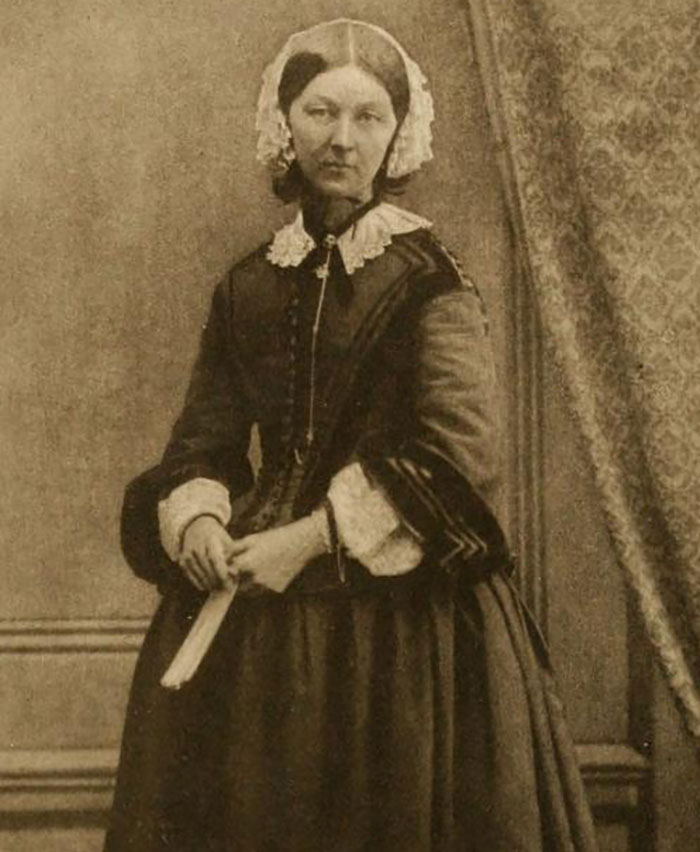
Image source: Elmer Belt Florence Nightingale collection
#9 Fernando Pessoa
One of Portugal’s most celebrated literary figures, Fernando Pessoa lived a life marked by profound solitude and emotional reserve.
Most biographers agree that he almost certainly passed away a virgin, a conclusion drawn from his extreme social isolation, lack of documented intimacy, and lifelong retreat into literature over lived experience.
Pessoa is famous for writing not merely under pseudonyms, but through fully developed “heteronyms,” invented literary personas complete with their own biographies, philosophies, and writing styles.
From the pastoral simplicity of Alberto Caeiro to the classical restraint of Ricardo Reis and the modernism of Álvaro de Campos, described as a “bisexual, unemployed naval engineer,” Pessoa populated his inner world with personalities far more vivid than his external one.
In real life, however, he remained largely solitary. He sm*ked heavily, dressed formally at all times, obsessed over astrology, even drafting horoscopes for his heteronyms, and revealed little of himself directly in his writing.
Though he moved in intellectual circles and associated with notable figures, there is no evidence that he ever maintained a sustained intimate relationship.
His only documented romance was with Ofélia Queiroz, a typist. Their relationship unfolded in two brief phases and was conducted mostly through letters.
However, Ofélia later revealed details of their first kiss, which occurred in the early 1920s in the office where they both worked, in interviews with family members and in personal accounts, including the 1978-1979 publication of Cartas de Amor (Love Letters).
She recalled, “Fernando kissed me passionately, like crazy,” and said that afterward she returned home “devoted and confused.”
Despite the details of their kiss, there is no record of their relationship ever being consummated.
Leading biographer and longtime translator Richard Zenith has described Pessoa’s creative process as a form of “self-fertilization,” suggesting that he redirected emotional and se*ual energy into the creation of his heteronyms.
In Pessoa: A Biography, Zenith characterizes him as “androgynously monosexual,” while other scholars have speculated that Pessoa may have been a repressed homose*ual navigating the strict moral climate of early 20th-century Portugal.
His poetry includes reflections on forbidden longing, admiration for figures like Oscar Wilde, and works such as Antinous, a lyrical meditation on Emperor Hadrian mourning his male lover.
In one poem, he famously wrote, “I was never one who in love or friendship / Preferred one s*x over the other…”
Yet these expressions, like much of Pessoa’s writing, are filtered through persona and performance, making it difficult to disentangle his true feelings from literary construction.
Pessoa passed away unmarried in Lisbon in 1935 at the age of 47 from complications related to cirrhosis and heavy drinking, leaving behind no evidence of consummated relationships.
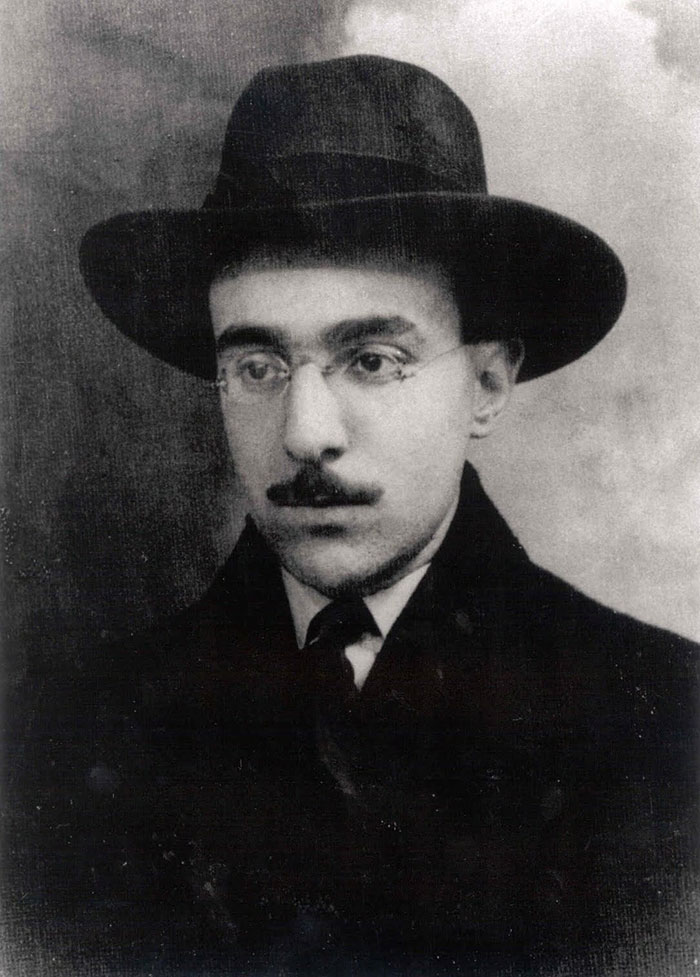
Image source: Nelson BrazUkA
#10 Immanuel Kant
Immanuel Kant, widely regarded as one of the most influential thinkers in modern philosophy, shaped intellectual discourse in fields ranging from ethics and metaphysics to political theory.
Yet beyond his groundbreaking ideas, Kant is also widely believed by historians and biographers to have lived a life of complete celibacy, likely passing away without ever entering a physical relationship.
Kant’s personal life was deeply intertwined with his philosophical beliefs, especially when it came to intimacy.
He argued that s*xual desire reduced individuals to objects and undermined human dignity.
In his lecture notes, later published in Lectures on Ethics, which was translated into English by Louis Infield, Kant described such desire as a “degradation of human nature,” maintaining that it could only be morally justified within the confines of marriage.
He wrote, “S*xual love makes of the loved person an object of appetite; as soon as that appetite has been stifled, the person is cast aside as one casts away a lemon which has been sucked dry.”
He further noted, “S*xual desire is… why we are ashamed of it, and why all strict moralists and those who had pretensions to be regarded as saints sought to suppress and extirpate it.”
Notably, Kant himself never married, making it highly unlikely, according to most scholars, that he would have acted against his own strict moral code.
Moreover, he left behind no record of romantic relationships, emotional attachments, or personal longing.
His surviving letters and biographies are filled with dense philosophical reflections, yet remain entirely silent on matters of love or desire. When he did address such topics, it was often to caution against them.
Interestingly, Kant is believed to have considered marriage on at least two occasions, once with a widow and later with a younger woman.
However, he reportedly delayed making a decision for so long that both opportunities slipped away.
For many biographers, Kant’s celibacy was not accidental but intentional, a reflection of his commitment to discipline and intellectual purity.
The philosopher passed away at the age of 79 on February 12, 1804, and while absolute certainty is impossible, the overwhelming historical consensus suggests that he may have ultimately chosen to live entirely without physical intimacy.
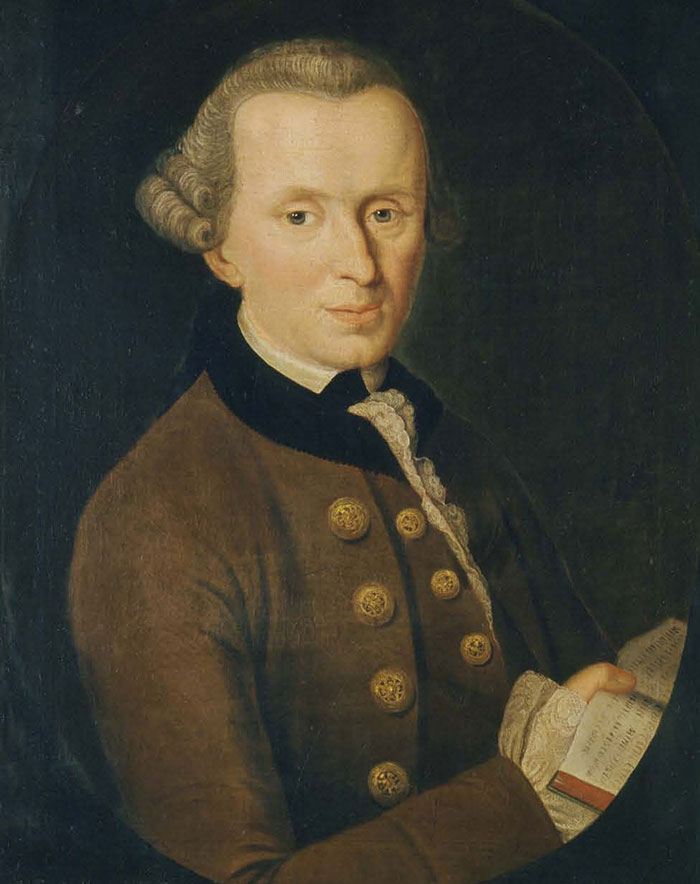
Image source: Johann Gottlieb Becker
#11 Nikolai Gogol
A towering figure of 19th-century literature, Nikolai Gogol is best known for satirizing Imperial bureaucracy in works like Dead Souls and The Inspector General.
When it comes to his personal life, Gogol never married and was never known to have had a serious romantic or intimate relationship with anyone.
Unlike many of his literary contemporaries, “love interest” is strikingly absent from most, if not all, of his fiction.
Female characters in his works are often portrayed as “impossibly virtuous,” grotesque caricatures, or “almost always witches, either figurative or actual,” according to author and journalist Ken Kalfus.
This pattern has led many critics, including Kalfus himself, to suggest that Gogol harbored a deep discomfort with intimacy and marriage.
In his later years, Gogol fell under the intense influence of a fervently religious priest, widely documented as Father Matthew Konstantinovskii.
As cited by Simon Karlinsky in The Sexual Labyrinth of Nikolai Gogol, he struggled with what he described as “sinful” thoughts and became increasingly obsessed with spiritual purification.
In a moment of religious despair, he burned the manuscript for the second part of Dead Souls and embarked on a severe fast meant to “cleanse” himself.
The self-imposed starvation ultimately led to his demise in Moscow at the age of 42.
Karlinsky also argued that these “sinful” thoughts may have been linked to repressed homosexuality, which was socially unacceptable at the time and deemed immoral by religious authorities, and even criminalized under Tsar Nicholas I.
The Russian Empire formally criminalized male same-s*x acts in 1832; convicted men could reportedly be stripped of their legal rights and exiled to Siberia for up to five years.
Karlinsky described this hidden aspect of Gogol’s identity as “the missing key to the riddle of his personality.”
Moreover, because Gogol left behind no documented romantic attachments and no evidence of consummated relationships, most biographers believe he likely was never intimate with anyone and may have passed away as a virgin.
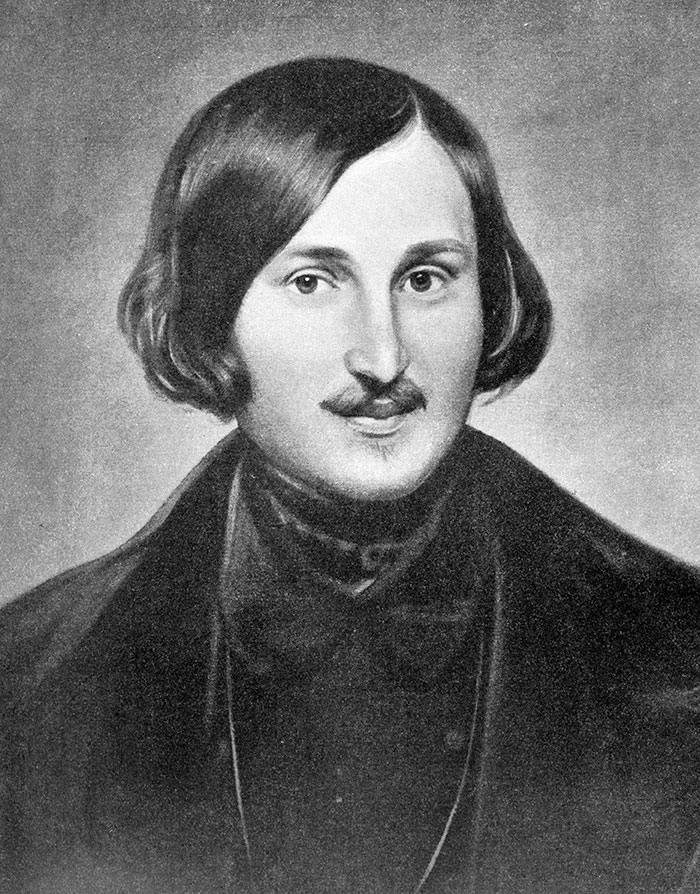
Image source: Otto Friedrich Theodor von Möller
#12 Anna Freud
Anna Freud was widely believed by many biographers to have lived and passed away without entering any confirmed s*xual relationship.
The daughter of Sigmund Freud devoted most of her life to the development of child psychoanalysis and the study of ego defense mechanisms, channeling her intellectual and emotional energy into professional work rather than public romantic involvement.
Historical interpretations of Anna’s s*xuality vary, with some scholars describing her life as “ascetic” or sublimated into academic and clinical pursuits.
Early biographer Elisabeth Young-Bruehl characterized her as someone whose personal life was largely redirected toward scientific and therapeutic work.
Anna herself reportedly denied having intimate relationships during her lifetime, contributing to the perception that she may have remained celibate.
A significant and controversial aspect of her personal history was her long-term companionship with Dorothy Burlingham, an American heiress widely recognized as one of the last direct heirs of the Tiffany fortune, and a psychoanalytic patient who later became deeply integrated into Freud’s life.
The two women shared a relationship that lasted more than five decades, living together in Vienna and later in London while collaborating closely both personally and professionally and helping raise Burlingham’s four children.
Because of the depth of their partnership, some modern commentators have speculated that the relationship may have been romantic. However, historians note that the available historical evidence remains inconclusive.
Laura Smith, a writer and speaker for the British Psychological Society and the Freud Museum London, noted that historical interpretations of relationships between women can be complicated by how LGBTQ+ identities have been represented, or completely omitted, from historical records.
“Until recently, people identifying as LGBTQ+ were absent from history, or at best marginalised,” she said, noting that many historical figures have been viewed through a “straight lens.”
“’Straight washing‘, particularly prevalent in the film and TV industries, is the tradition of depicting someone from the LGBTQ+ community as heterosexual in order to placate censors or not to challenge audiences. These practices lead to rendering LGBTQ+ individuals invisible from history and society, causing their contributions to be ignored and overlooked.”
At the same time, Smith notes that the archival material available today does not definitively confirm or refute the nature of Freud and Burlingham’s relationship.
Letters and documents preserved at the Freud Museum contain no clear evidence of a romantic or intimate partnership, and contemporaries who knew them reportedly described their bond as a close friendship and intellectual collaboration.
Anna was also uniquely psychoanalyzed by her father, a dynamic some historians believe may have influenced her emotional development and deep commitment to preserving his intellectual legacy.
Regardless of the precise nature of her private life, Anna remained unmarried throughout her lifetime and became one of the most influential figures in developmental psychoanalytic theory.
She passed away in London in 1982 at the age of 86, leaving behind a lasting legacy in child psychology and psychoanalysis.
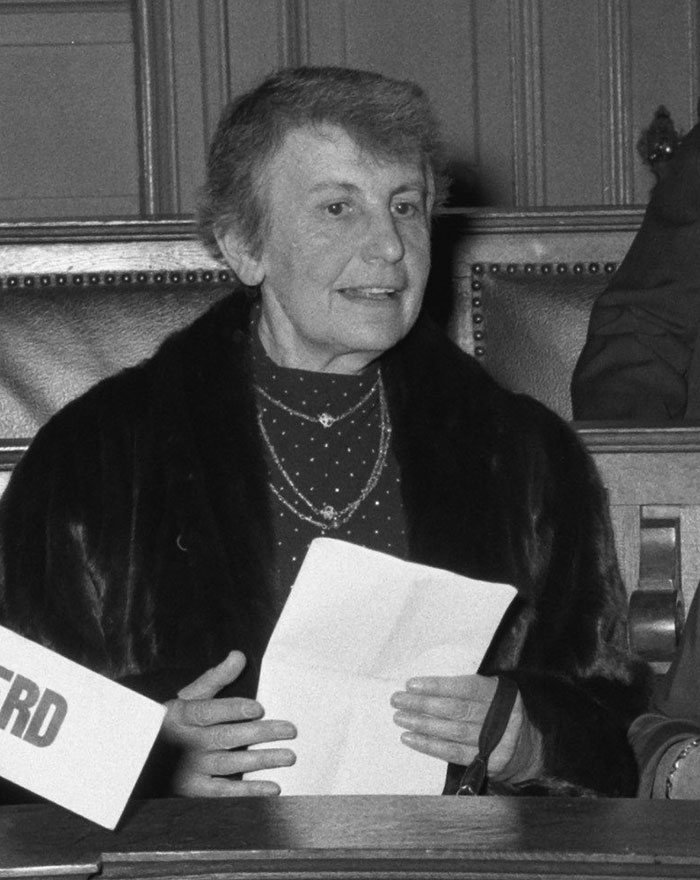
Image source: Herbert Behrens / Anefo
#13 Flannery O’connor
One of the most distinctive voices in American literature, Flannery O’Connor is considered a master of the Southern Gothic tradition, despite writing only two novels and 32 short stories.
In late 1950, while working on her first novel, Wise Blood, she was diagnosed at age 25 with systemic lupus erythematosus, the same disease that had claimed her father’s life. The diagnosis permanently altered the course of her life.
Systemic lupus erythematosus is a chronic autoimmune disease that can affect almost any organ system in the body, including the heart, lungs, kidneys, brain, and nervous system.
The most common symptoms include recurring fever, joint pain, and rashes or flares. Extreme fatigue is also reported by a majority of patients.
People with this condition may also develop photosensitivity that worsens with exposure to sunlight and can lead to raised, red, scaly patches on the skin, which may even result in scarring.
She returned to her family’s farm, Andalusia, in Milledgeville, Georgia, where she lived under her mother’s care for the remaining twelve years of her life.
Her days settled into a disciplined rhythm of attending Mass each morning, writing with fierce concentration, and tending to the chickens that roamed the property.
Illness often left her physically frail and socially isolated, limiting the kind of experiences that might have led to marriage or romance.
O’Connor reportedly developed occasional interests in men, but these infatuations never matured into lasting relationships.
Her most significant documented attachment was to Erik Langkjaer, a Danish textbook salesman.
Their relationship was largely intellectual, and it is widely reported that they shared only one chaste kiss, which he famously described as feeling like “kissing a skeleton.”
Langkjaer later referred to it, somewhat darkly, as a “kiss of d**th,” citing its awkwardness and lack of chemistry while appearing in the 2020 documentary Flannery.
Deeply rooted in her Roman Catholic faith, O’Connor viewed her vocation as a writer through a theological lens rather than a personal or romantic one, often filling her prayer journals with petitions such as, “Let Christian principles permeate my writing. Please help me to get down under things and find where You are.”
Her diaries reveal moments of struggle with what she called “er*tic thoughts,” yet there is no evidence that these impulses translated into physical relationships.
Her fiction often contains se*ual tension, but it notably avoids explicit mature content. Instead, O’Connor used her writing as a vehicle for spiritual revelation rather than physical pleasure.
Biographers and scholars generally agree that O’Connor passed away unmarried and likely a virgin in 1964 at the age of 39.
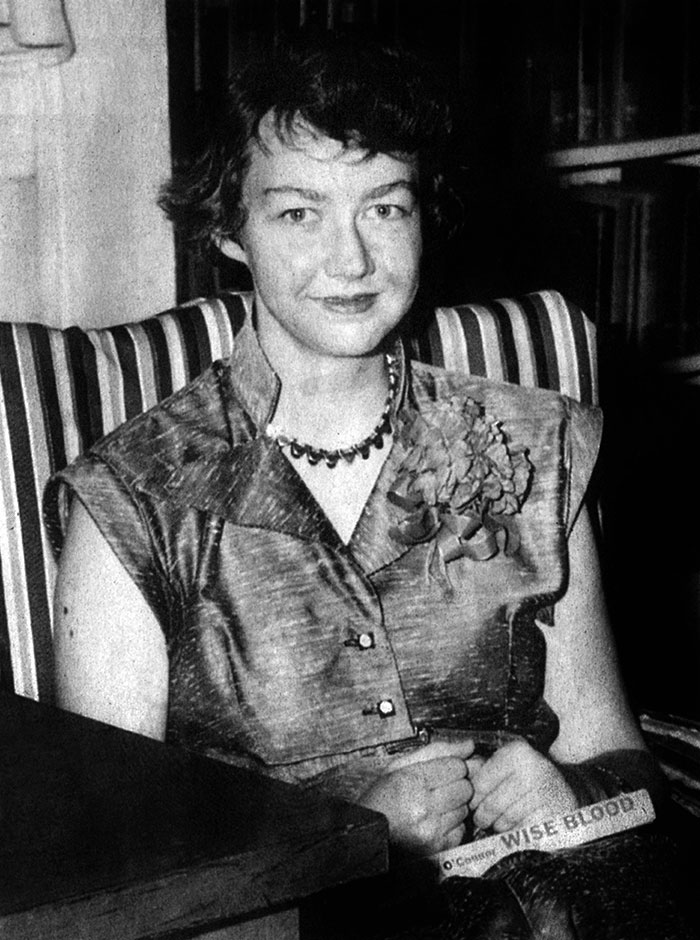
Image source: APIC/Getty Images
#14 Christina Rossetti
One of the Victorian era’s most celebrated poets, Christina Rossetti, is widely believed by historians to have remained a virgin throughout her life, a conclusion drawn from documented patterns of devotion, renunciation, and personal choice.
Born into a remarkably artistic family, Rossetti was the daughter of Italian poet Gabriele Rossetti and the sister of Dante Gabriel Rossetti, a founding member of the Pre-Raphaelite Brotherhood.
Deeply religious and firmly Anglo-Catholic, her faith shaped nearly every aspect of her personal and creative life.
Rossetti reportedly received three marriage proposals but never married.
She ended her engagement to artist James Collinson after he converted to Roman Catholicism, and she refused linguist Charles Cayley’s proposal because of his agnosticism.
For Rossetti, religious unity appears to have outweighed romantic attachment.
Though she remained close to Cayley until his passing, there is no historical evidence suggesting their relationship was ever consummated.
Scholars frequently describe Rossetti as “reclusive and celibate,” noting that she lived quietly with her mother and aunt for most of her life.
According to Maura Ives, author of Christina Rossetti: A Descriptive Bibliography, she “preferred to be a soul mate rather than a wife and refused for religious scruples to marry.”
The writer and poet was also a vocal champion of female virginity within Victorian Anglo-Catholic discourse and even modeled as the Virgin Mary in several of her brother’s paintings, including The Girlhood of Mary Virgin.
Moreover, her poetry often wrestled with themes of spiritual purity, sacrifice, and the ache of renouncing earthly desire.
Even her most famous poem, Goblin Market, rich with sensual and tempting imagery, ultimately centers on restraint and moral redemption rather than indulgence.
Rossetti devoted much of her time to charitable work, visiting the sick and poor during the Crimean War while her aunt served as a nurse abroad as part of Florence Nightingale’s nursing staff.
Christina passed away in 1894 at the age of 64 after battling breast cancer.
While absolute certainty about anyone’s private life remains impossible, the historical consensus strongly suggests that Rossetti lived and passed away in accordance with the spiritual celibacy she so often explored in her writing.
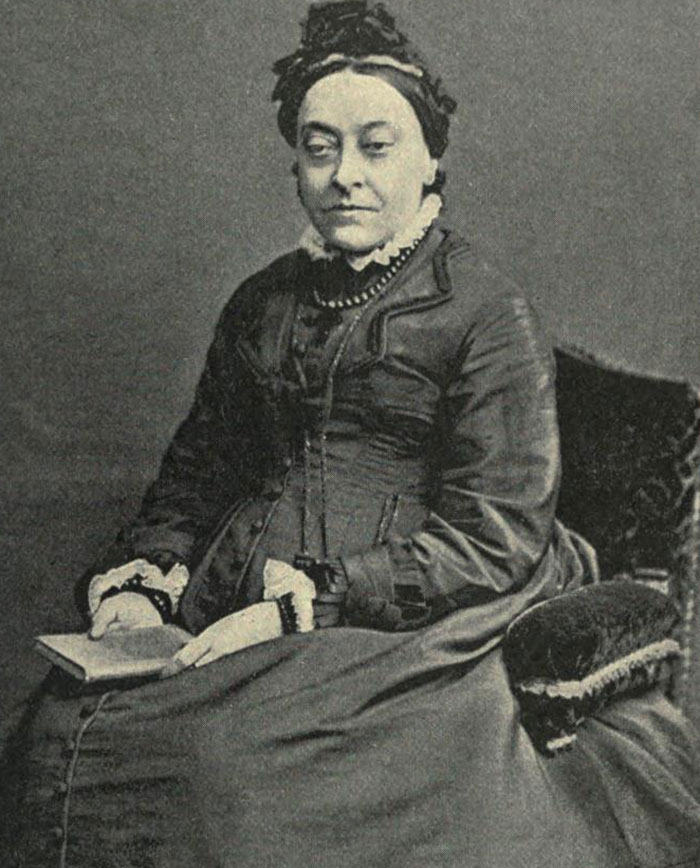
Image source: Cassell's Universal Portrait Gallery
#15 J. M. Barrie
Scottish playwright and novelist J. M. Barrie, best known as the creator of Peter Pan, had one of the most unusual personal lives among major literary figures.
In 1894, Barrie married actress Mary Ansell, whom he met through London’s theatre scene. Their wedding was modest and private, and the couple never had children.
What makes the marriage particularly notable is that many biographers believe it was never consummated.
The couple eventually separated in 1909 after Ansell had an affair with another man, and details from the divorce proceedings reportedly reinforced long-standing rumors that the relationship had remained unconsummated throughout their 15-year marriage.
At the time, some contemporaries even joked about Barrie’s apparent lack of romantic interest, a theme he seemed to explore indirectly in his writing.
In his semi-autobiographical novel Tommy and Grizel, a character confesses, “Grizel, I seem to be different from all other men; there seems to be some curse upon me… You are the only woman I ever wanted to love, but apparently I can’t.”
After the divorce, Barrie became closely involved with the Llewelyn Davies family, particularly their five sons, whose imaginations helped inspire the story of Peter Pan.
Over the years, some critics speculated about the nature of these relationships, but no evidence of misconduct has ever been found.
Nico Llewelyn Davies, the youngest of the boys Barrie famously befriended and later adopted, flatly denied that Barrie had s*xual feelings for anyone.
In a 1978 letter to biographer Andrew Birkin, he defended Barrie, writing, “I don’t believe that Uncle Jim ever experienced what one might call ‘a stirring in the undergrowth’ for anyone – man, woman, or child.”
Moreover, modern-day writer Olivia Camozzi also dismissed such claims outright, stating in a Sunday Post interview, “There is no evidence of anything truly sinister with Barrie. I wanted to clear his name a bit and defend him.”
Some biographers have also speculated that the childhood trauma of losing his older brother, David, deeply affected him psychologically, contributing to his lifelong fascination with childhood and the idea of never growing up.
Barrie remained devoted to his literary work throughout his life and likely passed away a virgin in June 1937, at the age of 77.
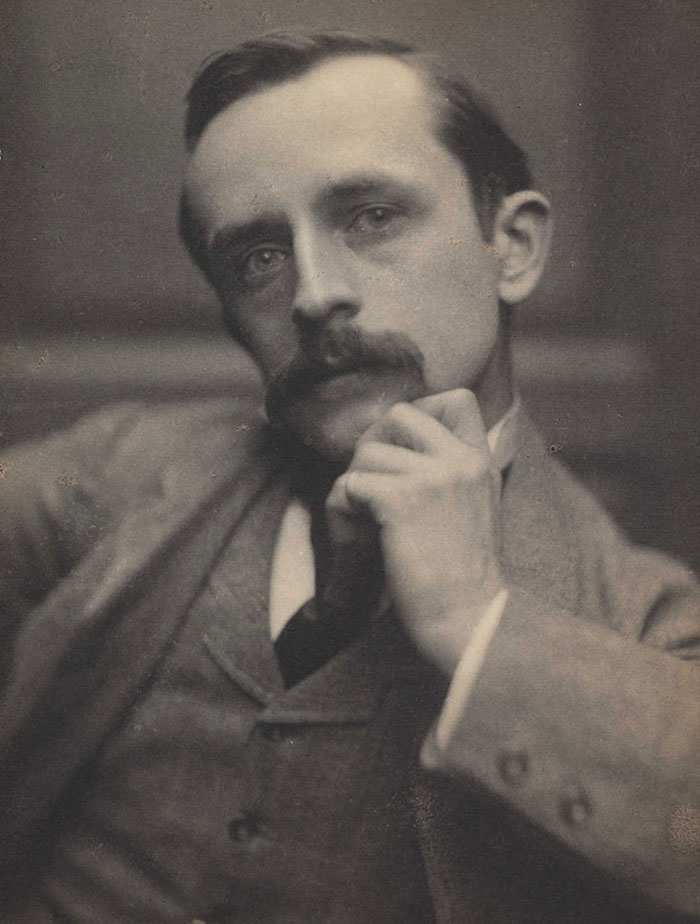
Image source: Frederick Hollyer/National Science Museum
 Follow Us