Hundreds of protein bars, smoothie powders, and other high-protein snacks have flooded store shelves in recent years, but a new study suggests some of the biggest claims surrounding the nutrient deserve a closer look.
The role protein plays in supporting good health is uncontested. Proteins are made up of amino acids and perform key physiological processes, such as immune function, energy metabolism, and muscle mass maintenance.

Image credits: LyfeFuel/unsplash (not an actual photo)
The protein we eat supplies nine essential amino acids that our bodies cannot produce on their own and must therefore obtain from food.
The paper, published on May 8 in the journal Critical Reviews in Food Science and Nutrition, reexamines different aspects that the scientific community has attributed to protein, including its ability to increase feelings of fullness and support weight loss.


Image credits: Ron Lach/pexels (not an actual photo)
Titled Examining Widely Held Propositions on Human Dietary Protein Needs and Benefits, the study is the result of a workshop organized to explore widely held beliefs about dietary protein (protein obtained through food, beverages, supplements.)
Organized by Indiana University School of Public Health-Bloomington, the international workshop convened more than 20 leading protein scientists.
“Protein science has advanced significantly, but despite thousands of published studies, in some instances there is still a lack of publicly available quality data,” said researcher Dr. Mitch Kanter.
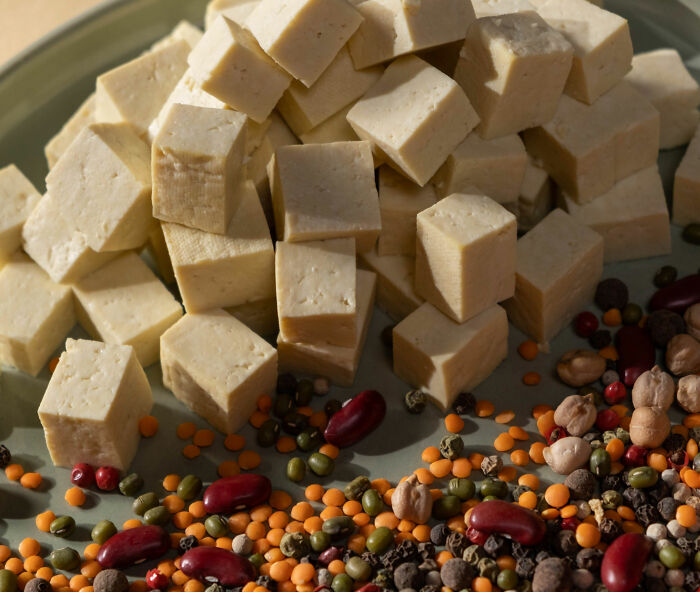
Image credits: cottonbro studio/pexels (not an actual photo)
One of the key aspects experts focused on was protein quality. They suggested that quality matters as much as quantity, challenging the guidelines that focus only on protein grams.
Researchers noted that proteins are not homogenous and differ across sources in terms of their amino acid makeup, digestibility, and bioavailability.
The digestible indispensable amino acid score (DIAAS), an assessment method for protein quality, indicates that animal-sourced proteins generally rate higher than plant-based proteins.
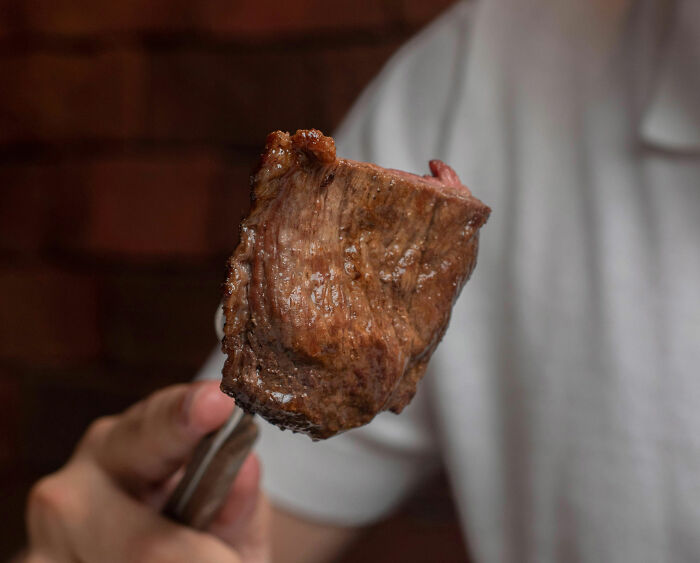
Image credits: Arti.tic/pexels (not an actual photo)
Moreover, experts reexamined how protein intake should be measured during weight loss. The study suggests that consuming more protein than the recommended 0.8 g/kg/day can help preserve lean muscle mass during calorie restriction.
However, the authors noted that the greatest benefit was achieved when protein intake was maintained relative to body weight rather than simply increased by a fixed amount, such as 20 extra grams per day.

Image credits: Kelly Sikkema/unsplash (not an actual photo)

Researchers also found evidence that diets low in protein relative to fat and carbohydrates usually lead to increased total calorie intake.
For instance, if people consume 2,000 calories per day, but the food they eat is low in protein, they will likely eat more to meet their protein needs, which could potentially contribute to obesity.
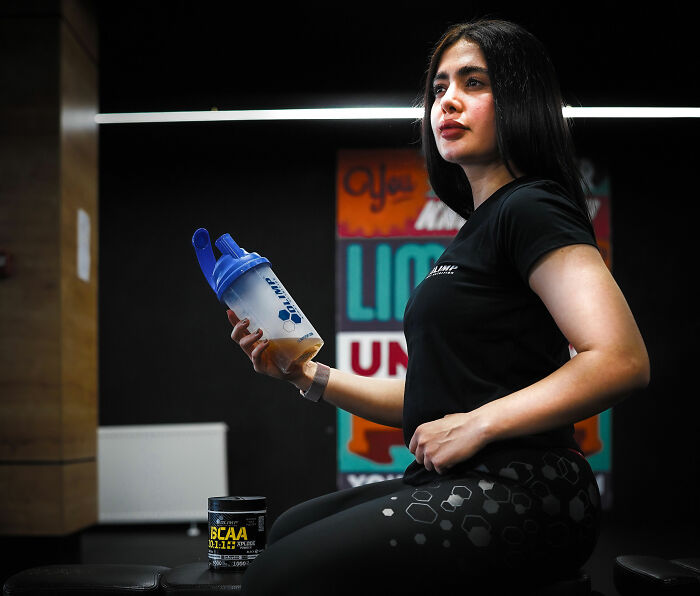
Image credits: ibrahim hafedh/pexels (not an actual photo)
Additionally, authors questioned the common claim that protein is the most filling nutrient, stating that there is insufficient evidence to support this conclusion.
They argued that appetite is difficult to measure and that protein’s effects on hunger and fullness can vary depending on the person, the food source, and the eating occasion.
“The difficulty in managing appetite is multifold. Appetite sensations are governed by complex and dynamic interactions between biological systems, environmental influences, lifestyle choices, and culture,” the authors wrote.
They also noted that “expectations of appetitive effects may be as or more powerful than biologically based sensations.”
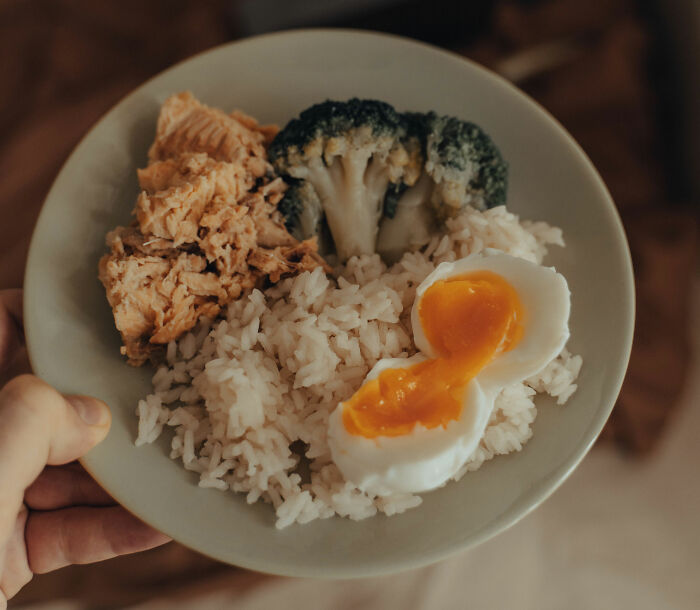
Image credits: Vova Kras/pexels (not an actual photo)

Last year, Americans spent a total of $50 billion on protein snacks, a figure that is expected to double by 2032, according to Fortune Business Insights.
Some protein products, such as protein bars, contain ingredients that are not as healthy as their packaging suggests, including artificial sweeteners and dyes.
“If you were going to eat a bar every day, then I would start to be more picky and choose those with the least amount of artificial ingredients,” advised Julia Zumpano, a dietitian at the Cleveland Clinic, in an interview with The Guardian.
“But say you’re at a gas station, you don’t want to get a bag of chips, and one of these bars has artificial ingredients. Is it still OK to have? Sure. It may be better than the alternative.”

Image credits: foad shariyati/pexels (not an actual photo)
Besides protein snacks, there are many protein-rich foods that make up our daily diets, including eggs, chicken breast, turkey, milk, lentils, chickpeas, oats, tofu, quinoa, peanuts, and almonds.
Amy Stephens, a sports dietitian with New York University Athletics, explained that a common misconception among sports enthusiasts is that protein is the only macronutrient they need.
“A diet that emphasizes protein can create an imbalance. If I see a marathon runner who is eating chicken and vegetables for lunch, I’m asking, ‘How are we running if we’re not eating carbs?’
“People are afraid of carbs. But the consequences of not eating enough carbs can be low energy, craving sugars, energy crashes, exercising and not seeing improvements in your fitness or in even your muscle strength.”





 Follow Us