The value of a historical document is rarely determined by age alone. Some command extraordinary prices because only a handful of comparable examples have survived, while others carry exceptional historical weight, trace their ownership through notable collections, or represent milestones in the development of writing, scholarship, or publishing. In the rarest cases, several of these qualities converge in a single object, turning a fragile piece of paper or parchment into a highly sought-after piece of history.
To uncover what lies behind these remarkable valuations, Bored Panda once again spoke with Ali Mujtuba Zaidi, a researcher at The Historical Insights. Drawing on historical records, provenance research, auction data, and his knowledge of rare historical artifacts, Mujtuba selected 20 documents, manuscripts, and books that reached million-dollar prices, offering insight into what makes each one so rare, historically significant, and valuable.
More info: thehistoricalinsights.page | Facebook
#1 $11.65 Million, The Einstein–besso Manuscript
The 54-page Einstein–Besso manuscript, detailing early working calculations for the General Theory of Relativity, sold at Christie’s Paris in November 2021 for €11.65 million ($13.2 million). Written jointly by Albert Einstein and Michele Besso between 1913 and 1914, it tracks their attempts to mathematically explain the anomalous perihelion precession of Mercury’s orbit.
Einstein typically discarded his early working papers; this manuscript only survived because Besso preserved it. It even contains conceptual errors regarding Mercury’s mass that Einstein would later correct before his final 1915 equations.
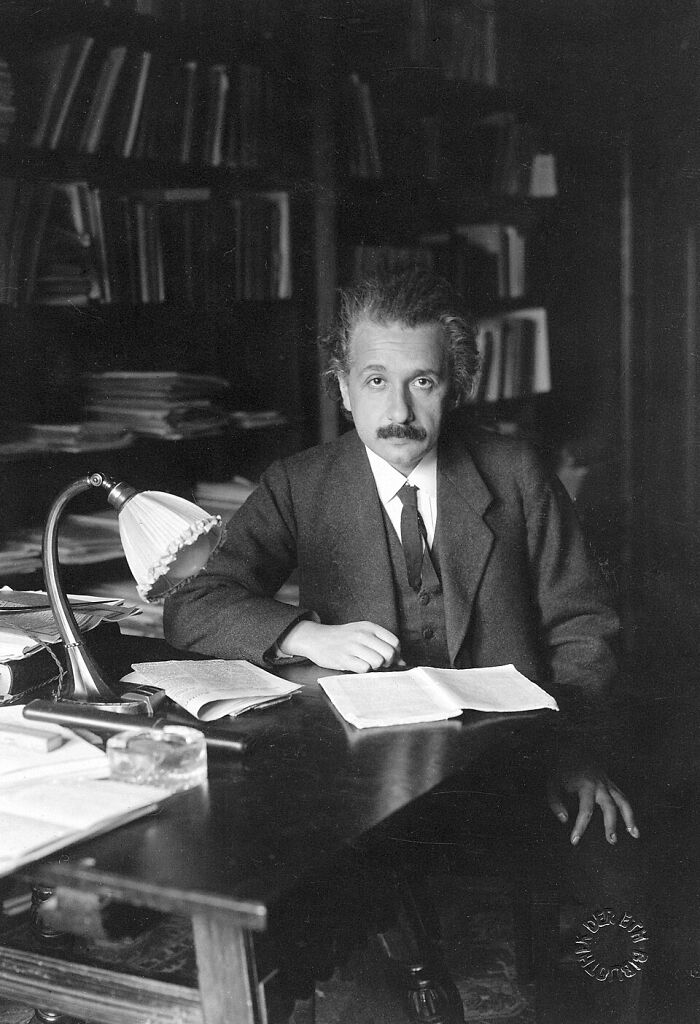
Image source: The Historical Insights, Wikimedia

#2 $11.7 Million, The Gospels Of Henry The Lion
In December 1983, a German government consortium purchased the 12th-century illuminated Gospels of Henry the Lion at Sotheby’s London for £8.14 million ($11.7 million). Produced circa 1188 CE at Helmarshausen Abbey, the parchment manuscript contains 44 full-page miniatures of fine Romanesque artistry.
This manuscript held the world record for the most expensive manuscript for over a decade until the sale of the Codex Leicester in 1994. Due to intense conservation demands, it is only displayed publicly once every two years.
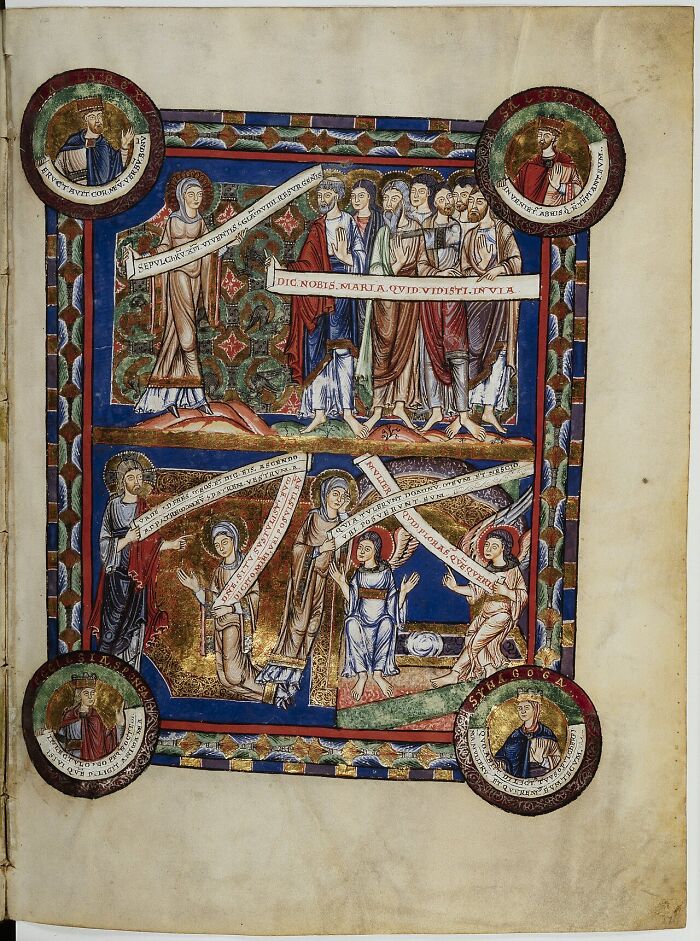
Image source: The Historical Insights, Wikimedia
#3 $9.97 Million, Shakespeare First Folio
In October 2020, a complete copy of Shakespeare’s 1623 First Folio sold at Christie’s New York for $9.97 million, setting an auction record for a work of literature. Formally titled Mr. William Shakespeares Comedies, Histories, & Tragedies, this edition was compiled by his theatrical colleagues seven years after his death.
Without the First Folio, 18 of his plays, including Macbeth and The Tempest, would likely have been lost to history. The sold volume, formerly owned by Mills College, is one of fewer than 60 complete copies known to survive today.
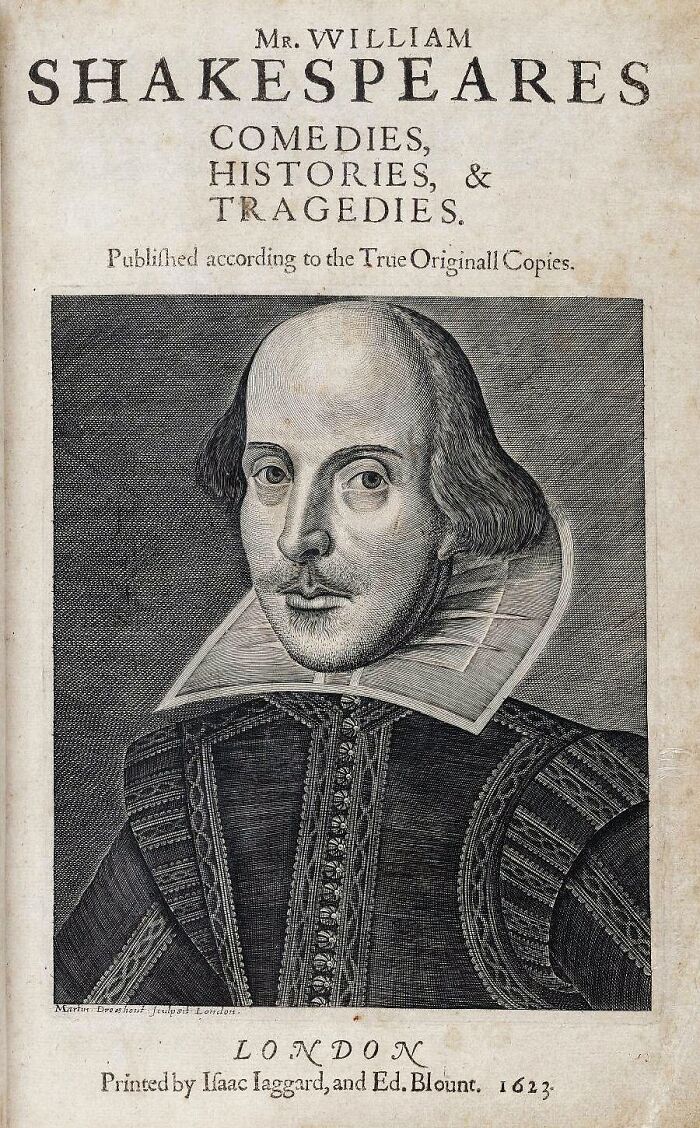
Image source: The Historical Insights, Wikimedia
#4 $13.6 Million, The Rothschild Prayerbook
In January 2014, Australian businessman Kerry Stokes purchased the 16th-century Flemish illuminated manuscript known as the Rothschild Prayerbook for $13.6 million at Christie’s New York. Containing 254 parchment leaves and 67 full-page miniatures, it was created circa 1505–1510 CE by Renaissance masters including Alexander Bening.
The codex also has a notable restitution history. It was confiscated from the Rothschild family in 1938 before being restituted by the Austrian government in 1999.
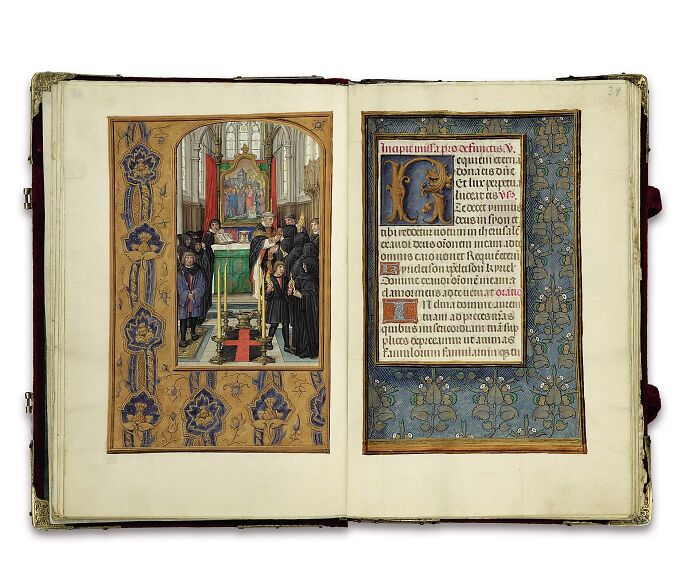
Image source: The Historical Insights, Wikimedia
#5 $21.32 Million, Magna Carta (1297 Exemplification)
In December 2007, American businessman David Rubenstein purchased the only privately owned copy of Magna Carta a 1297 exemplification issued by King Edward I at Sotheby’s for $21.3 million total. King John issued the original charter in 1215, but this 1297 edition is legally significant because it marks the official entry of Magna Carta into the English Statute Roll.
The single-sheet parchment manuscript still bears the intact Great Seal of King Edward I and is the only copy held outside the United Kingdom in private hands. It currently resides on permanent loan to the U.S. National Archives.
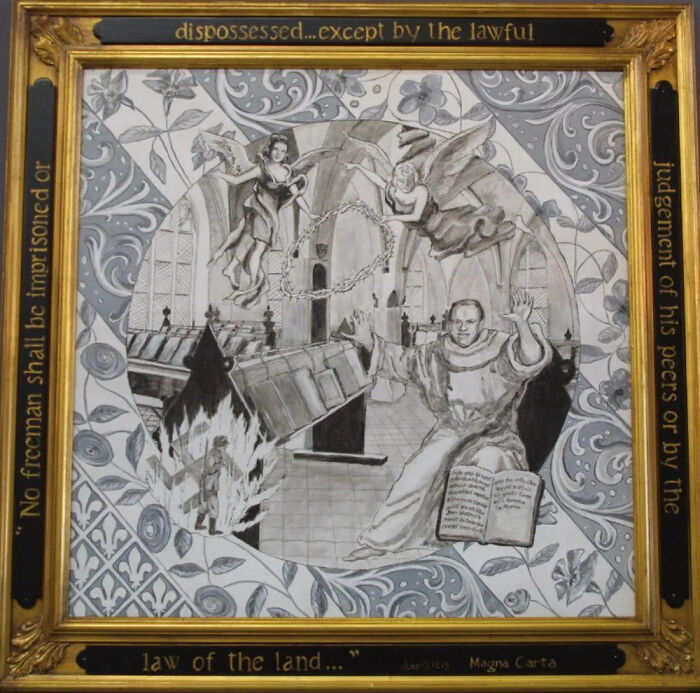
Image source: The Historical Insights
#6 $11.57 Million, Audubon’s Birds Of America (Hesketh Copy)
A complete double elephant folio set of John James Audubon’s The Birds of America sold at Sotheby’s London in December 2010 for £7.32 million ($11.57 million). Printed between 1827 and 1838, the set spans four massive volumes containing 435 life-sized, hand-colored engraved plates.
Only 120 complete sets are known to survive today, mostly held within institutional collections. The immense page size (roughly 39 by 26 inches) was specifically demanded by Audubon to ensure that every North American avian species was rendered faithfully to life scale.
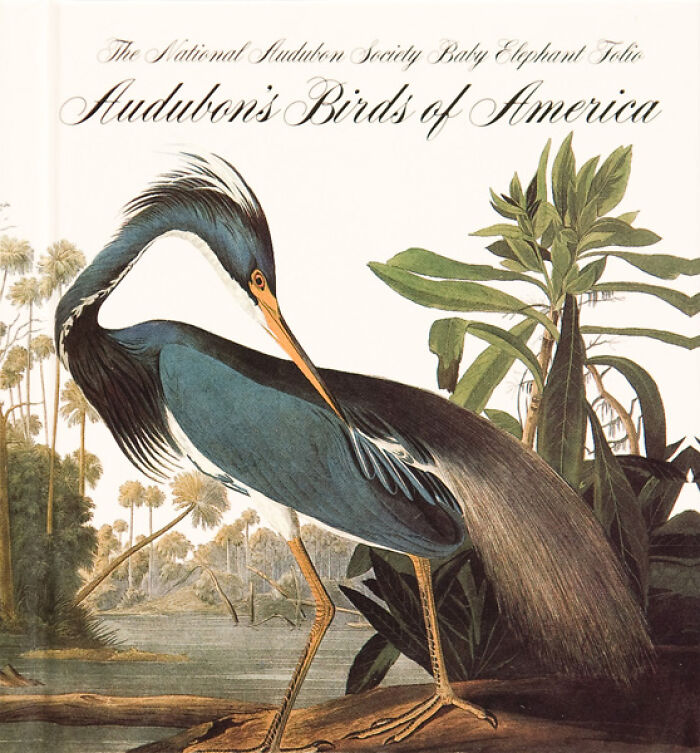
Image source: The Historical Insights, Wikimedia
#7 $3.89 Million, The Crosby-Schøyen Codex (MS 193)
The Crosby-Schøyen Codex, a 4th-century Coptic papyrus manuscript containing early biblical texts, sold at Christie’s London in June 2024 for £3.06 million ($3.89 million). Discovered at Dishna, Egypt in 1952, it consists of 52 papyrus leaves bound between wooden covers.
Dating roughly between 250 and 350 CE, it was written by a single scribe during the dawn of Christian monasticism in Upper Egypt. The dry desert climate preserved what is now considered one of the earliest surviving liturgical codices in the world.
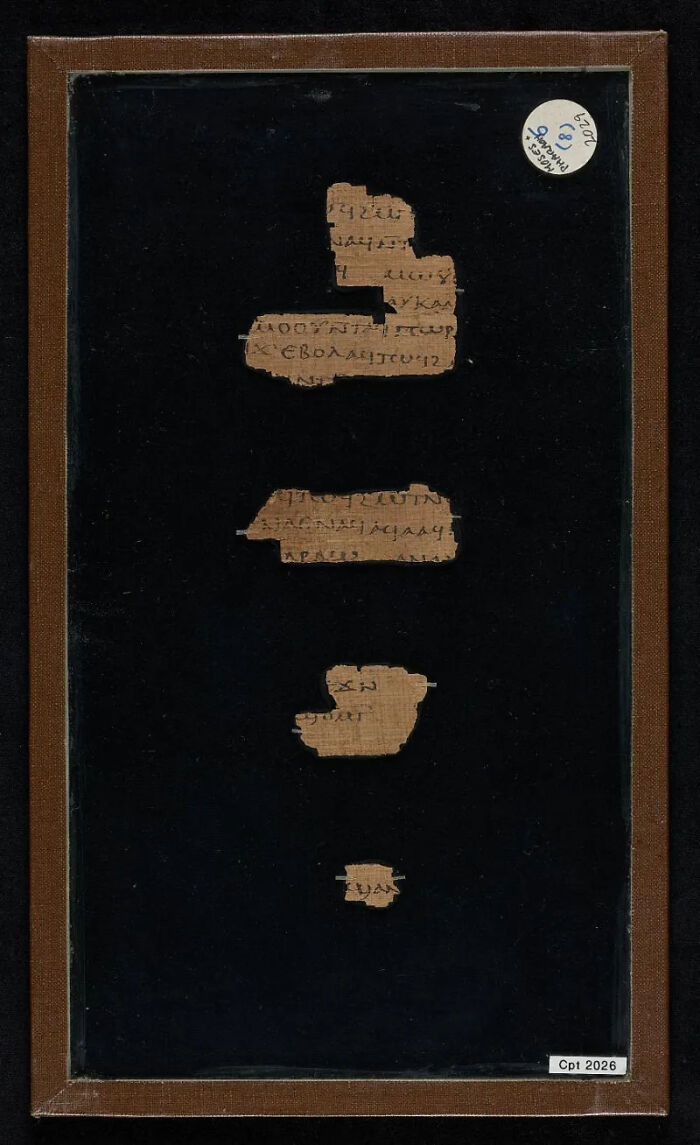
Image source: The Historical Insights
#8 $2.34 Million, Newton’s Principia Revision Leaf
A manuscript leaf of handwritten revisions by Isaac Newton for the second edition of his Principia sold at Christie’s London in July 2021 for £1.70 million ($2.34 million). Dating from the 1690s, the single autograph page contains notes, calculations, and revisions on fluid dynamics and planetary perturbations.
Autograph working papers for the Principia are rare outside of institutional archives like Cambridge. This leaf was safely preserved for centuries within the Portsmouth Papers collection.
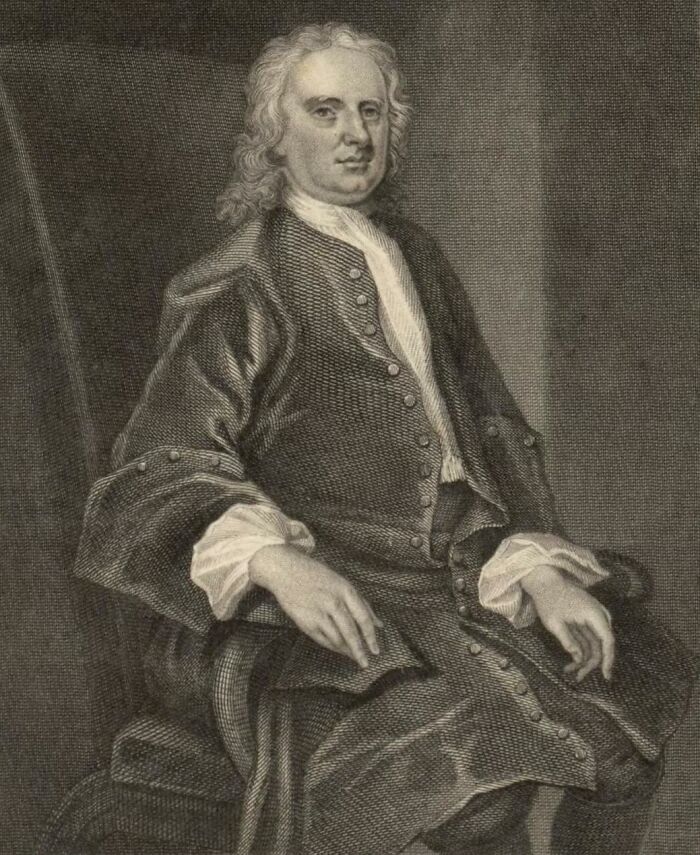
Image source: The Historical Insights, John Vanderbank, Wikimedia
#9 $38.1 Million, Codex Sassoon
In May 2023, Codex Sassoon the earliest near-complete manuscript of the Hebrew Bible was purchased at Sotheby’s for $38.1 million total ($33.5 million hammer) by Alfred H. Moses for the ANU Museum of the Jewish People. It is a massive parchment codex containing all 24 books of the Hebrew Bible, lacking only 12 leaves.
Modern radiocarbon analysis dates the parchment to between 880 and 960 CE, meaning it precedes the fully complete Leningrad Codex (c. 1008 CE) by roughly a century. This codex serves as a vital bridge between the fragmented Dead Sea Scrolls and the highly standardized medieval Masoretic texts.
The manuscript was saved from a destroyed synagogue in Makisin (modern Syria) and later acquired in 1929 by David Solomon Sassoon.
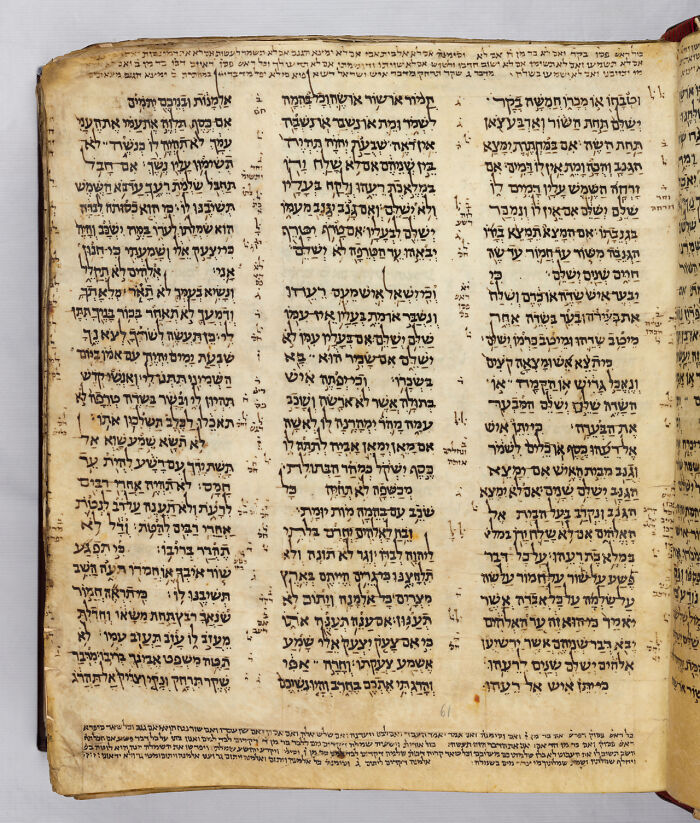
Image source: The Historical Insights, Ardon Bar-Hama, Wikimedia
#10 $30.8 Million, The Codex Leicester
Bill Gates acquired Leonardo da Vinci’s Codex Leicester at Christie’s in 1994 for $30.8 million, making it the most expensive scientific manuscript ever sold. The 72-page handwritten notebook contains da Vinci’s scientific observations, diagrams, and hypotheses on hydrodynamics and astronomy, recorded in his famous Italian mirror-image script between 1506 and 1510 CE.
It remains the only major scientific notebook by Leonardo da Vinci in private hands. When adjusted for inflation, this 1994 valuation comfortably exceeds $60 million today, maintaining its status as a major financial benchmark for historical scientific artifacts.
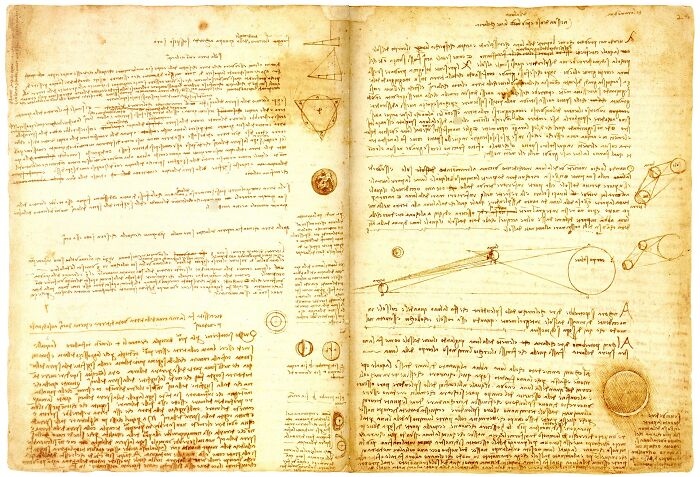
Image source: The Historical Insights, Wikimedia
#11 $35 Million, Printer’s Manuscript Of The Book Of Mormon
The Church of Jesus Christ of Latter-day Saints acquired the Printer’s Manuscript of the Book of Mormon from the Community of Christ in September 2017 for $35 million in a private treaty transaction. Because it was a private sale, no auction house buyer’s premium was applied.
Transcribed primarily by Oliver Cowdery between 1829 and 1830, this 464-page document served as the direct source copy for the typographer of the first printed edition. It retains approximately 99.9% of its original text, making it the most complete surviving early textual source for the founding scripture of the movement.
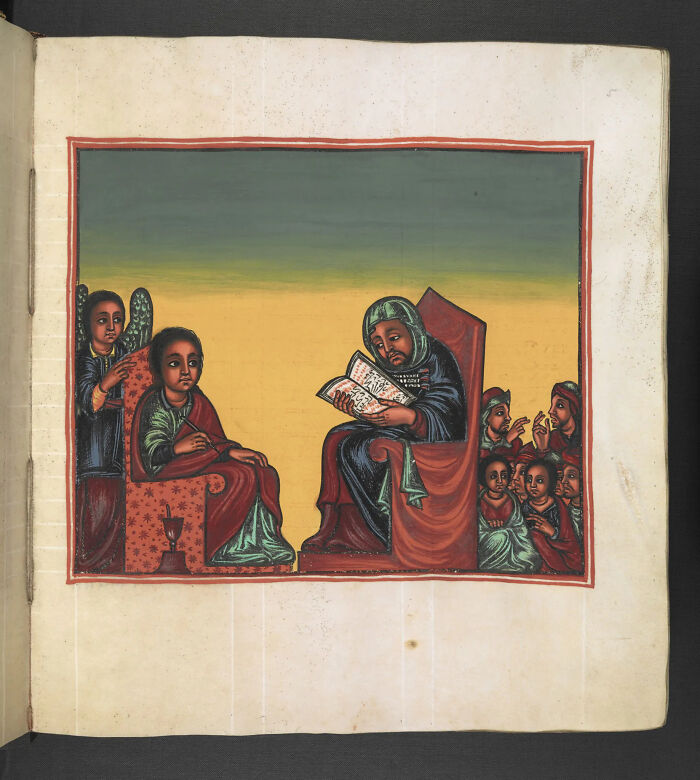
Image source: The Historical Insights
#12 $14.34 Million, St. Cuthbert Gospel (Stonyhurst Gospel)
The British Library acquired the 7th-century St. Cuthbert Gospel the oldest intact book in Europe in April 2012 for £9 million ($14.3 million) through a private treaty purchase from the Society of Jesus. Dating to circa 680–687 CE, it was famously buried directly inside Saint Cuthbert’s coffin at Lindisfarne and survived intact until its recovery in 1104.
Its physical preservation is rare: it is a pocket-sized Latin manuscript of the Gospel of John that retains its original 7th-century tooled red goatskin binding and sewing structure without modern interference.
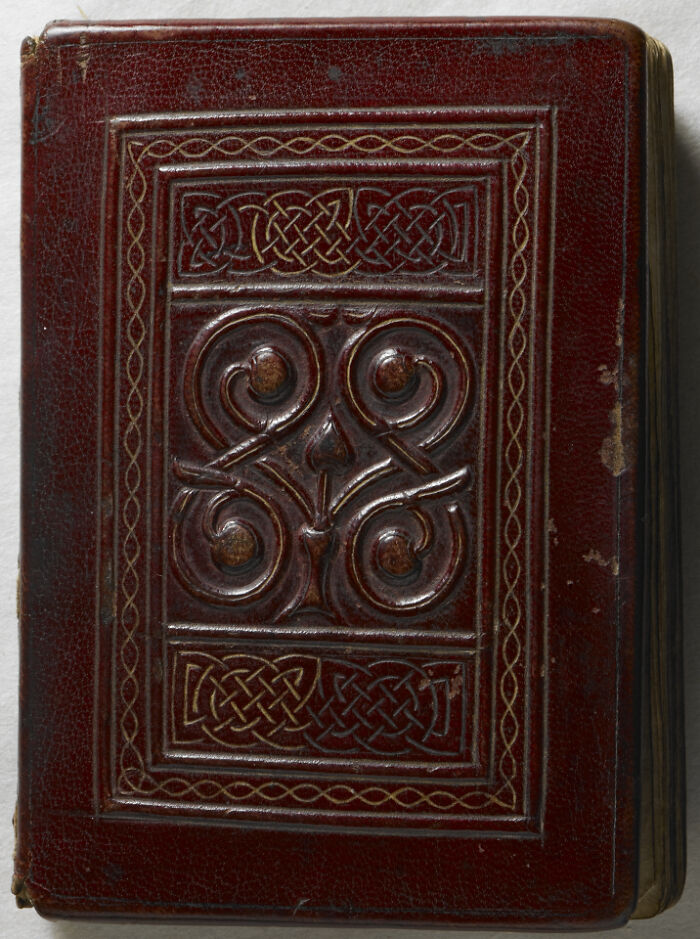
Image source: The Historical Insights, Wikimedia
#13 $9.82 Million, George Washington’s Annotated Constitution
George Washington’s personal annotated copy of the Constitution and draft Bill of Rights was acquired by the Mount Vernon Ladies’ Association at Christie’s in June 2012 for $9.82 million. Specially bound for him in 1789 by New York bookbinder Thomas Allen, the volume bears gold tooling and reads “President of the United States” on the spine.
Washington’s handwritten marginal annotations directly mark the specific duties and powers of the executive branch across the Constitutional articles.
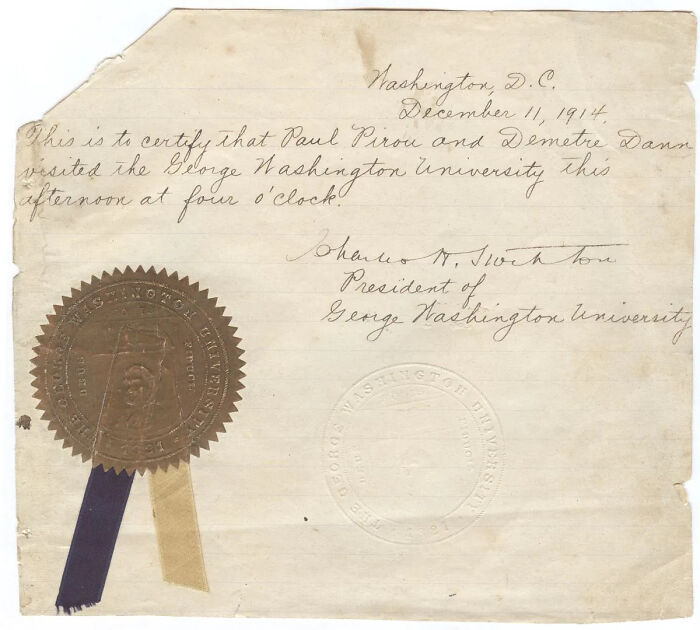
Image source: The Historical Insights
#14 $5.39 Million, Gutenberg Bible (Estelle Doheny Copy, Vol. I)
Volume I of the Estelle Doheny copy of the Gutenberg Bible sold at Christie’s New York in October 1987 for $5.39 million to Maruzen Co., Ltd. for Keio University. Printed in Mainz circa 1450–1455 CE using movable metal type, it effectively ignited the European print revolution.
This sale was strictly for Volume I (the Old Testament up to Psalms), not a complete two-volume set. Only 49 copies, in varying states of completeness, survive worldwide.
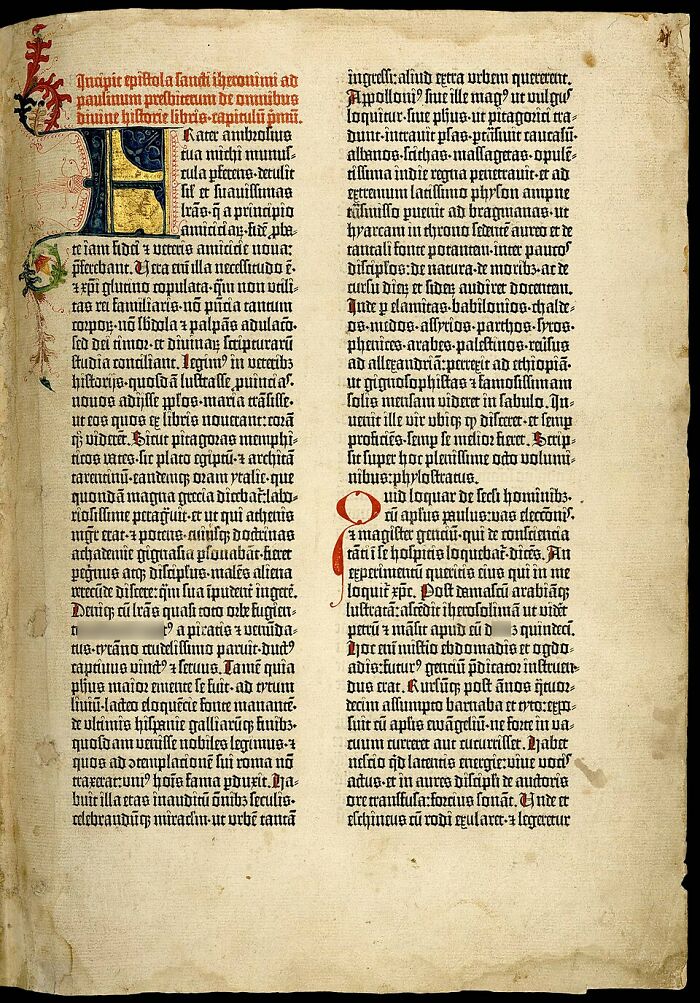
Image source: The Historical Insights, Wikimedia
#15 $2.41 Million, Official Manuscript Copy Of The 13th Amendment
In June 2016, David Rubenstein purchased an official manuscript copy of the 13th Amendment, signed by Abraham Lincoln and 36 senators, for $2.41 million at Sotheby’s. Dated February 1, 1865, the parchment officially records the constitutional abolition of slavery in the United States.
This is one of 14 known official manuscript “souvenir” copies prepared by Senate clerks and signed by Lincoln during the ratification process.
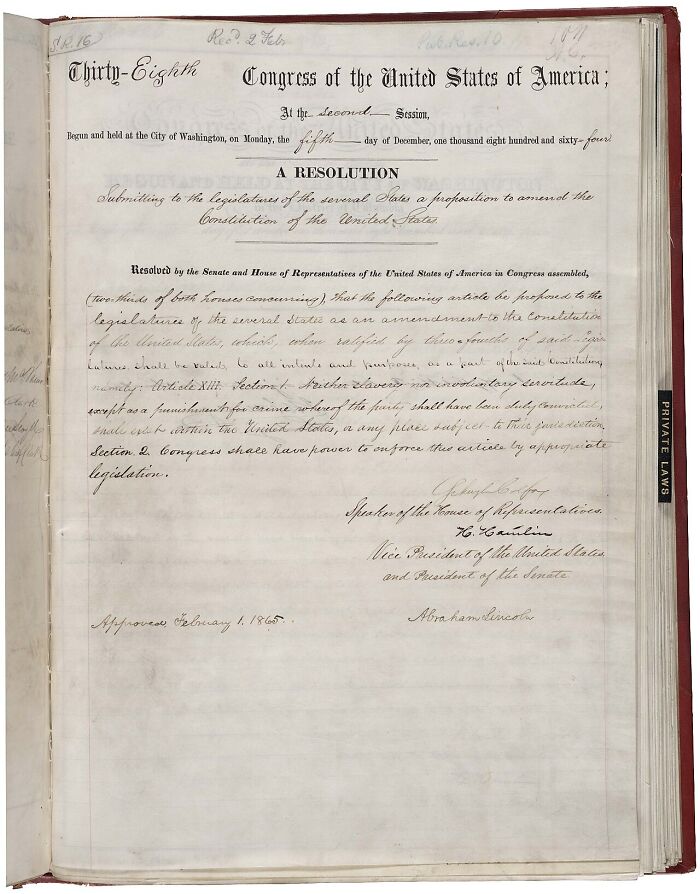
Image source: The Historical Insights, Wikimedia
#16 $3.77 Million, Lincoln’s Emancipation Proclamation (Leland-Boker)
An authorized souvenir edition of the Emancipation Proclamation signed by Abraham Lincoln sold at Sotheby’s in December 2010 for $3.78 million. This specific broadsheet printing was produced by George Boker and Charles Leland to benefit the U.S. Sanitary Commission at the Great Central Fair in Philadelphia in 1864.
Distinct from the original handwritten draft, only 48 copies of this authorized edition were printed and signed by Lincoln (along with Secretary of State William H. Seward). Only 27 are known to survive.
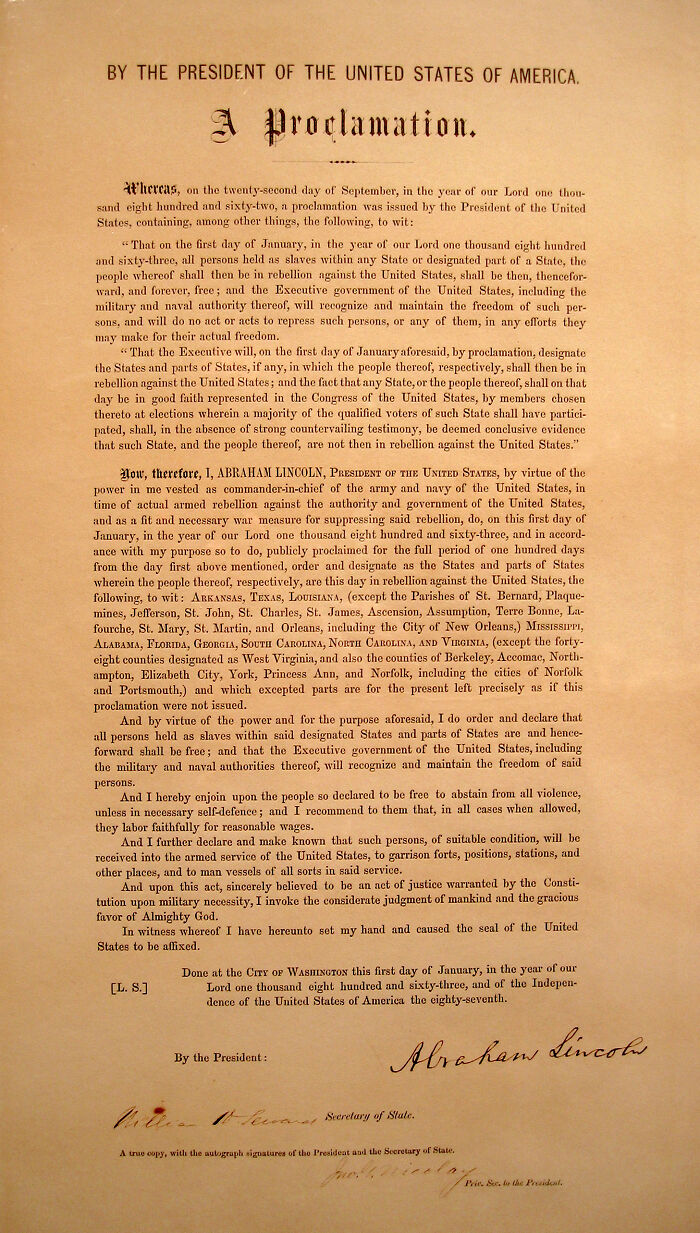
Image source: The Historical Insights, Wikimedia
#17 $3.71 Million, Newton’s Principia (Presentation Copy)
In December 2016, the royal presentation copy of Isaac Newton’s Principia Mathematica (1687) sold at Christie’s New York for $3.71 million, setting an auction record for a printed scientific book. Bound in contemporary red morocco gilt, this exact volume was prepared explicitly for presentation to King James II of England.
Featuring a dedication written by Edmond Halley, it is the foundational text of classical physics, establishing the laws of motion and universal gravitation.
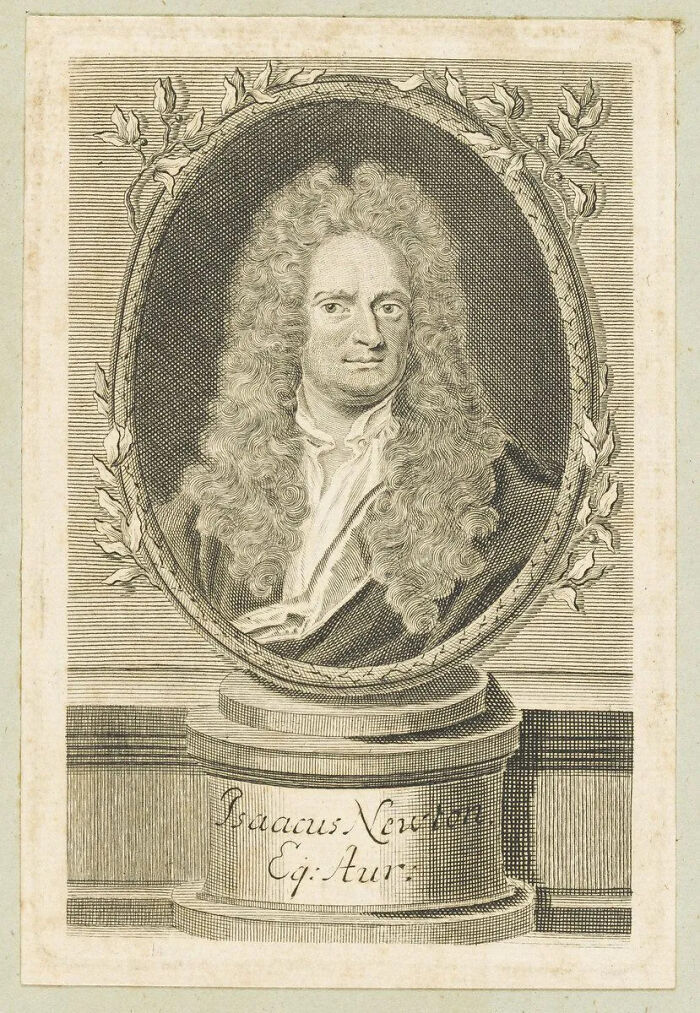
Image source: The Historical Insights
#18 $2.89 Million, Albert Einstein’s “God Letter”
Einstein’s famous 1954 “God Letter” discussing his personal religious philosophy sold at Christie’s New York in December 2018 for $2.89 million. Written on Princeton stationers paper to philosopher Eric Gutkind, the one-and-a-half-page German letter outlines Einstein’s definitive views on religion, God, and tribalism just a year before his death.
Outperforming its pre-sale estimate of $1.5 million, it stands as one of his most explicit written statements separating his scientific inquiry from traditional religious belief.
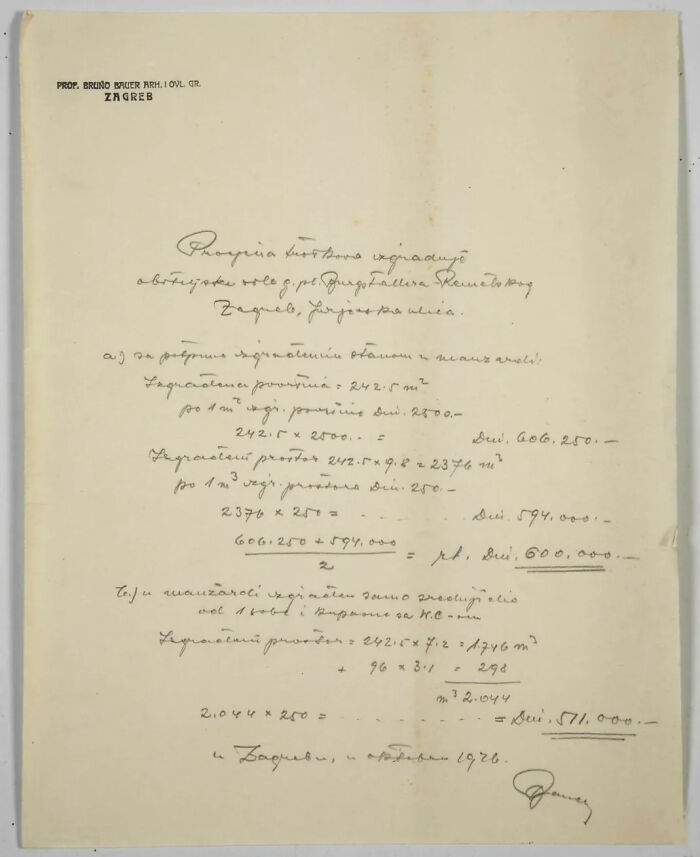
Image source: The Historical Insights
#19 $43.2 Million, Official First Printing Of The U.S. Constitution
Printed by John Dunlap and David C. Claypoole on September 17, 1787, this six-page broadsheet document comprises the official first printing of the final text of the United States Constitution. Its value lies primarily in its scarcity; while 500 copies were originally printed for distribution to the Constitutional Convention delegates, only 13 are known to survive today.
The Goldman copy of the official first printing of the U.S. Constitution sold at Sotheby’s New York in November 2021 for $43.2 million including buyer’s premium, setting the record for any printed book or document sold at auction. Purchased by hedge fund executive Kenneth C. Griffin after competitive bidding against the ConstitutionDAO, it is currently one of only two copies remaining in private ownership.
Acquired from the collection of S. Howard Goldman (who originally bought it for $110,000 in 1988), the document is now on long-term loan to the Crystal Bridges Museum of American Art.
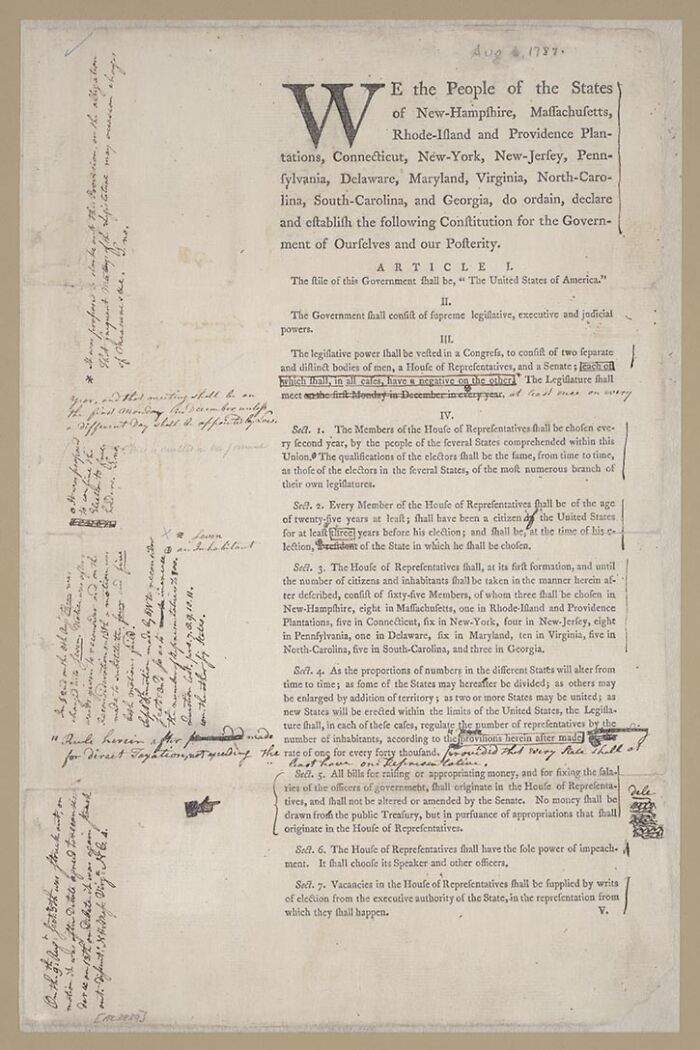
Image source: The Historical Insights, Wikimedia
#20 $14.16 Million, The Bay Psalm Book
In November 2013, David Rubenstein purchased a copy of the 1640 Bay Psalm Book the first book printed in British North America for $14.2 million at Sotheby’s. Printed in Cambridge, Massachusetts, just twenty years after the Mayflower’s arrival, it represents the genesis of American publishing.
The volume was offered by the Old South Church in Boston. Only 11 copies are known to survive from the original print run of 1,700, making it a scarce artifact of early colonial literature.
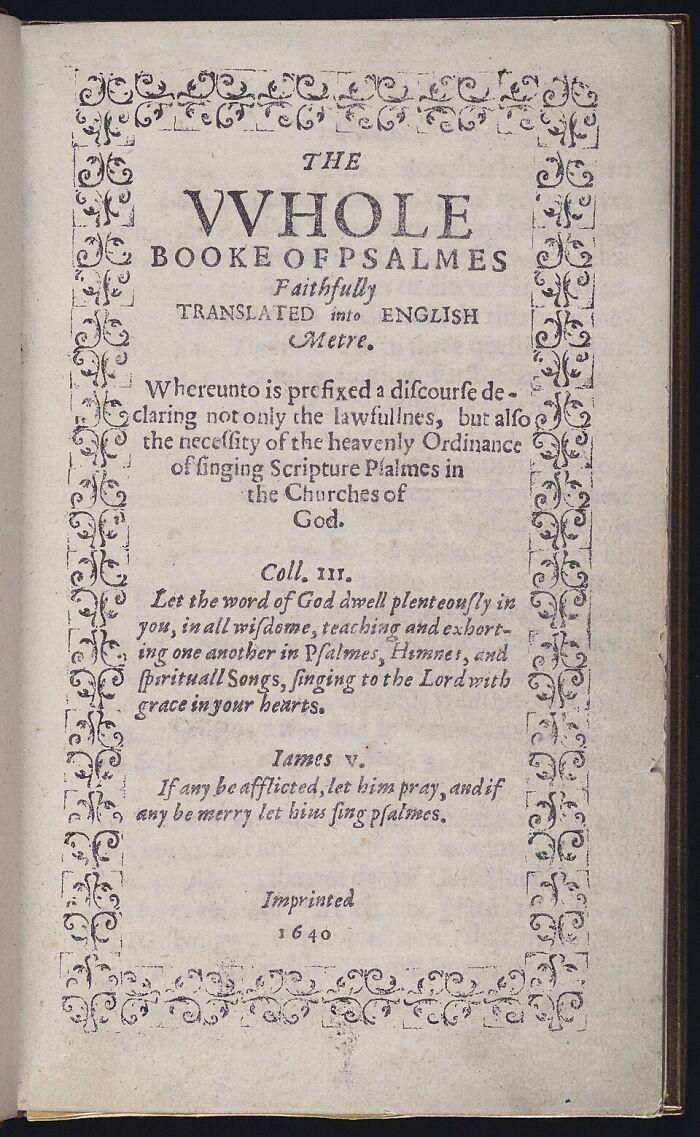
Image source: The Historical Insights, Stephen Day, Wikimedia
 Follow Us