The phrase “male lesbian” has been gaining traction across social media, with more people embracing the identity while others remain confused about what it actually means.
One puzzled Reddit user admitted they “came to the conclusion that male lesbians are men who like women,” before asking the LGBTQ+ community for clarification.
Experts say the reality is much more complex, rooted in decades of queer history, evolving gender identities, and the personal ways some people choose to describe themselves.
Multiple LGBTQ+ experts weigh in on the term “male lesbian” as more people embrace the identity
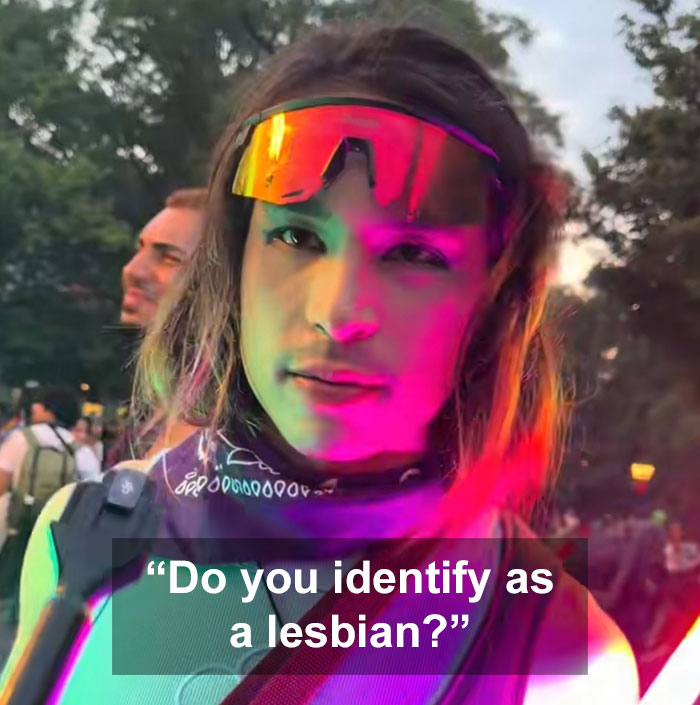
Image credits: viralchristie
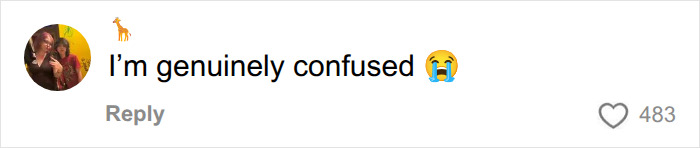
Many netizens have admitted to struggling to understand what “male lesbian” means after repeatedly seeing the phrase across social media.
“I seen some ‘male lesbian representation’ things on other social media but I don’t really understand it,” one user wrote.
The person added, “I looked it up but only came to the conclusion that male lesbians are men (either cis or trans) who like women, which confuses me, isn’t that just heterosexuality?”
“I am very very confused and I’d appreciate some clarification from members of the community.”
This comment reflected a broader question increasingly being asked online as identity labels become more visible outside LGBTQ+ spaces.

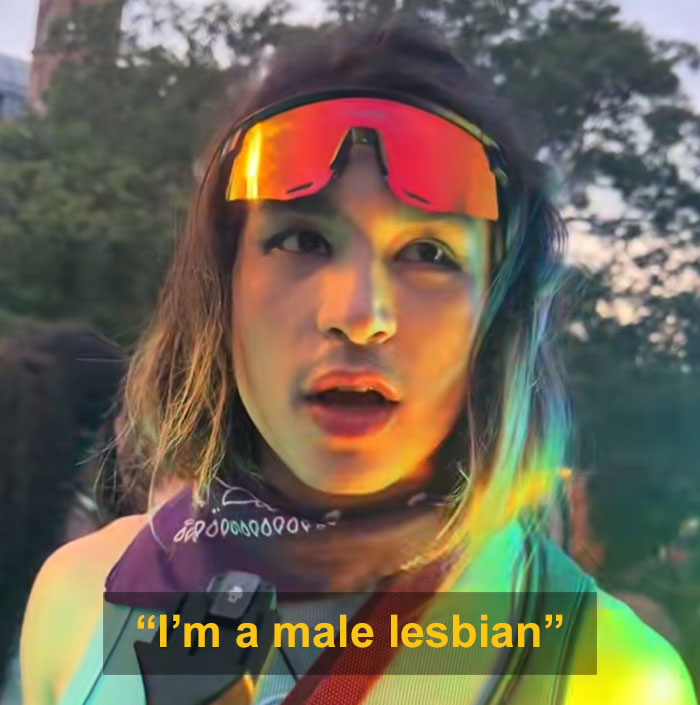
Image credits: viralchristie
While the phrase may initially sound contradictory, experts say there is no single, universally accepted definition and that understanding it requires considering history, gender identity, community, and personal experience together.
Byrd, an LGBTQ+ and gender studies expert and certified s**uality educator through AASECT, ISEE, and ABS, explained that the term most commonly refers to “transgender men, transmasculine people, or some non-binary individuals who identify and live as male or masculine but who identify as a lesbian.”
Byrd said some people retain the label “usually because of [their] attraction to women and/or because lesbian describes a community, history, or way of relating that might predate [their] transition.”
Rather than functioning as a standalone s**ual orientation, Byrd said the label often combines someone’s gender identity with a longstanding community identity.
“Within trans communities, it’s largely understood as a self-descriptive term. Yet, some lesbians push back on any man, trans or cis, using the label because they see it as blurring a category that takes work to defend.”
Australian s**ologist and educator Kiki Maree echoed that there is no single definition shared across LGBTQ+ communities.
“There isn’t a single definition or community consensus, which is one of the reasons the term generates so much discussion,” Maree said.
“Today, many LGBTQ+ people would say that ‘male lesbian’ is not a standard or widely accepted identity, as lesbian is commonly understood to refer to someone who is not a man and who is primarily or exclusively attracted to women or other non-men.”
The phrase may appear new to many people, but it has appeared in academic discussions since at least the 1980s
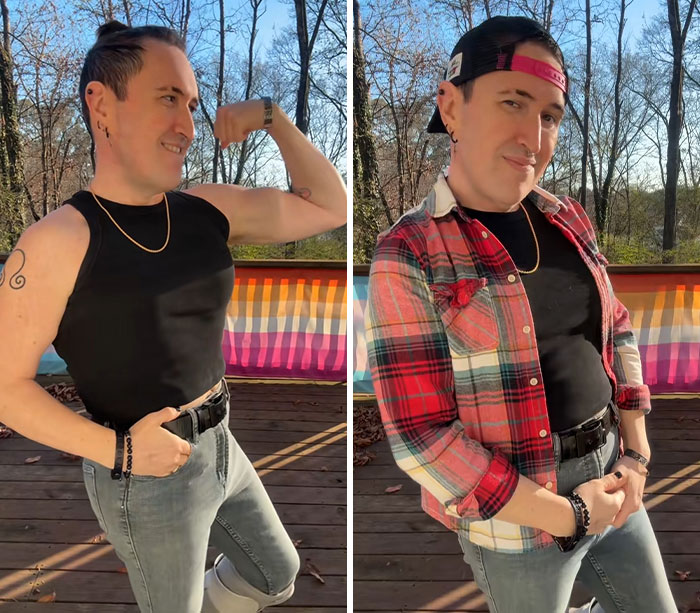
Image credits: callmewednesday___
However, she noted that different individuals may use the phrase to describe very different lived experiences, making it inaccurate to assume everyone using the label means the same thing.
She explained, “There are distinct experiences rather than a single identity, which is often lost in public discussions.”
Licensed clinical social worker and AASECT-certified s**uality educator Dr. Shanéa Thomas also emphasized that the phrase is not one she regularly encounters within LGBTQ+ communities.
“I think what is funny is that this is not a term that is used within the community,” she said. “I would be interested in learning more about who is saying this, in terms of demographics, race, and ethnicity.”
Image credits: cottonbro studio/Pexels (not an actual photo)
According to Dr. Thomas, many viral conversations surrounding the phrase appear to originate online rather than reflect language commonly used by LGBTQ+ people in everyday community settings.
Although “male lesbian” has become increasingly visible through online debates, the broader conversation surrounding masculine gender identities and lesbian communities is far from new.
For decades, historians, philosophers, psychologists, and LGBTQ+ scholars have explored how gender identity and s**ual orientation sometimes overlap in ways that don’t fit neatly into traditional definitions.
One of the earliest academic discussions appeared in psychologist Brian G. Gilmartin’s 1987 book Shyness & Love: Causes, Consequences, and Treatment.
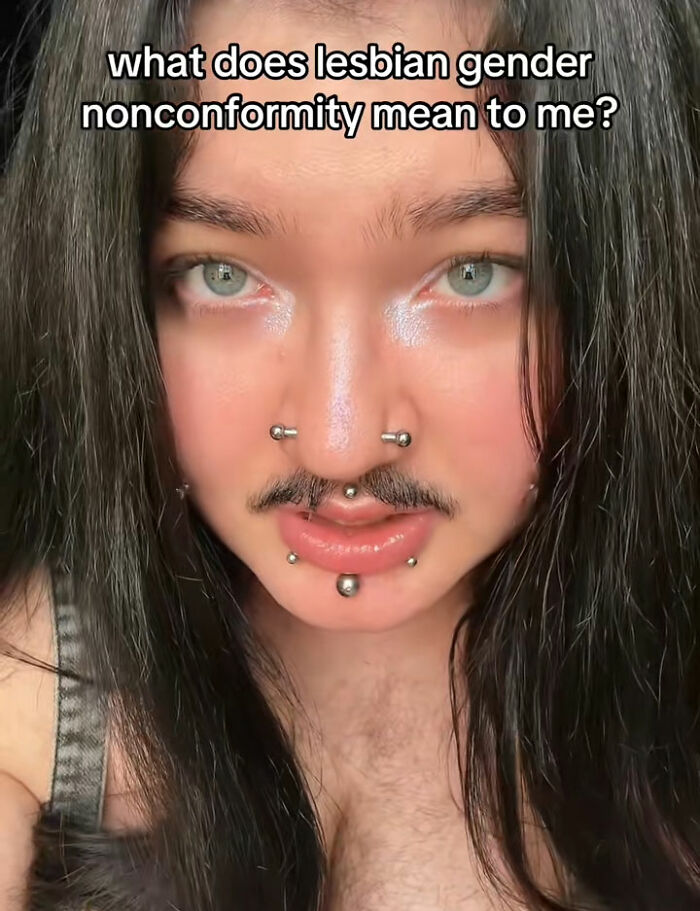
Image credits: exscape48
However, experts say it’s important to understand that Gilmartin was using the phrase in a very different context from how it is sometimes used today.
In the book, Gilmartin acknowledged that the concept initially appeared contradictory.
“On the surface the whole idea appears ludicrous; everyone knows that lesbians are female homosexuals who want to ‘make it’ vis-a-vis another woman. Yet… the seemingly incongruous notion of ‘male lesbian’ kept staring me in the face again and again.”
Rather than describing transgender or queer identities, Gilmartin coined the phrase to describe a group of heterosexual, cisgender men whom he believed felt disconnected from conventional expectations of masculinity and courtship.
He defined a “male lesbian” as “a heterosexual man who wishes that he had been born a woman, but who… could only make love to another woman and never to a man.”
He further stressed that these individuals were not describing themselves as transgender.
“Unlike the transsexual, the ‘male lesbian’ does not feel himself to be ‘a woman trapped inside the body of a man.’”
Gilmartin wrote, “Moreover, male lesbians don’t have any wishes or fantasies… pertinent to obtaining a s** change operation…”
Today, experts caution that Gilmartin’s theory reflects a psychologist’s framework from nearly four decades ago rather than how the term is generally understood in contemporary LGBTQ+ communities.
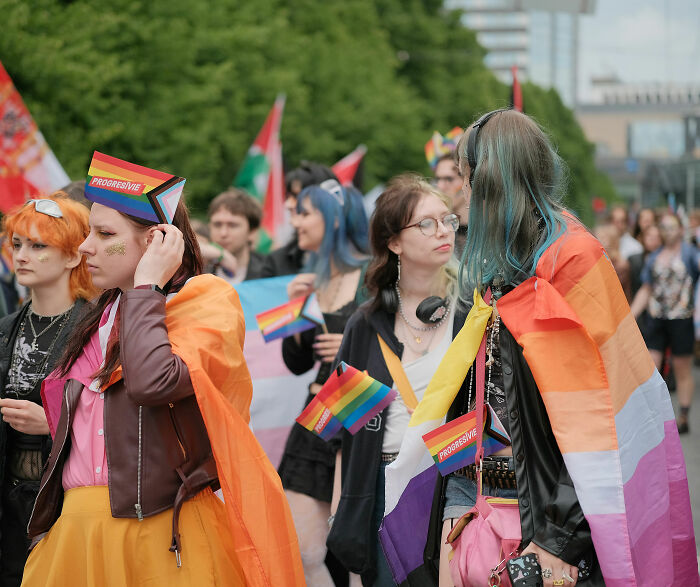
Image credits: Alena Kalash/Unsplash (not an actual photo)
Byrd explained that modern discussions are typically centered on transgender men, transmasculine people, and some non-binary individuals, not on psychological theories about heterosexual men.
Likewise, Maree noted that online conversations frequently merge together entirely different groups of people under a single label.
“The biggest misconception is that everyone using the term means the same thing,” she said.
“Online discussions often blur together very different experiences, such as a he/him lesbian who does not identify as a man, a trans man with longstanding ties to lesbian community, a nonbinary person whose identity includes some connection to maleness, a trans woman who uses ‘male’ to describe aspects of her s** while identifying as a woman and a lesbian, and a cisgender man identifying as a lesbian.”
According to one expert, “It’s important not to assume every identity label has a universally agreed definition…”
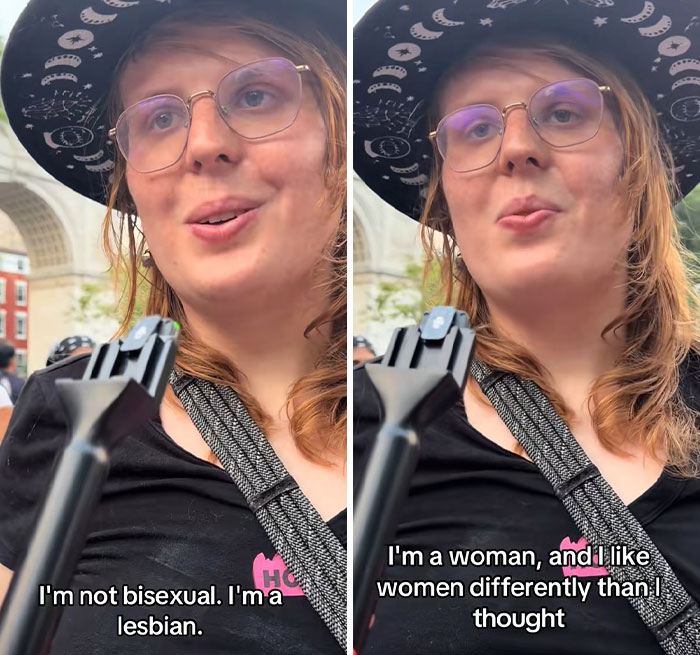
Image credits: viralchristie
Maree added, “Those are separate conversations, yet they’re frequently treated as though they’re interchangeable.”
The subject resurfaced several years later in philosopher Jacquelyn N. Zita’s influential essay Male Lesbians and the Postmodernist Body, first published in Hypatia in 1992 and later appearing in her 1998 book Body Talk: Philosophical Reflections on Sex and Gender.
Rather than approaching the issue from a psychological perspective, Zita explored it as a philosophical question about how society defines s**, gender, and identity.
Her work examined whether identity should be understood primarily through biology, lived experience, or self-identification, and highlighted the tensions these questions created within feminist and lesbian communities.
Those debates continue today, though experts say there is still no universally accepted answer.
Maree explained, “I’d encourage people to remember that identity labels often carry multiple meanings.”
“They don’t just describe s**uality or gender; they can also reflect history, culture, community and lived experience.”
She continued, “At the same time, it’s important not to assume that every identity label has a universally agreed definition or that one person’s understanding represents the entire LGBTQ+ community. Like any diverse community, there are areas of broad agreement alongside genuine differences of opinion.”
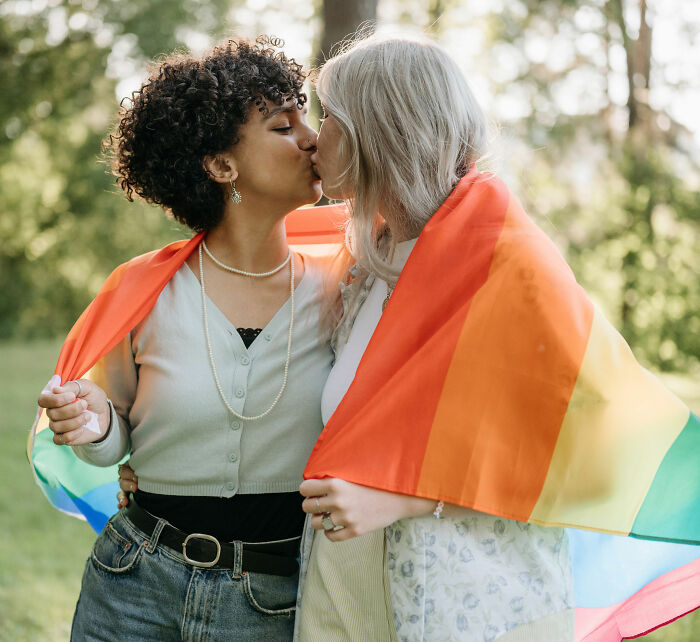
Image credits: Pavel Danilyuk/Pexels (not an actual photo)
While online debates often focus on whether labels are “right” or “wrong,” all three experts agreed that understanding what someone actually means by a term is far more productive than making assumptions based on the label alone.
“I’d encourage people to begin with curiosity rather than assumptions,” Kiki said. “Before deciding what they think about the term, it’s worth asking what the individual actually means by it.”
“Two people can use the same words to describe very different experiences, and many disagreements arise because people assume everyone shares the same definition.”
She added that “understanding that distinction doesn’t require agreement with every identity label, but it does make for a far more informed and respectful conversation.”

Image credits: cottonbro studio/Pexels (not an actual photo)
Byrd echoed a similar sentiment, noting that many LGBTQ+ identities have changed over time and continue to evolve alongside language itself.
The gender studies expert added, “The most common misconception is that identities are fixed. But in reality, and especially within the trans and queer community, they are fluid and evolving.”
Dr. Thomas, meanwhile, urged readers not to assume that every unfamiliar term circulating online reflects widespread LGBTQ+ usage.
“I think what is funny is that this is not a term that is used within the community. As a Black queer nonbinary person who is also a therapist and advocate, this is not a term I hear actively being used amongst those who are in community.”
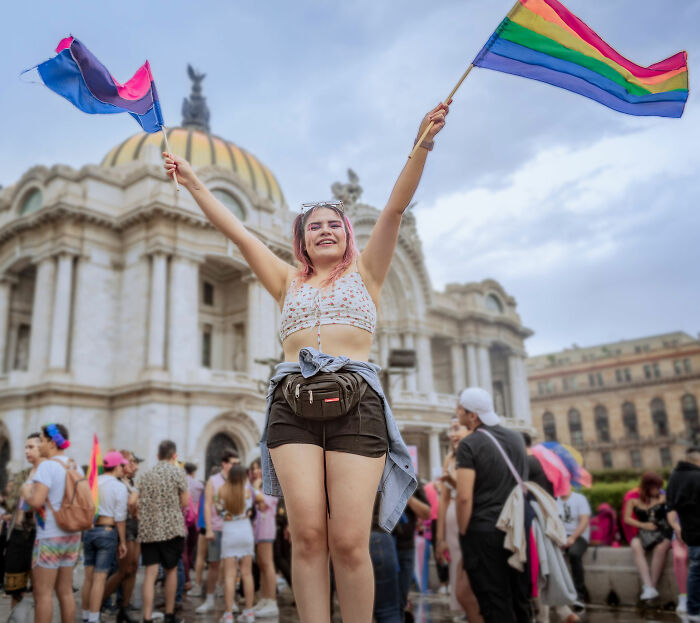
Image credits: Eduardo López/Pexels (not an actual photo)
Dr. Thomas believes context matters when interpreting unfamiliar labels.
She also encouraged people to seek information directly from LGBTQ+ voices rather than relying solely on viral posts or internet discourse.
“Those within the community should be the ones who are able to make opinions and have the final say,” she said.
Experts agree that there is no single, universally accepted definition of “male lesbian.”
For some, it reflects a deeply personal connection to lesbian history and community that predates gender transition.
For others, it describes a non-binary or gender-expansive experience that doesn’t fit neatly into traditional categories.
Image credits: SHVETS production/Pexels (not an actual photo)
The debate also highlights a broader shift in how younger generations approach identity.
Recent research suggests that Gen Z is significantly more likely than previous generations to identify as LGBTQ+, while growing numbers also describe themselves as transgender, non-binary, or genderfluid.
At the same time, scholars continue to note that discussions around gender identity and s**ual orientation are becoming increasingly nuanced rather than fitting neatly into traditional categories.
For people encountering the term for the first time, listening to those who use it and recognizing that no single voice can represent an entire community leads to a far more informed and respectful conversation.
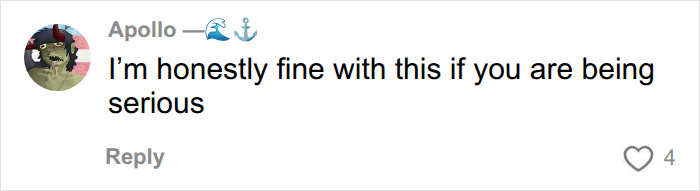
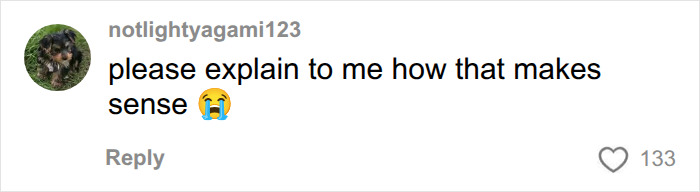
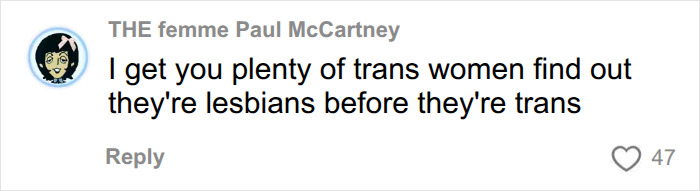
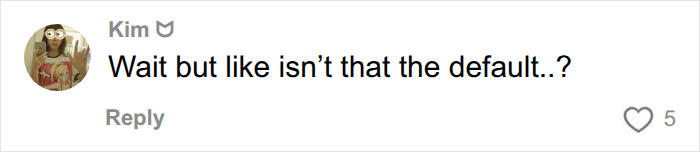
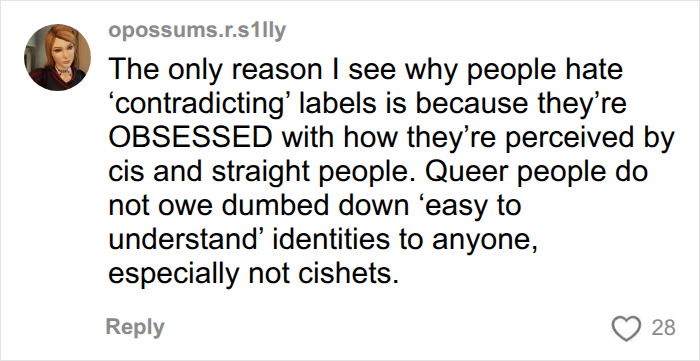
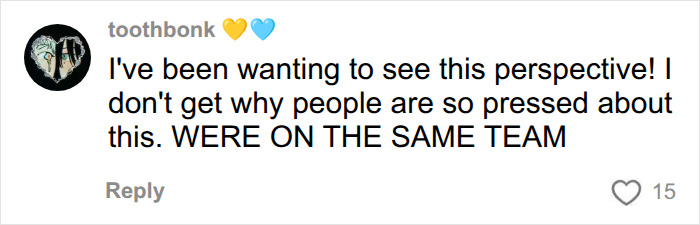
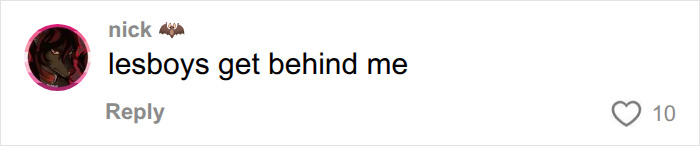
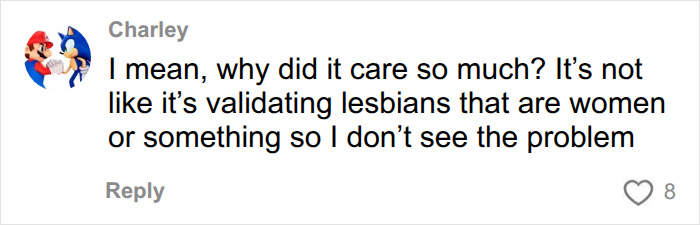
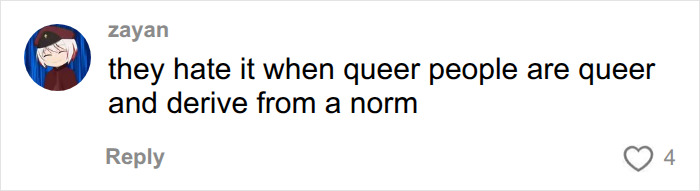
“Nobody should need to explain every small part of their identity even if it’s ‘confusing,’” one social media user wrote
 Follow Us