There is a “how the sausage is made” part of every job, but for most folks, it’s nothing interesting enough to write home (or anywhere really) about. However, hospitals are a completely different topic, a setting so laden with drama that TV writers can make tens of seasons about them.
So we’ve gathered some fascinating posts from doctors and nurses about some of the interesting or morbid things that happen behind the scenes at a hospital. Be warned, some of them can get dark. Otherwise, settle in, upvote the ones that surprised you and be sure to share your own examples in the comments down below.
#1
It’s less common now that I’m working a specialized ICU but there have been many times during my career where I was giving report to the next nurse and I had to explain that there currently was no plan of care and I’m unsure why the patient is a patient.
There are sometimes when the docs have no idea what’s happening.
Also how bad staffing is. We talk about how horrible nurse and PCA staffing is, but I’ve worked floors at hospitals that had a single mid level provider covering for all non ICU units over night. 1 NP for over 100 patients.

Image source: PaxonGoat, Magnific (not the actual photo)

#2
Our charge desk is at the front nursing station and I get soooo annoyed when family members walk up to me and ask for stuff. I get that I don’t seem busy because I’m sitting, but I’ve got 70 things I’m trying to do. Please use the call bell.
Image source: anon, DC Studio / Magnific (not the actual photo)
#3
If you come into triage for a potentially nonemergent case, you will be overlooked because someone somewhere else has a real emergency. Im looking at the ones complaining of a runny nose youve had for 2 days but havent been seen in 3 hours. Go to urgent care, not the emergency room.

Image source: islandsomething, DC Studio / Magnific (not the actual photo)
#4
For the other diabetics – hypoglycemia is extremely dangerous in the hospital because of how thinly-spread staff are. We might only be checking in on someone once an hour, and if the patient cannot use the call light to say they’re low (or even detect that they feel low), things can turn ugly quickly. Then there’s also accounting for instances where we are giving mealtime insulin but the person does not eat everything or meal delivery is extremely delayed, doctors throwing random sliding scales at patients and hoping they work, and other significant events taking over when it’s time to give insulin.
I personally shoot to hang around 90-110 at home, but once you’re in the hospital, I’m not going to freak out over a 175. I start to personally get concerned around 200-250 depending on the situation (established insulin use? Steroids? PO status? Need for tight control?).
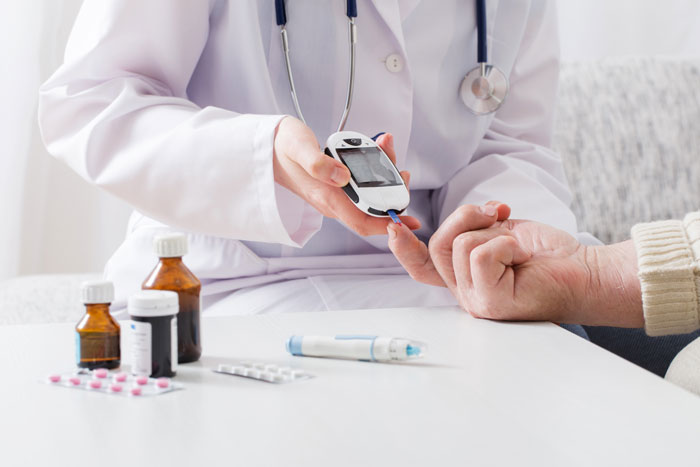
Image source: Abatonfan, mayakruchankova / Magnific (not the actual photo)
#5
I work in surgery so I think the entire environment is shrouded with mystery since most people have a general anesthetic and those that don’t get enough Versed to forget their experience
I think what would shock a lot of people is exactly how many people are in that room- I think a lot of patients get it in their heads that it’ll be anesthesia, their surgeon and maybe 1-2 other people involved directly in surgery and then a nurse. If you’re in a teaching centre, service dependent- there can be 15 people in the room at times between anesthesia+learner(s), surgeon + learners (fellows, residents, assists, medical students), scrub nurse, 2+ circulators (plus orientating staff/nursing students), med device reps, service workers etc.
Also the things that happen once you’re lights out can be kinda gnarly. If your surgical site is above the neck- they’re stapling the first layer of drapes to your head and face so they don’t slide off.
We totally manhandle people when transferring and positioning but at the same time there is a lot of finesse involved and constant checking and double checking of minute details like the angle of abduction of your arms and whether or not there’s a wrinkle in the sheet you’re lying on. Those tiny things can cause you a significant injury while under anesthesia and unable to move- so we have to be very very attentive to those details on your behalf.
Image source: TheThrivingest, rawpixel.com / Magnific (not the actual photo)
#6
Doctors make mistakes in surgical procedures all the time and nobody ever hears about it. They puncture things they chose the wrong spot for a tube, they forced something that shouldn’t have been forced, etc. either nobody else but doc knows, or most everybody knows what truly happened but for some reason we don’t admit it to patients that complications could have been avoided.
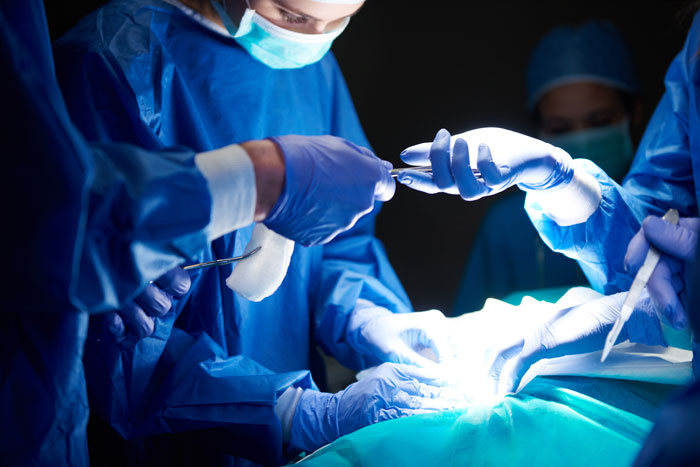
Image source: jackandcokedaddy, gpointstudio / Magnific (not the actual photo)
#7
RN here. Hospitals are dangerous. The bugs there are super resistant to antibiotics. Get in, get out as quick as you can. And treat the staff nicely, the staff remember.

Image source: cookson_marissa, Erik Karits / Unsplash (not the actual photo)
#8
If you’ve been boarding in the ER and suddenly get a room in the middle of the night.. it’s because the person who was in that room most likely passed away 🙊
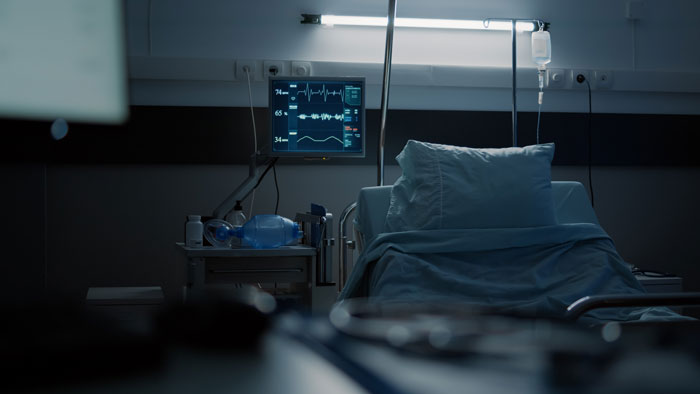
Image source: cindyelise_, DC Studio / Magnific (not the actual photo)
#9
Choosing to stay longer when you’re already advised to be discharged puts you at risk for an unnecessary nosocomial (i.e. hospital-acquired) infection like pneumonia.
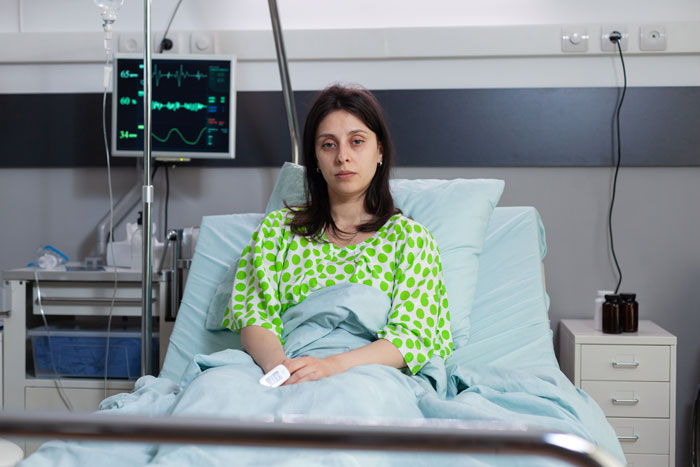
Image source: anzypanzywanzymd, DC Studio / Magnific (not the actual photo)
#10
The pillows aren’t replaced between patients. They’re wiped down with bleach wipes and a pillow case it put on
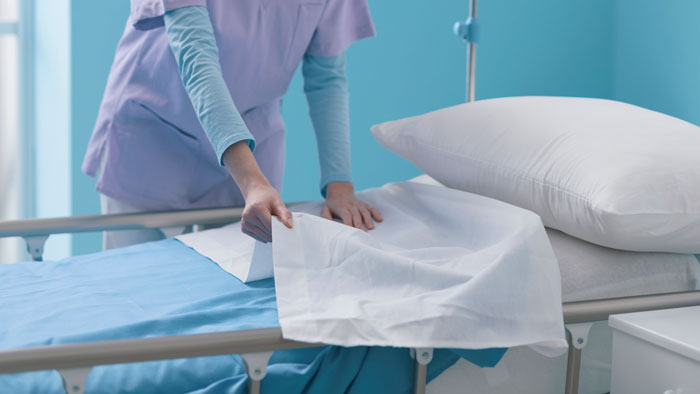
Image source: angelina__jeanne, stokkete / Magnific (not the actual photo)
#11
Those blood pressure cuffs & oxygen monitor that goes on your finger doesn’t get cleaned often 😩
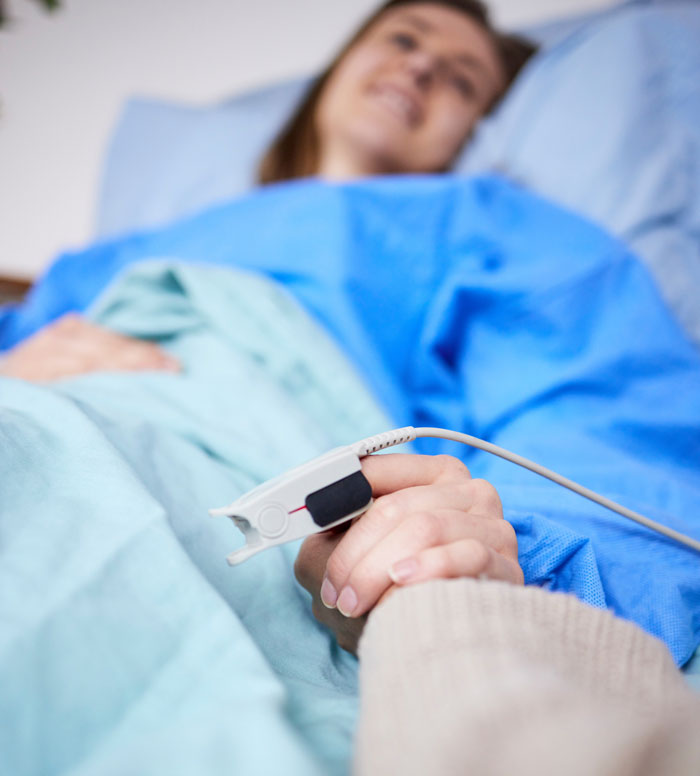
Image source: zhanethedivine, The Yuri Arcurs Collection / Magnific (not the actual photo)
#12
How much your providers Google your symptoms and then encourage you not to Google them.
How much malpractice actually happens and is covered up because you don’t know the right questions to ask.
How much racism in medicine exist ESPECIALLY if you are Spanish-speaking only or a black woman.
How most times mistakes are made solely because of a providers ego and inability to take advice from the team
I could go on and on.
– Sincerely, a crosstrained NICU/PICU/Adult Respiratory Therapist

Image source: sara.stacksss, stefamerpik / Magnific (not the actual photo)
#13
The curtains that separate patients in any area are NEVER and I mean NEVER CLEANED.
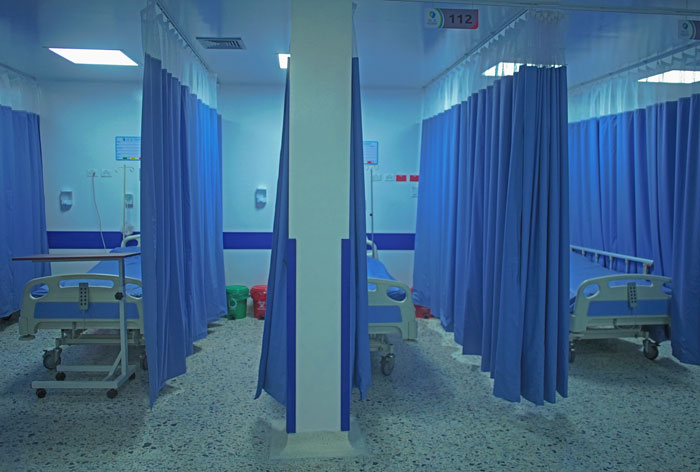
Image source: justmichelle0830, videogutiums2 / Magnific (not the actual photo)
#14
Towels that are used to clean up all sorts of body fluids or patients with all sorts of illnesses (bacterial, viral, bleeding, throwing up, etc) of both alive and dead patients are bleached/sanitized then brought back as clean towels for others to use.
That thought alone, made me take my own towels when hospitalized.
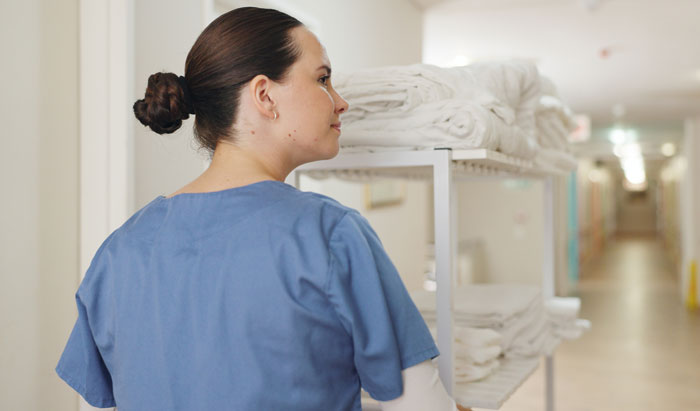
Image source: the_beehive_life, The Yuri Arcurs Collection / Magnific (not the actual photo)
#15
CPR isn’t a miracle life saver like on TV – you’ll still probably pass away but in agony from us cracking your ribs and shoving a tube down your throat. More people should consider DNR/DNI and comfort measures. Quality vs quantity. I’ve seen more people die with quality CPR and ACLS than survive it.

Image source: jordanlikethealmond1, testen / Magnific (not the actual photo)
#16
Your OR team is probably severely sleep deprived. I have done MANY 24 Hour shifts of straight surgery back to back because of call. Your surgeon is prob the most sleep deprived if they’re on call at the hospital and we are operating on you while you’re asleep and fully reliant on us. We’ve all become accustomed to it but it’s not safe for you or us.
Image source: chelsealauper
#17
When a critical patient is brought to the ED by ambulance and goes straight to a trauma room… there is a body bag already on the bed, under the stretchy fitted sheet.
Image source: blondi_2u
#18
Nurse anesthesist & anesthesiologist often play on their phone when things are well in surgery
Image source: faith.in.function
#19
How dirty the hospital really is.
Image source: Dandylioness711
#20
Also we notice when your alarm coincides with your PRN pain relief being due.
Image source: One-Board-216
#21
We try to advocate for more for our patients. But in the end the doctors make the decisions.
You wanna yell at someone about your pain, discharge, diet? Yell at the doctor.
Image source: quickpeek81
#22
I hear so many housekeeping staff say they wanna become cnas and nurses because all they do is sit down.
Then when you see housekeeping make the transition to be cnas, they quit. Same for cnas. Older cnas be talking about how they should have become nurses and just sat all day. Then they become nurses and do the same exact thing.
Things are always greener on the other side of the pasture when you’re looking at it from the outside.
Image source: anon
#23
“Sorry sir, we don’t carry salt up here. No, no matter how much you raise your voice at me, how hard of a tantrum you throw, it won’t make some magically appear, and I’m not about to call nutritional services to bring you up just a single packet of salt. Why don’t we have salt? Because a lot of patients that are on a salt-restricted diet also have the ability to walk, and if we kept it out in the open, they’d just take it, and we’re in the business of helping our patients get better, not worse. Now, if you’re not salt-restricted, I can show you how to order your own food, and I would suggest that you add a seasoning kit to each order, so even if you end up *not* using salt on that specific meal, you’ll have some for later in case you forget to order. Make sense? I’ll see you in a bit, I’m in the middle of changing a patient’s sheets, and I had to stop for 5 minutes to tell you why I don’t have salt in a way that’ll prevent you from arguing with a nurse.”
———————–
Side note #1 – As far as ratios are concerned, one of the things that I love about my unit, is that it feels like between management keeping tabs on staffing, and the physical size of our specific unit, they don’t have the ability to have dangerous ratios for the nurses. We have a maximum of 20 patients spread across 12 rooms. The closest I’ve seen us to full capacity would be 18 patients spread across 4 nurses, with a 5th coming in later in the shift. 2 of our patients are essentially residents and have been with us for months. I do know that *if* a nurse gets assigned 5 patients, it’s one of those 2. Otherwise, the most I’ve seen is 4 patients to a nurse. Now, there have been shifts where I’m the only CNA on the floor. Whether that’s because we have a surprise need for 1:1 sitters and that leaves only 1 tech on the floor, but about 2/3 of the way through a shift, the house supervisor goes to every unit and see what their staffing needs are, to make sure that if the next shift needs an additional nurse or tech, they call someone in from the float pool or offer overtime. The house soup is usually pretty good at talking to each of the techs to make sure we’re not overwhelmed as well, in case the charge nurse of the unit is too busy to keep tabs on us, and they’re pretty good at getting us reinforcements if we need it.
Side note #2 – The only thing I like about our charting software is that once you get in to write a note, you literally can’t do anything else. Either you’re finishing the note, or you’re abandoning it and typing from scratch later. Understanding this, I don’t have an issue when a nurse redirects a patient to me. “Blind, can you get 22 a pitcher of water?” or “Blind, can you get 27 bed 1 a heated blanket please?” Sure, all day, every day. I also take the time to (re)educate the patient and/or family on how to use the call light, because 4 times out of 5 it’s faster than someone getting up and approaching the nurses station.
Image source: blindprophet82
#24
There are often conversations (aka arguments) between MD and nurse that go unseen/unheard. Could be because we believe they are ignoring something that could cause you harm. Could be because they are asking us to do things to you that you have specifically refused or that we believe could cause harm. Could be because the doctor who you praise so much is being verbally violent towards the nurses. Could be because the doctor is trying to discharge you before you can even be home alone safely. These interactions happen every single day all day all over the country. I wish that patients knew how hard we fight sometimes to keep them safe from harm.
Image source: krandrn11
#25
Patients get into the emergency room with loaded firearms because the hospital authorities are too cheap to install metal detectors.
Image source: anon
#26
Nurses are also expected to fill in roles for other departments that are “short staffed” for example: Social work, house keeping, child life, food service, formula room, bio med, security, distribution, IS, and engineering (who gets off at 2p anyway so we generally hope nothing breaks after that).
Because we are expected to fill these roles to make their staffing issues less troublesome for them, though the opposite can never be expected from these roles for a nurse. Examples, you will never see: a social worker, house keeper, child life specialist, formula room, bio-med, security, distribution, IS, or engineering giving meds, turning patients, feeding patients, ambulating with patients, bathing, or changing a patient.
Image source: custardgoddess04
#27
Don’t be a jerk to the people who are the gatekeepers between you and your pain meds.
Image source: anon
#28
If it wasn’t documented, it wasn’t done. That’s a ding on the survey 🤪.
Image source: Turbulent-Nobody5526
#29
If you pass away, I’m packing you down to the morgue, wiping down the bed, calling housekeeping to clean your room and bringing in the next patient the same day.
There not a room or bed that someone hasn’t passed away in.
Image source: australian_moroccan__living_
#30
That a lot of white nurses are intimidated by black patients who allude assertiveness and know the rules , if they feel threatened by you they will put a behavioral red flag on your account., that will follow you wherever you go. White nurses and white doctors do not like people ( Black People) challenging them.
Image source: curvy_carnivalista
#31
We call donor services on EVERYONE THAT PASSES. I never see your drivers license to see that star
Image source: k.simone.90
#32
Your nurse has worked 5 hours with no bathroom break, no food, and just ugly cried in the bathroom.
Image source: msitfactor
#33
The cafeteria and morgue are always close together. The floors in hospitals carry mortal bacteria and diseases. Nurses and staff track that stuff everywhere. Do what you will with that information, but don’t let your kids play on the floor and clean your shoes before you take them into your home.
Image source: its_haileyjw
#34
There’s a few dietary techs that I’ve seen go to the bathroom and return to work without washing their hands so there’s that
Image source: reaganshieldss
#35
How tired the doctors are! I may put a smile on my face but I just worked 24 straight hours and am still about to scrub into your surgery :( A good concealer got me through my intern year but if I didn’t do my makeup i’d probably scare the patients
Image source: costco_avalos
#36
There are so many things I could put, many of them not appropriate. But something that always bothers me are the amount of unnecessary “serial” labs and X-rays that are done on a daily basis (sometimes multiple times a day) and the price of all of them. SD RN x 10 years ICU RN x 5 years
Image source: sydney4real
#37
Most hospitals ignore regular scheduled cleaning of air ducts so mold grows uncontrollably and can cause hospital-acquired fungal infections due to breathing in the mold spores circulated throughout the HVAC. I know a guy who works for a commercial air duct company and he sends me pictures of the mold growth inside the units but never reveals the location. Absolutely horrendous.
Image source: _leighleigh_
#38
Many times the morgue shares the back half of the walkin freezer with the kitchen (separated by a wall).
Image source: rdabrn
#39
You can come in with a minor infection/open wound and contract something much more difficult to treat , If the hospital isn’t practicing the right sterile procedures.
Image source: jmars.interlude
#40
First, if they say they are tested by FDA approved laboratory, don’t believe them because FDA does not approve any laboratories. Second, if they say they are third-party tested without telling you which third party, chances are they are not third-party tested because if they were, trust me, they want to put it out there. And this next one is very common.
I see it all the time. Contains clinically tested ingredients. Now keep in mind, just because an ingredient is tested does not mean it’s proven to work because it can be tested and proven not to be working.
Image source: glowwkailin
#41
If you are not insanely resilient as a healthcare worker the emotional, physical, psychological stress is crushing. The moments of respite makes it manageable so you can be there for your patients and their families to aid in the care team in reaching their goals of returning to either their normal or their new normal life.
Image source: StoBropher
#42
Oops just saw a mouse run across the ER floor.
Image source: JenNtonic
#43
We use the blankets in the OR to wipe up blood, pee, fluids on the dirty floor. And I gladly still cuddle up with the blankets knowing this.
Also we never have any of the supplies/ instruments we need to do surgery. There’s a lot of creative leeway because of that.
Image source: rachhannginge
#44
You’re being charged for everything we bring in that room, down to the kleenex so take it home with you. However wipe it all down & PLEASE take those damn shoes off before you get in your car. Yes car!! Housekeeping is 24/7 but a lot of them are lazy af & dont clean thoroughly. The hallways are mopped the least.
Image source: indiboo_92
#45
In the ER you can have a patient come in for an STD check, one with a sore throat, someone for poison Ivy, someone with a stubbed toe, someone with a broken arm, someone having a heart attack or stoke, maybe they survive, maybe they don’t. You clean them up, allow family in, then you hop into a room with impatient/disrespectful family or patient, or maybe have to deal with a child immediately after. All in a 12 hr shift. AND legally document all those events so as not to lose your job/license.
Image source: mrodriguez8971
#46
Bed bugs are a SERIOUS problem
Image source: themartialautist
#47
I don’t work there but I was in the ER the other day and had to use a bedside commode for a urine sample and I accidentally peed on the floor, alerted the nurse and she said “ah just leave it”…. Nobody came and cleaned it up for hours, I threw paper towel down before I left and used my shoe to wipe it up but damn… no disinfectant or nothing???
Image source: st3ph_prz
#48
They stress out so much. I like my room calm. So I have so many nurses run in just to escape chaos and catch their breath. A kind word, a joke..makes a huge difference or just silence. Be that patient
Image source: audreyk1965
#49
There’s many medical staff who don’t wash their hands after using the bathroom. I got in a debate with a doctor bc he said hand sanitizer is fine. I asked him if he would be okay with a chef taking a dump and only using hand sanitizer making his food. He said he wouldn’t be okay with it. Make it make sense? HIPAA is also violated so much and no one seems to care?
Image source: _glenduh_
#50
The amount of waste we generate. 😢
Image source: racheln76
#51
The bedrails are not always throughly cleaned. I once had a patient empty his colostomy bag and dropped the container. It splattered everywhere. Housekeeping didn’t bother to clean the inside of the bedrails or the handles that let them down.
Image source: only1pebbles_
 Follow Us