People spend around a third of their day at work. One way or another, our jobs become a core part of our lives, and the relationships we build with coworkers are crucial to make it through the routine.
The Original Poster (OP) of this story is someone who had this particular colleague, whom nobody seemed to like. And he didn’t make much of an effort to build lasting bonds either, often behaving like a jerk and being an unpleasant coworker. But in the end, as the saying goes, there was more to him than met the eye.
Building strong and lasting relationships at work can help reduce the stress of the daily routine, and sometimes you find unexpected friends

Image credits: Creatopy / Unsplash (not the actual photo)

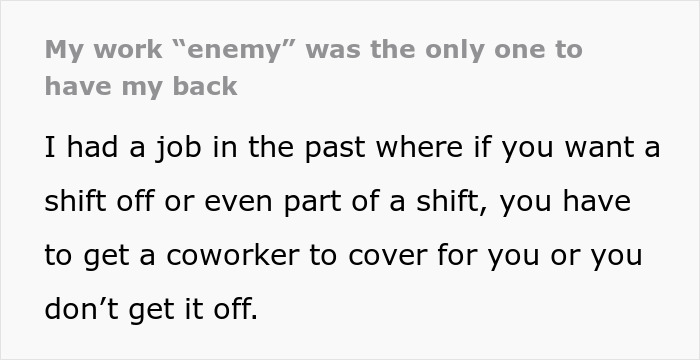
At the author’s job, employees depended on each other for schedule changes, leading to unexpected workplace relationships
When unexpected legal responsibilities began affecting work, finding reliable help from coworkers became more difficult than originally expected

Image credits: drobotdean / Magnific (not the actual photo)
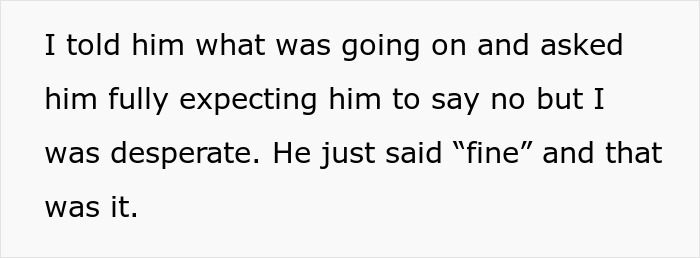
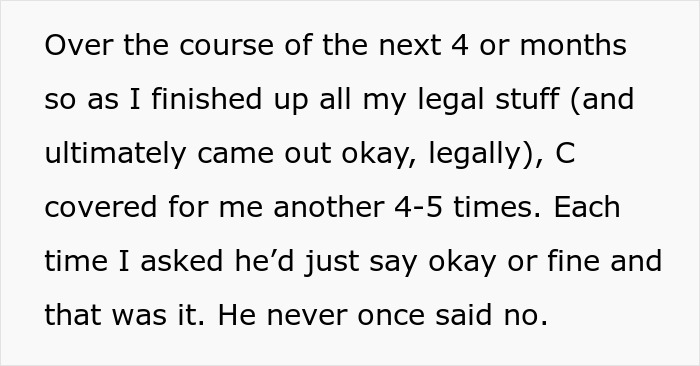
The author had trouble juggling their workload with personal issues, but none of their “friends” actually helped, except for the “office outcast”

Image credits: wirestock / Magnific (not the actual photo)
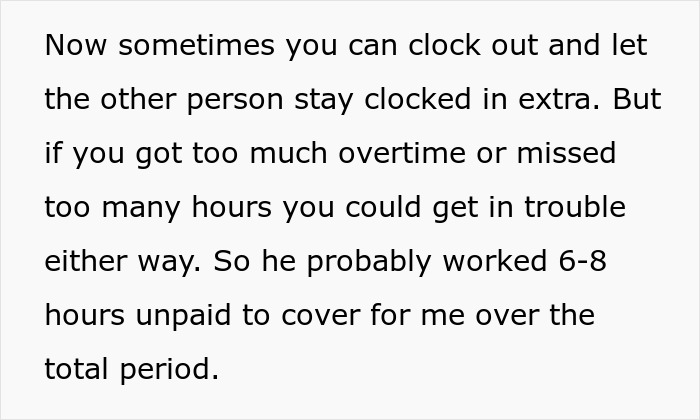
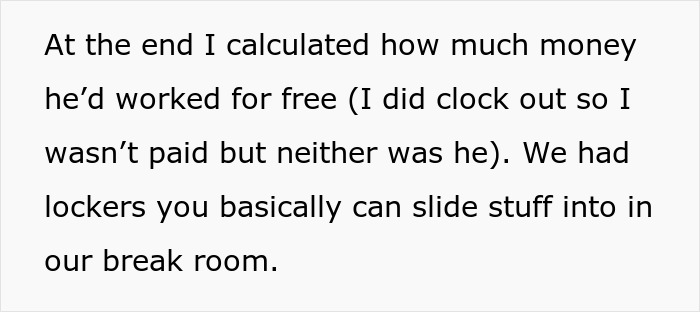
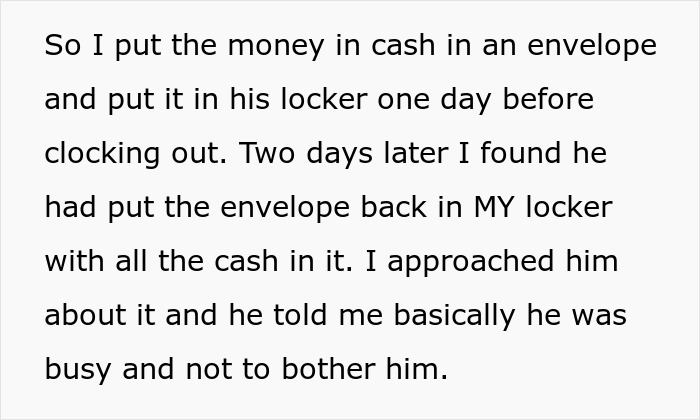
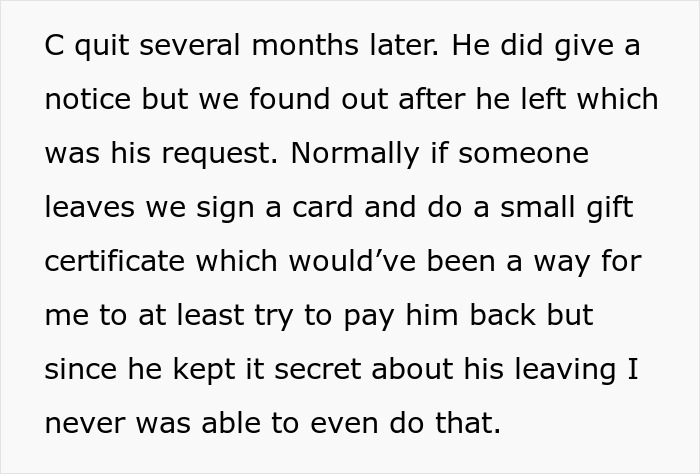
Image credits: foreverand2025
After everything was settled, the author tried to return the favor and find a way to show appreciation, but the colleague came back to his loner style
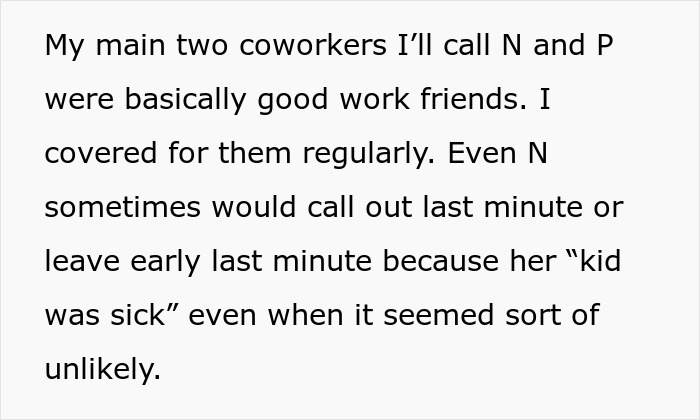
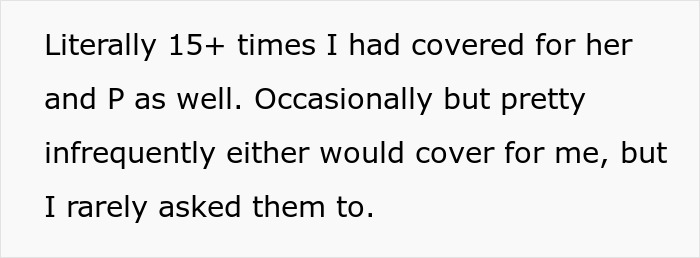
For years, the OP believed they had built strong friendships at work. Two colleagues were considered close allies, and the narrator was always willing to help them whenever they needed a shift covered. Whether it was last-minute absences or unexpected schedule changes, the author regularly stepped in to cover for their friends without a doubt.
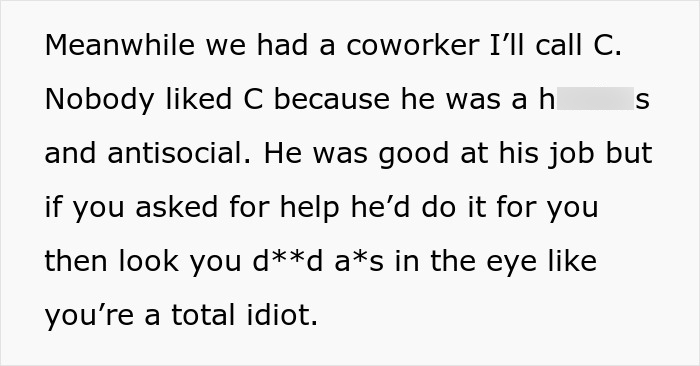
Then, there was this other coworker, who was the complete opposite. The black sheep of the office. Almost everyone disliked him because he was not friendly at all and quite rude to others. He never socialized and often made people feel uncomfortable. He was very good at his job, though, but lacked social skills.
Life took an unexpected turn when the author faced a stressful personal situation involving legal matters that required them to adjust their work schedule, and they hoped the coworkers they had supported so many times would return the favor. However, when the OP reached out to their friends, the response was disappointing. They would not offer the same help when it truly mattered.
To the narrator’s surprise, the only person who stepped up was that one “disgusting” coworker that nobody liked. Without a second thought, he agreed to cover the shifts and help the author manage the difficult situation. The person they had always viewed as cold and unfriendly turned out to be the unexpected friend who had their back when nobody else did.
The OP attempted to thank this colleague for his loyalty and support with a money envelope, but it was rejected and returned in silence. And one day, out of the blue, the person quit his job and never returned, leaving the narrator worried they would never fully be able to show their appreciation for the coworker’s help.

Image credits: wirestock / Magnific (not the actual photo)
Workplace friendships are not supposed to be based solely on daily interactions, but also on trust and the ability to provide support when it is truly needed. This research begins by emphasizing this particular issue, stating that “Workplace friendships foster mutual trust, assistance, and emotional support”. Traits that the OP expected in vain from so-called friends.
The American Psychological Association (APA) provides thorough guidance on working relationships. Close relationships “are important because they help us feel connected, valued and supported”. From a psychological standpoint, building trust with coworkers is highly valuable, and it’s important to nurture that trust and create strong bonds. More importantly, not every bond will be the same.
In any workplace, people have different personalities and ways of working. Learning to coexist with them without judging them can reveal unexpected allies, as happened to OP. This post at Indeed explains that in your job, “you’ll likely encounter colleagues with varying opinions, work methods and ideological practices”. No matter the differences, it’s important to find harmony and common ground.
The lesson learned is that you shouldn’t be quick to label your colleagues as “work enemies” before actually getting to know them. How are you at work? Care to share any similar anecdotes with us?
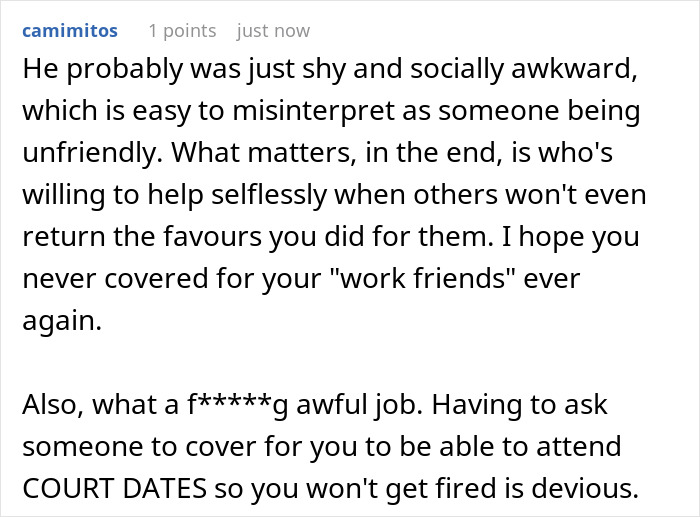
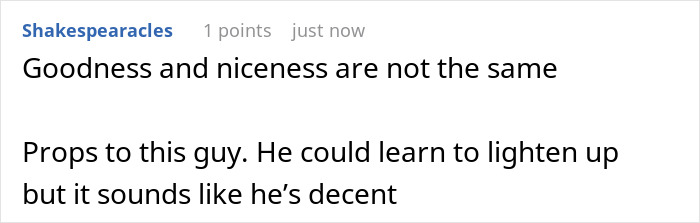
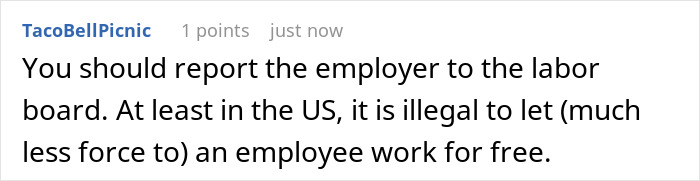
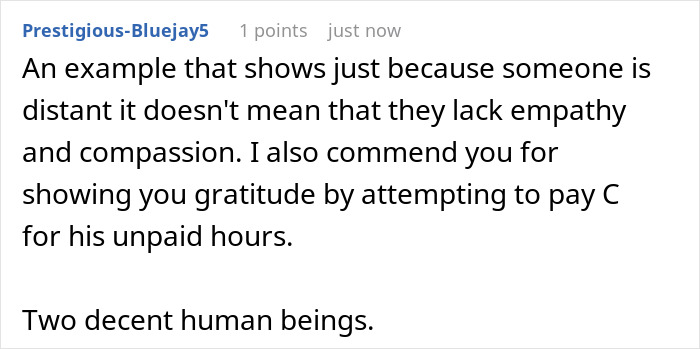
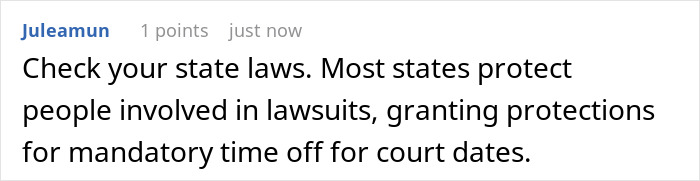
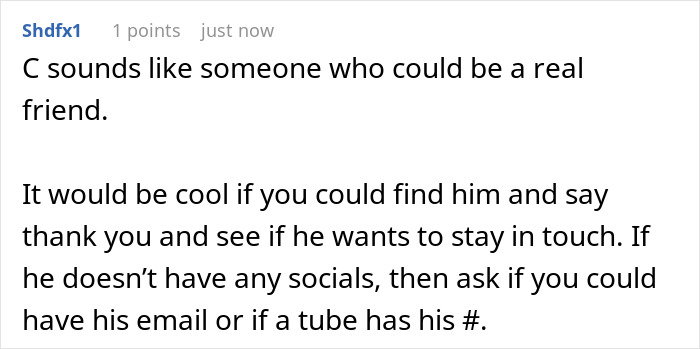
The community praised the actions of the author’s coworker and encouraged finding a way to fully thank him





 Follow Us