The world is a big place, and there’s way more happening on it than any of us could ever keep track of. New creatures, wild landscapes, mind-blowing discoveries—they just keep coming. And honestly, that’s the best part. No matter how much you’ve seen, there’s always something out there that can still surprise you.
The Instagram page Earth Explained collects interesting facts about all these things and more, and we’ve rounded up some of their best posts. Scroll down to see them and upvote your favorites.
#1
Sea Otter are among the smartest and most fascinating marine mammals in the world. They are one of the few animals known to regularly use tools, often smashing clams, mussels, and sea urchins open with rocks while floating on their backs. Some sea otters even keep a favorite rock tucked under their armpit in a loose flap of skin, almost like carrying a personal tool kit wherever they go. Scientists have discovered that young otters learn these hunting skills by watching their mothers, showing that otters can pass down behaviors through generations like a form of animal culture.
Sea otters are also famous for one of the cutest survival behaviors in nature: holding hands while they sleep. Groups called “rafts” float together on the ocean surface and link paws so they do not drift apart in strong currents. Beyond looking adorable, sea otters are perfectly adapted for cold water life because they have the densest fur of any animal on Earth, containing up to a million hairs per square inch. Unlike whales or seals, they do not rely on blubber for warmth, so they constantly groom their fur to trap insulating air bubbles and stay warm in icy seas.

Image source: explainingterra

#2
Using pinecones as natural soil moisture indicators is a clever gardening trick that demonstrates how nature often provides simple solutions to everyday problems. Instead of relying on electronic devices or guesswork, gardeners can place a few pinecones on top of potting soil and watch their scales for clues about moisture levels. This method takes advantage of the pinecone’s natural hygroscopic properties, which cause it to respond to changes in humidity.
When conditions are moist, the scales close tightly; when the soil becomes dry, they open up, signaling that it may be time to water. Beyond their practical use, pinecones add a touch of natural beauty to indoor plants and serve as a reminder of sustainable, mindful gardening. This simple technique highlights the elegance of natural design and shows that some of the most effective tools can be found right in the forest.

Image source: explainingterra
#3
Moss are surprisingly efficient at absorbing carbon dioxide, with studies suggesting they can take up to four times more CO₂ per unit area or biomass than trees. This is because mosses lack bark and other protective outer layers, allowing their entire surface to participate directly in gas exchange and photosynthesis. However, despite this efficiency, trees still dominate long-term carbon storage due to their enormous size, wood density, and ability to accumulate carbon over decades or even centuries. Overall, mosses may account for roughly 6% of global biological carbon uptake, making them a small but meaningful part of the carbon cycle.
Beyond carbon absorption, mosses are remarkable for their ability to grow without soil, thriving on rocks, roofs, walls, and tree surfaces by absorbing water and nutrients directly from the air. This adaptability allows them to survive in harsh and urban environments where other plants struggle. In cities, moss can help reduce heat by providing evaporative cooling and shading, which contributes to lowering the urban heat island effect. Because of these benefits, moss is increasingly being explored in green infrastructure such as vertical gardens and biofilters, highlighting its value as a low-maintenance and environmentally useful organism.
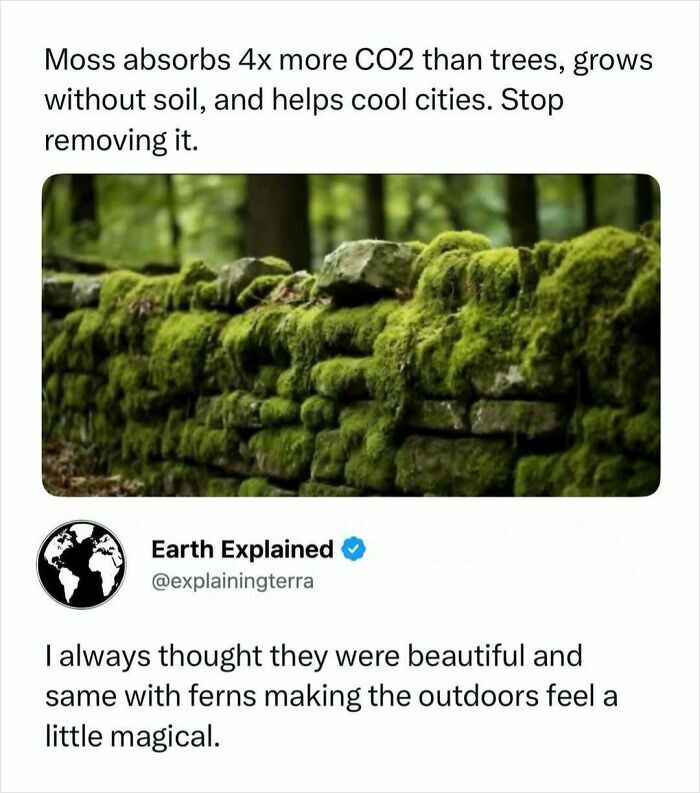
Image source: explainingterra
#4
One of the most impressive achievements of the Artemis program was the extraordinary precision of its return to Earth. NASA scientists predicted that the Artemis II capsule would splash down at exactly 8:07:27 PM EST, and the spacecraft reached its target right on schedule. Considering that the capsule was traveling through space at tremendous speeds, hitting a precise landing time down to the second was a remarkable demonstration of modern engineering and mathematics.
This accuracy was made possible by years of planning, advanced computer modeling, and constant tracking throughout the mission. Engineers had to account for countless variables, including the spacecraft’s trajectory, Earth’s rotation, atmospheric conditions, and reentry dynamics. The successful prediction highlighted not only the reliability of NASA’s technology but also the incredible skill of the teams guiding humanity’s return to deep-space exploration.

Image source: explainingterra
#5
One of the most famous stories in surveying history concerns the first official measurement of Mount Everest. During the 1850s, surveyors of the Great Trigonometrical Survey of India used trigonometry and observations taken from great distances to calculate the height of what was then called Peak XV. After years of careful work, they arrived at a result of exactly 29,000 feet. Concerned that such a perfectly round number might be dismissed as a rough estimate, Surveyor General Andrew Waugh announced the height as 29,002 feet instead.
The extra two feet were not added to exaggerate the mountain’s size but to emphasize the precision of the calculations. Historians still debate whether the original figure was exactly 29,000 feet or slightly higher, yet the story remains a classic example of how people often distrust numbers that seem “too perfect.” Modern GPS-based surveys place Everest at about 29,032 feet (8,849 meters), demonstrating just how impressively accurate those 19th-century surveyors were using little more than mathematics, telescopes, and extraordinary patience.

Image source: explainingterra
#6
High-altitude mountain ranges such as the Andes Mountains are home to striking chains of glacial lakes formed by retreating ice over thousands of years. Many of these lakes are naturally dammed by rock and moraine, and their vivid turquoise and deep blue colors come from fine suspended particles known as rock flour. These mineral sediments, ground down by glaciers, scatter sunlight in a way that gives the water its vivid, almost unreal appearance.
Some of the most famous examples lie along remote trekking routes in regions like the Cordillera Huayhuash in Peru, where hikers cross high passes often above 4,000 meters. These journeys can take many days, with long distances between settlements, adding to the sense of isolation and scale. Because the landscapes are so difficult to access, they remain largely shaped by ice, rock, and time rather than modern development, preserving a raw and dramatic alpine environment.

Image source: explainingterra
#7
A group of Penguin briefly turned an ordinary day at a Danish zoo into an internet sensation when they escaped their enclosure and waddled through service corridors behind the scenes. Leaving a trail of tiny footprints as they explored, the birds appeared surprisingly coordinated, prompting jokes that they looked like characters from an animated adventure carrying out a secret mission. Zoo staff safely guided the curious travelers back, and no penguins were harmed during their short-lived expedition.
The viral videos delighted millions because the scene felt almost too perfect to be real. Watching several penguins march confidently through hallways together highlighted the intelligence, curiosity, and social nature that make them such beloved animals. Although the escape lasted only a short time, it quickly became one of the week’s most wholesome animal stories, proving that sometimes a few wandering penguins are all it takes to brighten the internet’s day.
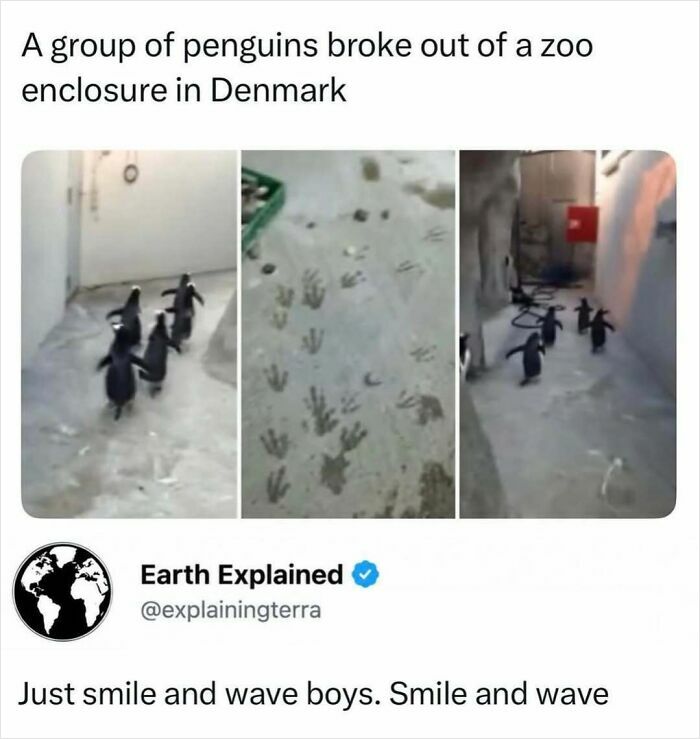
Image source: explainingterra
#8
In 2024, security footage from a nursing home in Yantai went viral after showing a 92-year-old woman climbing a 2.15-metre gate and leaving the facility in just 24 seconds. Staff later confirmed she had Alzheimer’s disease and was safely located nearby after a brief search, turning what began as a worrying incident into an unexpected moment of public fascination due to her surprising agility.
The case drew attention because it challenged common assumptions about aging and decline. Experts note that physical strength and cognitive conditions like dementia do not always progress in the same way, meaning some older adults can remain highly mobile even while experiencing serious memory impairment. It also highlighted why nursing homes rely on supervision that goes beyond physical ability alone, focusing on safety as well as care.

Image source: explainingterra
#9
Wood is one of nature’s most remarkable building materials, produced exclusively by vascular plants through a highly specialized biological process. It consists primarily of cellulose fibers embedded within a matrix of lignin and hemicellulose, creating a structure that is both strong and lightweight. Plants manufacture this material by using Photosynthesis to transform sunlight, water, and carbon dioxide into sugars, which are then used to build specialized cells that eventually dwindle and leave behind rigid, supportive walls.
This sophisticated architecture allows trees to reach extraordinary sizes while remaining flexible enough to withstand wind and weather. Giant trees such as Giant Sequoia depend on wood to support their immense weight and height. As far as scientists know, no other planet has shown evidence of this complex organic material, which required advanced multicellular life, abundant oxygen, and hundreds of millions of years of evolutionary development to emerge on Earth

Image source: explainingterra
#10
Scientists have recently mapped Earth’s vast underground networks of mycorrhizal fungi, revealing one of the planet’s most extensive biological systems. Often called the “Wood Wide Web,” these fungal networks are estimated to stretch an astonishing 68 quadrillion miles beneath forests, grasslands, and other ecosystems. The fungi form partnerships with the roots of nearly 90% of plant species, creating underground connections that link countless plants together.
These hidden networks help transport water, nutrients, and chemical signals between plants, allowing ecosystems to function more efficiently. Research suggests that connected plants can even share warning signals about drought, disease, or insect attacks through the fungal web. By linking entire communities of vegetation underground, mycorrhizal fungi play a crucial role in plant health, ecosystem resilience, and the cycling of nutrients across the natural world.
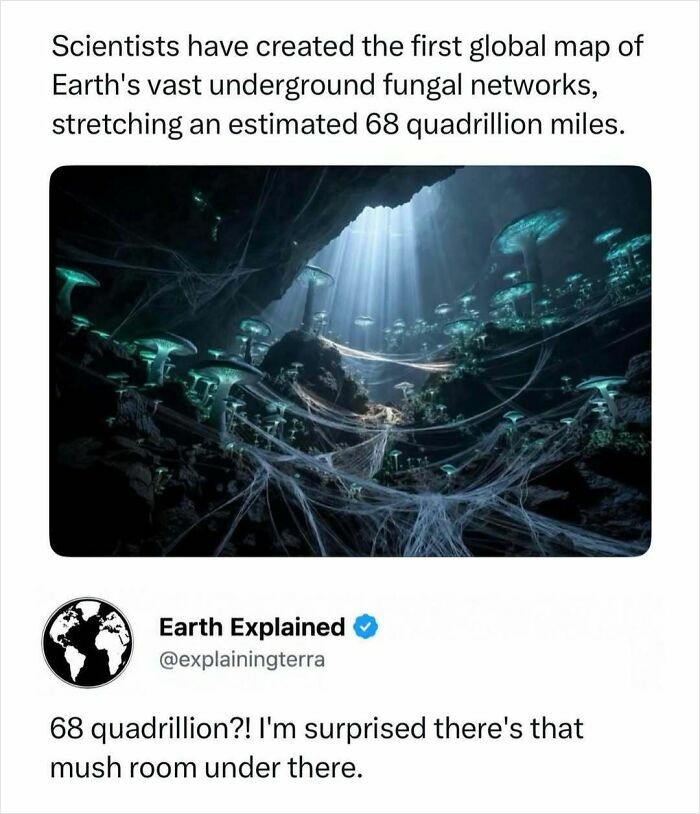
Image source: explainingterra
#11
Tetragonula are stingless bees famous for building highly intricate spiral nests with striking geometric organization. These nests are not designed by a leader, but emerge from the repeated actions of individual worker bees following simple local rules. Despite this simplicity, the collective result is a large, organized structure that often forms spiraling patterns, showing how complex architecture can arise from basic behavior.
Scientists have found that these nest patterns reflect mathematical principles similar to those seen in crystal growth and the formation of nacre in mollusk shells. Each bee contributes incrementally, adding or shaping wax in response to its immediate surroundings, yet the overall structure becomes highly ordered. This process demonstrates how nature can produce sophisticated, repeating patterns without centralized control, highlighting the deep connection between biology and mathematics.
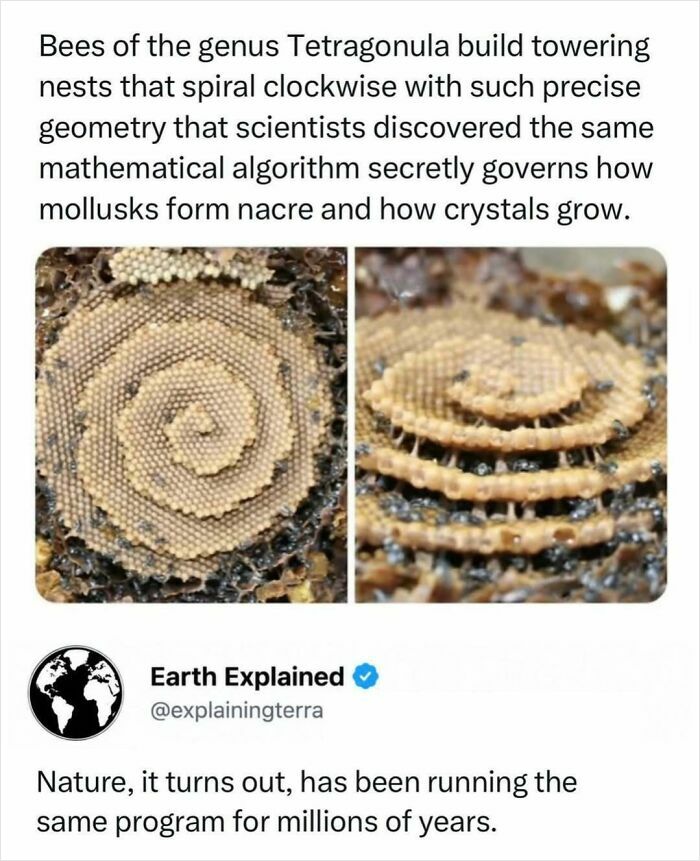
Image source: explainingterra
#12
Blue Java banana is a unique banana variety often nicknamed the “ice cream banana” because of its remarkably creamy texture and naturally sweet flavor. When unripe, its peel has a pale blue-silver tint, which makes it visually distinct from more common yellow banana varieties. As it ripens, the fruit becomes soft and develops a custard-like consistency.
This banana is grown in tropical regions such as Southeast Asia, Hawaii, and parts of Central America, where warm climates support its growth. It has gained popularity online and in specialty markets due to its unusual dessert-like taste, often described as resembling vanilla ice cream, frozen yogurt, or custard. Its combination of texture and flavor makes it one of the most talked-about exotic banana varieties.

Image source: explainingterra
#13
King Tutankhamun’s famous dagger is one of the most remarkable artifacts from ancient Egypt because its blade was forged from meteorite iron. Discovered inside the young pharaoh’s tomb, the weapon was later analyzed by scientists, who found high levels of nickel and cobalt consistent with iron from a meteorite rather than metal found naturally on Earth. This confirmed that the blade was made from material that had fallen from space.
The discovery is especially fascinating because the dagger was crafted more than 3,000 years ago, long before modern astronomy or metallurgy existed. Ancient Egyptians likely viewed objects from the sky as sacred, making meteorite iron a fitting material for a royal treasure. The idea that King Tutankhamun carried a weapon made from space metal continues to capture imaginations today, blending history, science, and mystery into a single extraordinary object.

Image source: explainingterra
#14
Humans have 32 teeth because different types evolved to perform different functions in processing food. Incisors are used for cutting, canines for tearing, premolars for crushing, and molars for grinding. This division of labor allows the human jaw to handle a wide variety of foods, from tough meats and nuts to softer fruits and grains, making eating more efficient and versatile.
Having separate teeth also provides an important biological advantage in durability and survival. If one tooth becomes damaged, infected, or lost, the rest can still function normally, preventing total loss of chewing ability. In contrast, a single solid chewing surface would be far more vulnerable—one crack or defect could disrupt the entire system. Evolution often favors structures that can fail in parts rather than all at once, improving long-term resilience.

Image source: explainingterra
#15
Turtle come in an incredible variety of species, ranging from tiny freshwater turtles to giant ocean travelers. Popular species such as the Red-eared Slider, Painted Turtle, and Box Turtle all behave differently despite sharing the same basic shell-covered appearance. Red-eared sliders are active and curious, often gathering together to bask in the sun, while painted turtles are calmer and spend long hours quietly resting on logs near the water. Box turtles, unlike many aquatic species, prefer life on land and are usually shy, hiding until they feel completely safe.
Sea turtles live even more extraordinary lives. Species like the Green Sea Turtle and Loggerhead Sea Turtle can travel thousands of miles across oceans during migration. Green sea turtles are gentle grazers that mainly eat seagrass and algae, while loggerheads use their powerful jaws to crush crabs and shellfish. Although turtles are not social in the same way mammals are, many show distinct personalities through their curiosity, boldness, and reactions to people. Their long lifespans, strong instincts, and ability to adapt to different habitats have made turtles some of the most fascinating reptiles on Earth.
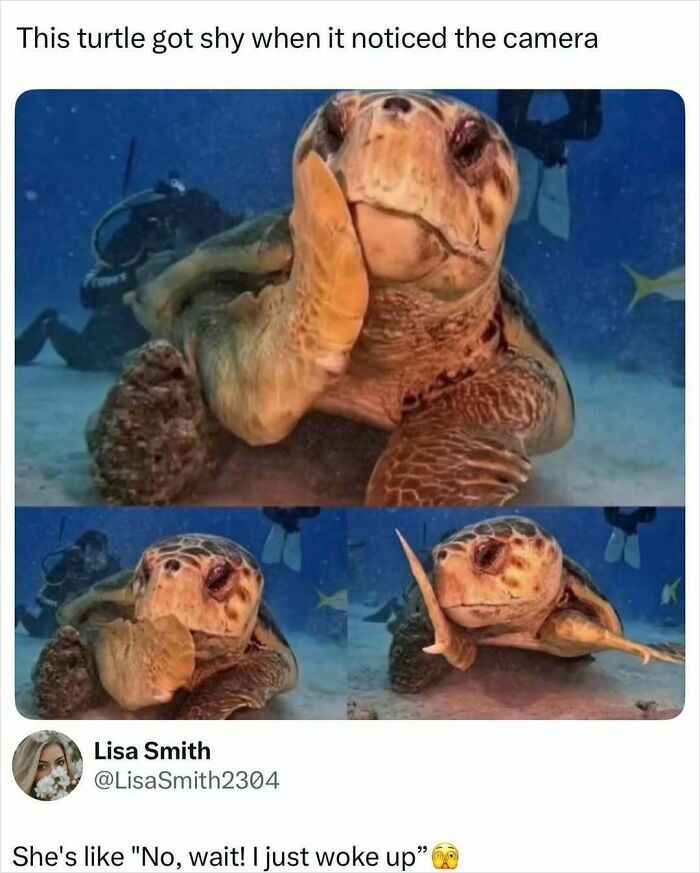
Image source: explainingterra
#16
Seals and otters are among the most charming marine mammals, sharing many traits that make them favorites among wildlife enthusiasts. Both spend much of their lives in the water while relying on land, rocks, or ice for rest. Their streamlined bodies, expressive faces, and sensitive whiskers help them thrive as hunters, allowing them to detect movement in the water and locate fish and other prey with remarkable precision.
Because of their playful behavior and apparent curiosity, seals and otters are often compared to friendly dogs. They frequently roll, splash, chase one another, and investigate nearby boats or divers, creating the impression of mischievous personalities. Their wide range of sounds and body language adds to their appeal, making these intelligent animals some of the most entertaining and endearing creatures found along coastlines and in marine environments around the world.
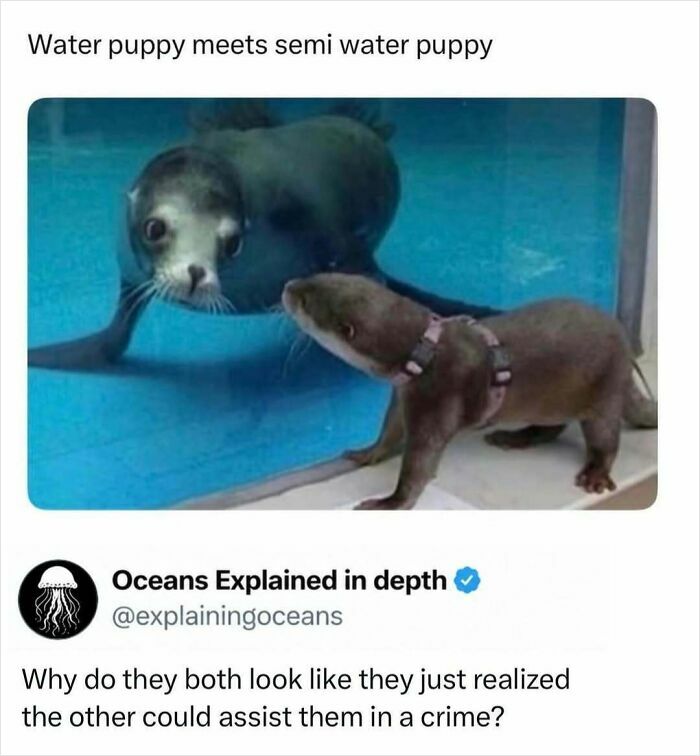
Image source: explainingterra
#17
Sharks are among the most ancient and fascinating creatures in the ocean, having existed for more than 400 million years—long before dinosaurs appeared. With over 500 known species, they range from the tiny dwarf lanternshark to the massive whale shark, the largest fish on Earth. As apex predators, many sharks help maintain healthy marine ecosystems by regulating populations of other marine animals, while their highly developed senses allow them to detect even the faint electrical signals of nearby prey.
Despite their fearsome reputation in popular culture, sharks are far less dangerous to humans than many people assume. Most species pose little to no threat, and shark attacks are extremely rare. In reality, sharks face far greater risks from human activity, including overfishing, habitat destruction, and pollution. As conservation efforts grow worldwide, these animals are increasingly recognized not as monsters of the deep, but as vital and vulnerable parts of the ocean’s balance.
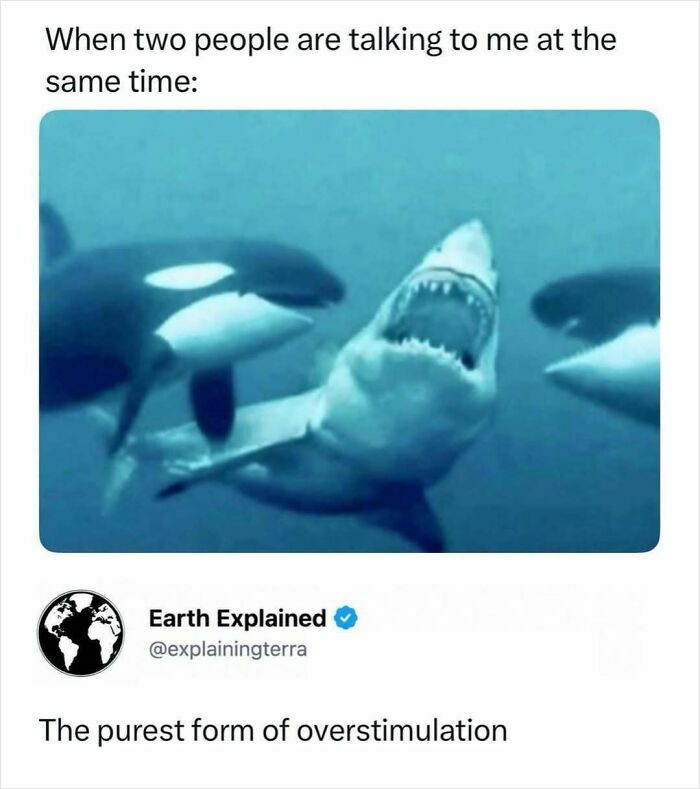
Image source: explainingterra
#18
A German Shepherd named Ryker became an internet favorite after reportedly failing his service dog evaluation for an adorably simple reason: he could not resist a plush elephant toy. During a test designed to measure focus and obedience, Ryker chose to play with the stuffed animal rather than ignore distractions and follow commands. Because service dogs must remain highly attentive to their handlers, this playful decision disqualified him from the program.
Although he did not pass the test, Ryker’s story quickly won people over. His owner eventually bought him the elephant, and photos later showed the proud dog carrying his beloved toy through a train station. The heartwarming moment reminded many people that while not every dog is suited for service work, their unique personalities and joyful quirks can be just as lovable.

Image source: explainingterra
#19
This popular internet meme humorously explores the challenge of human flight by applying real-world aerodynamics to a fantasy concept. The image suggests that for a human to fly using bird-like wings alone, each wing would need to be several times longer than the person’s height to generate enough lift. An illustration of a tiny human standing beside an enormous feathered wing emphasizes just how impractical traditional “angel wings” would be for a creature as large and heavy as a human.
The joke becomes even better with a reply referencing the famous bumblebee myth: “Tell that to the bumblebee.” For decades, people incorrectly claimed that bumblebees should not be able to fly according to physics, even though scientists have long understood how their rapidly flapping wings create the necessary lift. The meme captures the entertaining clash between scientific reality and popular folklore while highlighting why fictional flying humans would require much larger wings or entirely different biology to take to the skies.
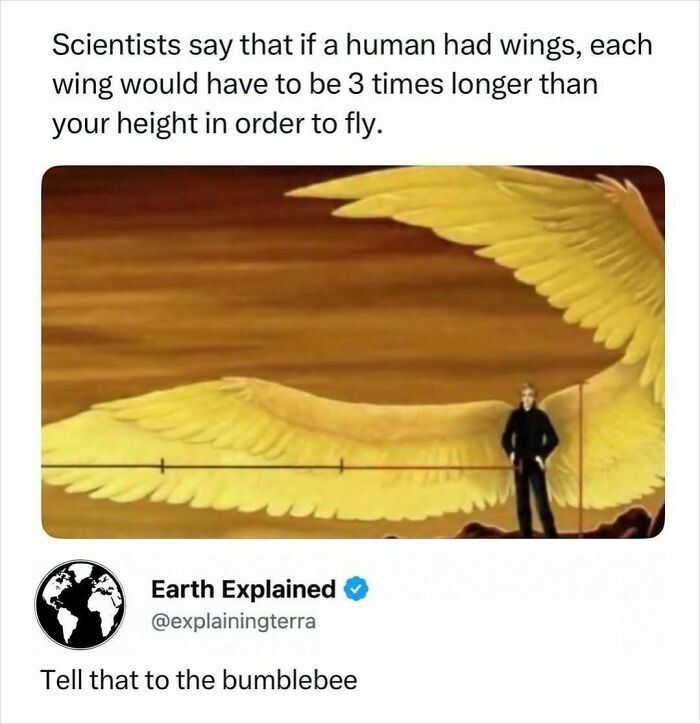
Image source: explainingterra
#20
The Koʻolau Range on the island of Oʻahu is the eroded remnant of a massive shield volcano that began forming more than 2.5 million years ago. Over countless centuries, rainfall, wind, and erosion carved the volcanic landscape into the dramatic cliffs, steep ridges, deep valleys, and spectacular waterfalls that characterize the range today. The mountains are among Hawaii’s most recognizable natural features and provide stunning scenery across much of the island.
The Koʻolau Mountains remain exceptionally green because they sit directly in the path of moist Pacific trade winds. As the air is forced upward over the mountains, it cools and releases large amounts of rain, nourishing lush rainforests, streams, and waterfalls on Oʻahu’s windward side. This constant supply of moisture creates a vibrant tropical environment and explains why the region appears far greener than many of the island’s drier leeward areas.
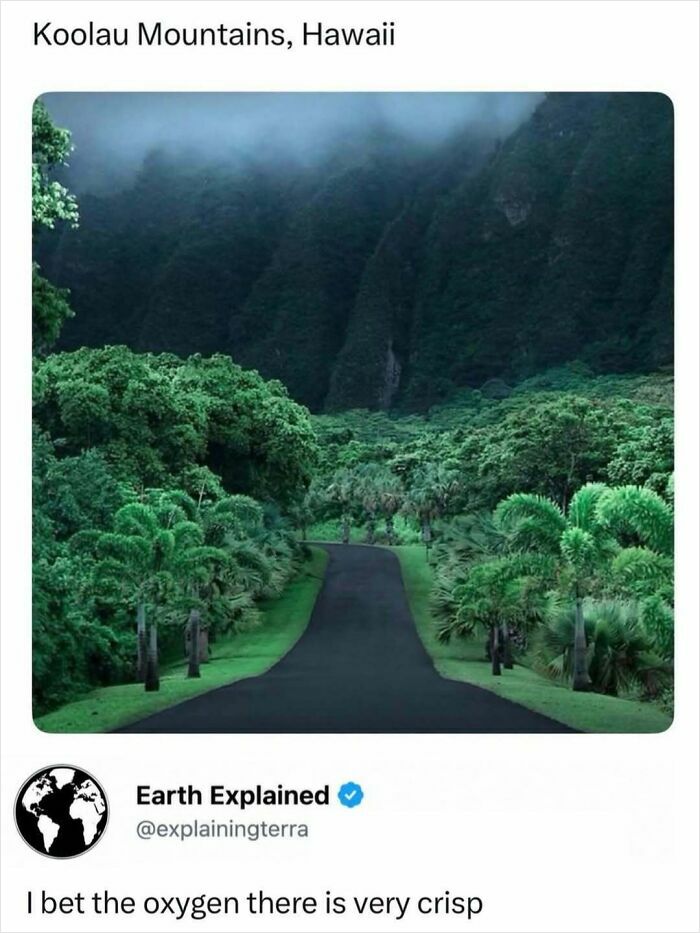
Image source: explainingterra
#21
Spiders are among the most fascinating and successful predators in the animal kingdom. Unlike insects, they are arachnids and have eight legs instead of six. Many species build intricate webs from silk to trap prey, while others actively hunt using speed, camouflage, and remarkable precision. Their ability to adapt to forests, deserts, grasslands, and even human homes has allowed spiders to thrive across much of the world.
Although spiders are often feared, the vast majority are harmless to humans and provide valuable ecological benefits by controlling insect populations. From tiny jumping spiders to impressive tarantulas, they display an incredible variety of forms and behaviors. Their silk is one of nature’s most remarkable materials- strong, lightweight, and flexible. By helping maintain ecological balance and showcasing extraordinary adaptations, spiders continue to captivate both scientists and nature enthusiasts alike.
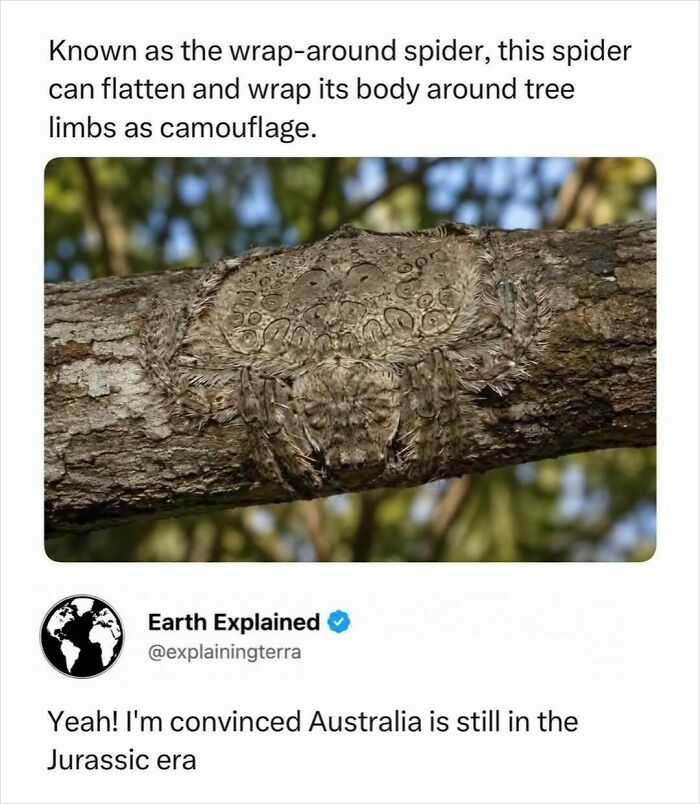
Image source: explainingterra
#22
A severe drought in Spain has brought renewed attention to the Dolmen of Guadalperal, an ancient megalithic monument often nicknamed the “Spanish Stonehenge.” Dating to around 5,000 BCE, the site consists of more than 100 standing granite stones arranged around a central chamber. This makes it thousands of years older than both Stonehenge and the famous pyramids of ancient Egypt, highlighting the impressive achievements of Europe’s Neolithic communities.
Archaeologists believe the monument may have served as a burial site, temple, or ceremonial center on the banks of the Tagus River. However, the structure disappeared beneath the waters of the Valdecañas Reservoir after the construction of a hydroelectric dam in the 1960s. When water levels drop during periods of drought, the stones reemerge, offering a rare glimpse of a prehistoric monument that has spent decades hidden beneath the surface.
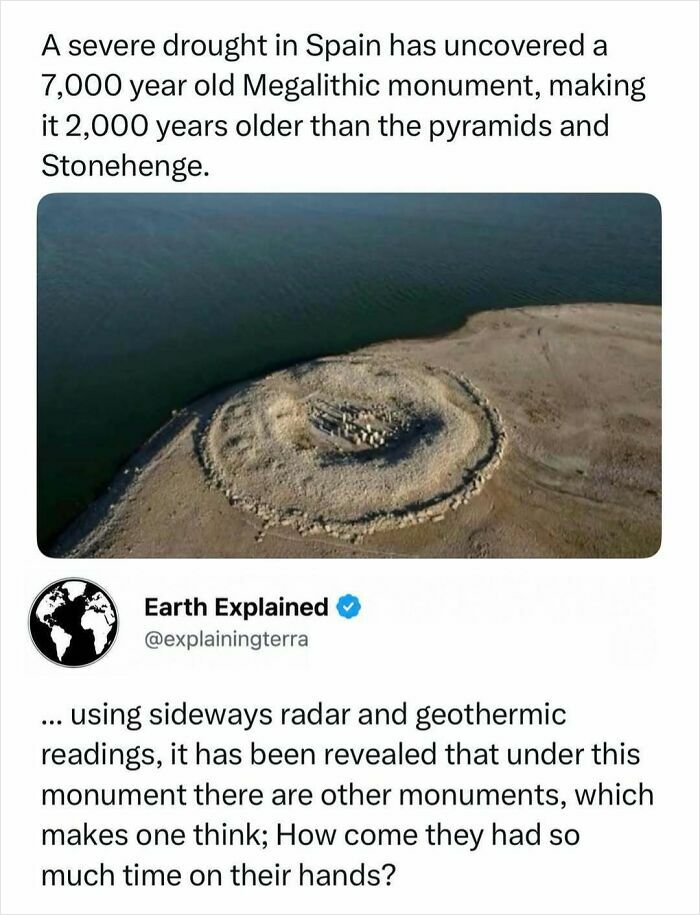
Image source: explainingterra
#23
A series of aerial images reportedly captured over the Amazon Rainforest has renewed discussion about the use of drone surveillance near isolated indigenous communities. The photos show remote settlements made up of traditional thatched longhouses and small groups of individuals moving along forest paths. According to reports, such flights are often conducted as part of environmental monitoring efforts aimed at detecting illegal logging, mining, and encroachment in protected territories rather than direct interaction with the communities.
Advocacy groups and experts caution that uncontacted or minimally contacted tribes are among the most vulnerable populations in the world, particularly due to their lack of immunity to common modern diseases and their reliance on isolation for survival. While aerial monitoring can help enforce protections, critics argue that sharing these images publicly risks sensationalizing already fragile situations. The debate highlights a broader tension between conservation technology, governmental oversight, and the ethical responsibility to respect indigenous autonomy and privacy.
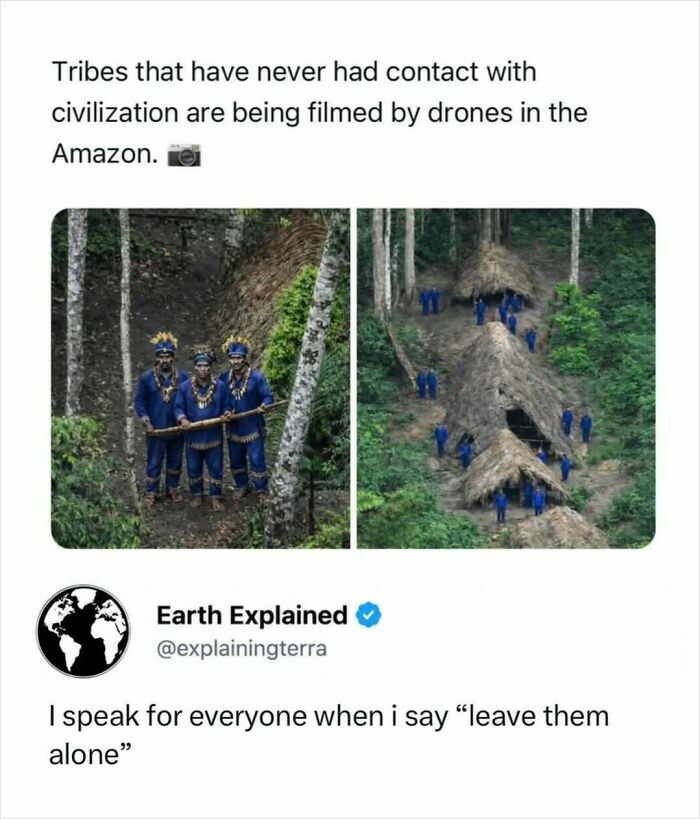
Image source: explainingterra
#24
The stunning landscape of Lençóis Maranhenses National Park in northeastern Brazil appears at first glance to be a vast desert of white sand dunes. However, unlike a true desert, the region receives heavy seasonal rainfall. During the wet season, rainwater fills the spaces between the dunes, creating thousands of crystal-clear freshwater lagoons that can cover more than 1,500 square kilometers.
What makes Lençóis Maranhenses especially unique is its location between the Amazon Rainforest and Brazil’s coastal savanna-like ecosystems. This unusual geography allows sand dunes, temporary lagoons, and lush tropical vegetation to exist side by side. The result is one of the most extraordinary and visually striking natural environments in South America, attracting visitors and scientists from around the world.
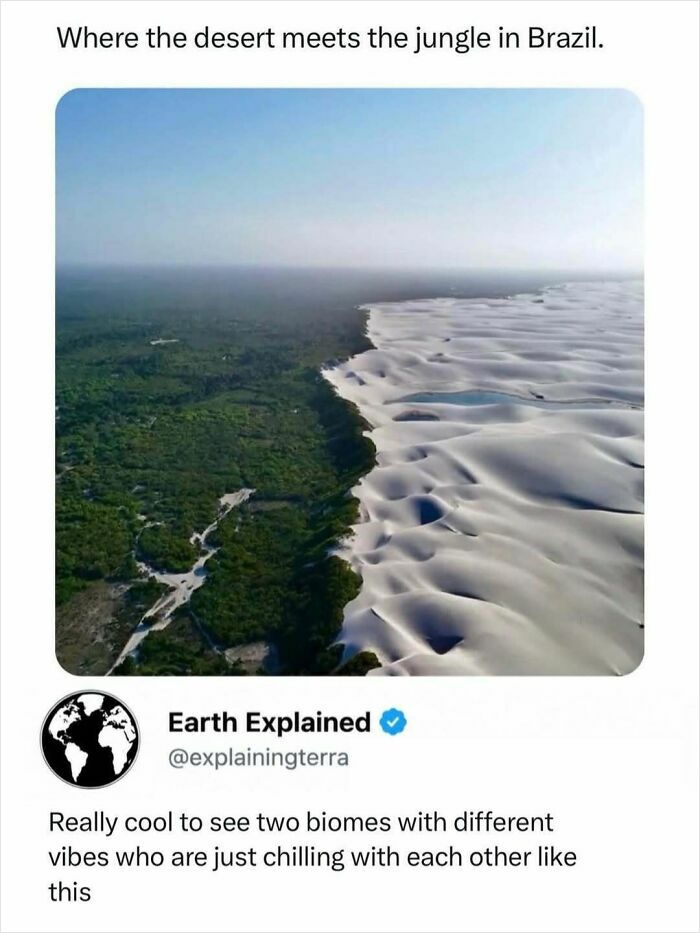
Image source: explainingterra
#25
Researchers in South Korea have developed experimental artificial muscles that imitate the way human muscle fibers contract and generate movement. Some prototypes have reportedly produced greater force relative to their size than natural muscle tissue, making them an exciting advancement in the field of soft robotics. By combining flexibility, strength, and efficiency, these materials could help create machines that move in a more natural and lifelike manner.
Scientists believe artificial muscles may have important applications in robotics, prosthetic limbs, and medical devices designed to restore mobility. Rather than enhancing human abilities, the primary goal is to develop lightweight systems that can assist people and improve the performance of future technologies. This breakthrough demonstrates the rapid progress of bio-inspired engineering and brings researchers closer to creating machines capable of moving with muscle-like precision and control.

Image source: explainingterra
#26
Often called the “teddy bear of the garden,” the male Valley Carpenter Bee is a surprisingly adorable pollinator covered in dense golden-yellow fuzz. Unlike many bees that people worry about, male carpenter bees cannot sting at all because they lack stingers. Although they may hover curiously near people, they are harmless and are usually just investigating their surroundings or defending territory from other insects.
These fluffy bees play an important role in pollinating wildflowers and garden plants. Their soft, furry appearance helps collect and transfer pollen as they move from flower to flower. Native to parts of western North America, Valley Carpenter Bees are a reminder that some of the most important garden helpers are also among the cutest, looking more like tiny flying stuffed animals than insects.
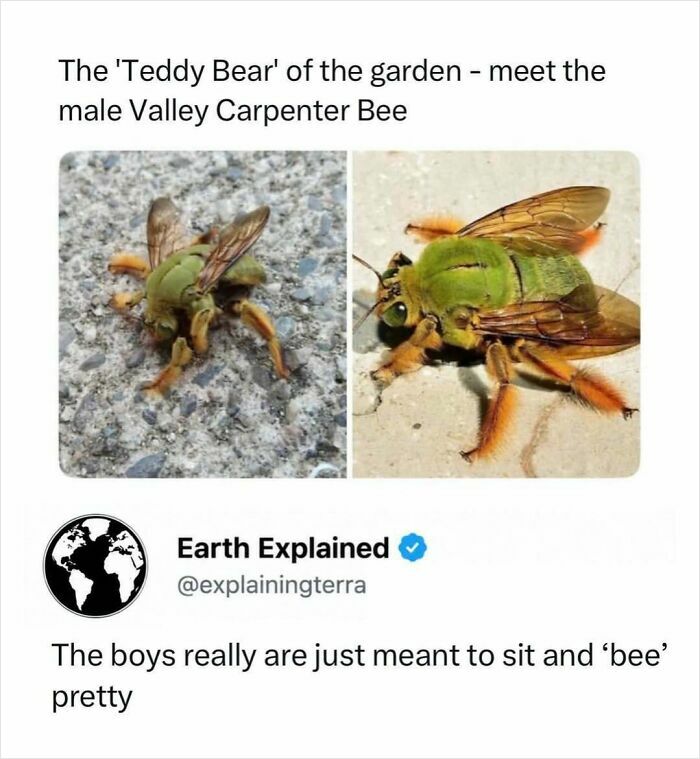
Image source: explainingterra
#27
The seahorse has a highly unusual digestive system because it lacks a true stomach. Instead, food moves through a simple, tube-like gut with very little storage capacity, meaning it passes through the body quickly and is not processed efficiently. As a result, seahorses must feed almost constantly to obtain enough energy to survive in their environment.
Because they are weak swimmers, seahorses rely on camouflage and patience to ambush prey rather than chasing it. They use their long, tubular snouts to rapidly suck in tiny plankton and small crustaceans, sometimes consuming thousands of individual organisms in a single day, as noted by the Ocean Conservancy. This nonstop feeding behavior is essential, since their high metabolism quickly uses up the limited energy they gain from their inefficient digestion.
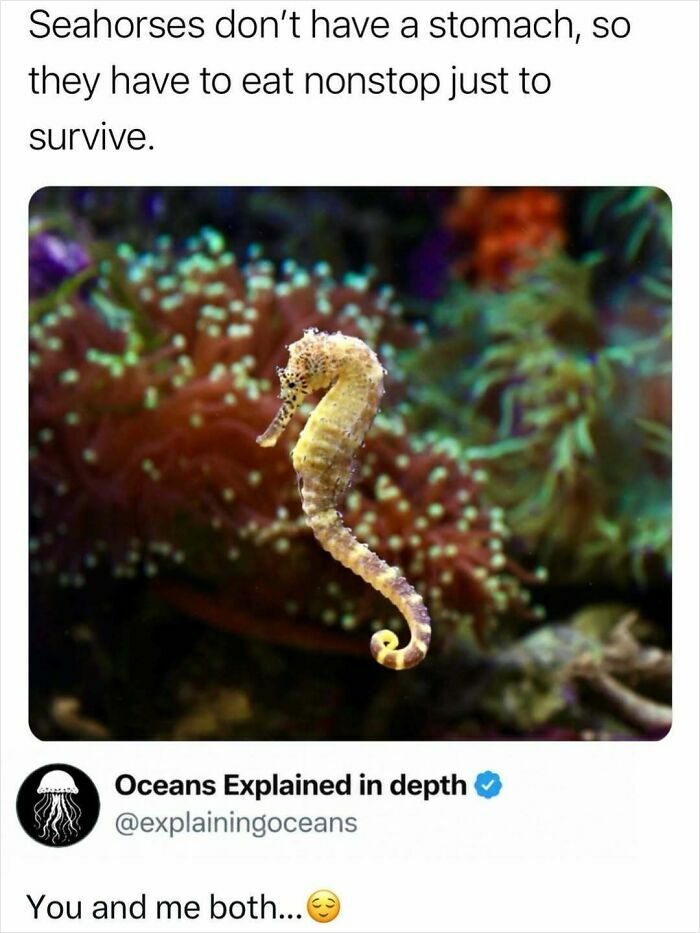
Image source: explainingterra
#28
One of the most fascinating things about prehistoric art is that people in different parts of the world created remarkably similar hand stencil paintings. Some of the best-known examples come from Cueva de las Manos, where ancient hunter-gatherers left negative handprints on cave walls more than 9,000 years ago. By spraying pigment around their hands, they created images that have survived for thousands of years and still captivate visitors today.
Archaeologists continue to debate the exact meaning of these handprints, suggesting they may have represented identity, rituals, communication, or shared memories. What makes them so powerful is their universality. Across continents and across millennia, people felt the same desire to express themselves and leave evidence of their existence. These simple handprints remind us that, despite the vast distance of time, ancient humans were not so different from us today.

Image source: explainingterra
#29
Male bottlenose dolphins form remarkably strong, long-term partnerships called first-order alliances. These close bonds are built through years of cooperation, as two males work together to herd and protect fertile females from rival groups. By acting as a coordinated team rather than alone, they greatly increase their chances of mating success, showing how cooperation can be more powerful than competition.
Their social structure becomes even more complex when these pairs join larger second-order alliances, forming groups that can include up to 14 dolphins to defend against competitors. These relationships are maintained through physical contact, such as rubbing flippers, and through unique signature whistles that allow them to recognize and communicate with specific partners across long distances in the ocean.
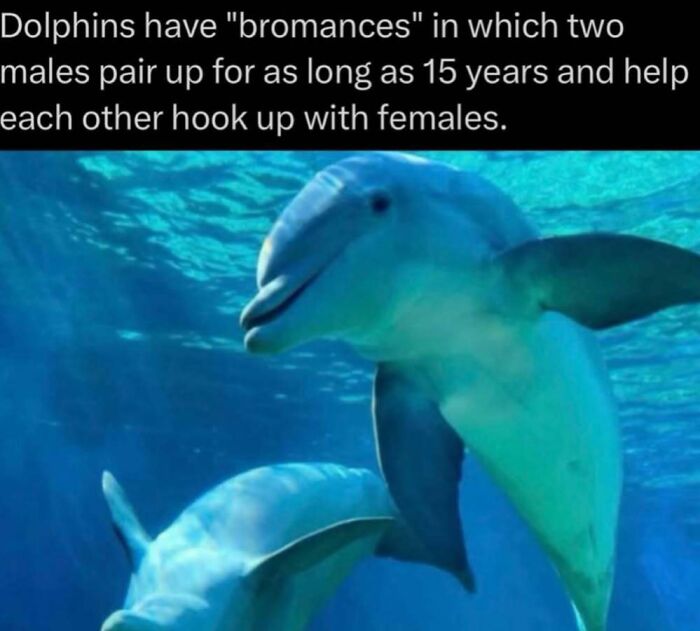
Image source: explainingterra
#30
The crabeater seal (Lobodon carcinophaga) possesses one of the most uniquely specialized teeth in the animal kingdom, adapted for a very specific feeding strategy. Despite their name, these seals do not eat crabs; instead, they primarily consume Antarctic krill. Their teeth feature a complex, multi-cusped structure that interlocks when the seal closes its mouth, creating a sieve-like filtering system designed to trap krill.
As the seal swims through the water, it takes in mouthfuls of water filled with krill, and then closes its jaws to force the water out. The interlocking teeth effectively filter and trap the krill inside, much like the baleen plates of whales. This filter-feeding method is a rare adaptation among mammals, especially ones with teeth, and showcases the crabeater seal’s remarkable ability to thrive in the nutrient-rich waters of the Antarctic.
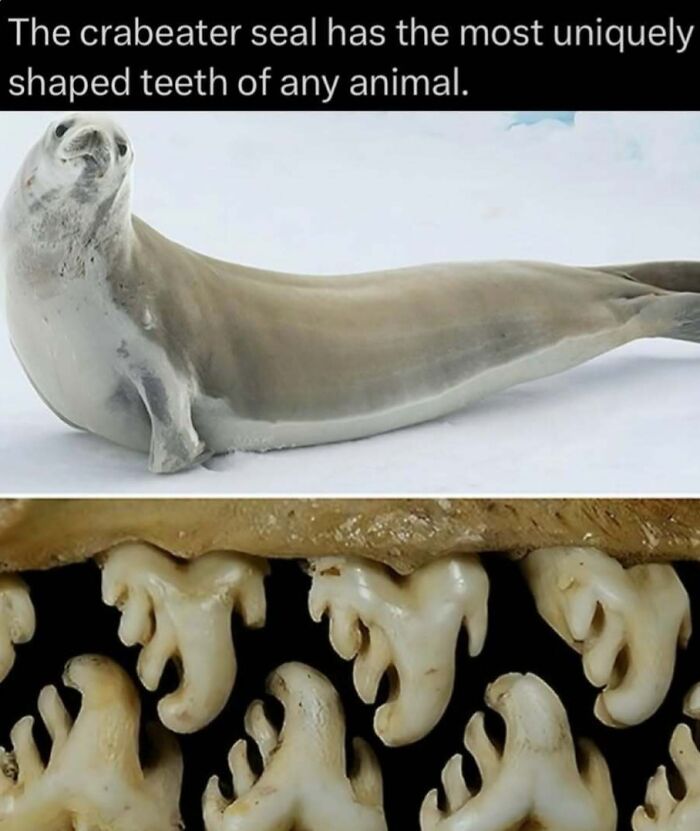
Image source: explainingterra
#31
At an aquarium in Seoul, a rare and unsettling incident occurred when a female shark attacked and consumed a male shark after he repeatedly bumped into her inside their shared tank. Aquarium staff suggested that the behavior was likely triggered by irritation or territorial instincts, as the confined space may have heightened stress and reduced the animals’ ability to avoid conflict.
Although such events are uncommon, they highlight the challenges of keeping large marine predators in captivity. Limited space can disrupt natural behaviors, increasing the likelihood of aggression between animals that would otherwise keep their distance in the wild. This incident serves as a reminder of the delicate balance required in managing captive environments and the powerful instincts that still govern even the most carefully controlled habitats.
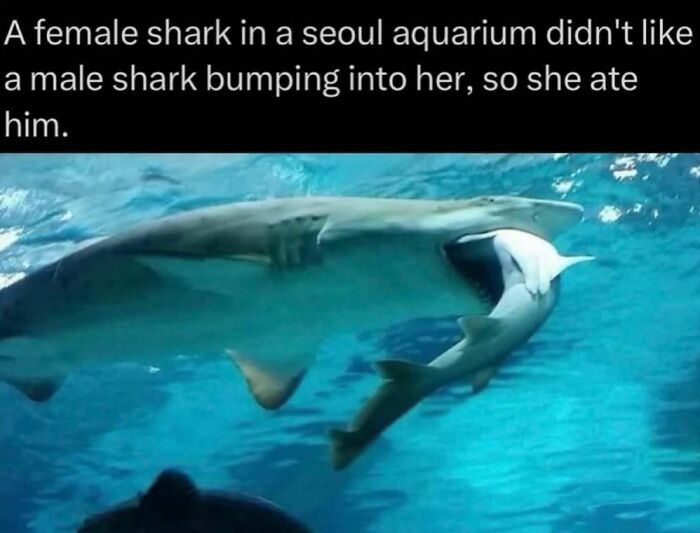
Image source: explainingterra
#32
Clownfish, also known as anemonefish, have a fascinating social system built around a strict hierarchy and a rare biological trait. All clownfish are born male, but they are sequential hermaphrodites, meaning they can change sex later in life. Within each group, there is only one dominant female, typically the largest fish, and beneath her is the most dominant male who earns the right to breed with her. The remaining males stay smaller and submissive, often limited by access to food controlled by the dominant individuals.
When the female lays her eggs on a carefully cleaned surface near their host anemone, the dominant male fertilizes and diligently cares for them. He protects the eggs, fans them to provide oxygen, and removes any that are damaged or infected. After hatching, the young are left to survive on their own in the open water. If the dominant female passes away, the top-ranking male undergoes a remarkable transformation, becoming female and taking her place, ensuring the stability and survival of the group.
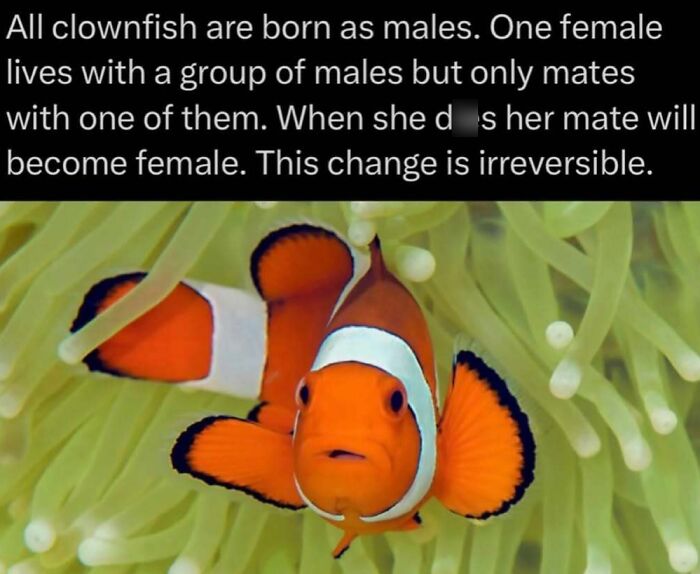
Image source: explainingterra
#33
Starfish, also known as sea stars, are typically recognized for their five-armed radial symmetry, but in rare cases they can develop unusual deformities that alter this familiar shape. Some individuals have been observed with a boxy or square appearance, where their bodies become more angular instead of rounded. These abnormalities may also include extra or missing arms, often resulting from disruptions during early development. Scientists believe such deformities can arise from genetic mutations or environmental stressors that interfere with the organism’s normal growth patterns.
Although the exact causes are not always clear, factors like pollution, fluctuating water temperatures, and habitat disturbances may contribute to these irregular forms. Studying such cases provides insight into how marine organisms respond to environmental pressures and genetic anomalies. However, in the wild, these deformities can reduce a starfish’s chances of survival, as their altered shape may hinder movement or feeding. Even so, these rare occurrences highlight the unpredictable nature of life in the ocean and the delicate balance required for healthy development.
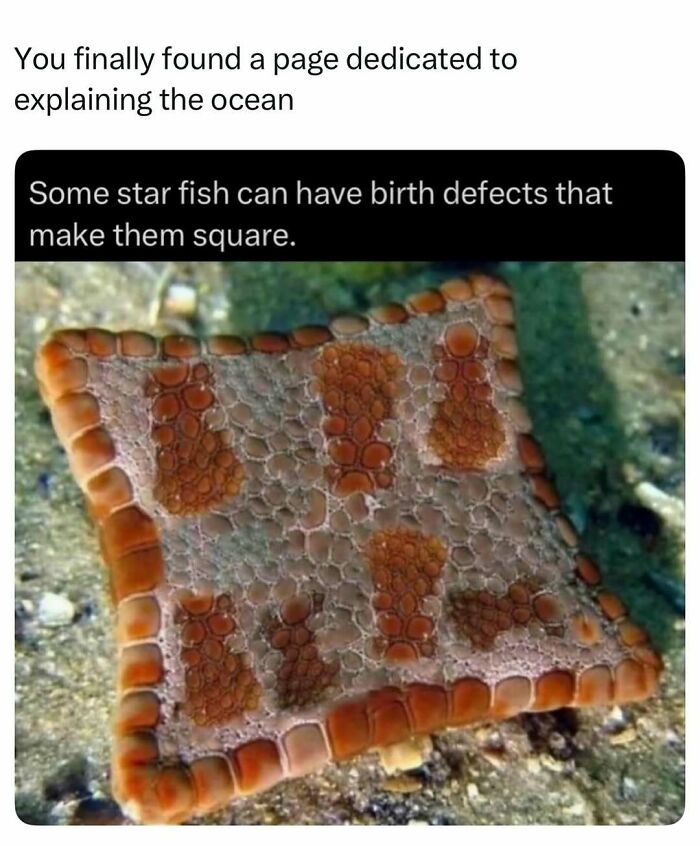
Image source: explainingterra
#34
One of the most fascinating shark behaviors is called spyhopping, where a shark lifts its head vertically out of the water to observe what’s happening above the surface. Species like the Great White Shark are known to do this, especially in areas where they are curious about boats, prey, or unfamiliar movement. Unlike the fast, dramatic breaches often seen in documentaries, spyhopping is slow and deliberate, almost as if the shark is quietly investigating its surroundings.
This behavior highlights how intelligent and perceptive sharks can be, relying not just on smell and vibration but also on vision when needed. Seeing a massive predator calmly peeking above the water can feel eerie, yet it also offers a rare glimpse into their curiosity rather than aggression. Moments like these remind us that sharks are not just hunters, but complex animals interacting with their environment in surprisingly thoughtful ways.

Image source: explainingterra
#35
Ancient Egyptians really did treat honey like it belonged to eternity. It wasn’t just a sweetener, it was a sacred offering, sealed into tombs alongside food, incense, and treasures meant to sustain the dead in the afterlife. The idea that jars of honey could sit untouched for thousands of years and still be part of a “next world pantry” feels almost casual in their culture, as if preserving food for millennia was just another Tuesday in a civilization obsessed with permanence.
What makes it even more surreal is that archaeologists occasionally find these jars and against all modern instincts and confirm that the honey is still edible. Somewhere along the line, science quietly explained it: honey’s low moisture, acidic pH, and natural antibacterial properties make it nearly immortal under the right conditions. Still, the mental image of someone looking into a 3,000-year-old tomb and thinking “I should probably taste this mystery honey” is the real miracle here. It turns honey into something less like a food and more like a preserved artifact of bees themselves, patiently refusing to spoil while empires rise and fall around it.

Image source: explainingterra
#36
Giant blueberries from China have recently gone viral after photos circulated online showing fruit that appears unusually large and almost artificial. Many viewers initially assumed the images were edited or exaggerated, but developments in farming techniques and selective breeding have made larger-than-average fruits more common in modern agriculture.
China has become a major player in blueberry production, investing heavily in agricultural research and innovation. These oversized berries, while different from the smaller ones typically found in many supermarkets, reflect a broader trend toward producing premium-looking crops. Designed to attract attention both online and in stores, they highlight how farming is increasingly shaped by consumer demand as well as agricultural science.

Image source: explainingterra
#37
In traditional Korean folk art known as minhwa, particularly during the Joseon Dynasty, tigers were often portrayed in humorous and exaggerated ways rather than as fearsome predators. Artists painted them smoking long pipes, wearing hats, or sitting with awkward, almost human postures. Their cross-eyed, confused, or grumpy expressions were intentionally comedic, turning the powerful tiger into a figure of satire. In many paintings, the tiger symbolized arrogant officials, scholars, or members of the upper class, while nearby magpies represented ordinary people observing and quietly mocking those in authority.
The inclusion of smoking pipes added another layer of social commentary. After tobacco became widespread in Korea during the 1600s, pipe smoking became associated with status, education, and leisure among men. By depicting a tiger leisurely smoking like an elderly nobleman, artists transformed a respected mountain predator into a pompous and somewhat ridiculous bureaucrat. These playful exaggerations reflected the spirit of minhwa, which emphasized symbolism, humor, and emotional expression over realism. As a result, many of these centuries-old tiger paintings still feel surprisingly modern and cartoon-like today.

Image source: explainingterra
#38
Hawaii is famous for its tropical landscapes, volcanic islands, and rich cultural heritage rooted in Native Hawaiian traditions. Surrounded by the vast Pacific Ocean, the islands feature beautiful beaches, lush rainforests, waterfalls, and towering mountains that attract visitors from around the world. Its unique history and Polynesian influences are reflected in Hawaiian music, dance, language, and a strong respect for nature and community.
Beyond its natural beauty, Hawaii represents a balance between tourism and cultural preservation. Millions of travelers visit each year to enjoy activities such as surfing, attending luaus, and exploring destinations like Hawaii Volcanoes National Park. At the same time, local communities continue working to protect the islands’ traditions, environment, and identity. Through its landscapes, culture, and history, Hawaii remains a powerful symbol of island life, relaxation, and natural wonder.

Image source: explainingterra
#39
The Carnian Pluvial Episode was one of the most dramatic climate shifts in Earth’s history. Around 230 million years ago during the Triassic Period, a prolonged interval of intense rainfall transformed a planet that had previously been dominated by vast deserts. Scientists believe massive volcanic eruptions released huge amounts of carbon dioxide into the atmosphere, strengthening the greenhouse effect and greatly increasing global rainfall. This environmental upheaval reshaped ecosystems across the world and helped create conditions that favored the rise of the earliest dinosaurs.
The Carnian Pluvial Episode demonstrates the extraordinary power of climate to influence the course of evolution. Expanding forests, new river systems, and changing habitats opened opportunities for many forms of life to adapt and thrive. Today, this ancient event serves as a reminder that even periods of immense environmental disruption can become turning points in the story of life, paving the way for entirely new ecosystems and the emergence of dominant species that would shape the future of our planet.

Image source: explainingterra
#40
Shark body language can reveal a lot about their behavior and mood. When a shark feels threatened or is preparing to attack, it often displays aggressive movements such as sharp, erratic zigzags, quick turns, and stiff postures. These sudden changes in direction and speed signal agitation and serve as a warning that the animal is on edge.
In contrast, when a shark is calm and not feeling threatened, it glides smoothly through the water with steady, fluid motions. This relaxed swimming indicates that the shark is simply navigating its environment without aggression. Observing these differences helps researchers, divers, and marine enthusiasts understand shark behavior and stay safe in their presence.
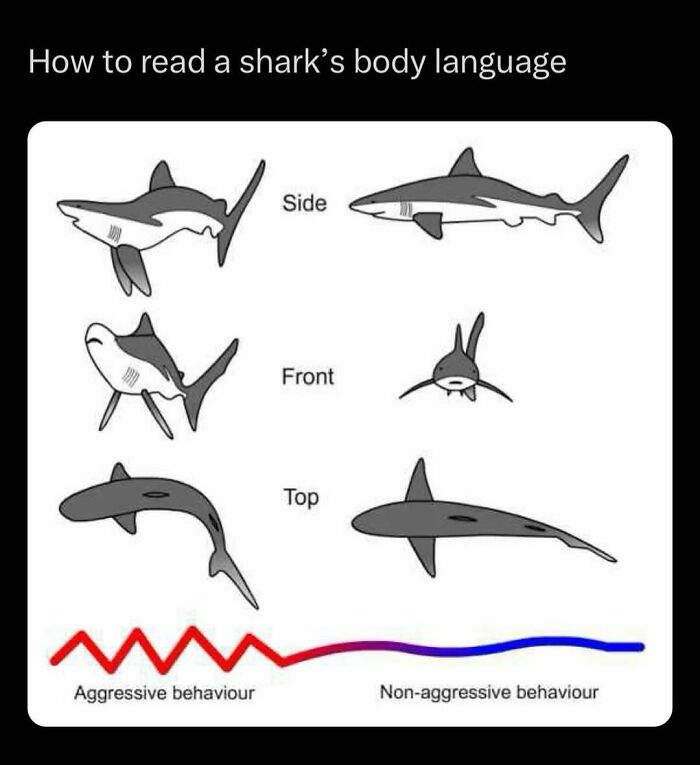
Image source: explainingterra
#41
Certain sea slugs, especially the species Elysia chlorotica, possess an ability that seems almost plant-like. They consume algae and retain the chloroplasts- the structures responsible for photosynthesis within their own cells, a process known as Kleptoplasty. These “stolen” chloroplasts continue to function inside the slug’s body, allowing it to harness sunlight and generate energy in a way typically associated with plants rather than animals.
This unusual adaptation blurs the boundary between plant and animal life, challenging how we think about biological categories. Although the sea slug still needs to feed, its capacity to supplement its energy through sunlight provides a distinct survival advantage in nutrient-scarce environments. It stands as a striking example of evolution’s creativity, producing organisms that defy expectations and reveal how flexible life can be in adapting to its surroundings.
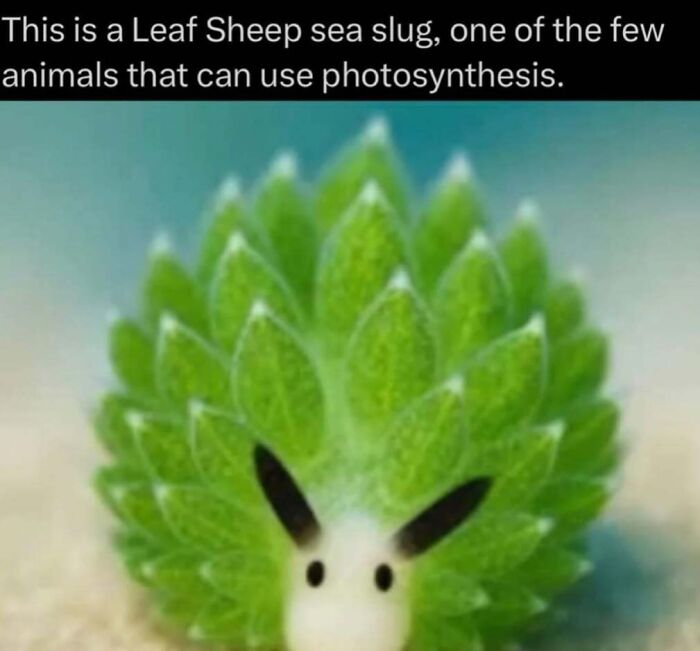
Image source: explainingterra
 Follow Us