Marriage vows usually include the “in sickness and in health” part, but real life has a way of stress-testing promises in ways nobody expects. Some couples become inseparable during medical crises, turning hospital visits into strange little date nights fueled by vending machine snacks and optimism.
Others, unfortunately, crack under the pressure, revealing sides of themselves that nobody saw coming until life got unbearably hard. Today’s Original Poster (OP) found herself in this situation when her husband who used to be loving and affectionate began to pull away after she got very sick.
More info: Reddit
People often say “in sickness and in health” when they get married, but the reality behind those words is far more complicated than most imagine
Image credits: DC Studio / Magnific (not the actual photo)

The author was diagnosed with multiple myeloma and underwent multiple rounds of difficult treatment while her health rapidly declined
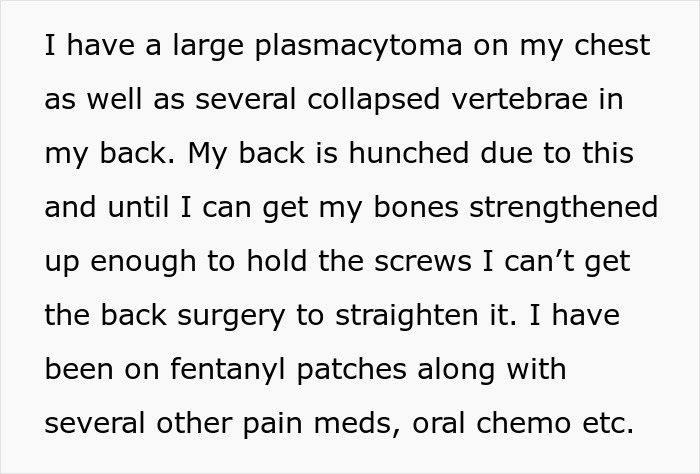
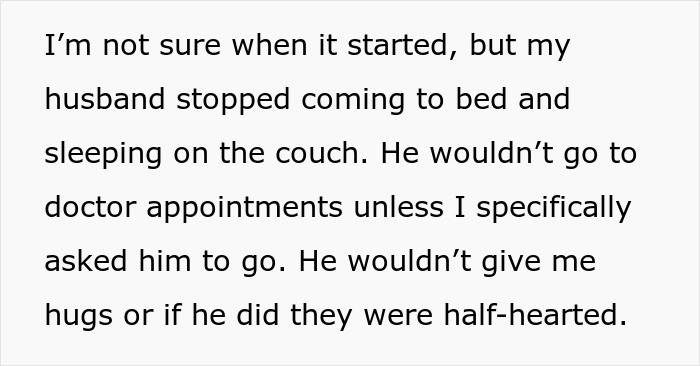
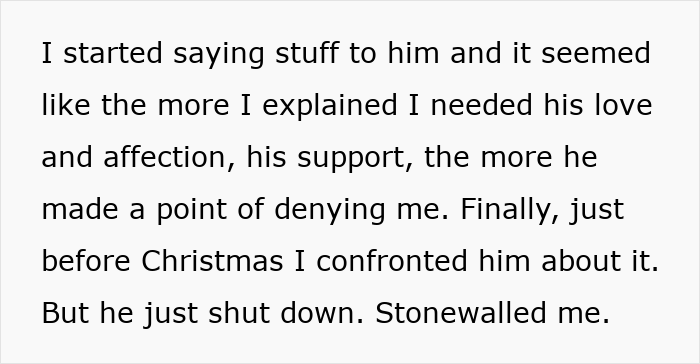
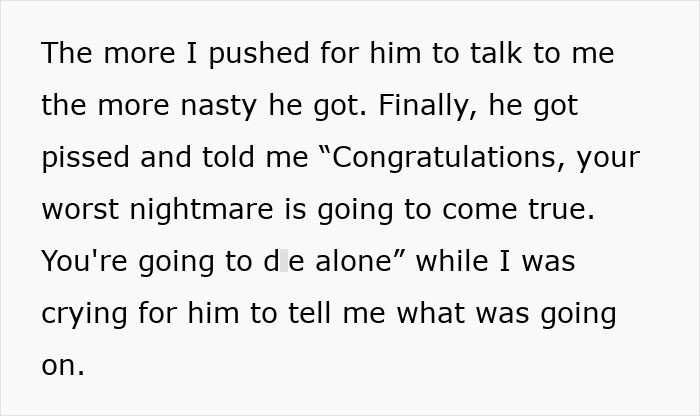
Image credits: krakenimages.com / Magnific (not the actual photo)
At first, her husband was supportive, but over time he became distant, stopped attending appointments, and withdrew emotionally

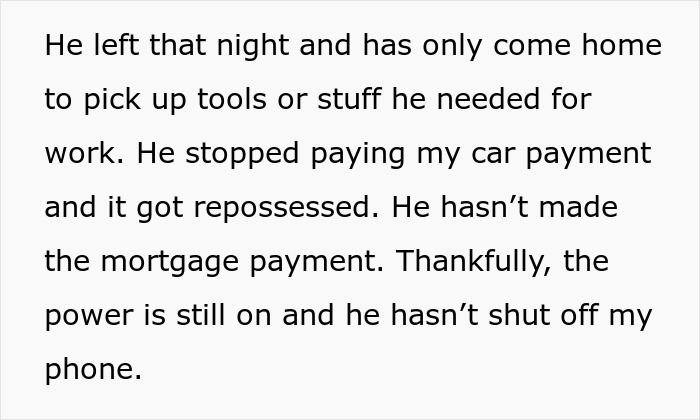
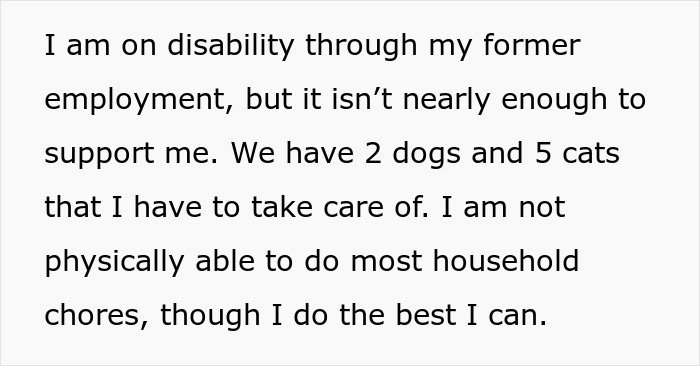
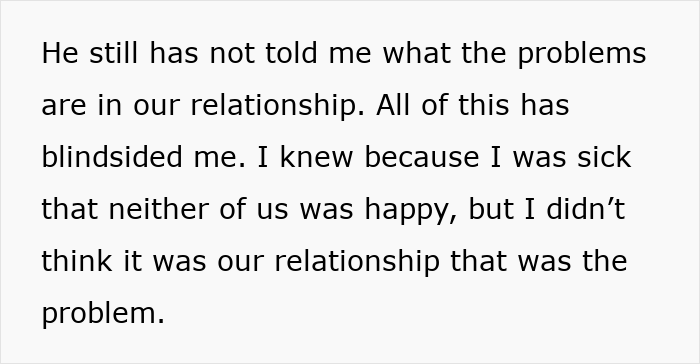
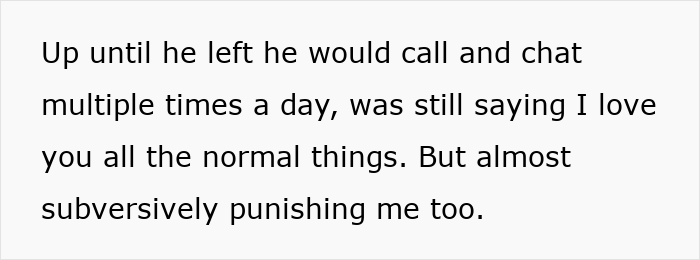
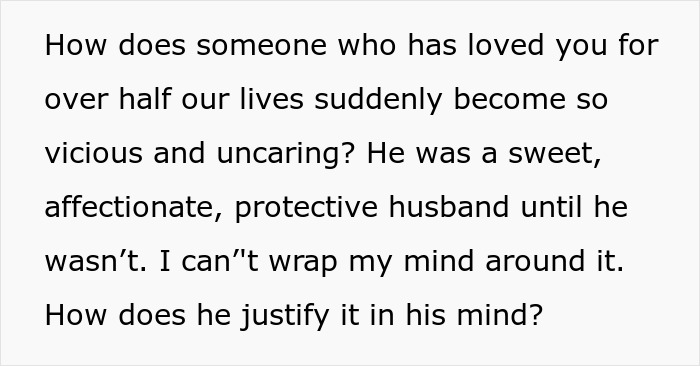

Image credits: Outrageous-Peach27
Image credits: namii9 / Magnific (not the actual photo)
After a confrontation about their relationship, he abruptly told her he no longer wanted the marriage and left the house, also cutting off financial support
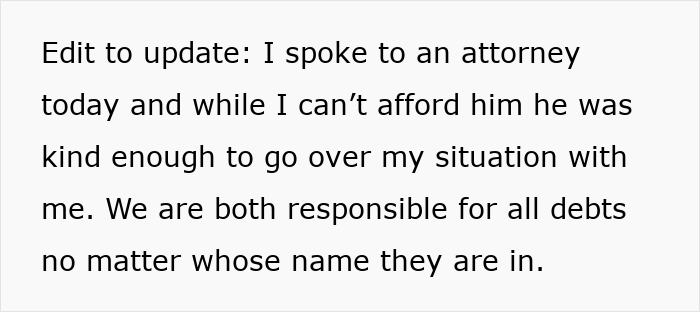
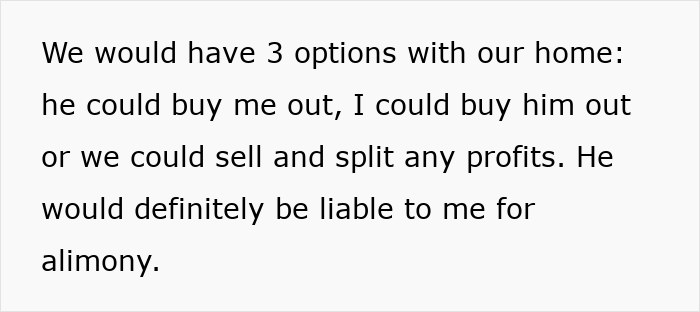
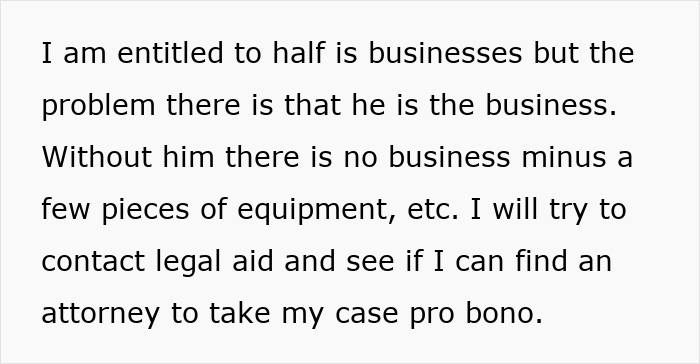
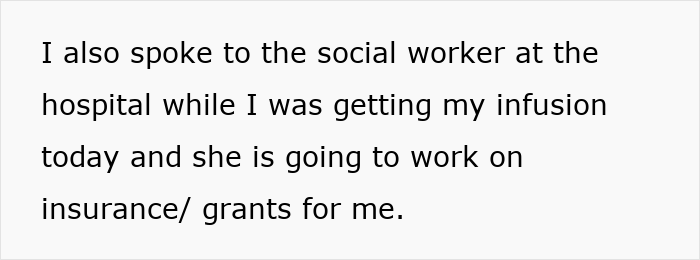
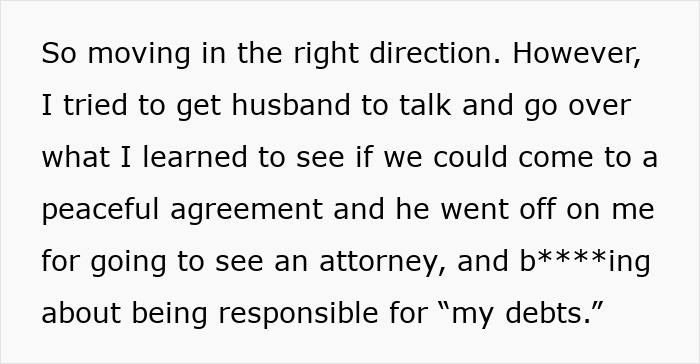
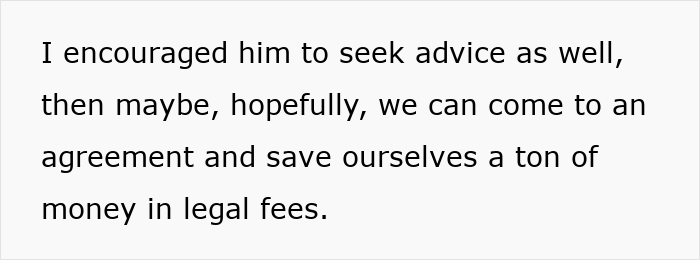
Image credits: Outrageous-Peach27
She was then left seriously ill, physically weakened, and struggling alone to manage both daily life and the emotional shock of his abandonment
The OP shared that she was diagnosed with multiple myeloma two years ago, and her first rounds of treatment were especially brutal, leaving her suffering from nearly every possible side effect. Although her third treatment plan was easier to tolerate, it still took a massive toll on her body. In the beginning, her husband was incredibly attentive and supportive.
However, at some point, he stopped sleeping in their bed and started spending nights on the couch. He also stopped attending doctor appointments unless she specifically asked. Hugs became rare, and every attempt she made to explain how much she needed emotional support seemed to push him further away.
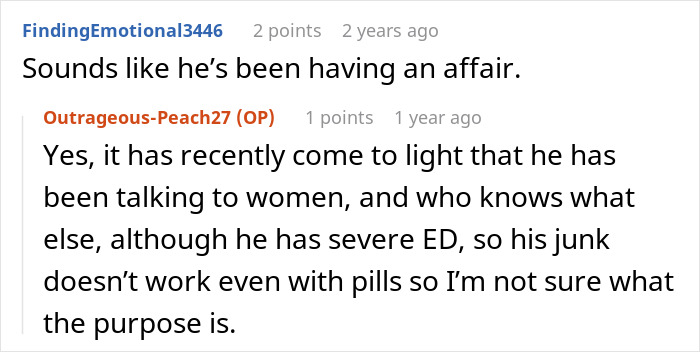
Eventually, she confronted him about the emotional distance, but he completely shut down, and became more hostile. When she tried again another day, he finally snapped and congratulated her for going to be all alone. He then told her he no longer wanted to be married before leaving the house that same night. The OP reported that the husband only returned home to collect belongings and work tools.
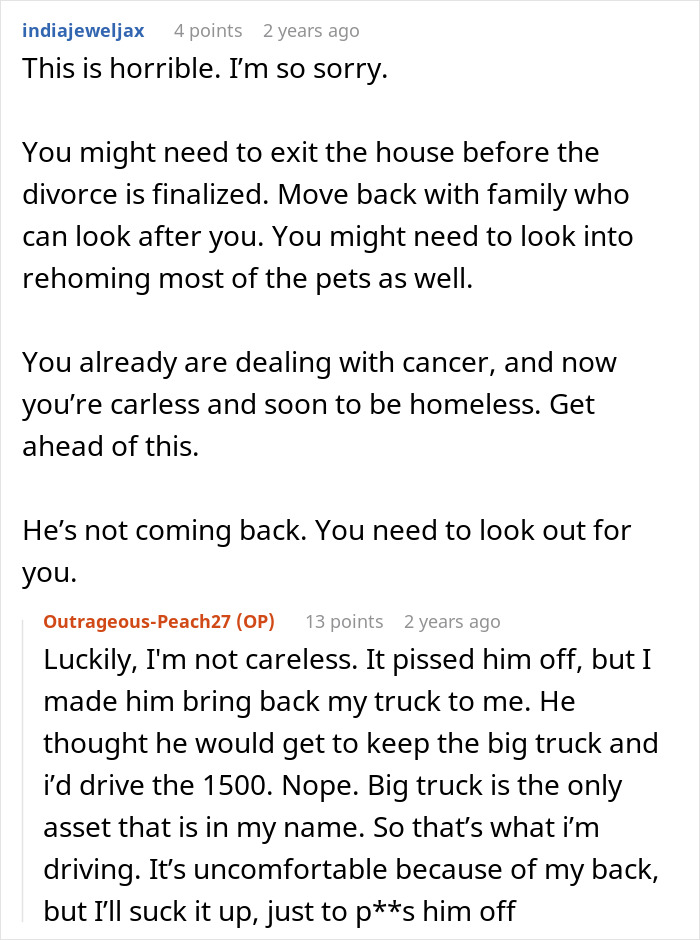
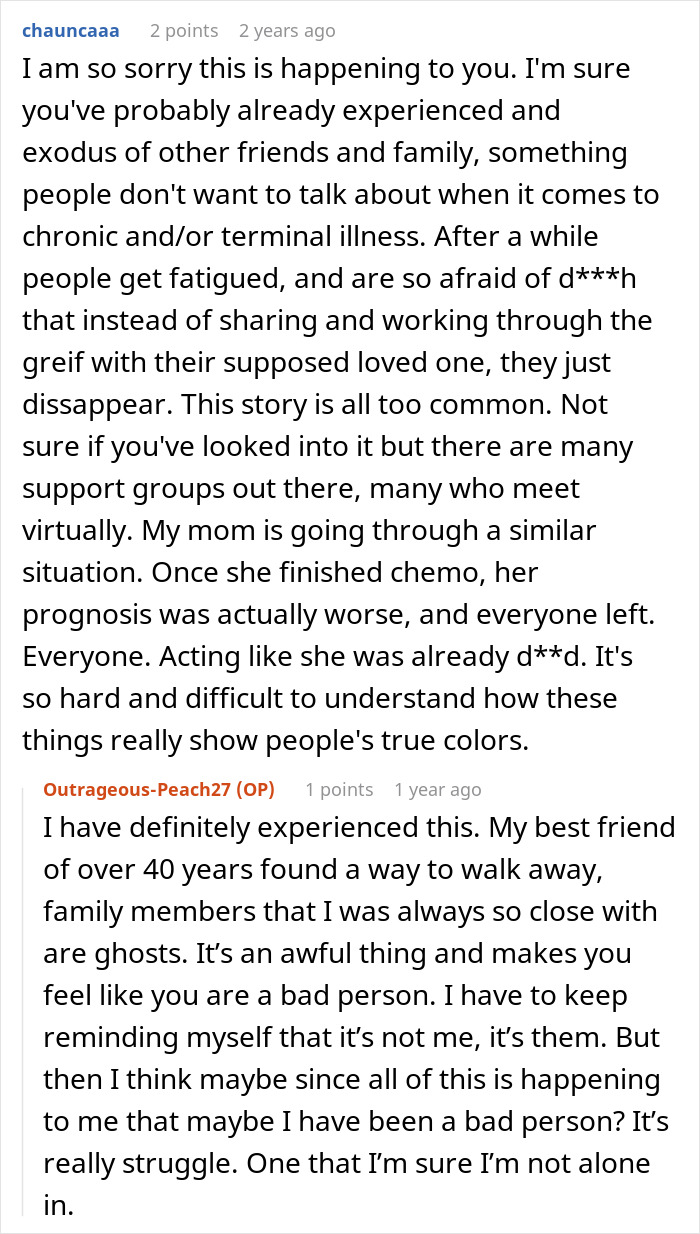
He stopped making payments on her car, and also stopped paying the mortgage. She was left to survive on her disability income that barely covered expenses. On top of that, she had to care for their two dogs and five cats while physically struggling to complete basic household tasks. This left her wondering how someone she shared more than half her life with could seemingly become cold overnight.
Image credits: Centre for Ageing Better / Unsplash (not the actual photo)
The breakdown of this marriage cannot be understood in isolation from the intense medical and emotional strain described in the story. According to Caregiver Action, caregiver burnout can sometimes lead to emotional withdrawal, irritability, resentment, and a gradual shutdown in emotional responsiveness when someone is caring for a partner through long-term illness.
According to TIME, major health crises can significantly increase the risk of marital separation or divorce, not necessarily because illness directly causes breakup, but because it exposes underlying stressors such as financial pressure, emotional exhaustion, and caregiving imbalance. They also suggest that relationships may be especially vulnerable when the wife is the ill partner.
At the same time, the physical reality of the illness itself adds another layer of pressure. According to WebMD, multiple myeloma can severely weaken bones, leading to fractures, spinal damage, chronic pain, and mobility issues that drastically reduce independence. For both patients and caregivers, this level of physical decline can reshape daily life entirely, increasing dependence and emotional strain.
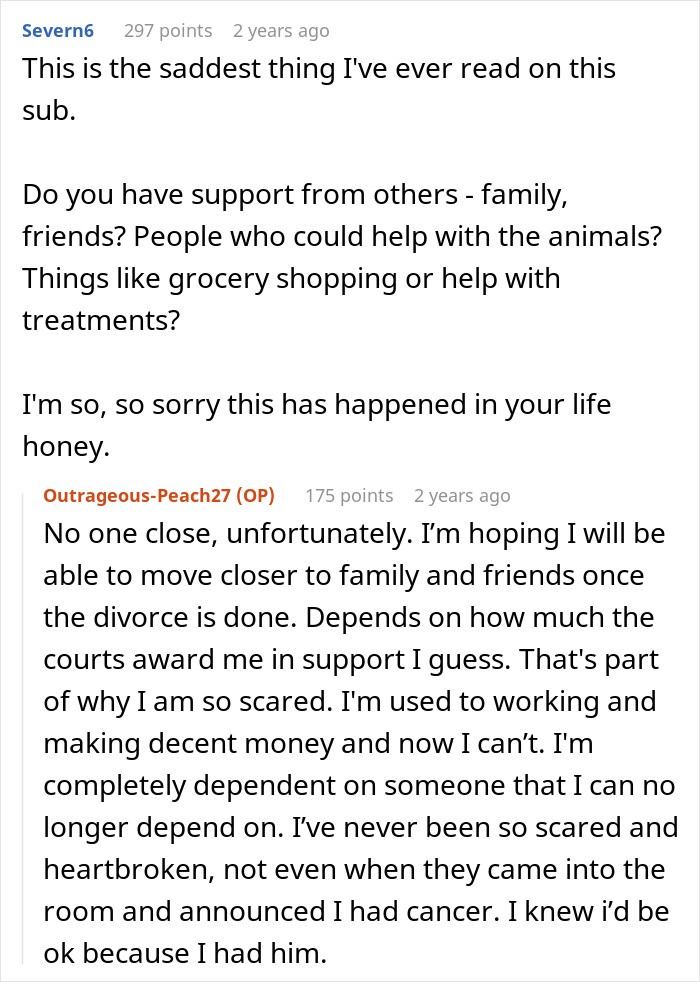
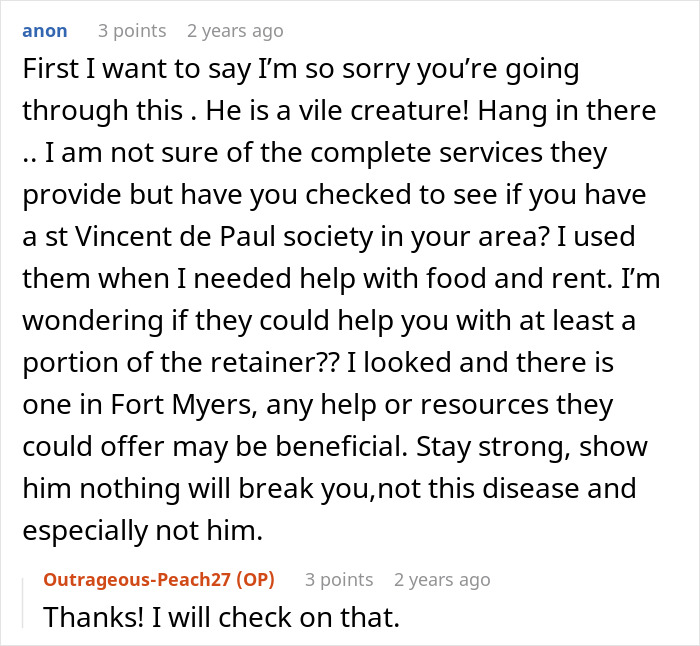
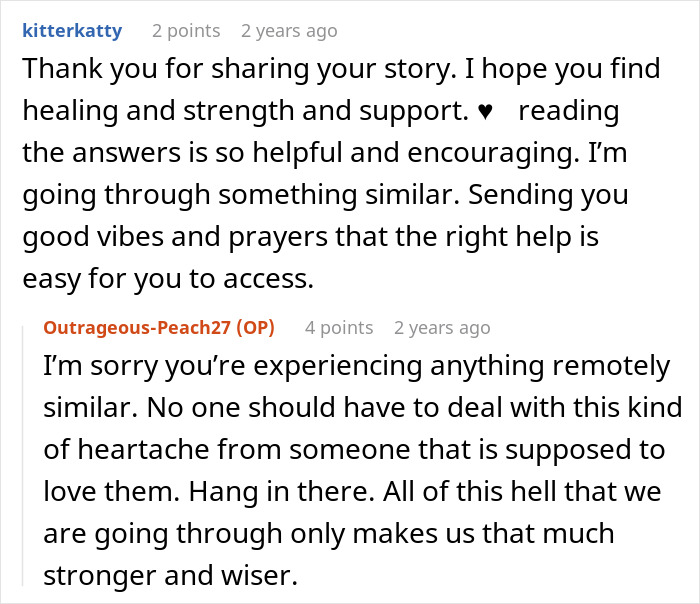
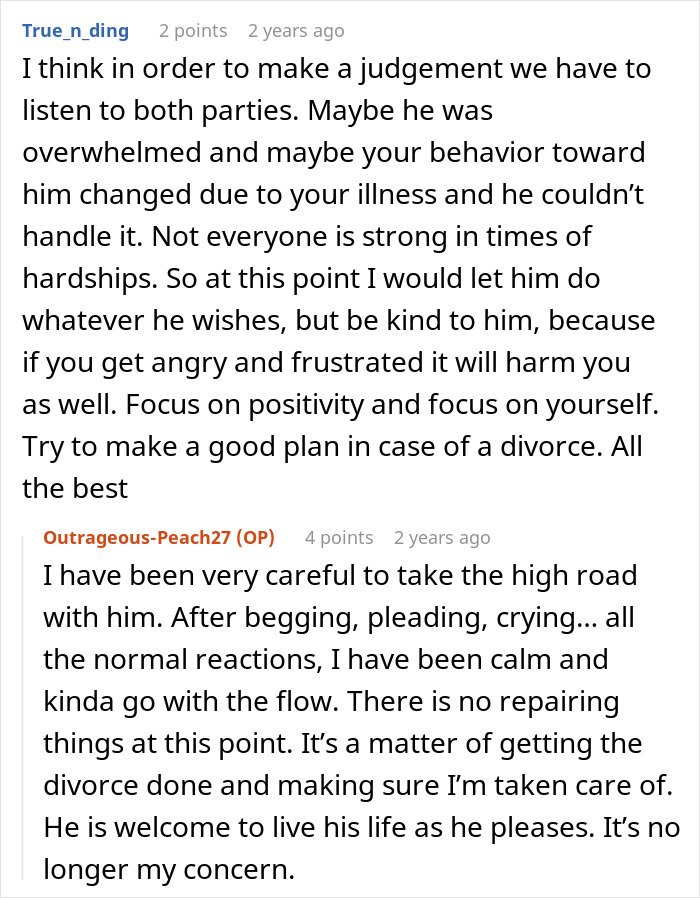
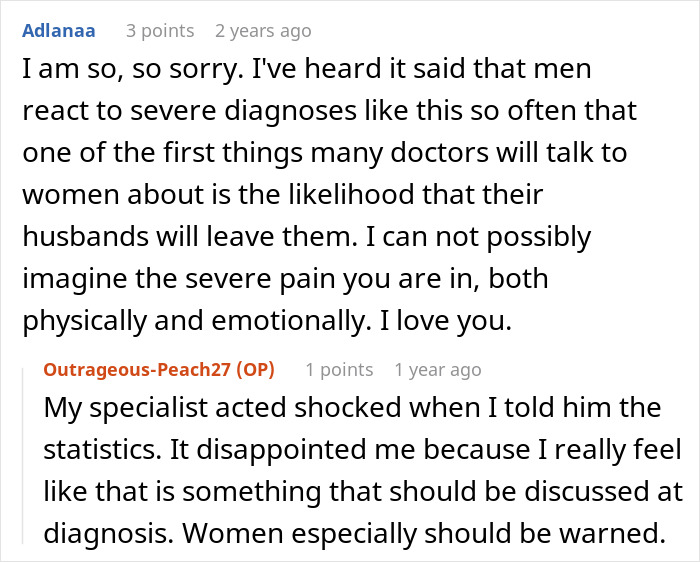
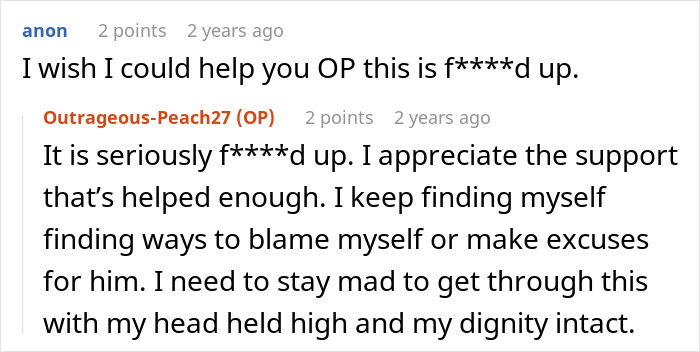
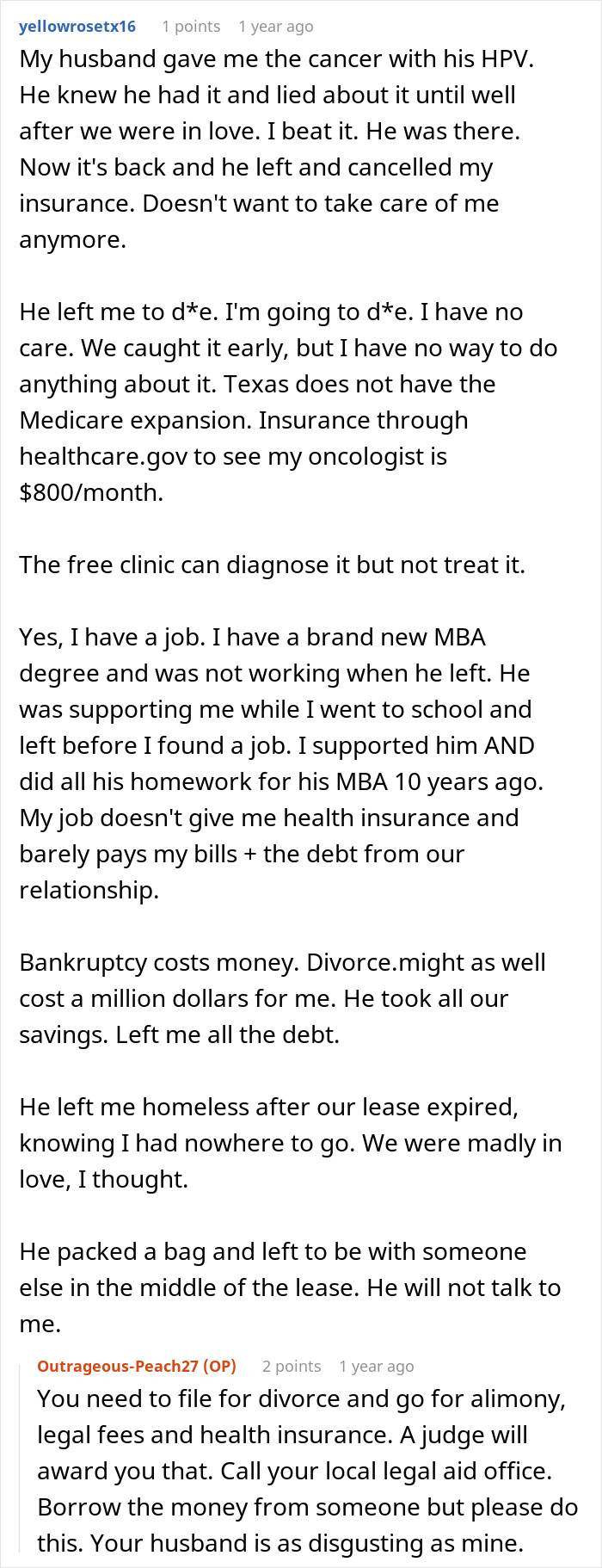
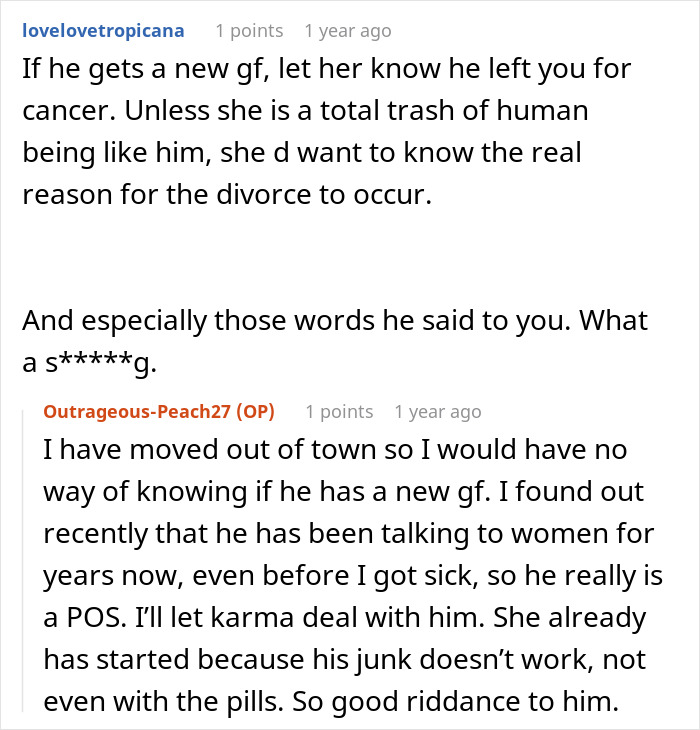
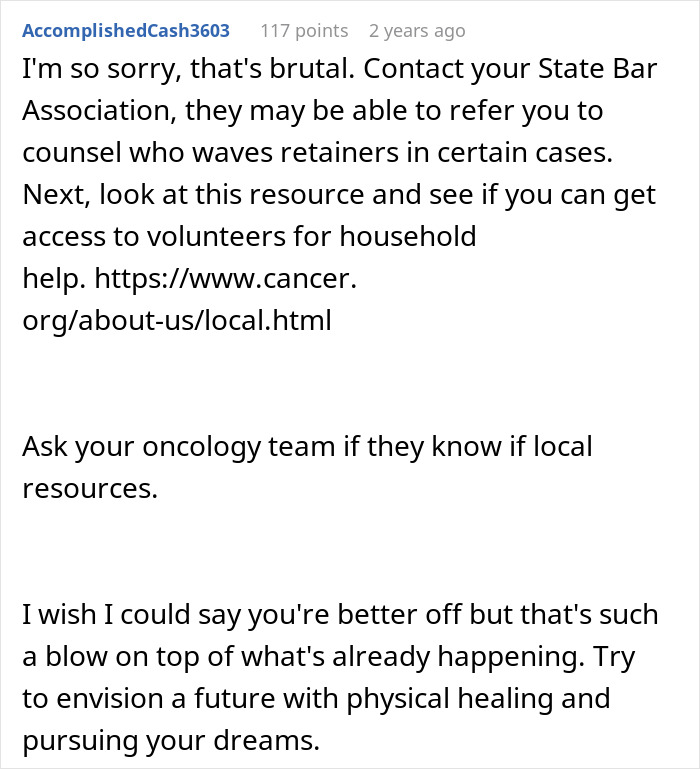
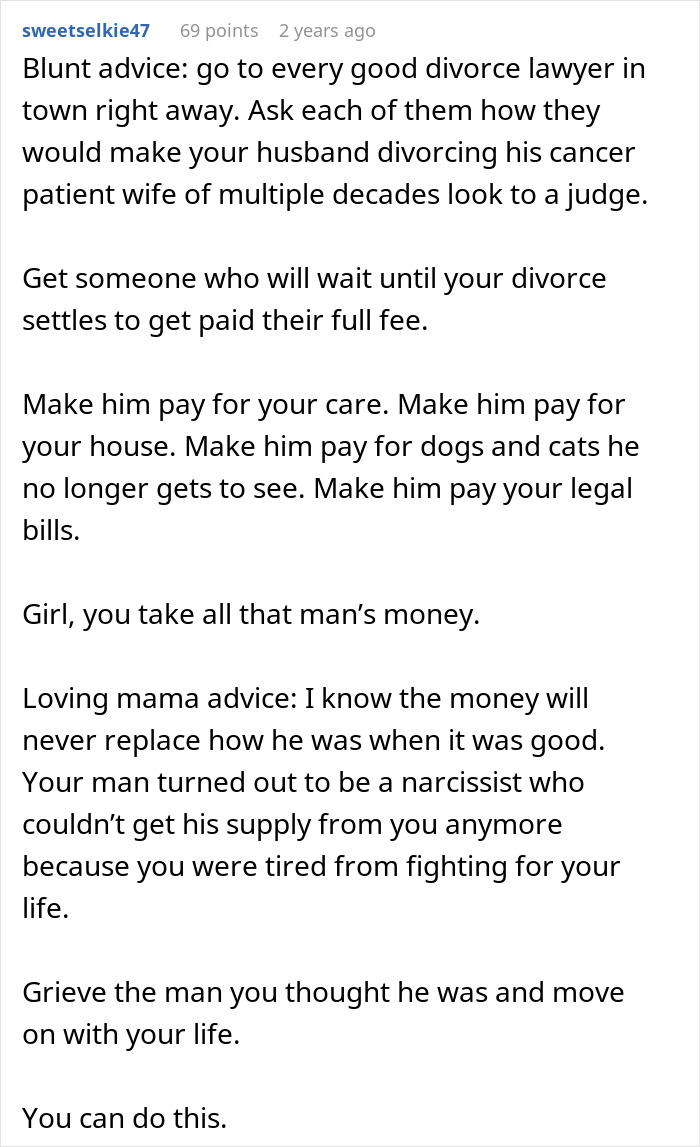
Netizens expressed sadness and compassion for the OP, encouraging her to seek help and support from friends, family, and community resources. What do you think about this situation, though? Do you think caregiver burnout can ever explain emotional withdrawal, or does it cross a line into unforgivable behavior? We would love to know your thoughts!
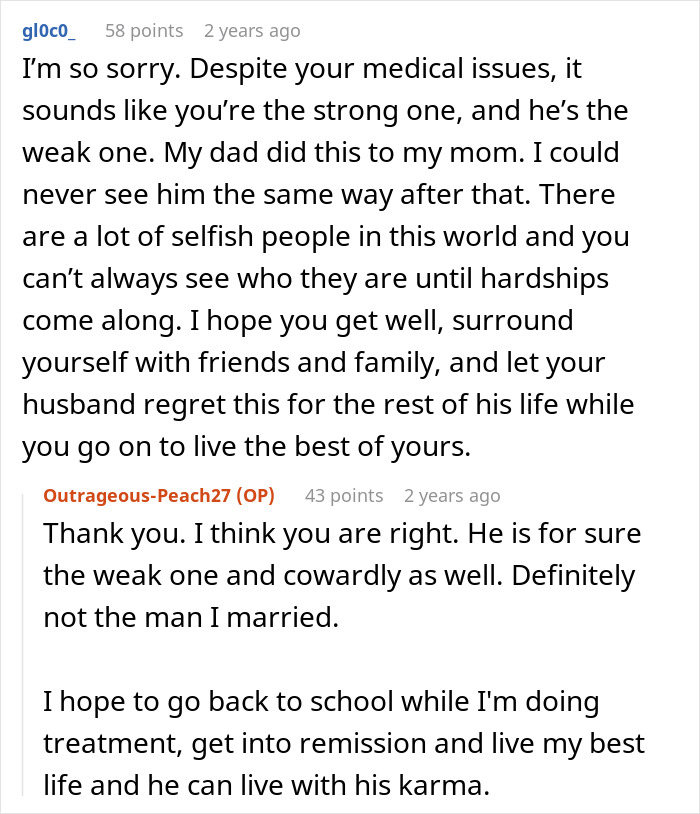
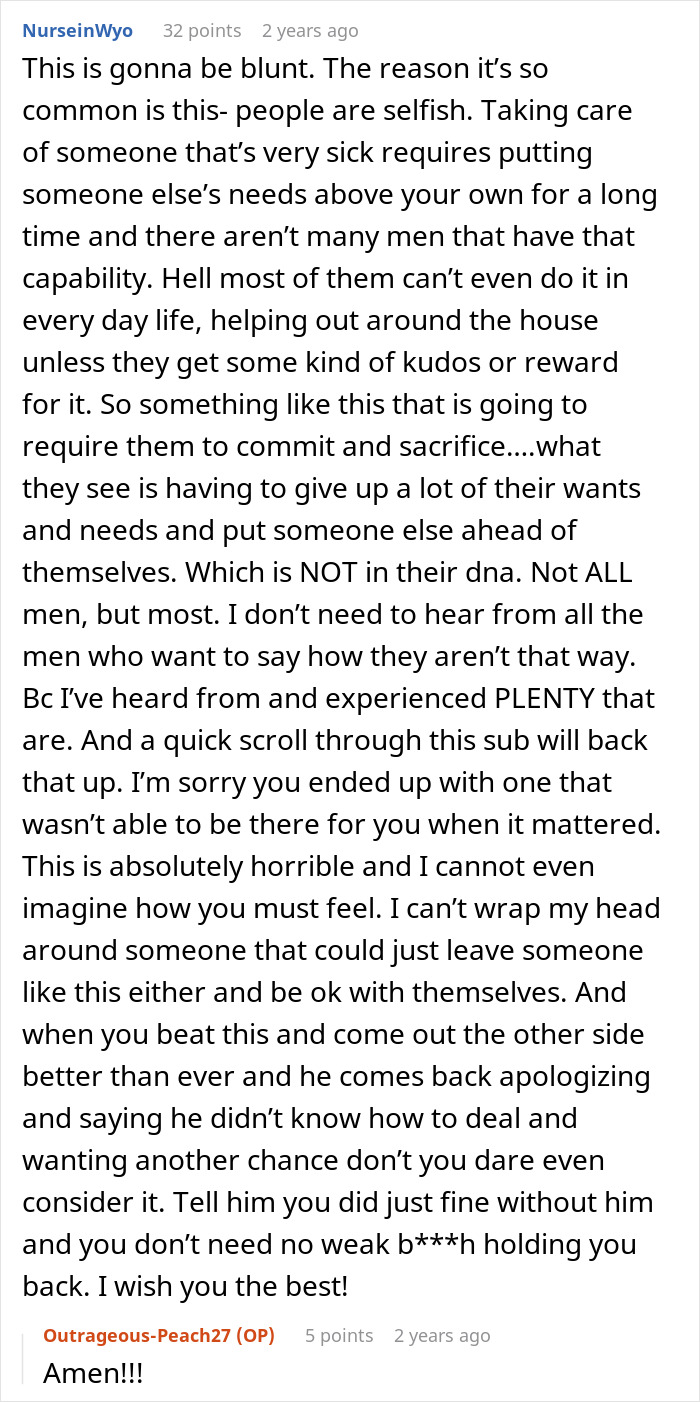
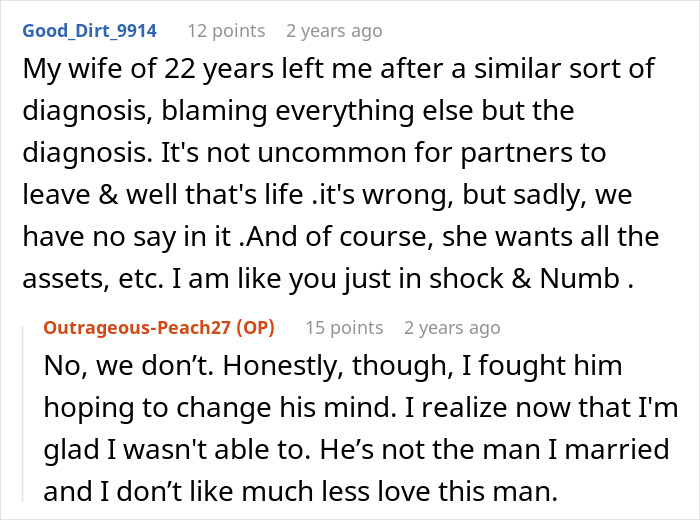
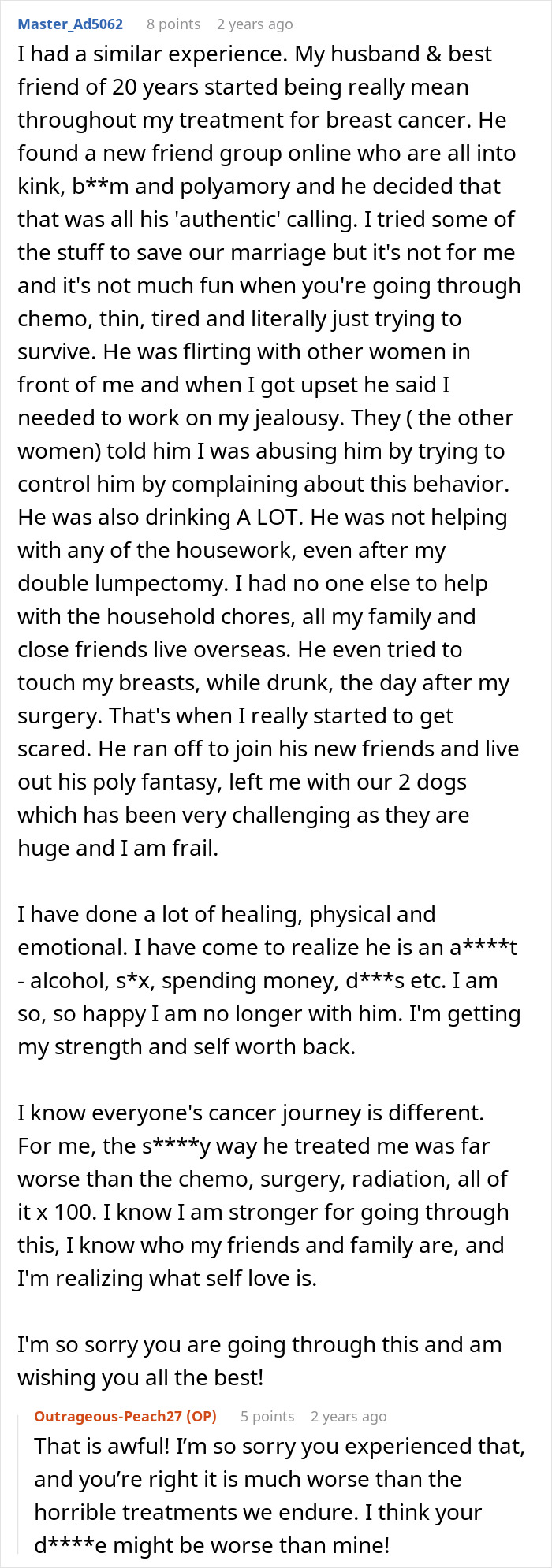
Netizens expressed compassion for the author, and described the husband’s behavior as selfish and possibly emotionally driven by hidden struggles







 Follow Us