A dermatologist has shared a reminder that certain skin conditions are associated with serious health issues that people may not know about.
The doctor, Dr. Saranya Wyles, urged people to stop focusing only on the cosmetic aspects of skin conditions and take precautions regarding other parts of the body that may be affected.
“The skin is not separate from the rest of the body,” Dr. Wyles, a dermatologist at the Mayo Clinic, said on the TODAY show.
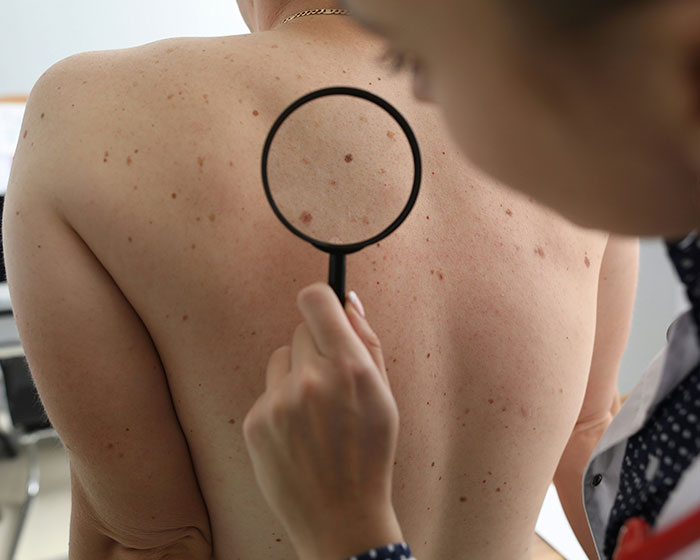
Image credits: Getty Images/Unsplash (not the actual photo)
Dr. Wyles pointed specifically to inflammatory skin conditions like psoriasis. She explained that people with psoriasis, particularly those with severe psoriasis, have an increased risk for heart attacks and strokes.
“Psoriasis actually is now recognized in our American Heart Association cardiovascular guidelines as a risk-enhancing inflammatory condition,” Wyles noted. “It’s not (just) a cosmetic skin concern.”
Psoriasis also increases the risk for a condition called metabolic syndrome, which can lead to high blood pressure, high blood sugar, and abnormal cholesterol levels. All of those factors increase the likelihood of developing heart complications.

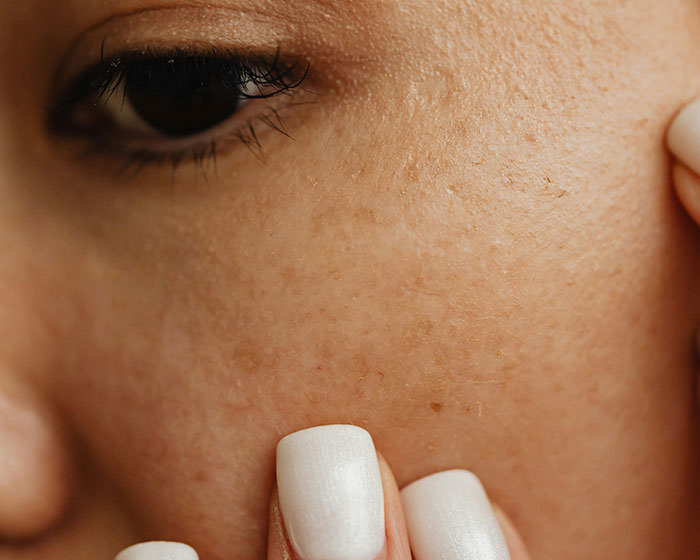
Image credits: Karolina Grabowska/Unsplash (not the actual photo)
The dermatologist is researching the correlations between a person’s heart activity, age, and skin health through her Skin Aging and Longevity Understanding Database (SALUD).
Dr. Wyles clarified that not all inflammatory skin conditions are directly linked to heart issues.
She said eczema or dry skin, which are related to skin barrier issues, “more mirror our gut microbiome.”
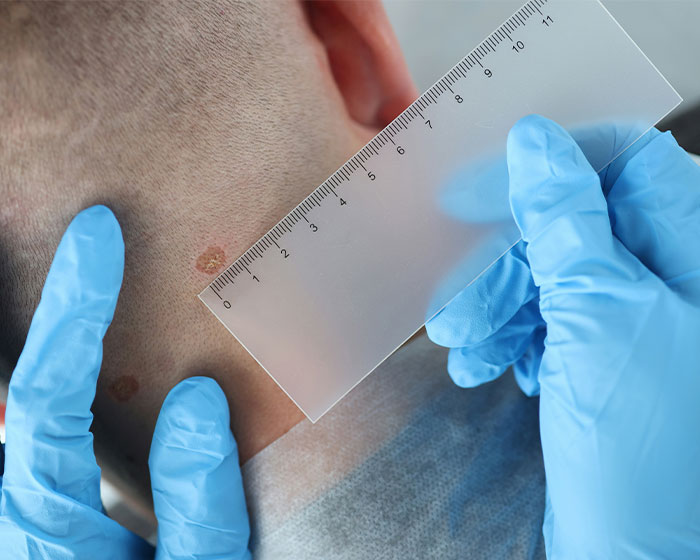
Image credits: Getty Images/Unsplash (not the actual photo)
Psoriasis is a chronic skin condition, meaning it can flare up unexpectedly and has no cure.
Symptoms include thick areas of discolored skin covered with scales. These scaly areas are called plaques.
While psoriasis rashes can appear anywhere on the skin, they are more commonly found on the elbows and knees, face, scalp, fingernails and toenails, and lower back.
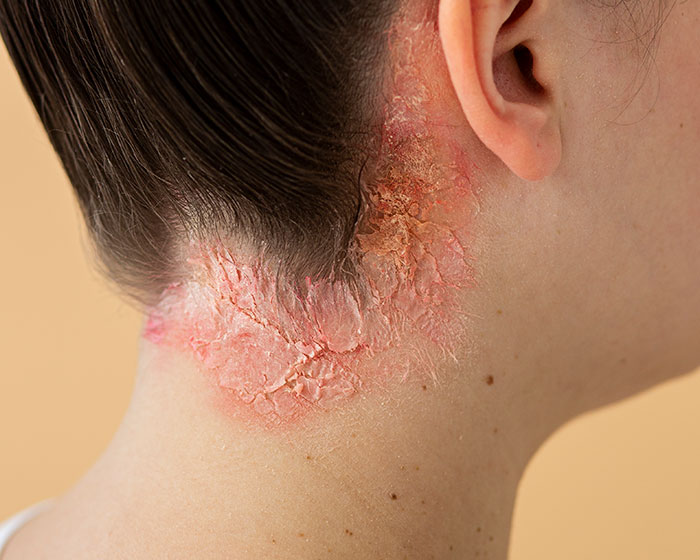
Image credits: Magnific (not the actual photo)
About 3% of the global population has psoriasis. It is an autoimmune condition, meaning the immune system mistakenly attacks the body’s own healthy tissues.
Unlike psoriasis, eczema, another inflammatory skin condition, typically causes more intense itching. It also often appears in skin folds, like the inner elbows and behind the knees.
Regarding symptoms, Wyles advised people to pay attention to changes in their skin, explaining, “Darker skin tones reflect more of a subtle redness that’s harder to perceive, but they are also getting red.”

Image credits: Magnific (not the actual photo)
A psoriasis flare-up can last anywhere from a couple of weeks to a few months, according to the Cleveland Clinic. Doctors can speed up the skin’s recovery with medications.
Research has found a strong link between inflammation in fat tissues and cardiovascular problems among people with psoriasis.
Specific substances released by fat tissue, such as leptin, resistin, and adiponectin, have been shown to impact cardiovascular health.

Image credits: Wirestock/Magnific (not the actual photo)
Patients with both mild and severe psoriasis are at higher risk of cardiovascular mortality, myocardial infarction (MI), and stroke, the American Heart Association warns.
To prevent heart-related complications associated with psoriasis, doctors conduct regular blood pressure checks on patients and monitor their progress.
Moreover, people with the skin condition are recommended to adopt lifestyle changes, including eating a well-balanced diet, exercising regularly, avoiding sm*king, and getting adequate sleep.
Image credits: Getty Images/Unsplash (not the actual photo)
In a time when skincare videos have become incredibly popular on social media, it can seem like preventing acne and maintaining healthy skin requires a multi-step routine with creams, serums, and other products.
The American Academy of Dermatology recommends using only two skincare products every day for people in their 20s: a mild cleanser and sunscreen with an SPF of 30 or higher.
If they choose to add a third skincare product, Dr. Rajani Katta recommends a Vitamin C serum or cream, which can reduce signs of skin aging and dark spots, or a retinoid, an umbrella term for vitamin A-based products. Retinoids can treat mild fine lines and wrinkles, acne, and dark spots.
As people grow older, their skin becomes drier, making moisturizers a more important part of their routine, experts note. They recommend using facial moisturizer, body moisturizer, and lip balm starting in your 40s, in addition to protecting the skin from the sun.

Image credits: Magnific (not the actual photo)
During our 60s and 70s, our skin can become even drier and more irritated because it’s thinner and loses water more easily.
Dermatologists recommend washing with a gentle, fragrance-free, moisturizing bar soap, cleanser, or body wash and using warm (not hot) water.
At this age, it’s also recommended to use a humidifier when the air feels dry and apply water-resistant sunscreen before leaving the house.
To help relieve dry skin, people in this age group are advised to apply a creamy, fragrance-free moisturizer formulated for dry skin within three minutes of bathing and throughout the day.










 Follow Us