“I was going to.” Anyone who’s been in a relationship has heard those words (and probably said them) more times than they can count. Usually, they’re about the milk nobody replaced or the laundry that never quite made it to the hamper. Annoying? Sure. But pretty minor at the end of the day.
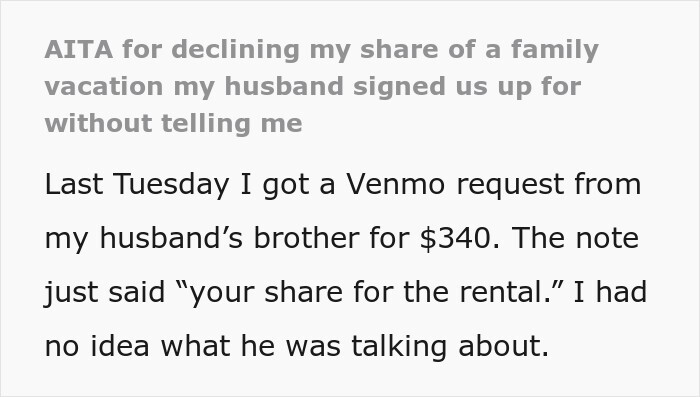
What they rarely come with is a $340 Venmo request from your in-laws. Yet that’s how one woman learned about a second set of Thanksgiving plans—ones her husband had apparently made weeks earlier but hadn’t gotten around to mentioning. She declined the request, but was she out of line? She turned to Reddit to find out.
This woman’s husband committed them both to a Thanksgiving vacation with his family

Getty Images / unsplash (not the actual photo)

The catch? He never told her about it
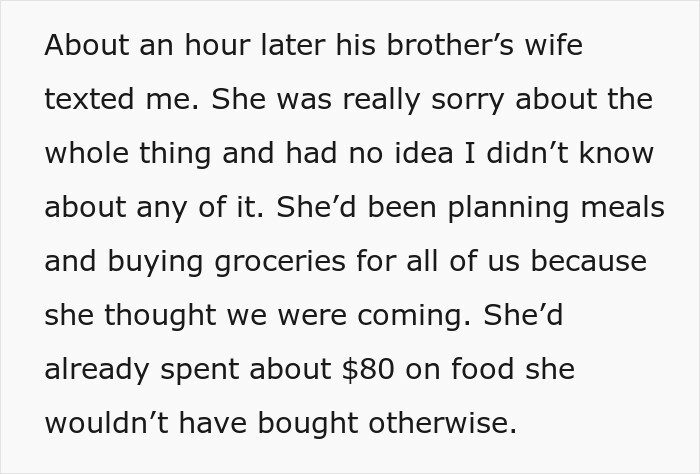

TriangleProd/ magnific (not the actual photo)
Shared plans work best after a shared conversation
The problem with making plans on behalf of someone else is that it assumes you already know what they want. And while that might work (or, let’s be honest, even be gratefully received) when deciding what to order for dinner or what to watch on Netflix, it’s a little more complicated when it involves family commitments, travel, and an unexpected Venmo request from your in-laws.
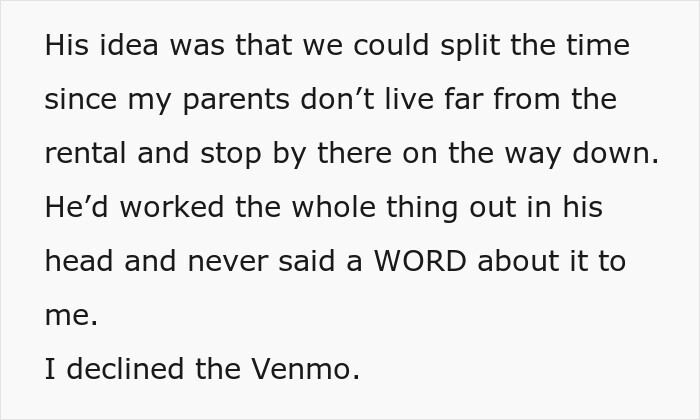
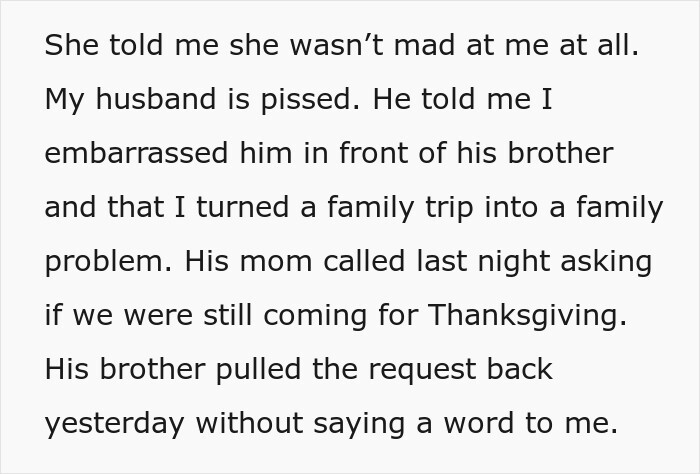
To be fair, the poster’s husband had apparently worked out a way for them to fit in her family’s Thanksgiving plans too. And she even admitted she would’ve been open to going if he’d brought up the trip when he agreed to it. But he didn’t.
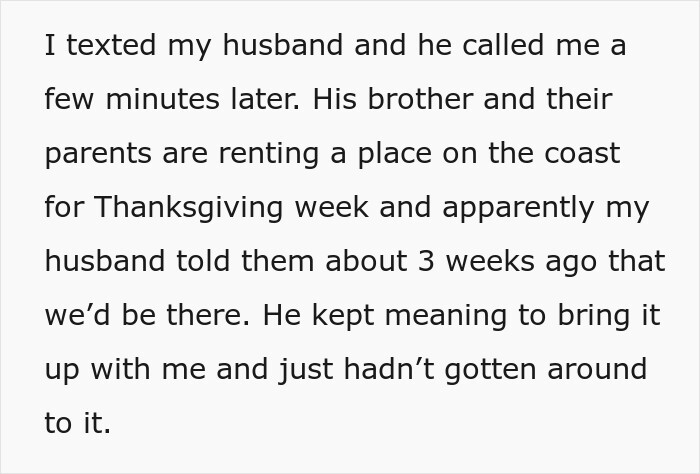
Despite having told his family around three weeks earlier that they’d be joining them, he hadn’t so much as mentioned it to her. So what he seemed to consider a workable arrangement, one that would let them spend time with both families over the holiday, was something the poster hadn’t even had the chance to agree to.
Of course, communication is one of the foundations of a healthy relationship. As Kendra Cherry, MSEd, writes for Verywell Mind, “Effective communication is essential in relationships, fostering connection and reducing conflict. By openly expressing concerns and actively listening to your partner, you build trust and understanding.”
But around the holidays, especially? Well, as magical as they can be, we all know they can be pretty stressful too. Between travel plans, packed calendars, and two families’ worth of traditions, it’s exactly when clear communication matters most.
According to Dr. Jamila Holcomb, an associate teaching professor and licensed marriage and family therapist at Florida State University, couples should get clear on their own expectations before trying to accommodate their families’ plans. In a Q&A for FSU’s Anne’s College, she suggests partners sit down and write their personal expectations for the holidays, then look at where those line up or clash with what their families expect. Talking it through before the holiday, she says, helps get everyone on the same page.
That advice matters even more when two families’ traditions are competing for the same holiday. How couples divide that time needs to be a joint decision.
The Gottman Institute also highlights what Dr. John Gottman calls accepting your partner’s influence: taking their wishes and feelings into account when making decisions, which can help keep differences from escalating into conflict.
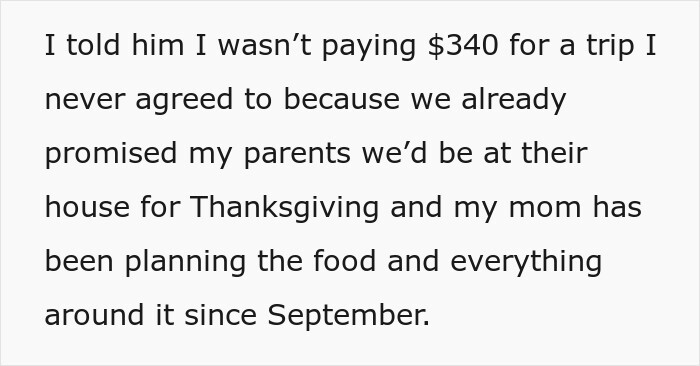
In this case, the poster’s wishes never had the chance to count. Her husband had already decided how they would divide their time between families before she even knew there was another invitation. His suggestion might have sounded reasonable to him, but it left her dealing with an existing commitment, an unexpected expense, and relatives who’d already planned (and shopped) around them.
As he saw it, she’d turned a family trip into a family problem. But the problem arguably started much earlier, when he made plans for both of them without asking. Ultimately, compromise only works when both people are part of the conversation. Making plans together means giving each partner a say before commitments are made, not expecting one to fall in line once everything has been arranged and, to paraphrase the poster, money is on the table.
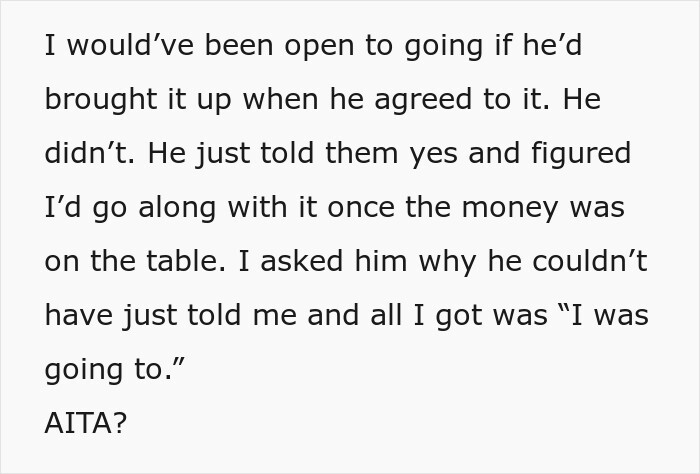
When she asked why he hadn’t just told her, all he could offer was “I was going to.” But here’s the trouble with that: it’s half apology, half alibi. It acknowledges that something was left undone while suggesting the intention to do it should count for something. And sure, that usually works for milk or laundry. But when it’s about a holiday, a few hundred dollars, and two families’ plans, a five-minute conversation somewhere along the way could’ve saved a lot of resentment, possibly a few unnecessary bags of groceries, and plenty of embarrassment all around.
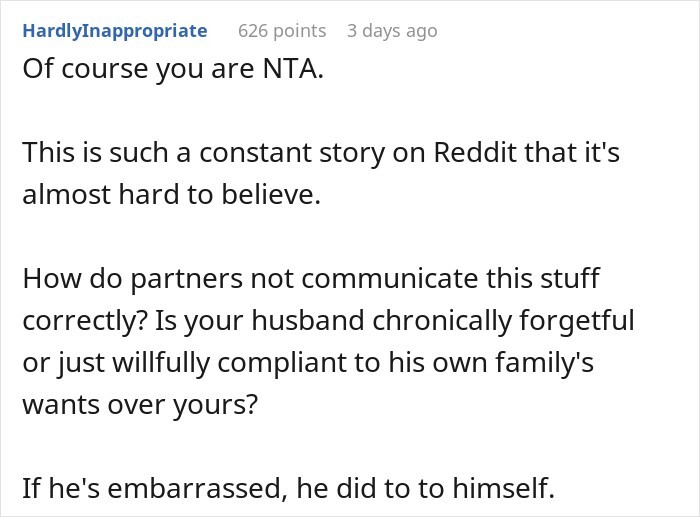
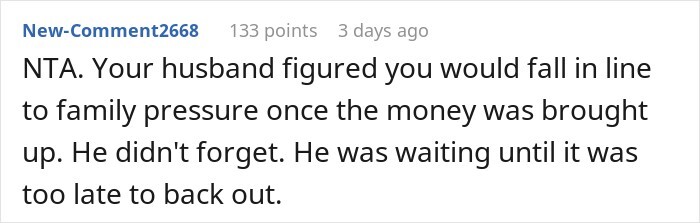
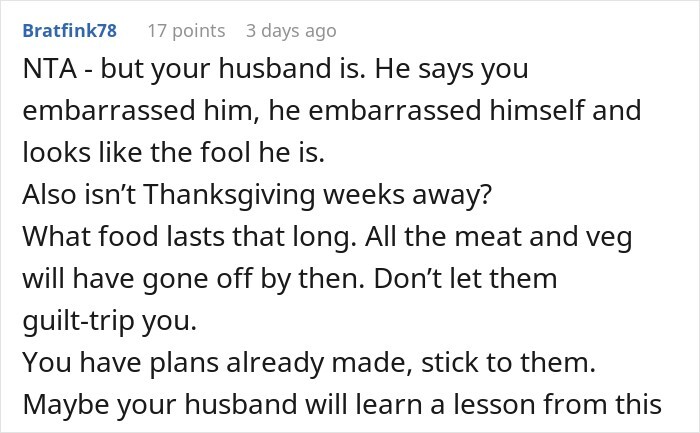
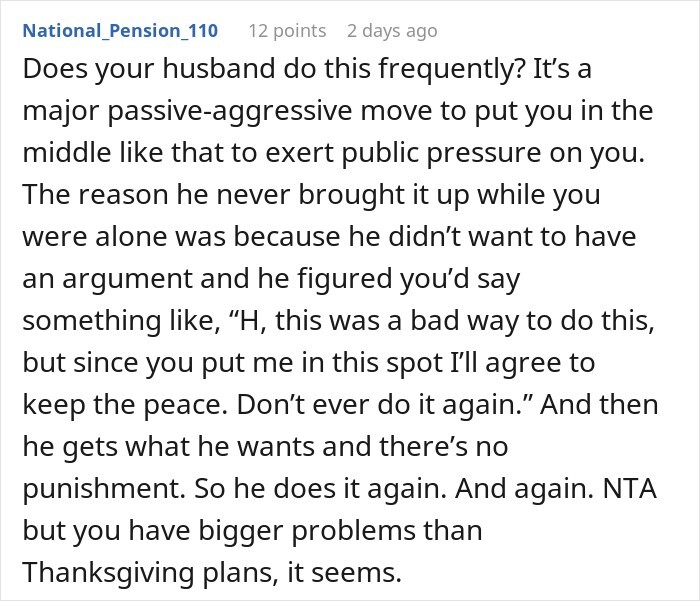
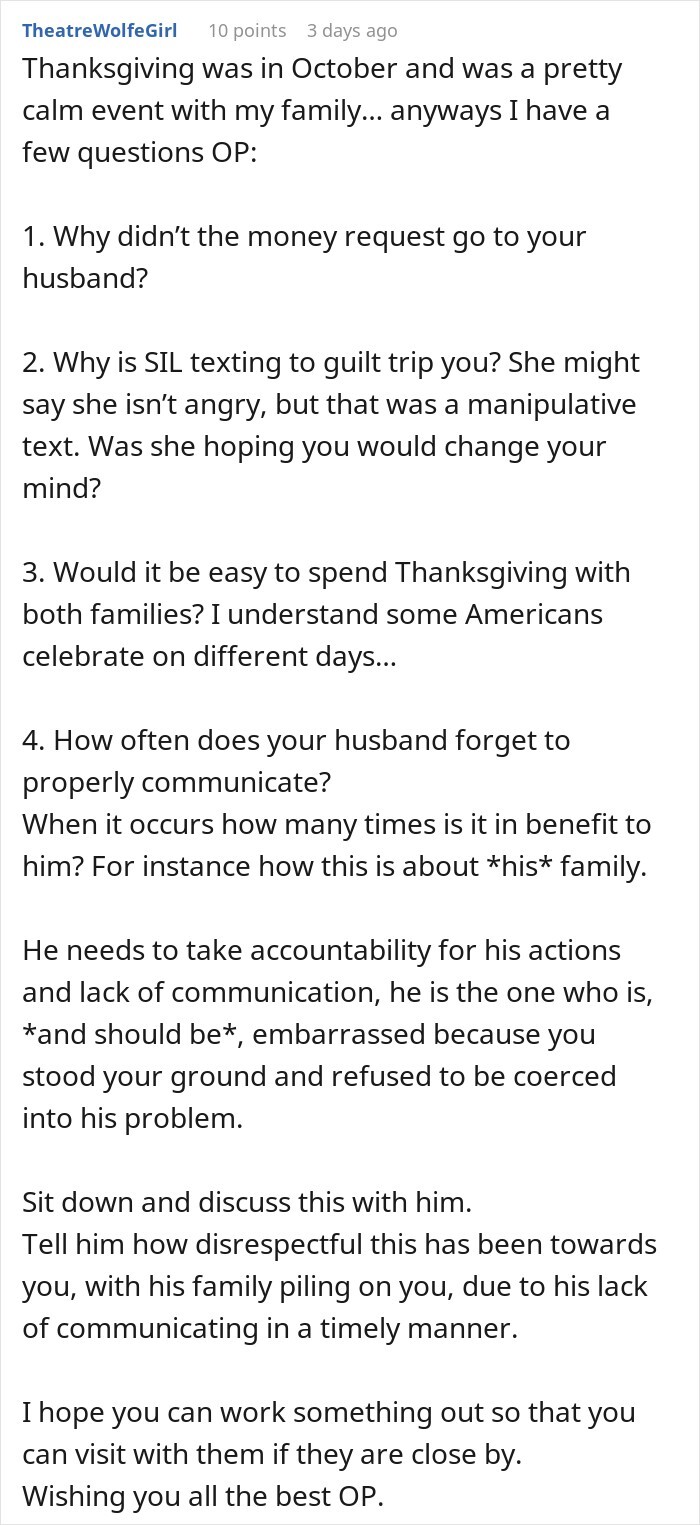
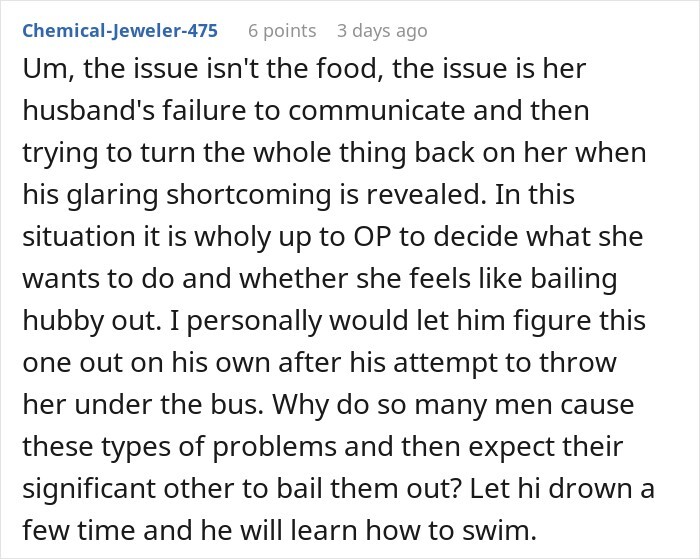
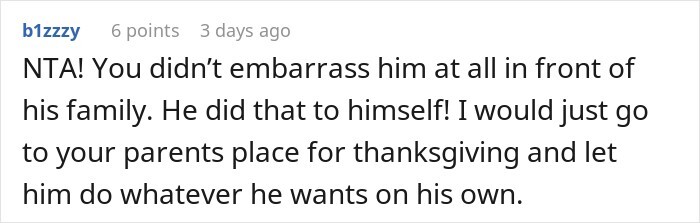
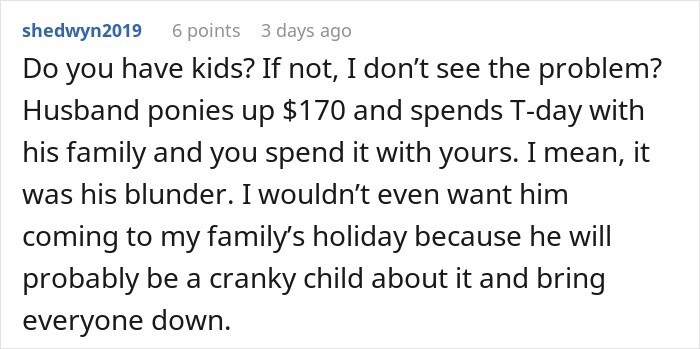
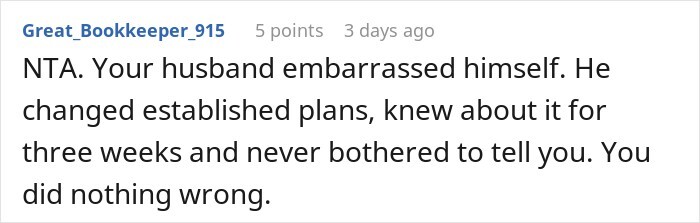
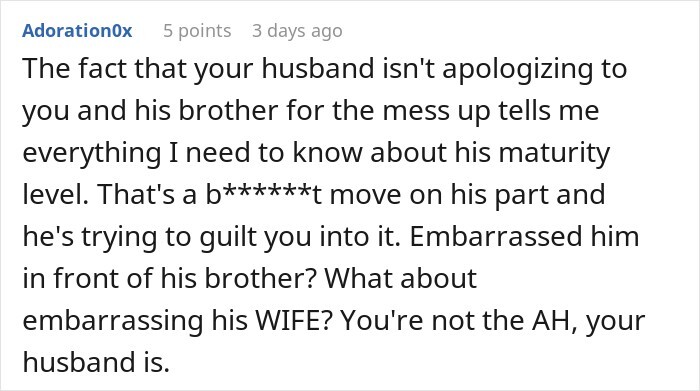
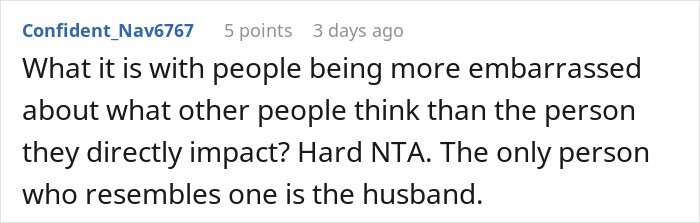
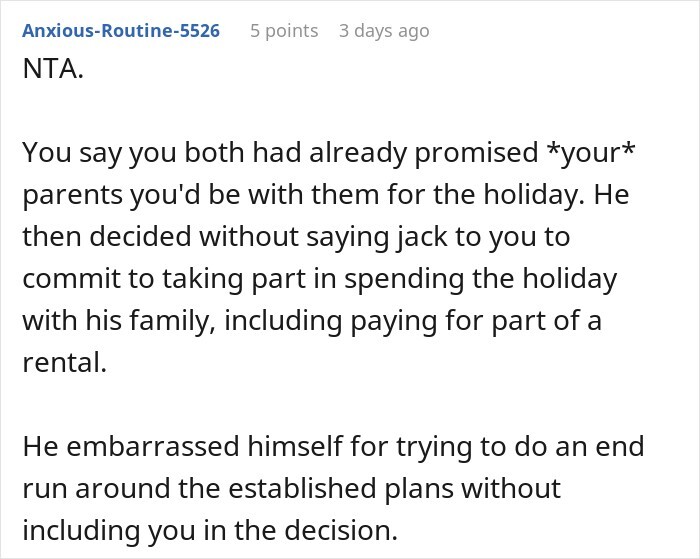
Many commenters said the poster wasn’t the jerk here, and some felt Thanksgiving was the least of her problems





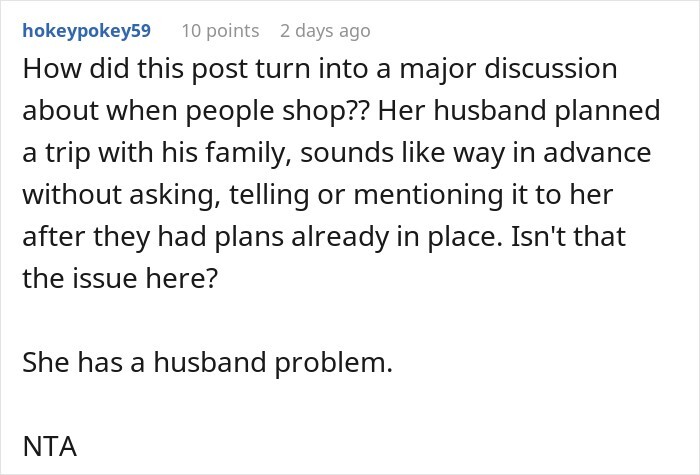

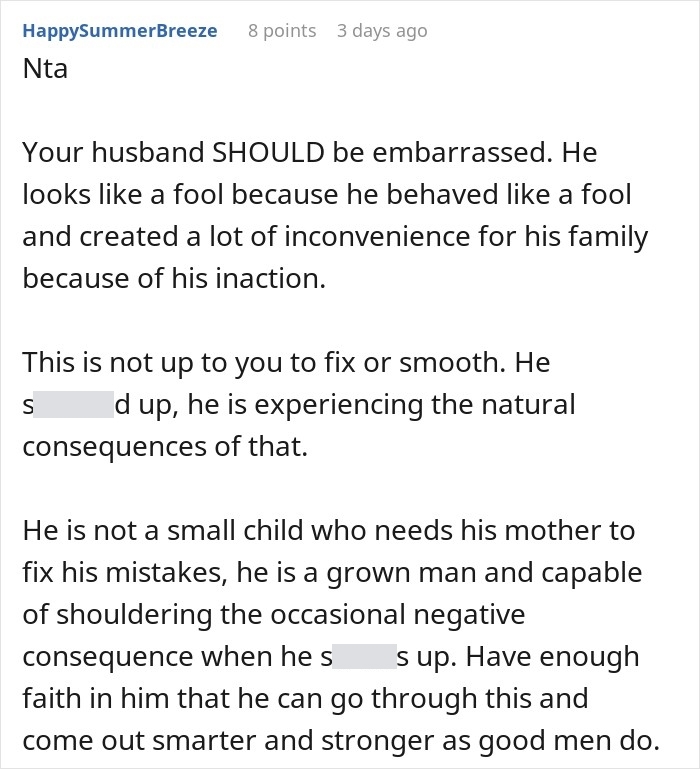
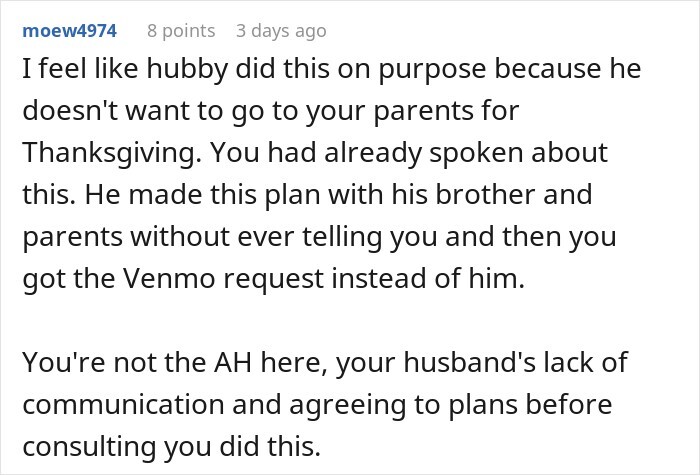
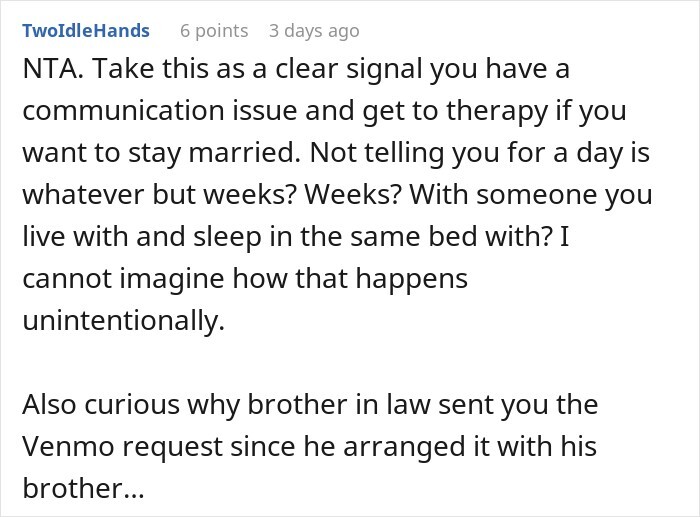



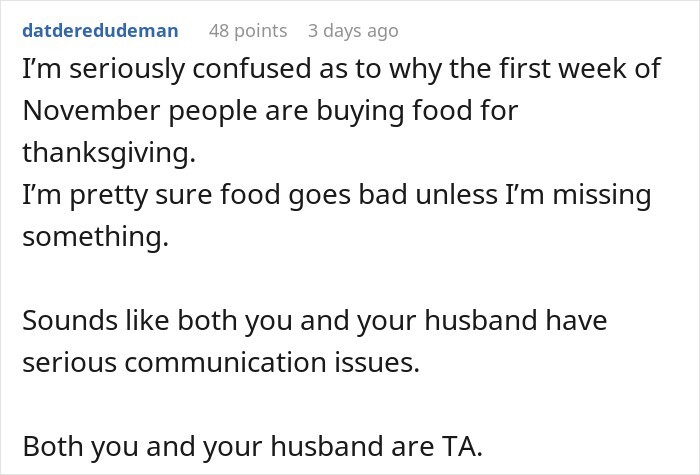
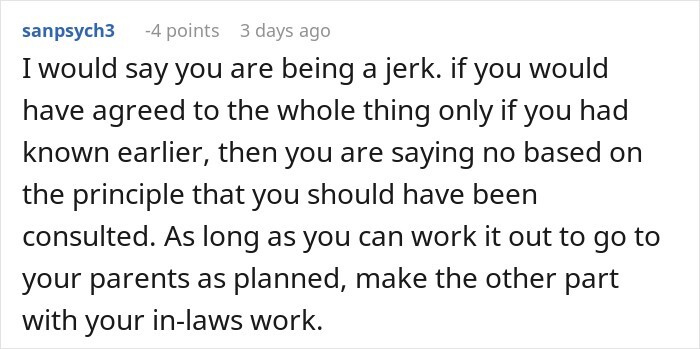
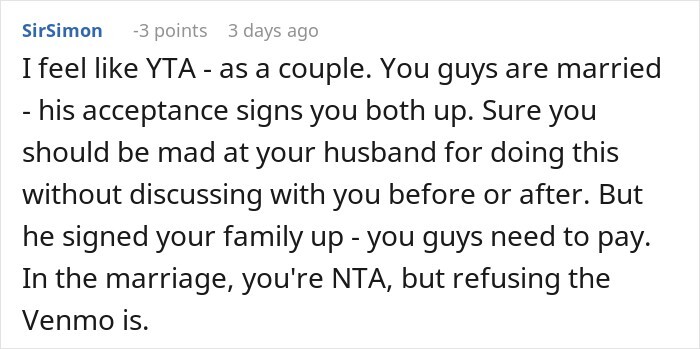
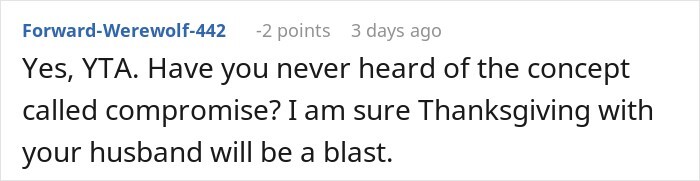
Others felt she was in the wrong for refusing on principle instead of compromising
 Follow Us