There’s a fine line between a funny prank and a cruel joke. After all, what seems like harmless fun to one person might not sit well with the person on the receiving end. That’s why it’s always worth thinking twice before pulling one off.
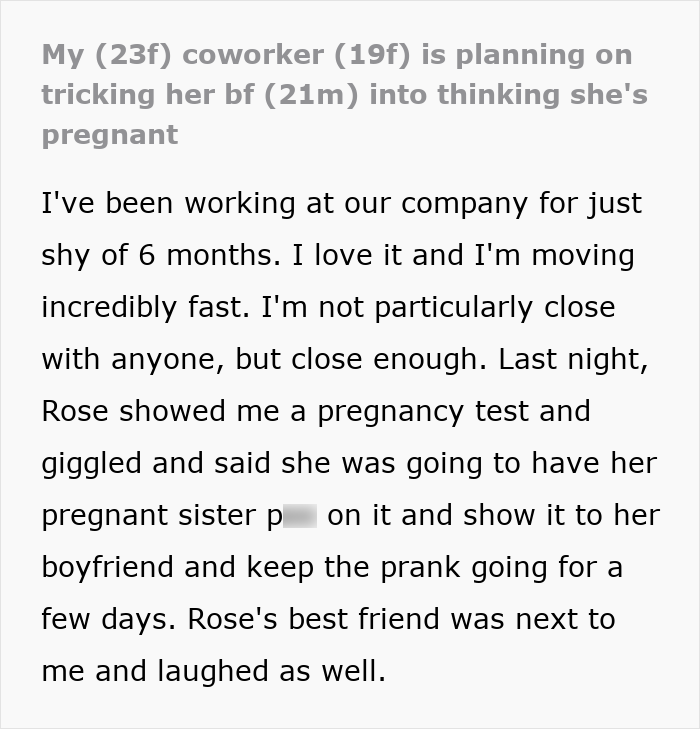
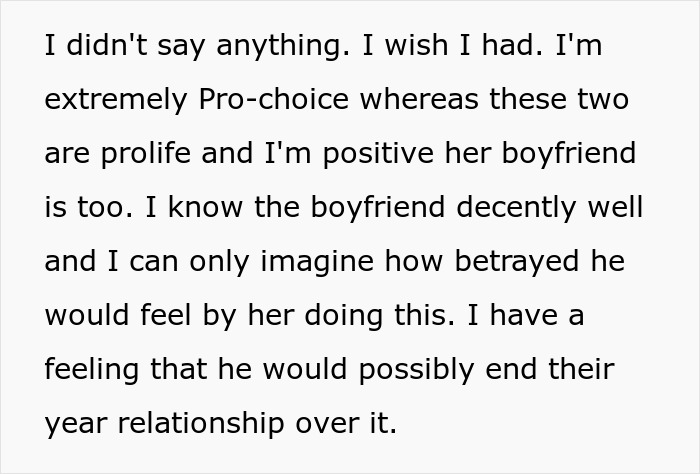
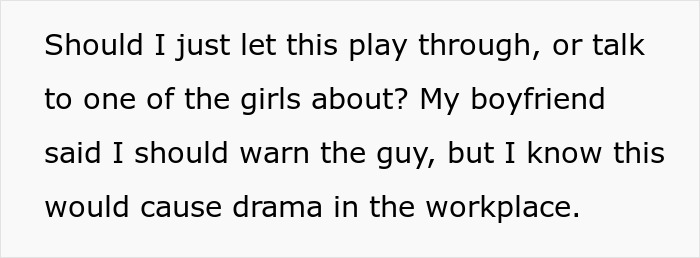
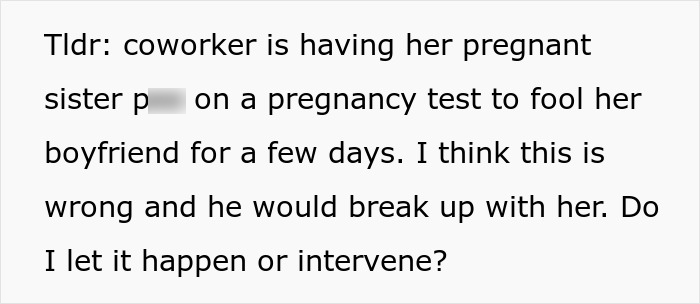
One woman thought it would be hilarious to trick her boyfriend into believing she was pregnant. Unfortunately for her, a coworker caught wind of the plan, and the whole thing backfired spectacularly. Read the full story below.
One woman thought it would be hilarious to trick her boyfriend into believing she was pregnant

cottonbro studio/Pexels (not the actual photo)

But when her coworker found out about the plan, she felt she had to do something about it

No one is completely immune to the consequences of a bad joke, not even court jesters, who supposedly had the freedom to mock anyone they wanted
Pulling off a good prank is a delicate art. Play it too safe, and chances are nobody will find it particularly amusing. But take things too far, and you could end up upsetting someone or even putting your relationship with them on the line.
Even court jesters, who are often thought to have had complete freedom to joke about anything, weren’t immune to the consequences of crossing the line. There’s a popular belief that they enjoyed a special privilege known as fool’s license, which allowed them to mock kings and nobles without fear of punishment. But that idea is largely a myth.
In some cases, jesters did enjoy unusually close relationships with monarchs. As historian Anna Whitelock explains, Richard Tarlton, who served Queen Elizabeth I, was able to point out her faults more openly than most people around her.
His wit made him a favorite at court, and he was even said to have “cured her melancholy better than all her physicians,” despite his jokes sometimes coming at the queen’s expense.
However, that privilege had its limits, and not every ruler was willing to tolerate being mocked. For instance, Archibald Armstrong, who served King James I, was eventually dismissed from court after repeatedly insulting Archbishop William Laud.
And according to historian Peter K. Andersson, one of Henry VIII’s court fools almost lost his life in 1535 after making offensive remarks about Anne Boleyn and her daughter. The jester was subsequently banished from court.
Andersson argues that the popular image of jesters being able to say absolutely anything without consequences comes largely from the works of Renaissance writers like Shakespeare and Erasmus rather than historical reality. Their portrayals helped create an idealized version of the court jester that has stuck around for centuries.
When it comes to pranks, pregnancy is a particularly touchy subject, since it has the power to turn someone’s whole life upside down

Sóc Năng Động/Pexels (not the actual photo)
Thankfully, the consequences of a bad joke today are generally far less severe. Nobody is going to order your head chopped off over a poorly timed prank. Still, that doesn’t mean there isn’t plenty at stake, particularly when the prank involves someone you care about.
For the woman in this story, her relationship with her boyfriend was on the line. She thought it would be funny to convince him she was pregnant, but pregnancy is a sensitive subject, given how much it can change someone’s life.
For someone who isn’t ready to become a parent, hearing that their partner is expecting could be incredibly stressful. And when they find out it was all made up, they’d likely feel angry and hurt over the unnecessary anxiety.
On the other hand, someone who dreams of having a child might be overjoyed by the announcement. Imagine how heartbreaking it would be to have that excitement taken away, all because someone thought it would make a good joke.
Either way, it’s difficult to imagine such a prank going over particularly well. And keeping the lie going for several days, as the woman originally intended, could make the eventual revelation even more painful.
At the end of the day, pulling off a prank always comes with some risk, since you can never be entirely sure how someone will react. According to a 2021 YouGov survey of 3,695 American adults, 46% enjoyed playing pranks on others, but only 36% liked being on the receiving end. In fact, 59% said they disliked having pranks played on them.
So, what do you think? Did the woman’s pregnancy prank cross the line, or was it simply a harmless joke that others took too seriously?
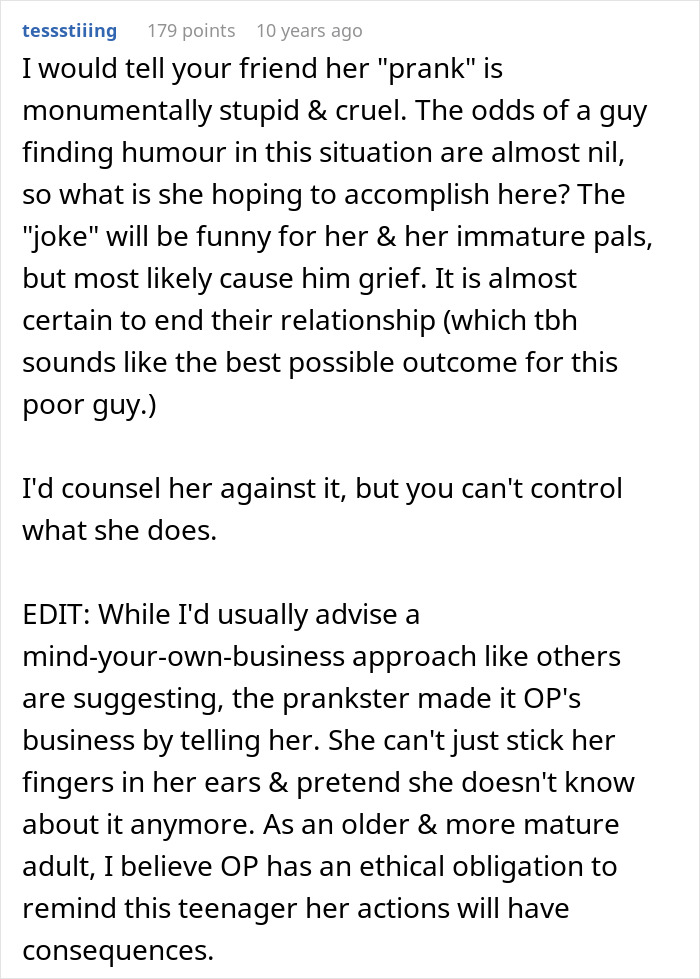
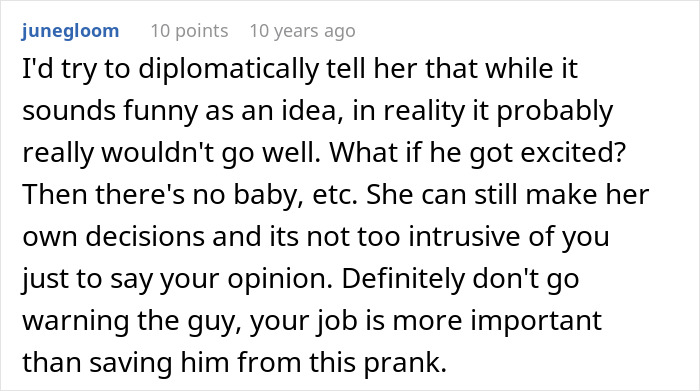
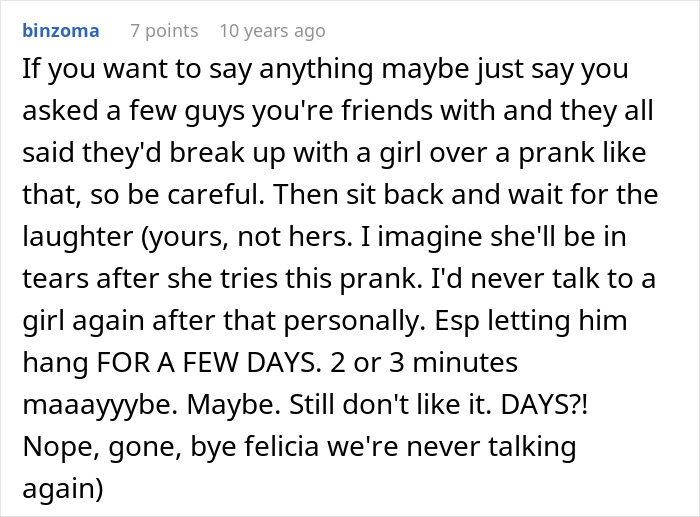
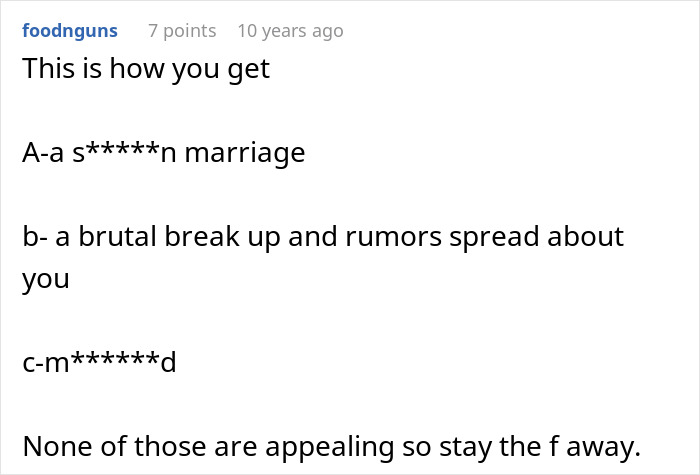
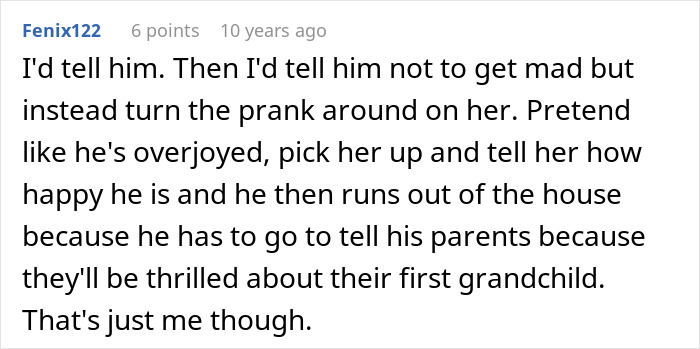
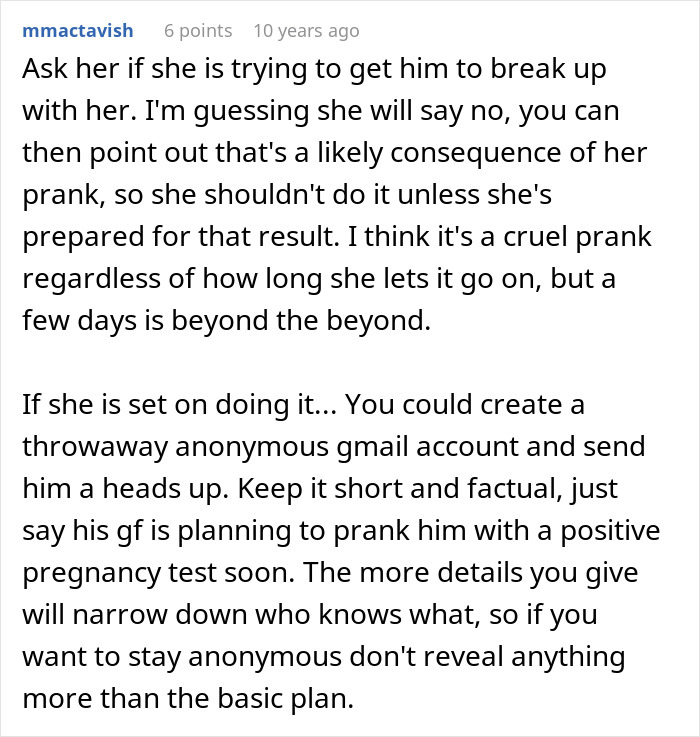
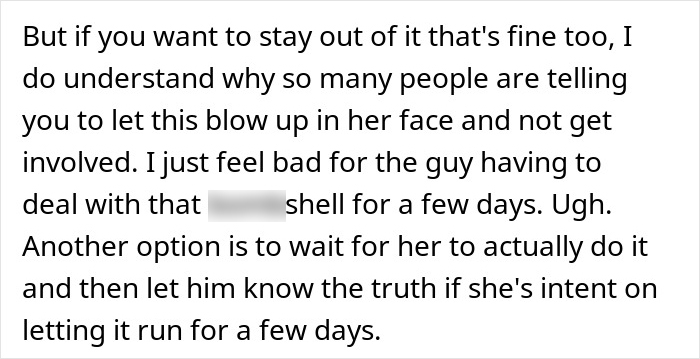
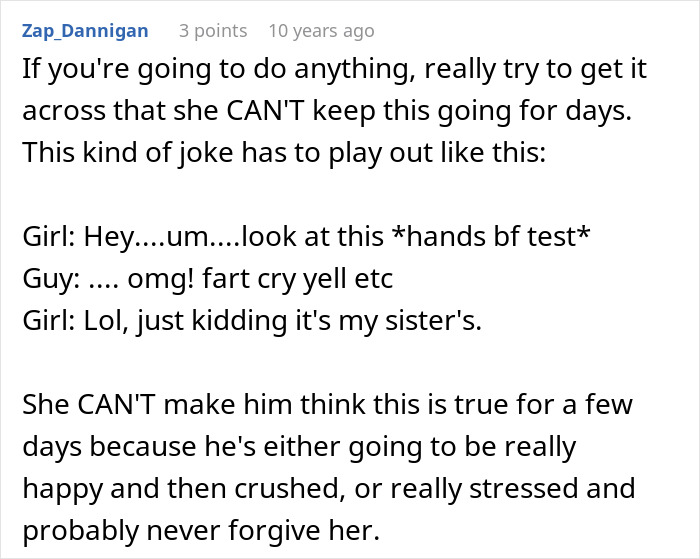
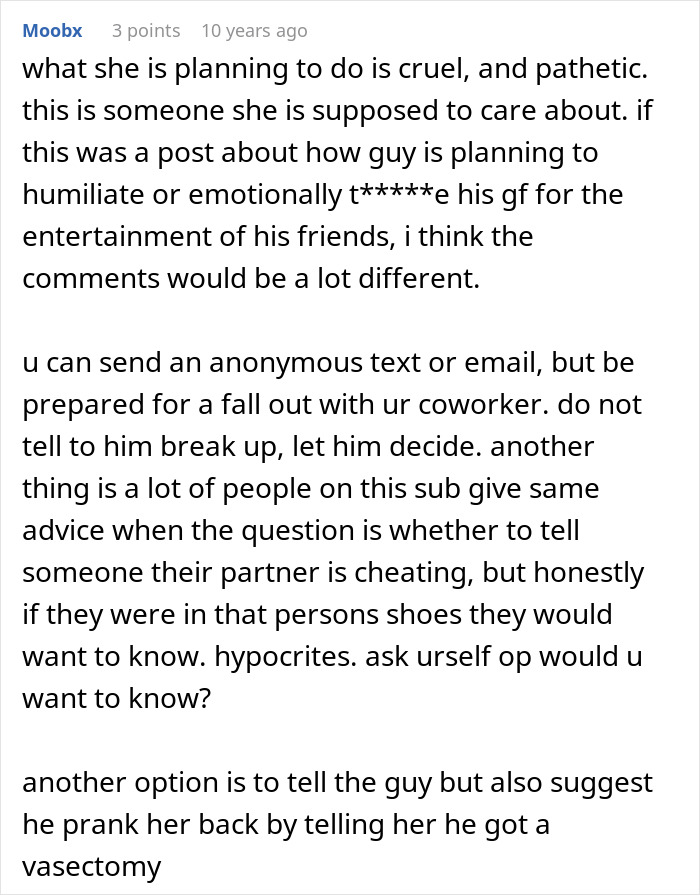
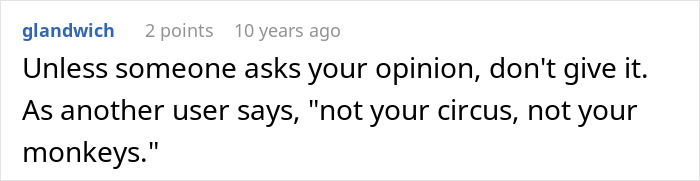
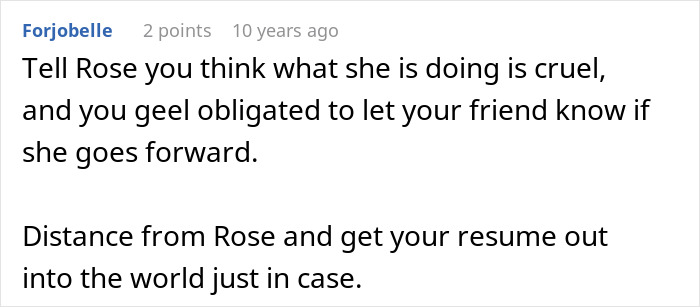
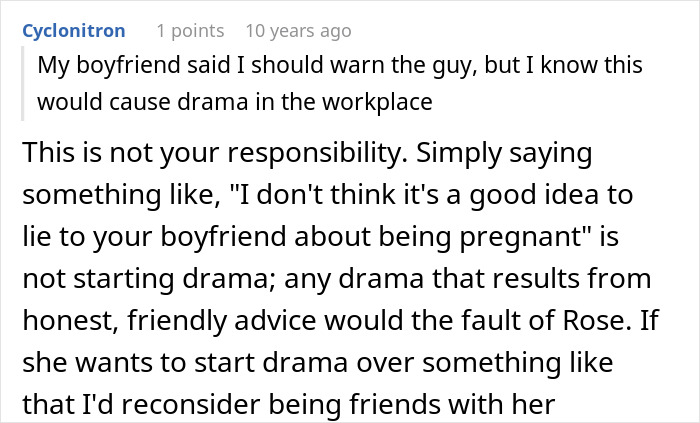
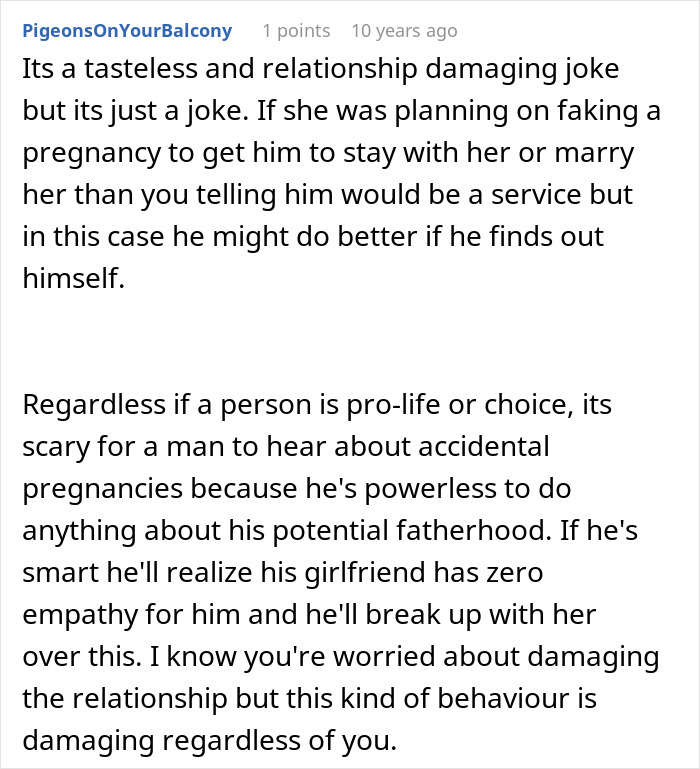
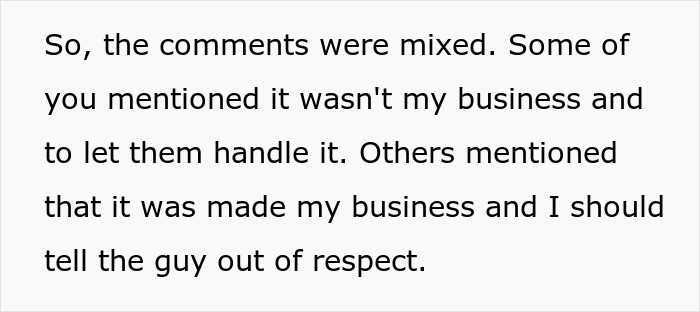
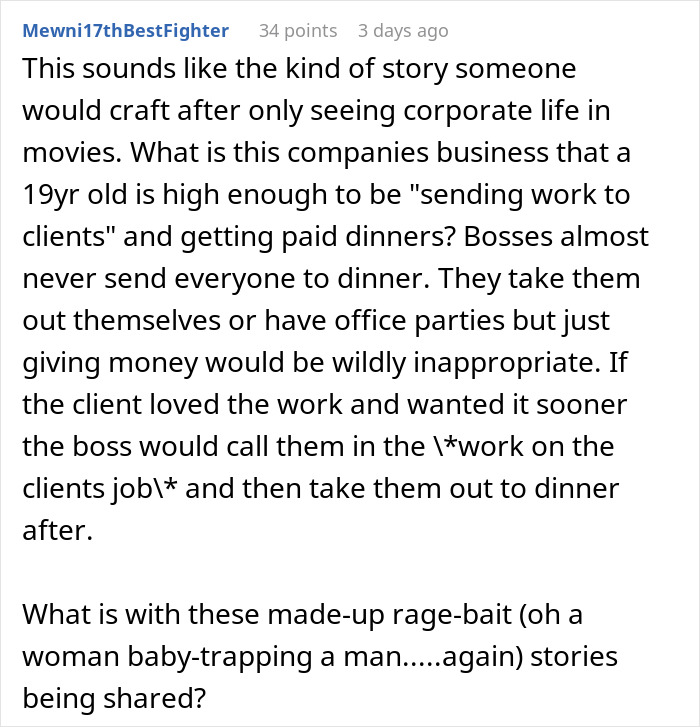
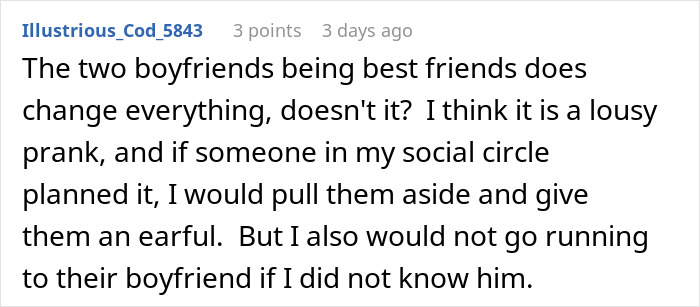
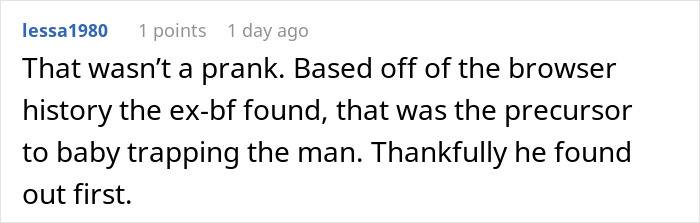
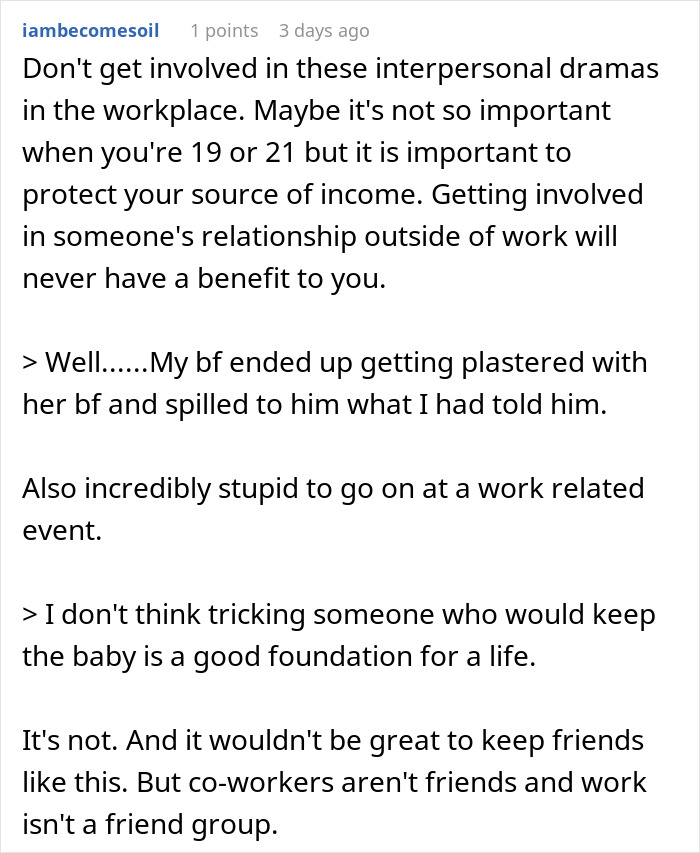
Readers were torn—many thought it was best to stay out of it, while others believed she should intervene








In the end, fate had other plans

Mizuno K/Pexels (not the actual photo)

Kuiyibo Campos/Pexels (not the actual photo)
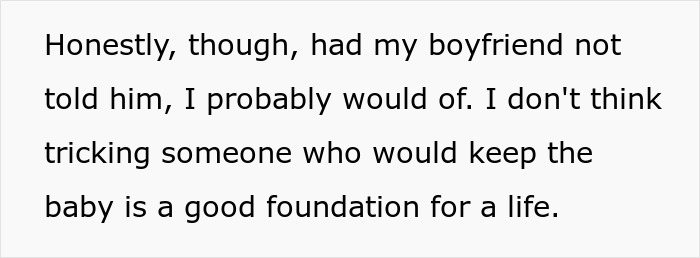
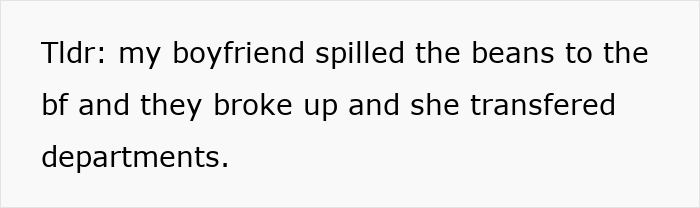
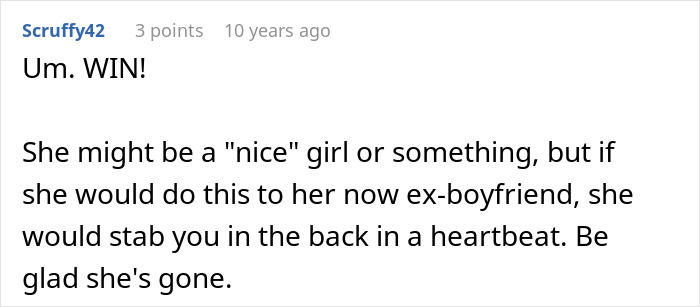
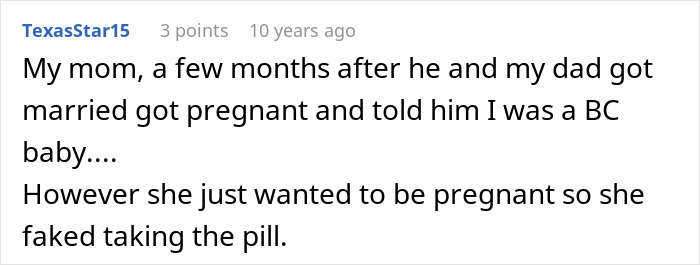
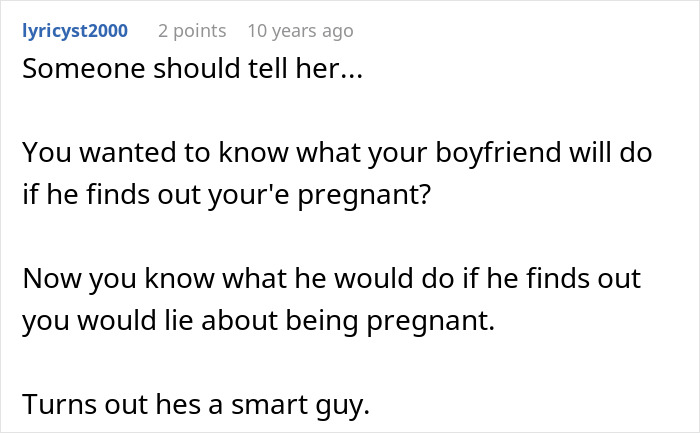
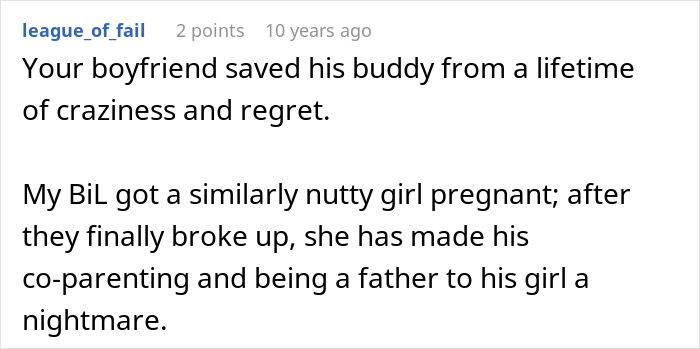
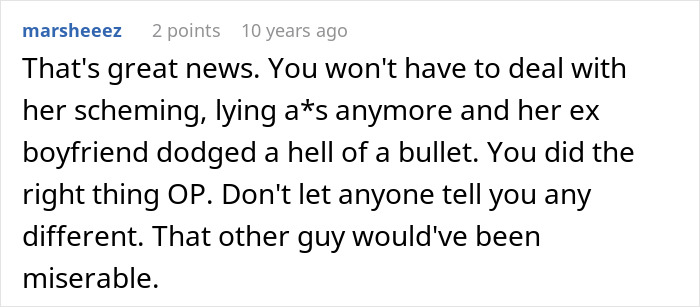
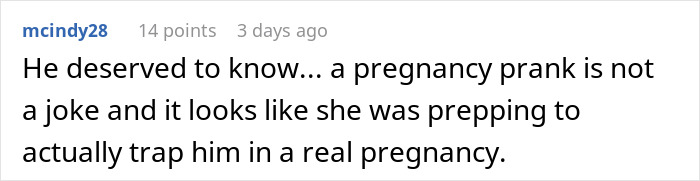
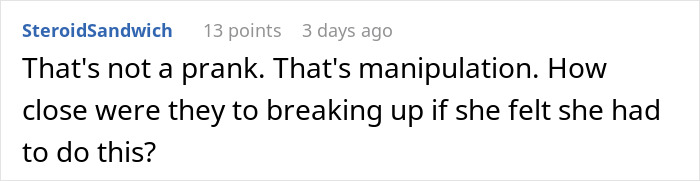
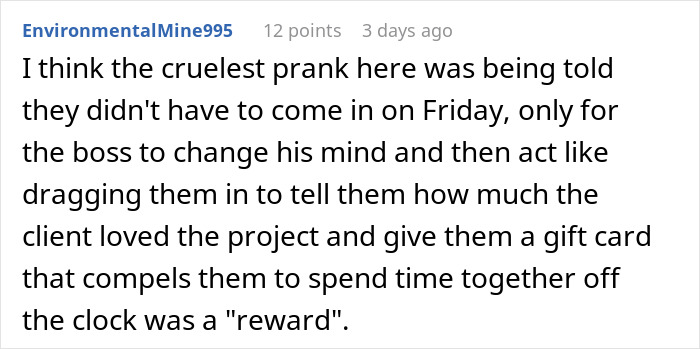
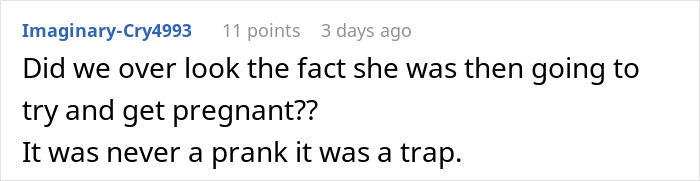
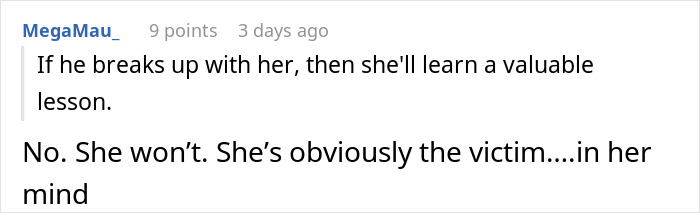
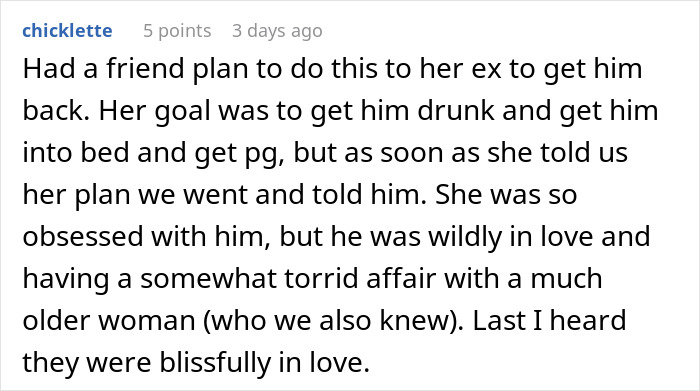
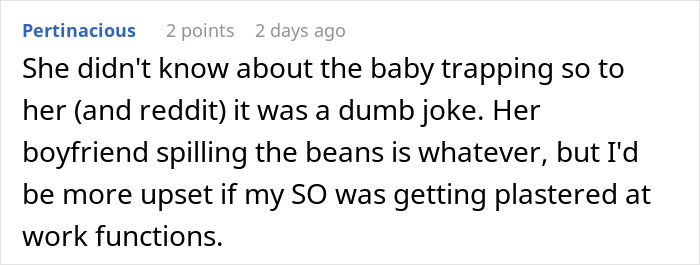
Readers agreed that the woman got exactly what she deserved







 Follow Us