For years, one question has fueled a surprisingly heated online debate: Are American homes weaker than European homes because so many US houses use wood framing instead of brick or concrete?
The argument often comes down to a simple assumption, brick feels stronger, so a brick house must be stronger.
To explain this, a construction expert at BAS Renovations has explained why that comparison misses a much bigger part of the picture.
How a house is connected, engineered, and built for local conditions can matter far more than whether its walls look like brick, block, or wood.
When it comes to house building systems, American and European homes are often very different

The expert broke down the two construction methods in a video comparing American and European homes.
In the US, homes commonly use wood framing with a block or concrete foundation, anchor bolts, stud walls, rafters, and sheathing.
European homes often use cavity-wall construction involving blocks, insulation, and brick.
And that difference can make European homes look much more solid.
But the expert explained that the brick people see on the outside isn’t necessarily responsible for holding up the roof.
“We often relate building strength to material strength,” the expert said.
According to the explanation, the structural wall behind a brick veneer carries the load. The same principle applies to a wood-framed house, where the stud wall does the structural work.




And a brick exterior does not automatically mean a stronger house.
The internet, unsurprisingly, had plenty to say about the comparison.
One commenter wrote, “American houses are so flimsy, it’s crazy,” while another asked, “Wait, so Americans don’t build with brick??”
Someone else wondered, “Why do American houses look so different?”
And one person summed up their reaction with, “This is why I could never live in America.”
Brick and block do have an obvious advantage when it comes to fire

“Block and brick are great for fire,” the expert explained.
Wood framing, roofing, and joists, on the other hand, can burn. That doesn’t mean builders can’t reduce the risk. The expert explained that certain construction steps can help slow the spread of fire.
Water is another major concern with wood construction.
“Rot from water is the main concern with wood framing,” the expert said.
Water-resistant barriers and siding can help divert water away from the structure and keep the wall dry.
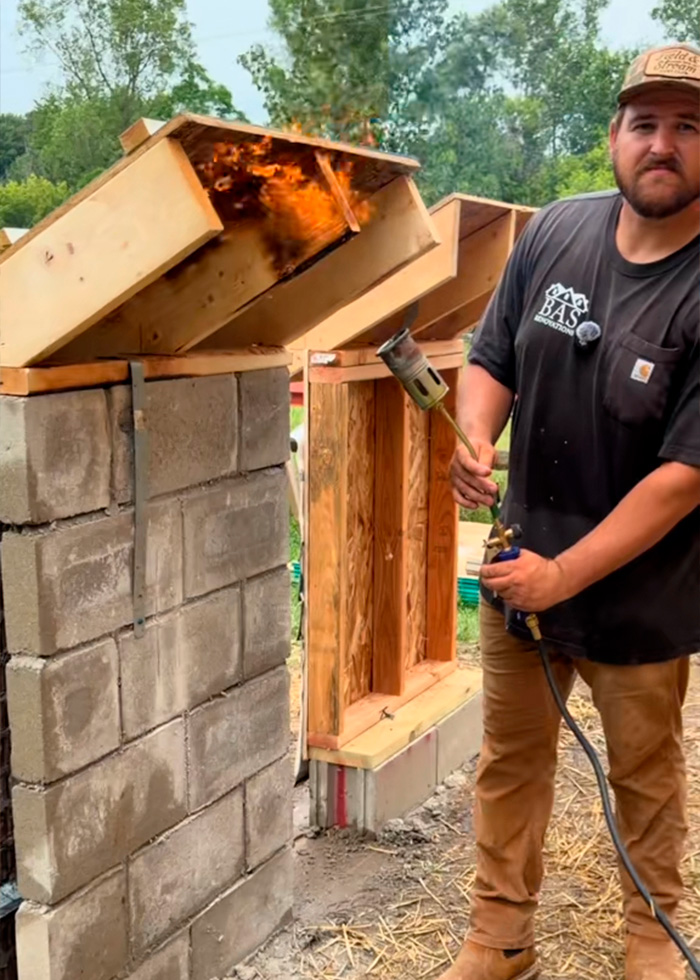


Masonry homes handle moisture differently. If water gets behind the brick, weep holes allow it to escape.
But wood framing comes with some practical advantages too.
Electrical wiring and plumbing are generally easier to install inside stud walls. Making changes to the structure can also be quicker.
“Wood framing can be done in days, but brick and block can take much longer.”
That becomes particularly useful when homeowners want to add an extension.
The biggest difference is not the brick or the wood; it’s how everything is connected
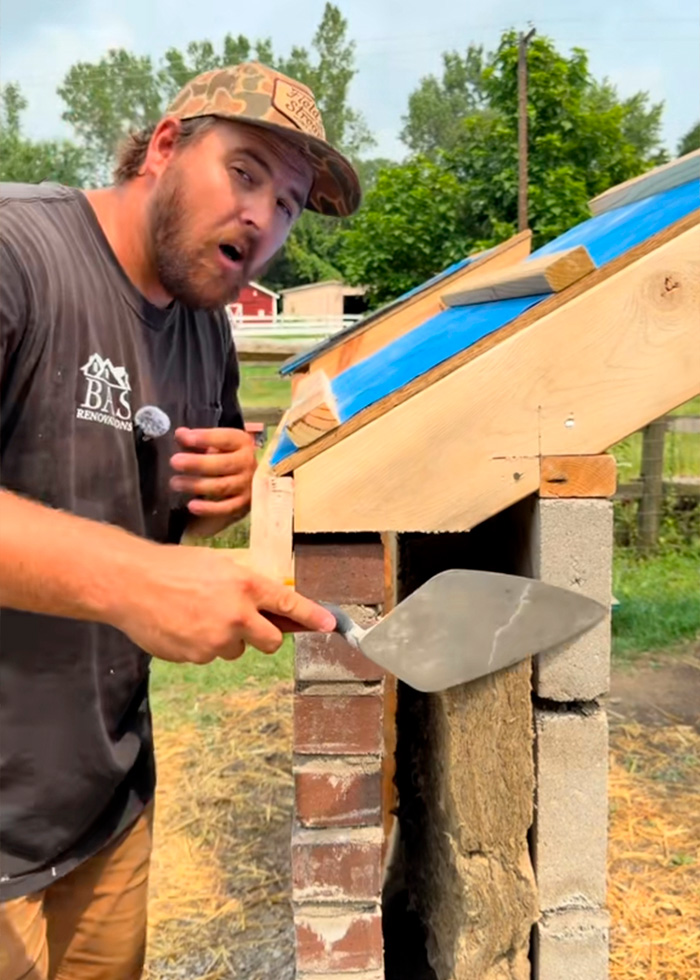
This was the part of the expert’s explanation that really challenged the usual online argument.
A house isn’t just a collection of walls.
The way the walls, roof, and foundation connect can determine how the structure handles forces such as strong winds.
Wood-frame structures can use anchor bolts and hurricane ties to connect the building to its foundation.
Meanwhile, cavity-wall construction uses the weight of the structure and roof strapping to help resist uplift.
And then there’s seismic activity.



“Masonry walls can suffer more from seismic activity,” the expert explained.
That means the idea that heavier automatically equals stronger doesn’t work in every situation.
The comments under the discussion showed just how much people disagreed.
One person wrote, “Wood houses are actually safer in earthquakes because they flex.”
Another wasn’t convinced, saying, “A brick house would be much stronger in a tornado.”
Someone else pushed back, “It’s the foundation and how it’s anchored that matters.”
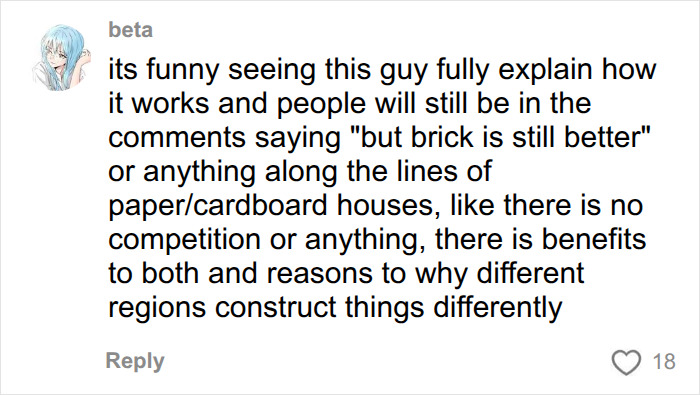
And another commenter said, “It’s not about the material; it’s about the engineering.”
The European vs US home-building debate is not limited to the walls
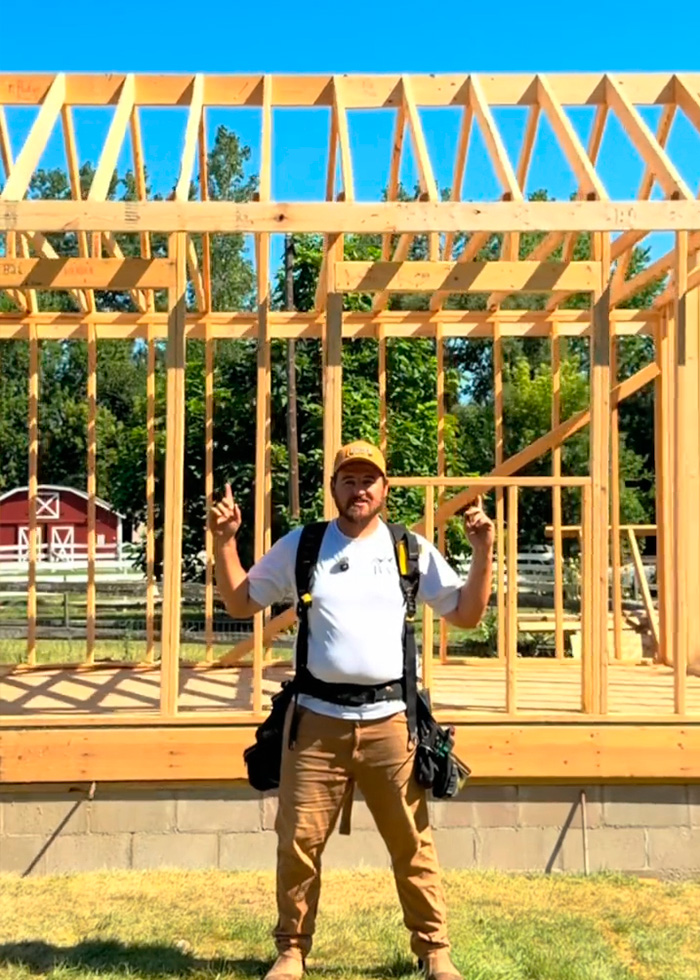
The construction debate isn’t limited to the walls.
European homes often use thicker walls, highly efficient windows, and roofing materials such as clay tiles. Triple-pane windows are also common, while energy costs have encouraged greater attention to insulation and efficiency.
Home sizes are another major difference.
The information provided by Hamish Murray Construction Company for the comparison puts many European homes around 1,000 to 1,300 square feet, while a new detached American home averages about 2,407 square feet.
In other words, Americans generally build much bigger.
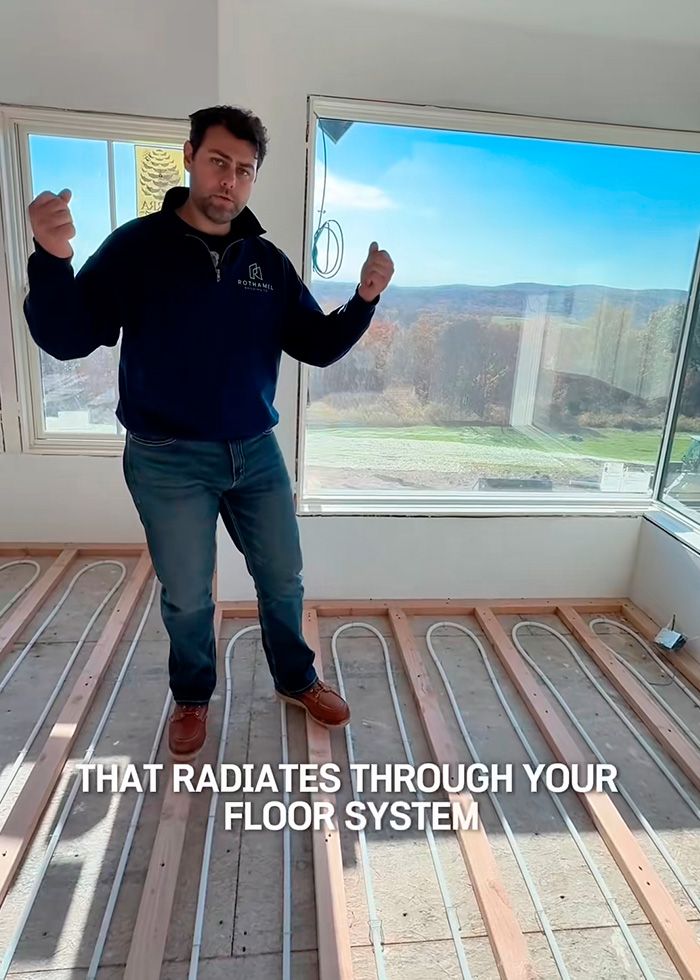
rothamelbuildingcompany/TikTok


European homes also commonly use radiant heating, including underfloor systems. Heat pumps and solar systems are becoming more popular too.
Meanwhile, central air conditioning is less common in northern Europe, although that is changing as summers become hotter.
The differences aren’t necessarily about one continent knowing how to build a house while the other doesn’t.
Climate, energy costs, available materials, land, building traditions, and local regulations also shape them.
The expert’s answer doesn’t give the internet the simple “America vs. Europe” victory it might have wanted
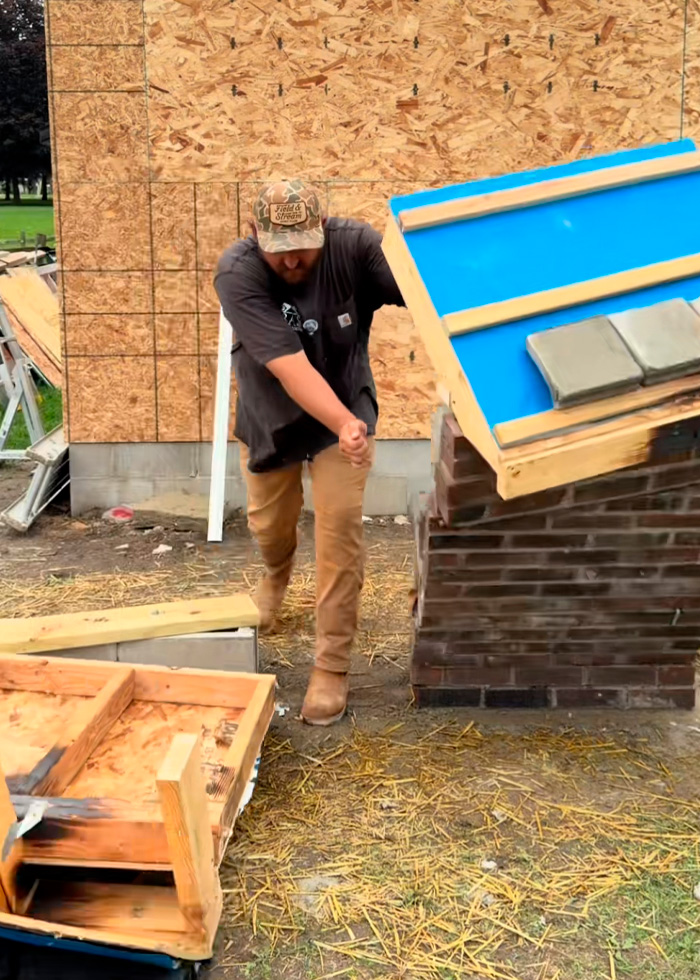
A house can’t be judged properly just by looking at its exterior.
Brick can offer excellent fire resistance. Wood framing can make plumbing, electrical work, and additions easier. Masonry can behave differently during earthquakes. Wood structures can be designed to handle strong winds.
And none of those facts alone determines whether a particular house is safe or strong.
The expert’s final message was, “Regardless of regional differences and materials available, what actually matters is how your house is engineered.”
“European houses are built to last,” wrote one netizen









 Follow Us