Have you ever come across a story so strange that you wonder who thought it up? Sometimes, just one surprising move is enough to get everyone talking. The more outrageous it is, the harder it is to look away.
That’s what a PR stunt is all about. It could be a bold marketing campaign, a clever publicity trick, or just something unexpected that makes the news. The main goal is to catch people’s attention and get them talking. Some stunts become famous, while others leave people wondering what the creators were thinking.
Want to know which stunts made the biggest splash? Reddit users have shared some of the most memorable PR stunts ever, from smart publicity moves to wild schemes. Read on to find out which ones people still talk about long after the news dies down.
#1
If I remember well, BP with the carbon footprint concept to make us responsible of climate change, instead of the company.

Image source: Ok-Koala6917, Getty Images
#2
The Food Pyramid was ingrained into American culture as a health thing but was really a marketing ploy to sell cereal.
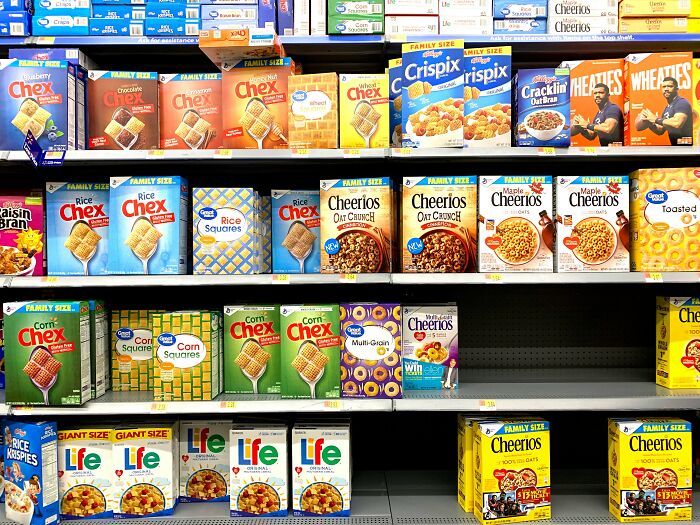
Image source: Carrollmusician, Franki Chamaki
My favorite example of how a small food business can get global attention with a product people want to see, taste, and share is Dubai chocolate. Not just because it’s amazing and I love chocolate, but because its PR campaign was remarkable.
FIX Dessert Chocolatier mixed chocolate with pistachio cream and crunchy kunafa to make a bar that stood out in close-up videos. The unique texture gave social media users something different to notice and talk about.
The turning point came when a TikTok video of someone trying the chocolate caught viewers’ attention. People shared their reactions, searched for the bar, and wanted to experience the same combination themselves.
#3
Diamonds being marketed as rare.
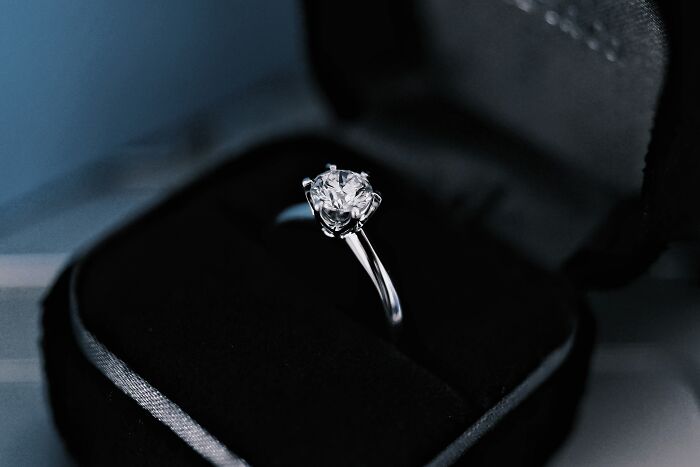
Image source: Unlikely_Ebb_6344, Eileen Pan
#4
Michelin Star restaurants originated as a PR stunt to get people to drive more and spend more money on, you guessed it, Michelin tires.
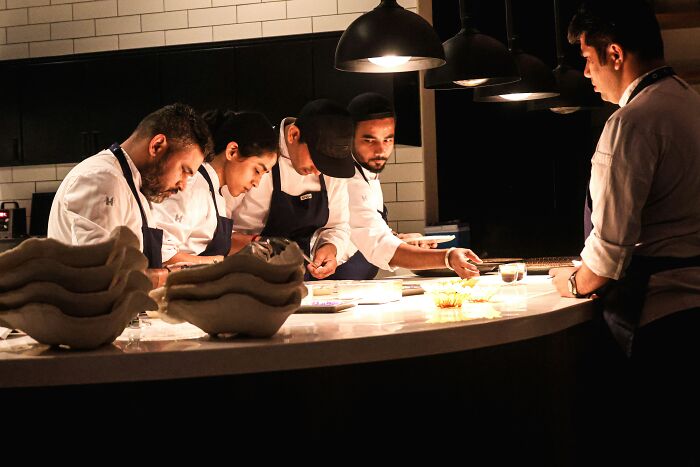
Image source: Bradjuju2, Meg von Haartman
Rather than just using traditional ads, the brand gained from content that made people curious and eager to share the product’s name. The craze quickly spread beyond Dubai. As more people wanted the chocolate, other businesses made their own versions, and big chocolate companies joined in.
A dessert that began as a distinctive local product became an international talking point, showing how influencer content can help turn an unfamiliar item into something consumers suddenly feel they need to try.
#5
Not the biggest, but I definitely fell for The Blair Witch’s marketing. I was a teenager, impressionable and without Internet or phones in my life…that “found footage” trick worked like a charm on me and my friends.
Bradjuju2:
Blair Witch is a gold standard for grassroots viral marketing. Even pre social media, they managed to achieve a classic film on a shoestring budget.

Image source: rabid_4_tatas, IMDb
After Dubai chocolate became a hit, Abu Dhabi introduced its own signature bar, created by chef Nouel Catis, who was also behind the original viral dessert.
Instead of repeating the pistachio-and-kunafa mix, he came up with a new recipe using salted caramel, halwa, cardamom, saffron, tahini, and date syrup. These ingredients were chosen to showcase Abu Dhabi’s local food culture.
The bar was first sold for Dh100 per 200 grams at the local Rain Cafe. Catis hoped the flavors would bring together Emiratis of all ages and help share Abu Dhabi’s food culture with more people. The launch shows that while a viral product can spark new ideas, changing the city and recipe does not always bring the same online buzz.
#6
The current president of the USA running for president in 2016. You’ll NEVER convince me he ever thought he’d actually win or even wanted to. He figured he’d get some free tv time to insult Obama, plug all of his merch and books, lose in the primaries because obviously he would, then he could cry it was rigged and go off and make his right-wing news station.
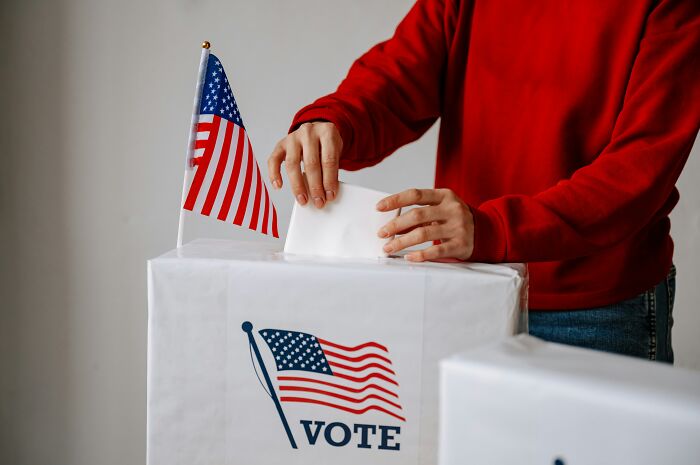
Image source: AceofKnaves44, Kateryna Hliznitsova
#7
Americans everyday join the military every day under the guise they will be protecting the homeland. They then get sent to countries they have no business being in completely believing that lie, across the globe, only to learn later it was about exerting control over resources and has nothing to do with defending freedom. Then they come home and they get denied health care claims for ptsd and burn pit injuries because we really can’t afford to treat them because we spent it on a new aircraft carrier to take the next batch.
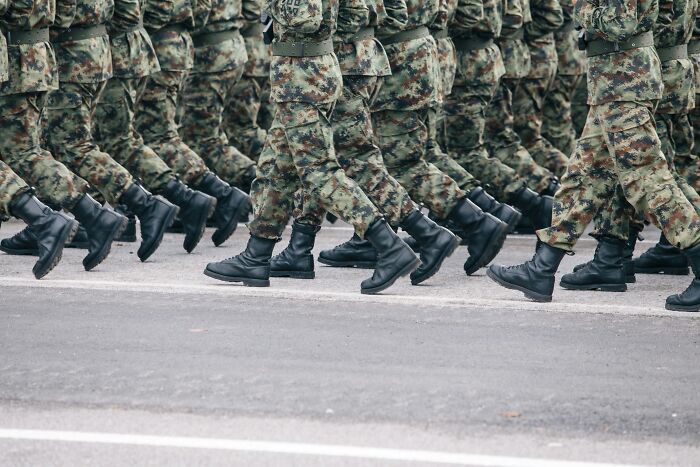
Image source: colorodoan, Filip Andrejevic
#8
Camilla’s public image. From mistress and homewrecker to Queen of England.
Image source: Expensivetolook
#9
Kellogs and the cereal(sugar based) breakfast push.
Breakfast is not in fact the most important meal of the day and eating a lot of sugar is bad.
That being said, I love breakfast, sugar or salty, yummi!
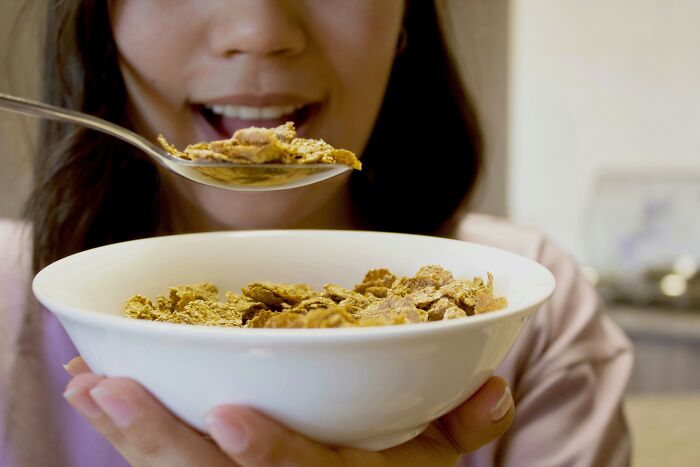
Image source: h1nds, Rozonia Bam
Another of my favorites is California’s Gold Rush. Thousands of people headed west hoping to strike it rich. Samuel Brannan saw a different opportunity. Rather than spend his days searching for gold, he opened a store near the mining areas and prepared to sell the supplies prospectors needed. He recognized that a rush for riches could create a fortune for merchants, too.
Brannan also helped build excitement. After visiting the goldfields near Coloma in 1848, he went back to San Francisco with gold in a bottle and announced the discovery to everyone. This news inspired people to head to the mines. Brannan’s store was ready for the crowds, and he reportedly sold up to $5,000 in goods each day.
His story shows a surprising part of a gold rush: people looking for gold weren’t the only ones who could make money. Brannan got rich by selling goods to miners instead of searching for gold himself. This idea is still true today in marketing, where businesses can profit by giving customers what they want during a trend.
#10
Edward Bernays coined the term PR “public relations” to replace “propaganda”. He made “bacon and eggs” for breakfast a thing. And started a green women’s fashion trend to sell Lucky Strikes, and it worked!
Scumbag__:
If you want to know more about it Bernarys, there’s a very interesting way he got women to smoke cigarettes.
Cigarettes were smoked by men in public in 1929. This was due to strict social norms. So Bernarys hired women to march in the Easter Parade on Fifth Avenue, hiding their cigarettes until they got to the cameras, where they began to smoke them.
It was called Torches of Freedom. It was a means to expand tobacco sales to women, and he was hired by George Washington Hill, the president of the American Tobacco Company. He essentially utilized (perhaps weaponised is a better word) the first wave of feminism to sell cigarettes on behalf of a private company.
Super interesting. And now, as someone who worked in PR, I can tell you that the main difference now is that we don’t reveal most of our clients or campaign strategies. You stay in certain (perhaps all) agencies long enough, you’ll lose your soul.
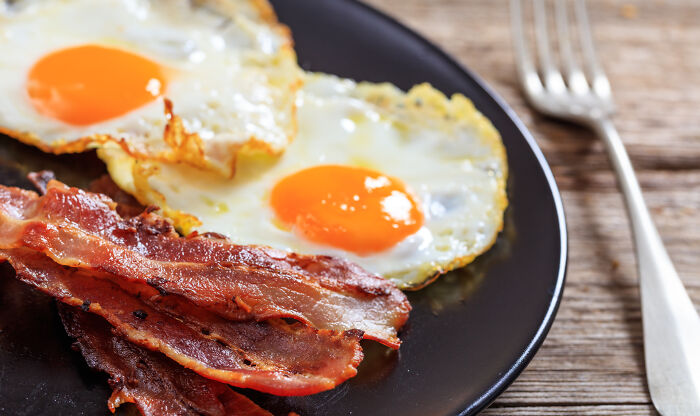
Image source: im_a_picasso, Rawf8.com
#11
1) The British messaging that Napoleon was a short man
2) The British messaging that carrots will help one’s vision.

Image source: 762way, Getty Images
#12
Kardashian “breaking the internet”.
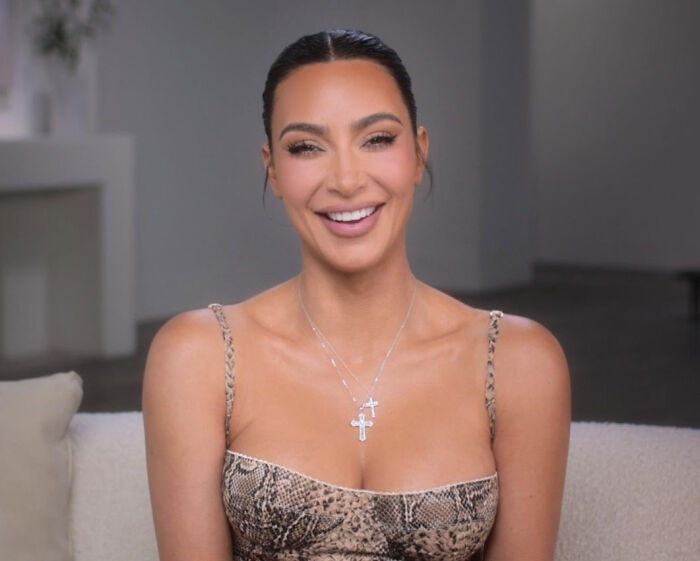
Image source: StraightBudget8799, Disney+
Back to the present, a product can dominate social media without transforming its entire market. The Dubai chocolate craze quickly drew the interest of major brands, who hurried to release their own versions and take advantage of the trend.
Still, all the online excitement did not change the whole chocolate market right away. The premium chocolate segment in general grew by about 8%, but the overall chocolate confectionery market only grew by 3%.
This gap shows that a product can be very popular on social media without really changing how people shop in the long run. Thousands of videos might get curious customers to try a viral treat, but that does not mean they will keep buying it. Sometimes, the excitement around a product is much bigger than its lasting effect on sales.
#13
Contrary to popular belief the state motto of Texas is not “Don’t mess with Texas” belive it or not that was actually an anti-littering slogan thought up in the late 80’s early 90’s. Texas had a serious littering issue. And the texas state department of transportation came up with “Don’t mess with Texas” as a way to remind Texans to keep Texas litter free. And the crazy part is it worked insanely well.

Image source: iced_icicle, frimufilms
#14
Painting the lawsuit against McDonald’s by the woman who got millions because her coffee was too hot as unreasonable.
KevinStoley:
There is a really great documentary on this called ‘Hot Coffee’ that is highly worth watching.
It goes way beyond just her case, but that case was basically used as the poster child by corporations and politicians for mass tort reforms over the years which have had a major negative effect on consumers rights and what sort of damages can be awarded in lawsuits brought by people who have been hurt or wronged by businesses.
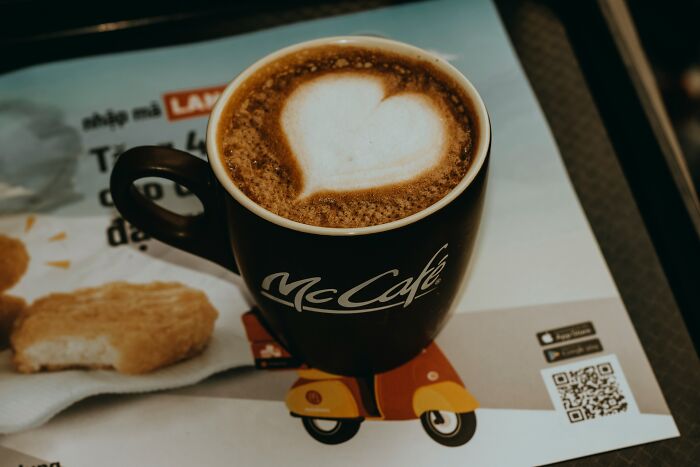
Image source: anon, Phát Trương
#15
I remember when the Segway was revealed – it was teased for weeks as a revolutionary technology that was going to change transportation. There was a primetime TV reveal of this spectacularly hyped thing. I remember sitting down to watch it as a family, and then it ended up being a Segway…
Image source: Rorstaway
Some brands intentionally make their products harder to get. Limited releases, exclusive drops, and quick sellouts can make shoppers feel like they have to act fast or miss out. If people think a product might not be around for long, they often want it more than if it were always in stock.
But scarcity can also have downsides. An article in Harvard Business Review explains that while limited availability can create excitement, it can also drive frustrated customers to competitors. The key is to make a product feel special without making it so hard to buy that people give up and look elsewhere.
#16
It’s scary how successful the trickle-down economic theory has been. The Reagan administration KNEW that it would only benefit the wealthy and make them even wealthier. One of the MAIN reasons why billionaires exist is because of their insanely low tax rates.
Image source: figuringthingsout__
#17
Selling the AI as a benefit to humans is the biggest marketing hack aligned with the biggest misinformation in our histroy. Honestly, the idea that AI gives you ‘knowledge without needing to know anything’ is the biggest myth or simple marketing fluff in tech right now.
In its current state, you cannot use AI effectively without already being skilled and knowing the basics of your craft, economicst or studied knowlege. You need real expertise just to spot the mistakes AI still makes en masse. It’s based on human knowlege and limited by the computing plans you buy as well as how you use it – and the majority using it blindly wrong. ‘
The reality is very different: people blindly trust flawed AI output. They build websites without knowing a single line of code, or generate business plans with zero background in economics.
Where is this promised wealth for everyone? Right now, AI destroys far more jobs than it creates, with no equal replacement for the people laid off. Meanwhile, we get the downsides: dehumanization, exploding energy costs, and sky-high AI company valuations built on a money-burning AI dominace race that the public will eventually have to pay for when the bubble bursts.

Image source: nalarak, Getty Images
#18
How about the “Got Milk” campaign run by the US government to get more people to buy milk so they didn’t have to buy it and stockpile it?
Image source: evolmenime
When a product goes viral, other brands often try to join in, something commonly known as trendjacking. They use popular memes, trending sounds, or create their own versions of products that everyone is talking about. This can seem like an easy way to get noticed, since the audience is already interested and the trend has already built momentum.
But copying a popular idea does not guarantee the same success. When dozens of brands follow the same trend, their campaigns can start to look almost identical. Adding a fresh twist gives people a reason to pay attention, remember the brand, and see it as more than just another company trying to cash in on the latest craze.
Behind every viral sensation, there is often a clever idea, a perfectly timed move, or a brand hoping to capture lightning in a bottle. But not every attempt gets the same reaction. Which one surprises you the most? Let us know your thoughts in the comments!
#19
I’m thinking Santa Claus. Coca-Cola didn’t invent that bowl full of jelly but the modern depiction of him is almost certainly due to their advertising.
I’m not sure if that explicitly counts as a pr stunt but they definitely invented a thing and made it wildly popular and successful without having to do their own advertising much of the time.
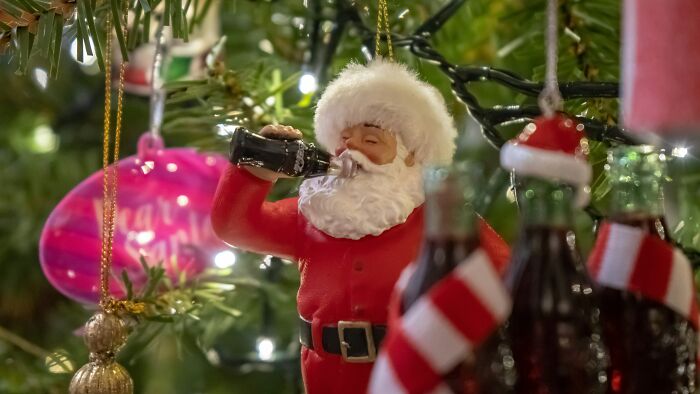
Image source: 32bit_sundae, Igor Lifar
#20
Constantine putting the Greek letters of chi and rho, the first two Greek letters for Christ on his soldiers shield after seeing a cross of light in the sky. Eventually led to the normalization and popularity of Christianity in Rome.
When the senior emperor [passed away] there was civil war between two candidates. Constantine was heavily influenced by his mother a Christian. To worship Christianity at the time was a crime.
To help garner Roman legitimacy amongst the religious through divine approval he proclaimed he saw a light in the sky in the shape of a cross. Only 10% of Romans worshipped Christ. But Sol Invictus, the sun god was the supreme diety and the most popular God in Roman religion. By associating a light in the sky in the shape of a cross he filtered the sun through a Christian cross. Constantine began a PR campaign to mix the two. The supreme God became the one God above all. The divine sun behind an emperor legitimizing him became a halo. SUNday became the Christian holy day.
Eventually leading to acceptance of Christianity into Rome.
Image source: kaysea112
#21
There is a strong case for the Spartans’ 300 men at Thermopylae. To copy an old comment of mine:
Not only were the 300 Spartans at Thermopylae representatives of a deeply [messed]-up culture, but they were also failures who had their failure twisted into a propagandistic message by Sparta to cover up deeply-held insecurities over past failures.
Background: Carneia was a Spartan festival which generally prevented them from participating in warfare. Previously, when Darius had invaded Greece as a reprisal for Athenian support for revolting cities, the Spartans had failed to come to the aid of the Athenians at the Battle of Marathon because the request had come during the festival. Marathon ended up becoming an iconic Greek victory over the Persians–kinda like the Washington Generals beating the Harlem Globetrotters–and the role the Spartans played in the story was “guys who couldn’t be bothered to show up until it was all over”.
So here we are a decade later. The Spartans, who had previously been considered the pre-eminent fighting force in Greece had been made to look superfluous and overrated by the Athenians, and that story was starting to look like it was going to be the biggest story in Greek history. Cool. Cool, cool, cool.
Well, good news, bad news, funny news.
-Good news: The Spartans have a chance to redeem themselves just a decade later.
-Bad news: It’s because the Persians are invading again.
-Funny news: It’s Carneia again.
Ok, so, technically they should just sit and wait again while Xerxes runs roughshod over the closer city-states. But if the Spartans don’t send anyone they’ll never live it down. So off goes the king and a pitifully insufficient force to attempt to hold off Xerxes’ army. Leonidas is outmaneuvered by Xerxes to the point where he tells most of his army to just GTHO while he and a couple thousand others hold the rear at the pass. They are slaughtered while having relatively little impact, and Athens and some other cities are burned (that first being a particularly big deal).
But all is not lost, because a general, Themistocles, comes up with the plan to lure the massive Persian fleet into a bottleneck at Salamis, leading to the second iconic Greek victory over the Persians as their hugely outnumbered fleet deals major losses to the Persians while suffering few, and Xerxes retreats in fear that he is now vulnerable to being cut off from Persia by attacks on his bridges at the Hellespont.
Themistocles is Athenian. The victorious fleet is primarily Athenian, with only 16 ships from Sparta itself.
So what is Sparta to do? It’s time to spin this! Now the Spartans sent 300 brave warriors along with their king to hold the Hot Gates for 3 days against the entire might of the Persian Empire! It was only with treachery that they were finally overcome! And only with the sacrifice of the noble Leonidas did the Greeks have enough time to organize their defense and repulse the Persian threat! Sparta! Sparta! Sparta!
The Battle of Thermopylae is one of the greatest achievements in history–it’s just in propaganda history, not military history. If it weren’t for that, Zack Snyder would’ve been making movies about a middle-aged Athenian dude trying to convince a bunch of other middle-aged Athenian dudes that they should take their 300(!) ships and throw them all at the Persians’ 900 at the exact right time.
Image source: SinibusUSG
#22
Economists making up their own Nobel prize to boost their status and then getting it included with the other Nobels.
I’m starting my own Nobel for trampolining.
Image source: PorcelainMelonWolf
#23
Given that the Space Race was really about marketing the benefits and achievements of capitalism versus communism, I think you could make a legit case that the moon landings were largely a PR stunt.
That doesn’t mean they weren’t an incredible and historic achievement, but from a scientific research perspective – not to mention the expense – there was very little reason to send humans, and no real reason at all behind putting so much emphasis on being first.
The drive was all about rubbing it in the faces of those godless commies over there, and making sure the whole world knew how awesome we were. That’s a PR stunt to me, even if the outcomes were mostly beneficial.
Image source: Ken_Thomas
#24
Popcorn and cola being staple diet to watch a movie.
Image source: sawrb
#25
The postmodern fear-mongering campaign against socialism in the West.
Image source: detchomatic
#26
The Bacon Craze of the 2010s.
The national pork board basically pushed against Bacon being called fatty and unhealthy and decided to push it out to other restaurants and touted bacon as a “flavor enhancer” and then they got a little too crazy by making a lot of things with Bacon like Bacon Soap, Bacon Perfume and that cringe Epic Bacon Era.
Image source: Chachoregard
#27
Faking an assassination attempt to promote a presidential campaign including herding photographers into position and a crane lowering a flag.
Image source: FilmFan81
#28
The most memorable to me in modern history is the ATHF Mooninites in Boston. However, the real answer for modern history is before my time with “The Beatles Are Coming.”
Image source: anon
#29
Probably the Pyramids of Egypt. They do nothing other than to flex the might of a Nation and ego of a king.
Image source: nowhereman136
#30
D-day misdirection was a pretty epic PR effort.
Image source: Beginning-Tax-2235
#31
U2 forcing everyone with an iphone to have their album.
Image source: hoganpaul
#32
Selling large language models as ‘intelligence’.
Image source: ByteWhisperer
#33
Branding Methane as Natural Gas.
Methane: “Isn’t that from farts? Isn’t that terrible for the climate? I don’t want it!”
Natural Gas: “Ah it’s natural and therefore must be good! I want to pump it into my house to cook my food with it!”
Better yet, the phrase “now you’re cooking with gas” was a slogan by publicist Deke Houlgate for his client the American Gas Association in the 1930s. He paid off a bunch of the popular entertainers of the day to integrate the term into their work and the saying is still in the public lexicon today almost a century later.
Image source: paladisious
#34
Convincing people that Dubai is an attractive holiday destination.
Either that, or getting people to pay to have listening/data collection devices in their homes (Alexa etc).
Image source: Alarming_Matter
#35
The one about the guy who [passed away], was put in a cave for 3 days then came back to life. Or the other guy in a pre-industrial society who reckoned he magically flew to Jerusalem and back in 1 night.
Image source: Bob_Leves
#36
Red Bull Stratos space jump.
Image source: drumstix42
#37
Rasputin’s everything. His ridiculous story, magic powers, Machiavellian machinations, all of it even his name, it means “Greg the debauched”. 100% propaganda.
Image source: Malodoror
#38
The Coke New Coke marketing maneuver or the War of the Worlds radio broadcast are classic contenders. Both completely captured global public consciousness, whether intentional or accidental.
Image source: ChronarrFTW
#39
Anything Bonnie Blue does.
Image source: sugarbageldonut
#40
Geraldo Rivera opening sealed underground vault supposed to be Al Capone’s. It was empty.
Image source: suzeeq88
#41
Guinness Book of World Records.
Image source: Superg0id
#42
The contest MTV had back in the 80s where you could win a chance to party with Van Halen on tour.
Image source: GuitarHenry
#43
The Boeing test pilot that pulled off a barrel roll in a prototype 707 passenger jet in front of everyone at an aviation conference. Functionally it’s a 1G maneuver that doesn’t stress the airframe, but it looks impressive as hell.
Image source: ThisTookSomeTime
#44
P.T. Barnum’s “Fiji Mermaid” in 1842. It was literally a monkey torso sewn onto a fish tail, and Barnum *knew* it was fake. But that was the entire point. He didn’t just sell it as a genuine biological specimen; he sold the *controversy* around it. He planted articles in newspapers debating its authenticity, which drove massive crowds to his museum just to see the hoax for themselves and decide if they were being fooled. He wasn’t selling a mermaid; he was selling the spectacle of the debate. It’s a foundational example of manufacturing engagement and “any publicity is good publicity” long before the internet existed.
Image source: Own_Capital_1411
#45
January 6.
Image source: sausageslinger11
#46
Getting women to shave their body hair.
Image source: UnknownVariable123
#47
WKRP Turkey drop.
GetsMeEveryTimeBot:
It was the most unusual promotion idea I ever heard of. Never been anything else like it.
Image source: Icy_Rooster_3000
#48
A virgin giving birth in Bethlehem.
Image source: Lemfan46
#49
Rebranding the Volkswagen beetle to the hippie car.
Image source: SteakAndIron
#50
Columbus landing in the caribbeans and gas lighting everyone in to thinking he found india.
Image source: the-big-throngler
#51
That family that pretended their kid snuck into a weather balloon as a way to promote themselves as candidates for a reality tv show.
Image source: Material_Ad9848
#52
Not in the history of the world at all but aqua teen hunger force in Boston absolutely blew my mind. Every in Boston was freaked out. Everyone.
Image source: Catlagoon
#53
Evel Knevel Jumping the Snake River.
Image source: amigammon
 Follow Us