Trying to make new friends should be one of the least controversial activities on campus. There are no elaborate negotiations involved, because you just walk over, say hello, and hope the conversation goes somewhere. Yet social interaction is one of those areas where two people can experience the exact same five minutes and walk away with completely different interpretations of what just happened.
That disconnect is particularly interesting here because this guy believed he was making a harmless attempt to socialize, while the classmates apparently interpreted the interaction as intrusive. His experience highlights first impressions, personal boundaries, conversational norms, and the surprisingly complicated business of figuring out whether another person actually wants you in their social space.
It is possible to walk away thinking you were friendly in a conversation, but still leave the other person wondering how to politely escape the interaction

magnific / Magnific (not the actual photo)

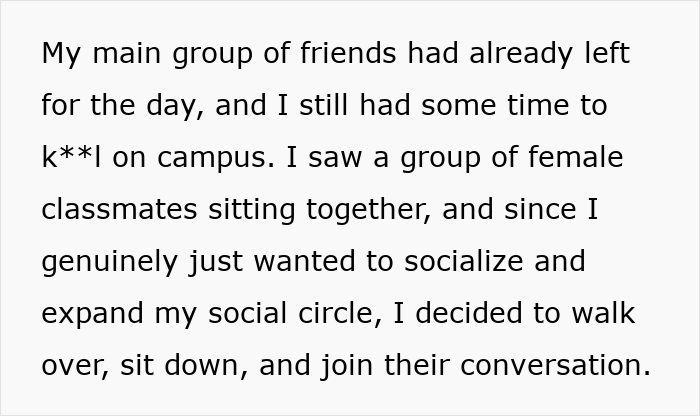
This guy noticed a group of female classmates on campus and decided to join them because he wanted to socialize and expand his circle



TriangleProd / Magnific (not the actual photo)
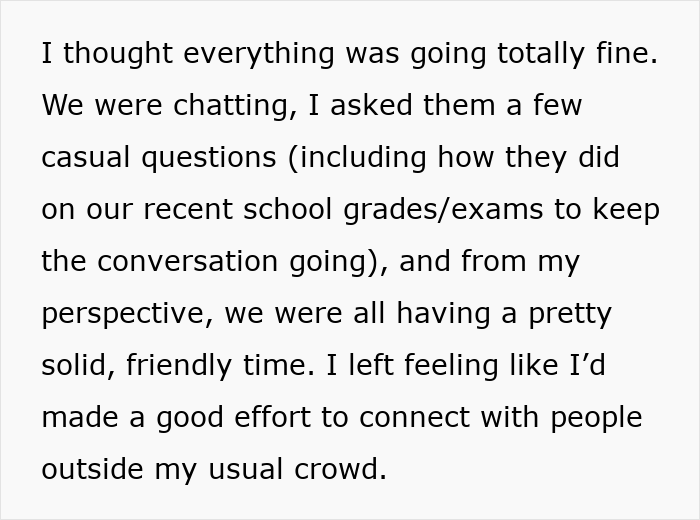
He believed the conversation went well and left thinking he had made a friendly connection with the group




syda_productions / Magnific (not the actual photo)
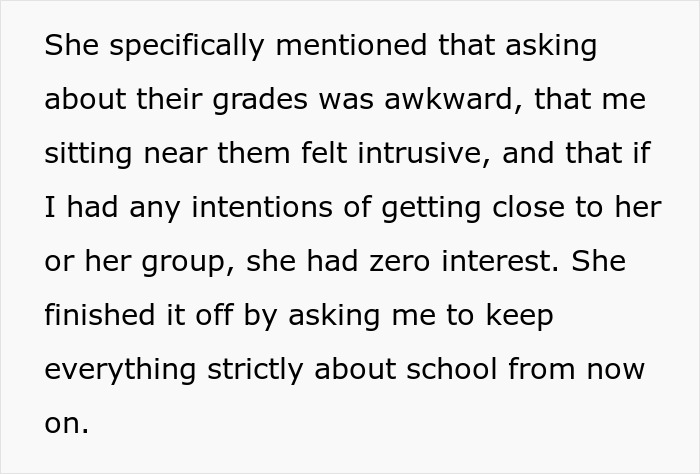
The next morning, one of the women sent him a message saying his presence and questions had made her and her friends uncomfortable


He apologized, agreed to keep future interactions strictly academic, and unfollowed her after noticing she had removed him from social media
It may be helpful to know that first interactions don’t give people much material to work with. Psychology Today explains a phenomenon called a “thin-slice judgment”, where people might make judgments of someone based on very brief interactions. They note that people can make moderately accurate judgments, although accuracy depends heavily on what is being judged and how much information is available.
Someone walking up to an established group, sitting down, asking several questions, and trying to participate may seem confident and friendly to one person while appearing overly familiar to another. The behavior itself has not changed, however, the interpretation has. Thin-slice judgments mean a person can quickly form an opinion before they have enough context to understand the person’s actual intentions.
There is also a psychological concept called “group space” that fed into the situation. It is essentially a boundary that forms around an interacting group and can function as a barrier against unwanted intrusion by people who are not part of the group. In other words, when people are already sitting together and having a conversation, they can unconsciously establish a kind of social territory.
That does not mean that approaching strangers is inherently inappropriate. Humanizz simply explains why the same action can feel different depending on context. Someone who sees an open group of people may interpret it as an invitation to socialize, while the people already inside that interaction may experience an unexpected newcomer as someone entering a social space they had mentally marked as their own.

magnific / Magnific (not the actual photo)
Besides, one of the trickiest parts of social interaction and something we may all have had to learn the hard way is that good intentions do not automatically determine how an action will be received. A person can genuinely intend to be friendly while another person experiences that friendliness as unwanted attention.
Interestingly, BetterUp does not suggest that asking questions of strangers is inherently a bad way to socialize. Quite the opposite. They note that conversations and even brief interactions with unfamiliar people can create meaningful feelings of connection, while people often naturally underestimate how enjoyable these interactions can be. However, the important variable is reciprocity.
When people are getting acquainted, the interaction generally works better when both sides contribute rather than one person doing all the questioning or directing the conversation. Life Hacker likewise points to the useful lesson that it’s not about never approaching people or never asking questions, but about watching whether the other person is actively participating and reciprocating.
That helps explain why someone can leave a conversation thinking it went pretty well without realizing that the other participants experienced it differently. If someone is concentrating on keeping a conversation alive, thinking of questions, and trying not to appear awkward, subtle signals from other people can be easy to overlook.
Have you been in this situation before? Have you ever thought a social interaction went well, only to find out later that the other person saw it completely differently? We would love to hear from you!
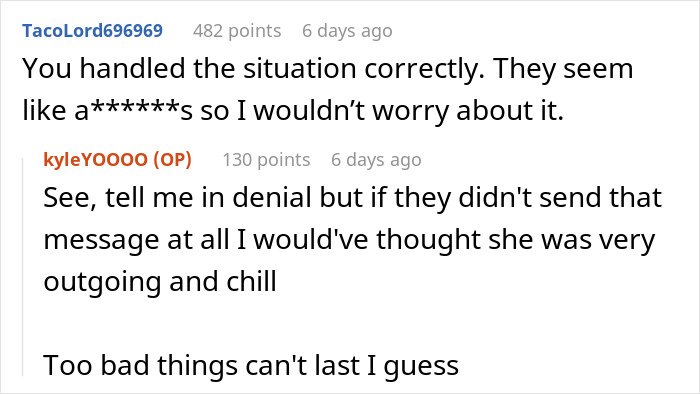
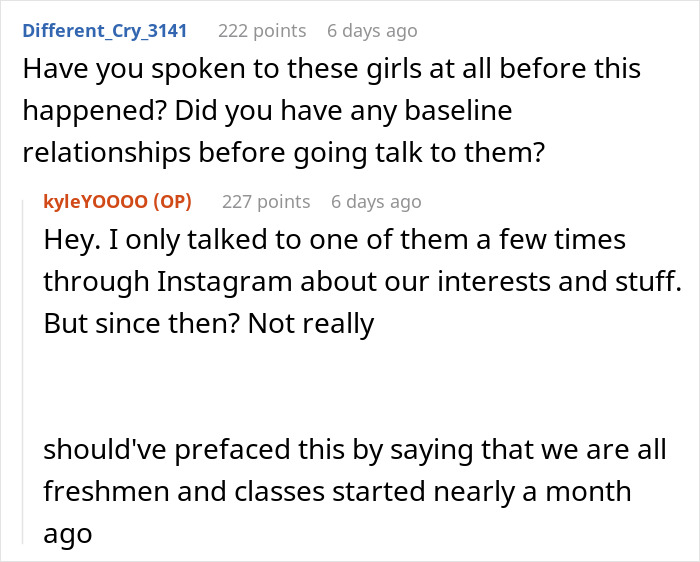
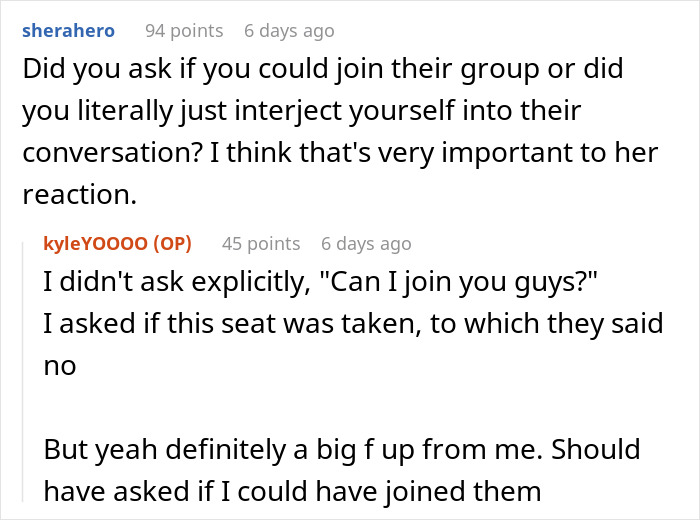
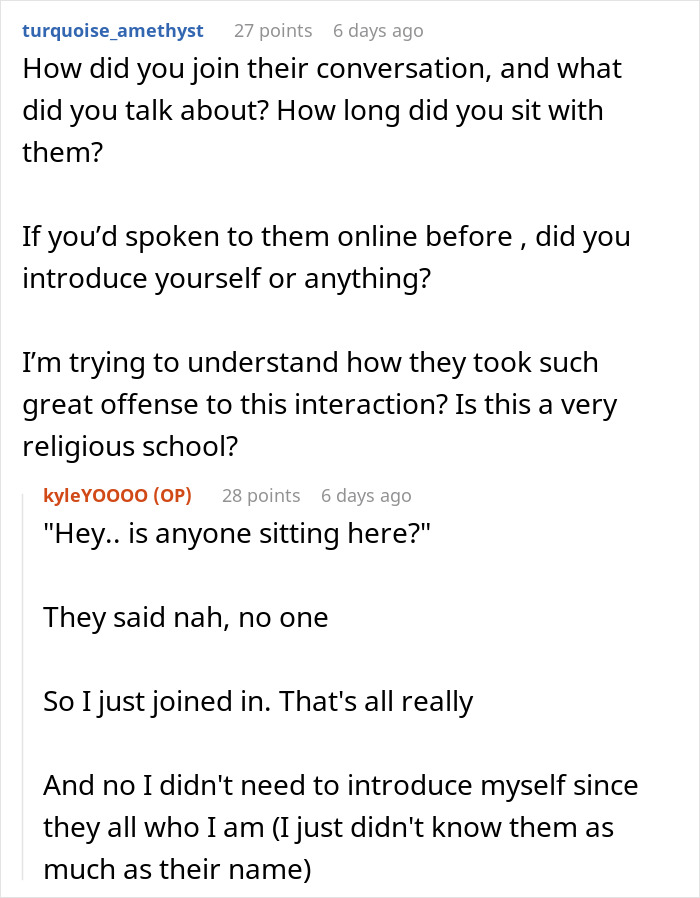
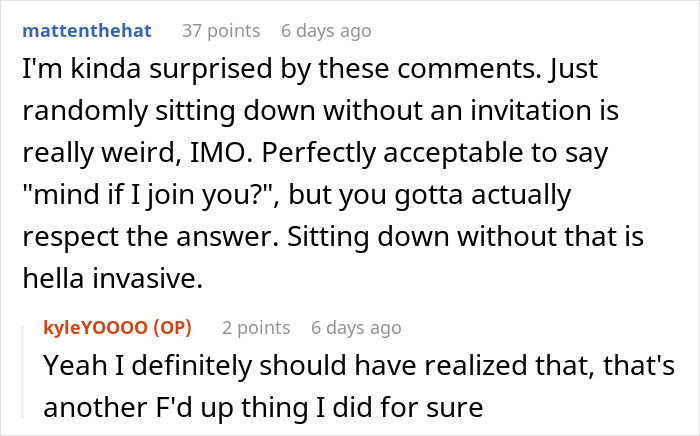
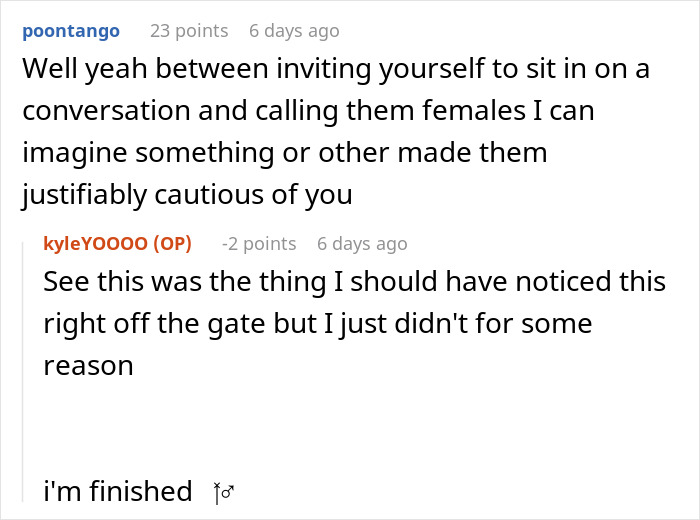
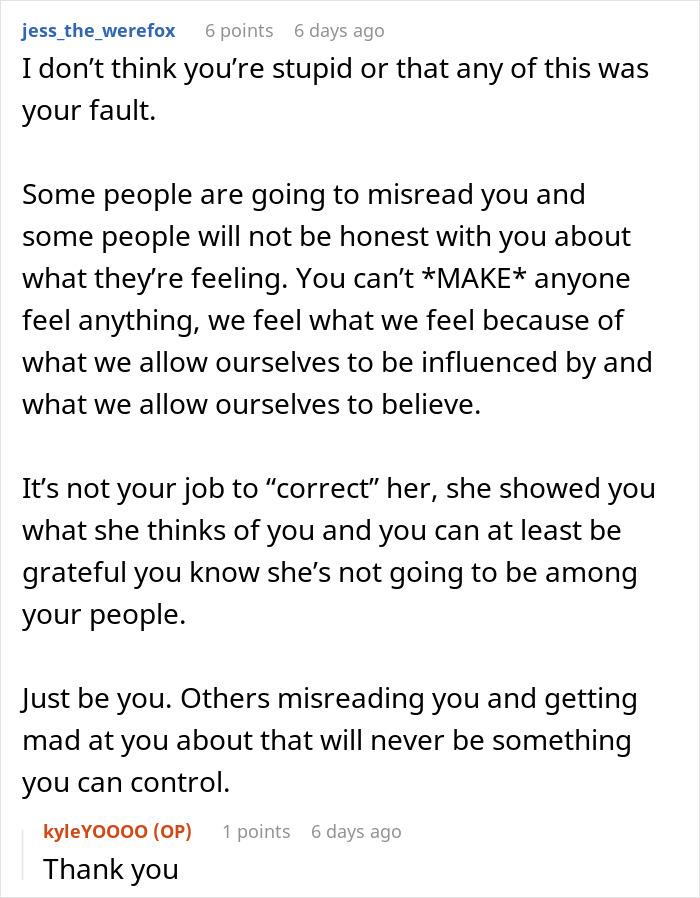
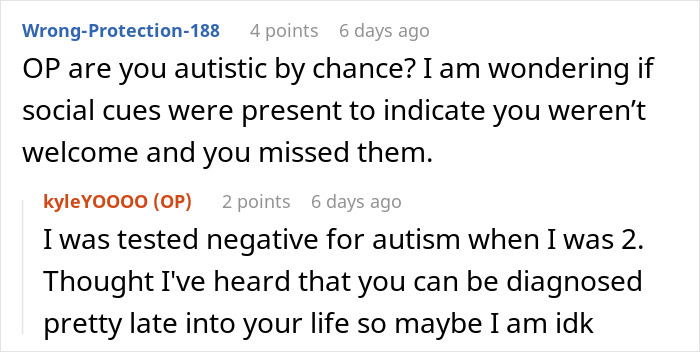
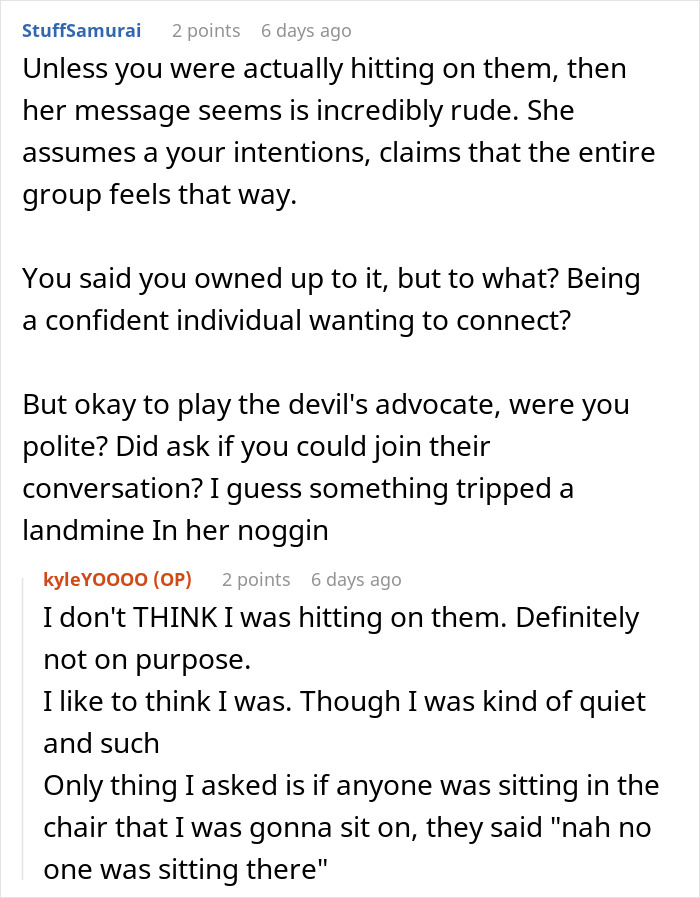
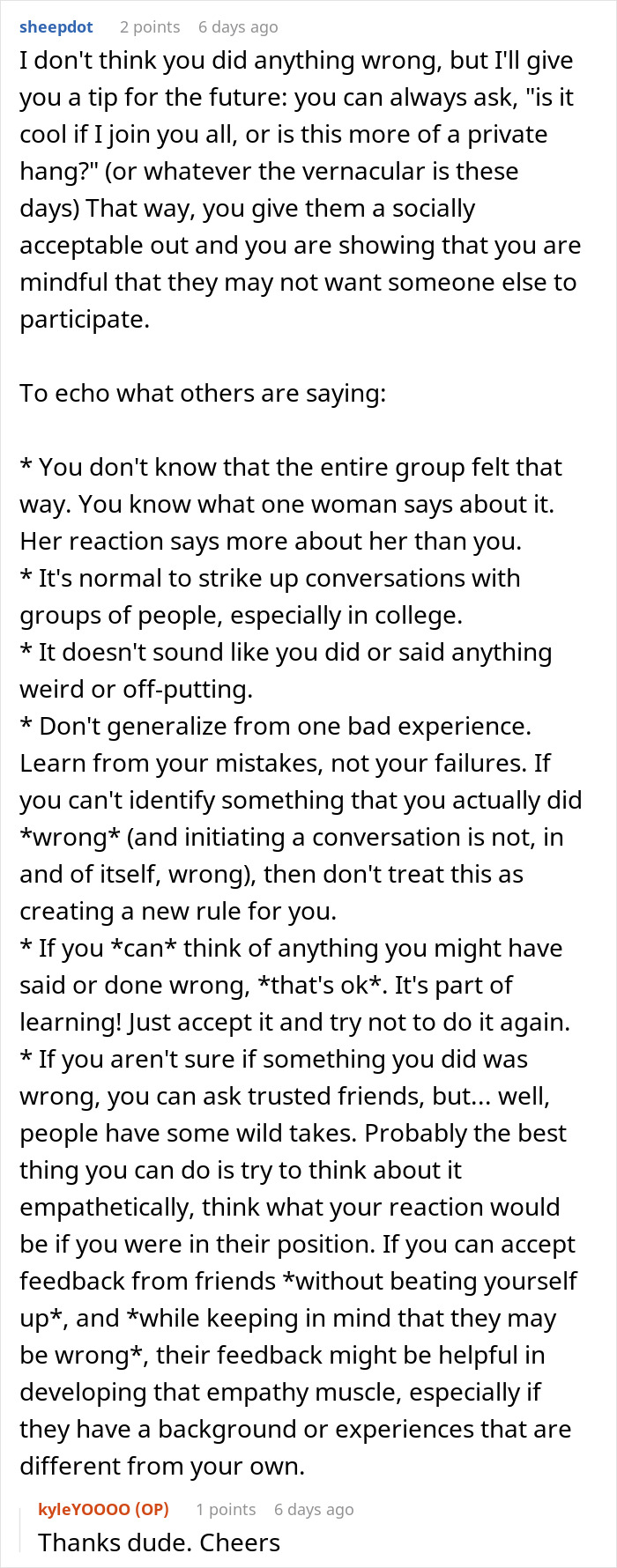
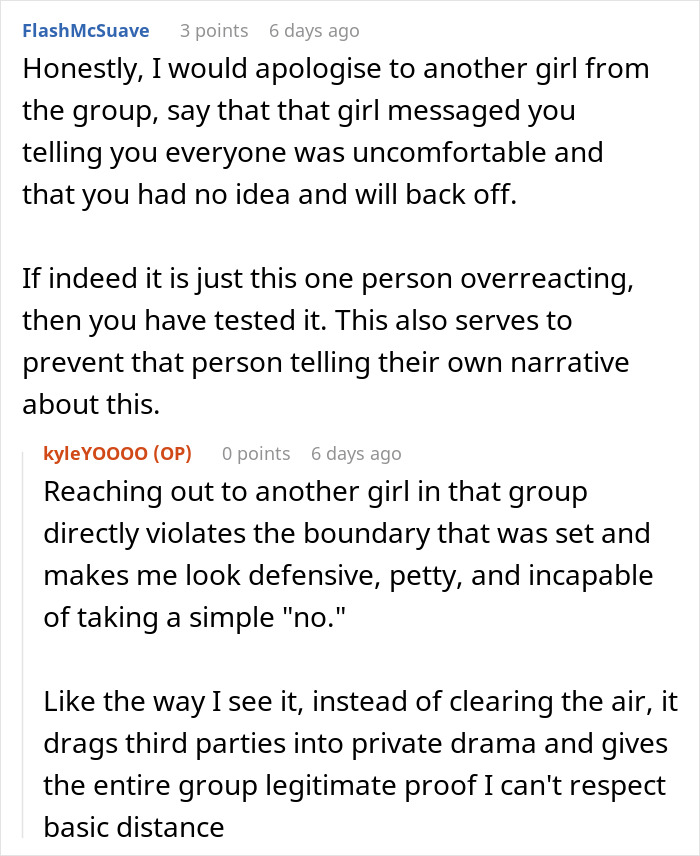
Netizens wee baffled, arguing that it is not unusual to make friendly chit chat with people at college









 Follow Us