A car that can steer, change lanes, brake, and navigate traffic sounds like the perfect solution for someone no longer confident behind the wheel.
But what happens when the person relying on that technology is also the one who admits their reflexes are no longer good enough to drive safely?
That is the dilemma raised by a recent account of a retired doctor in his 90s who bought a Tesla after realizing he could no longer trust his own reactions on the road.
His story has drawn renewed attention to an increasingly visible phenomenon: more and more older adults are turning to driver-assistance technology to keep driving longer.
Transportation writer David Zipper shared how a retired doctor in his 90s turned to Tesla after losing confidence in his reflexes
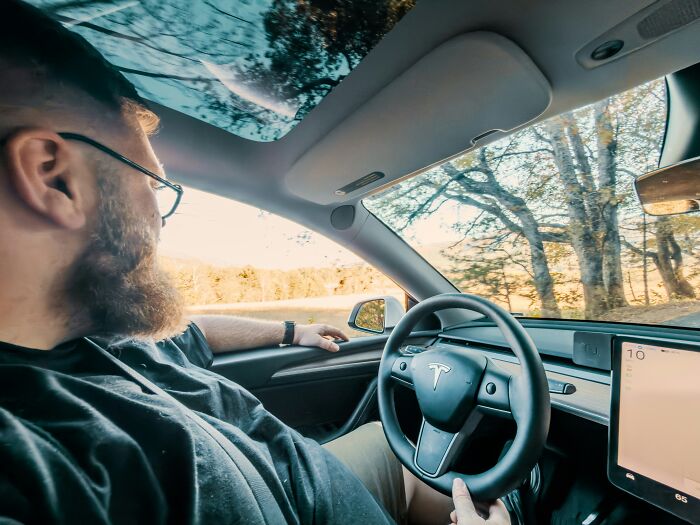
Josh Sorenson/Unsplash (not the actual photo)
In a November 16 article for Fast Company, transportation writer David Zipper described how one of his parents’ neighbors in North Carolina had found a way to keep getting around after retiring from his medical career.
“After retiring a few years ago, my parents moved into a wooded retirement community in North Carolina. One of their neighbors is a former physician, now in his 90s, who sensed that his reflexes had deteriorated,” Zipper wrote.
“He no longer trusted himself behind the wheel, but he valued the independence that a car can provide. His solution: Get a Tesla. He now relies on Full Self-Driving (Supervised), Tesla’s driver assistance system, to get around.”
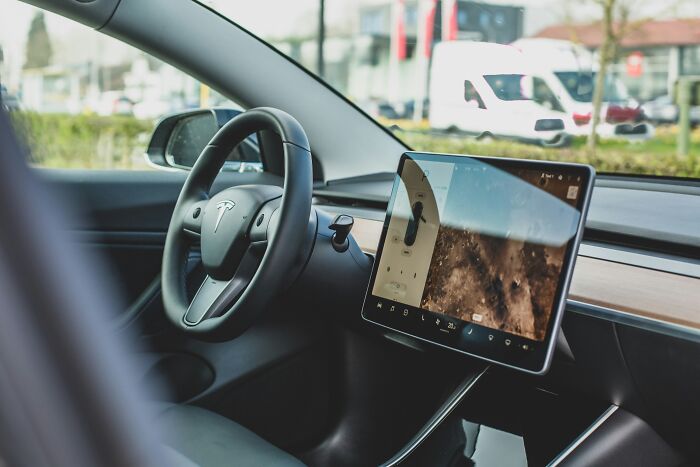
Bram Van Oost/Unsplash (not the actual photo)
The neighbor’s decision highlights a difficult reality for older adults who live in areas where getting around without a car can be challenging.
Giving up driving can mean losing access to everyday necessities, social activities, and the freedom to leave home whenever they want.
However, Zipper argued that relying on Tesla’s system in this situation could be dangerous.
Full Self-Driving (Supervised) is designed to assist someone who can still drive, not replace a driver whose reflexes have deteriorated to the point that they cannot safely take control when needed.
And the retired doctor is not the only older adult whose experience has raised questions about the technology.
More senior citizens are turning to Tesla’s self-driving technology to hold on to their independence
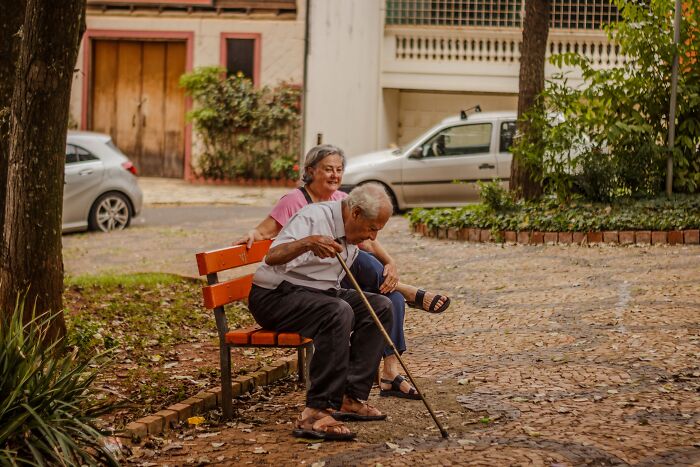
Tamara Delfino/Pexels (not the actual photo)
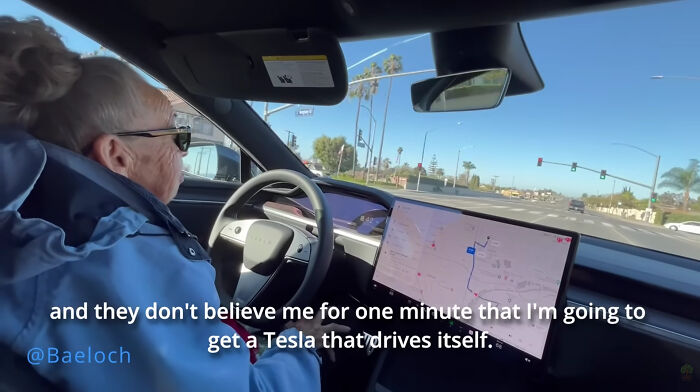
An NPR report published on Monday, November 23, offered another glimpse into how older adults are using the system to stay behind the wheel longer.
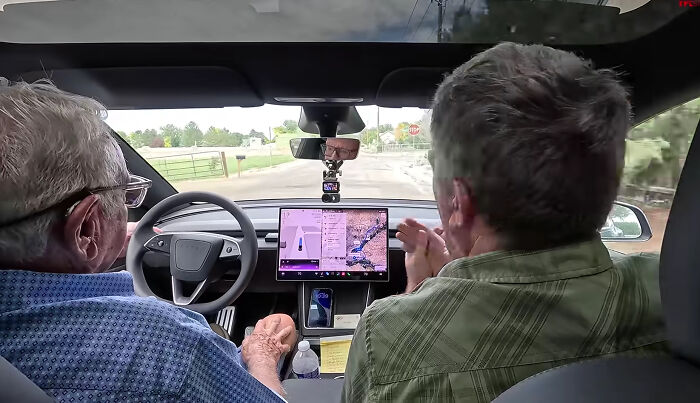
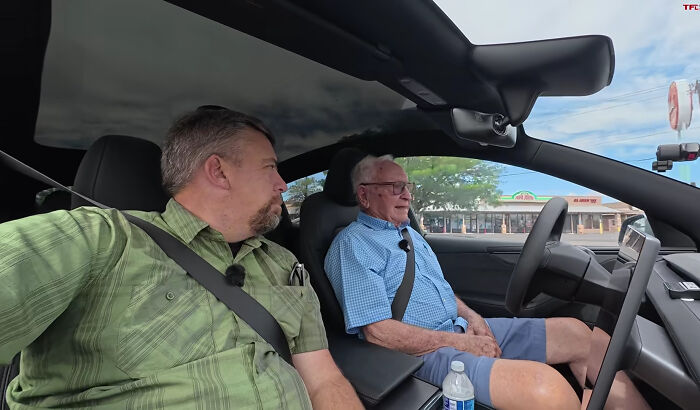
It featured Joan Spalding, an 89-year-old woman from Colorado who uses Full Self-Driving (Supervised) in her Tesla Model Y to navigate the winding roads around her home.
She told NPR that the technology made her “feel safer than driving” herself and helped her remain in the house she had shared with her late husband for more than 50 years.
Without the mobility it provided, she believed she might “have to move somewhere” that did not require her to drive.
Another example is Larry Dimmock, a 98-year-old Tesla owner whose experience has been amplified by Elon Musk.
In a video shared by the company, Dimmock praised the system and said it had not made a mistake during the months he had been using it.
For someone dealing with physical limitations, traffic fatigue, or difficulty navigating unfamiliar routes, a car that can handle many routine driving tasks can feel like a lifeline.
Tesla’s marketing has also helped bring these stories into the spotlight.
Musk has publicly promoted the idea that the technology can give older adults greater mobility, while some senior owners have encouraged friends and neighbors to try it.
The name Full Self-Driving can make it sound as though a Tesla can take someone from one destination to another without any human involvement.
Tesla’s Full Self-Driving (Supervised) system still requires drivers to stay alert and take control when necessary
That is not what the current supervised system does.
Tesla itself states that Full Self-Driving (Supervised) does not make its vehicles fully autonomous.
Its owner’s manual says drivers must remain attentive and be prepared to take over at all times.
That requirement matters because the technology can encounter situations it doesn’t handle as expected.
Tesla warns that drivers may need to intervene around pedestrians, cyclists, construction zones, narrow roads, complex intersections, and other challenging conditions.
The system can also make unexpected maneuvers that require immediate human action.
If someone has difficulty seeing hazards, processing information quickly, or reacting to sudden changes in traffic, they may struggle to do the very task the system requires: supervising the car and taking control when it makes a mistake.
The concern is not that every senior citizen is an unsafe driver.
Age alone does not determine whether someone can drive responsibly.
However, relying on automation to compensate for significant vision problems, cognitive difficulties, or deteriorating reflexes could create a false sense of security.
Netizens are concerned about public safety on the roads as older drivers rely on Tesla’s technology
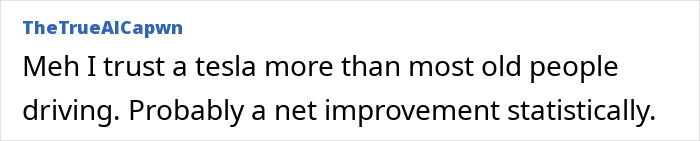
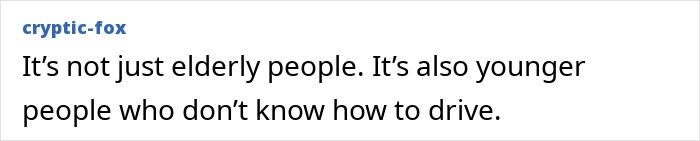
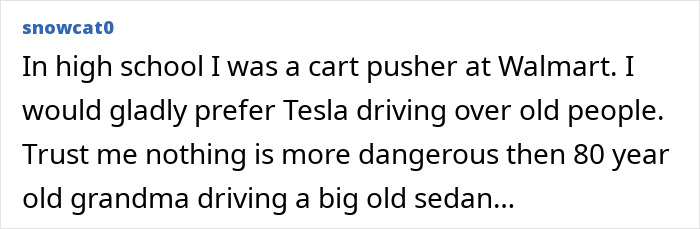
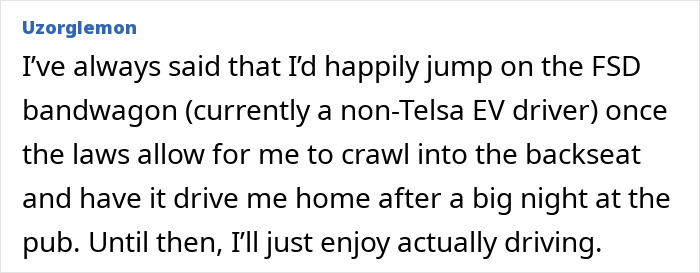
The debate has also prompted strong reactions online, with some people sharing disturbing experiences involving elderly drivers who appeared to believe their Teslas could handle everything for them.
One commenter wrote, “There’s an 80-year-old man in my dad’s apartment building who regularly drinks and drives his Tesla. He claims there isn’t anything wrong with it because the car is driving, not him.”
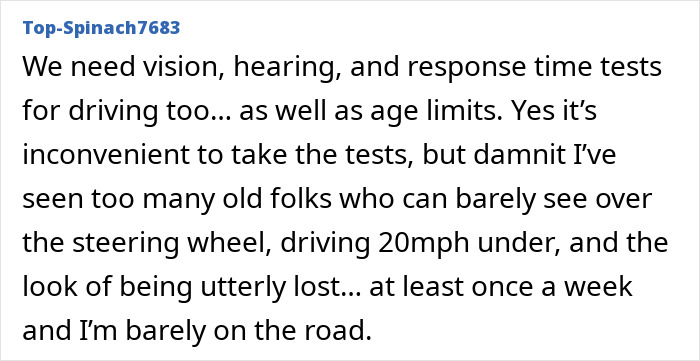
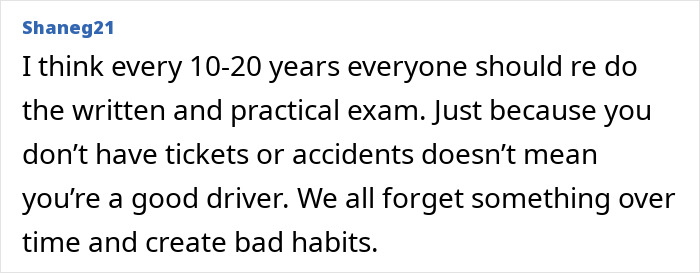
Another person said, “The idea of a ‘for life’ driving license needs to stop. If you can’t pass the same road test as an 18-year-old, then you can’t drive.”
Someone else commented, “Here in Australia once you get to 75 you need a medical certificate, which may or may not recommend an annual driving test. When you get to 85, you need an annual driving test as well, no matter how healthy you might be.”
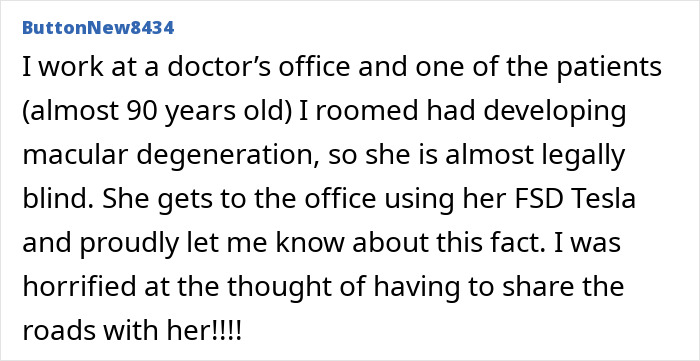
Another user wrote, “I work at a doctor’s office and one of the patients (almost 90 years old) I roomed had developing macular degeneration, so she is almost legally blind. She gets to the office using her FSD Tesla and proudly told me. I was horrified at the thought of having to share the roads with her!”
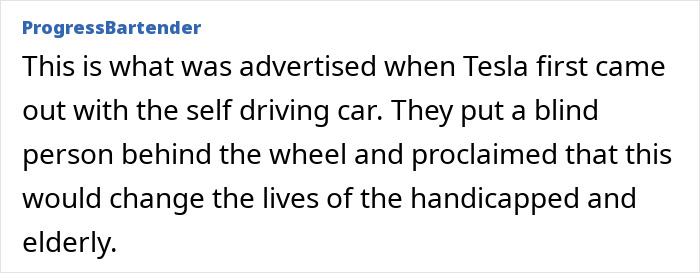
Others expressed, “This is what was advertised when Tesla first came out with the self-driving car. They put a blind person behind the wheel and proclaimed that this would change the lives of the handicapped and elderly.”
“Up next – rich people buying Teslas for their young kids to ferry them to and from soccer practice using FSD – what could go wrong!?”
“Heard a retired guy talking about how he sleeps in his Tesla. Bro be trying to reach his final destination in his sleep,” one netizen quipped
 Follow Us