History isn’t just something we read about in textbooks, right, pandas? Sometimes, it’s a beautifully carved statue, a piece of jewelry worn thousands of years ago, or an everyday object that’s somehow survived centuries. And isn’t it amazing how people created such incredible things without the modern tools we have today?
Well, if you enjoy a little peek into the past, you’re in for a treat! We came across an Instagram page that shares fascinating pictures of archaeological finds, ancient artifacts, and historical artworks. Naturally, we couldn’t resist putting together a collection of some of the most interesting ones. From impressive craftsmanship to objects that show us how people lived centuries ago, there’s plenty to admire. So, keep scrolling and enjoy this little visual journey through history!
#1
Duke Karl’s Chamber at Gripsholm Castle is the castle’s only fully preserved room from the Vasa period, and is one of the oldest Renaissance interiors in Sweden. The décor has been virtually untouched since the chamber was created for Gustav Vasa’s youngest son in the 1570s.
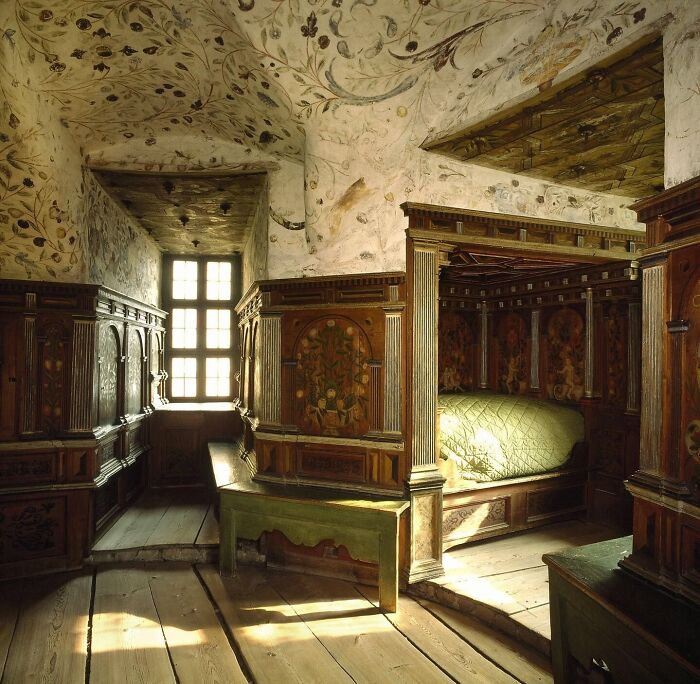
Image source: heraldofages

#2
A Roman marble sculpture depicting four puppies curled together in sleep, discovered among the ruins of the House of the Faun in Pompeii and dating to the 1st century BCE. The piece is now preserved in the collection of the National Archaeological Museum of Naples in Naples, Italy.
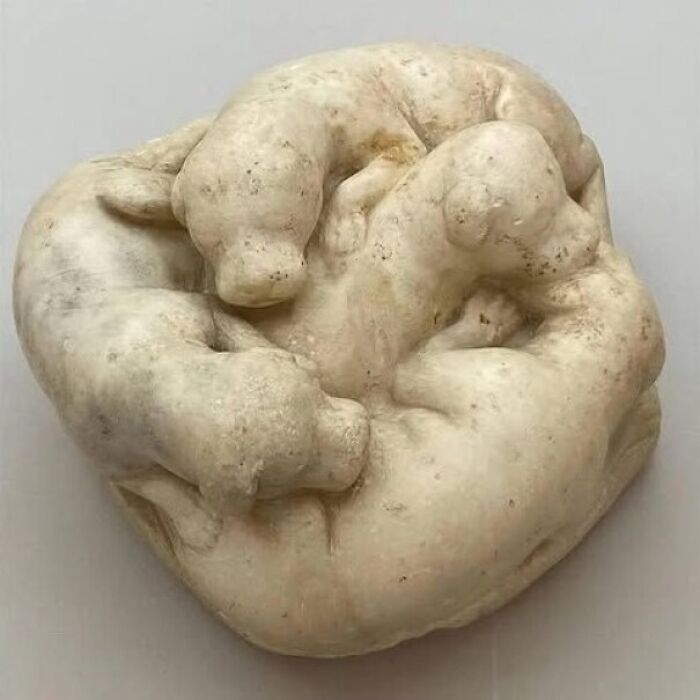
Image source: heraldofages
#3
Photographed is the incredibly lifelike 13th-century statue of Adelaide of Italy located at the Cathedral at Meissen. It was crafted by an anonymous Master of Naumburg.
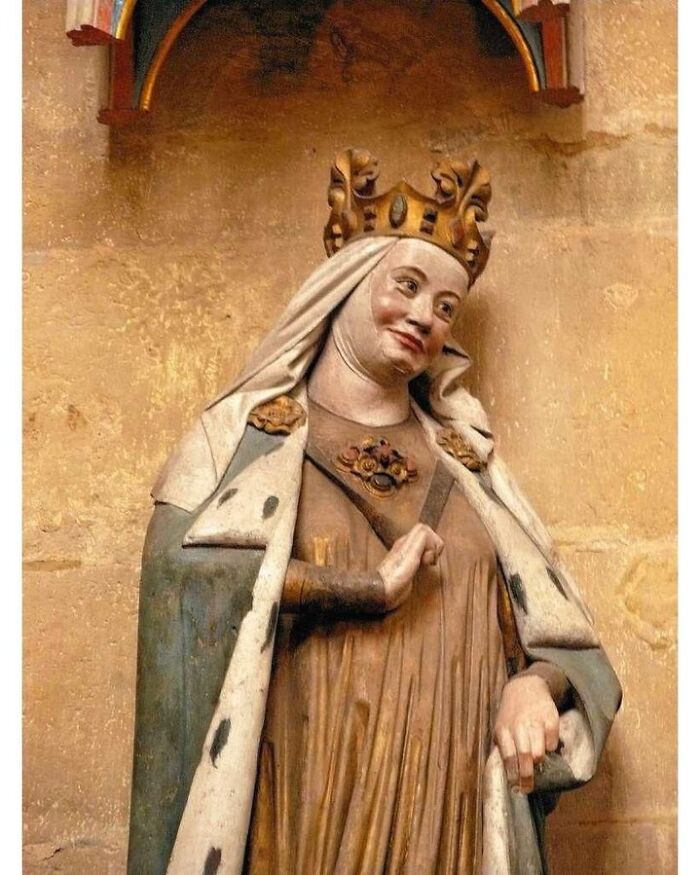
Image source: heraldofages
Archaeology is pretty fascinating, isn’t it, pandas? But while most of us enjoy looking at ancient artifacts and historical discoveries, we might not always realize just how important the field is. Beyond helping us understand the past, archaeology can offer insights into challenges we still face today, including food shortages, health, and environmental changes. Who would’ve thought studying ancient civilizations could teach us something about our modern world?
And there’s no shortage of incredible things to study! Think about the Egyptian pyramids, Great Zimbabwe, or the Great Wall of China. These enormous structures are impressive enough on their own, but archaeologists are just as interested in smaller finds, like pottery fragments, old bones, seeds, and metal objects. Even something that looks completely ordinary to us can reveal valuable information about life centuries ago.
#4
Lioness Devouring a Man, Phoenician Ivory Panel, c. 9-th-8th century BCE. From the palace of Ashurnasirpal II, Nimrud, northern Mesopotamia, Iraq.
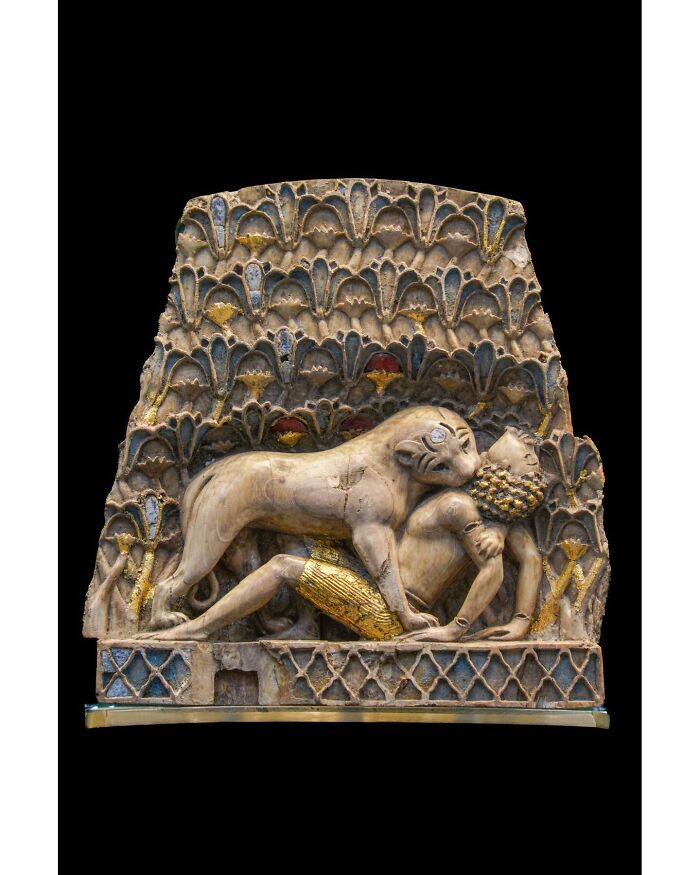
Image source: heraldofages
#5
A 17th century Ottoman three-mast tent made of silk and gilded leather. Now on display at the Turkish Chamber in the Dresden Armory.
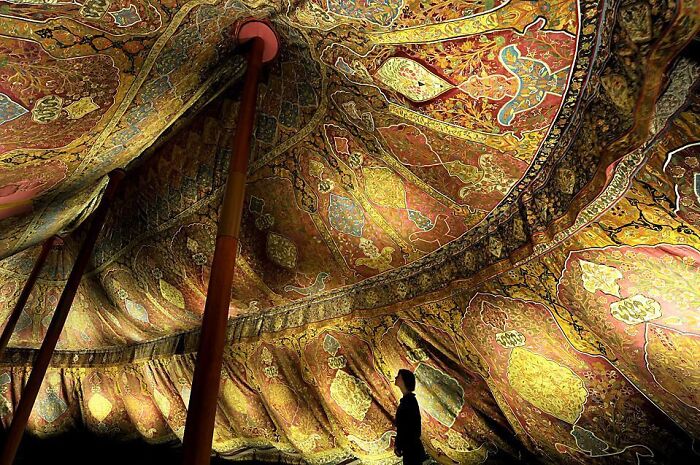
Image source: heraldofages
#6
Bats illustrated in a 13th century medieval manuscript.
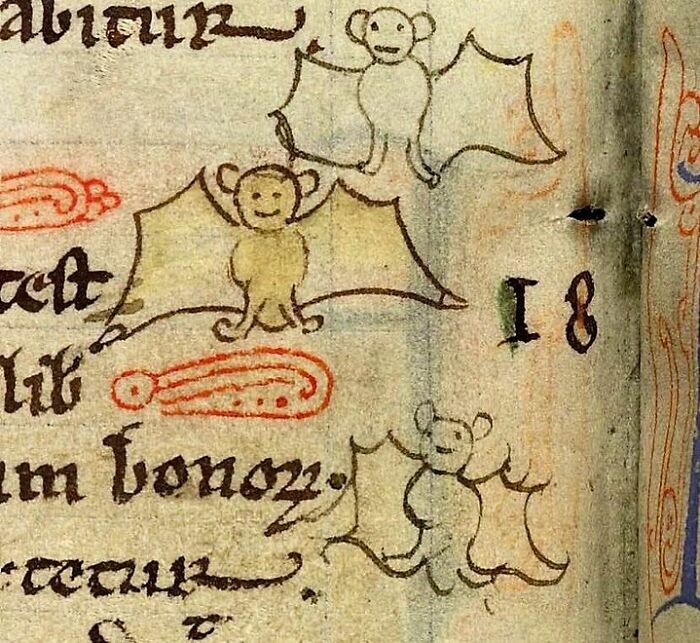
Image source: heraldofages
In fact, an article published by Longdom highlights how archaeology helps fill the gaps left by written history. After all, historical records often focus on kings, queens, and powerful rulers.
But what about the ordinary people who farmed the land, raised families, and built communities? Archaeological evidence can help us understand their lives, too. Sometimes, discoveries even challenge long-held beliefs about how civilizations developed, traded, or practiced agriculture.
#7
Two violins crafted in 1748 by French instrument maker Joseph Gaffino.
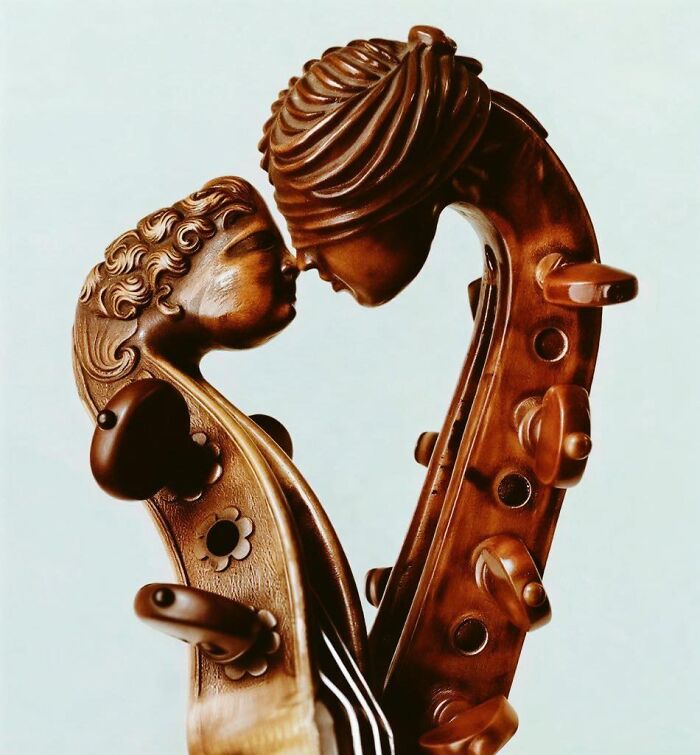
Image source: heraldofages
#8
The skull of a young girl from ancient Greece, buried with a delicate crown of ceramic flowers, dating to 400–300 BCE. Today, it rests in the Archaeological Museum of Patras.
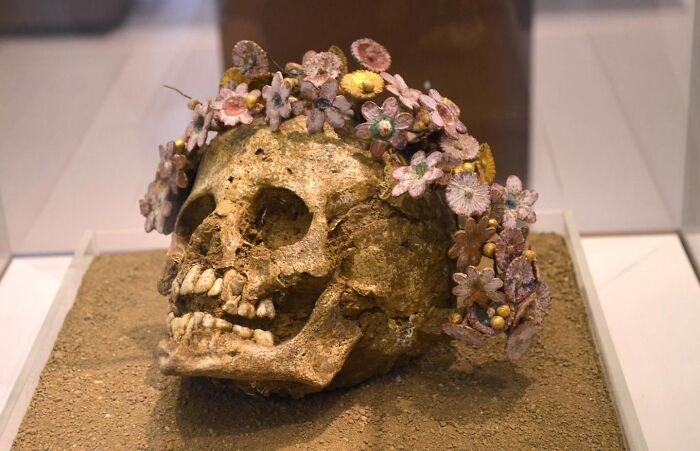
Image source: heraldofages
#9
Wooden statue of the priest and scribe Kaaper, discovered in his Mastaba in Egypt. The eyes are in rhinestones with copper edges. It is about 4500 years old. Egyptian Museum, Cairo.
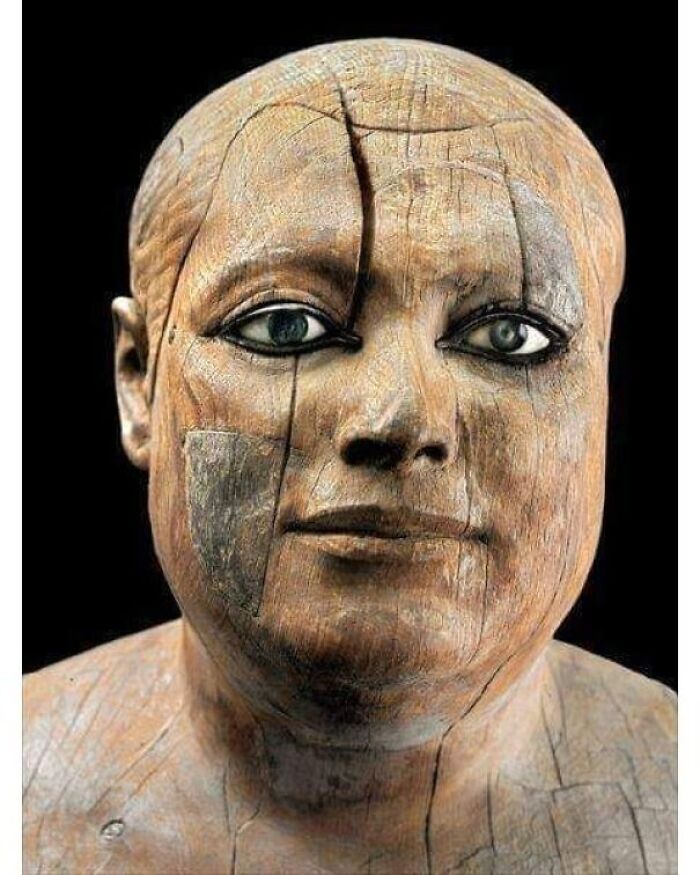
Image source: heraldofages
And since today’s collection also features historical artworks, let’s talk about the connection between art and archaeology. A study exploring their relationship highlights how the two fields can complement each other.
For instance, an intricately carved sculpture or a beautifully decorated vase can tell us about artistic techniques, cultural traditions, and the materials available at the time. So, there’s more to these beautiful creations than what meets the eye!
#10
Abuna Yem’ata Guh in Ethiopia. Situated at a height of 8,460 ft, the hewn church has to be climbed on foot to reach. It is notable for its architecture, dome & wall paintings dating back to the 5th century.
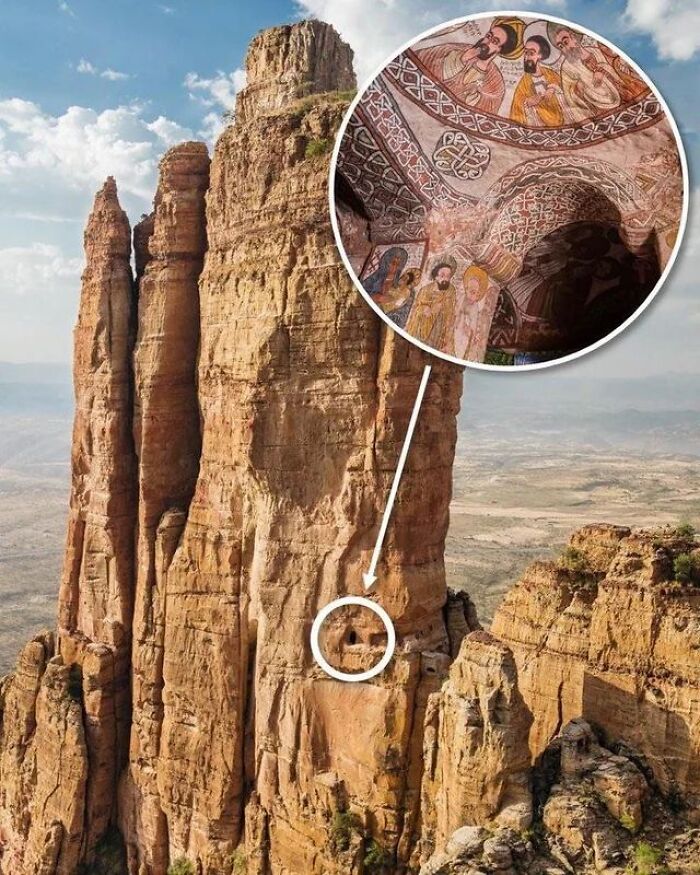
Image source: heraldofages
#11
A passenger cabin on board the Aachen, a late 19th-century steamship. The Aachen, which lies off the coast of the Swedish island of Gotland, was built to transport cargo and passengers to and from South America. In October 1914, the vessel was taken over by the Imperial German Navy to be used as a minesweeper. It was sunk in July 1915 after being hit by a torpedo from a British submarine. While three people lost their lives, everyone else in the crew was rescued.
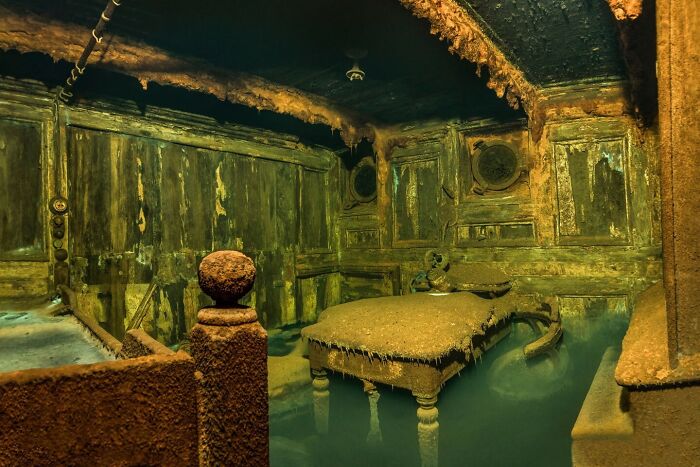
Image source: heraldofages
#12
The head of Dionysus, the god of wine, is uncovered in an archaeological dig in the ancient city of Aizanoi, Turkey.
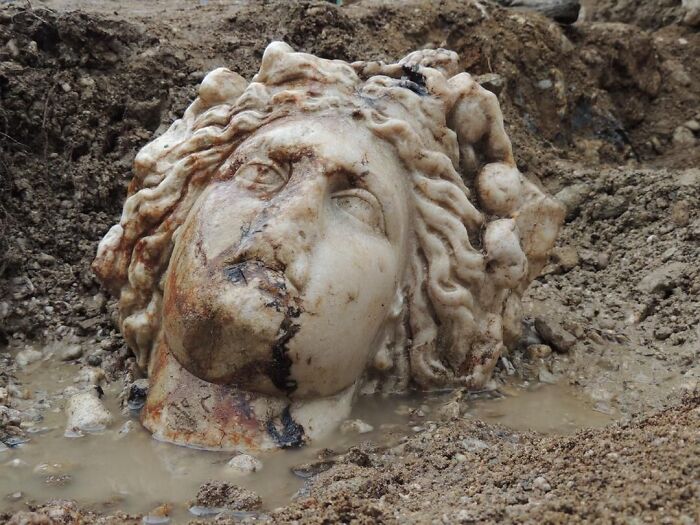
Image source: heraldofages
Interestingly, archaeology has also come a long way from the days of relying mainly on shovels and brushes. In her book Archaeology from Space: How the Future Shapes Our Past, Dr. Sarah Parcak explores how modern technology is transforming the field.
Using satellite imagery, archaeologists can identify possible ancient settlements and structures that might otherwise remain hidden. Imagine looking down at Earth from space and discovering traces of something people built thousands of years ago! These tools can also help researchers monitor and protect vulnerable archaeological sites.
#13
A foggy day in the Abbasid ruins of Salahdin, Iraq.
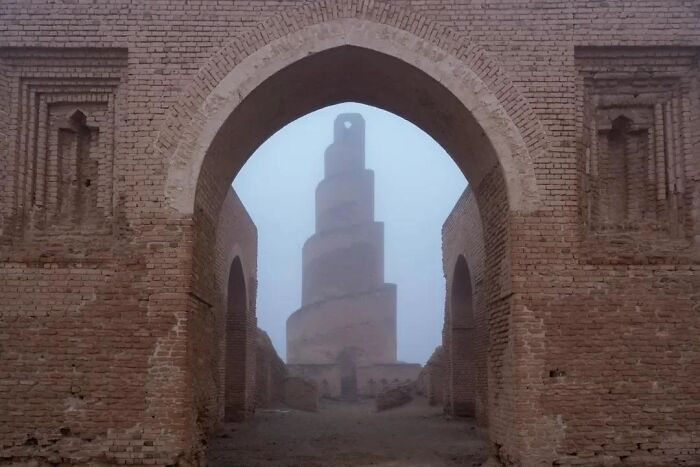
Image source: heraldofages
#14
Ancient Greek coins from Syracuse, dating to the 5th century BCE, featuring an octopus, which was an emblem of maritime strength and power.
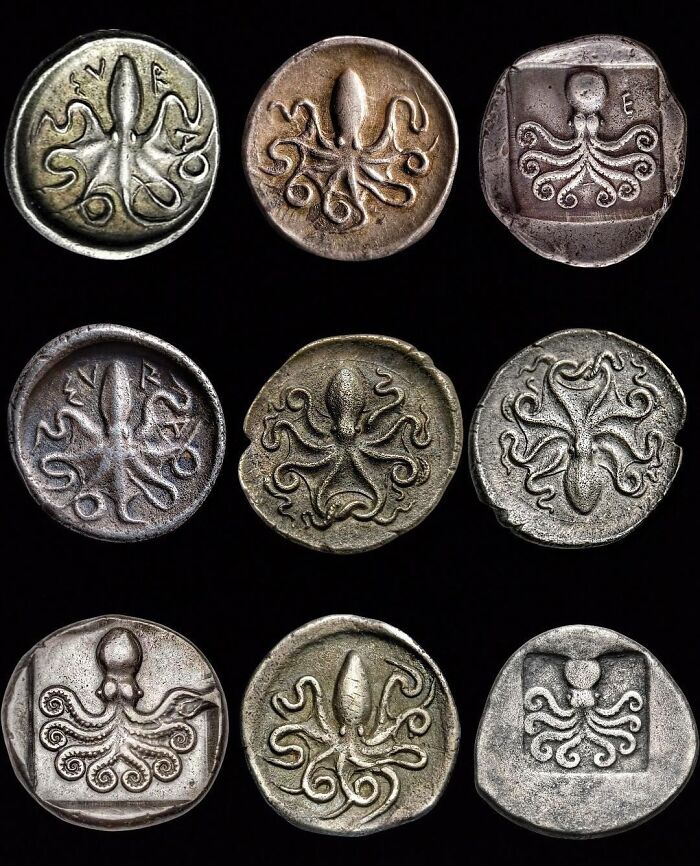
Image source: heraldofages
#15
A 2,200-year-old Roman bath in central Türkiye that has never stopped flowing at 45°C.
Located in Sarıkaya, Yozgat, this monumental thermal complex dates back to the 2nd century BCE. Built in the Roman period, it continued to be used through the Byzantine, Seljuk, and Ottoman eras. What makes it extraordinary is the fact that the hot spring has provided a constant 45°C flow since antiquity.
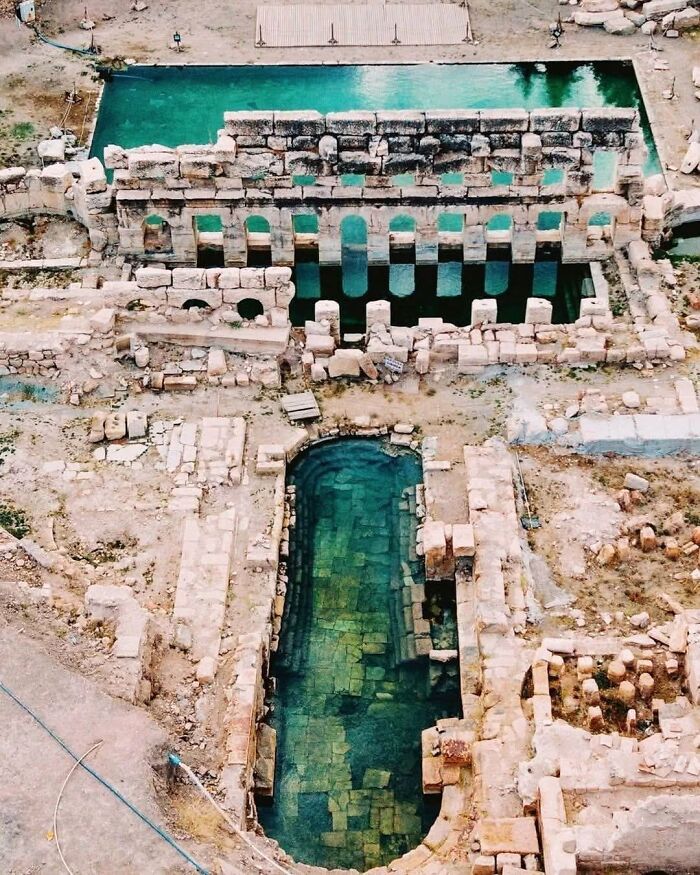
Image source: heraldofages
But archaeology hasn’t always been practiced responsibly. As National Geographic explains, the field has a troubling colonial history. In the past, some archaeologists removed cultural objects and human remains without the consent of Indigenous communities.
Others interpreted discoveries through racist beliefs, reinforcing harmful stereotypes and narratives that were used to justify colonization.
#16
The discovery of a statue depicting Nero being crowned by his mother, Agrippina, at the Sebasteion in Aphrodisias, Turkey, in 1979.
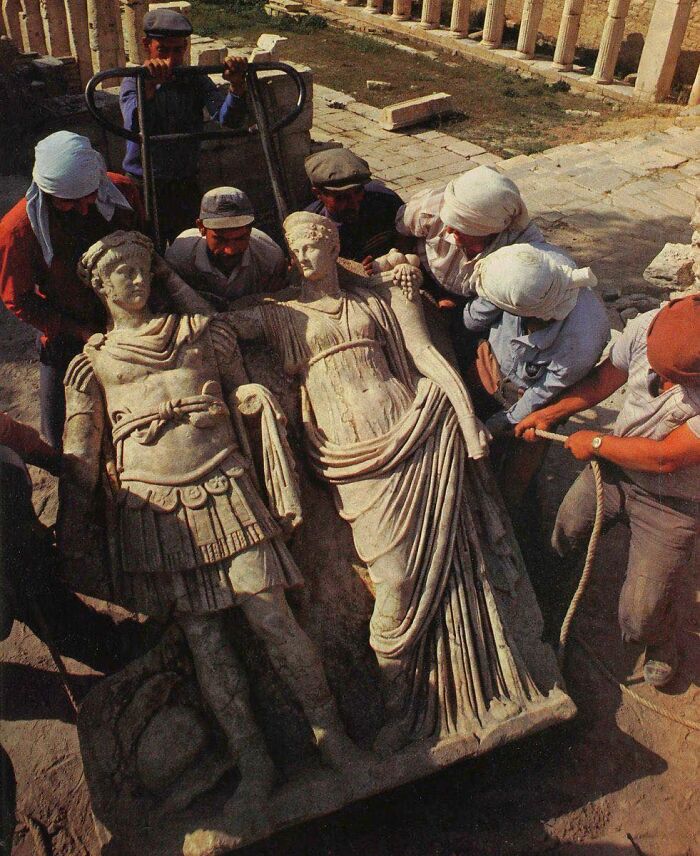
Image source: heraldofages
#17
In the Waldsassen Basilica in Waldsassen, Germany, the halls of the church are adorned with “Holy Bodies”, or skeletons of Christian martyrs who were exhumed from the catacombs of Rome between 1688 and 1765. These skeletons are dressed in elaborate 18th-century garb, covered in jewels, and generally made to look like royalty.
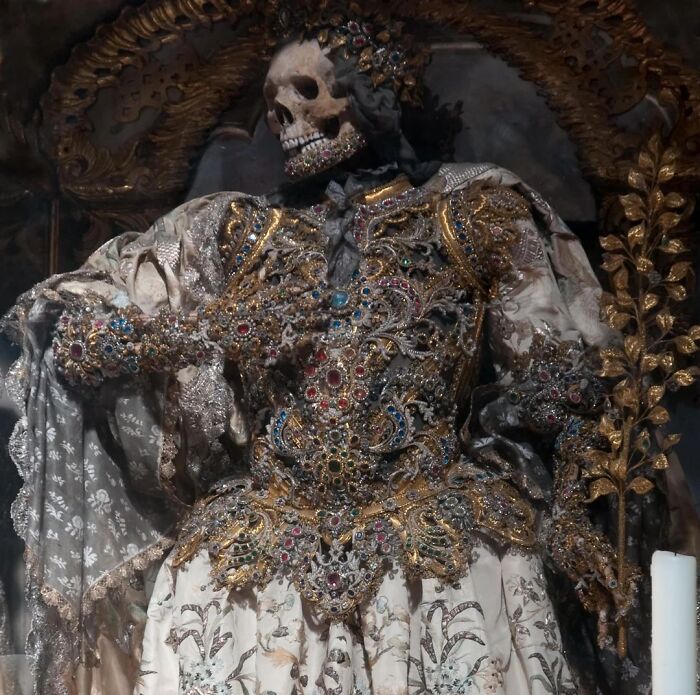
Image source: heraldofages
#18
Empress Aelia Eudocia Augusta (c. 401–460 AD), also recognized as Saint Eudocia, created 1924 in the Neo-Byzantine mosaic style. The actual mosaic panel adorns the exterior facade of the St. Alexander Nevsky Cathedral in Sofia, Bulgaria.
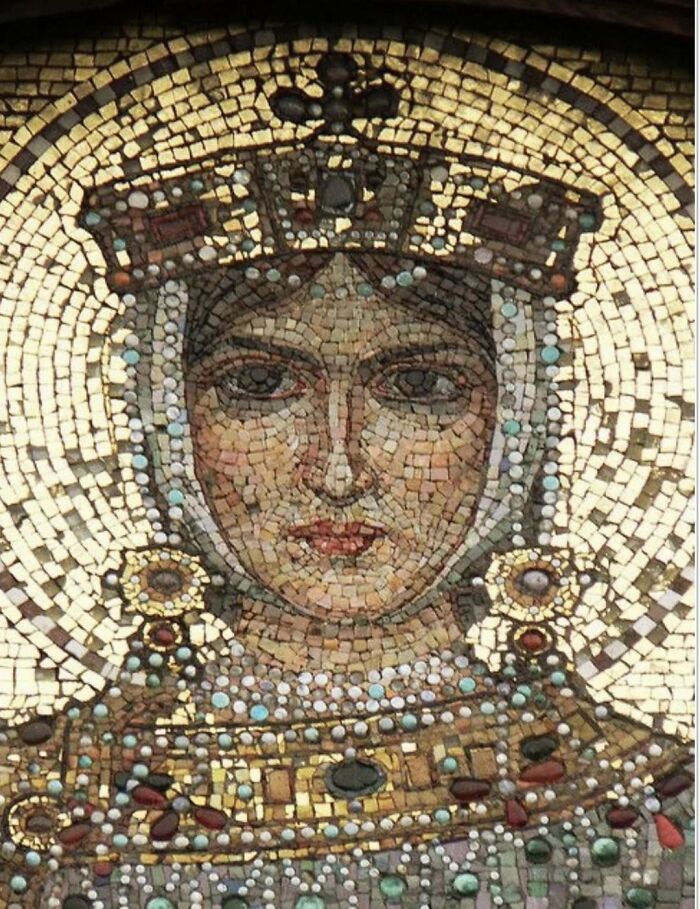
Image source: heraldofages
Today, efforts are being made to address those mistakes. Archaeologists are increasingly working with Indigenous communities and descendant groups to ensure their cultural heritage is studied and preserved respectfully.
Of course, plenty of work remains, especially around representation, ownership, and returning cultural objects to their rightful communities.
#19
Photographed is the Stele of Thonis-Heracleion being raised from the waters of Aboukir Bay near Alexandria, Egypt. It was ordered made by Pharaoh Nectanebo I (378-362 BC) and describes trade and taxation agreements.
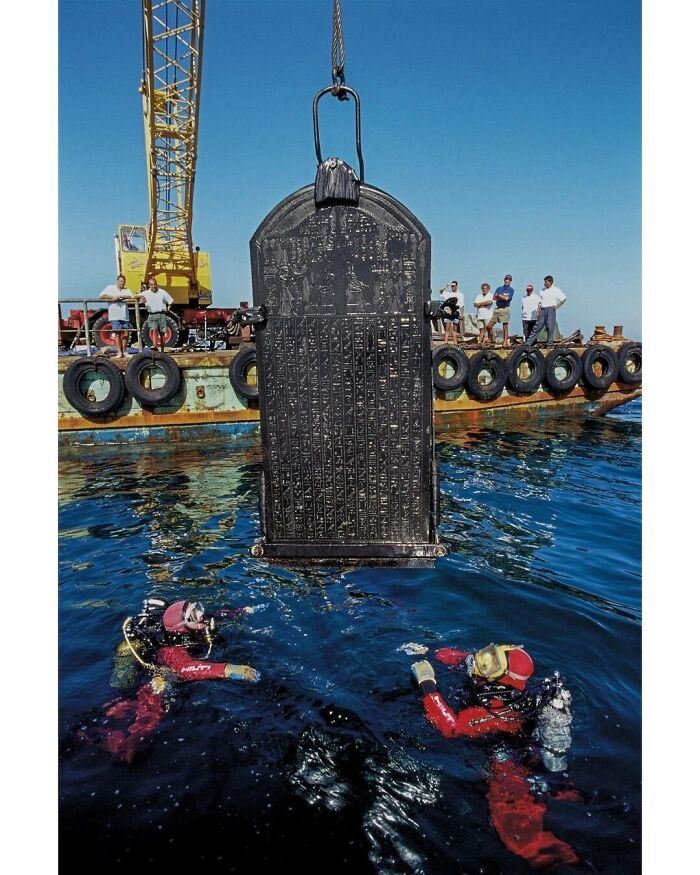
Image source: heraldofages
#20
The Guinigi Tower is a 45m tall fortified tower-house built in the 1300s, with holm oak trees growing in hanging gardens at it’s top. This is located in Lucca, Italy.
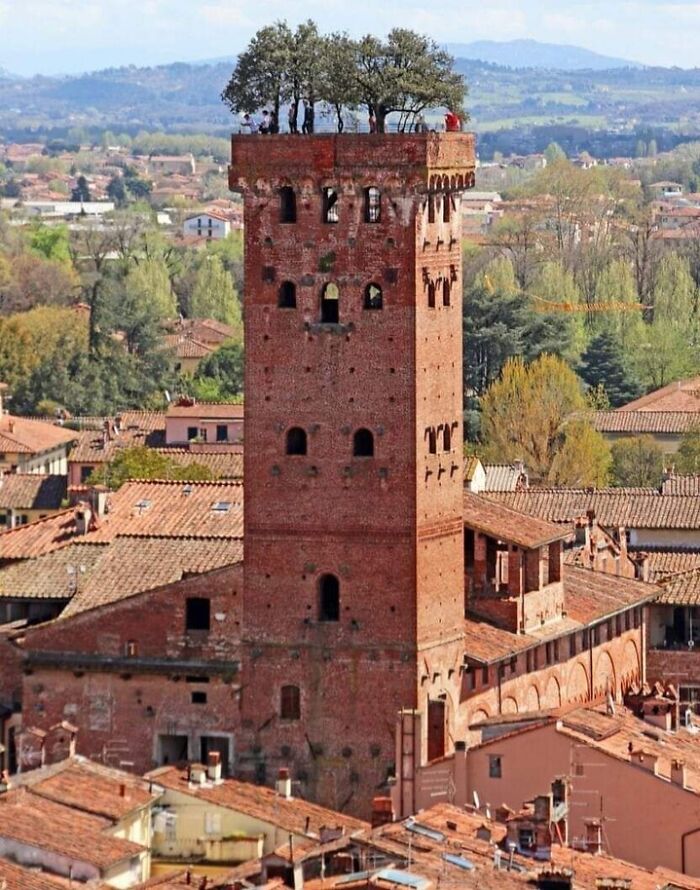
Image source: heraldofages
#21
Photographed is a Roman marine-life mosaic found in Pompeii, c. 100 BC. The scene is a compact catalogue of over 20 Mediterranean creatures, rather than a seascape.
This 88 x 88 cm art piece was found at the base of the shallow marble-bordered basin (pool) at the center of the dining room, in the House of the Geometric Mosaics.
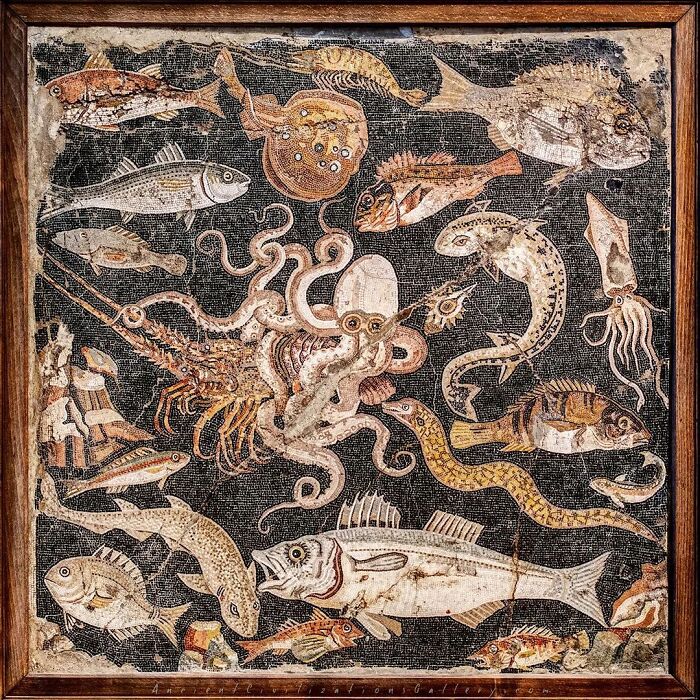
Image source: heraldofages
#22
A temple called Otagi Nenbutsu-ji, hidden in the hills in the far west of Arashiyama with a collection of 1,200 Rakan statues. It’s one of Kyoto, Japan’s most unique and bizarre temples.

Image source: heraldofages
And that’s something worth remembering. Archaeology isn’t simply about discovering fascinating things from long ago. It’s also about respecting the people connected to those discoveries and making sure their heritage is preserved for future generations. After all, understanding history means appreciating both the achievements of our ancestors and the lessons we can learn from them.
#23
This painting of a cave bear, at the Chauvet Cave in France, was drawn with 14 lines around 32,000 years ago. The artist used a technique known as ‘stump-drawing’ – the use of fingers or a piece of hide to paint the muzzle and to emphasize the outlines of the head and forequarters.
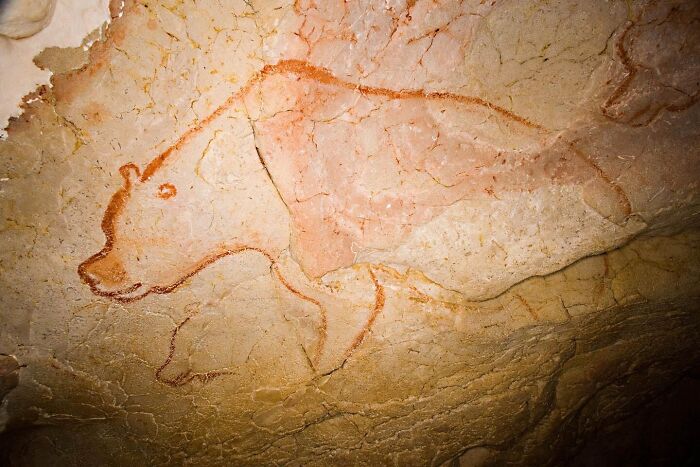
Image source: heraldofages
#24
This specific limestone statue is believed to be of French origin, dating back to 1566 AD. The figure is typically depicted as a hooded monk holding a book, standing on a pedestal inscribed with the phrase “Memento Mori”.
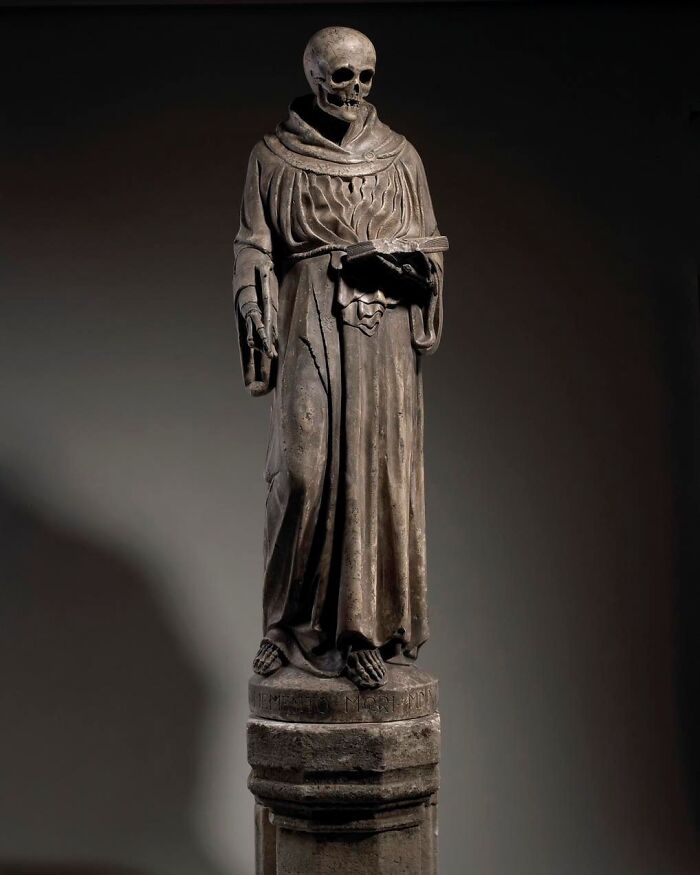
Image source: heraldofages
#25
Pictured is an ancient baptismal font adorned with mosaic decoration, originating from the Eastern Roman era. It is currently exhibited at the Sousse Archaeological Museum in Tunisia.
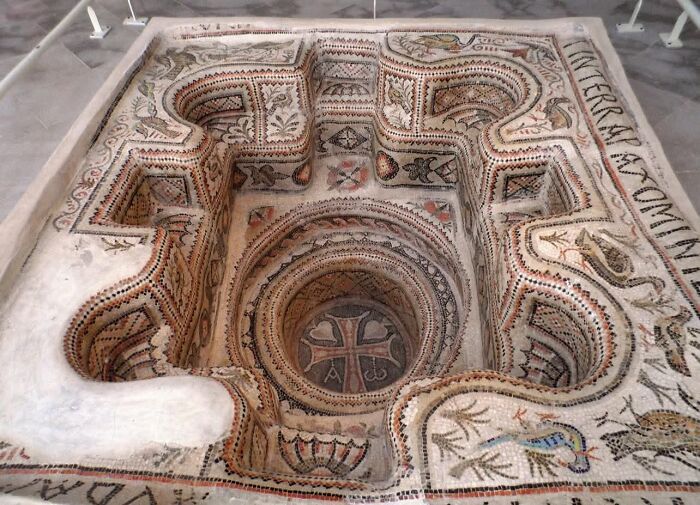
Image source: heraldofages
#26
The Art of Medieval Manuscripts
Archangel Michael locking the entrance to the Hell-mouth, from the Winchester Psalter, Cotton MS Nero C IV, f. 39r, 12th century
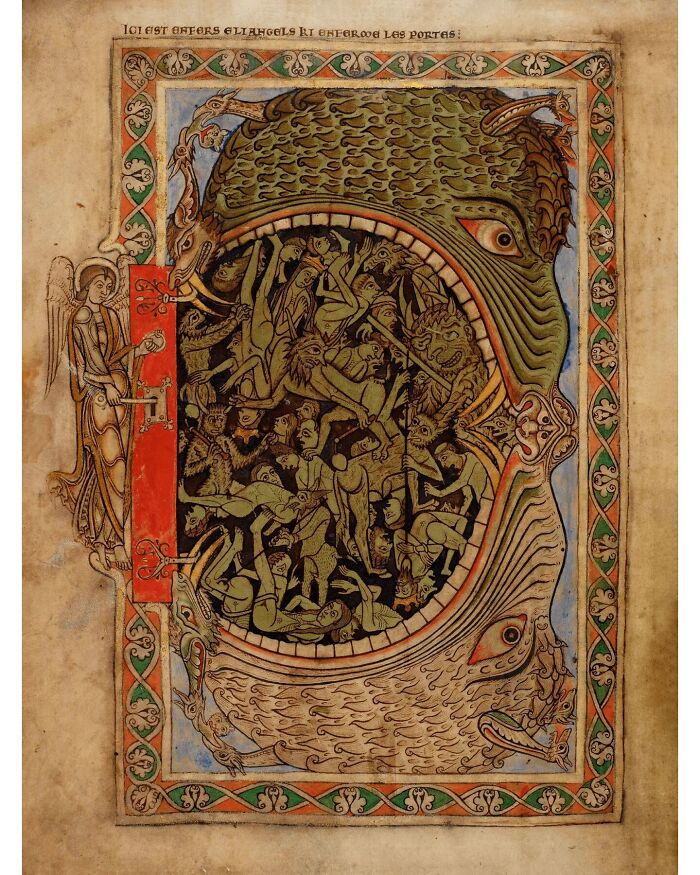
Image source: heraldofages
Coming back to today’s collection, these pictures of ancient artifacts, archaeological finds, and historical artworks offer a wonderful glimpse into the creativity and craftsmanship of people who lived long before us. So, pandas, which of these finds impressed you the most? Is there a particular period in history that fascinates you? Let us know in the comments below!
#27
Pictured here is the lower part of a leg and foot of the statue of Roman Emperor Marcus Aurelius (reign 161-180 A.D.) found at Sagalassos, Turkey in 2008.
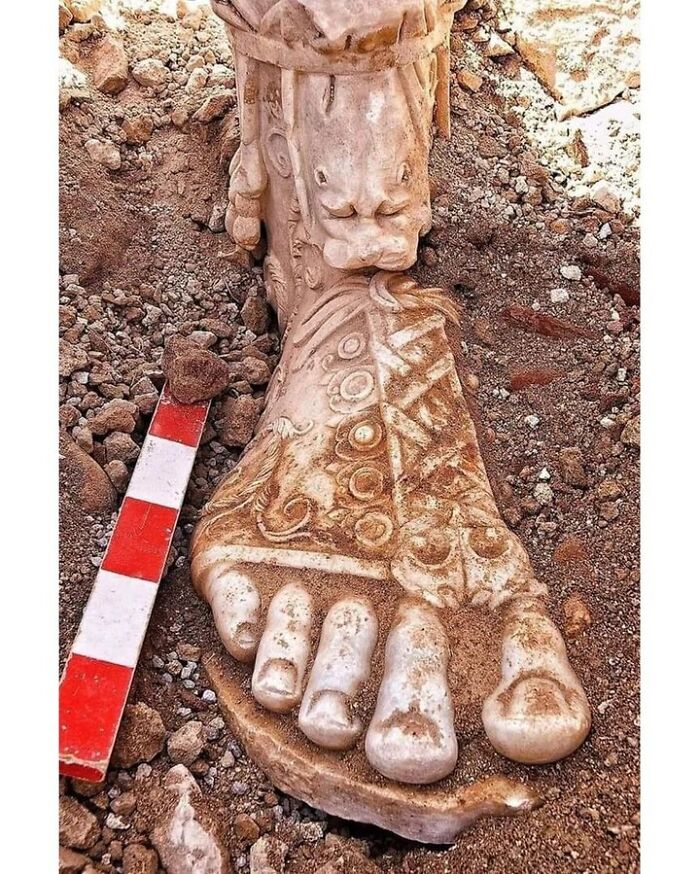
Image source: heraldofages
#28
The Acrobats, or The Wounded Child, is an oil-on-canvas painting created in 1874 by the French artist Gustave Doré. It represents a family of acrobats, who work in a circus, struck by a tragedy: their son, mortally wounded in the head, lies in the arms of his mother after an accident during a tightrope walking performance.
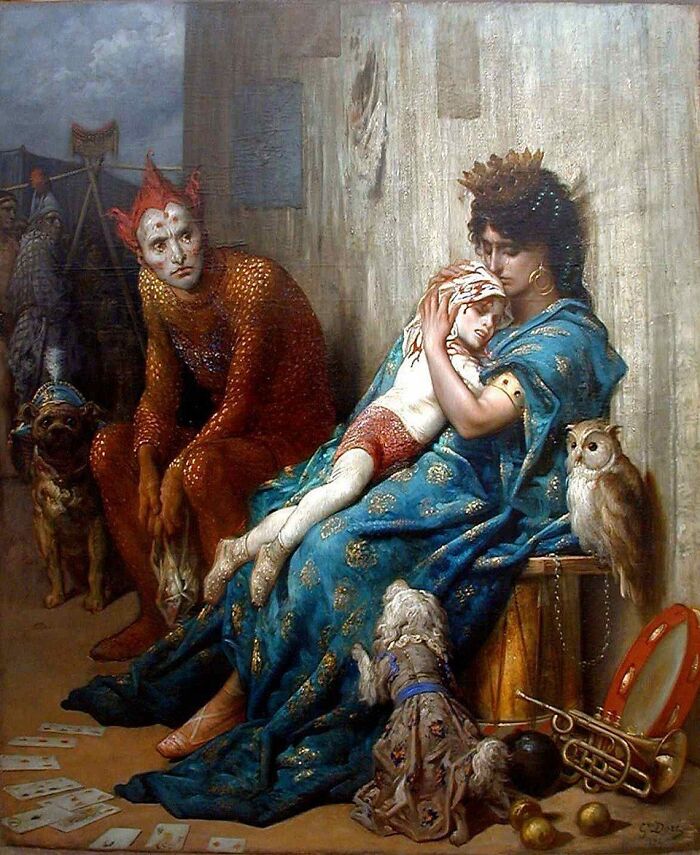
Image source: heraldofages
#29
A Roman bronze mask, coated in silver and dating to 100–75 CE. Hinged at the top, it was designed to cover the entire face but could be lifted for clearer vision or fresh air.
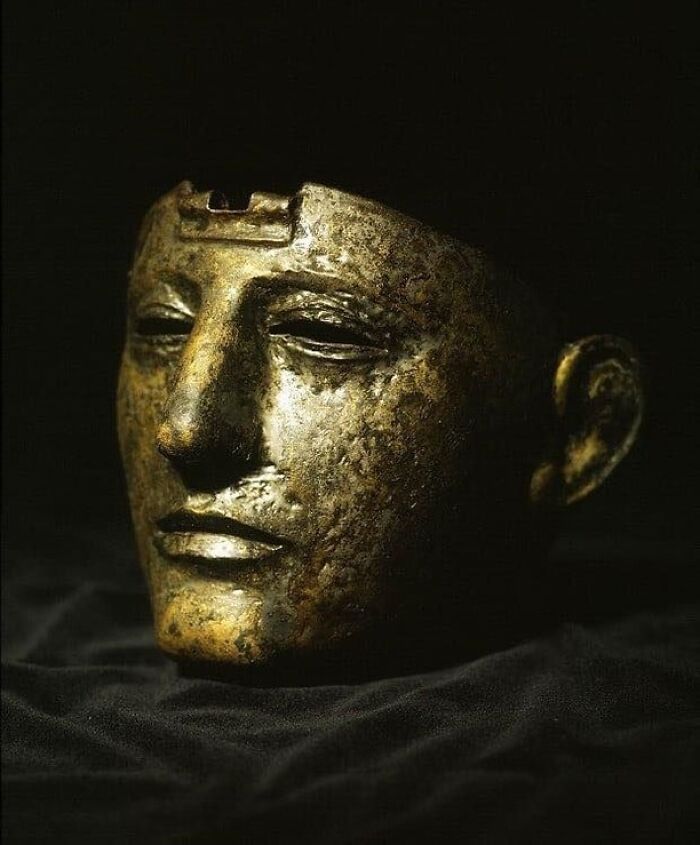
Image source: heraldofages
#30
Ivory carving of a skull and coiled snake with carnelian eyes. Japan, Edo period, 1860.
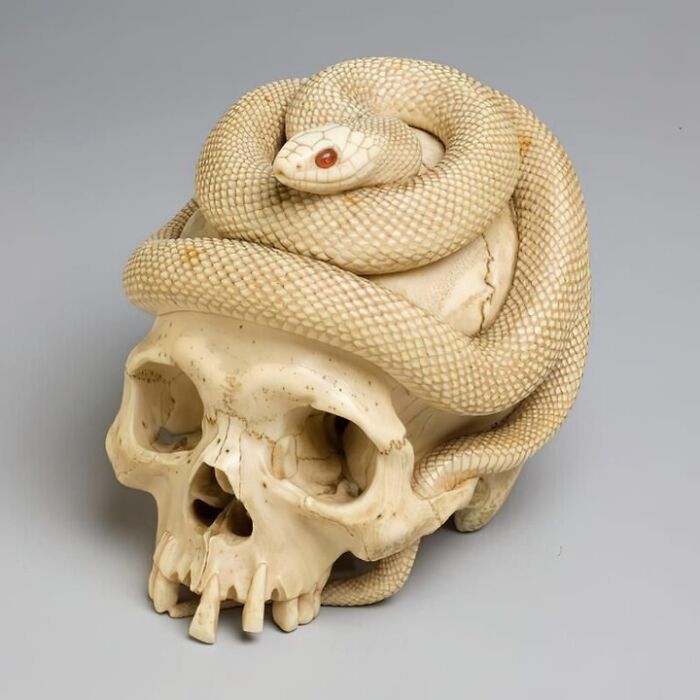
Image source: heraldofages
#31
A 3,000-year-old perfectly preserved sword.
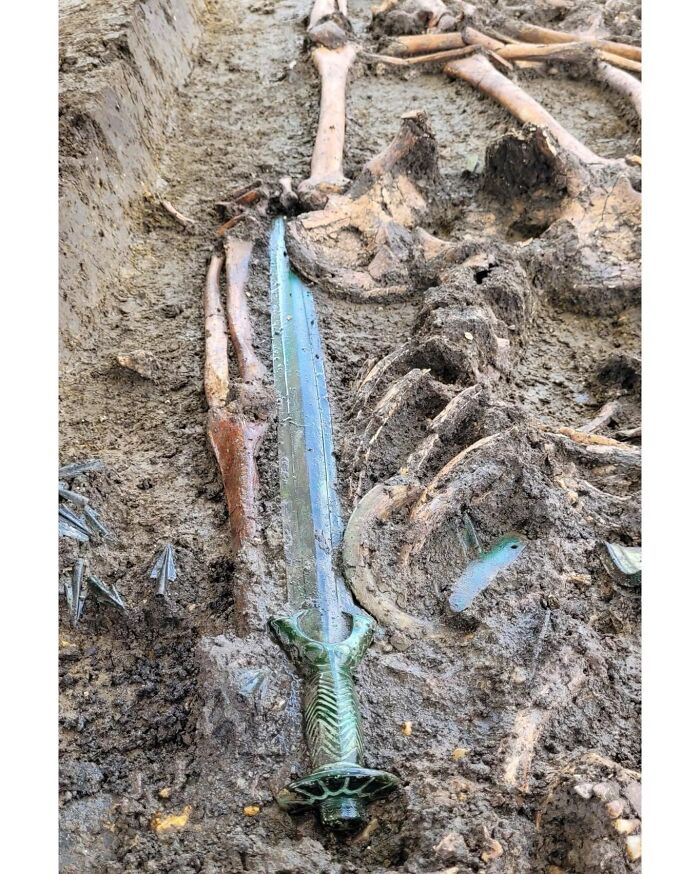
Image source: heraldofages
#32
Photographed is a gold plate depicting Mictlantecuhtli, the god of d***h. This was found in Monte Alban, Mexico, and is part of the Mixtec civilization, 1300-1450 AD.
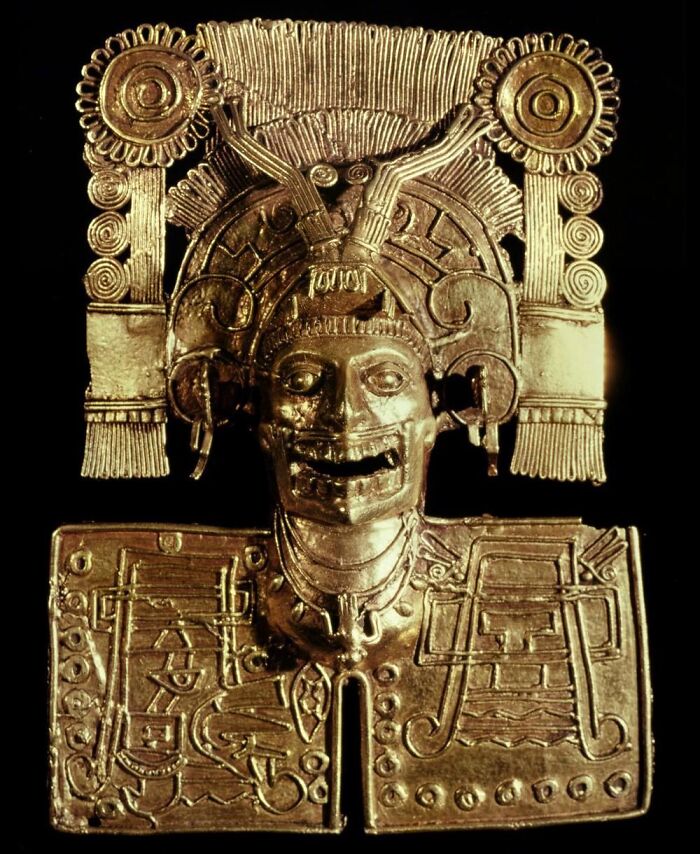
Image source: heraldofages
#33
This 1000-year-old manuscript was created by ~16 scribes in a Benedictine Abbey in Trier, Germany. They used gold ink to copy the text of the Gospels onto parchment that had been dyed with a plant-based purple pigment. It is currently housed at the Morgan Library and Museum in New York.
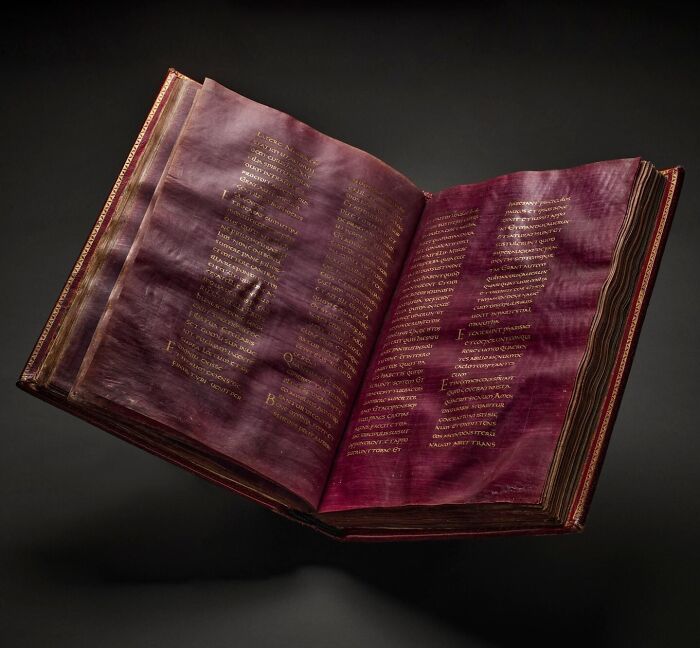
Image source: heraldofages
#34
The ancient “Dragon Stones,” located beneath the Geghama Mountains in Armenia, have withstood the test of time for over 5,000 years.
A vishapakar, also known as “dragon stones”, are characteristic monoliths found in large numbers in the Armenian Highlands, in natural and artificial ponds, and other sources of water. They are commonly carved from one piece of stone, into cigar-like shapes with fish heads or serpents. Supposedly they are images of vishaps, a water dragon of Armenian folklore. There are about 150 known extant vishap stelae, of which 90 are found in Armenia.
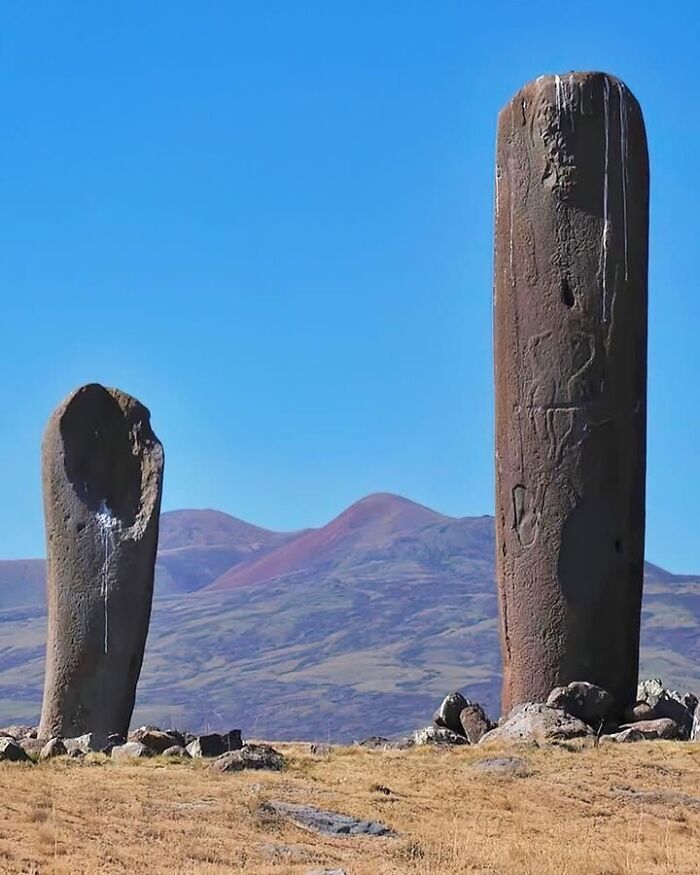
Image source: heraldofages
#35
The level of detail on the Column of Marcus Aurelius in Rome is absolutely mind blowing.
A Doric column adorned with a detailed spiral relief, it was built in honor of Roman emperor Marcus Aurelius and modeled after Trajan’s Column. Dedicated to the emperor and his military campaigns during the Barbarian Wars, the monument stands as a testament to his reign from 161 to 180 AD. The column’s frieze, approximately 367 feet long, spirals upward 21 times, depicting the emperor’s campaigns against the Germanic and Sarmatian tribes. Its construction likely began after his d***h in 180 AD and was completed around 193 AD, under the reign of Septimius Severus.
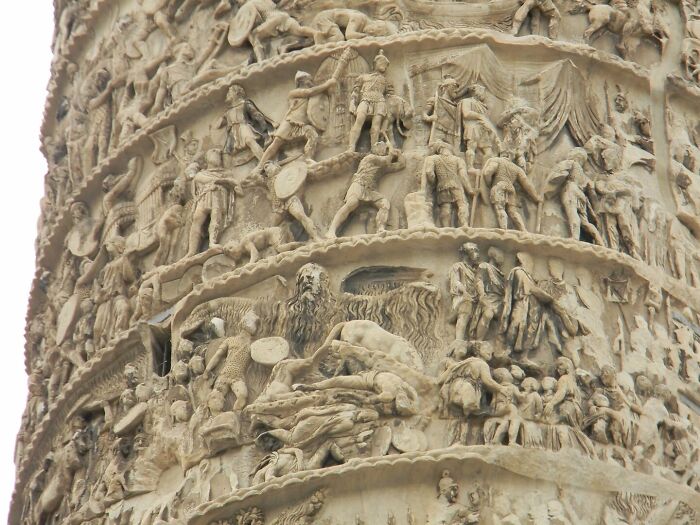
Image source: heraldofages
#36
This statuette was made to house a relic of St George that Archbishop Ernst of Cologne sent in 1586 to his brother Duke Wilhelm V of Bavaria. In the seventeenth century, the statuette was displayed on important feast days on the altar of the Ornate Chapel in the Munich Residence.
The bearded face of the saint behind the movable visor is carved from boxwood and resembles that of the man who commissioned the statuette, Duke Wilhelm V.
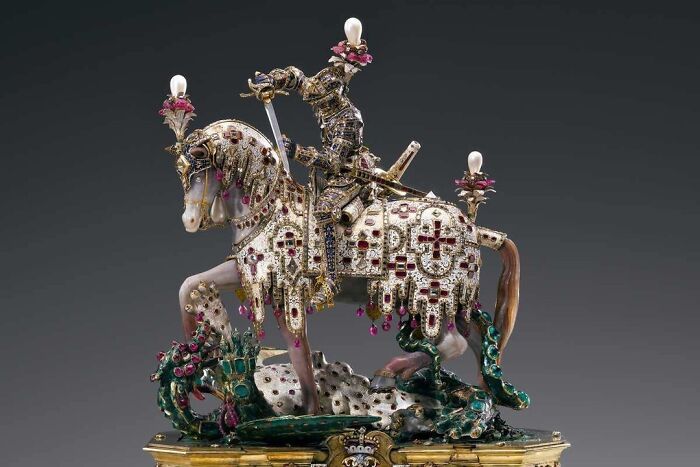
Image source: heraldofages
#37
Photographed is an Aztec skull covered with turqoise mosaic, with gold eyes and a jade ornament in the forehead.
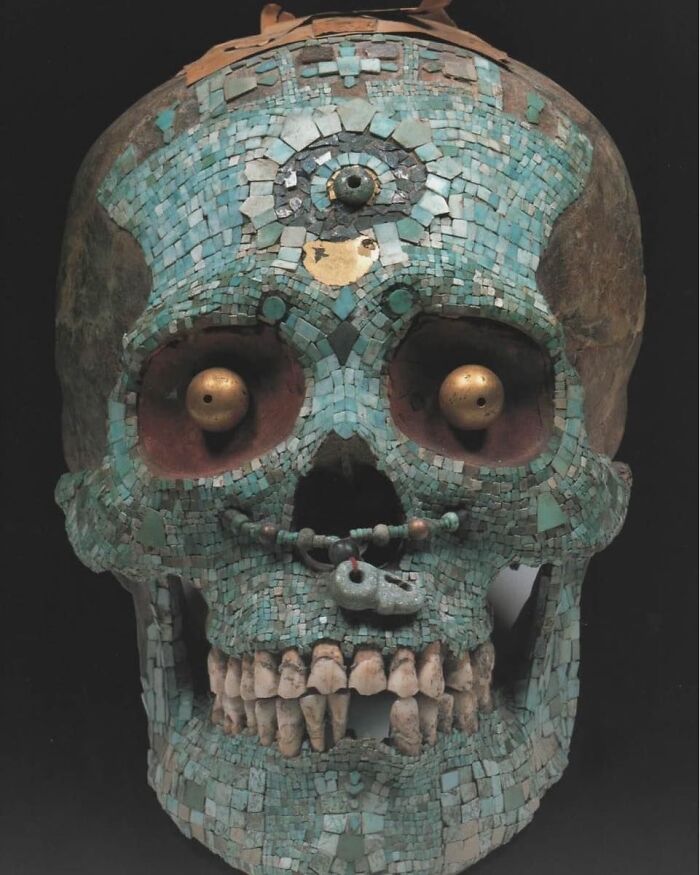
Image source: heraldofages
#38
This is a photograph from the Elephanta Caves in India. This high-relief sculpture from the 5th century CE portrays the “Andhakasura-vadha” the slaying of the demon Andhaka (whose name means “blind” or “darkness”) by Lord Shiva. Most of the sculpture was sadly damaged by colonial destruction.
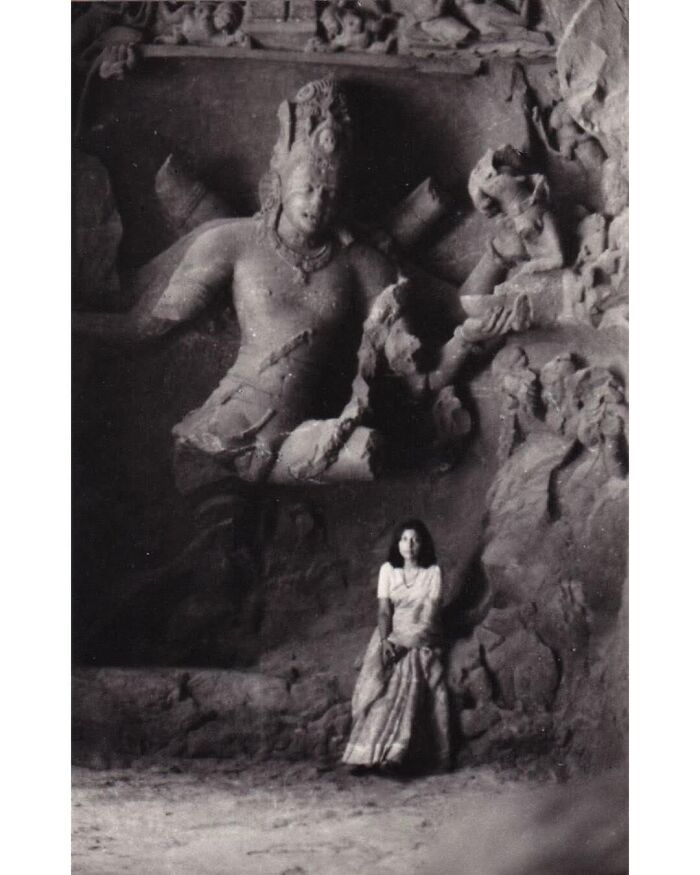
Image source: heraldofages
#39
Loket Castle; a 12th Century CE, Gothic Castle, in Czech Republic.
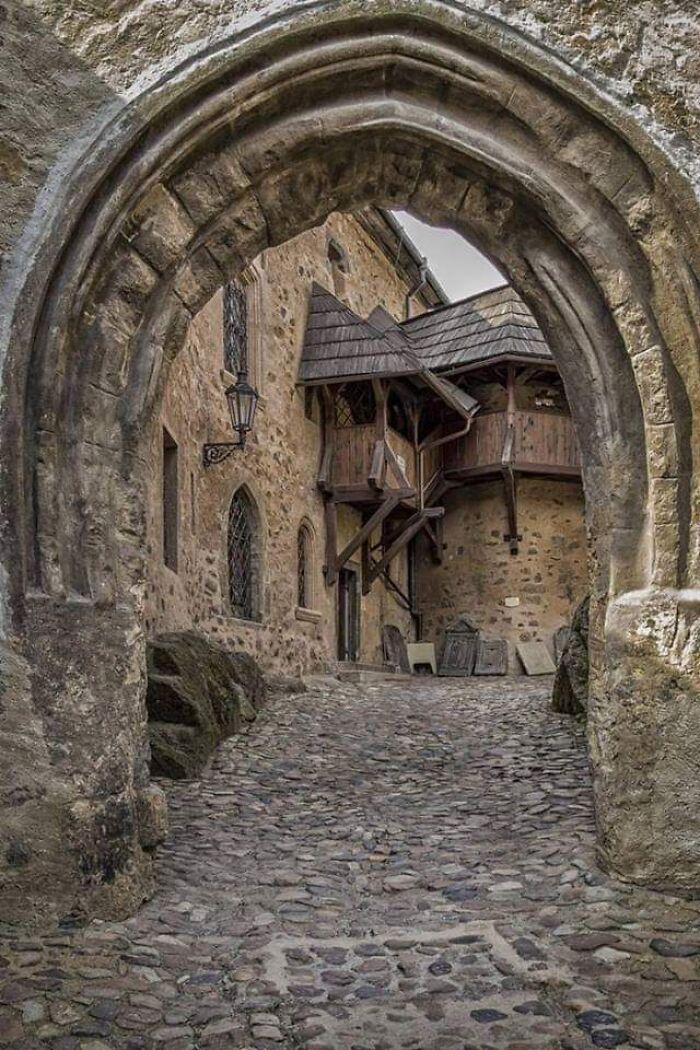
Image source: heraldofages
#40
Woman’s hat, known as the brelot, worn as part of the national costume of Bresse from Bourg-en-Bresse, Burgundy, 19th century.
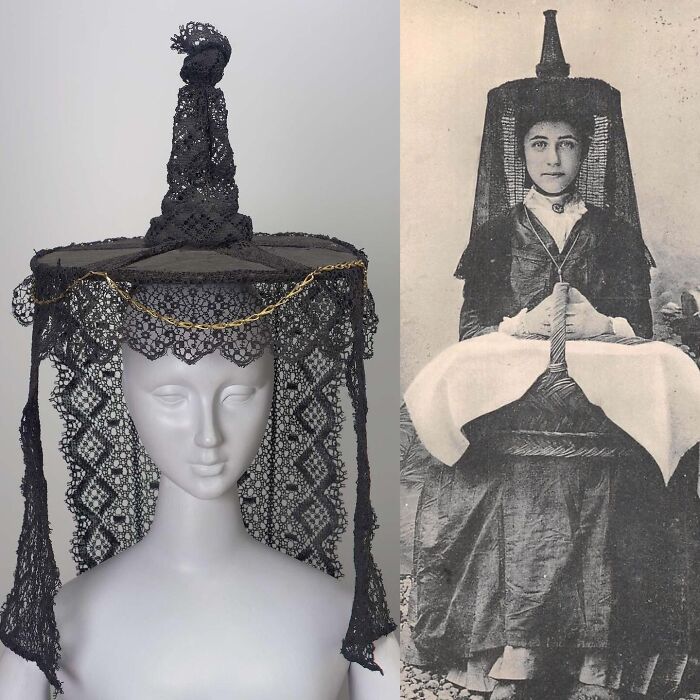
Image source: heraldofages
#41
The remains of the “Red Queen,” found in a sarcophagus within Temple XIII at the ancient Maya city of Palenque, dating to 600–700 CE. Her body was covered in bright red cinnabar powder, which was a striking funerary practice tied to status and ritual.
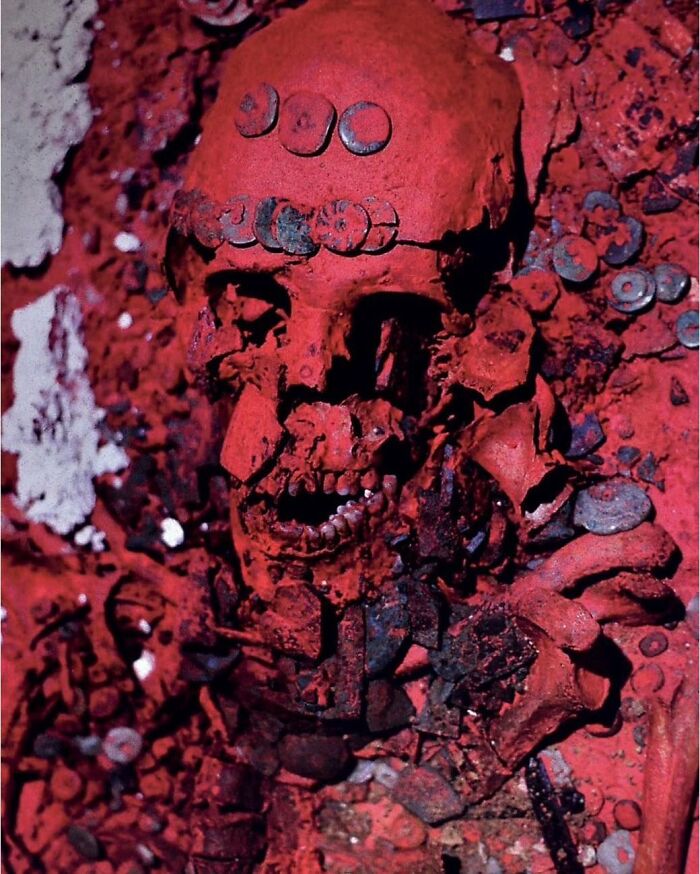
Image source: heraldofages
#42
The gilt bronze effigy of Edward, the Black Prince, dated to 1376 CE and housed at Canterbury Cathedral. Its remarkably detailed armor makes it one of the most important examples of English medieval funerary art, especially since so few surviving pieces of contemporary armor remain.
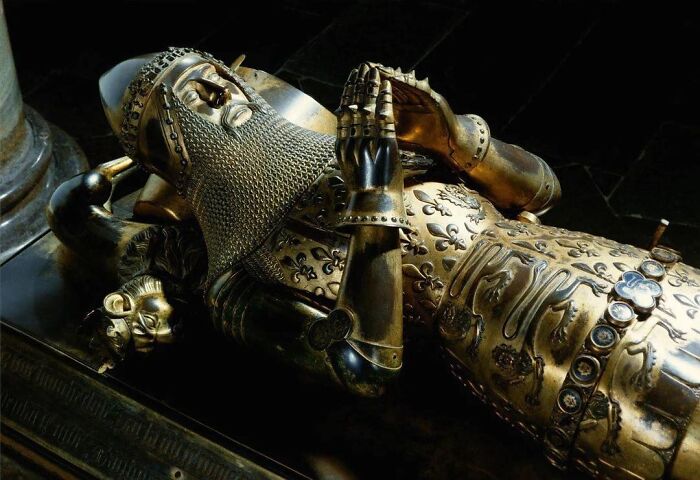
Image source: heraldofages
#43
This is an unfinished painting of a Spanish noblewoman from 1775 by artist Anton Raphael Mengs. Not much is known about the mysterious woman and it’s unknown why the artist painting her abandoned it. It’s unintentionally proto-surrealist.
It was in the Met show titled “Unfinished”.
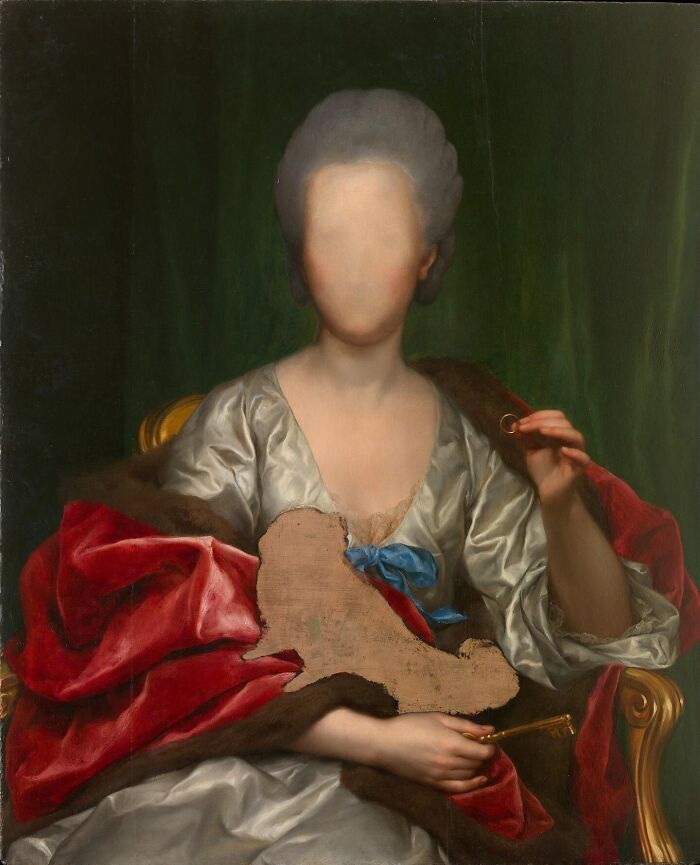
Image source: heraldofages
#44
The Round Tower, also called Rundetaarn, is a 17th Century tower in Copenhagen, Denmark, and one of the many architectural projects of Christian IV of Denmark. Built as an astronomical observatory, it is noted for its equestrian staircase, a 7.5-turn helical corridor leading to the platform at the top (34.8m above ground), and its views over Copenhagen.
The tower is part of the Trinitatis Complex which also includes a chapel, the Trinitatis Church, and an academic library.
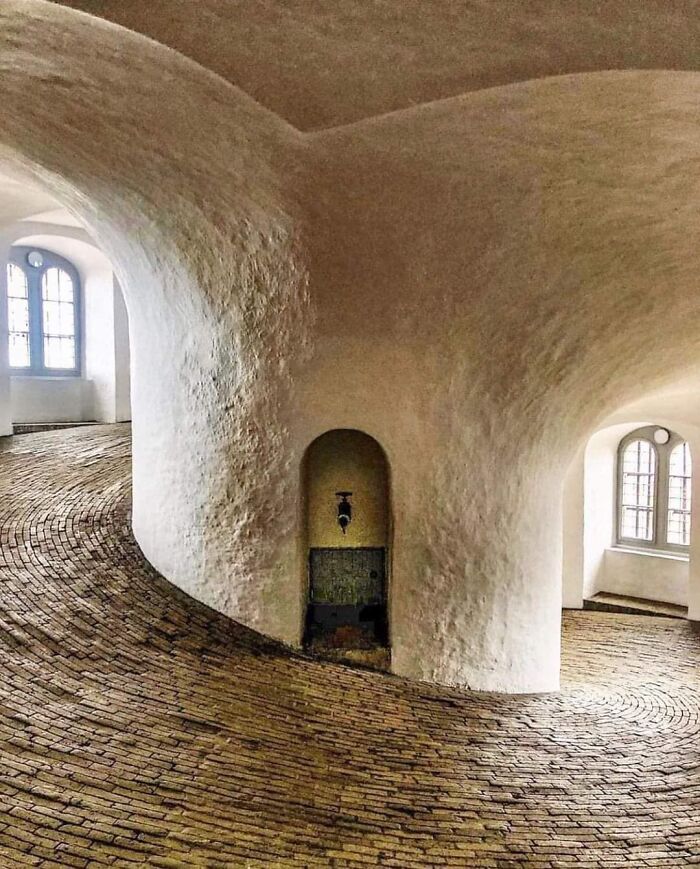
Image source: heraldofages
#45
Pictured here is the bronze head of an Akkadian ruler, discovered in Nineveh in Iraq, presumably depicting either Sargon (d**d c. 2279 BCE), or Sargon’s grandson Naram-Sin (reign c. 2255-2218 BCE).
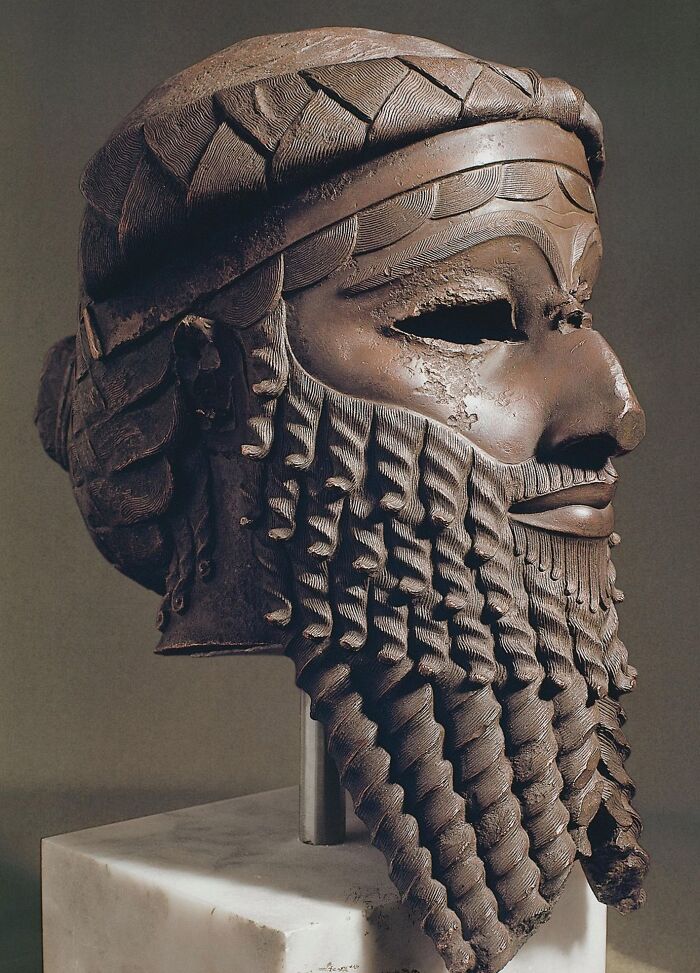
Image source: heraldofages
#46
A papyrus illustration of a lady mouse sitting elegantly, being offered a drink by one of the cats standing nearby, while another cat is depicted arranging her hair. Tuna el-Gebel, ca. 1129-1111 BC.
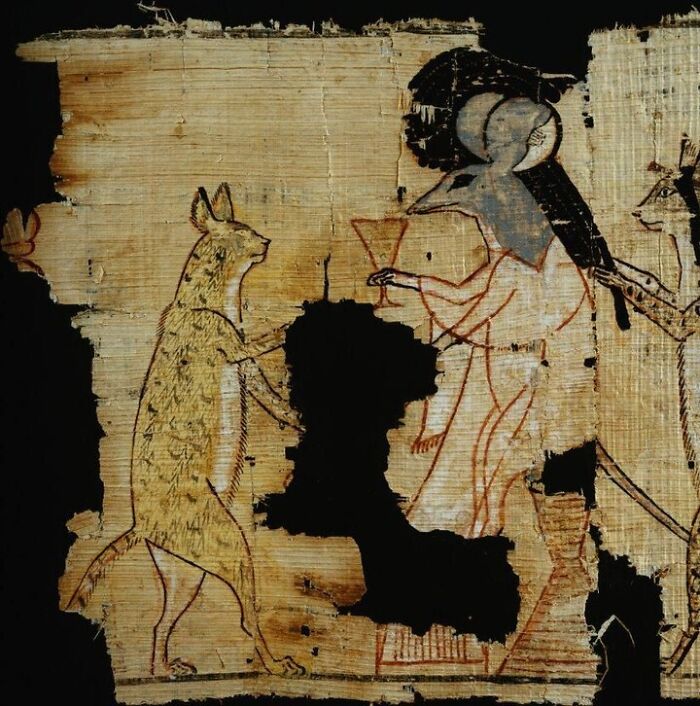
Image source: heraldofages
#47
A large coin jar found in Vietnam from the 15th-17th century.
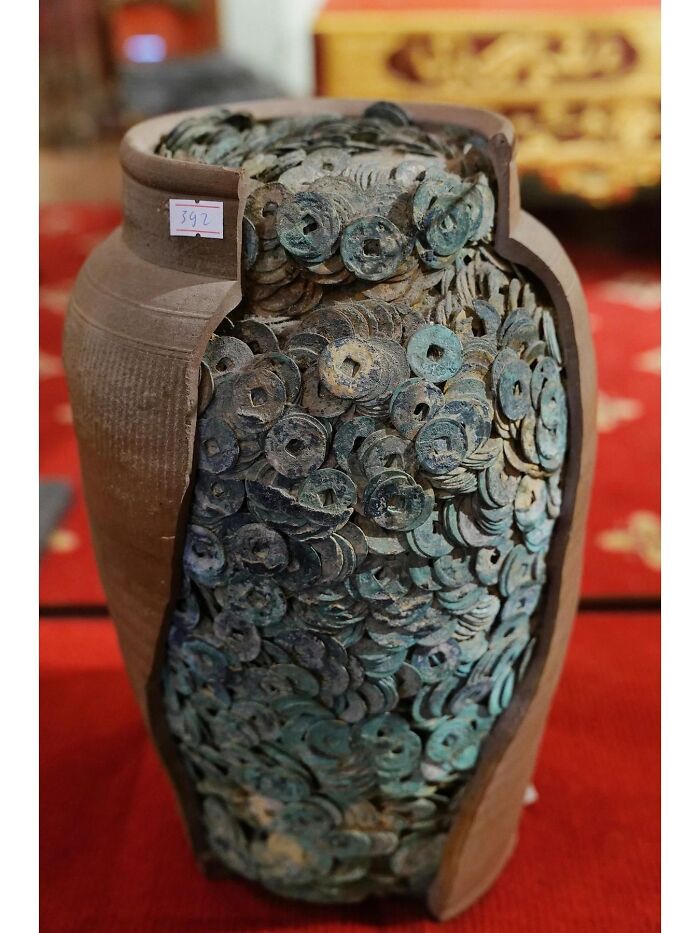
Image source: heraldofages
#48
Charlemagne’s Throne in Aachen, Germany. It was erected in the 790s. From then until 1531, it served as the coronation throne for thirty-one Kings of Germany.
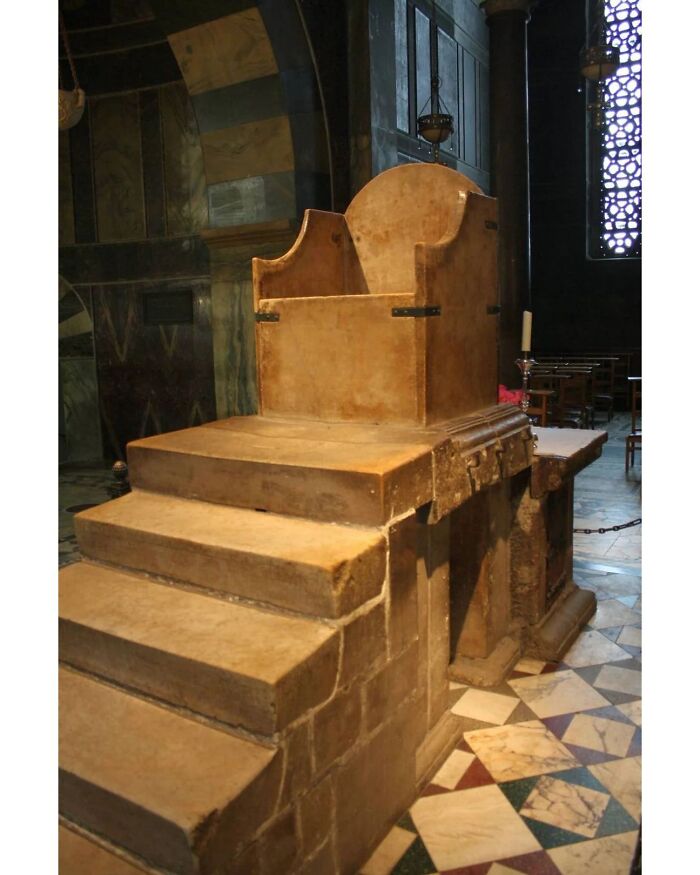
Image source: heraldofages
#49
The Parade Armour of Henry II of France, now in the Metropolitan Museum of Art, New York, is believed to date from 1553–55 and its decoration is attributed to the French goldsmith and engraver Étienne Delaune.
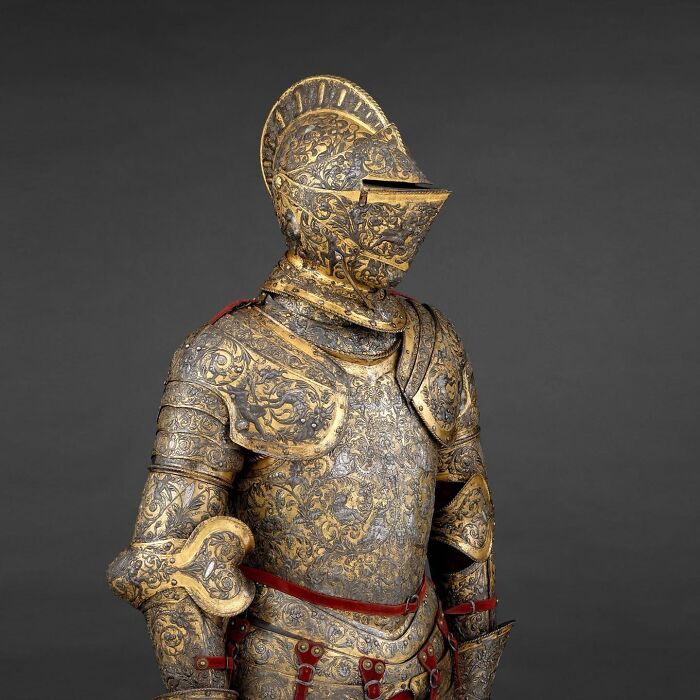
Image source: heraldofages
#50
Pictured here is the Spanish archaeologist Manuel Esteve posing with a Corinthian helmet that he had found in 1938.
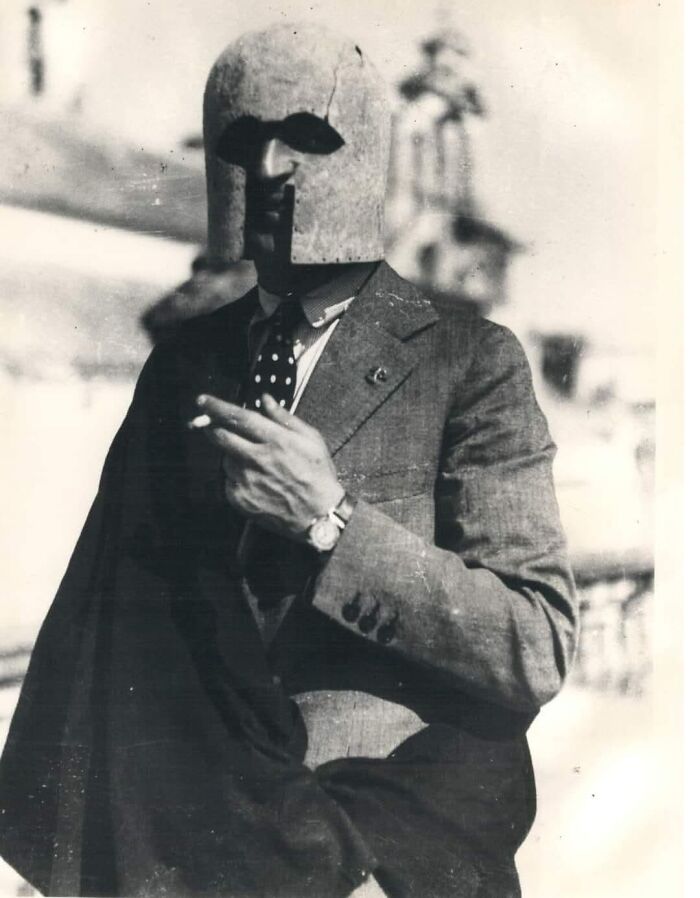
Image source: heraldofages
#51
In ancient Egypt, cats were represented in social and religious scenes dating as early as 1980 BC. Several ancient Egyptian deities were depicted and sculptured with cat-like heads such as Mafdet, Bastet and Sekhmet, representing justice, fertility, and power, respectively. The deity Mut was also depicted as a cat and in the company of a cat.
Cats were praised for k*****g venomous snakes, rodents and birds that damaged crops, and protecting the Pharaoh since at least the First Dynasty of Egypt. Skeletal remains of cats were found among funerary goods dating to the 12th Dynasty. The protective function of cats is indicated in the Book of the D**d, where a cat represents Ra and the benefits of the sun for life on Earth. Cat-shaped decorations used during the New Kingdom of Egypt indicate that the domesticated cat became more popular in daily life. Cats were depicted in association with the name of Bastet.
Cat cemeteries at the archaeological sites Speos Artemidos, Bubastis, and Saqqara were used for several centuries. They contained vast numbers of cat mummies and cat statues that are exhibited in museum collections worldwide.
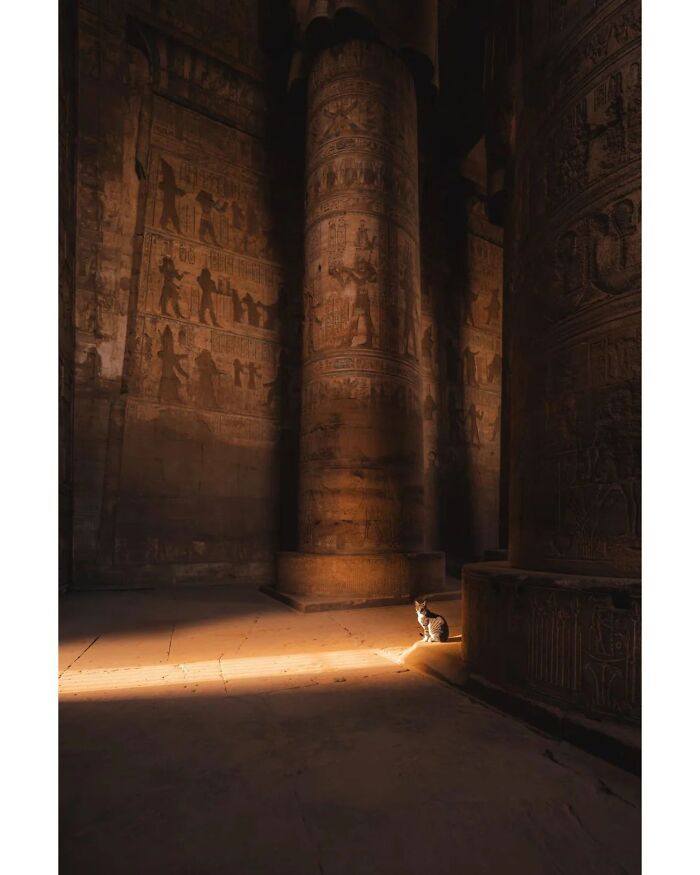
Image source: heraldofages
#52
This unfinished limestone plaque features an impressive depiction of a barn owl’s head carved in raised relief. The piece dates to the Ptolemaic Period (304–30 BC).
This piece is now housed in the Metropolitan Museum of Art in New York.
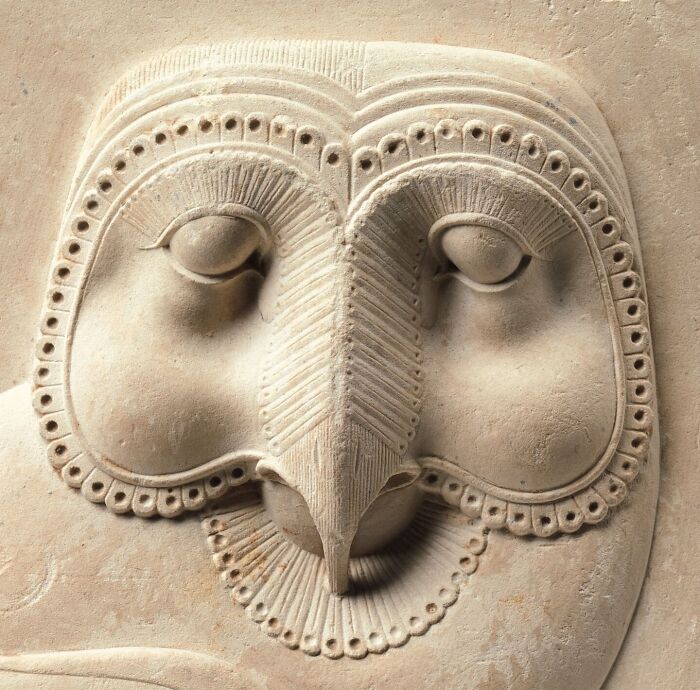
Image source: heraldofages
#53
Photographed here is the iron-shod oak doors of Chepstow Castle in Wales. Thought to be the oldest surviving castle doors in all of Europe, they were comissioned in 1190 by the legendary knight William Marshal after Chepstow came into his posession as Lord of Striguil.
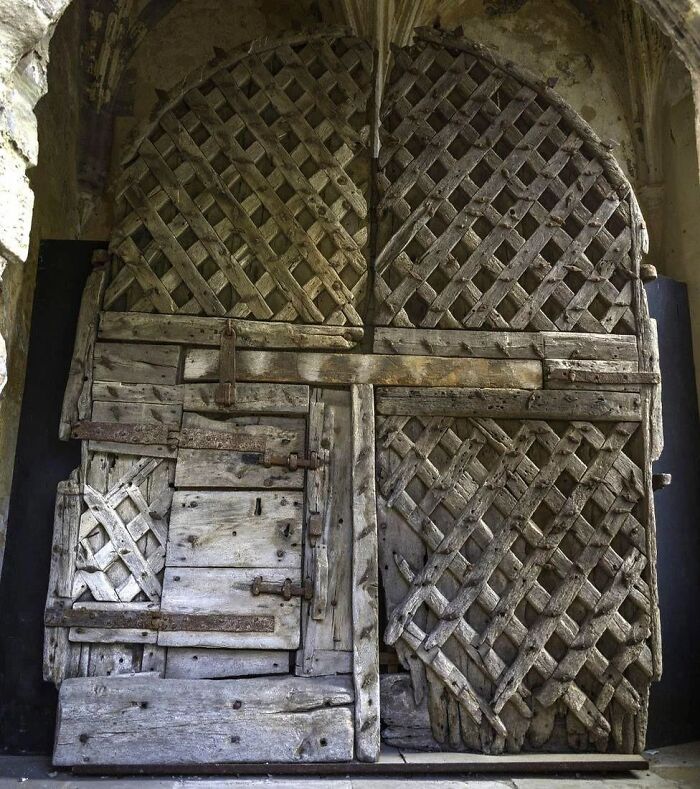
Image source: heraldofages
#54
Archaeologist Friedrich Krefter standing at the ancient gates of Persepolis (Iran), circa 1930s.
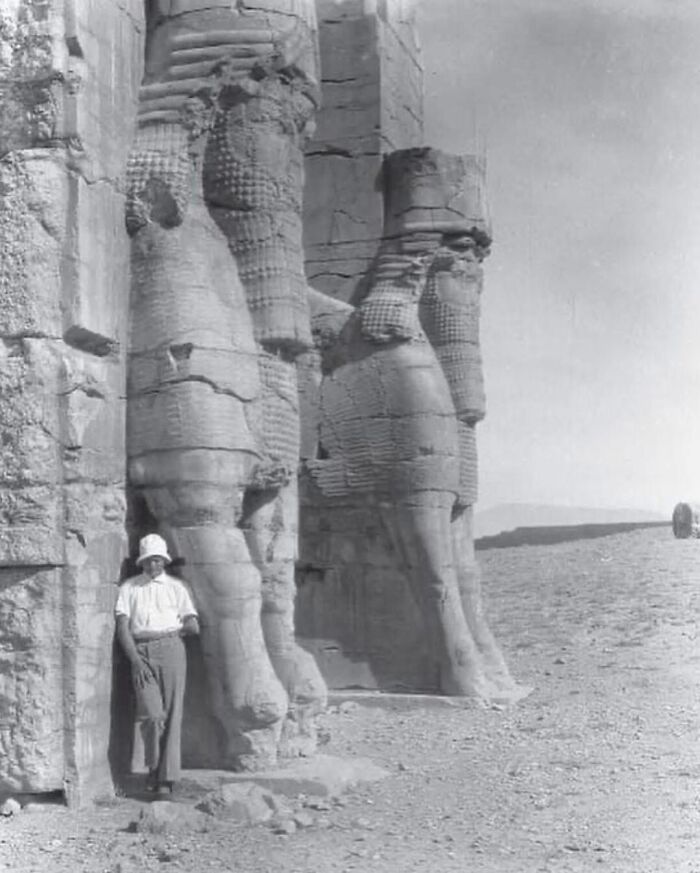
Image source: heraldofages
#55
The level of detail on the Column of Marcus Aurelius in Rome is absolutely mind blowing.
A Doric column adorned with a detailed spiral relief, it was built in honor of Roman emperor Marcus Aurelius and modeled after Trajan’s Column. Dedicated to the emperor and his military campaigns during the Barbarian Wars, the monument stands as a testament to his reign from 161 to 180 AD. The column’s frieze, approximately 367 feet long, spirals upward 21 times, depicting the emperor’s campaigns against the Germanic and Sarmatian tribes. Its construction likely began after his d***h in 180 AD and was completed around 193 AD, under the reign of Septimius Severus.
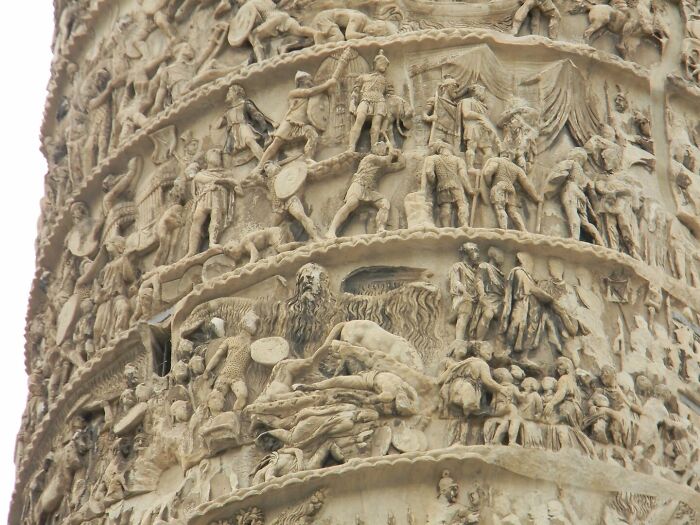
Image source: heraldofages
#56
Portrait of two brothers from Roman Egypt, 140 AD.
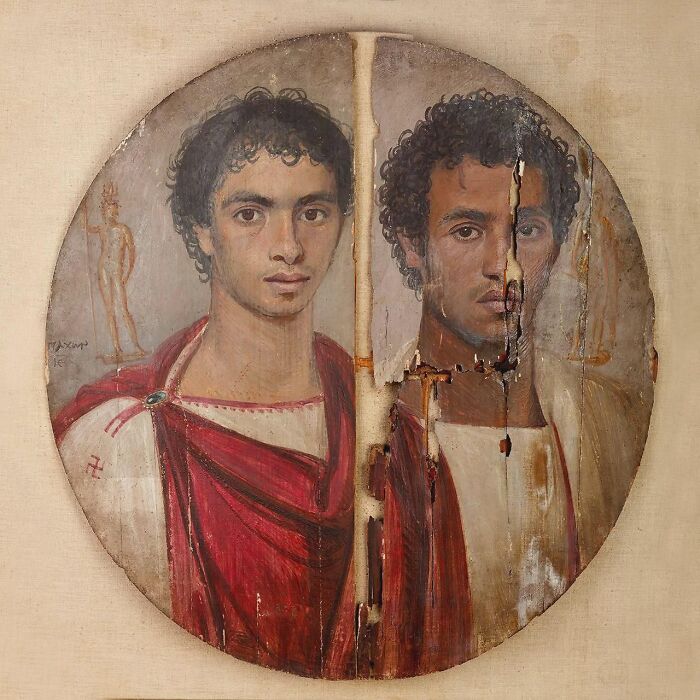
Image source: heraldofages
#57
Perseus with the Head of Medusa is a bronze sculpture made by Benvenuto Cellini in the period 1545–1554. The sculpture stands on a square base which has bronze relief panels depicting the story of Perseus and Andromeda, similar to a predella on an altarpiece. It is located in the Loggia dei Lanzi in the Piazza della Signoria in Florence, Italy.
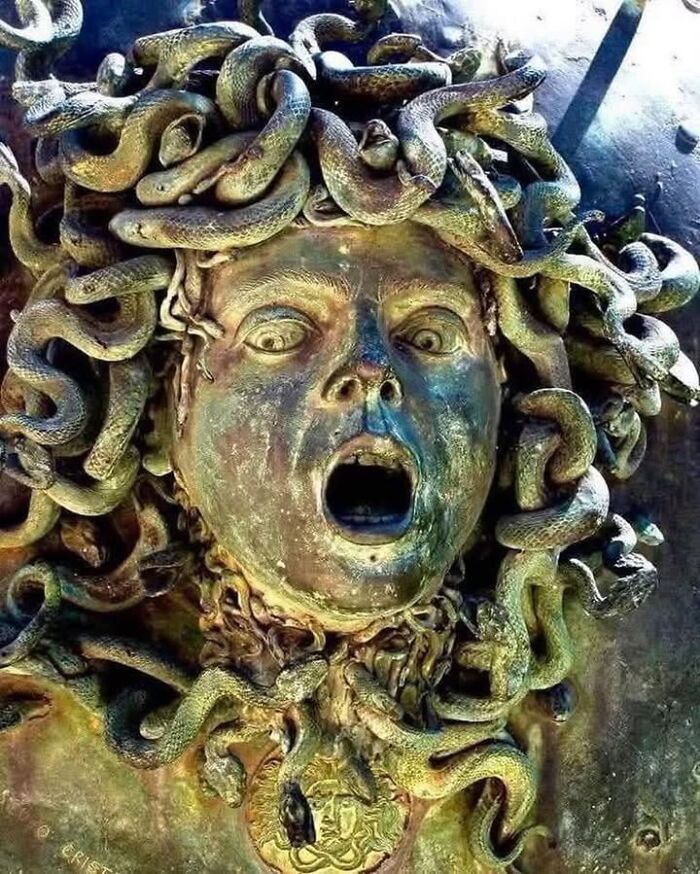
Image source: heraldofages
#58
Pictured is the Guards of Susa and Persia, reliefs of the eastern staircase of the Apadana, created in the 6th century BC.
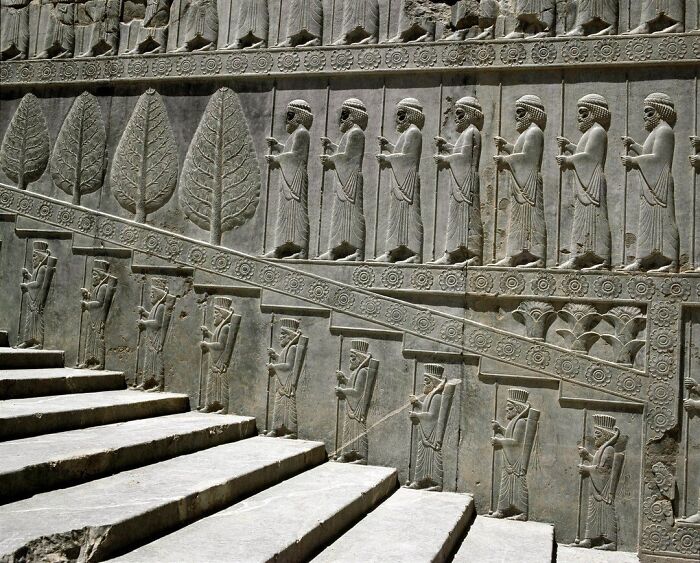
Image source: heraldofages
#59
Pictured here is a 12th-15th century tombstone located at the Ahlat Seljuk Cemetery in Turkey.
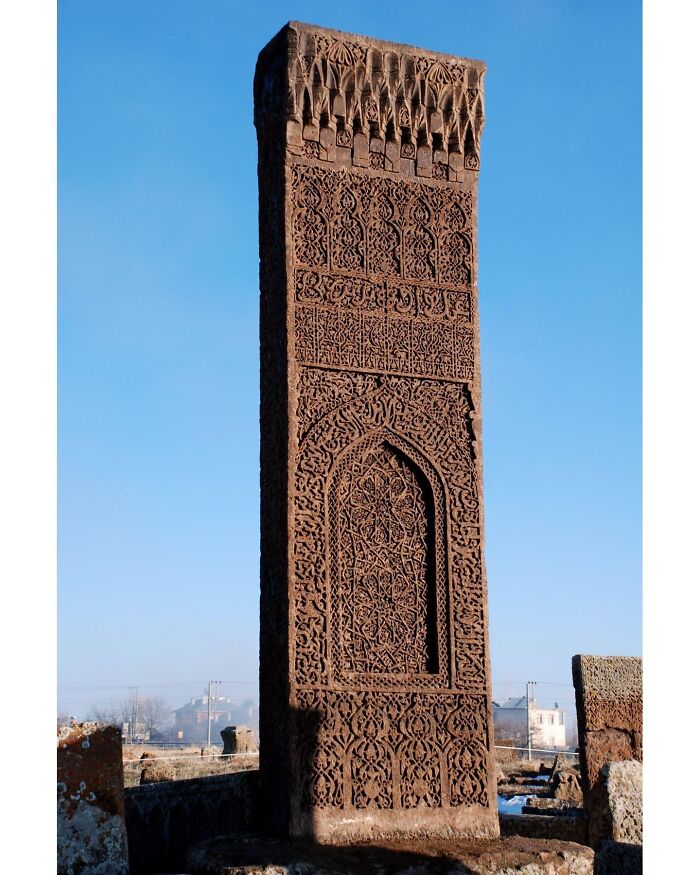
Image source: heraldofages
#60
Photographed here is the ceiling of the Blue Velvet Room in Chiswick House in London, England, 1729 CE.
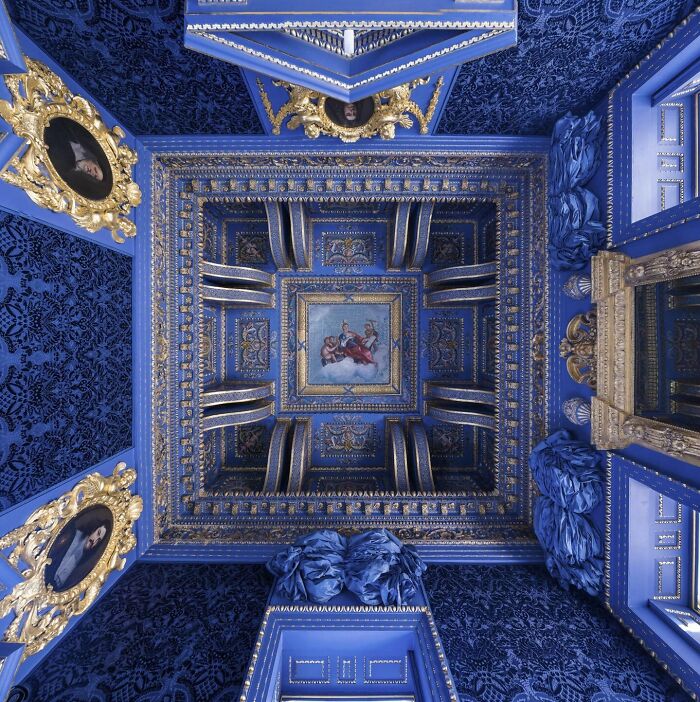
Image source: heraldofages
#61
A massive 2,700-year-old, 18-ton statue of an Assyrian deity that was excavated in Iraq in November 2023.
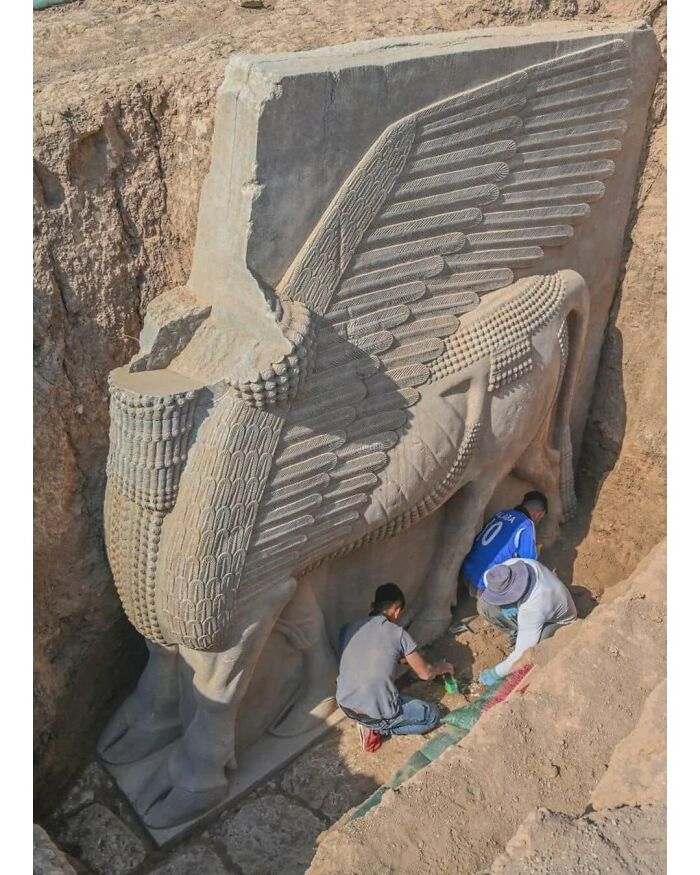
Image source: heraldofages
#62
Photographed is a ceramic figure representing a dancer with a removable crocodile helmet from the Colima culture. Created between 300 BC and 300 AD, the piece is now on display at the Museum of Fine Arts, Houston.
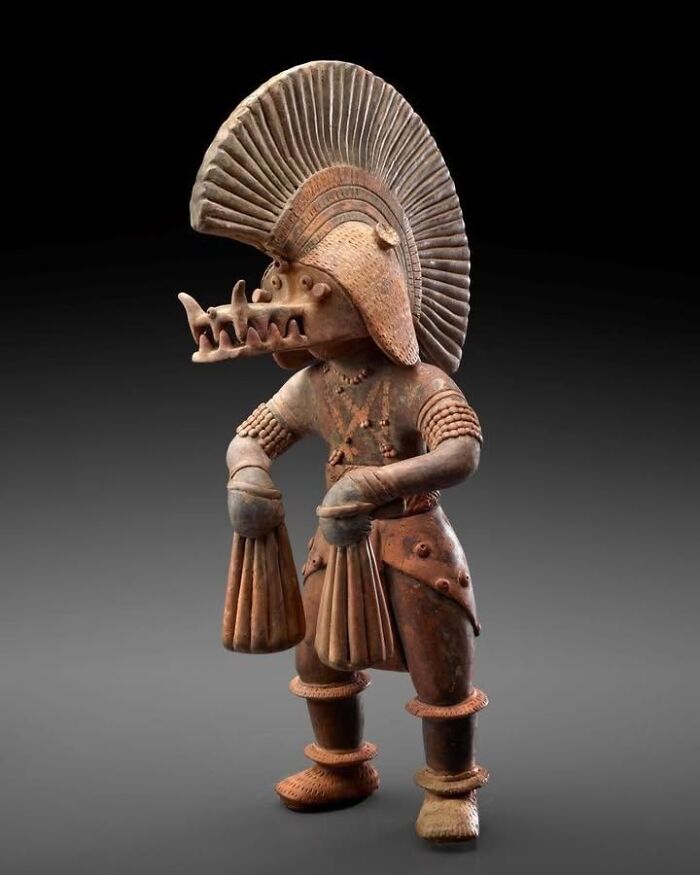
Image source: heraldofages
#63
Mount Nemrut is a 2,134-metre-high (7,001 ft) mountain in southeastern Turkey, notable for the summit where a number of large statues are erected around what is assumed to be a royal tomb from the 1st century BC. It is one of the highest peaks in the east of the Taurus Mountains.
In 62 BC, King Antiochus I of Commagene built on the mountain top a tomb-sanctuary flanked by huge statues 8–9-metre high (26–30 ft) of himself, two lions, two eagles, and various composite Greek and Iranian gods, such as Heracles-Artagnes-Ares, Zeus-Oromasdes, and Apollo-Mithras-Helios-Hermes.
When constructing this pantheon, Antiochus drew heavily from Parthian and Armenian traditions in order to reinvigorate the religion of his ancestral dynasty. The statues were once seated, with names of each god inscribed on them. At some point the heads of the statues were removed from their bodies, and they are now scattered throughout the site.
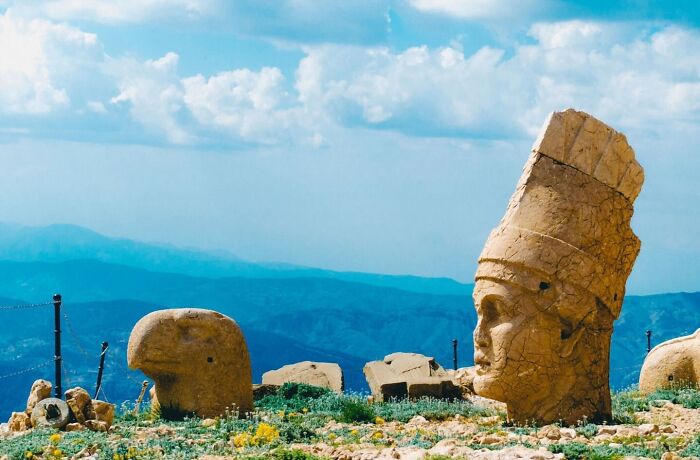
Image source: heraldofages
#64
The centuries-old Byzantine frescoes of the Sümela Monastery, located in Trabzon, Turkey.
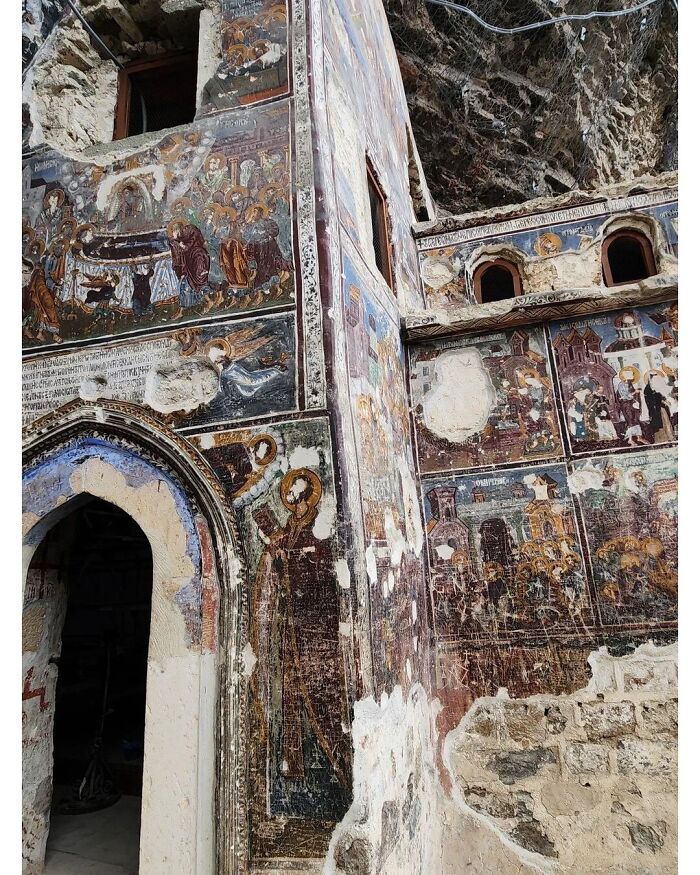
Image source: heraldofages
#65
This image shows the Kumbhalgarh Fort, a massive 15th-century fortress located in the Rajsamand district of Rajasthan, India.
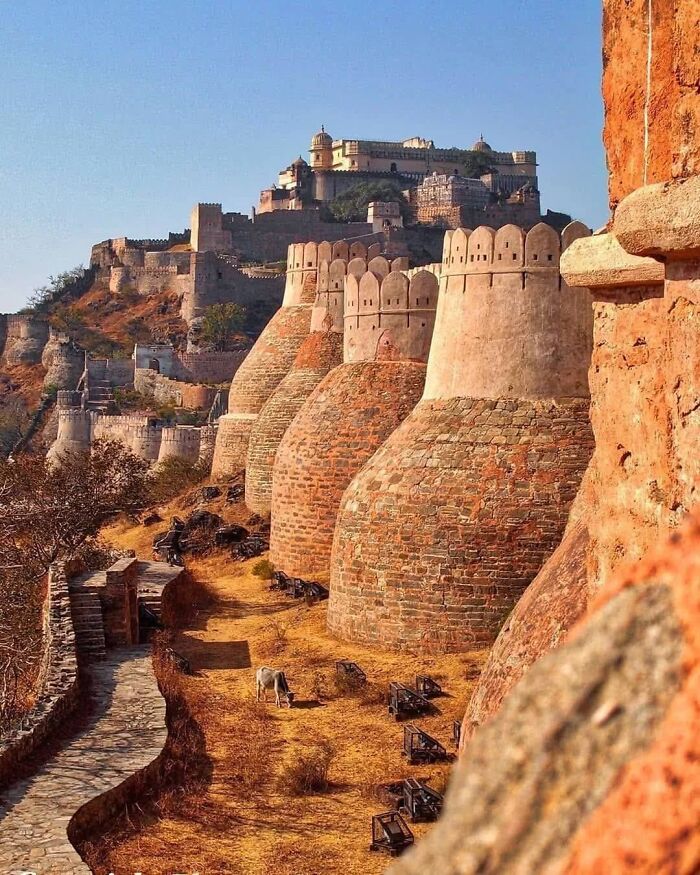
Image source: heraldofages
#66
A colorized 1891 photograph of the Lion Gate at Mycenae, Greece.
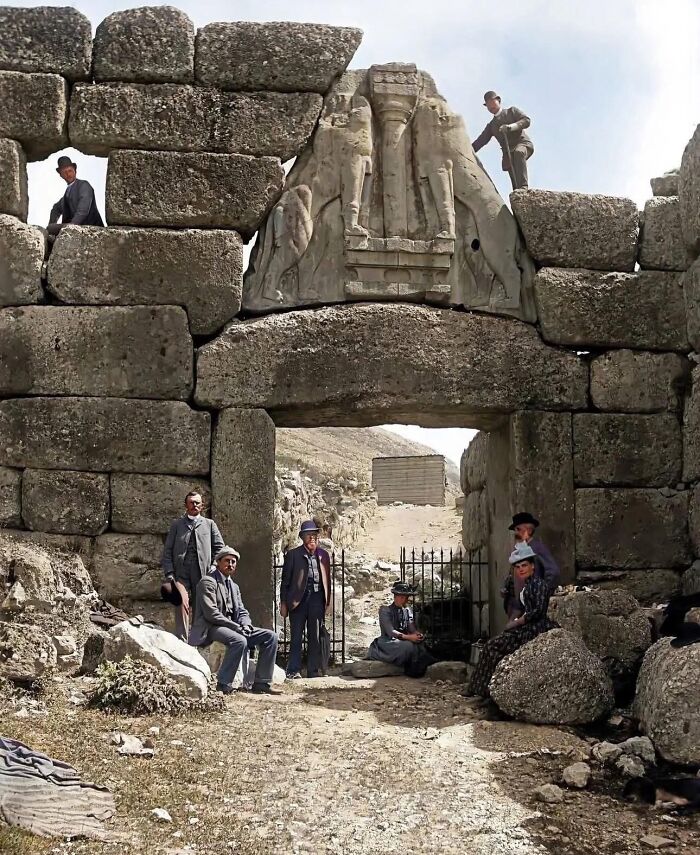
Image source: heraldofages
#67
2,000-Year-Old Mosaics unearthed by the waves in Turkey.
#history #historylovers #artifact #heraldofages #archaeology.
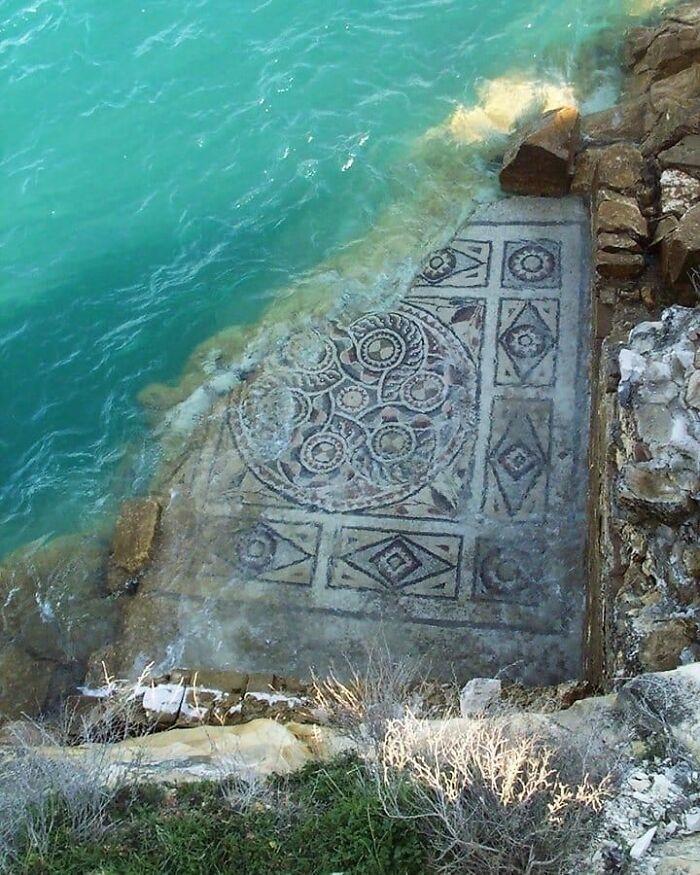
Image source: heraldofages
 Follow Us