It’s that time of year when we love binge-watching horror movies and diving into creepy mysteries. So, to get you into the Halloween spirit, here’s a story that fits the season perfectly.
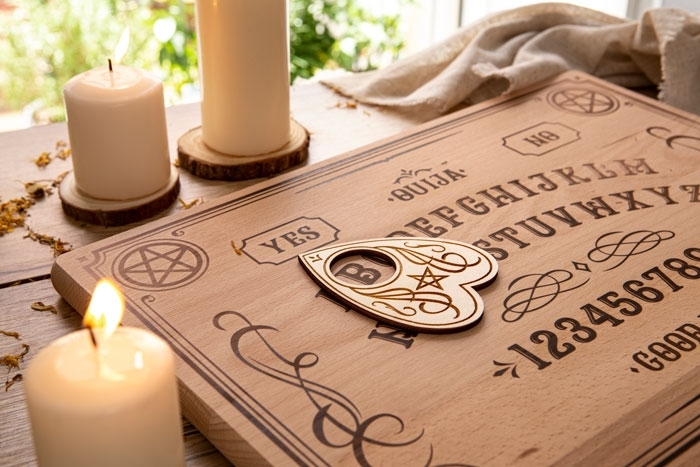
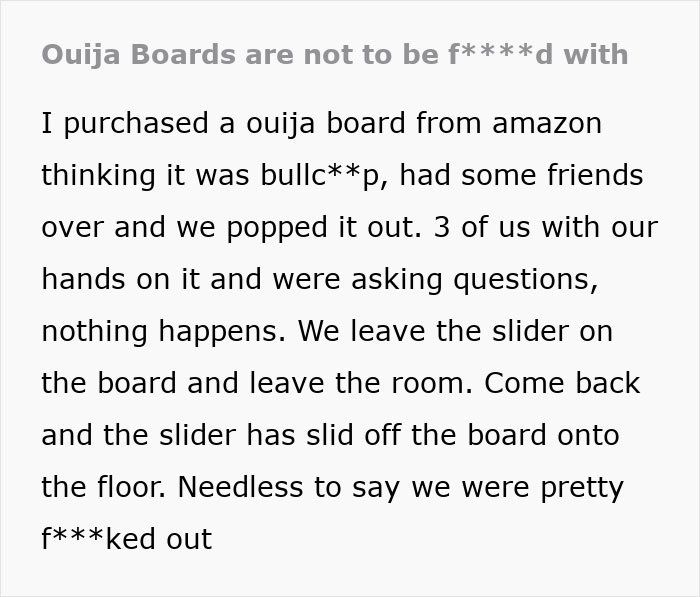
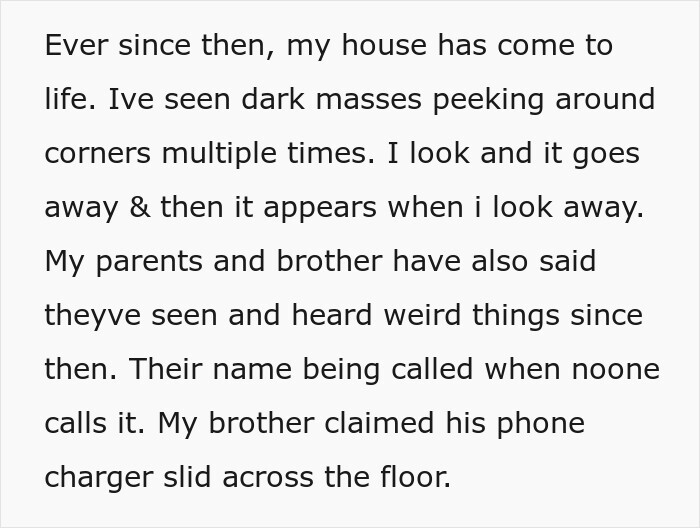
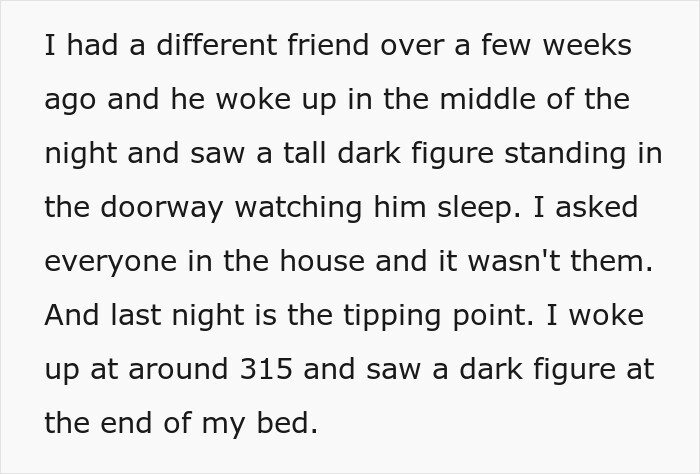
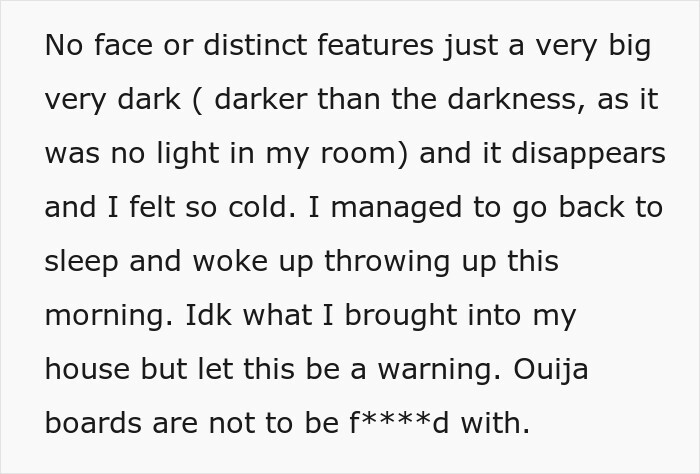
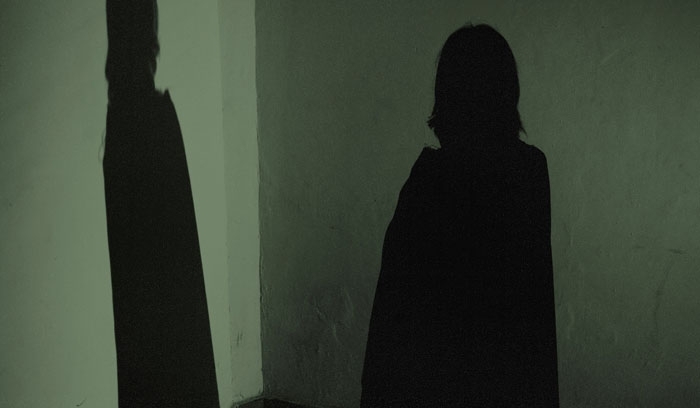
On r/Paranormal, a user shared that they bought a Ouija board online as a joke and tried it with a few friends. But soon after, strange things allegedly began happening around the house. Family members reported hearing random voices calling their names, and tall, dark figures started appearing in doorways late at night.
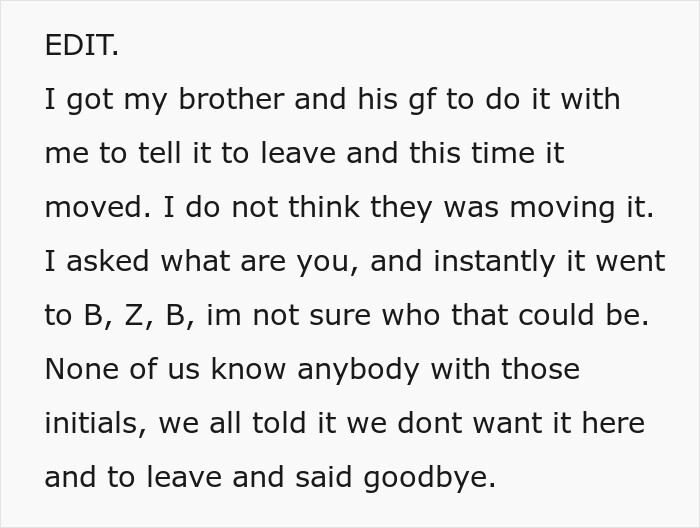
Terrified they had invited something bad into their home, the user went back to the board to tell the “entity” to leave and received a mysterious message. Read the full story below to see what it was and how the internet reacted to his bizarre tale.
They bought a Ouija board to have fun, but then strange things started happening around the house
magnific (not the actual photo)

It began when they left the board unattended for a few moments
pch.vector / magnific (not the actual photo)
Eduardo Ramos / unsplash (not the actual photo)

Origin, history, and how the Ouija board became so popular
The history of this “talking” board spans centuries and continents. Long before it landed on modern store shelves, an early precursor appeared in China during the Song Dynasty. Practicing an ancient method called Fuji writing, believers held a writing instrument attached to a tray, trusting spirits to guide their hands and craft messages from beyond.
Centuries later, Europeans adapted this technique, replacing the writing tools with a free-sliding planchette. By the mid-19th century, the trend crossed the Atlantic and exploded across America alongside the Spiritualism movement — a widespread belief that the departed could communicate with the living.
The craze took off in 1848 after two young sisters in upstate New York, Kate and Maggie Fox, claimed they could talk to spirits through mysterious knockings on their walls. News of the sisters spread rapidly, turning Spiritualism into a nationwide sensation. Seeking comfort, millions embraced the movement, including former First Lady Mary Todd Lincoln, who held séances inside the White House after her young son passed away in 1862.
The demand to contact lost loved ones reached an all-time high when the wars in America left thousands of families grieving. Mediums flooded major cities, but people wanted to talk to spirits directly from their homes.
Seeing a massive business opportunity, a group of men in Baltimore formed the Kennard Novelty Company in the late 19th century to mass-produce these boards.
“People want to believe. The need to believe that something else is out there [that] is powerful. This thing is one of those things that allows them to express that belief,” says Ouija historian Robert Murch, who began researching the board’s origins and history back in 1992 after buying his first set.
When the creators patented the board, they intentionally left out how it worked. That mystery became its biggest selling point, and they marketed it as both a divine oracle and a harmless family game.
During the global hardships of World War I, the Jazz Age, and the Great Depression, sales soared. In just five months during World War II, a single department store in New York sold 50,000 boards. In 1967, Parker Brothers bought the rights, and annual sales topped two million — officially outselling Monopoly.
“These were very shrewd businessmen. Ultimately, it was a money-maker. They didn’t care why people thought it worked,” explains Murch.
The release of The Exorcist changed public perception quickly. It reframed the board from a harmless party game into a doorway for evil forces. Religious groups denounced it, and pop culture transformed it into a tool of horror movies and scary urban legends — setting the stage for the terrifying experiences people still report today.
Ultimately, the board was born out of our universal search for answers, and the clever businessmen who realized they could profit off of it.

afzar / magnific (not the actual photo)
Does the board really work? And what does it say about the people who believe it does?
Scientists solved whether these boards actually connect to the paranormal long ago. In 1853, famed scientist Michael Faraday set his sights on “table-turning”—a popular precursor to the Ouija board in which participants placed their hands on a table to summon spirits.
Through a series of experiments, Faraday proved that the movement wasn’t caused by ghosts, but by the unconscious physical movements of the players themselves.
Scientists call this phenomenon the ideomotor effect. It happens when our minds make small, involuntary muscle movements based on what we secretly expect or feel, all without our conscious permission.
“Because a person (or people) touching the planchette has the expectation in their mind that the planchette will move, they will unknowingly push it to where it’s supposed to go. It’s even been tested; participants saw miraculous things while using a Ouija Board, but suddenly nothing came through when they were blindfolded,” says Jeff Newman, a corporate mentalist, magician, and trickster.
While the boards may not be powered by spirits, scientists find them equally fascinating because they offer a rare window into the human subconscious.
A 2012 study published in Consciousness and Cognition found that participants answered general-knowledge questions more accurately using a Ouija board when they believed they were guessing. Their accuracy reached 65%, compared with 50% when they guessed verbally. The researchers suggested that involuntary movements might allow people to express knowledge they cannot consciously recall.
Other studies reveal that the board thrives on team dynamics. When multiple people touch the planchette, no single person feels responsible for its movement. This shared effort creates a powerful illusion of an outside force, letting players express hidden thoughts and fears without taking personal credit for them.
Ultimately, the board doesn’t reveal what lies beyond the grave, but what already lies deep inside our own minds. So, this Halloween, go ahead and give the Ouija board a try — if you’re brave enough to test where science ends and the paranormal begins.
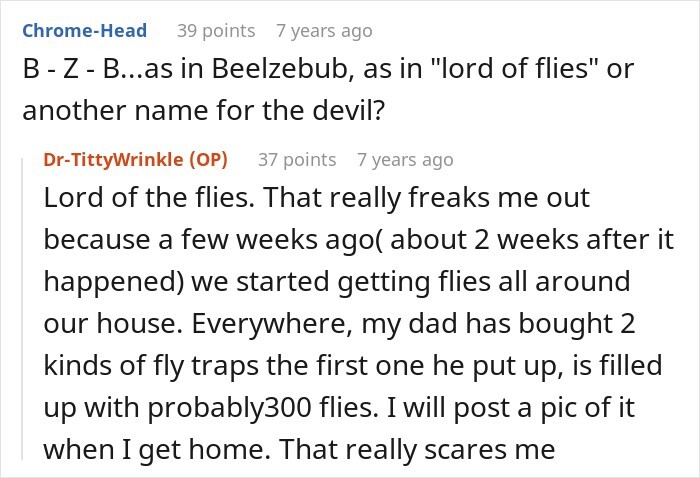
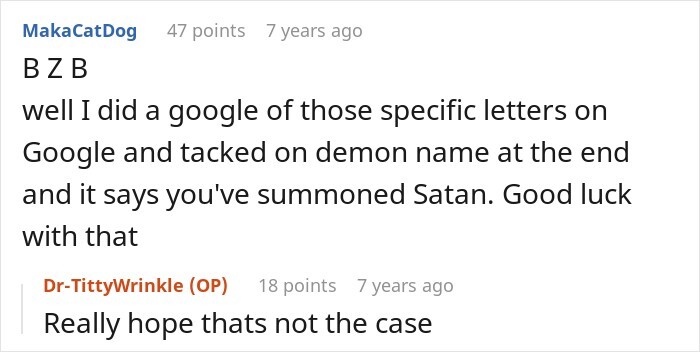
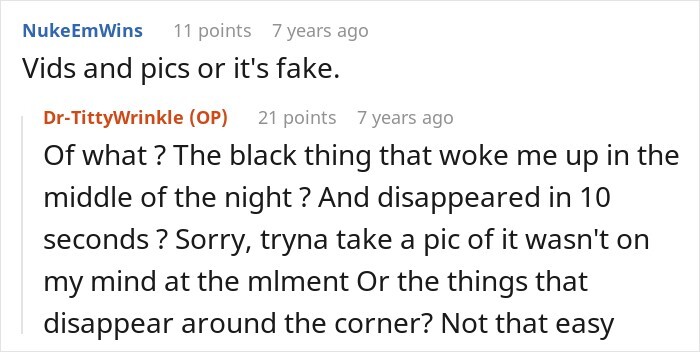
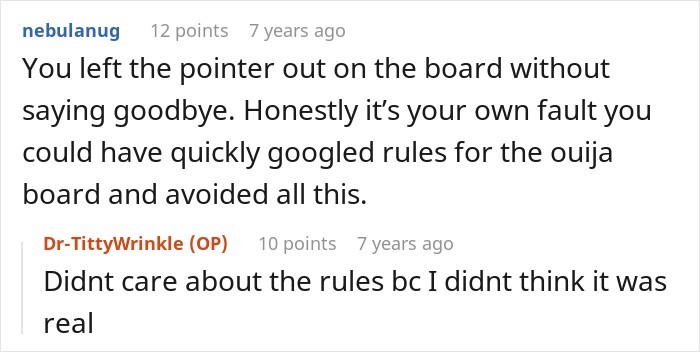
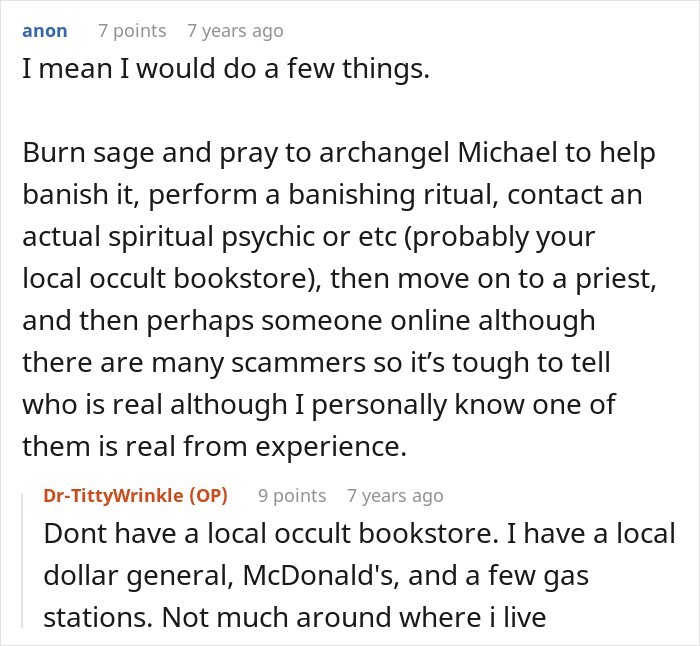
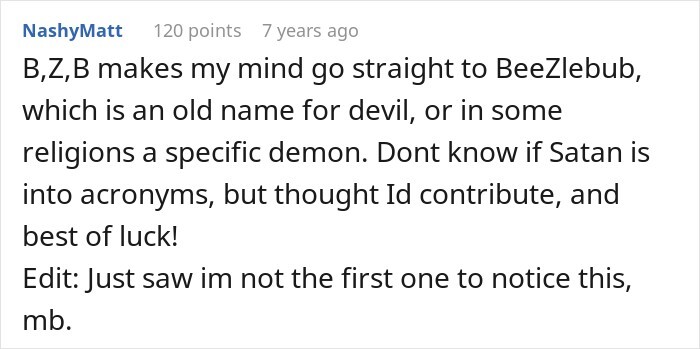
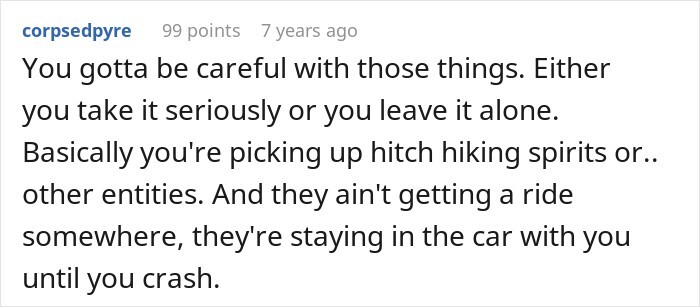
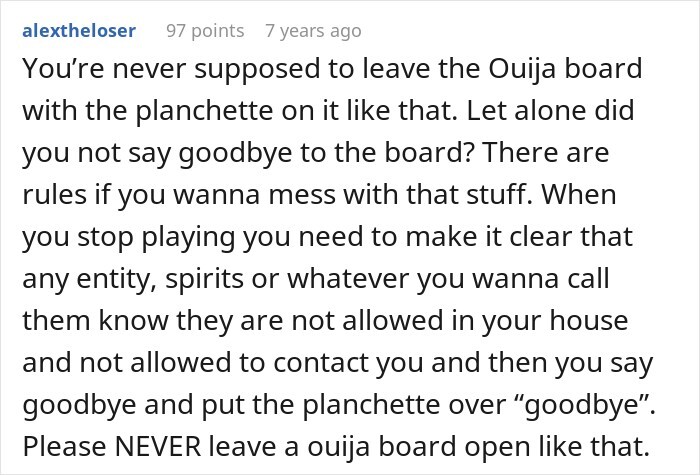
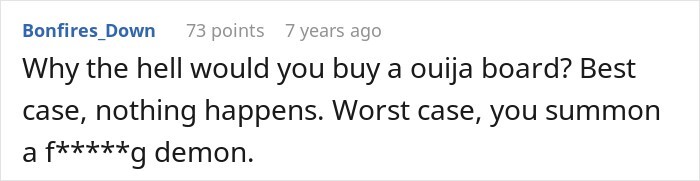
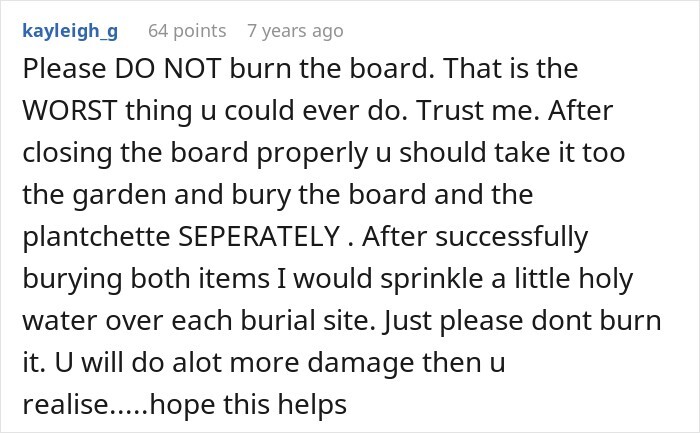
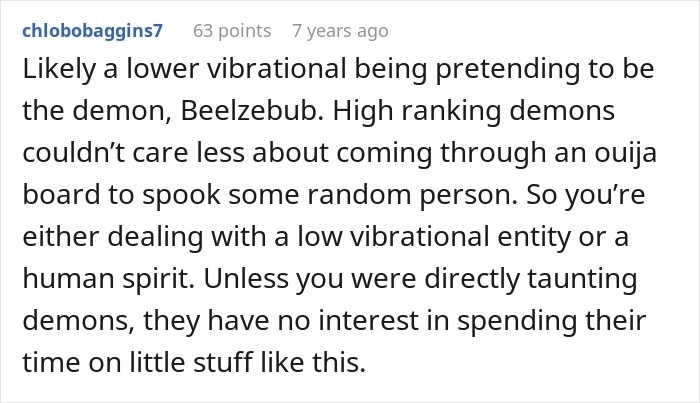
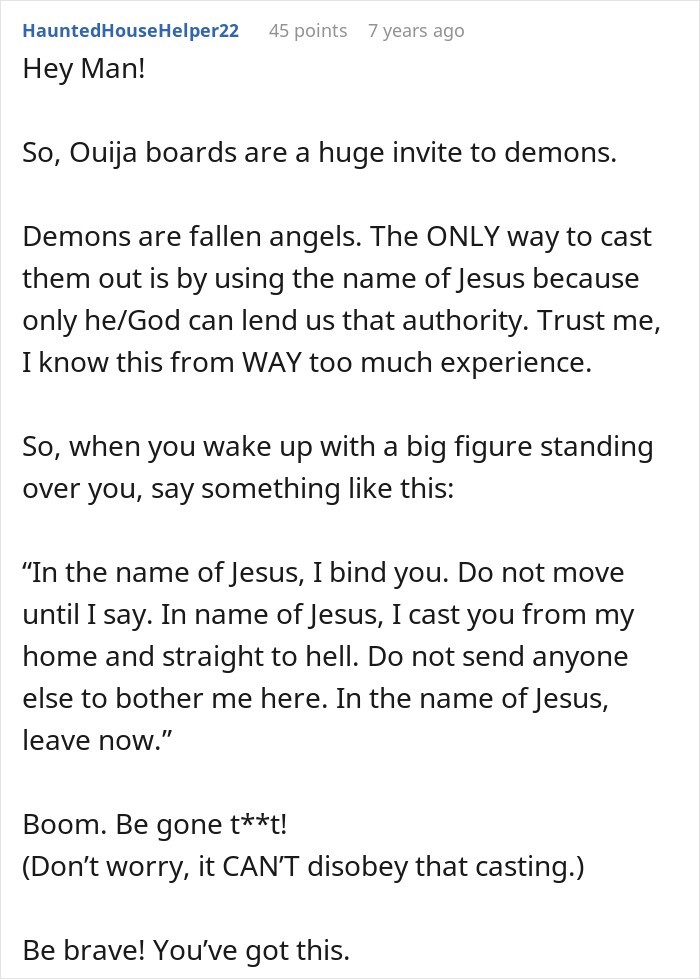
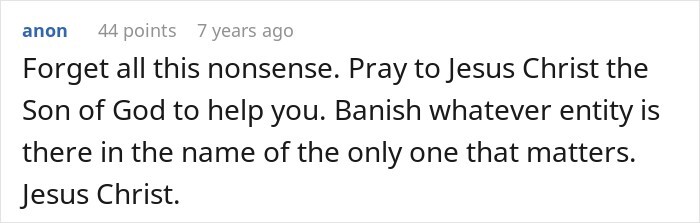
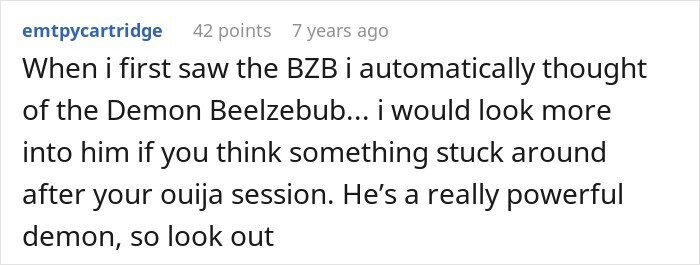
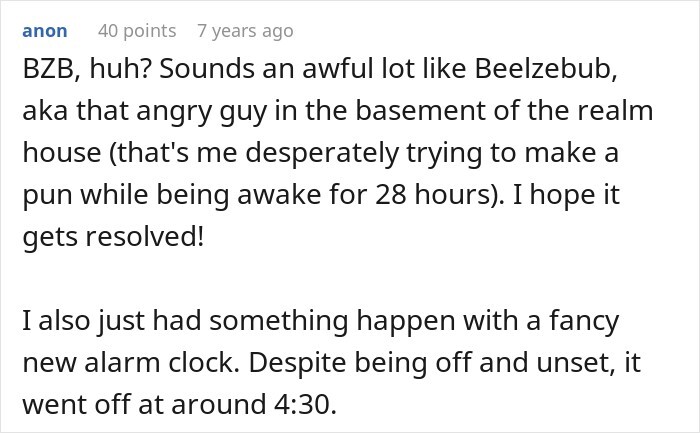
The user gave some more info in response to the comments and the internet had a lot to say about the alleged paranormal activities



 Follow Us