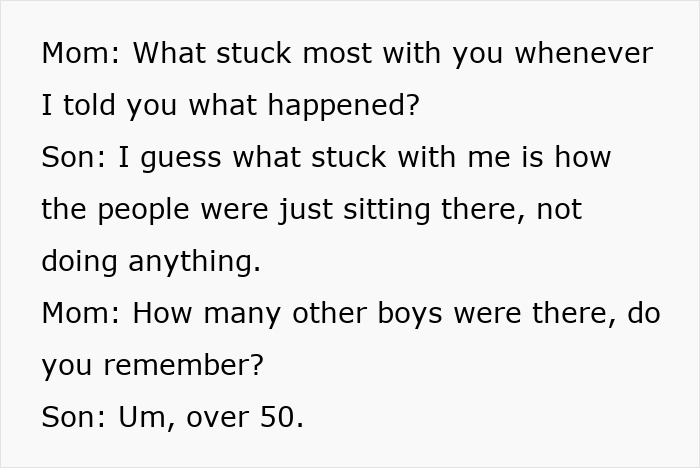
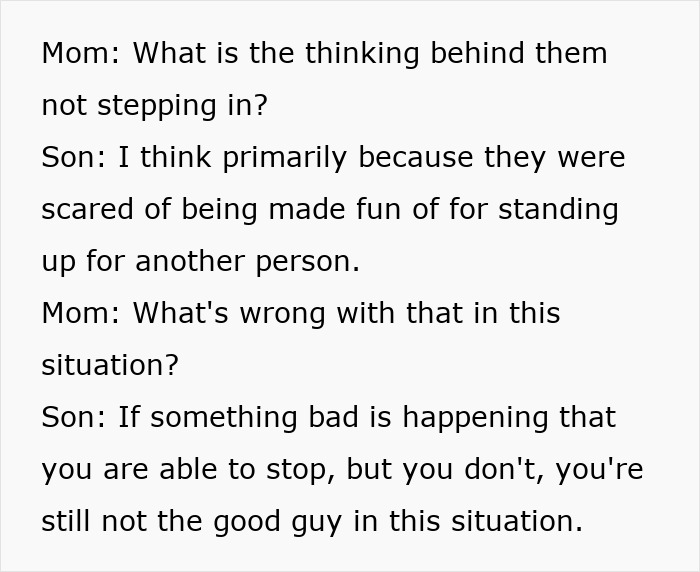
“If something bad is happening that you are able to stop, but you don’t, you’re still not the good guy in the situation.”
A 12-year-old boy said those words. He had just learned about the disturbing details of the Cornell University case. It’s sad that a seventh-grader has more empathy and common sense than adult men, but it shouldn’t shock anyone. Kids learn what they are taught. While plenty of parents accidentally raise passive bystanders (or worse) — others take active responsibility.
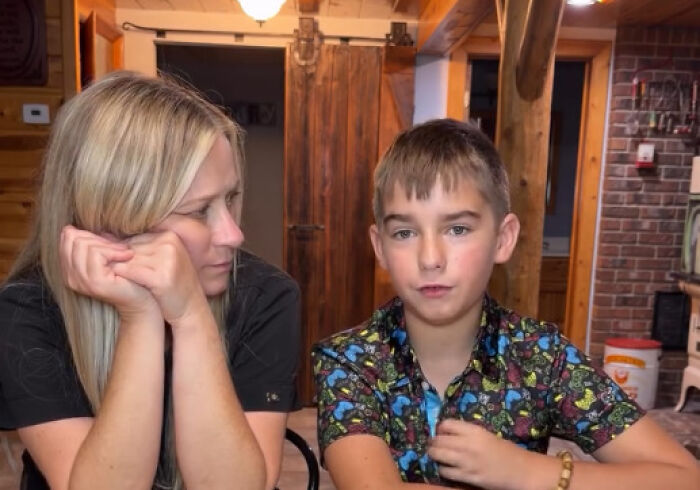
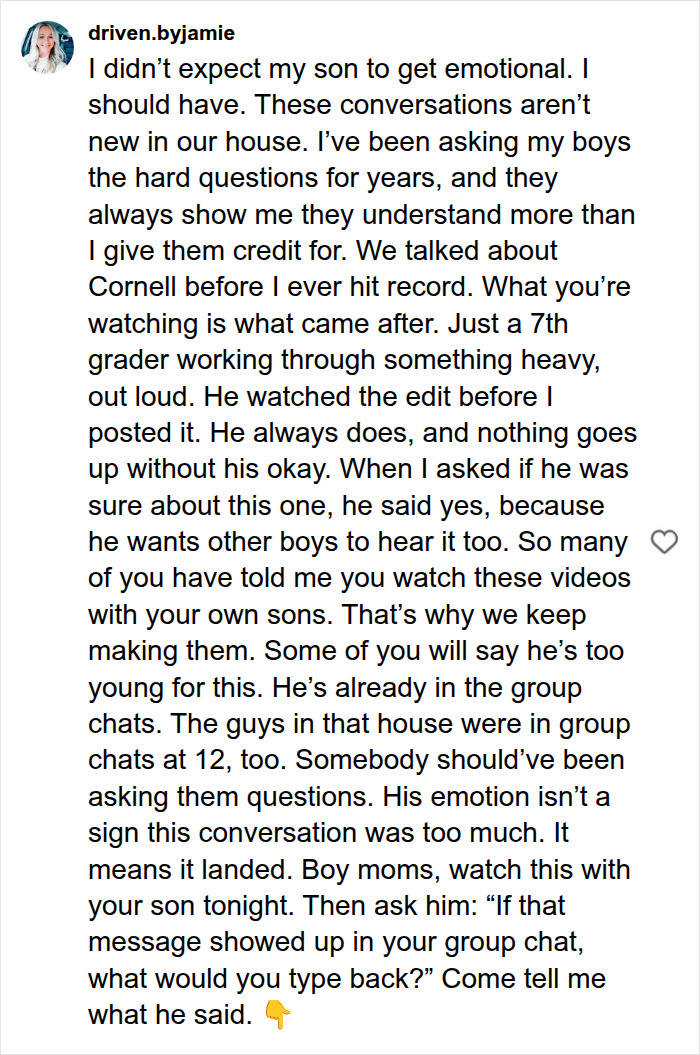
Enter Jamie Mercer. Her recent TikTok video, which documents a raw conversation with her son, quickly blew up, pulling in millions of views. Keep reading to see what she told him, how he reacted, and why this conversation needs to happen across all of society right now — whether you’re a parent or not.
A video of a mom talking to her 12-year-old son about the Cornell case went viral on TikTok recently
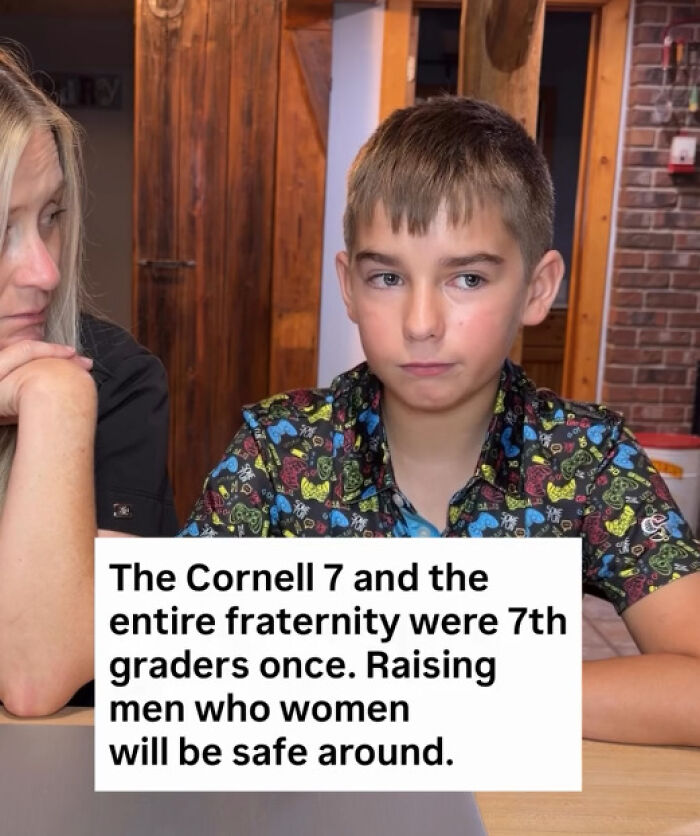

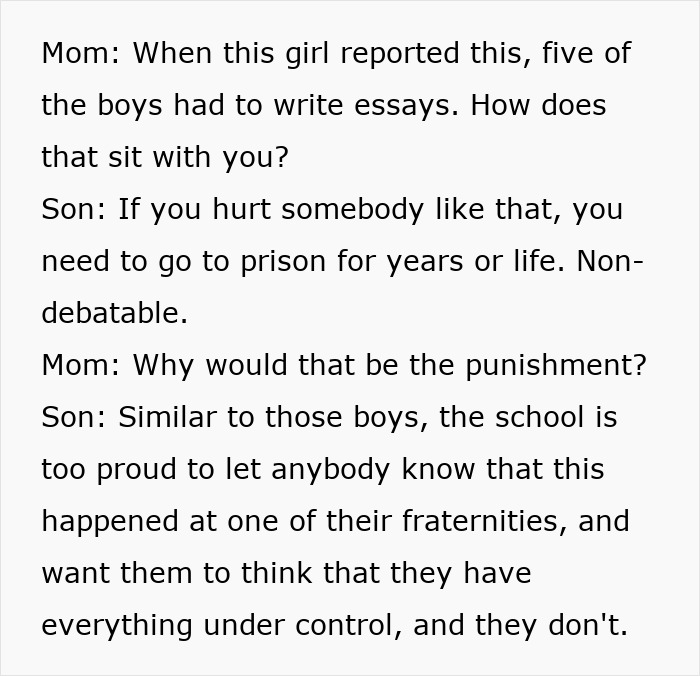
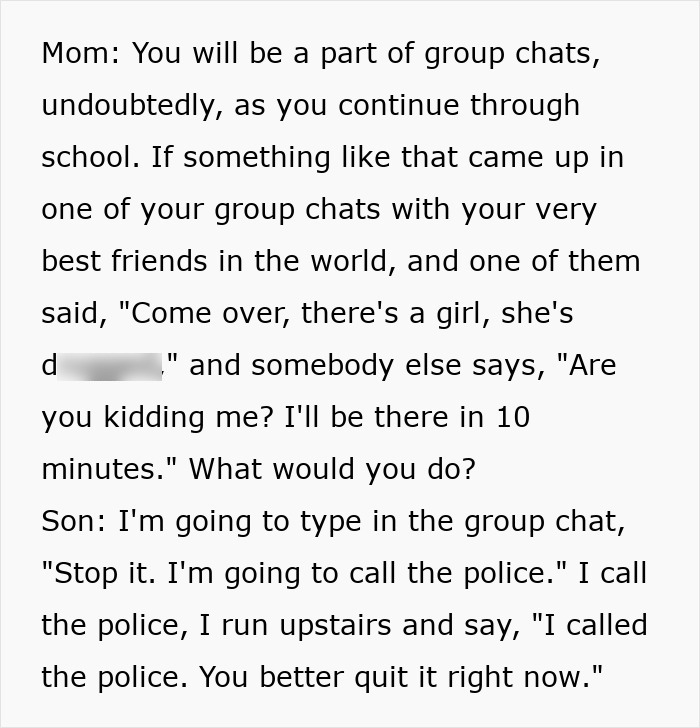
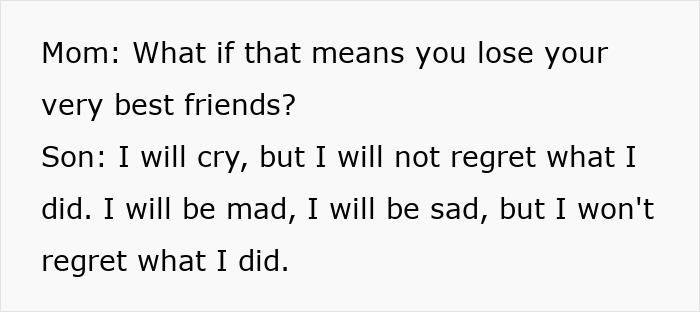
She asks her son different questions about consent and responsibility


magnific / Magnific (not the actual photo)
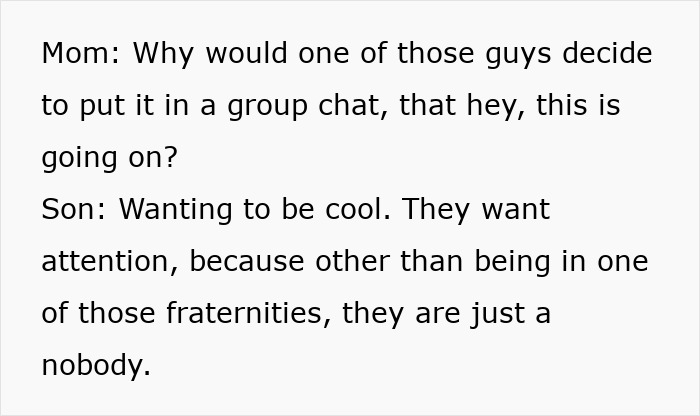
Teaching boys the basic definition of consent isn’t enough
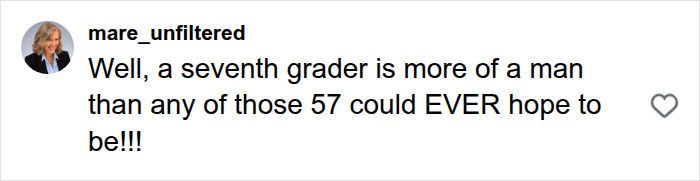
The Cornell case is far from an isolated incident, nor is it confined to a few bad actors. The lawsuit alleges seven men committed the crime, but they were part of a larger Snapchat group chat containing 57 men. Fifty bystanders watched, read, and remained silent — not a single one called the police or helped rescue the woman. This tragic reality sparked an urgent global conversation about how people, particularly men, react when a crime happens right in front of them.
The world has seen this horrifying pattern play out repeatedly. In France, the landmark trial of Gisèle Pelicot exposed how over 70 men actively participated in or enabled years of severe harm. Across Europe and the US, investigations into encrypted Telegram groups have uncovered networks where men secretly share non-consensual images of their wives and partners with thousands of strangers online.
These cases highlight a pervasive issue: a culture built on silence and complicity. Most men who commit these acts today have received formal lessons on basic consent, whether in school or through the internet. But understanding the definition of consent is one thing — having the moral courage to live by it is entirely another.
Jamie Mercer recognized this gap early on and chose to face it head-on at home. Beyond her viral video on the Cornell lawsuit, she consistently posts open discussions with her sons covering feminism, red pill content, even fascism. She is basically giving them the tools to resist toxic peer pressure and ensure they never become passive bystanders in a group chat.
Fortunately, she isn’t alone in this push for change. As the Cornell 7 case continues to draw international attention, parents online are sharing how they are changing the way they raise their sons.
Brian Recker, a former pastor with over 450,000 Instagram followers, uses his platform to candidly discuss how he talks to his own three sons about intentionality. “Men must be willing to break ranks with the patriarchy. This won’t just happen. It’s easy for us to talk a big game, but when a young man is faced with the possibility of social ostracization from his friends, it can be difficult to speak up. That’s why we as parents must prepare our sons for these moments.”
Even on platforms like Reddit and Facebook groups, parents are actively swapping advice on how to bring up these sensitive conversations at home. But their fear isn’t just that their sons might commit a crime — it’s that they’ll stand by as silent observers while someone else does.
Just this week, an Irish comedian was forced to apologize for making vile “jokes” about content creator Rebecca Goodwin during her ongoing assault trial. The worst part? He was surrounded by other comedians, yet not a single person called him out or told him to stop. Instead, everyone just laughed along — proving once again how easily society enables a culture of harassment.

bearfotos / Magnific (not the actual photo)
If parents don’t initiate these conversations, the darkest corners of the internet gladly will
For many parents, bringing up topics like violence against women, peer pressure, and complicity feels daunting. They worry about saying the wrong thing, getting an awkward reaction, or introducing heavy concepts too early. Yet, decades of research show that open, honest communication between parents and teens directly leads to healthier relationships and safer choices.
Adolescence is the stage when young people try to figure out who they are. To test their independence, they start making decisions away from their parents — and some of those decisions carry real risks. But despite their push for autonomy, teens still crave parental love and guidance, even if they refuse to admit it.
Experts note that even when teenagers start prioritizing their friends’ opinions, they still rely on their parents as anchors for major life decisions. “One of the most powerful messages you’re sending when you’re willing to have these conversations is that you are a person who they can talk to, and you are demonstrating that you are unafraid of these topics,” explained Sumi Raghavan, a psychologist who also shared on social media how they spoke to their kids about the Cornell case.
However, experts caution that parents shouldn’t treat these talks as a box to check. Quality matters, but so does frequency — bringing up these topics naturally over time builds real trust. Teens also open up far more when they know their parents won’t judge or lecture them. That’s why asking questions when the news highlights such cases and practicing hypothetical scenarios beforehand can help teens become better human beings.
While any parent can start these conversations, experts highlight the crucial role that fathers and male role models play in shaping how young boys treat women. “Boys learn who they’re allowed to be by observing men they’re attached to or surrounded by. Before a boy can even understand the meaning of the word ‘consent,’ his nervous system is taking in information by watching how Dad speaks to Mom, how Dad expresses anger and emotions, how his older brother treats his sister, how an uncle reacts when a woman says no,” says Chloë Bean, a licensed marriage and family therapist.
In an internet age dominated by manosphere groups and radicalizing online spaces, toxic views on women can easily influence teen boys and even adult men. That is why conversations like this are necessary.
This issue isn’t just about what happens at a single college fraternity or inside a teenage group chat. It affects the safety of our schools, workplaces, relationships, and communities. Every single person — whether you are a father, a mother, an uncle, a manager, or a friend — plays a direct role in setting the standard for acceptable behavior.
Here’s the full video of the conversation between the mom and her son:
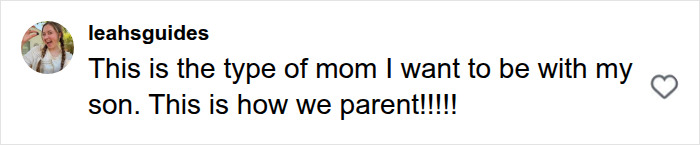
The mom encouraged parents to stop shying away from uncomfortable conversations with their kids
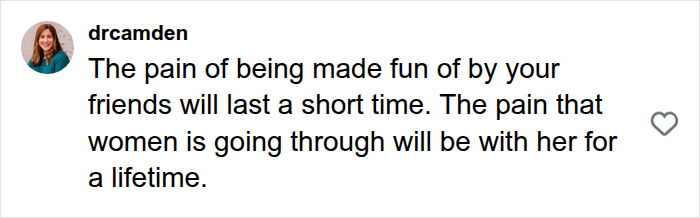
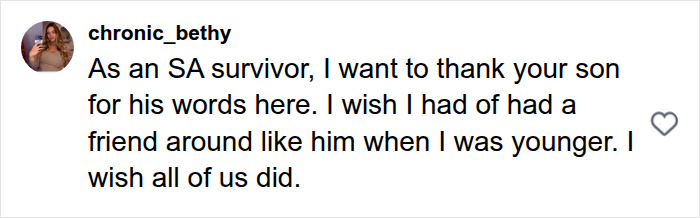
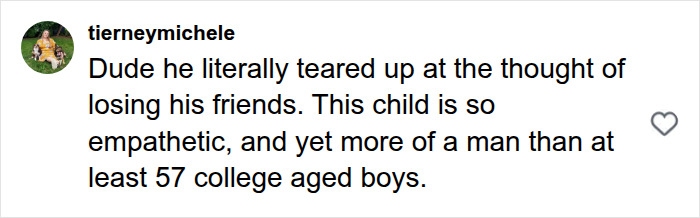
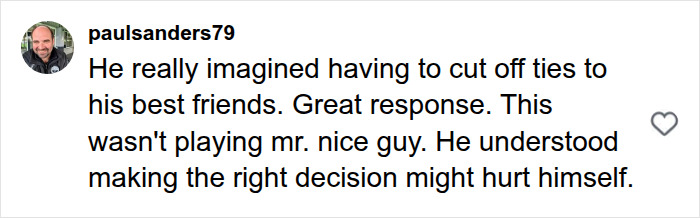
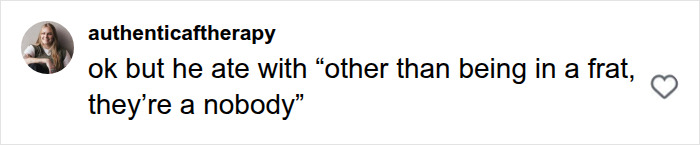
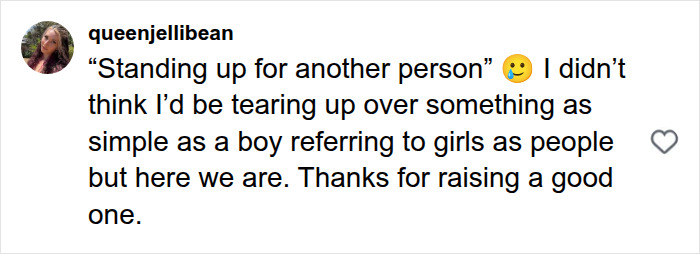
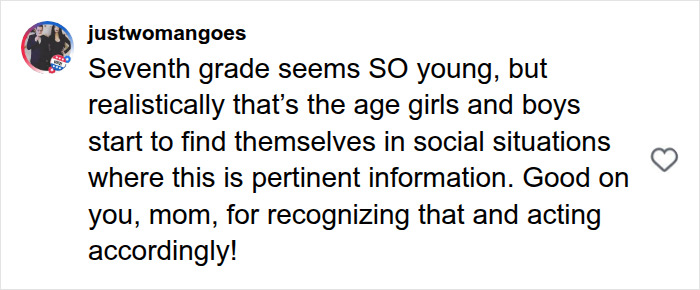
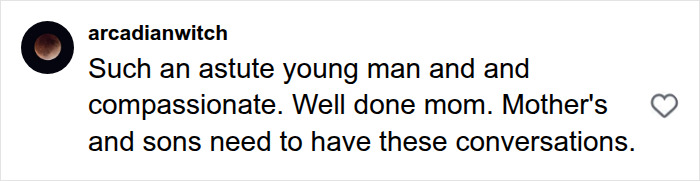
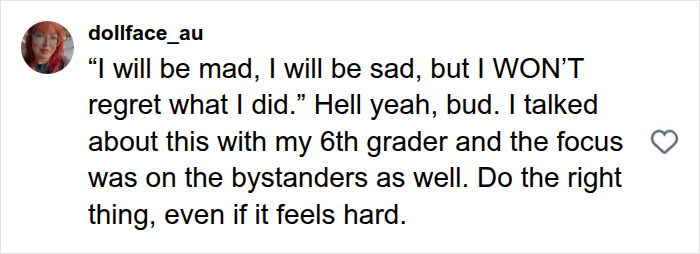
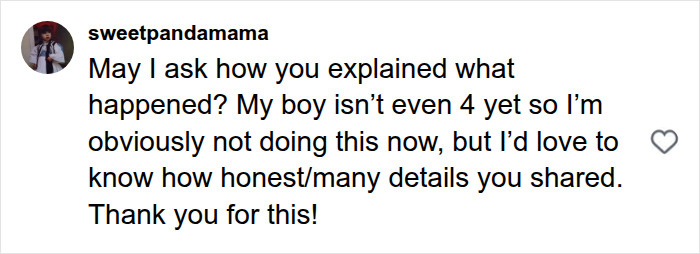
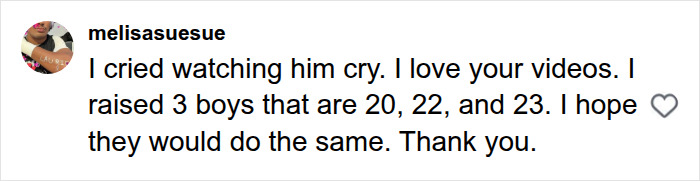
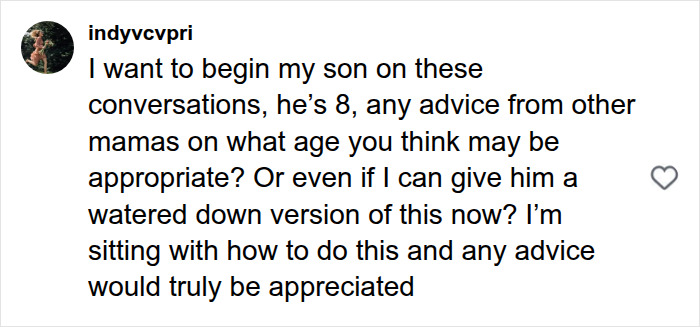
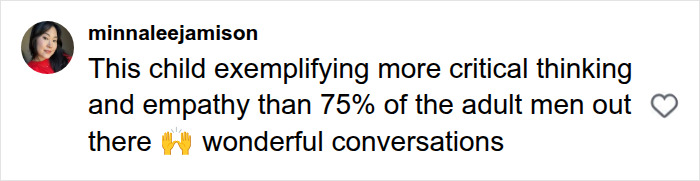
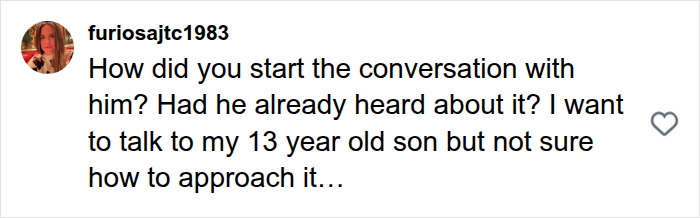
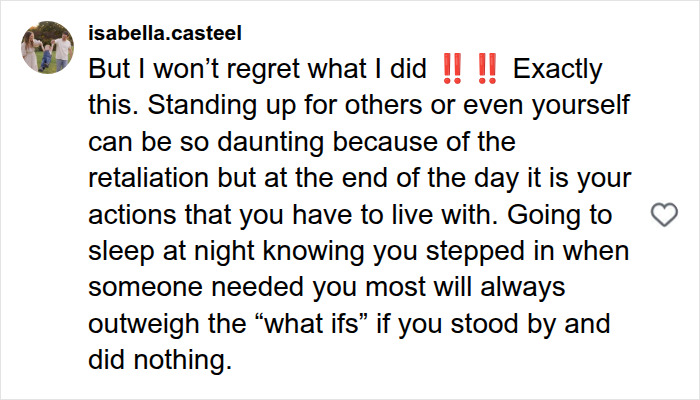
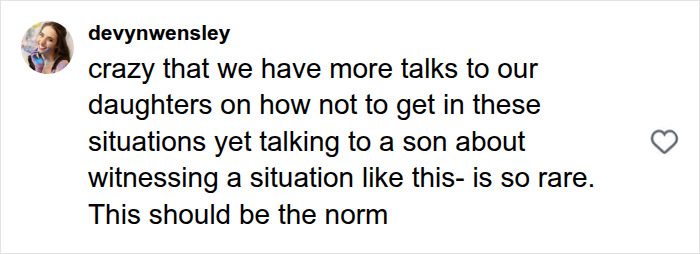
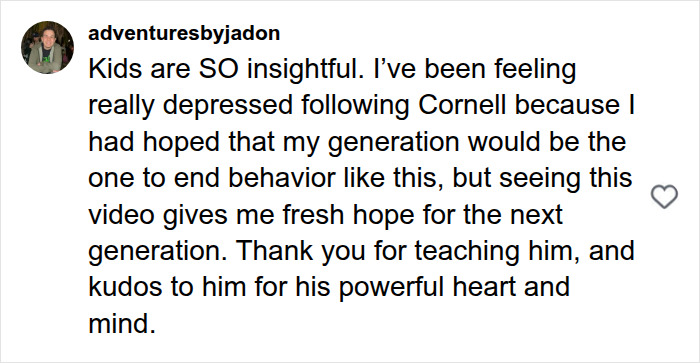
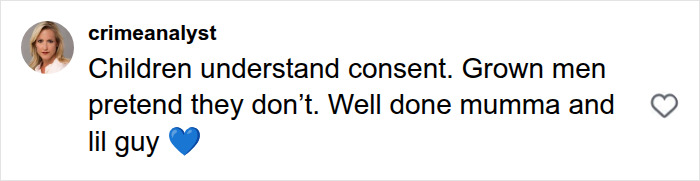
The video sparked a much-needed discussion about raising respectful boys

















 Follow Us