Medicine is fascinating, and it has evolved a lot over the centuries into the high-tech, in-depth process it is today. That said, we often forget how many cool and amazing things the medical community has made possible, and we definitely need a reminder.
That’s why the ‘History of Medicine‘ community, which was created in 2012, shares regular posts about the evolution of this field, the people who made it into what it is today, interesting treatments, and other shocking facts that most folks would never expect. That’s exactly what you’ll find in this list, and hopefully it will show you just how amazing medical science truly is.
#1 14 Year Old Leonard Thompson Becomes The First Person To Receive Insulin In 1922 At Toronto, For Type 1 Diabetes, A Highly Life Threatening Disease Then. He Would Recover And Live Till 26. Frederick Banting Was Awarded The Nobel For This Discovery Of His
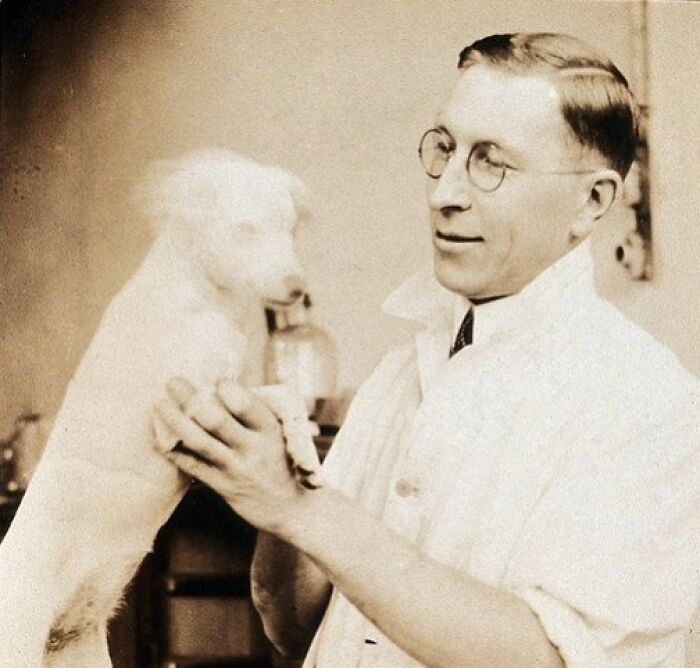
Image source: [deleted]

#2 Wishard Hospital Infant Operating Room, C. 1916
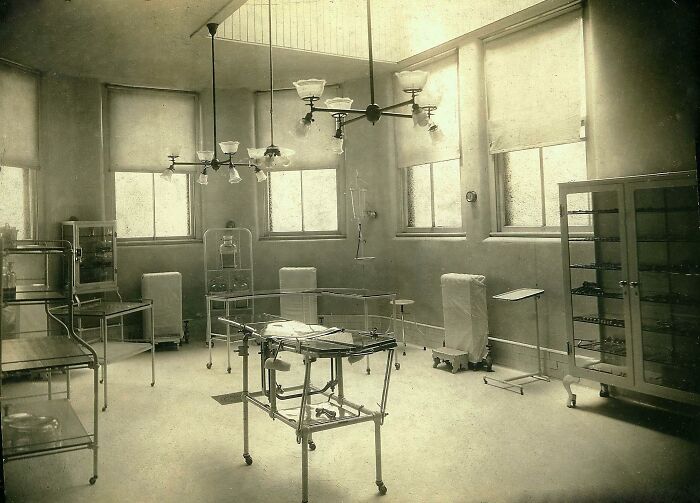
Image source: indianastatearchives
#3 Civil War To Late Victorian Era Medical Books And Devices Found At An Estate Sale In Georgetown, TX
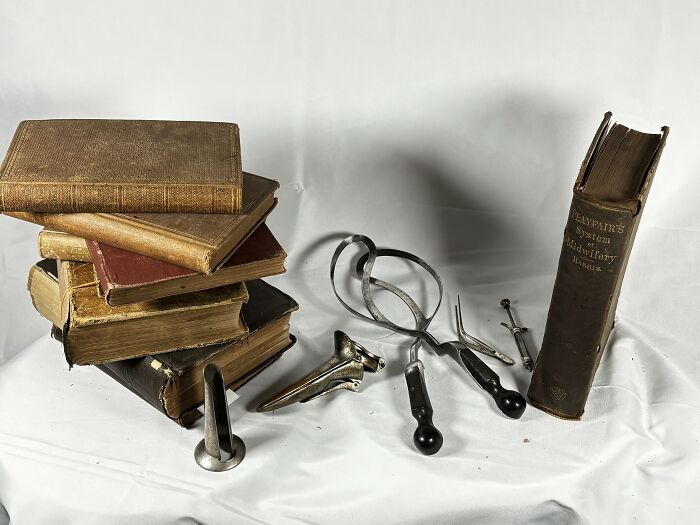
Image source: ConcernedBirdGuy
In the early days of medicine, there was a lot of trial and error. According to Britannica, people had to figure out which plants could be eaten, which to avoid, and which had healing properties. This is mainly what folk medicine was about, and people spent a lot of time using natural remedies to heal diseases.
Even though people accepted health problems as a regular part of life, they were still suspicious when folks passed away. If anyone experienced a serious or disabling medical problem, it was considered the result of supernatural forces, and spells would be cast on the individual to rid them of the evil.
#4 British Medical Chest, C. 1805
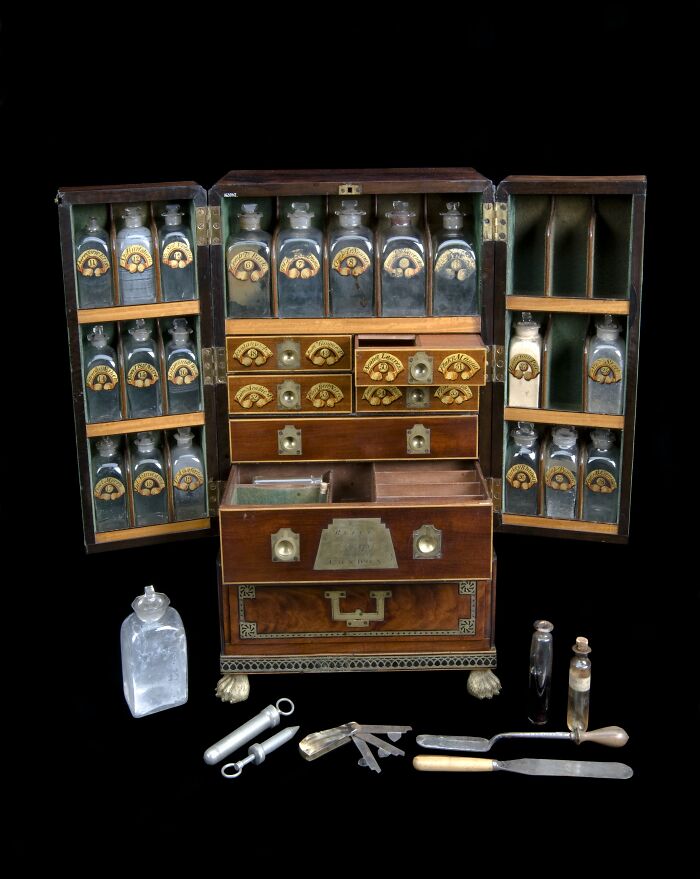
Image source: chubachus
#5 📜 My Oldest Book!! A 1797 American Printing Of Domestic Medicine By William Buchan, M.d
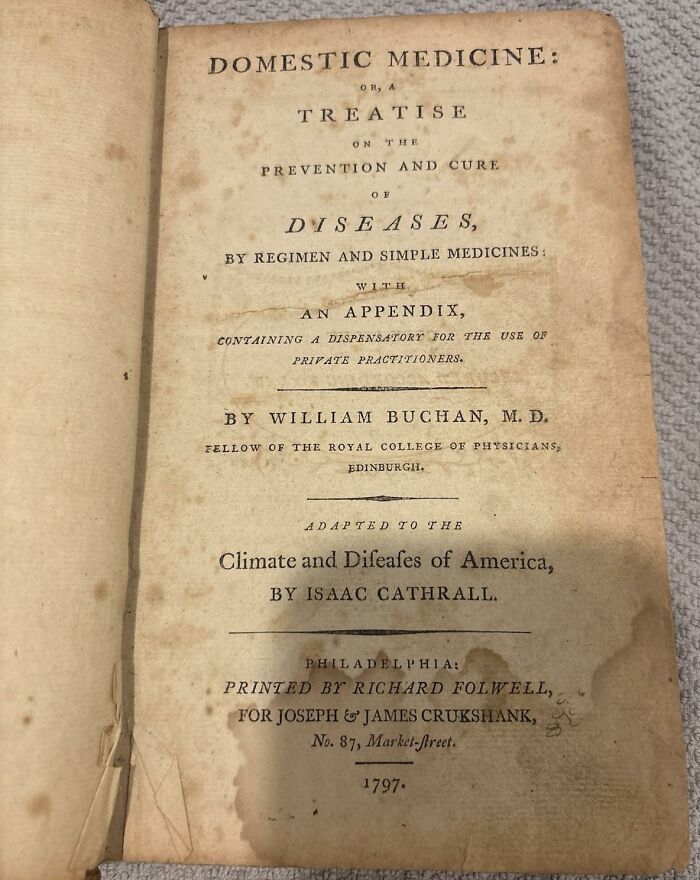
Image source: clever_soul
#6 Alexander Fleming, Discovers A Bacteria Clearing Mold In 1928,in His Lab At St.mary’s Hospital, London, When He Observes That Colonies Of Staphylococci Around The Mold Were Destroyed. This Would Lead To Discovery Of Pencilin Later On
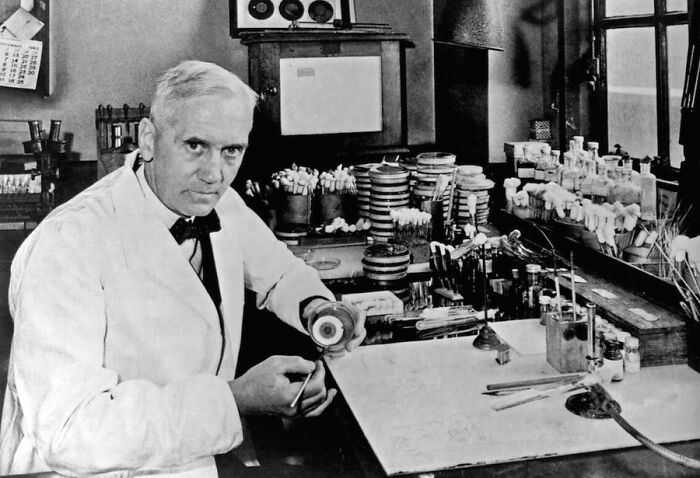
Image source: [deleted]
What’s interesting is that magic and religion played a major role in medicine in prehistoric and early human society. People would administer vegetable remedies orally, then use incantations, dancing, grimaces, and magic tricks to try to solve the sick individual’s problems.
That’s why the first physicians were also called medicine men or witch doctors, as they used charms and talismans to make people better. These healers might have used primitive techniques, but the wisdom underlying their work was that they focused on the individual’s entire body, soul, and mind.
#7 Traveling Doctor’s Kit From The 1800’s
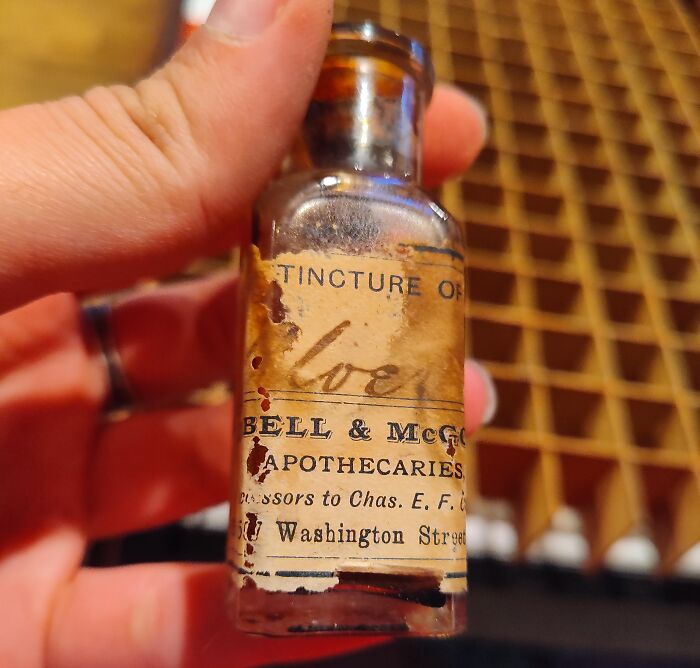
Image source: Peneumbra13
#8 Luis E. Miramontes Completes The Synthesis Of Norethisterone In 1951, One Of The First Oral Contraceptives To Be Invented. It Would Be Introduced For Medical Use In 1957, And As A Birth Control Pill Along With Estrogen In 1963 Later
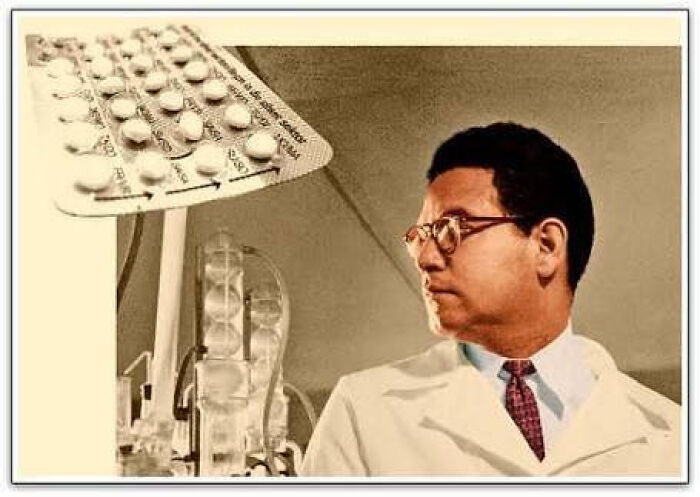
Image source: [deleted]
#9 J.f. Hartz Co. Antique Medical Table. Nb, Canada
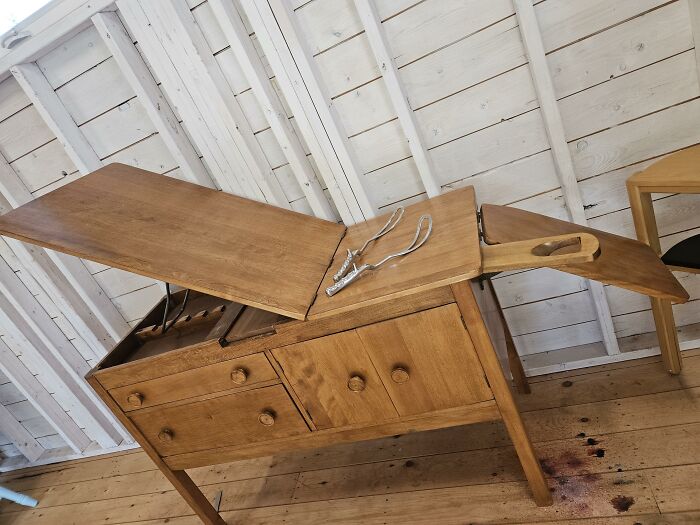
Image source: Quiet-Screen-9296
Many interesting medical stories date back to ancient Egyptian times, and one is about the first known physician, Imhotep. He was a chancellor to King Djoser around 2600 BC, and the tales of his work were not written until about 2,000 years after he passed. People believed he had incredible healing skills and equated him with their gods of medicine, giving him near-deity status.
Many old medical texts also came from the Egyptians and were written on papyrus to describe different healing practices. One was called the Ebers Papyrus, and it contains more than 700 prescriptions for natural and magical remedies.
#10 Explored An Abandoned Hospital With Old Medical Equipment Left Behind
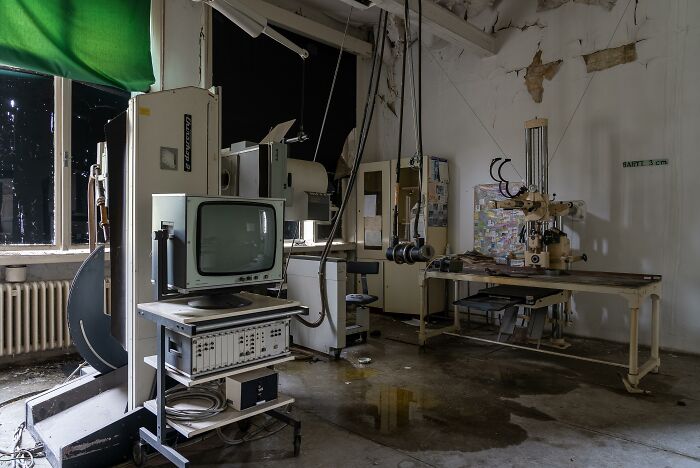
Image source: BWT_Urbex
#11 1860s Field Medical Kit
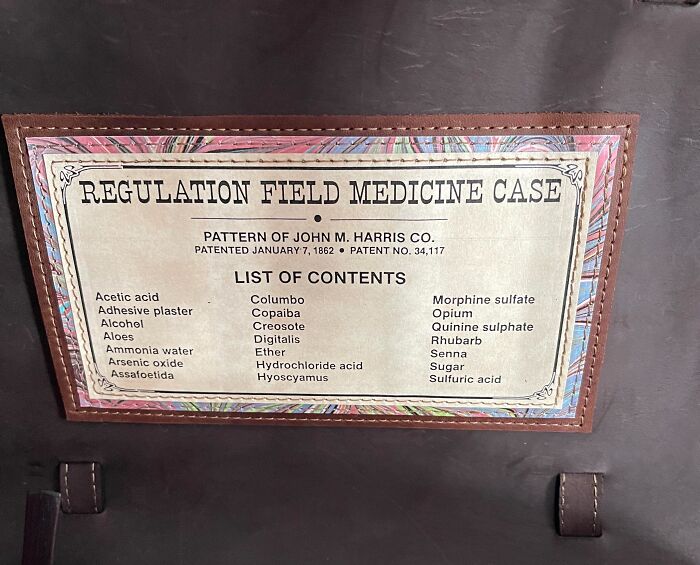
Image source: FeanorsFamilyJewels
#12 Doctor’s Diet Orders For Four-Month-Old Baby, 1951
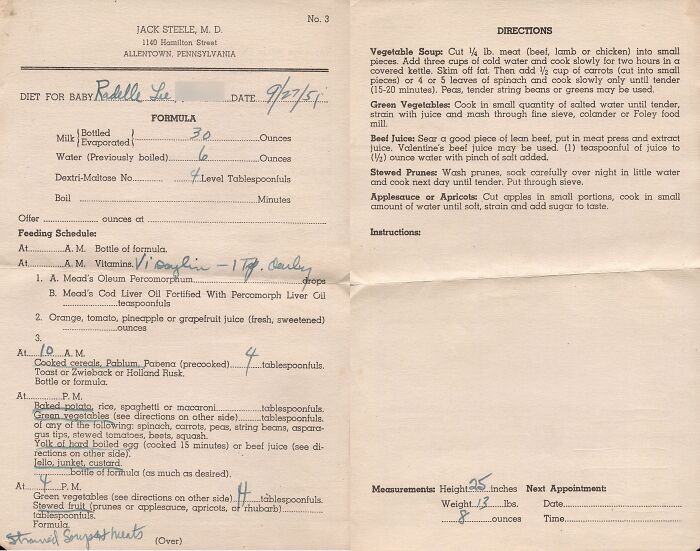
Image source: atkulp
Many interesting beliefs in medicine have lent themselves to good stories. According to research by Osmosis, one is about emergency rooms being fuller on full moon nights. This might seem plausible because the Earth’s moon has been shown to affect things like sleep and mood.
Still, researchers haven’t found a strong enough connection between moon phases and accidents or violent behavior. More than 40% of medical staff believe the lunar cycle can affect how humans act, but science has yet to provide solid proof.
#13 This Is The First-Ever Photograph Of A Surgery, Taken In 1847 In Boston
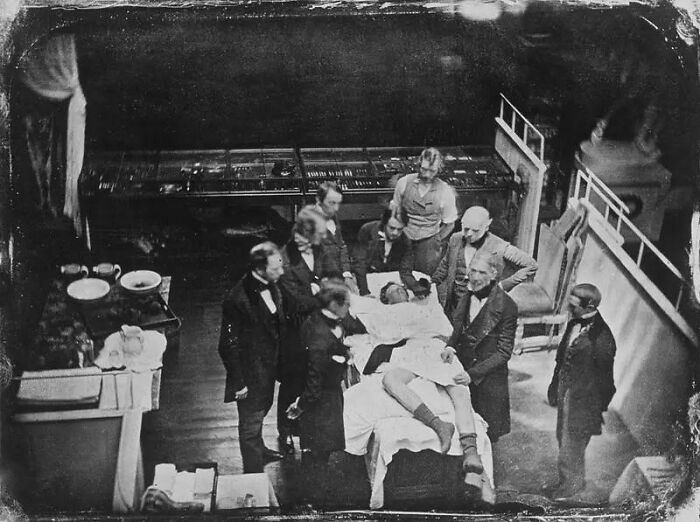
Image source: Ordinary_Fish_3046
#14 Edwin Smith Papyrus, The World’s Oldest Surviving Surgical Document (CA. 1600 Bce)
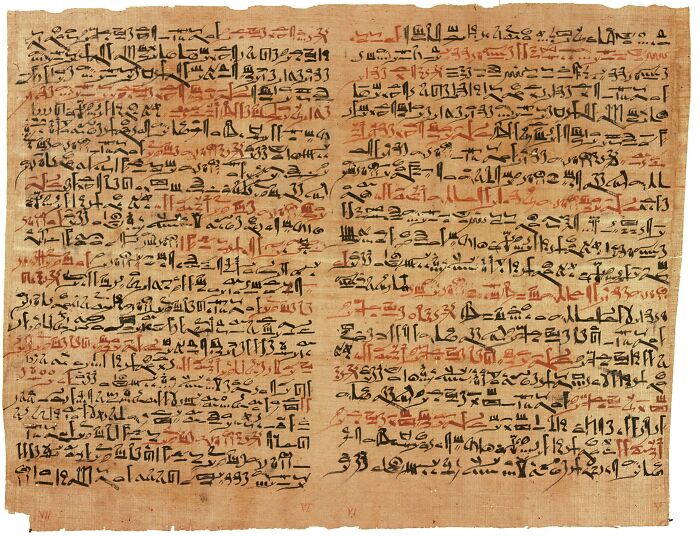
Image source: [deleted]
#15 Thanksgiving Meal Boston City Hospital, 1894
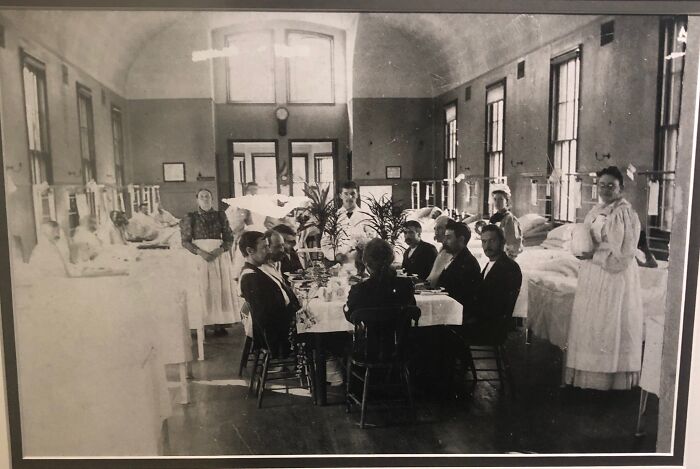
Image source: eosinophart
At one point in medicine, the tongue proved to be an obstacle to doctors getting a clear view of a person’s mouth and throat. That’s why, around 1843, a bizarre medical journal declared that this organ was “the map of the empire of disease,” prompting many professionals to use it to diagnose a person’s maladies.
People believed the sides of the tongue could indicate kidney problems, the tip could signal intestinal problems, and the edges could suggest brain issues. Over time, this mapping behavior was debunked, and doctors no longer thought it could magically reveal every disease.
#16 Very Rare..the Father Of Modern Neurosurgery Dr Harvey Cushing
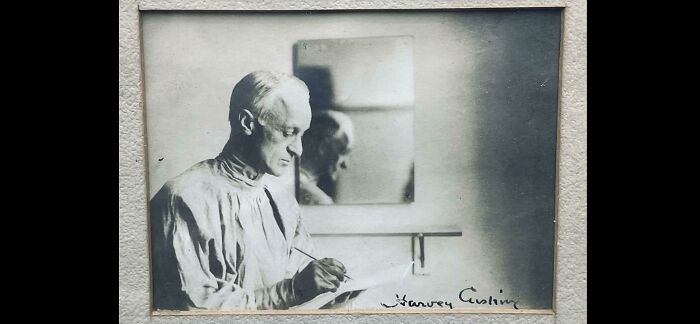
Image source: MisterListerReseller
#17 Us Surgeon General Dr.luther Terry Publishes His Landmark Report On Smoking And Health In 1964, That Established A Clear Link Between Cigarettes And Cancer, That Would Create Awareness On The Ills Of Tobacco And Drive The No Smoking Campaign
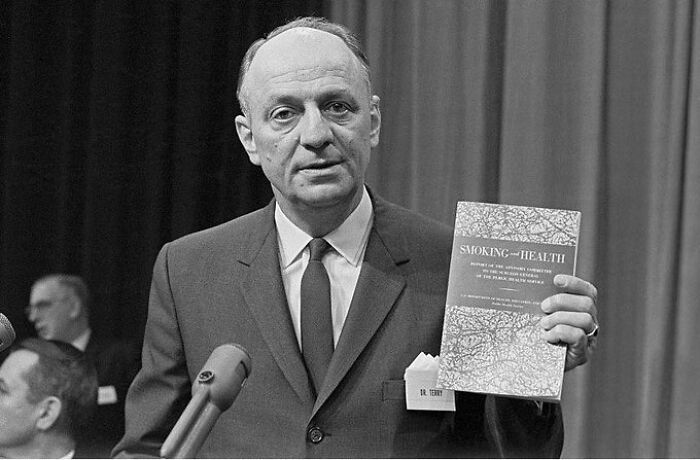
Image source: [deleted]
#18 A Group Of Surgeons From Across North America Circa 1910
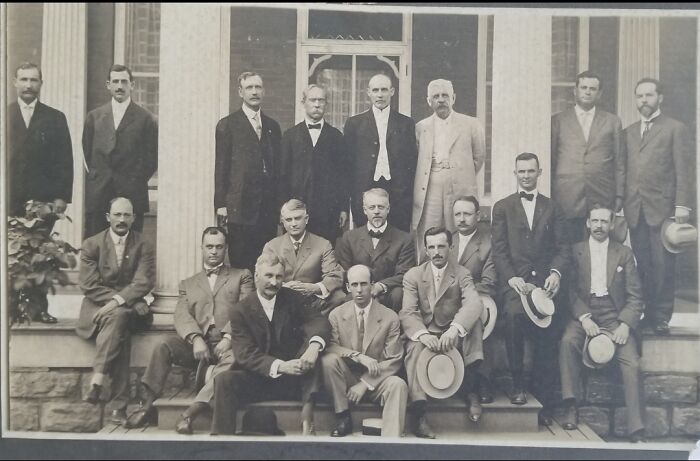
Image source: sockeyemoon
Medical history is full of amazing physicians and professionals who did their best to improve their patients’ lives and healthcare worldwide. According to research by Black History and Heritage, Dr. Ben Carson was one such person who pioneered an operating technique known as a Hemispherectomy. The operation is performed on children to remove inflammation in the brain, which can reduce seizures.
This doctor also successfully separated seven-month-old German twins that were conjoined at the head in 1978. This intense operation lasted for 24 hours, and Dr. Ben Carson had to surgically dissect their brains. He then covered their skulls with surgical mesh that helped the bone to regrow.
#19 Earliest Known Dentistry From Mehrgarh, Pakistan, 7000-9000 Years Ago
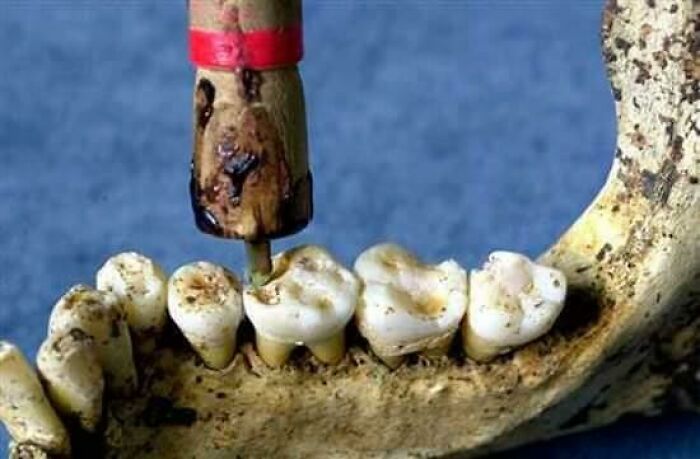
Image source: AwarenessNo4986
#20 A Very Small Part Of A Massive Collection Of Antique Medical Supplies And Medicine. United States
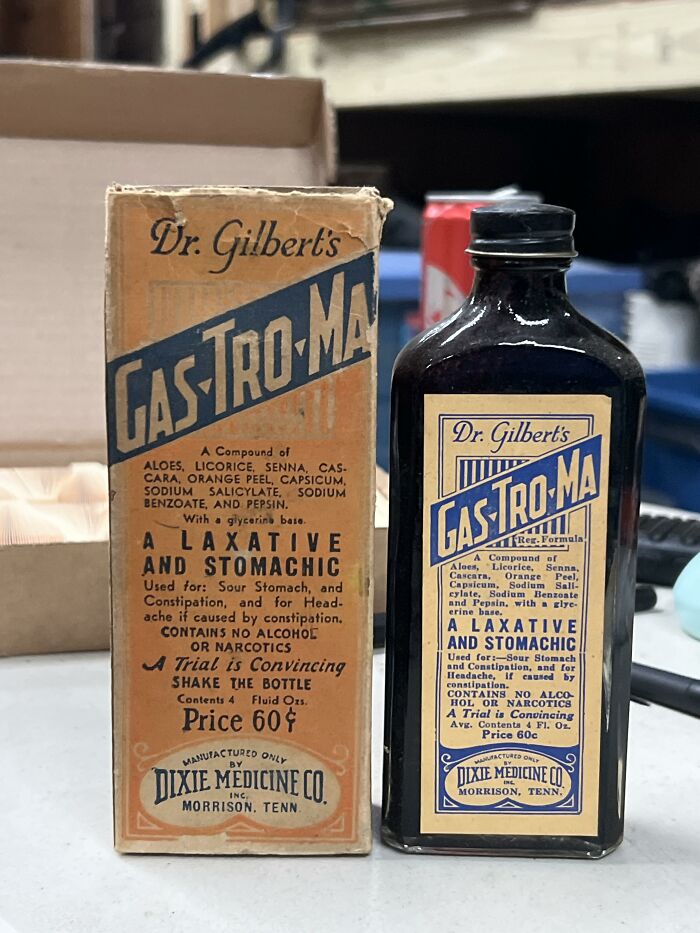
Image source: That_Guy_Bardly
#21 Found Some Old Medicine In A River!
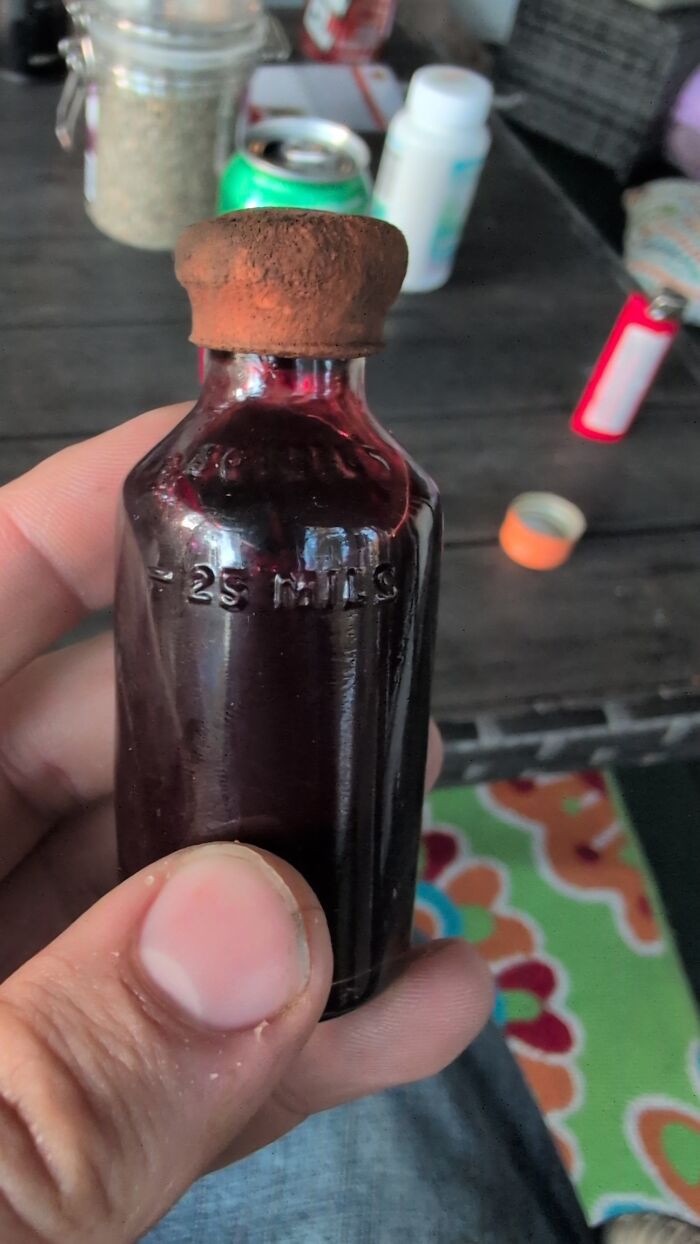
Image source: Tricky_Cook_5088
An interesting medical professional from Montgomery, Alabama, was Percy Lavon Julian, who graduated from DePauw University with a degree in chemistry. He also earned a master’s degree and a doctorate and secured 115 patents during his career. One of his inventions was to synthesize and identify physostigmine, which helps treat glaucoma and improves memory in Alzheimer’s patients.
His chemical could also be used as an antidote to nerve gas. This medical researcher also invented a fire-extinguishing foam used to control petrol fires during World War 2, and he later developed a way to filter chemicals from soya bean oil that could help produce hormones for medical applications.
#22 In 1952, The First Successful Separation Of Conjoined Twins Joined At The Head Took Place In Illinois
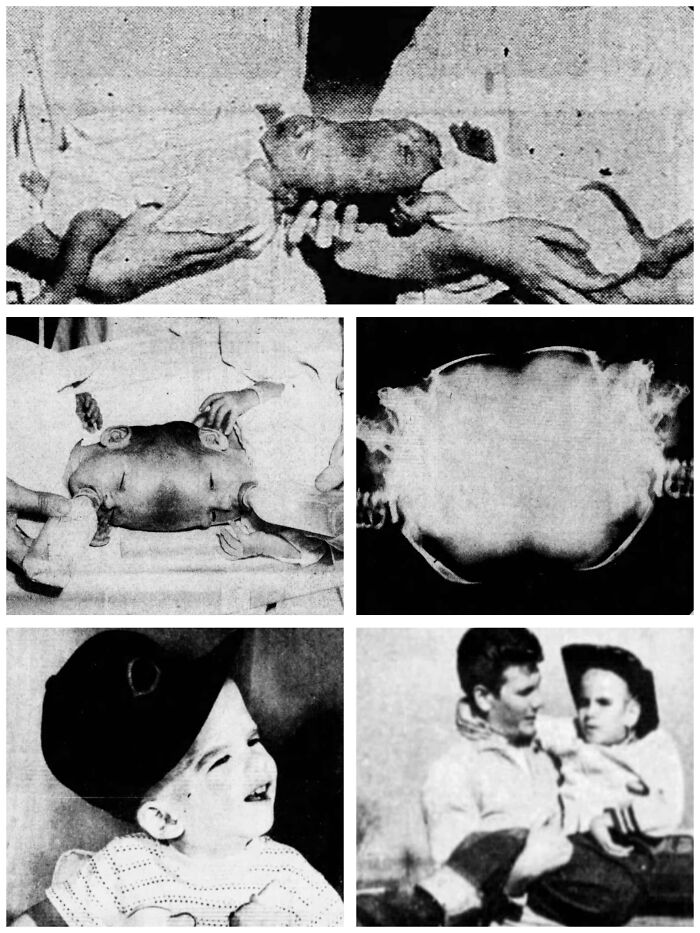
Image source: dark-air
#23 Ship’s Medicine Chest, America, 19th Century
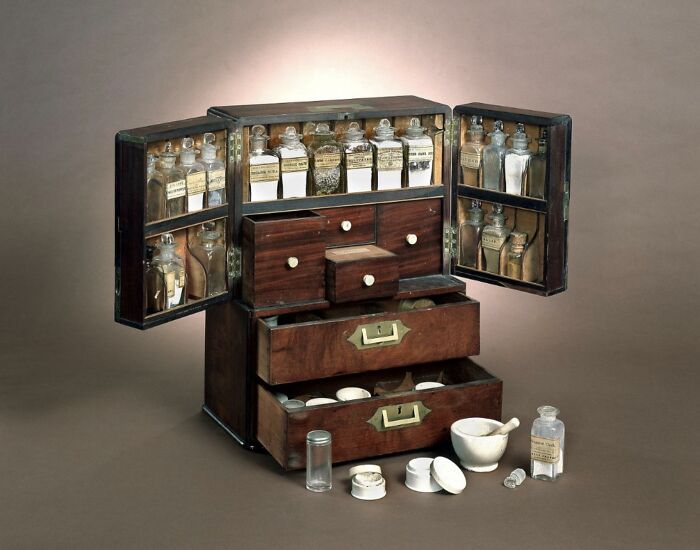
Image source: [deleted]
#24 Here’s Some Fun Stuff, Has Belladonna In It
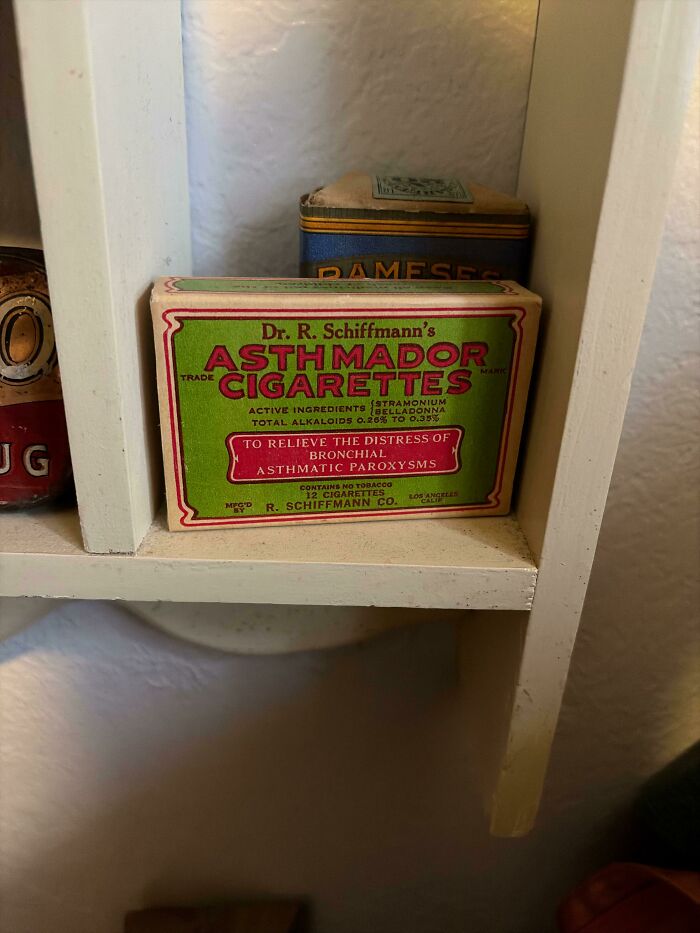
Image source: ztoopidpete
There’s never an end to interesting medical facts, and one awesome one was when the first anesthesia was given to patients in 1842, which finally protected them from feeling so much pain. According to research, it all began when university students went to parties and breathed in a newly discovered gas called ether.
One day, a doctor named Crawford Long noticed that students who’d breathed it in and then got injured didn’t feel any pain. So he figured the gas would be useful for people undergoing operations, and his hunch turned out to be right.
#25 A Recent Donation
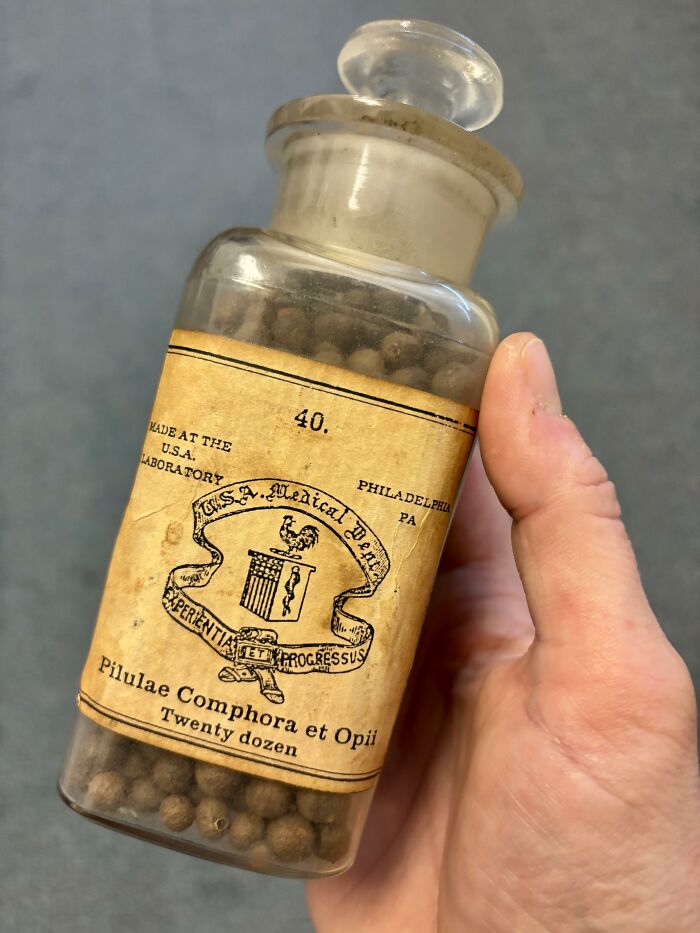
Image source: Helpful_Examination9
#26 “Physical Therapy At Bath Hospital. Watercolour By E. Horton, 1918.”
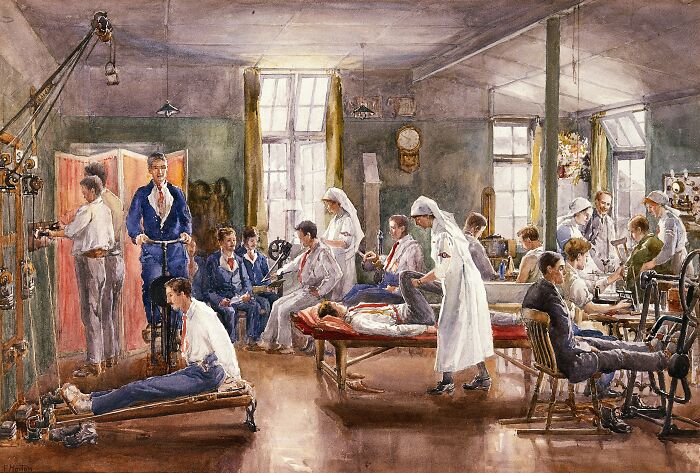
Image source: chubachus
#27 10 Years Ago My Neighbor Sold Her House And Left This Book In A Box On The Curb. Tokology, Alice B. Stockham, 1893
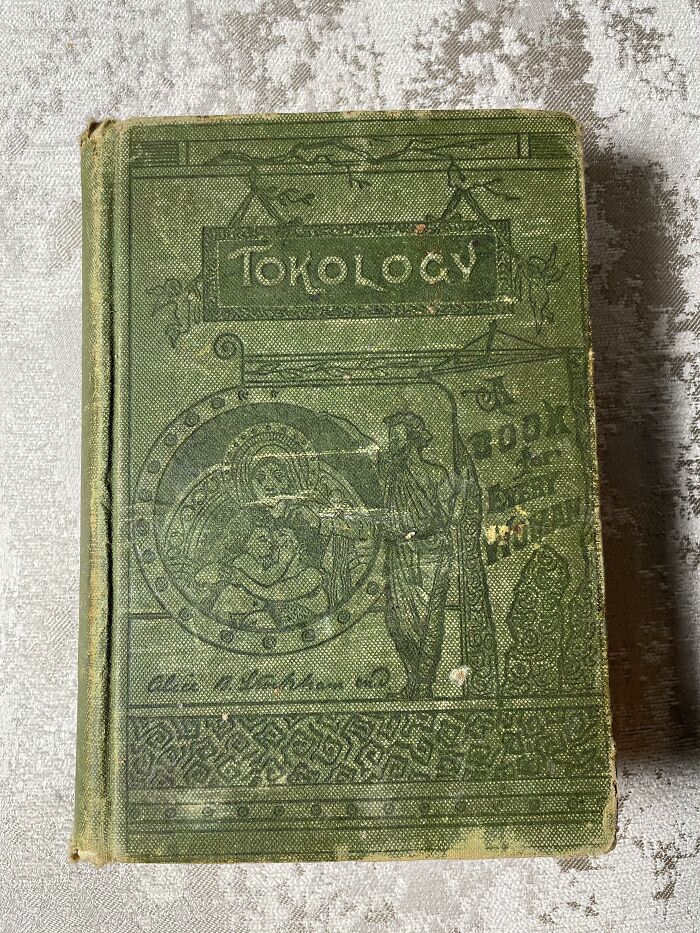
Image source: WuTangItsOnYourBrain
The history of medical practices and facts about amazing things doctors have done never fail to be surprising. It’s often mind-boggling that science has progressed so much, but it’s even more fascinating that people in the past figured out so much without all the modern tech and knowledge we have today.
Do you know any interesting medical facts? We’d love to hear them too.
#28 Nurse’s Handwritten Notebook From 1917 – St. Luke’s Hospital NYC
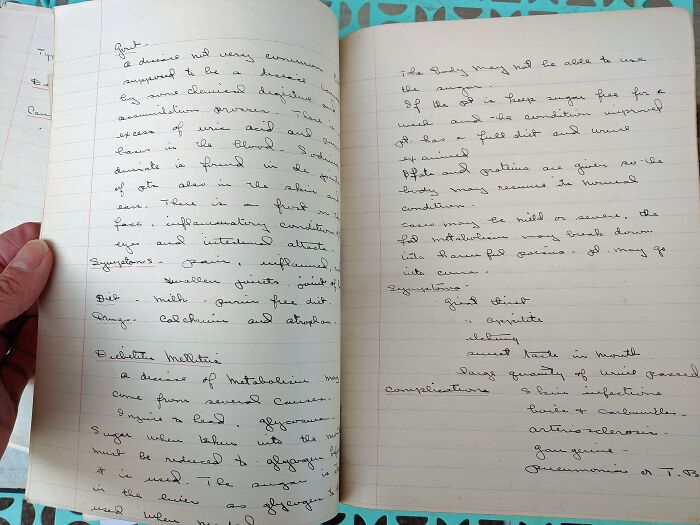
Image source: VonDrake3
#29 The Agnew Clinic, Thomas Eakins, 1889, [4724 X 3186]
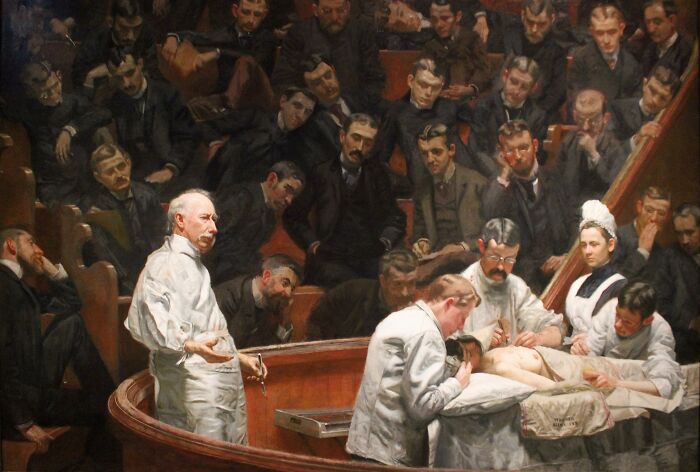
Image source: Tokyono
#30 A Young Patient Attached To The Kolff-Brigham Drum Dialyzer, The First Commercial Dialysis Machine
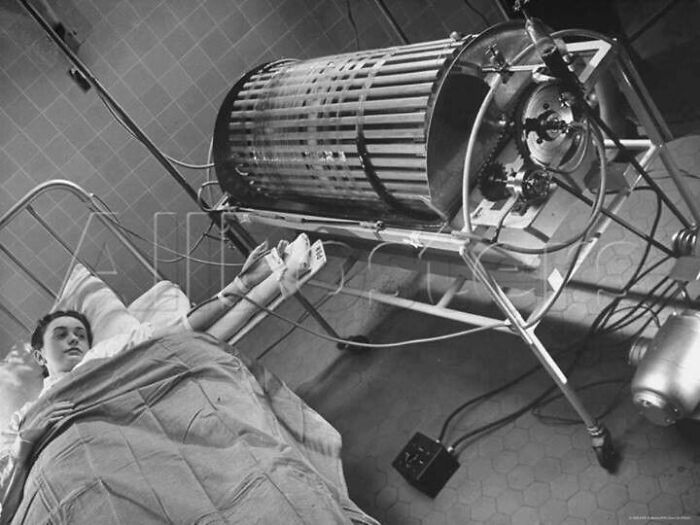
Image source: BedsideRounds
#31 Photograph Of Malariotherapy — Nobel Prize-Winning Treatment Of Intentionally Infecting Patients With Malaria To Cure Syphilis (1934) (X-Post R/Medicine)
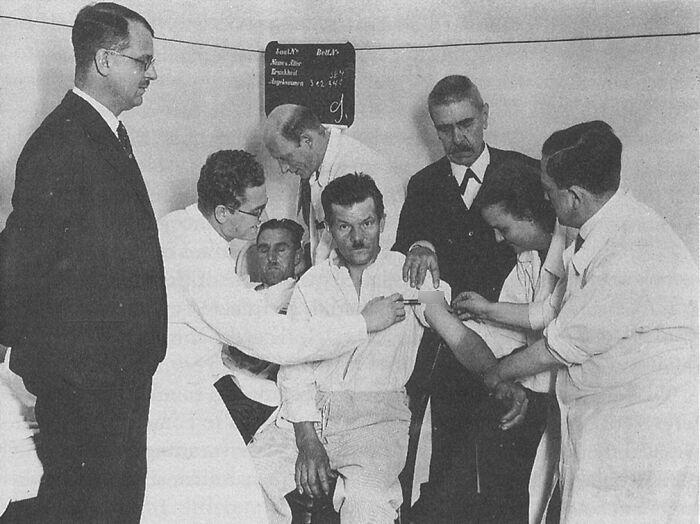
Image source: BedsideRounds
#32 Crazy How It Still Has Some Contents In It
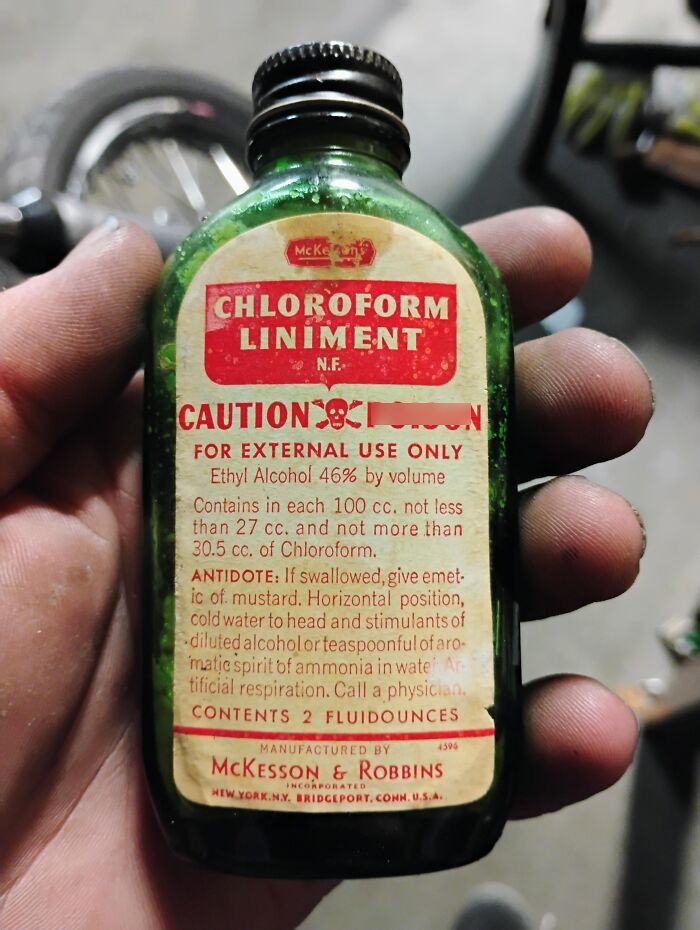
Image source: RecognitionActual610
#33 A Radium Mask, Used In The 1920s To Treat Cancer Of The Face And Neck
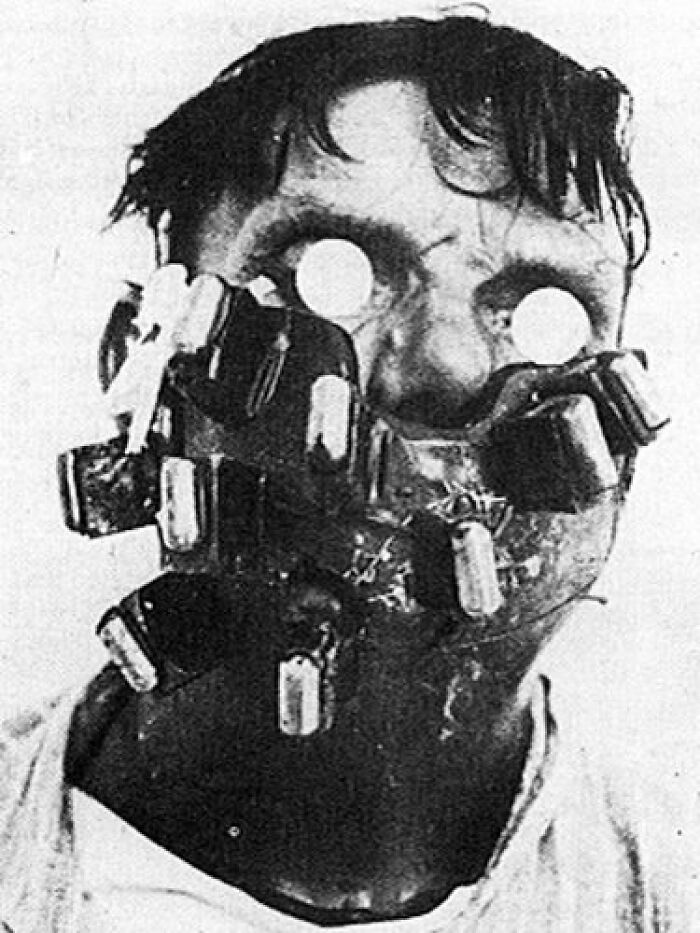
Image source: otronics
#34 Patient Being Administered Bloodletting, Clysters, And Cordials (Woodprint, 1699)
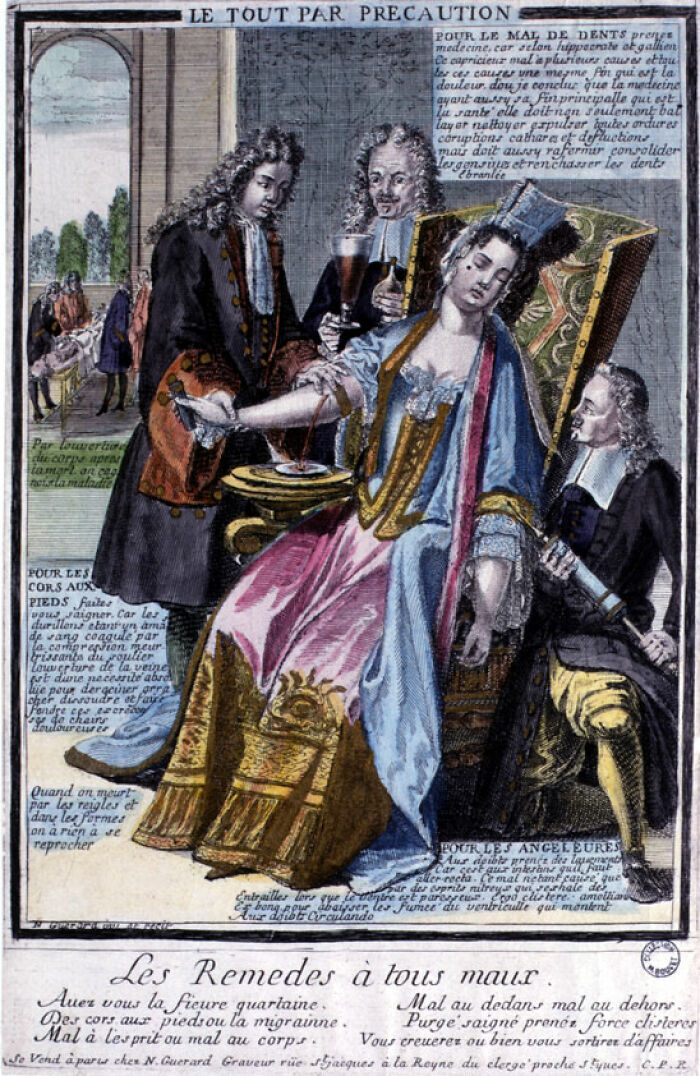
Image source: BedsideRounds
#35 Thomas Sydenham. His Life And Original Writings (The Wellcome Historical Medical Library, 1966)
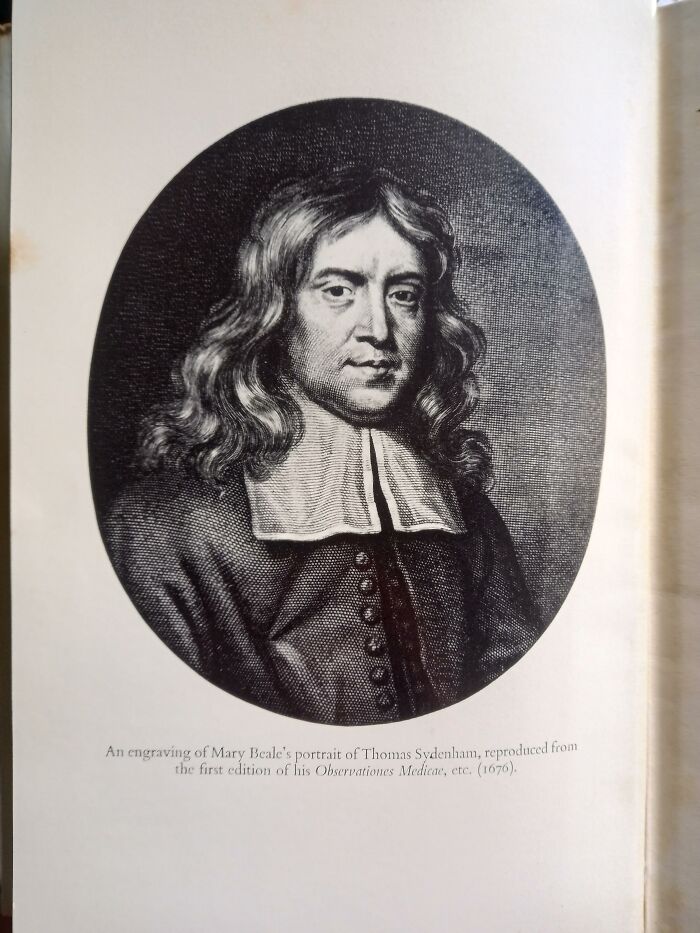
Image source: estricnina500
#36 The Gross Clinic(1875)- Thomas Eakins
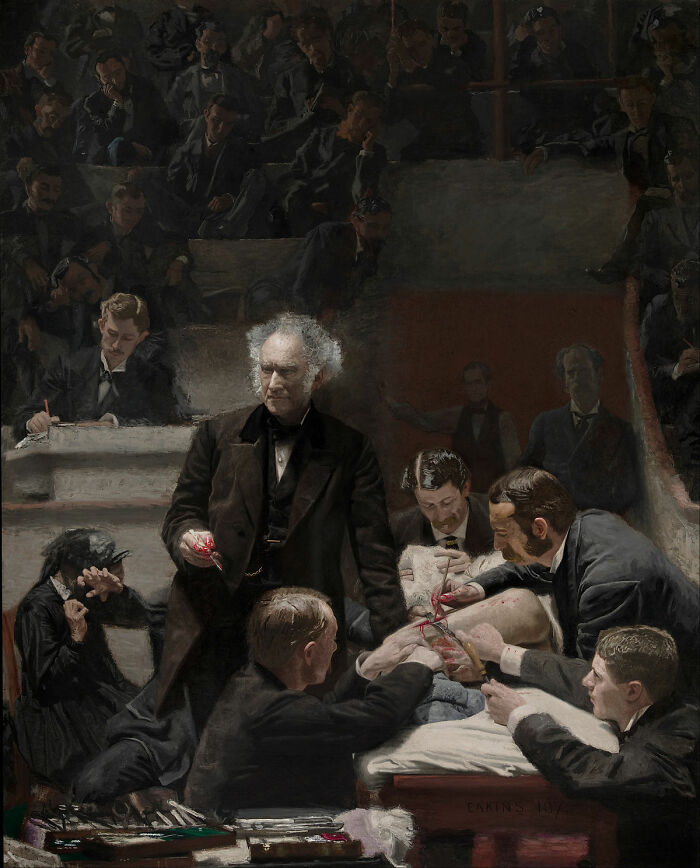
Image source: Royaltofu
#37 Bought A Load Of Old Surgeons Tools And Need Help Identifying What They Are
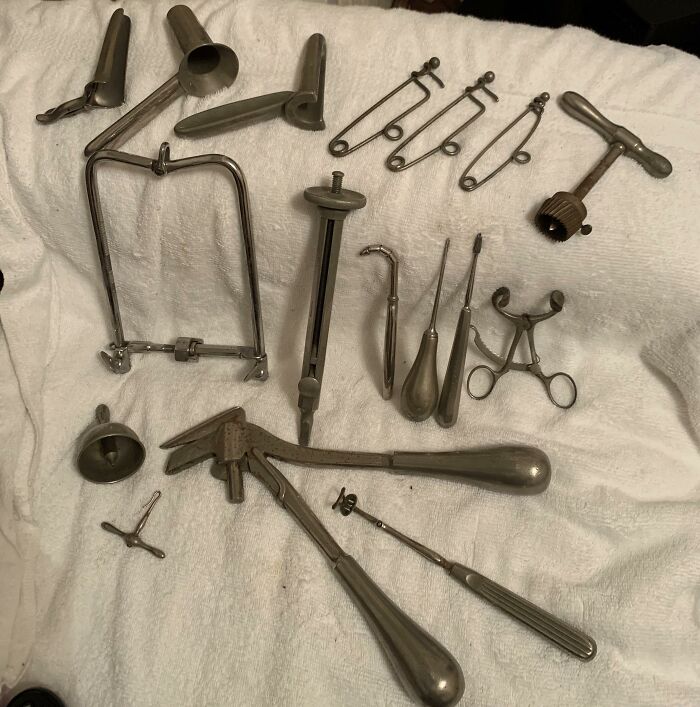
Image source: Vintagepruckfinder
#38 Any Collectors Of Antique Medical Devices? United States
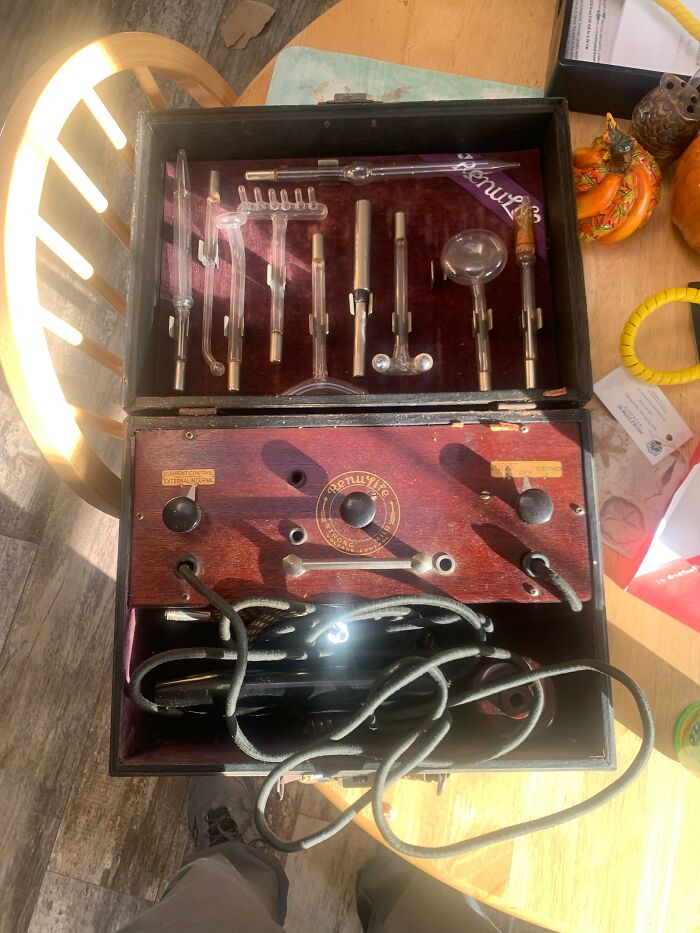
Image source: premiumbeans
#39 Some Very Interesting Old Medical Photos. Yes, That Officer Is About To Swab That Sailor’s Behind
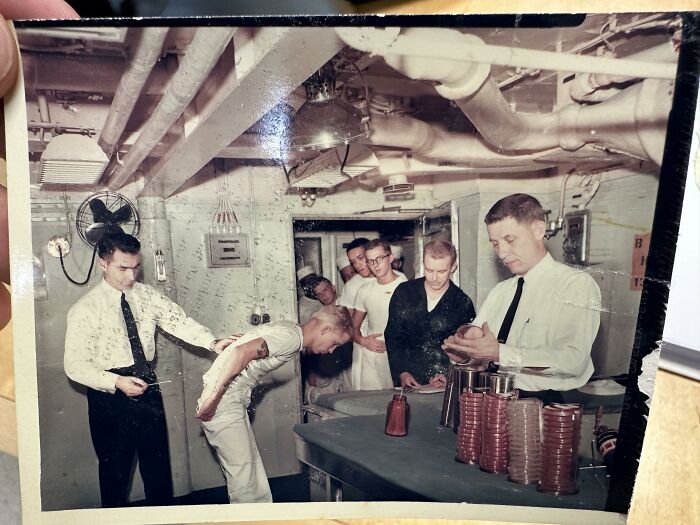
Image source: Scratius
#40 I Found This Antique Electrotherapy Diathermy Machine. I’m Guessing From Around 1900s-1915?
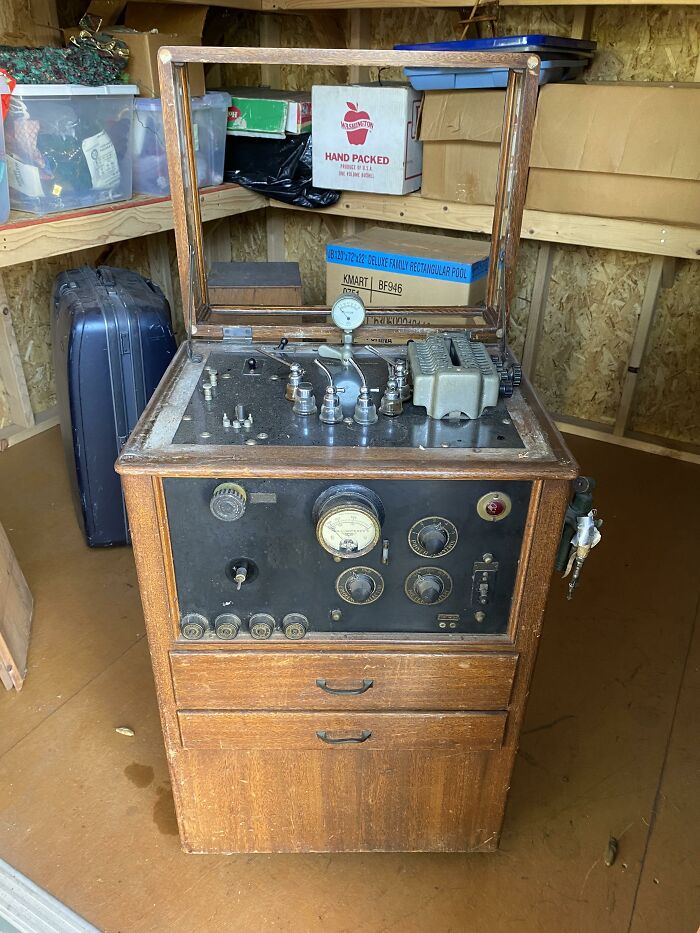
Image source: fat_fairie
 Follow Us