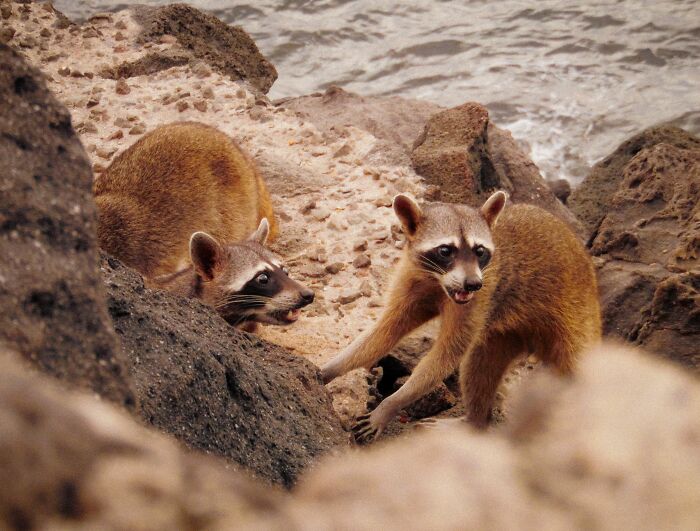
The Island of Cozumel is far more than just a beautiful vacation destination. Located off the eastern coast of Mexico’s Yucatán Peninsula, the island is home to one of the world’s most critically endangered raccoon species. The pygmy raccoon is smaller and much more distinct from mainland raccoons because of its broad black throat band and golden yellow tail. Tucked away on this far-away island, two sister pygmy raccoons showed a group of researchers something that has never been seen before – rare evidence of a skill being passed among animals.
More info: mdpi.com | youtube.com
Researchers began observing Pygmy raccoons as part of a larger tourism-impact study at the Island of Cozumel

Victoria Pedrosa (not the actual photo)
A recently published study by Nessie O’Neil and Michelle Szydlowski of Miami University in Ohio, along with Cozumel municipal ecologist Noel Anselmo Rivas-Camo, looked into tourism’s impact on Pygmy raccoons. So far, very little is known about how this raccoon species behaves socially or how they might learn from each other. This study examines how two young sister raccoons interacted with toys they made from paper found in a trash bin, dipped them in water, and rolled them against the sand until they became ball-shaped. Researchers noted that raccoons at a similar beach site had access to both water and paper trash; however, they did not show the same behavior. This suggests an incredibly important observation for understanding how animals acquire new skills: Cozumel raccoons may be able to learn object use from one another!

The Pygmy raccoons are the world’s most endangered raccoon species
The sisters soaked the paper in water and rolled it against the sand until it formed ball shaped forms
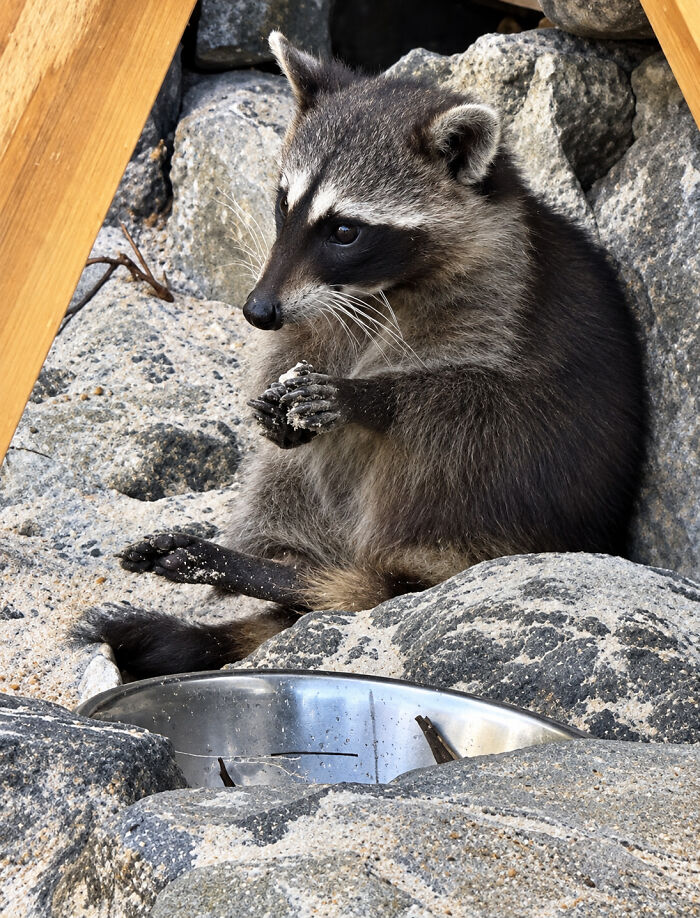
At one beach club, the researchers observed two juvenile female siblings collecting paper waste like napkins and receipts and dipping it in a stainless-steel water bowl carefully placed by the staff. Afterward, the raccoons used their tiny forepaws to roll the paper on the sandy ground. They repeated the action several times, resulting in ball-shaped forms the raccoon sisters used to play with. One sibling performed this sequence first, while the other carefully watched her every move. The second raccoon tried to copy the sequence, retrieving paper from the same waste bin; however, her sister snatched the paper from her little paws and completed the ball herself. After the first sister was removed from the site, the second sibling completed the whole sequence on her own a few days later! The researchers observed the two sisters for 64 hours and documented 14 ball-making attempts and 8 successfully made balls, which resulted in a success rate of 57.1%!
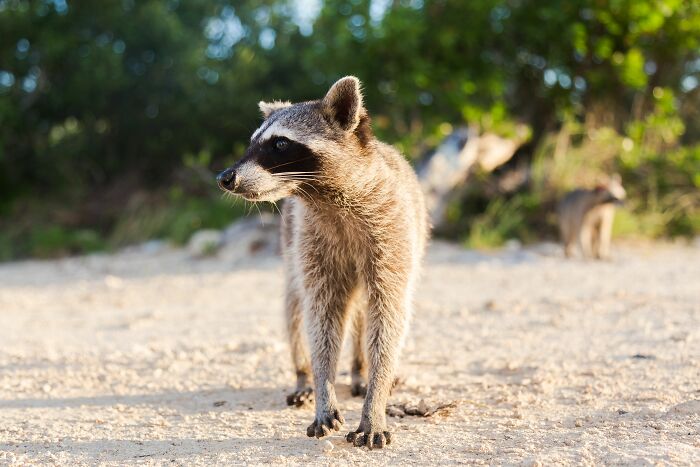
Gonzalo Guzmán García (not the actual photo)
However, the team’s observations did not end there, as a presumed mother raccoon also attempted to make a ball; unfortunately, she abandoned her mission after being unable to fish out the paper she placed in the bowl of water. The researchers note one important detail that might have influenced the mother raccoon: one ounce of a margarita was snatched from an unattended drink left at the beach club, which, as the study suggests, lowered her dexterity.
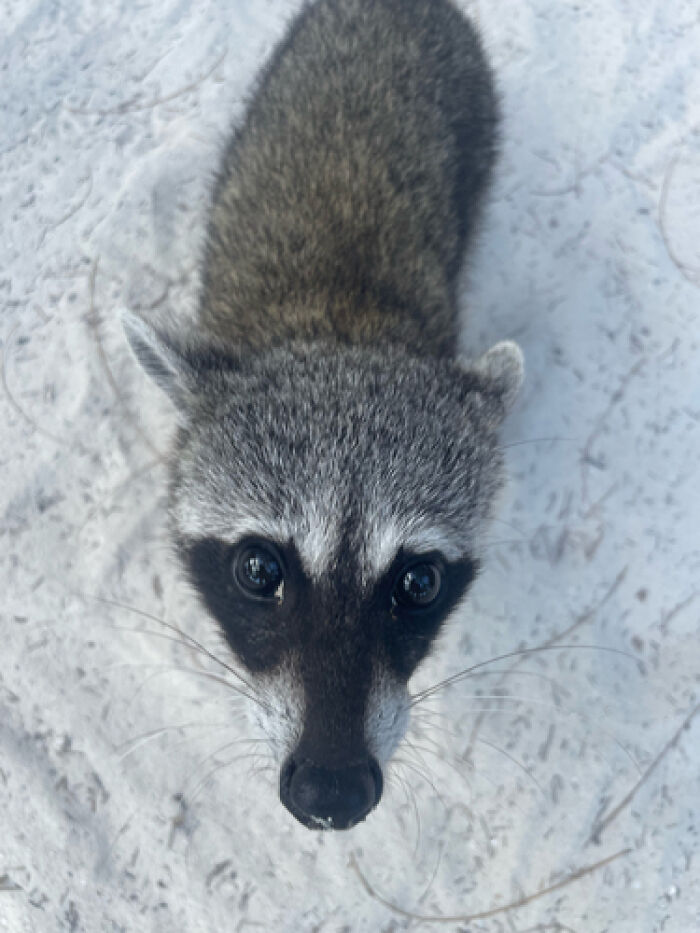
In addition to this discovery, the ball made by the raccoons was played with six times by the siblings and their presumed mother. On one occasion, two young Cozumel coati offspring also joined in. The baby animals were observed chasing the ball and rolling it between their tiny paws.
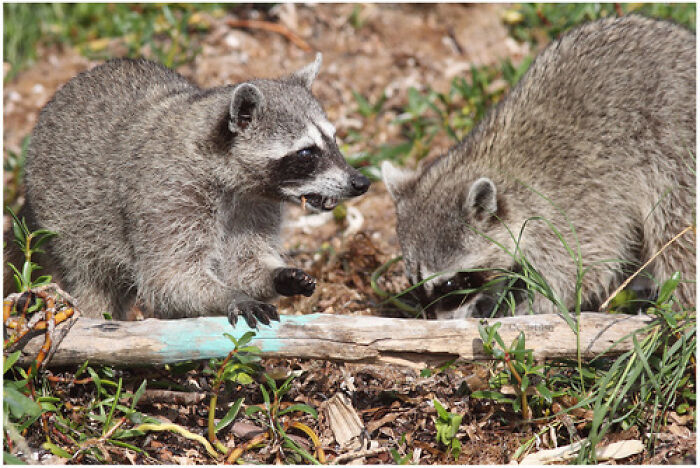
Christian Artuso (not the actual photo)
The unusual behavior may offer evidence of social learning in critically endangered raccoons
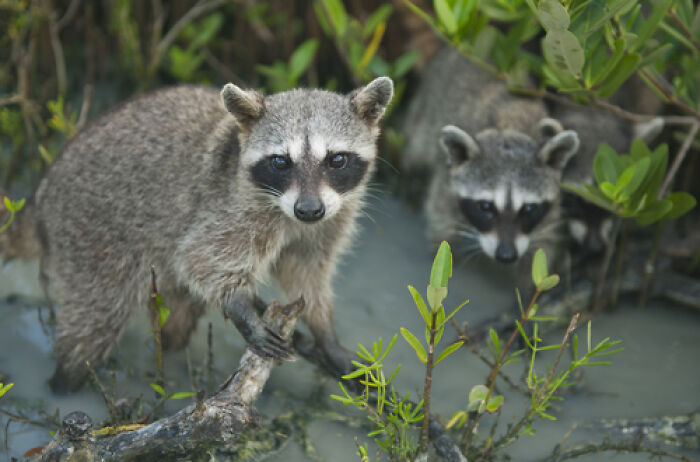
Kevin Schafer (not the actual photo)
While the observations are preliminary, they offer a rare glimpse into the behavioral flexibility of Cozumel’s critically endangered Pygmy raccoons. The researchers suggest that the behavior is consistent with the possibility of socially mediated learning, although further research is needed to determine whether it represents a stable behavioral tradition. For a species whose social behavior remains poorly understood, these unusual paper balls may provide an unexpected starting point for learning more about how Pygmy raccoons interact, explore, and learn from one another.
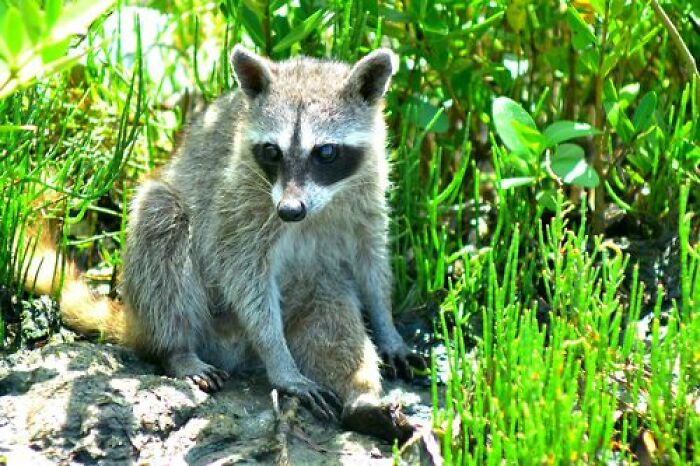
Luke Andrade (not the actual photo)
Researchers say that more study is needed to determine whether the behavior is socially transmitted
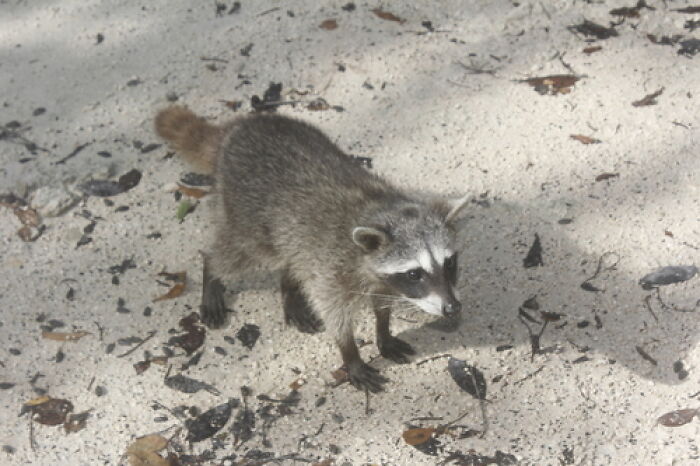
Juan Cruzado Cortés (not the actual photo)
Whether it is a clever skill passed from one sister to the other or a mother’s unlucky attempt after a stolen sip of margarita, these little raccoons have proven that even the smallest island residents can surprise us.
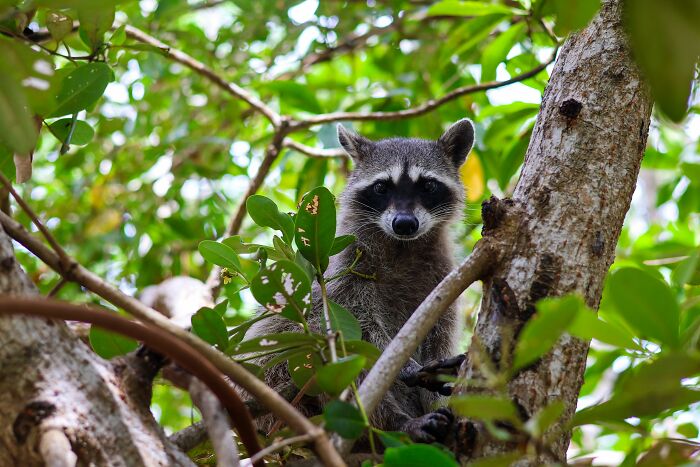
 Follow Us