The Lindsay Clancy case brings to mind another disturbing tragedy explored in Elli Hakami and Julian P. Hobbs’ docuseries, The Cult Behind the Killer: The Andrea Yates Story. Released on January 6, 2026, the true-crime documentary examines the circumstances surrounding Yates’ story, deconstructing the factors that contributed to the heart-wrenching deaths of the Yates children. While the circumstances surrounding both cases aren’t the same, The Andrea Yates Story offers a perspective that’s relevant to certain aspects of the Clancy controversy.
Lindsay Clancy was considered a loving mother until January 24, 2023, when she fatally strangled her three kids before attempting suicide. A grand jury indicted her on three counts of first-degree murder. She pleaded not guilty, paving the way for the polarizing trial that eventually ended in a mistrial due to a hung jury. As legal proceedings continue, The Andrea Yates Story might provide useful insight for a broader conversation on maternal filicide.
Unpacking The Andrea Yates Story In The Cult Behind The Killer
Like Lindsay Clancy, Andrea Yates admitted to killing her five children. The disturbing incident happened on June 20, 2001, after Andrea’s husband, Rusty Yates, left for work. The mother of five began drowning her kids one after the other. The oldest, her seven-year-old son, tried to escape, but Andrea caught and drowned him before calling the police and her husband. Heading into trial, Yates rejected a plea deal that required her to plead guilty in exchange for a life sentence, opting for an insanity defense.
Hakami and Hobbs’ three-part docuseries digs into the drowning of the Yates children, glossing over Andrea Yates’ prolonged struggle with psychosis and postpartum depression to focus on Michael Woroniecki’s role in the tragedy. The series probes the controversial preacher’s influence on Andrea and her family, scrutinizing how his doomsday preaching allegedly drove a vulnerable mother into believing she had to kill her kids to protect them from the devil tormenting her.

Why The Andrea Yates Story Feels So Relevant To The Lindsay Clancy Case
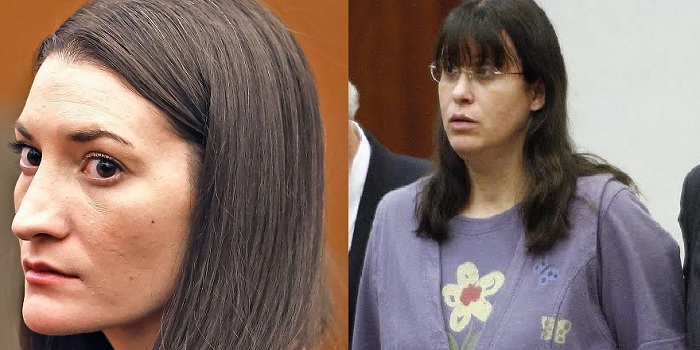
Despite the religious influence peculiar to the Andrea Yates case, the Lindsay Clancy story shares similar elements with the drowning of the Yates kids. For starters, both are heartbreaking cases of multiple filicide. But beyond the obvious, they are equally distinct for shifting what was initially presumed to be an open-and-shut case to a polarizing conversation about postpartum psychosis, the complex nature of culpability, and the appropriateness of considering wider context in such unfathomable tragedies.
Both Yates and Clancy pled not guilty and built their case around postpartum psychosis and other mental health challenges. They presented detailed documentation of their struggles with mental illness before the killings. But then, they waited for their partners to leave home before killing the kids. While Rusty Yates left for work, Clancy sent Patrick Clancy out on an errand before strangling the children.
The similarities extend to Rusty and Patrick, both scrutinized for the filicide. While the latter boils down to unfounded online theories about Patrick killing the kids and framing Lindsay, Rusty was blamed for leaving the kids alone with Andrea despite doctors’ warnings against that. The couple was also advised to stop having kids due to Andrea’s debilitating mental health after welcoming their fourth child. To cap it all, both cases also sparked intense public debate about the justice system and the skepticism around the insanity defense.
What Andrea Yates’ Case Reveals About Lindsay Clancy’s Future
Despite Andrea Yates’ insanity defense, the jury found her guilty in March 2002 but rejected the prosecution’s call for the death penalty. As such, Yates received a life sentence with the possibility of parole after 40 years. An appellate court reversed the conviction in January 2005 on grounds of false testimony. Prosecution witness Park Dietz falsely testified that a recent Law & Order episode portrayed a woman who was acquitted of drowning her children after building her defense on insanity.
Yates’ retrial ended with a not guilty verdict by reason of insanity. However, she’s yet to regain her freedom, as she’s currently committed to a mental hospital in Kerrville, Texas. With Yate’s case in view, Clancy’s mistrial hints at how complicated her case could become as legal proceedings continue. Check out the unsettling details Netflix left out in Trust Me: The False Prophet.
 Follow Us


