The definition of flirting is different for everyone. Whatever floats your boat may be the very definition of a flirtatious hell for someone else. And well, the point is always to find someone who speaks the same language as you do — figuratively speaking, that is.
But of course, there are some universal truths that all women actually dislike when they’re on a date. Like men who only talk about themselves, paying no mind to their date, or those who rely too much on rehearsed, cliché lines. Or, well, then there’s immediately trying to take mindless flirting to the next step way too quickly.
Perhaps, though, the biggest red flag for women lately is men who instantly deem women as troublemakers or use phrases like, “You’re dangerous.” According to several women online, just the use of these two words together, or similar implications, is enough to give them the ick. And here’s why.
Flirting is a game for two, but once it goes into accusatory territory, many women are instantly put off

drobotdean / Magnific (not the actual photo)

Social media users shared the words or phrases that instantly made them less attracted to their date, and one specific sentence was seen all across the replies
In a report by Metro U.K., the press explored several women’s responses on social media, where they shared the types of words they absolutely despise hearing on a date. And well, crossing out the obvious ones — like a sudden admission that they’re married or that they’re just “not looking for anything serious” — there was one surprising phrase that consistently appeared in the replies: “You’re dangerous.”
While it may seem harmless for some, since, well, many men may see it as a meaningless, fun bit of flirtatious banter, this phrase is actually loaded with meaning, especially for the women hearing it. For starters, some women believe it is simply cringeworthy and just about enough to give them the ick. One user even described it as a “nothingburger statement.”

prostock-studio / Magnific (not the actual photo)
“You’re dangerous.”

cookie_studio / Magnific (not the actual photo)
Many considered this type of statement instantly a red flag, showing tackiness and a cliché
Some women said hearing it instantly transports them into a 2000s rom-com, or even an episode of Love Island. And well, it’s not exactly exciting when a date already feels like they’re trapped on a secluded, heavily monitored island. But for most women, the criticism came down to one thing: it’s the kind of phrase that instantly demonizes them.
One user specifically pointed out that it’s “a way to blame the woman for their incoming poor judgment,” and “a way to negate their responsibility for their own choices and behavior.” It’s almost as if they’re saying they couldn’t help themselves. The implication is that these women will be the reason for their downfall, even if they’re nothing like the image these men are projecting onto them.

magnific / Magnific (not the actual photo)
Many also believed this type of statement is rooted in stereotypes and public shaming
Sociologists look at this kind of framing as a subtle way to criticize women, often based on archetypes like the “femme fatale” or temptress. By immediately deeming women as dangerous or as trouble, men are already imposing the idea that a woman is corrupt, inherently deceptive, destructive, or malicious. Or that her charm carries some hidden malice, and that women are untrustworthy by default.
It almost works as a form of pre-emptive character defamation, and understandably, women don’t like being put into a box they feel they don’t belong in — especially by men who are, by all means, strangers. But for many men, it is almost a compliment, as if they’re immediately showing their attraction to the woman. But again, that attraction only translates into physical attraction.

magnific / Magnific (not the actual photo)
It also doesn’t help that social scientists have actually agreed that, nowadays, there is a radicalization of misogyny among young men that has significantly risen due to social media and the so-called “manosphere.” Instead of minimizing these attitudes in modern times, social media platforms have amplified and redistributed those beliefs, especially among young men and even teenagers.
Similarly, there is a growing division between genders that has become noticeable across TikTok, Instagram, and X, where women are also fed content that immediately demonizes men. Evidence suggests that social media algorithms can reinforce gender-based worldviews on both sides. So, perhaps “You’re dangerous” isn’t just an innocent attempt at flirting after all.
Maybe it’s also worth asking why certain ideas about men and women have become so normalized online in the first place — and whether we’re all a little too quick to put each other into boxes before we’ve even had the chance to get to know one another.
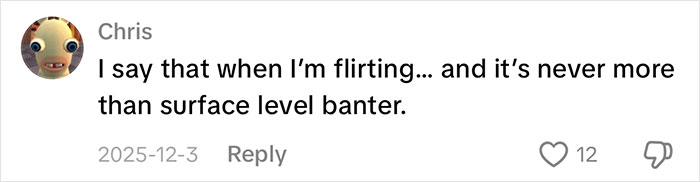
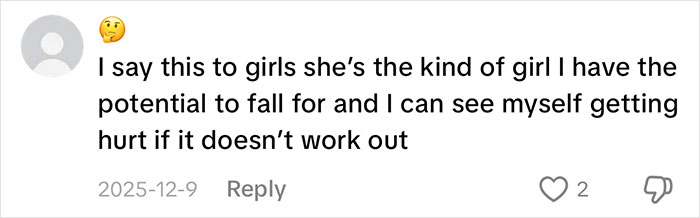
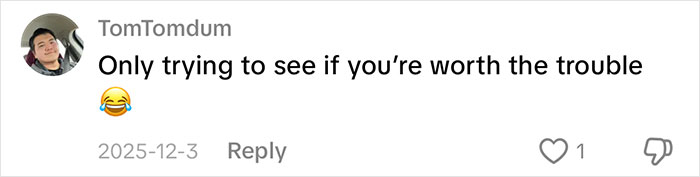
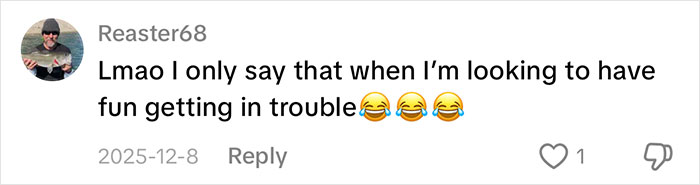
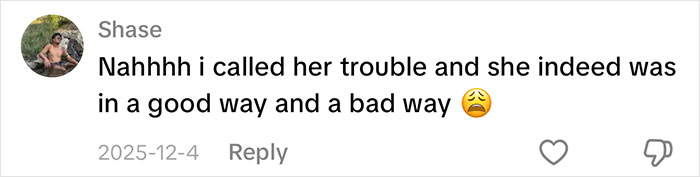
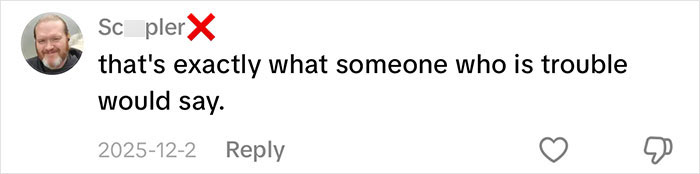
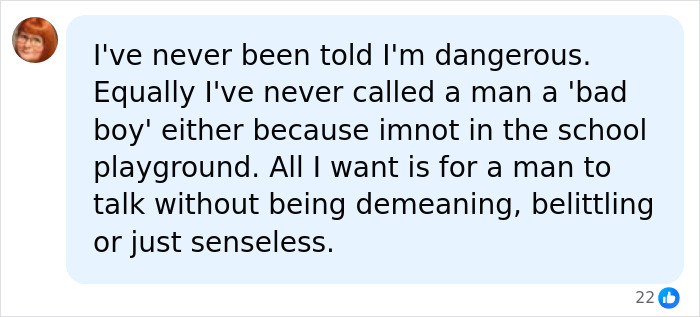
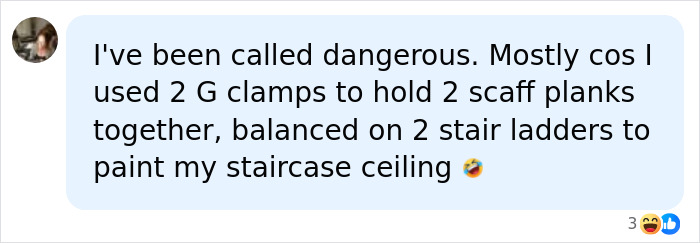
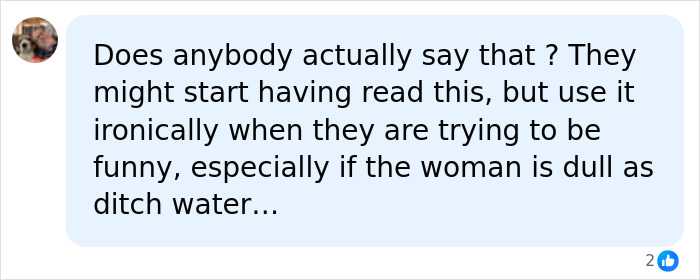
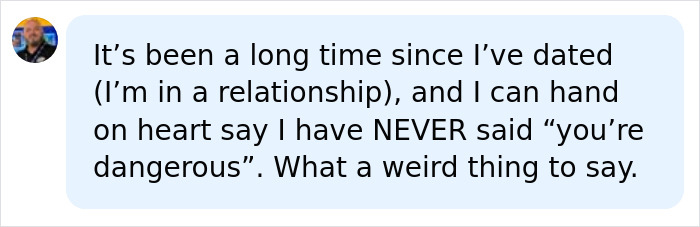
Many of the male readers tried to defend the use of the words





 Follow Us