The end of the world has been predicted more times than anyone can reasonably count. There have been prophecies, ancient calendars, religious predictions, and plenty of internet theories, but one particular doomsday date is unusual because it came from a mathematical model published in the scientific journal Science.
And now that the date is getting closer, the prediction has resurfaced online. According to a 1960 paper by physicist Heinz von Foerster and his colleagues Patricia Mora and Lawrence Amiot, humanity could theoretically reach a population “infinity” on November 13, 2026.
In 1960, Heinz von Foerster and his colleagues published a mathematical model predicting that unchecked population growth could push humanity toward a point of no return
reverieethereal / Magnific (not the actual photo)

Their calculations suggested that human population could theoretically reach “infinity” around November 13, 2026, earning the prediction an ominous Friday the 13th date
Yes, you read that correctly. The predicted date is November 13, 2026 which happens to fall on a Friday the 13th. The paper was literally titled Doomsday: Friday, 13 November, A.D. 2026, so subtlety was apparently not the main objective. The researchers looked at historical population data and developed a mathematical model based on the way human numbers had been increasing.
Their calculations suggested that population growth was accelerating rather than simply continuing at a steady rate. If that pattern continued indefinitely, the mathematical curve would eventually shoot toward infinity. Perhaps the important word here is “if”.

lysenko_andrii / Magnific (not the actual photo)
The model warned that continued exponential growth could lead to resource exhaustion, environmental breakdown, and societal conflict as humanity outgrew Earth’s capacity
The prediction was based on extrapolating a particular pattern far into the future and wasn’t a claim that billions of people would suddenly appear on Earth one morning and fill every available square inch. Rather, the mathematical model produced a so-called singularity, a point where the equation would no longer make physical sense because the predicted population would approach infinity.
The authors described the idea in deliberately dramatic terms, suggesting that humanity could effectively squeeze itself to loss if its growth continued unchecked. The paper was intended to provoke discussion about what could happen when a rapidly growing population encounters the finite resources of the planet.
vadimsadovski / Magnific (not the actual photo)
Modern population growth has slowed significantly, making the prediction more of a warning about sustainability than a literal countdown to doomsday
Of course, humanity is not currently on track to wake up one November morning with an infinite number of neighbors. The global population is around 8.3 billion today, and growth has slowed considerably compared with the explosive growth of the 20th century. Falling birth rates, greater access to education and contraception, and changing family patterns have all altered the trajectory that von Foerster’s model was attempting to project.
There is also a rather important mathematical catch. Biological populations don’t simply continue growing at the same accelerating rate forever. Resources are limited, birth rates change, mortality changes, societies develop and unexpected events can completely alter demographic trends. In other words, humans have spent the past several decades changing the conditions of the experiment.
A Chosen Soul / Unsplash (not the actual photo)
That doesn’t mean the old paper is completely irrelevant, though. Its basic warning about unlimited growth running into limited resources remains a useful way of thinking about issues such as food security, environmental pressure, climate change and sustainable development. The prediction itself may not be coming true, but the question behind it hasn’t exactly disappeared.
So, should anyone be canceling their plans for November 13? Probably not. The 1960 paper doesn’t give us a scientifically credible reason to expect the world to end this year. But it does provide an entertainingly ominous reminder that even a simple question of how many people the Earth can support can lead mathematics into some very strange territory.
Would you take a 1960 prediction like this seriously, or is it just interesting math? Let us know your thoughts in the comments!
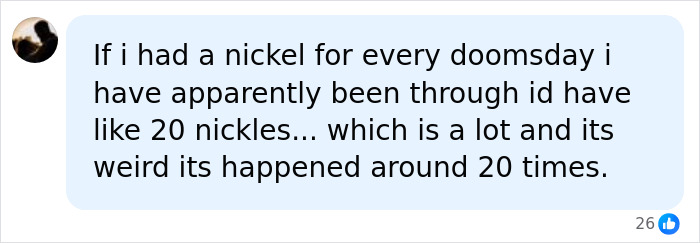
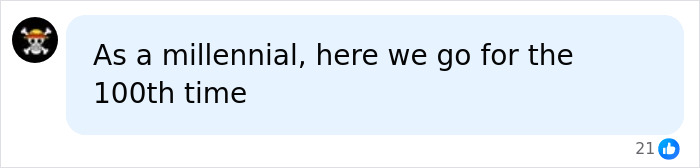
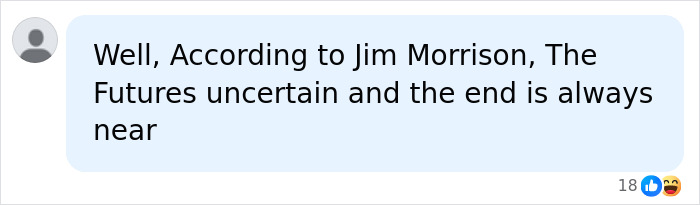
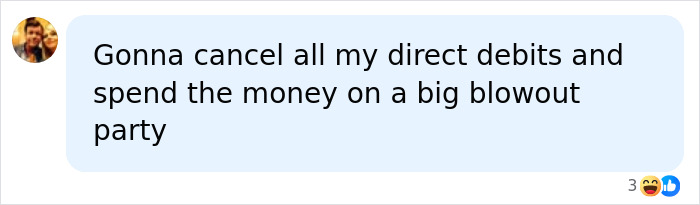
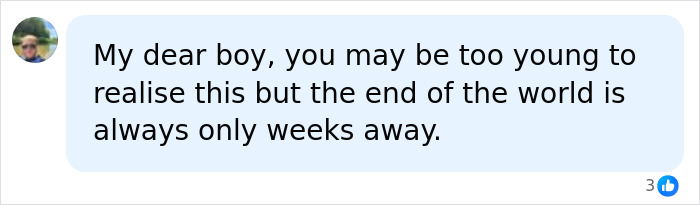
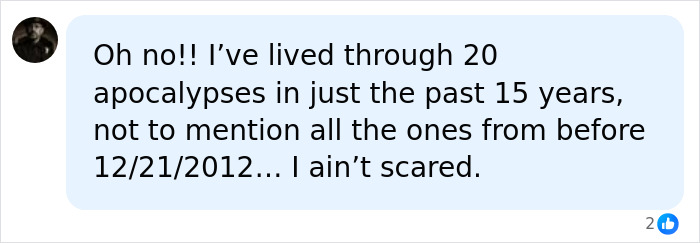
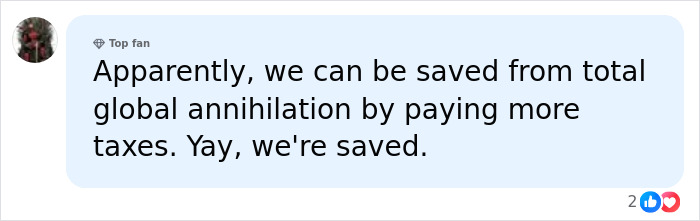
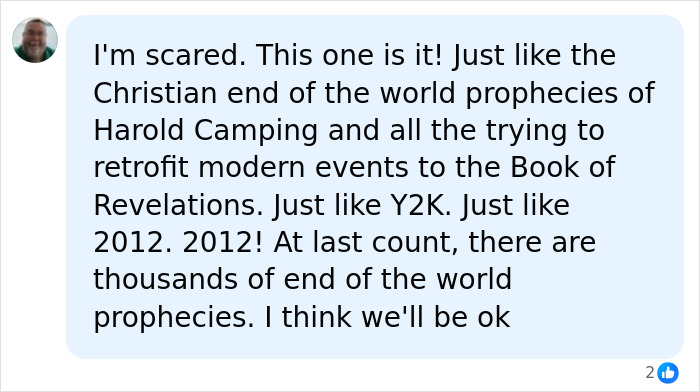
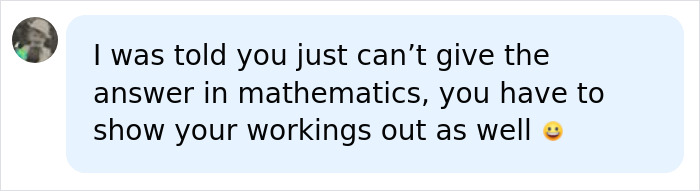
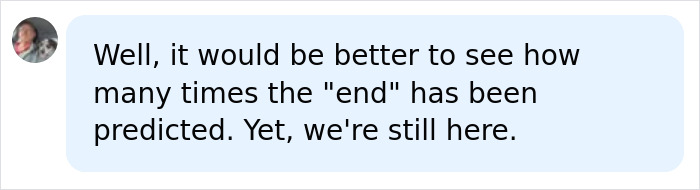
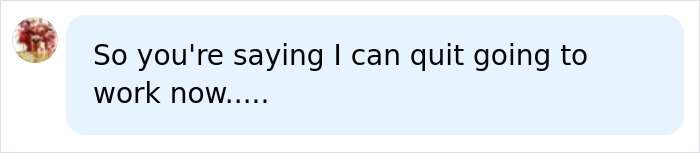
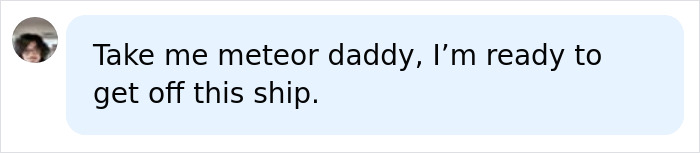
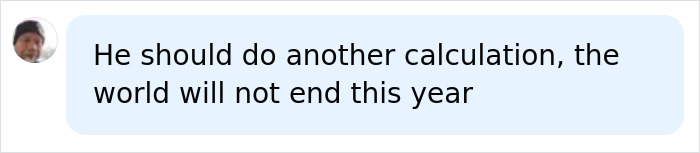
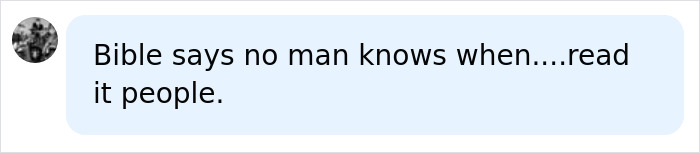
Netizens seemed less than impressed, joking that they’ve heard so many end-of-the-world dates by now that they’ve stopped keeping track







 Follow Us