At some point in our lives, we’ve all stayed awake at night (except maybe a few saintly ones) playing out a petty payback fantasy against someone who wronged us. While we usually lock these revenge plots away in the deepest corners of our minds, some people intentionally choose to act on them.
For instance, this tenant who decided to settle a long-standing score with a landlord.
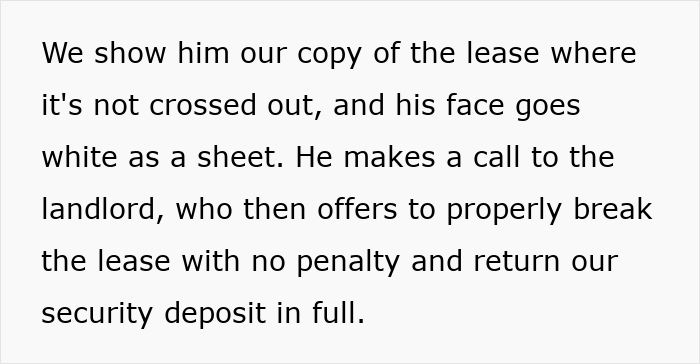
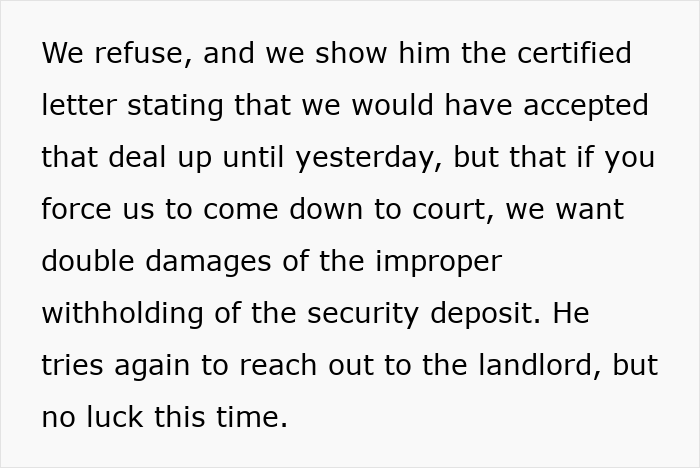
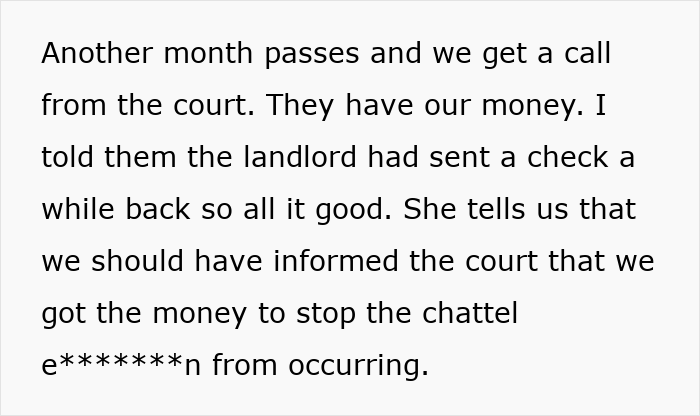
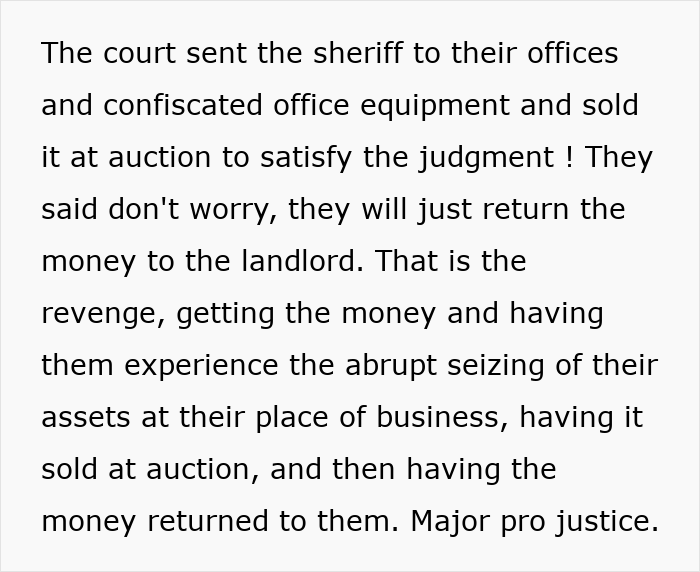
The tension began when the landlord refused to fix the heating during the winter, triggering a legal standoff that ended in the renters’ favor. Instead of walking away after that initial win, the tenants patiently played the long game. Six years later, they set up a brilliant trap that caught the landlord completely off guard.
Read the full story below, shared in a pro-revenge online community, to find out how a simple contract edit turned one man’s life upside down.
Tenants were left in the freezing cold when their landlord refused to fix the heat

vgstockstudio (not the actual photo)

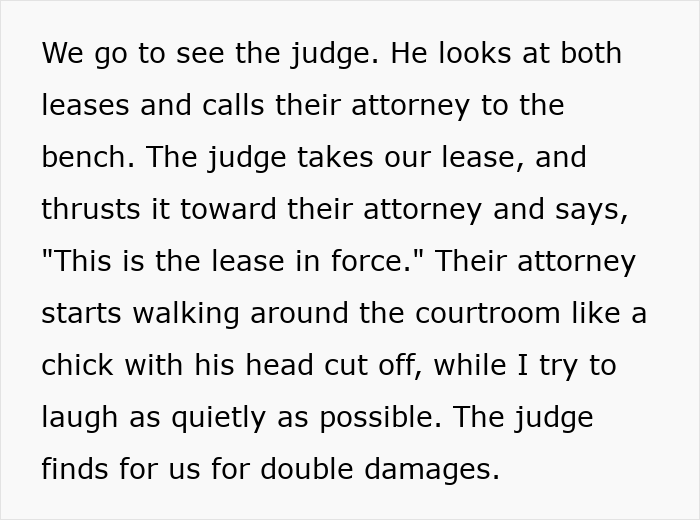
They took the landlord to court and claimed a long-overdue victory



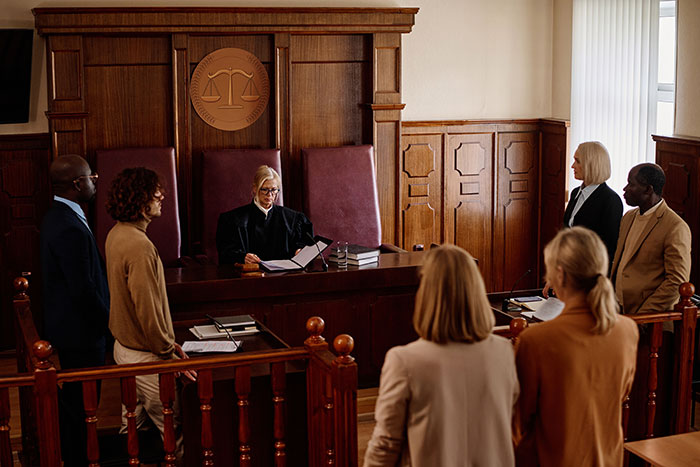
Anna Tolipova (not the actual photo)
Science explains why some people can’t let go of a grudge
Revenge may be sweet, but most of us settle for venting to a friend, digging into a pint of ice cream, or sticking pins into a voodoo doll of our enemy.
But what about the few who actually cross the line from fantasy to reality — like the bitter ex who drags you back to court for the fifth time, or the petty tenant who makes your life a living hell? What drives these people to obsess over getting even?
From an evolutionary perspective, revenge functioned as a calculated deterrence system. In early human history, if someone stole your food, poached your mate, or threatened your shelter without facing retaliation, you became an easy target for repeated exploitation.
Our desire for retribution also runs right through our collective history and literature — from Odysseus slaughtering the suitors who invaded his home to the Old Testament’s classic call for “an eye for an eye.”
Beyond simple survival, experts point to a key social mechanism behind this drive: altruistic punishment. This occurs when people willingly incur a personal cost — such as their own time, money, or energy — to punish someone who violates social norms or cheats the system.
And our biology ensures we follow through. Studies show that our brains are wired to view unpunished injustice as a direct threat. We feel discomfort when someone gets away with bad behavior, and satisfaction when justice catches up to them. That is nature’s way of forcing us to act.
Yet, while everyone carries this evolutionary wiring, not everyone pulls the trigger. Personality plays a major role in who actually seeks payback.
Social psychologist Ian McKee at Adelaide University studied why people seek revenge rather than move on. In his paper published in Social Justice Research, he noted that vengeful behavior mostly stems from two traits: a strong desire for social power and a belief in strict authority.
“People who are more vengeful tend to be those who are motivated by power, by authority and by the desire for status. They don’t want to lose face,” he says.
McKee notes in his study that these kinds of personalities “tend to be less forgiving, less benevolent and less focused on universal-connectedness-type values.”

Adrian Swancar (not the actual photo)
Getting even can feel surprisingly good — at first
When you plan payback, your brain releases dopamine — the same chemical that makes winning a game feel great. It also gives you some control back. For example, if a coworker steals your idea, publicly shaming them might balance the scales. You show everyone that cheating comes with a cost, which stops people from stepping on you again.
Many people also assume getting even provides a sense of catharsis. However, research published in the Journal of Personality and Social Psychology shows that the exact opposite happens.
Revenge rarely brings peace. Instead of letting you move on, getting even keeps you thinking about the person who hurt you. If a neighbor plays loud music and you blast yours back, you don’t solve the problem… you just start a noise war.
In the research, led by psychologist Kevin Carlsmith, it was found that people are surprisingly terrible at predicting how revenge will make them feel.
When you let an offense go, your brain naturally trivializes it. You tell yourself it wasn’t a big deal, making it easier to forget and move on. But when you execute payback, you can no longer brush it off. Instead, you end up replaying the event endlessly and stoking your anger.
“Rather than providing closure, it does the opposite: It keeps the wound open and fresh,” Carlsmith says.
Surprisingly, researchers have found that neurotic individuals — who are typically prone to worry, self-doubt, and overthinking — are also prime candidates for seeking revenge.
At first, this seems backward. People high in neuroticism often struggle with confidence and goal-setting, which makes aggressive payback feel out of character. However, their vengefulness isn’t born of confidence but of an inability to process negative emotions, especially anger.
A study led by psychologist John Maltby revealed the long-lasting impact of this trait: neurotic individuals who harbored ongoing anger were still actively seeking revenge two and a half years after the original offense. Unable to regulate their emotional pain, they remain trapped in a cycle of resentment long after others have moved on.
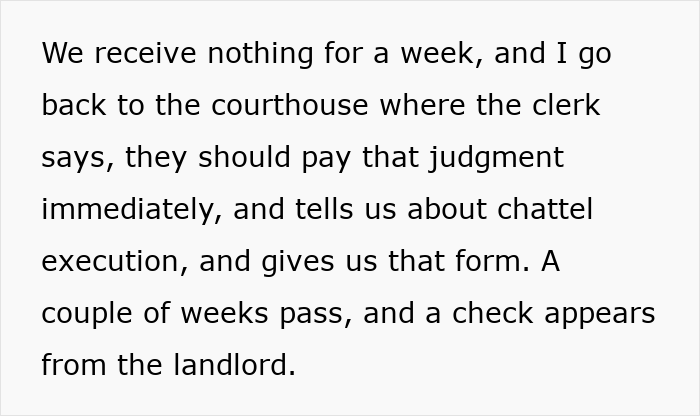
In the author’s story, the tenants spent hours studying lease laws, drafting legal responses, paying court deposit fees, and waiting six years to set a contract trap. In doing so, they were taking on substantial personal stress.
Rationally, moving out and forgetting about it could have been easier. But their evolved drive for altruistic punishment probably didn’t allow them to.
When we read stories about patient, cold-blooded payback, it is easy to cheer for the underdog. The landlord was undeniably in the wrong, and the tenants used the law to get the justice they deserved.
However, a six-year plot reveals something deeper than a simple legal victory.
The victory was real, but so was the toll.

Getty Images (not the actual photo)
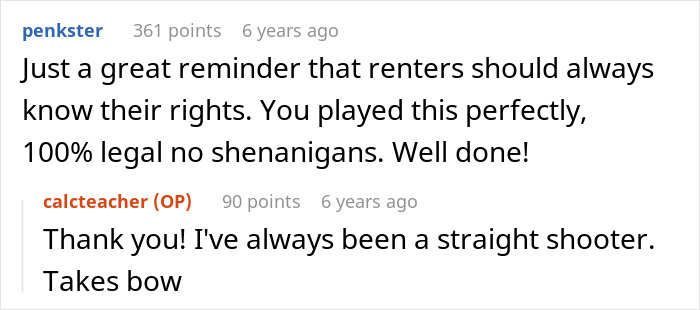
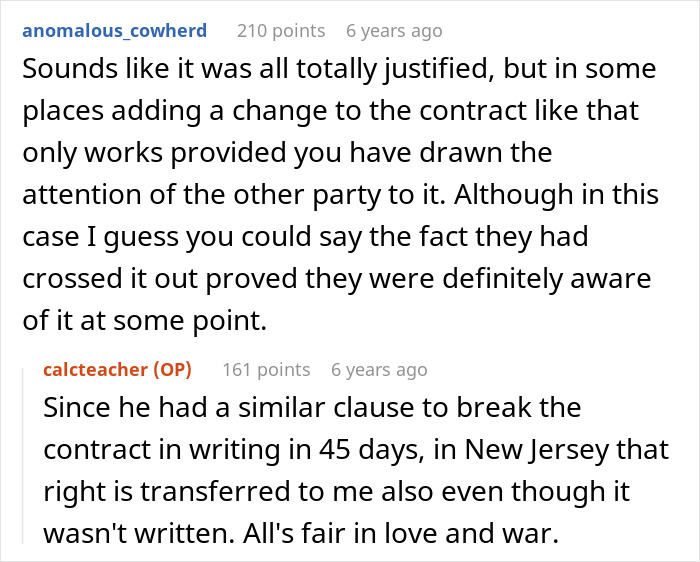
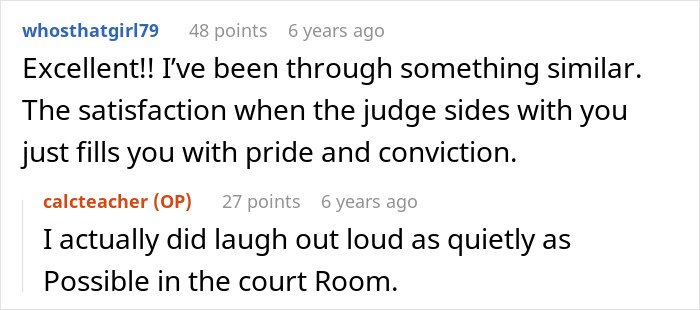
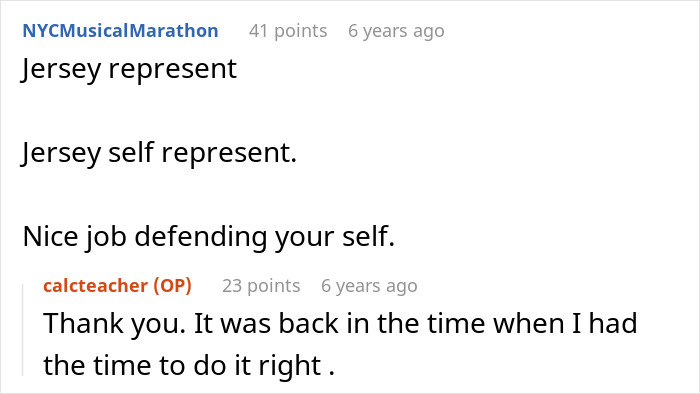
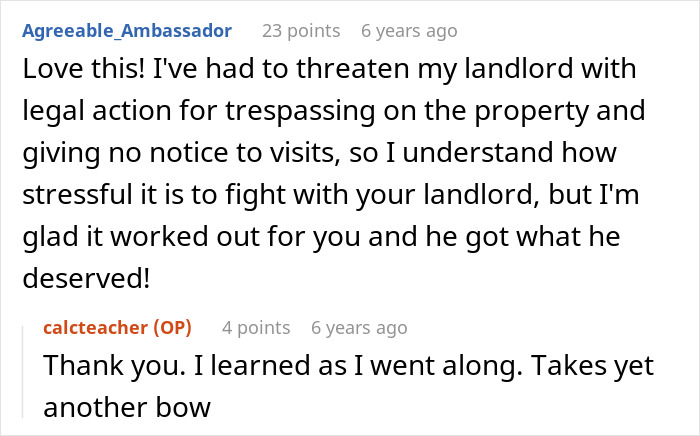
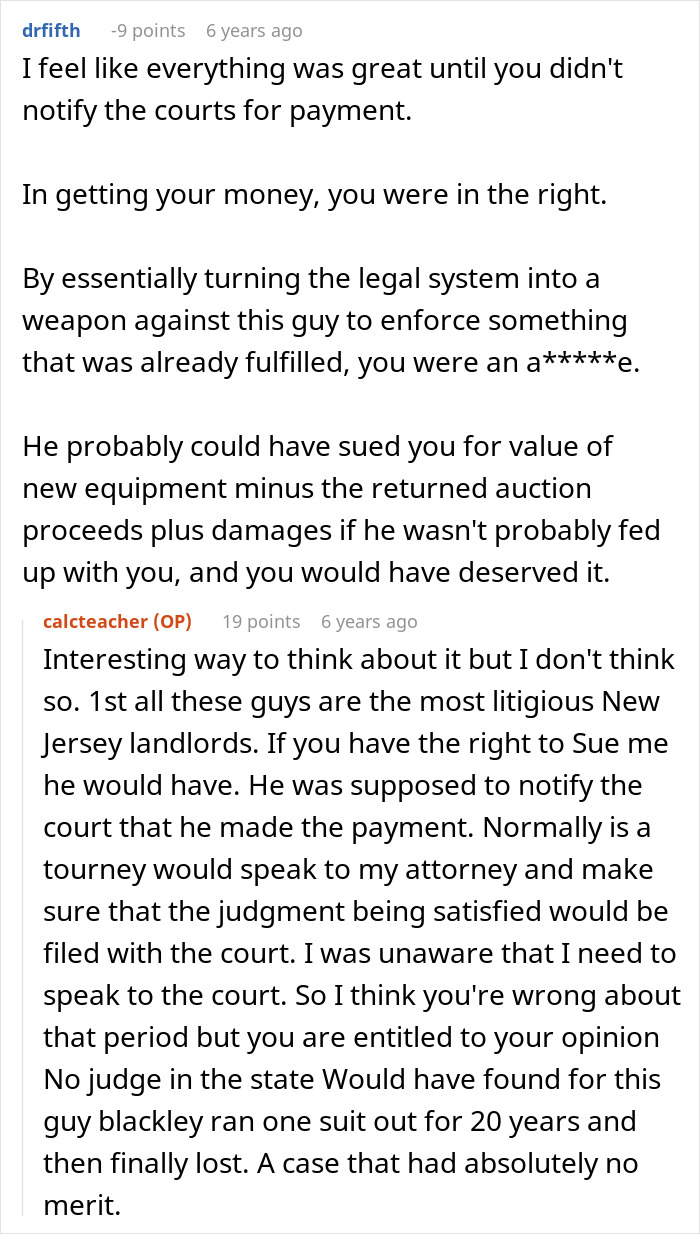
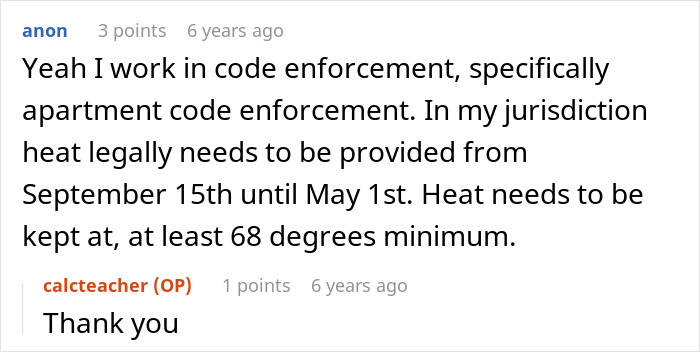
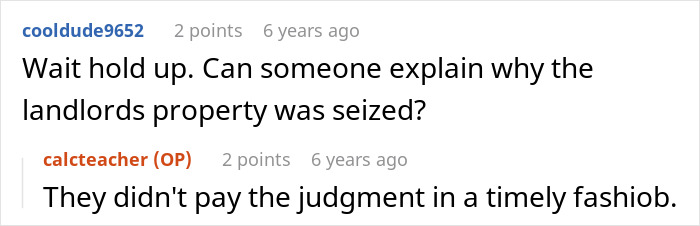
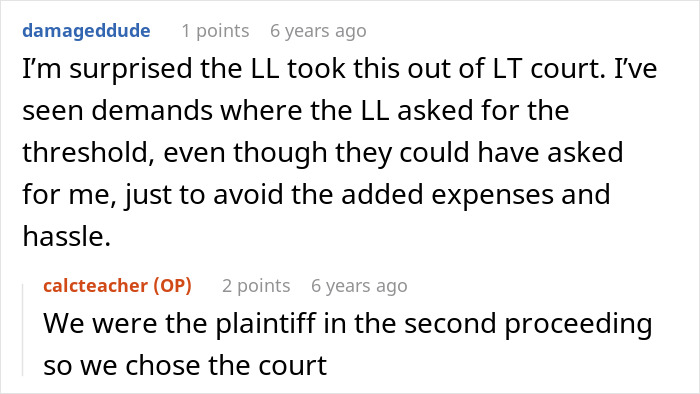
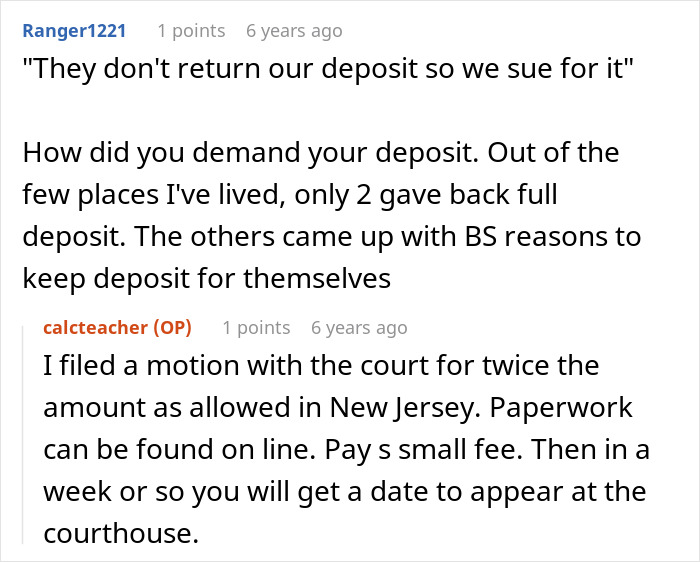
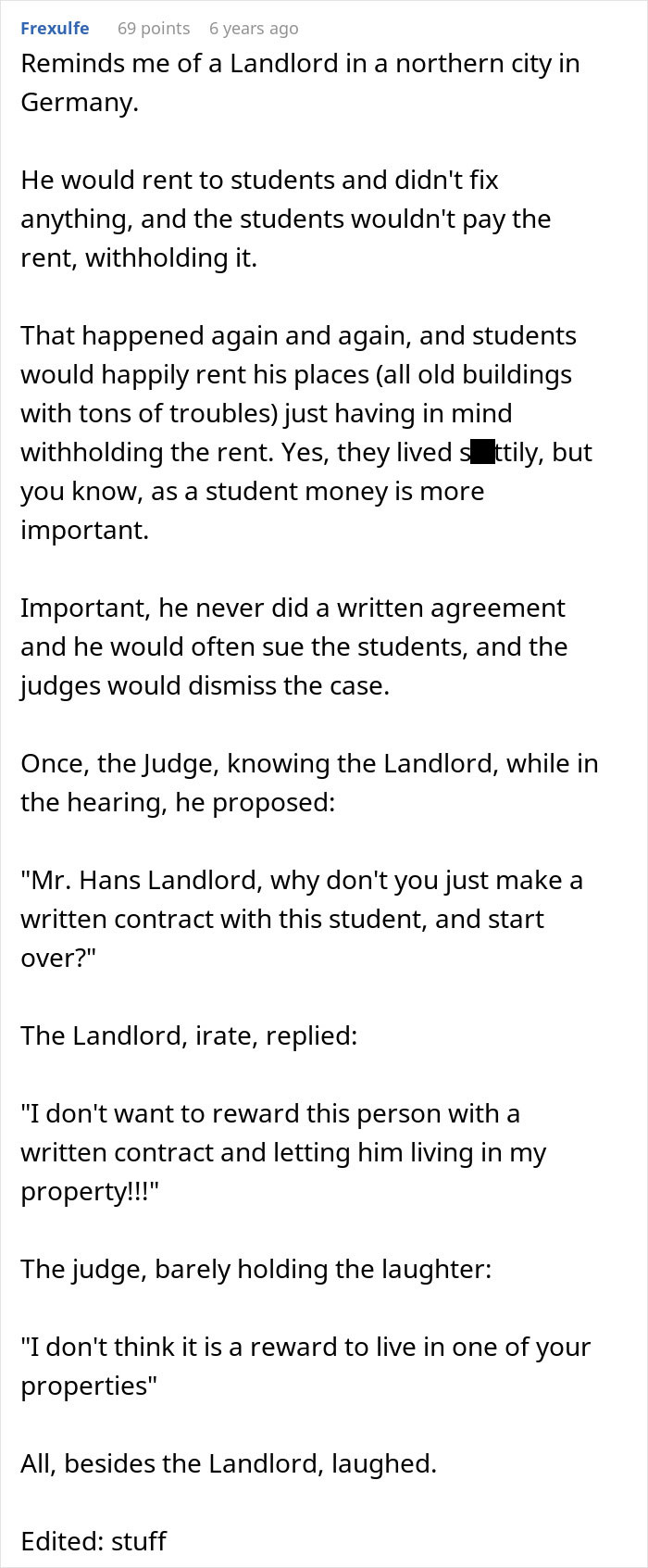
The author gave some more info in response to the comments





 Follow Us