They like to say that what you don’t know can’t hurt you. But those people have probably not spent much time on the internet. Because here, sometimes all it takes for your blissfully ignorant bubble to burst is someone willing to call out your mistake.
But what if the mistake isn’t yours? What if the very person doing the correcting is the one whose blissfully ignorant bubble requires bursting? That’s where things really get interesting…
So interesting, in fact, that people have dedicated entire corners of the internet to sharing these spectacular misfires. In this list, we’ve gathered a few particularly humiliating examples, all of which were shared in the People Incorrectly Correcting Other People group on Facebook.
They’re a reminder that when it comes to the internet—and especially when it comes to correcting others—it pays to be certain you’ve got your facts straight. Or, as the saying goes, you better check yourself before you wreck yourself.
#1
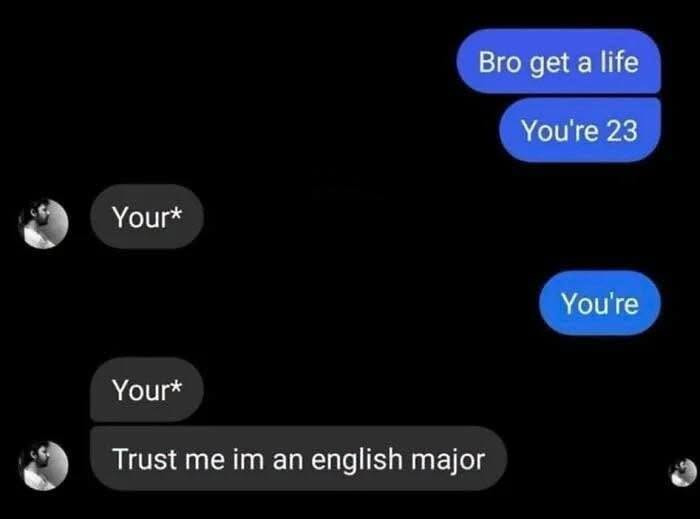
Image source: Kimberly Shand
It seems a lot of people get an unhealthy amount of joy out of correcting other people online. So much so that journalist Sarah Todd calls it “one of the many unexpected side effects of the internet,” one that reveals “just how many people lose the capacity for emotional self-regulation when confronted with a misused semicolon.”
Psychotherapist Stacey Alvarez, LMFT, takes this even further, calling correcting others online “a defining feature of digital interaction.”
What both Alvarez and Todd point to is the peculiar culture of correction online, where calling out other people’s mistakes can feel almost irresistible—and can look very different from the way we might handle the same slip-up IRL.

#2
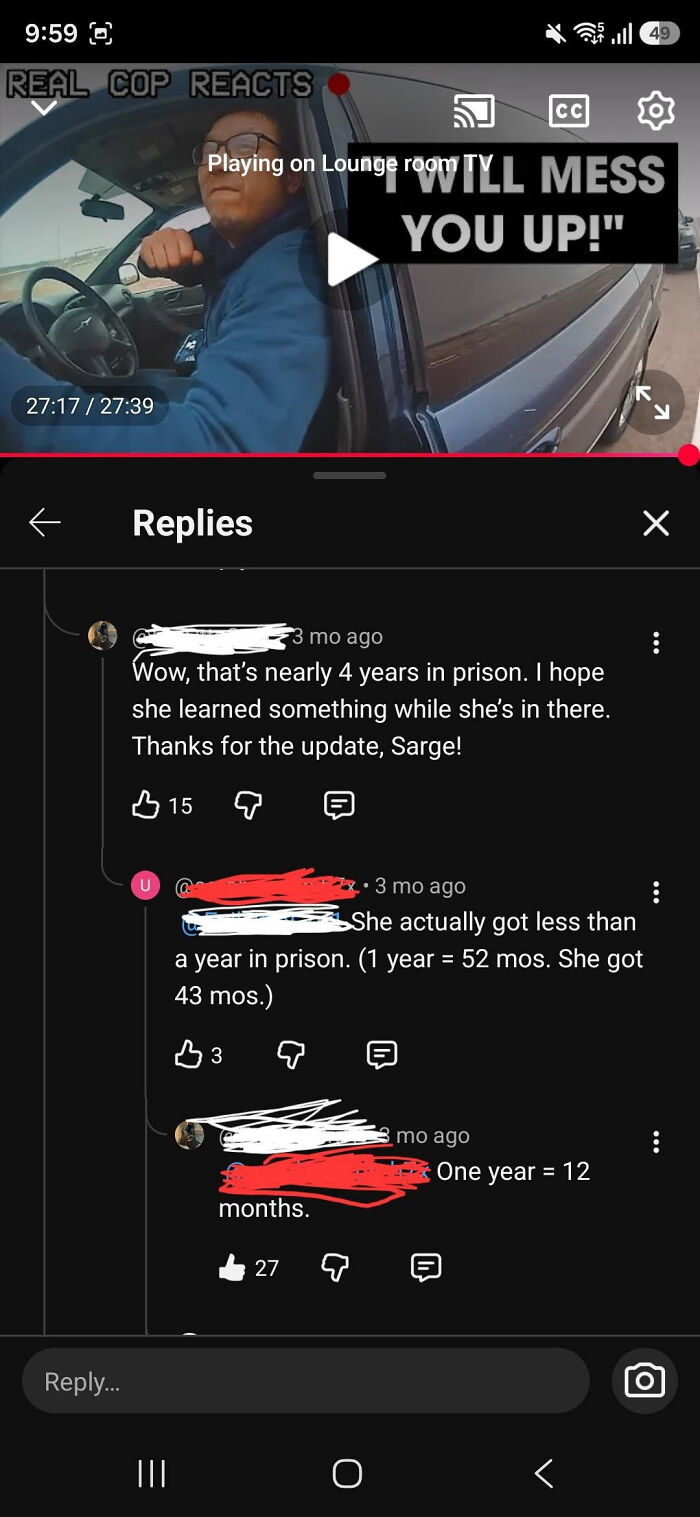
Image source: Deb Pend
#3
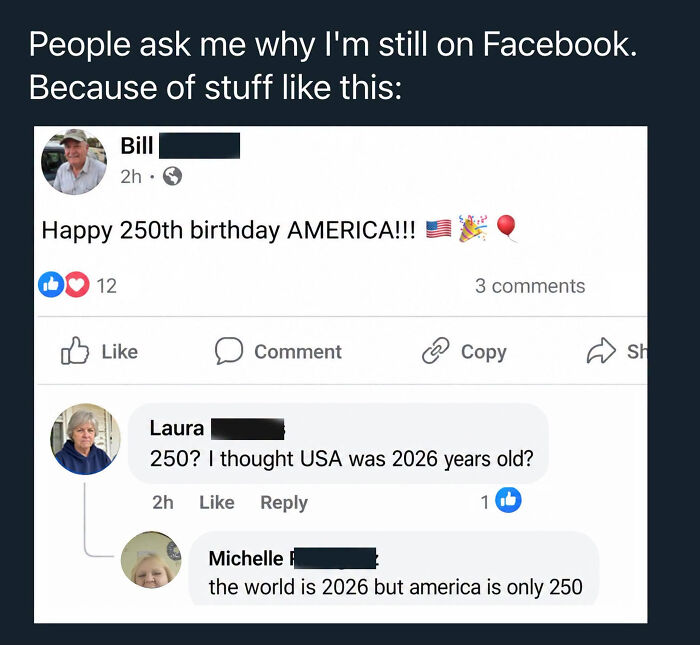
Image source: Carrie Scott Glasgow
Todd uses an endearing example from The Princess Diaries (2001) to illustrate her point: the scene where Mia takes a giant bite of a frozen palate cleanser at a fancy dinner and immediately regrets it. Rather than let her suffer alone, her two dinner companions dive in too, wincing through their own mouthfuls of “frozen green stuff,” as Todd puts it.
“They know the young princess has made a mistake, but rather than make her feel ashamed, their instinct is to make her feel less alone,” Todd explains. “In this way, they are the exact opposite of people who make other people feel bad about their grammar and punctuation on the internet.”
Granted, this is a scene from a movie—and a gloriously unrealistic one at that. But I’d like to believe it reflects something we’re at least more inclined to do when we’re face-to-face with someone rather than faced with a screen: consider their embarrassment before calling attention to their mistake. Sometimes that means swallowing our pride and letting a harmless error slide; other times, it means pointing it out quietly and respectfully rather than turning it into a spectacle.
#4
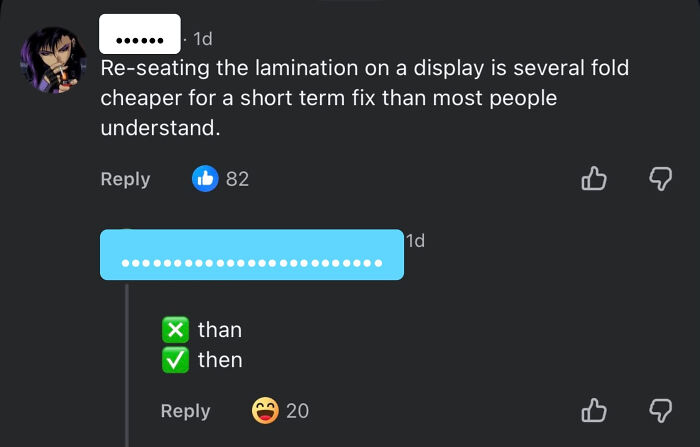
Image source: Ryuku Kintaro
#5
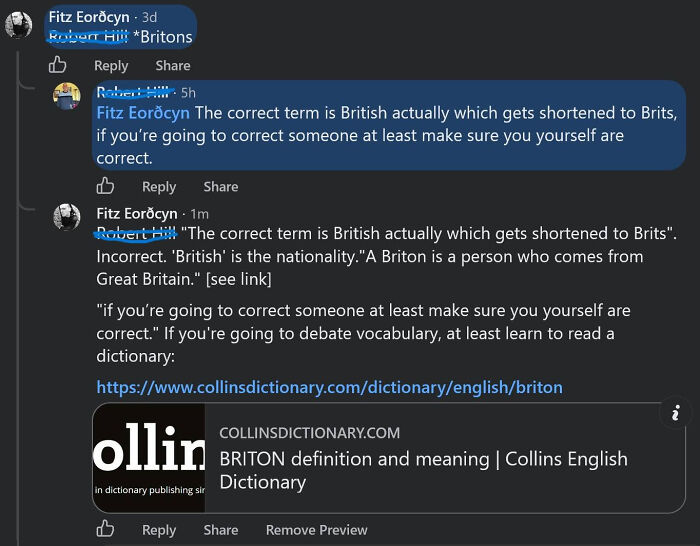
Image source: Fitz Eorðcyn
But that courtesy tends to evaporate the moment social media platforms, comment sections, and forums enter the picture.
Online, Alvarez says, correction stops being a private matter. “What might once have been a private clarification is now a public performance,” she explains, “and correction has shifted from an occasional act into a cultural reflex.”
She explains that this is partly because of how we’ve come to think about correction itself. Because we live in an age shaped by misinformation, disinformation, and rapidly circulating half-truths, “calling things out” has taken on a new kind of moral weight. To correct someone is framed as an act of care. To stay silent, by contrast, starts to look like enabling harm.
#6
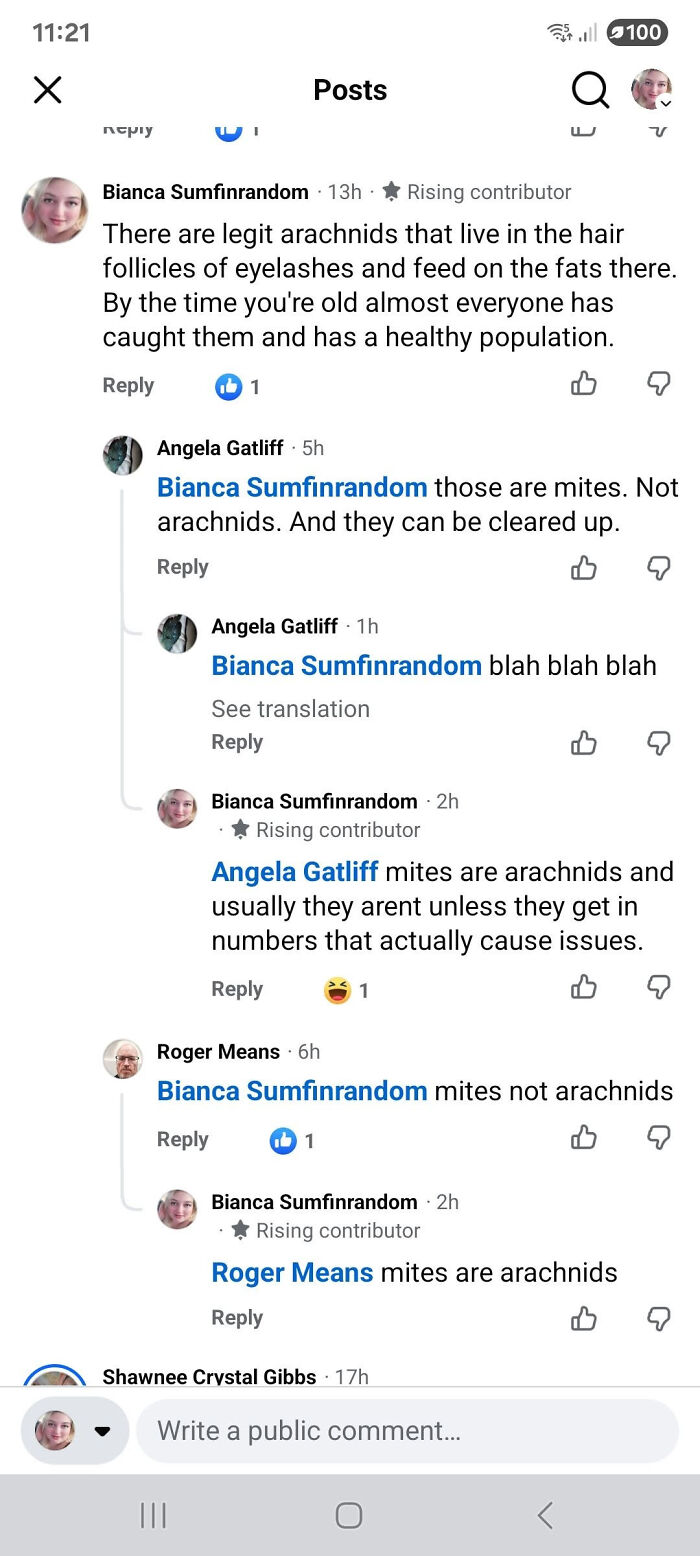
Image source: Bianca Sumfinrandom
#7
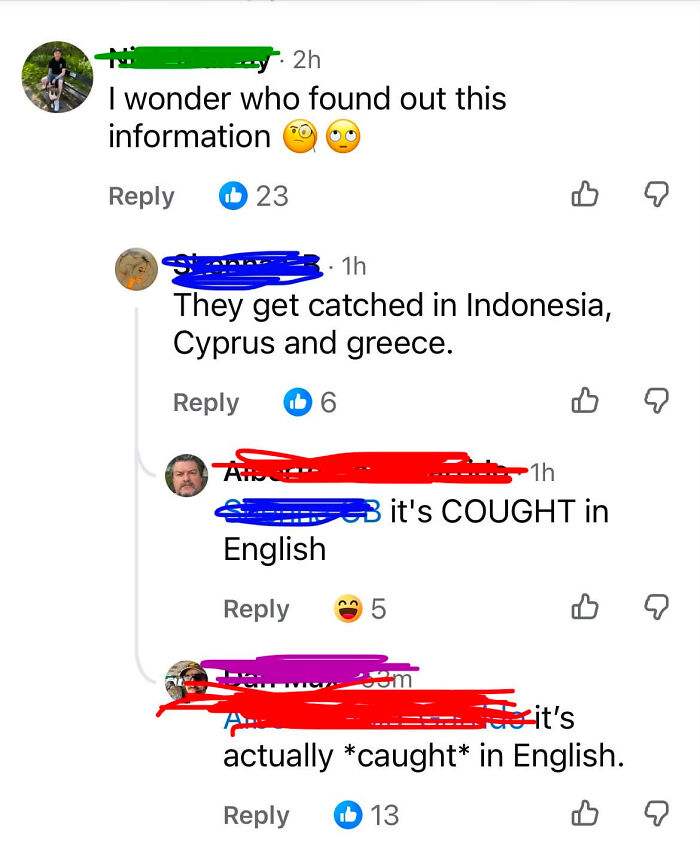
Image source: Angus Cameron
#8
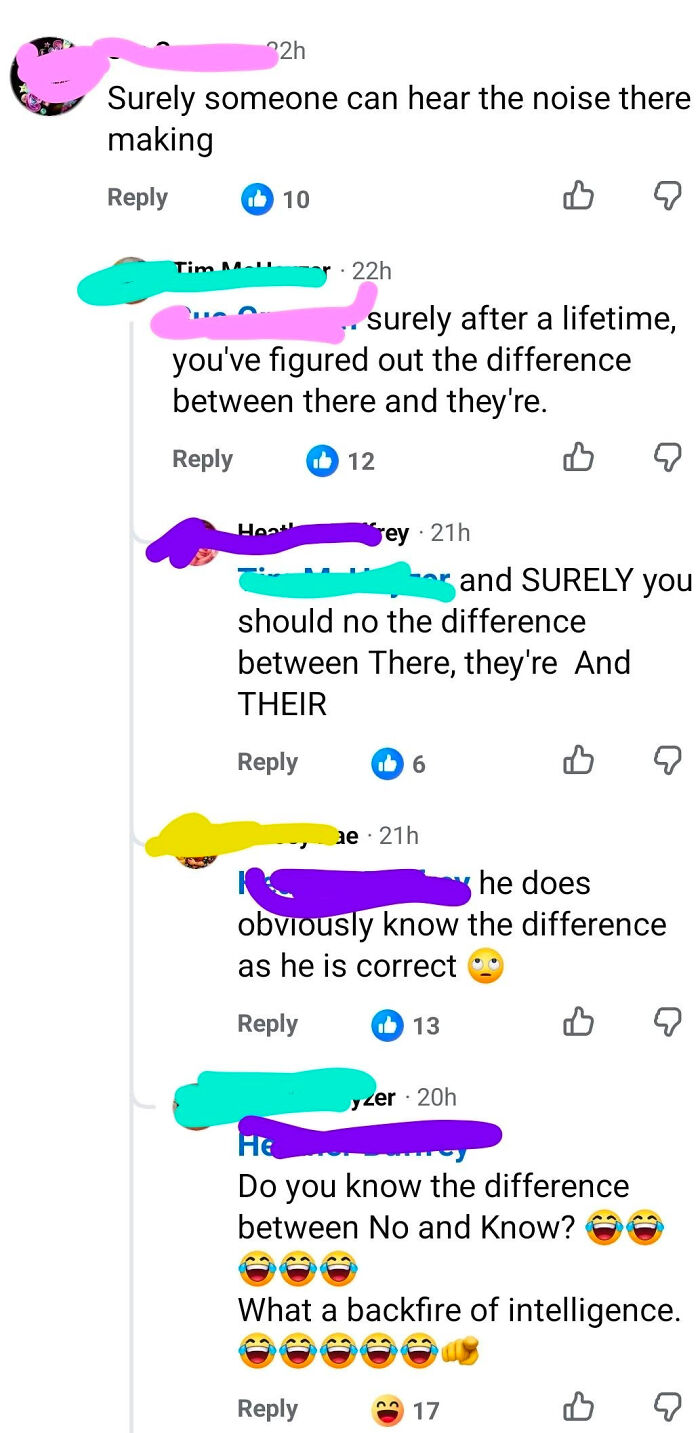
Image source: Tarryn Jay Wilson
Under that framework, Alvarez says, correction isn’t just tolerated; it becomes virtuous. And the more visible, decisive, and confident the correction, the more virtuous it seems.
And this framing, she notes, isn’t entirely wrong: misinformation does cause real, lasting damage, and silence, in some cases, really can function as a kind of complicity. A culture that values truth, she argues, also has to make room for correcting falsehoods.
But something has shifted in how that correction actually plays out: “The line between protecting accuracy and policing people has blurred,” Alvarez says. Correction, she explains, is no longer always about the information itself. Just as often, it becomes about something else entirely—asserting authority, demonstrating superiority, or regulating how other people speak, think, or show up online.
#9
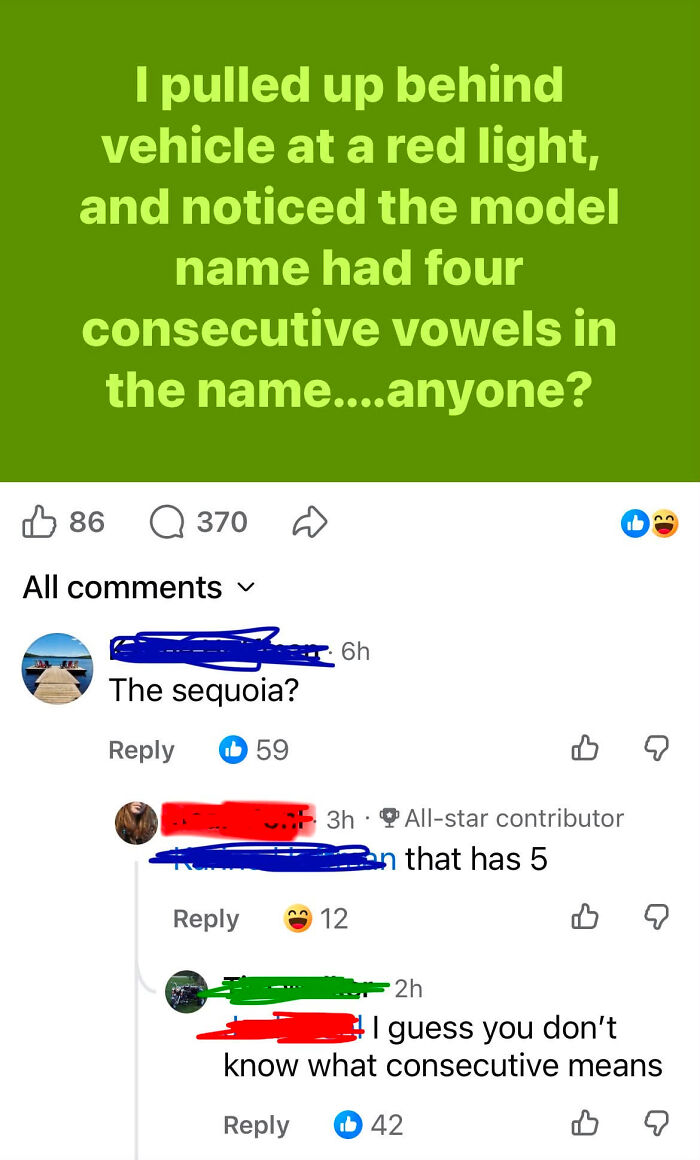
Image source: Angus Cameron
#10
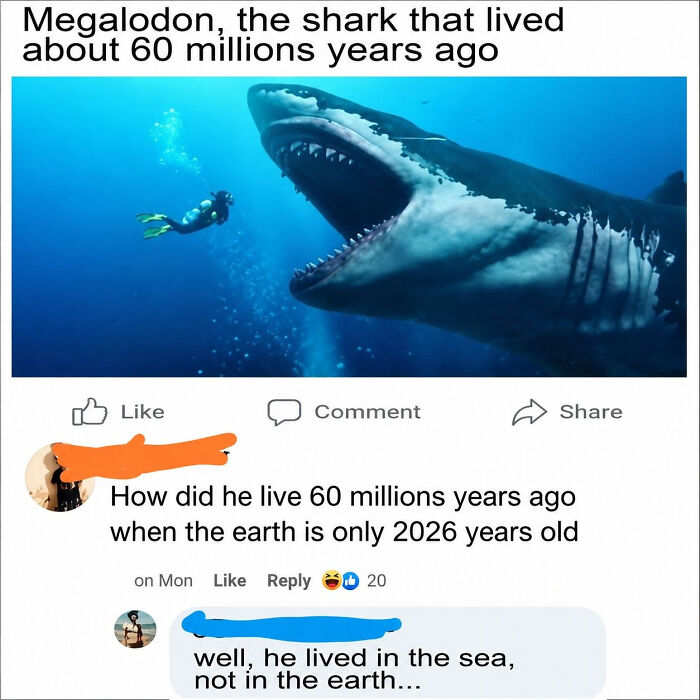
Image source: Gregory Logro Bolide
#11
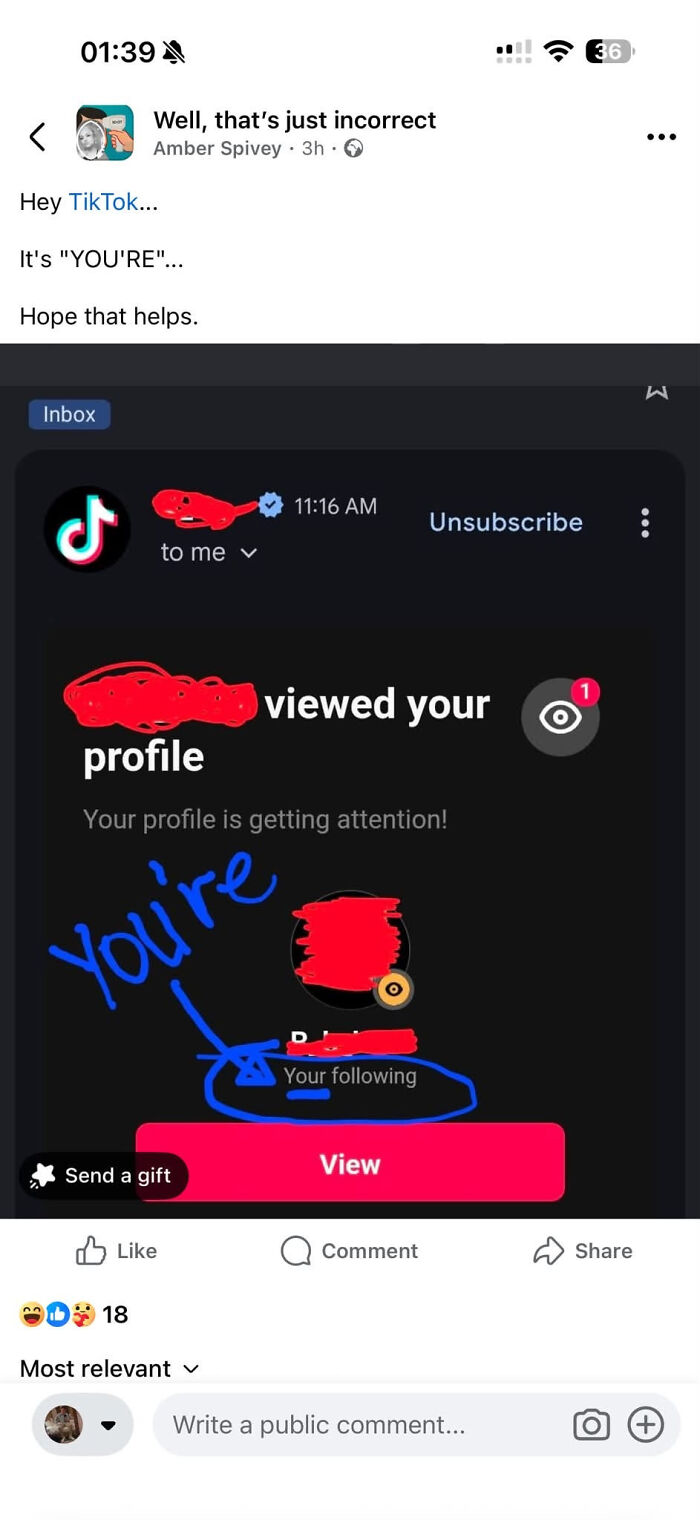
Image source: Kyle JW
Similarly, Todd suggests, “maybe the shock and fury expressed by some online commenters over a misspelled word is actually performative. It’s one thing to notice and even feel pained by a typo; it’s another to announce your pain to the world.”
And perhaps that’s what makes examples like the ones in this list so satisfying. There’s a particular kind of irony in coming in hot to school someone else on a mistake, only to reveal that the real mistake was yours all along. Maybe it’s karma. Maybe it’s the internet’s way of keeping us humble.
But either way, when the tables turn and the “corrector” becomes the corrected, all that confidence makes the backfire all the more spectacular—the kind of moment that’s simply too good not to screenshot.
Let us know which of these had you cringing the most!
#12
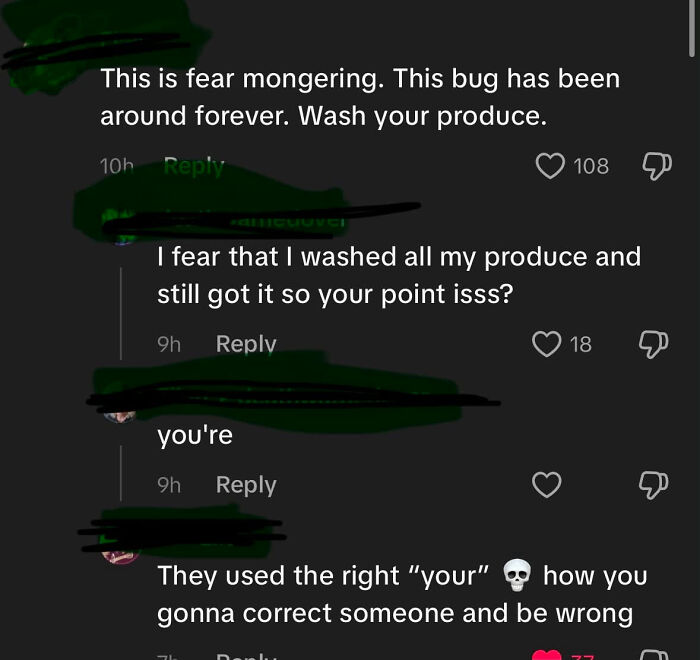
Image source: Harmony Whicker
#13
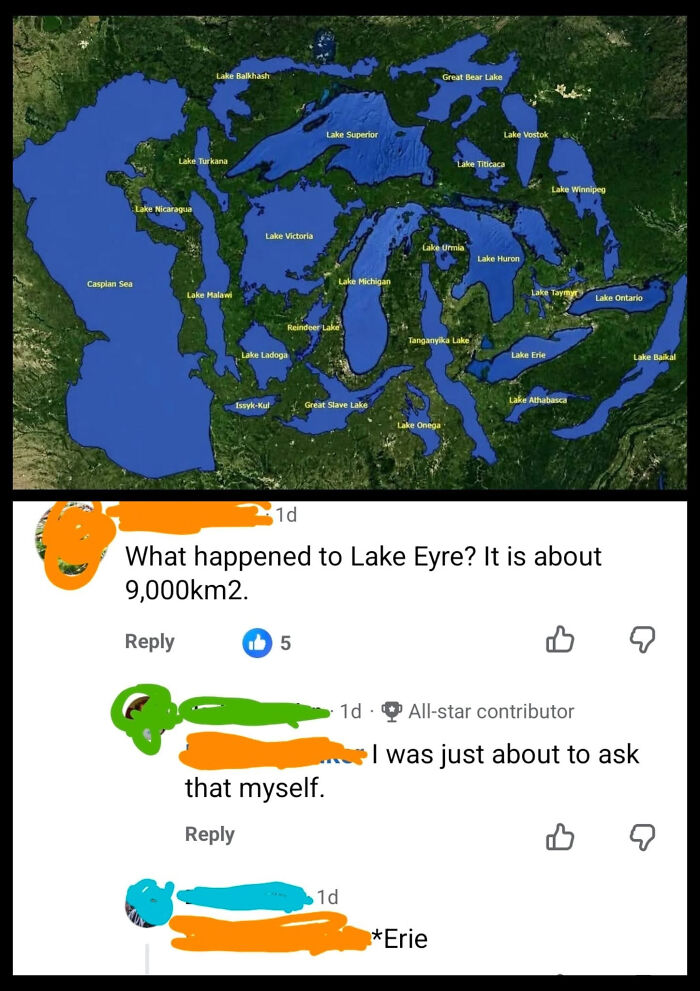
Image source: Cynthia Dallas Windesheim
#14
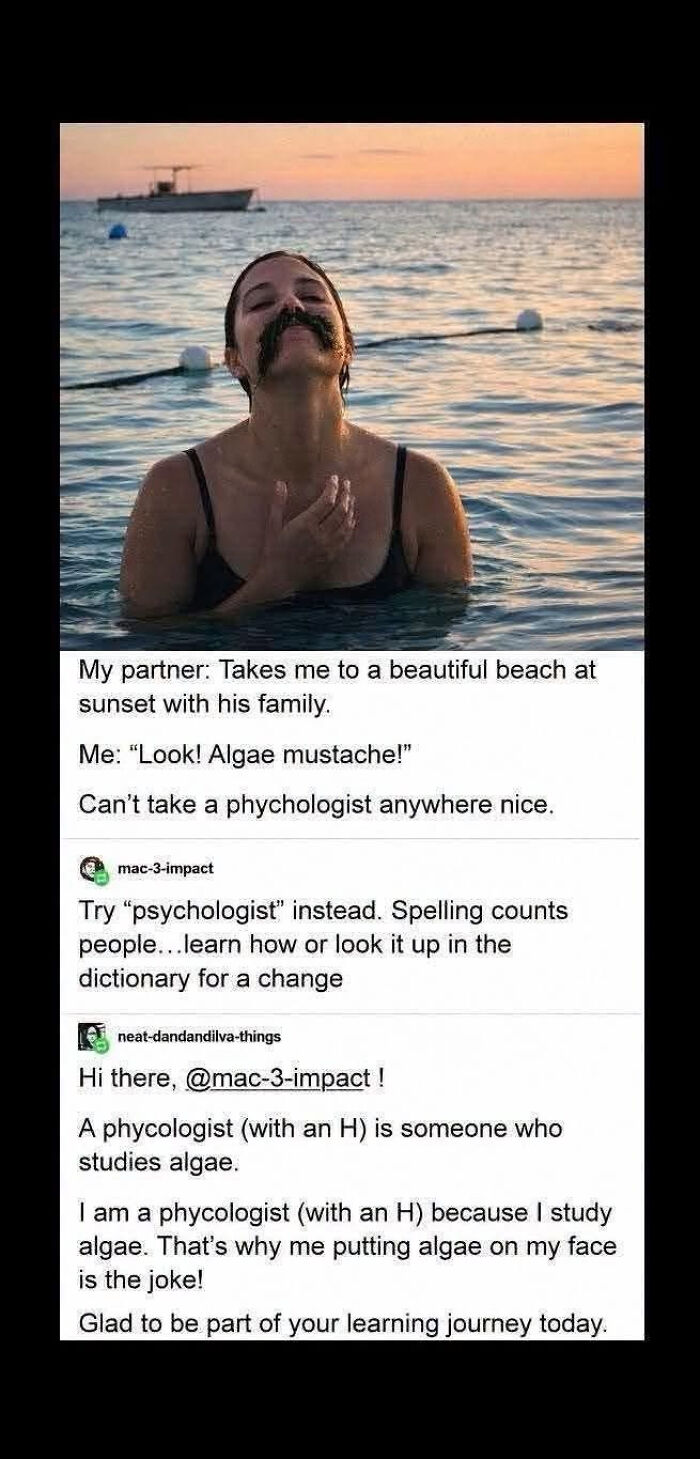
Image source: Joanna ‘Puma’ Raymond
#15
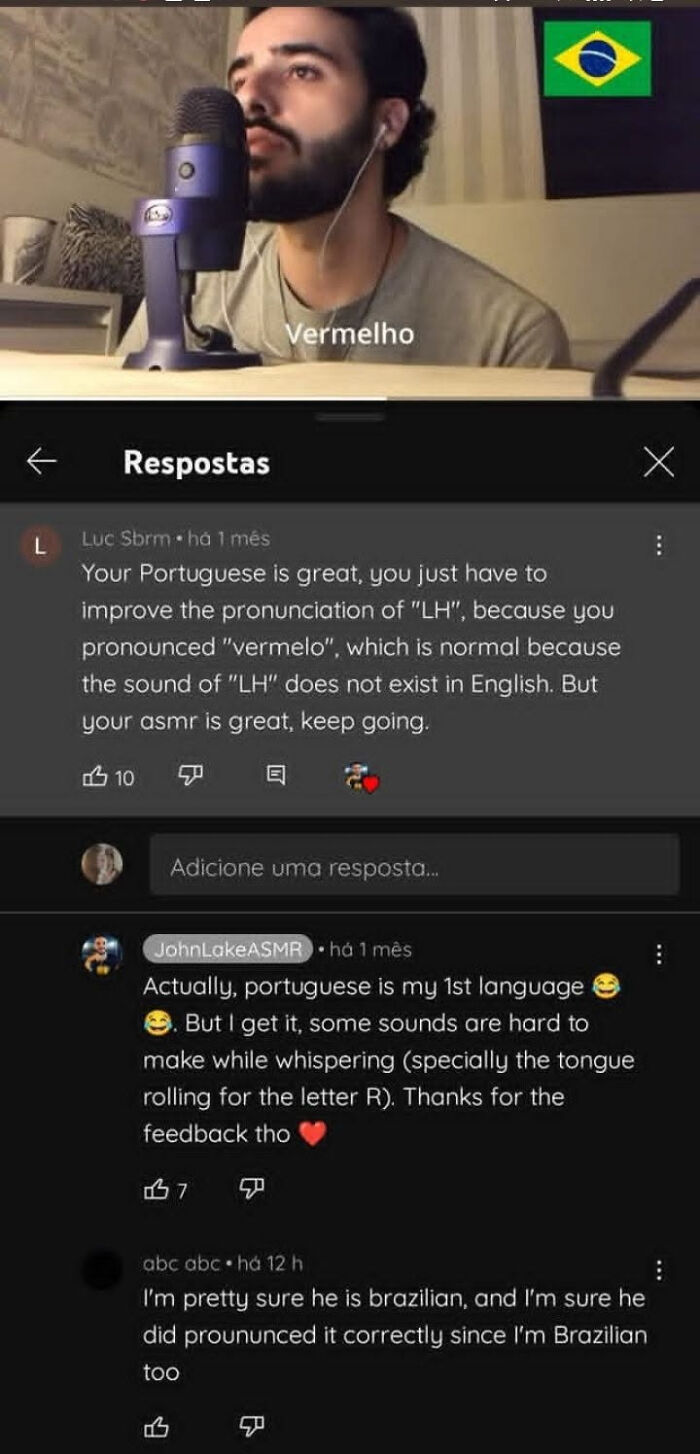
Image source: Ayunina Prihatiningsih
#16
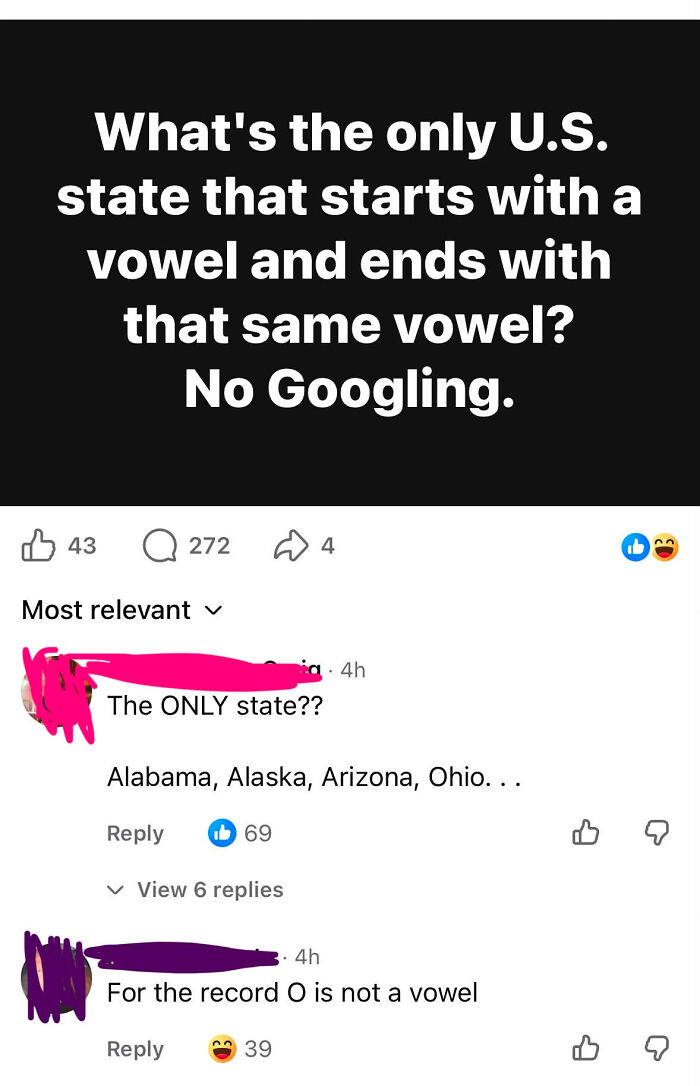
Image source: Hailey DeMarre
#17
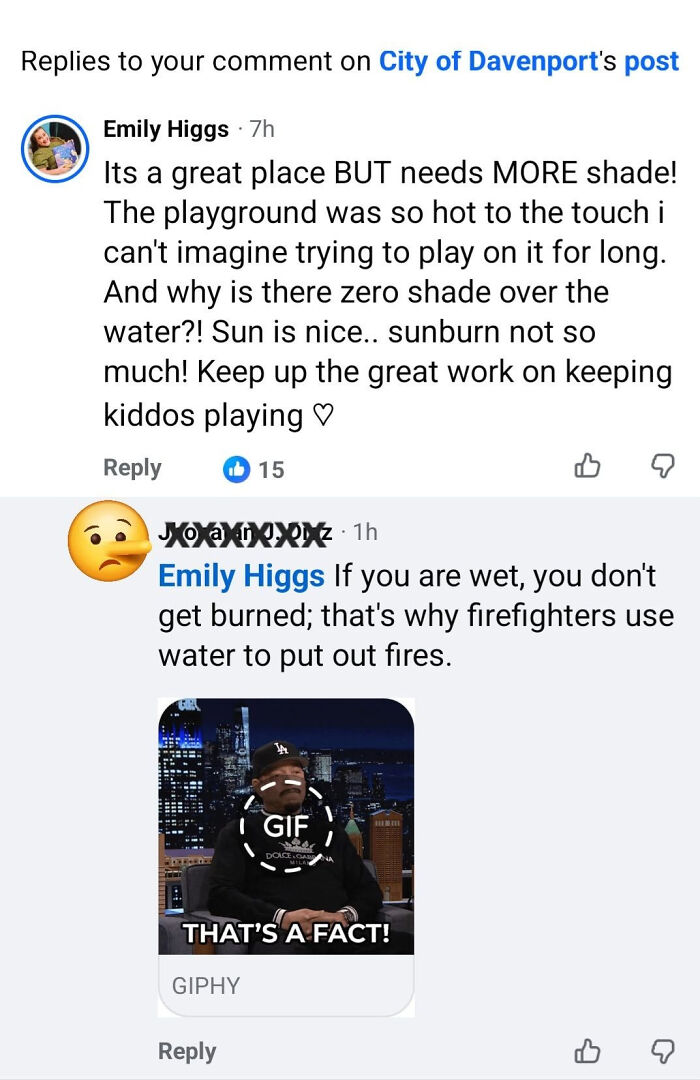
Image source: Emily Higgs
#18
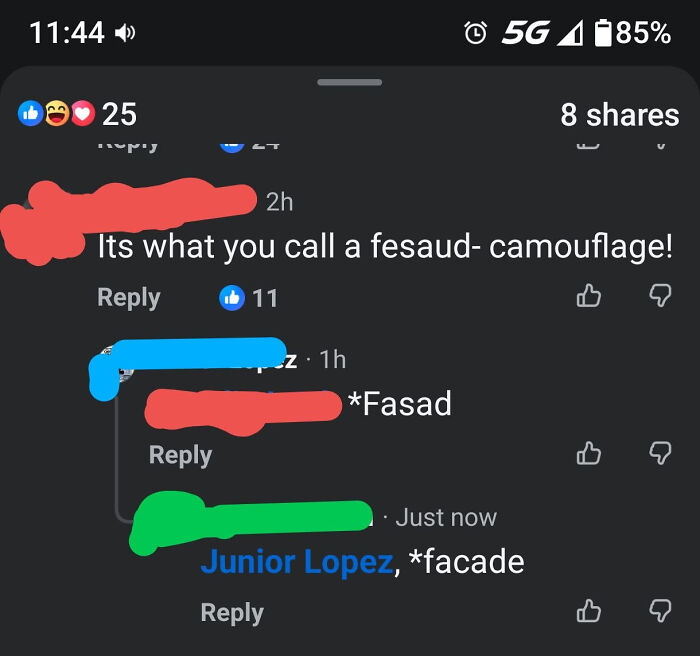
Image source: Doug Dennison
#19
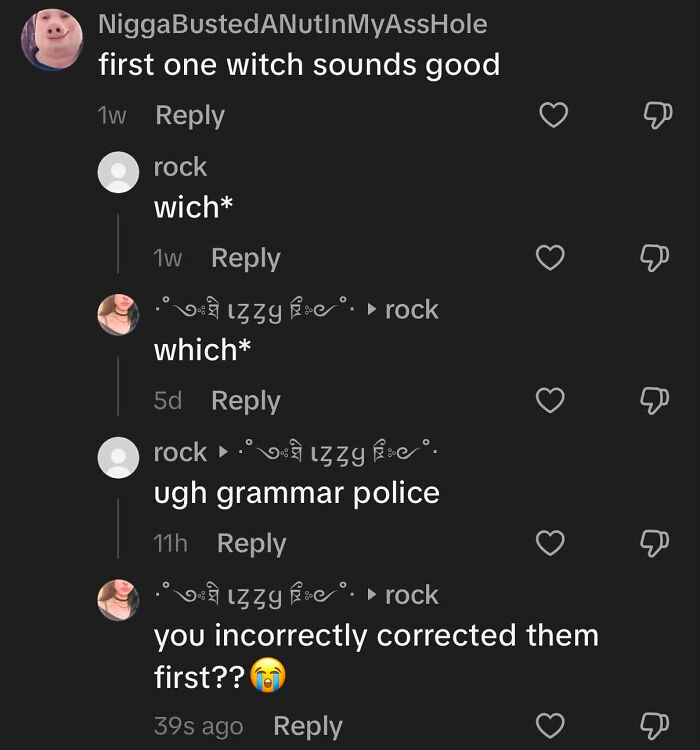
Image source: Izzy Kerwood
#20
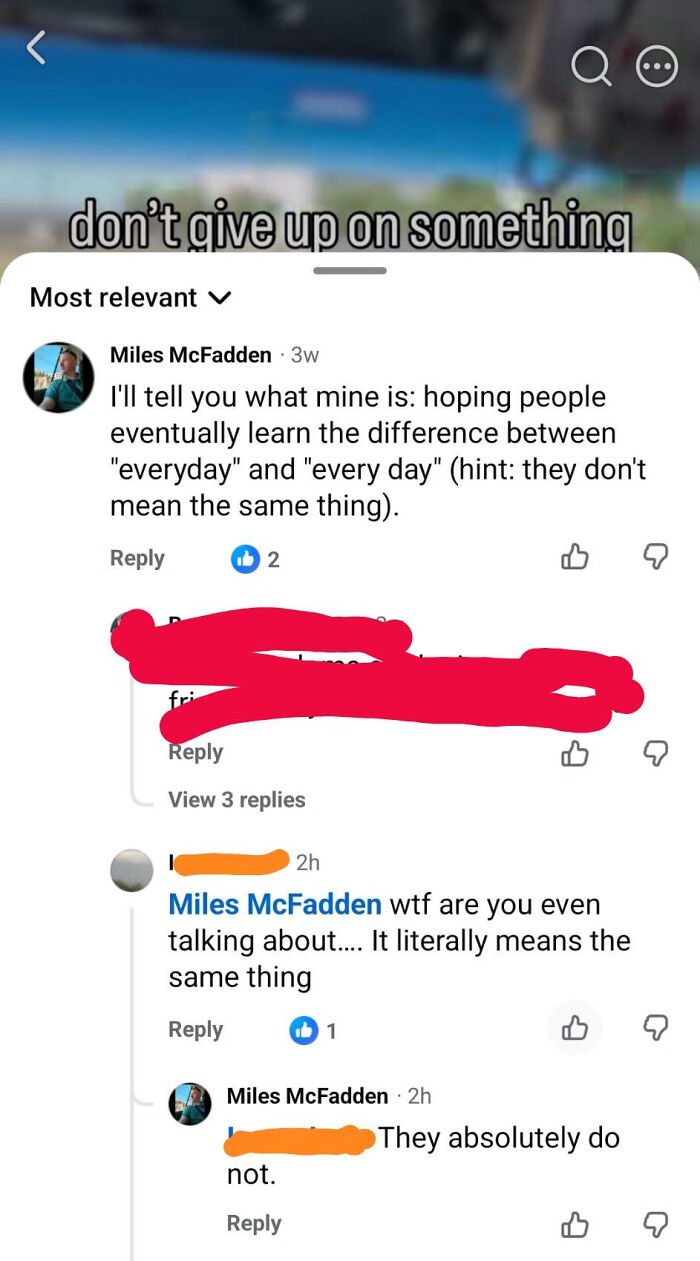
Image source: Miles McFadden
#21
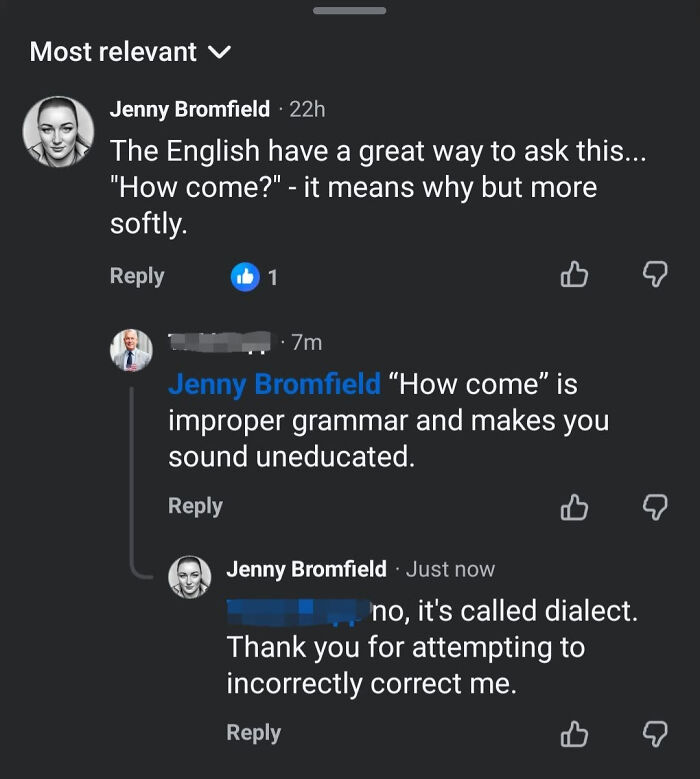
Image source: Jenny Bromfield
#22
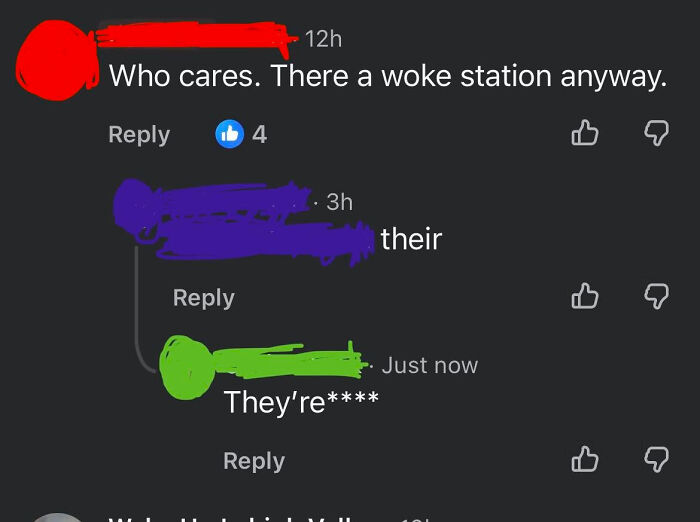
Image source: Chris Stock
#23
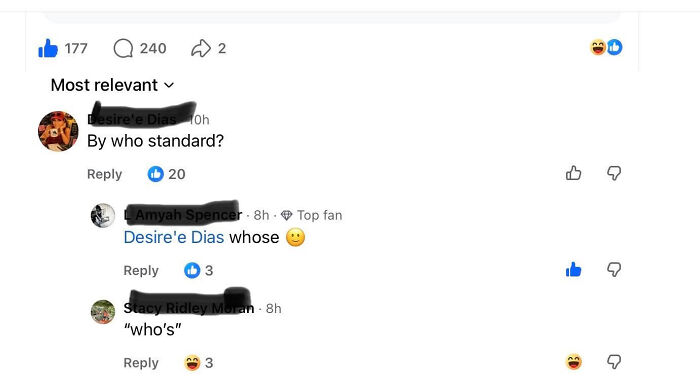
Image source: Heather Moore Sheppard
#24
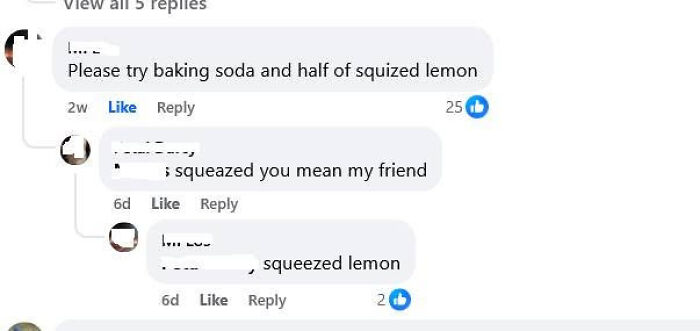
Image source: Mary Smilie
#25
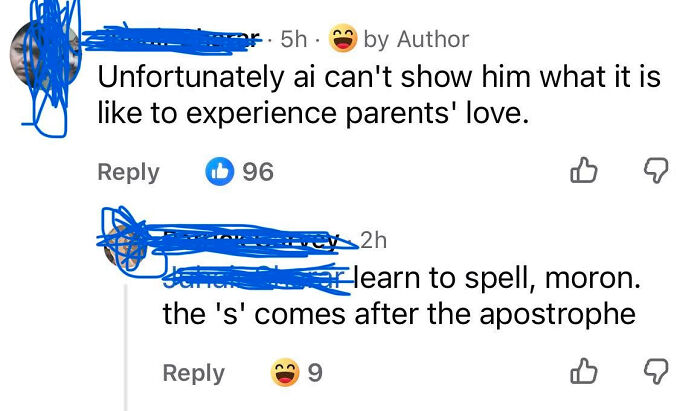
Image source: Rachel Schwartz
#26
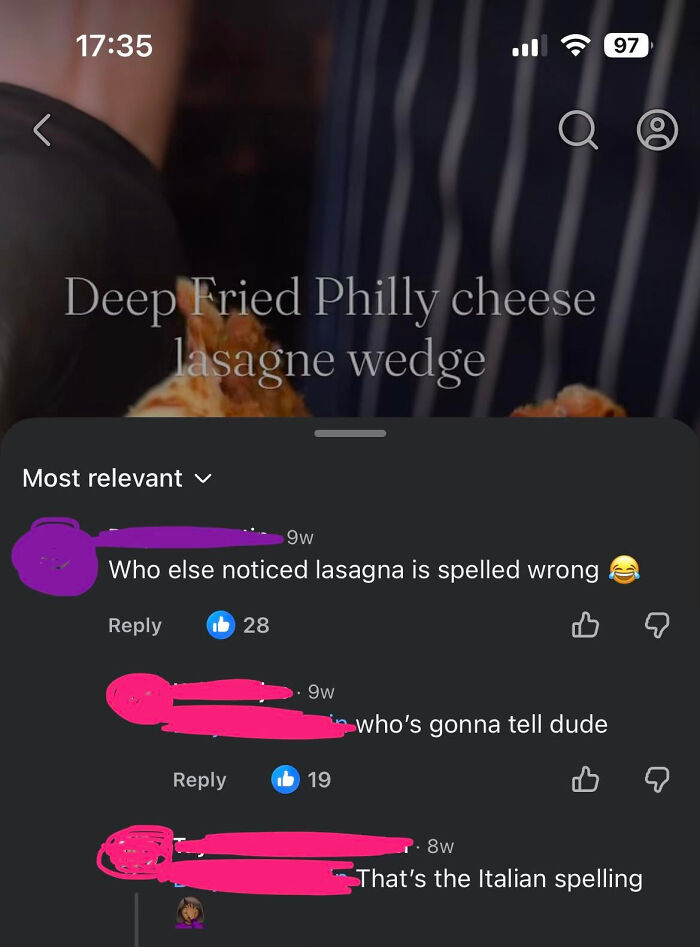
Image source: Poppy Kia
#27
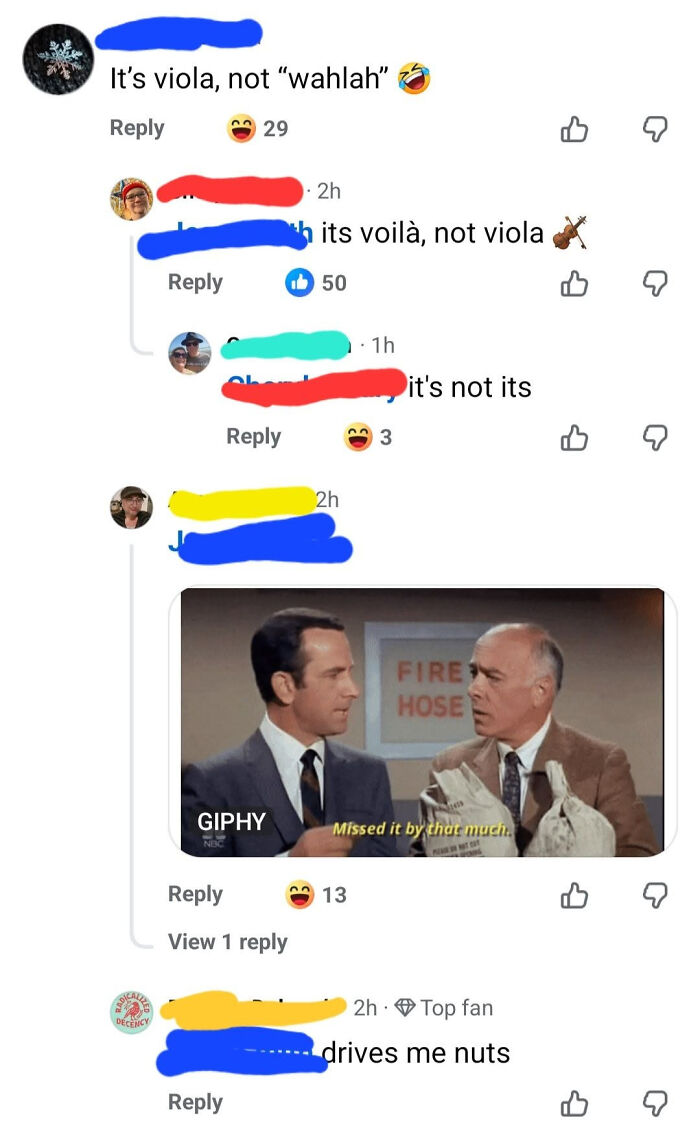
Image source: Elena Melgar Fuentes
#28
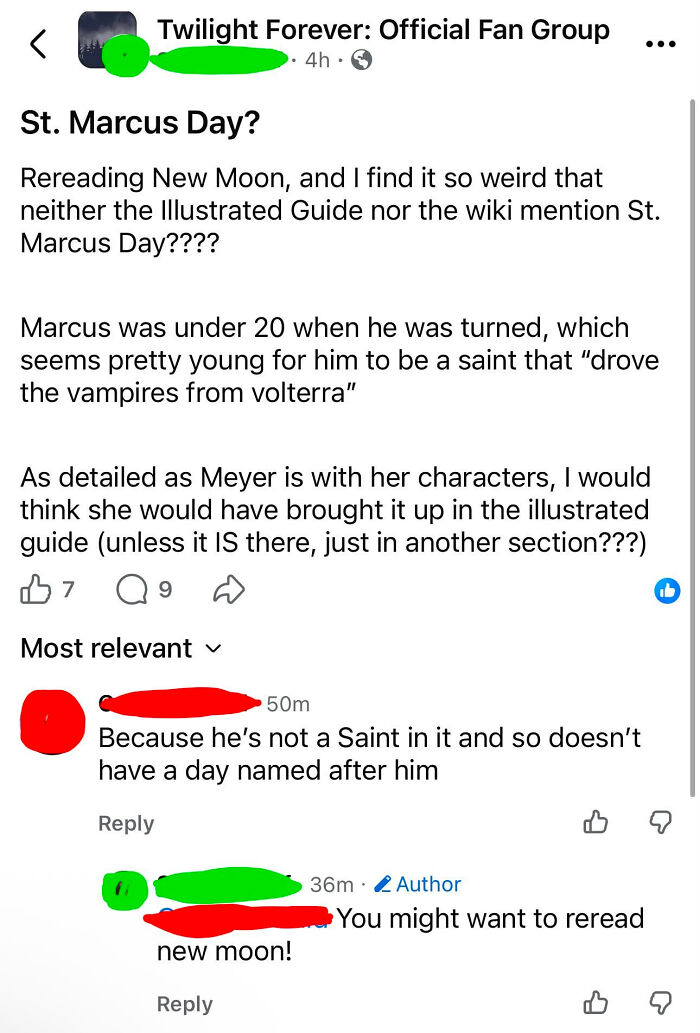
Image source: Sarah Ratliff
#29
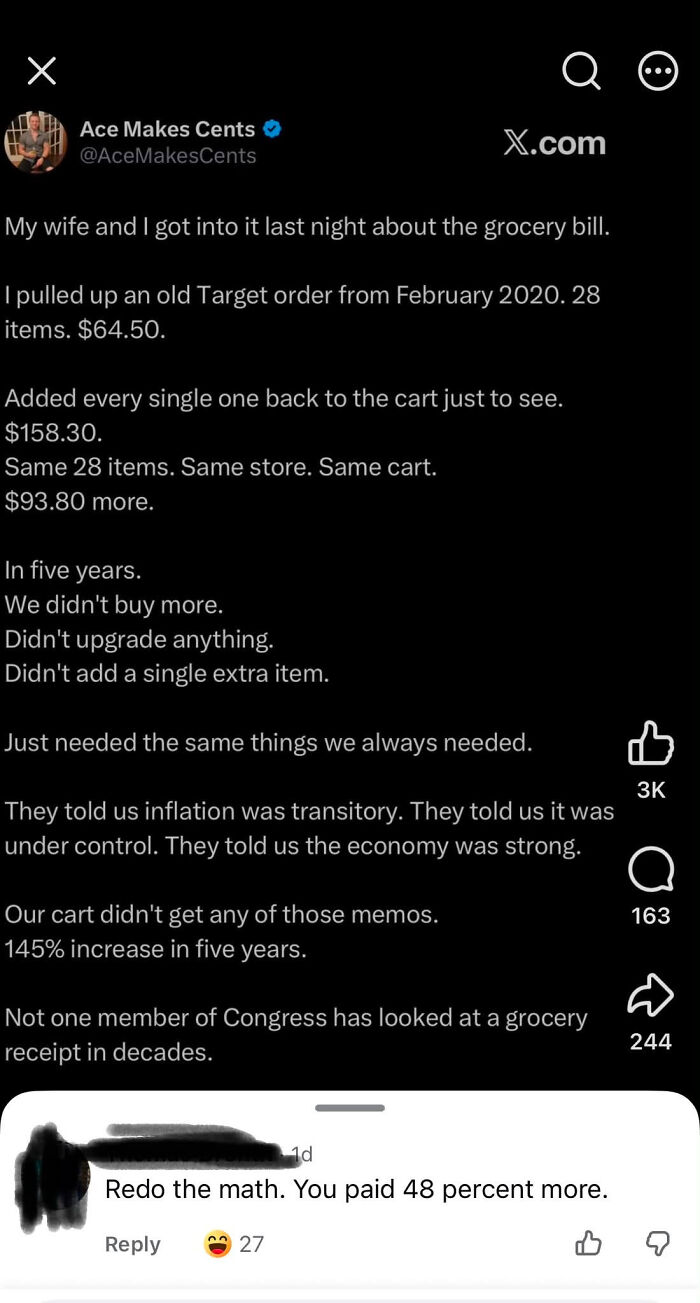
Image source: Timothy C Gray
#30

Image source: Amie Gillies
#31
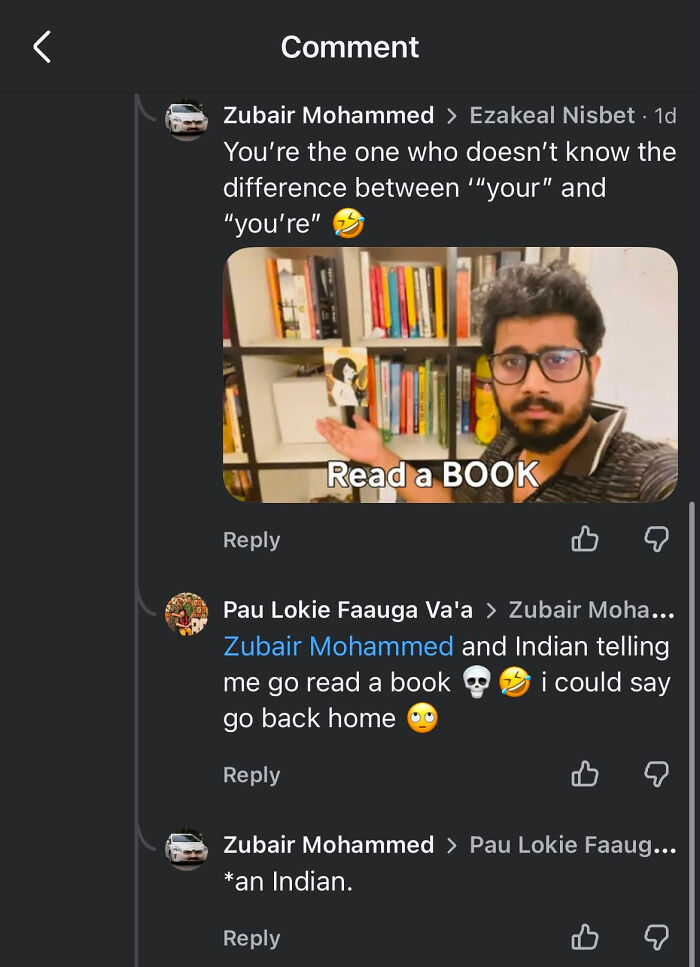
Image source: Zubair Mohammed
#32
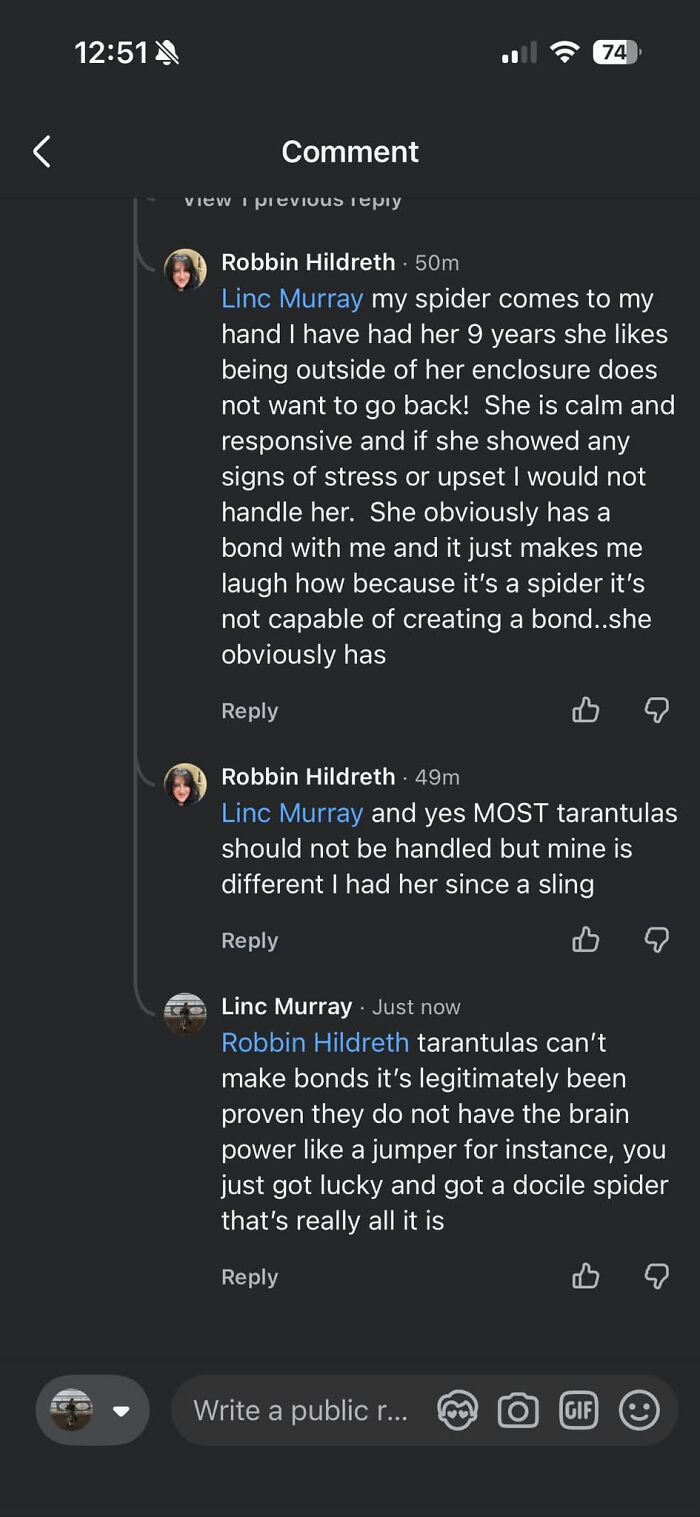
Image source: Linc Murray
#33
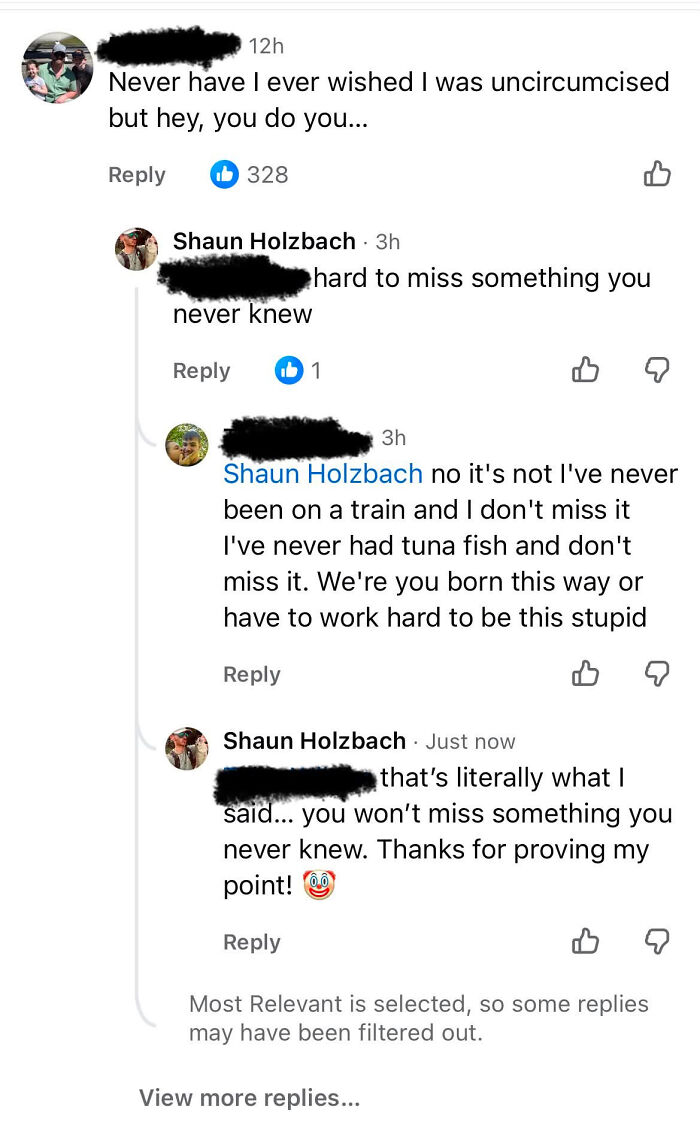
Image source: Shaun Holzbach
#34
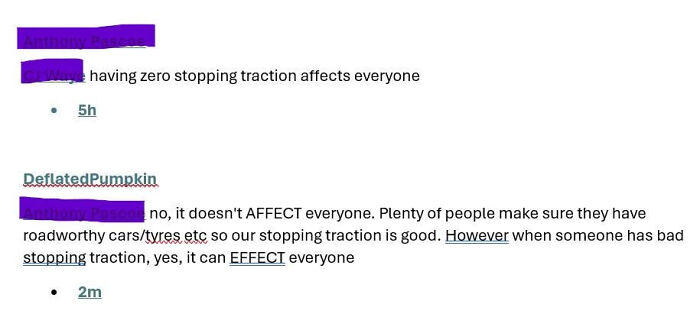
Image source: Kevin McKenna
#35
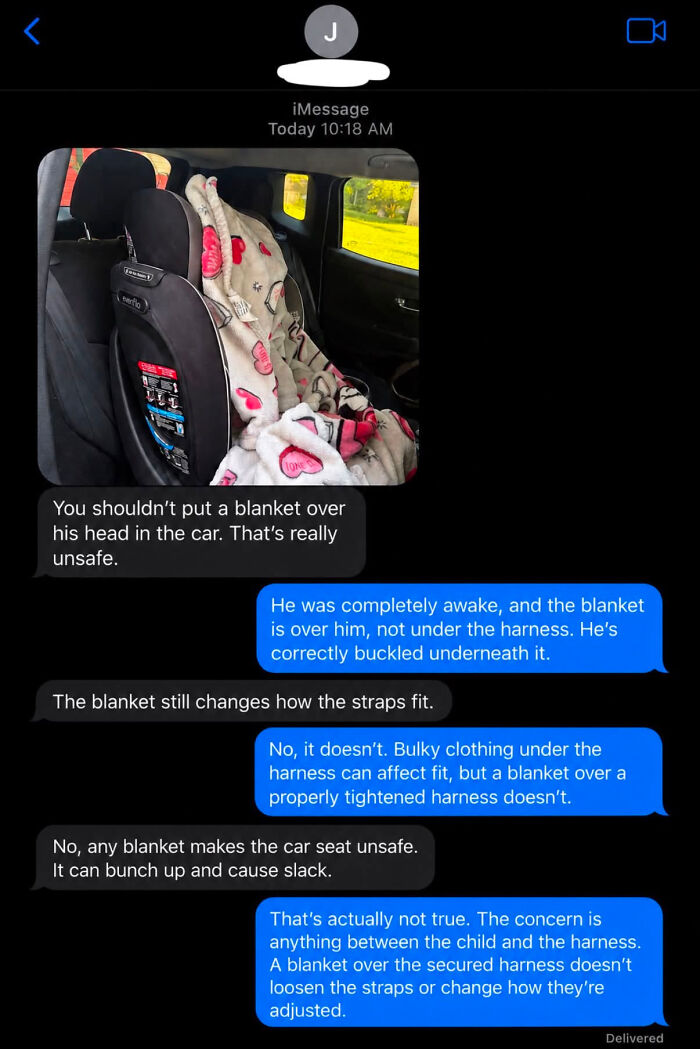
Image source: Kendell Leigh Ann Jarrell
#36
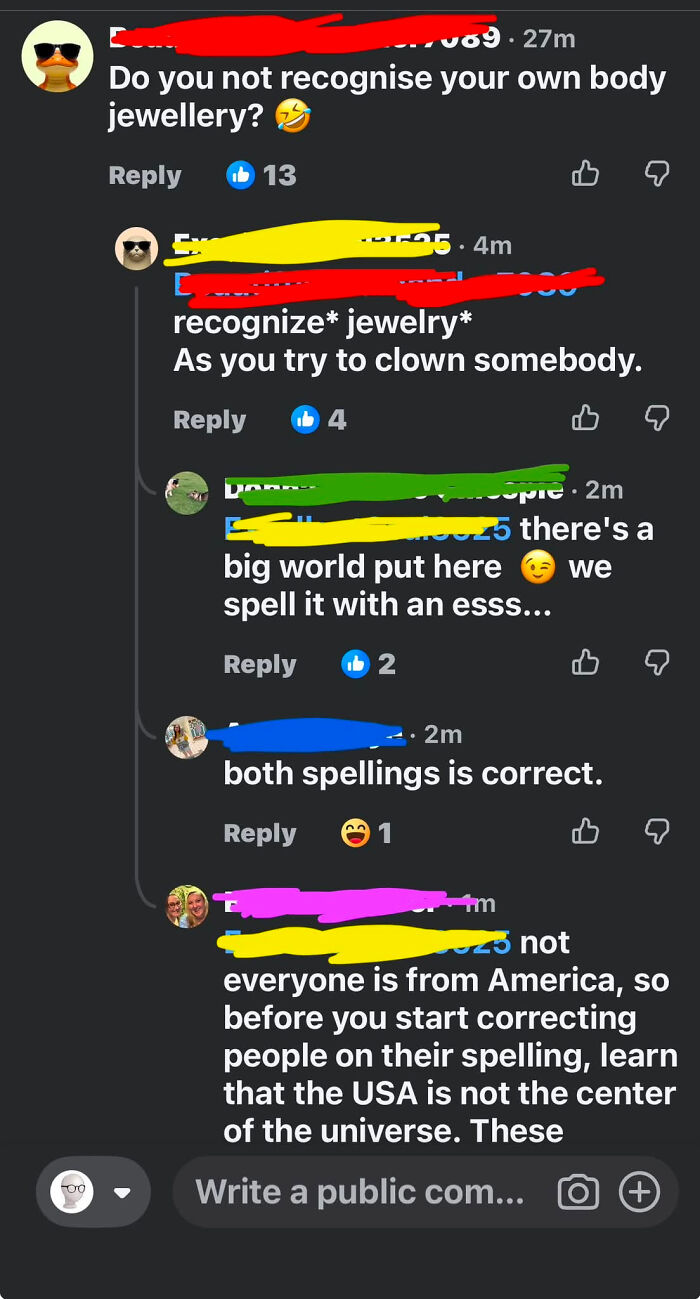
Image source: Russell Barrett
#37
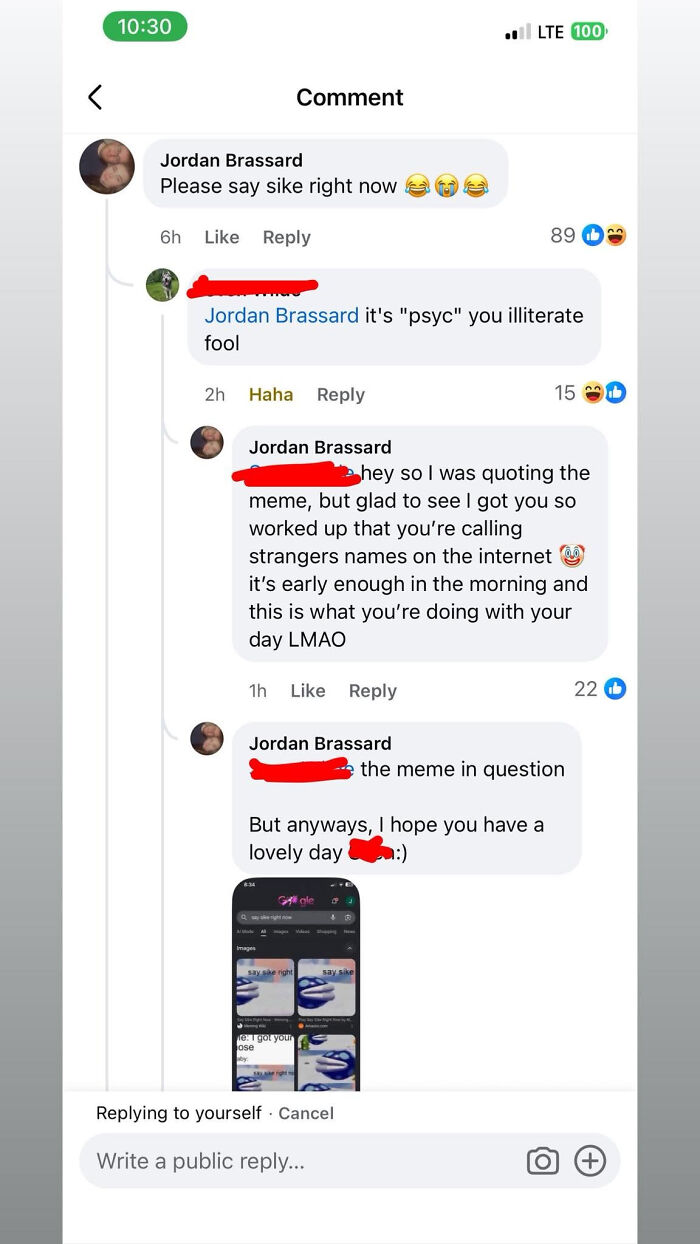
Image source: Jordan Brassard
#38
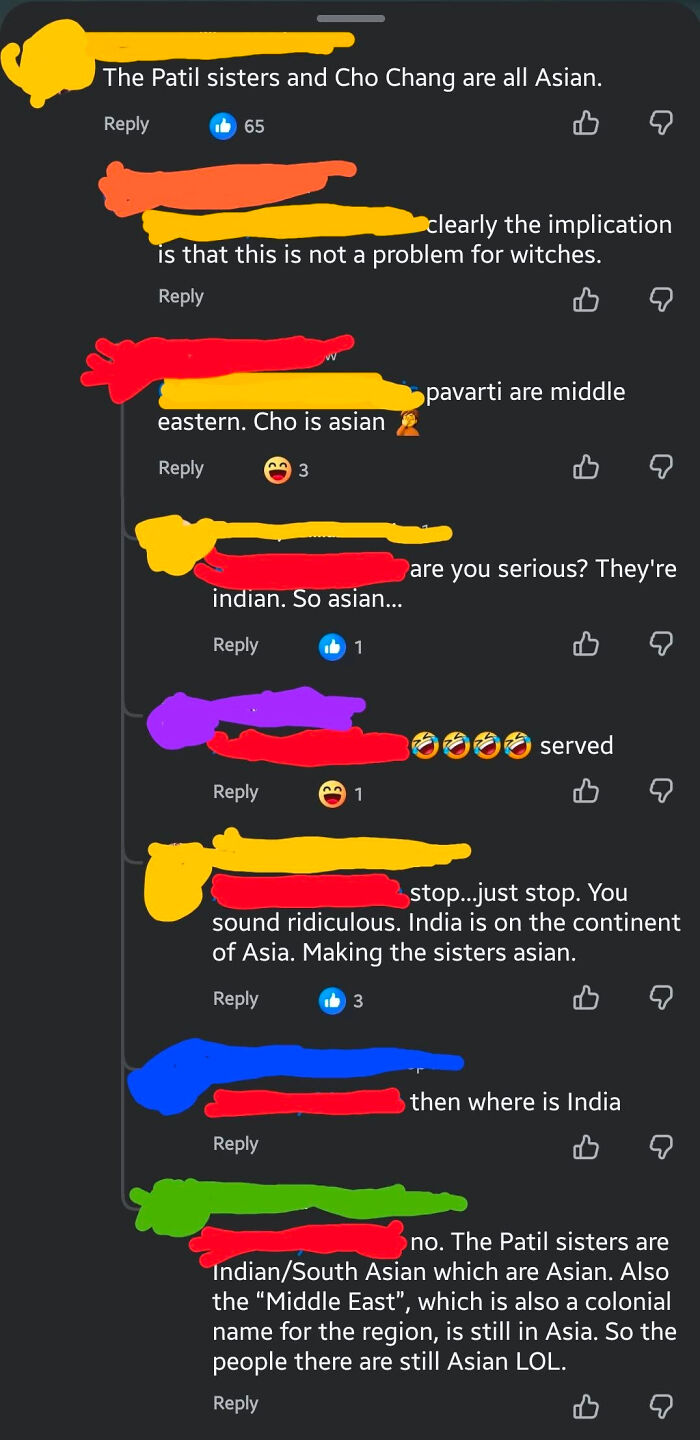
Image source: Ken S Huang
#39
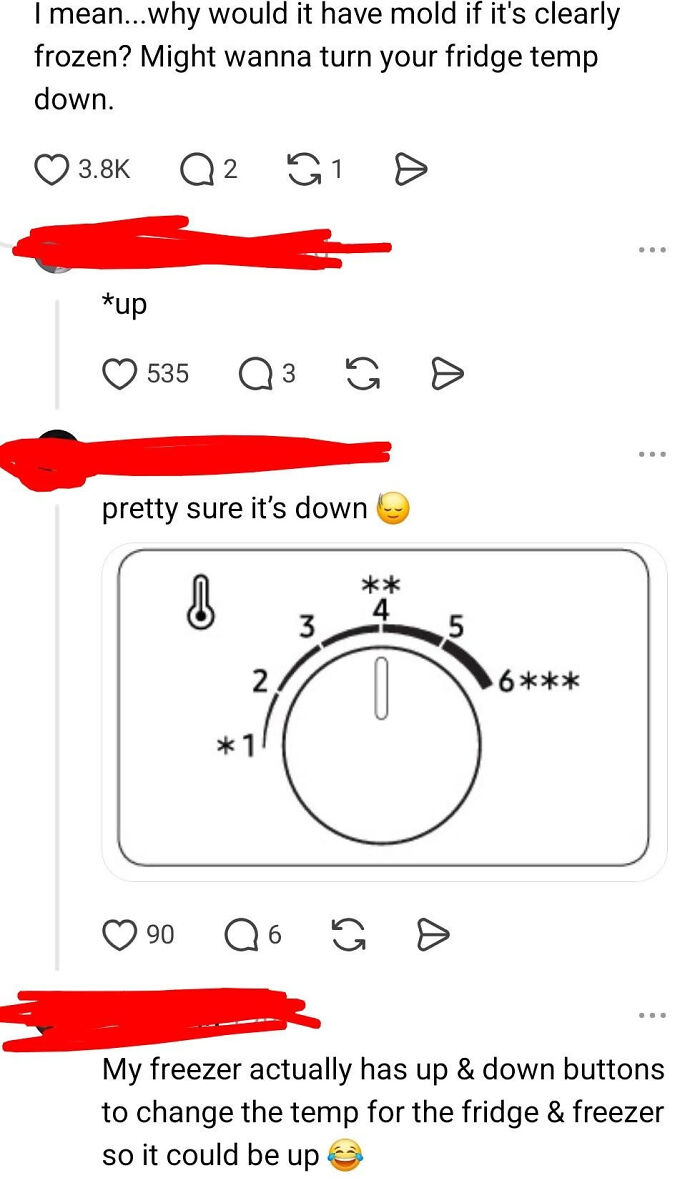
Image source: Claire Baxter-Dunlavey
#40
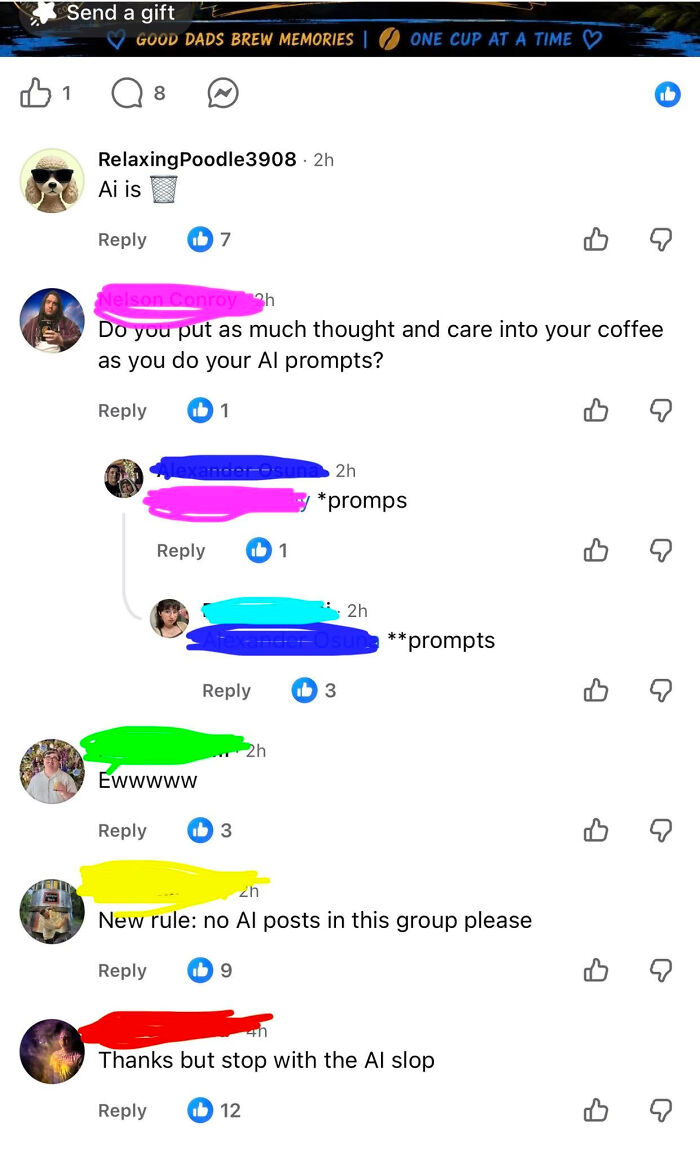
Image source: Hailey Berry
#41
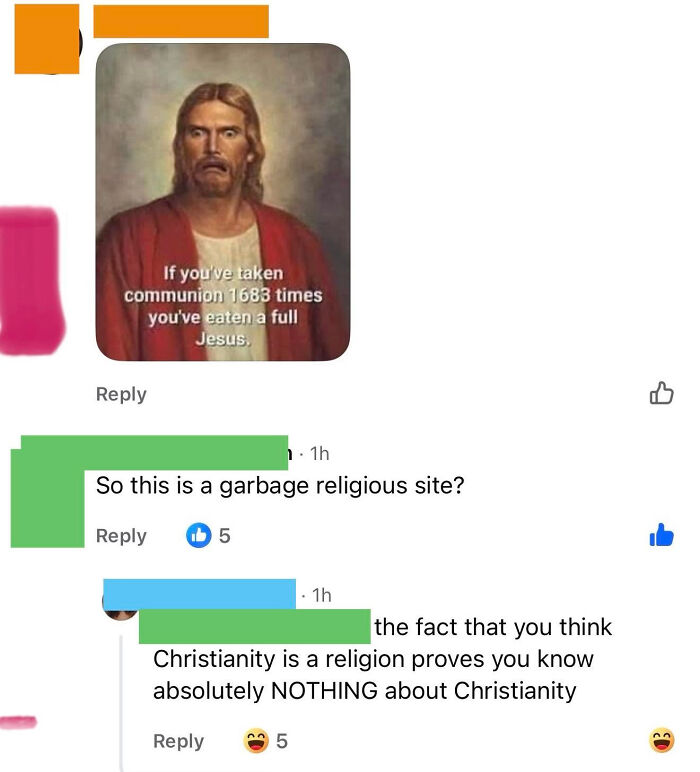
Image source: Dylan Luhowy
#42
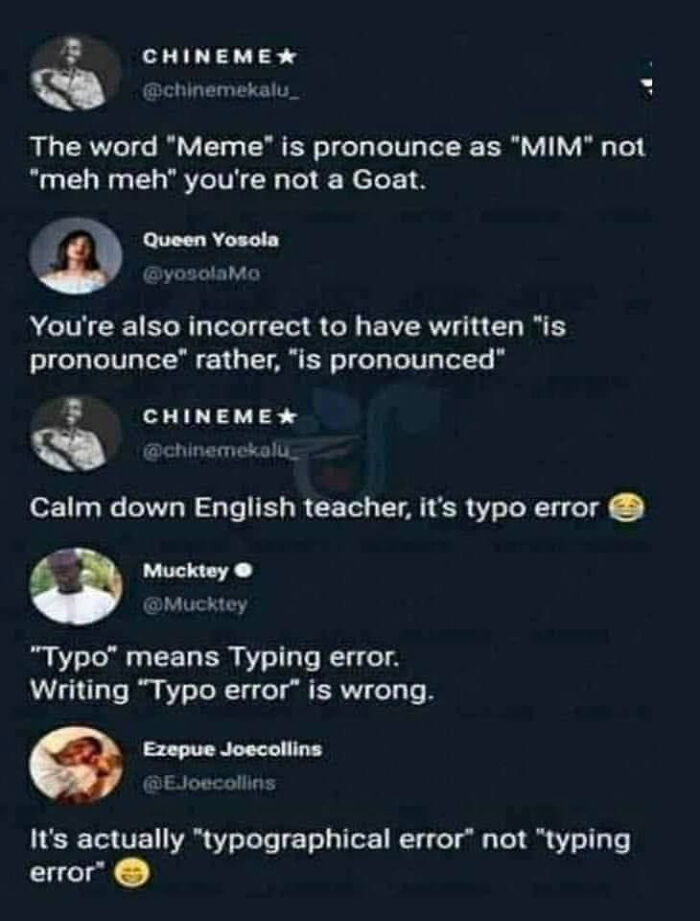
Image source: Austin Danger Durling
#43
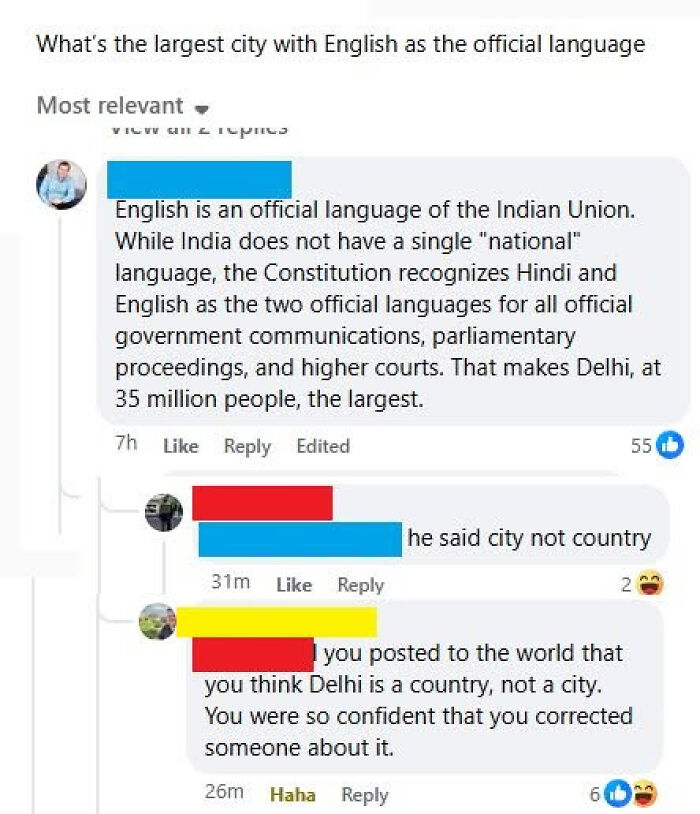
Image source: Dave Andrew
#44
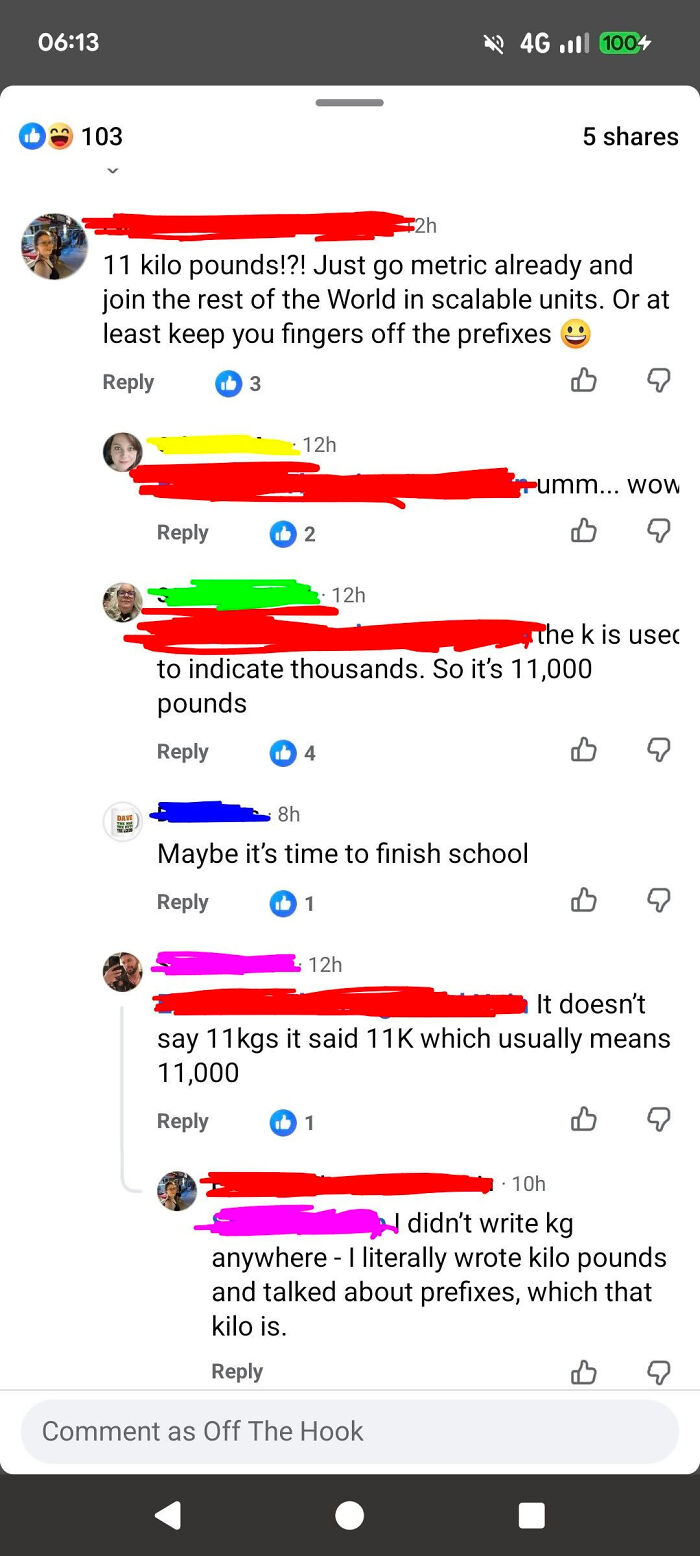
Image source: Becky Copson
#45
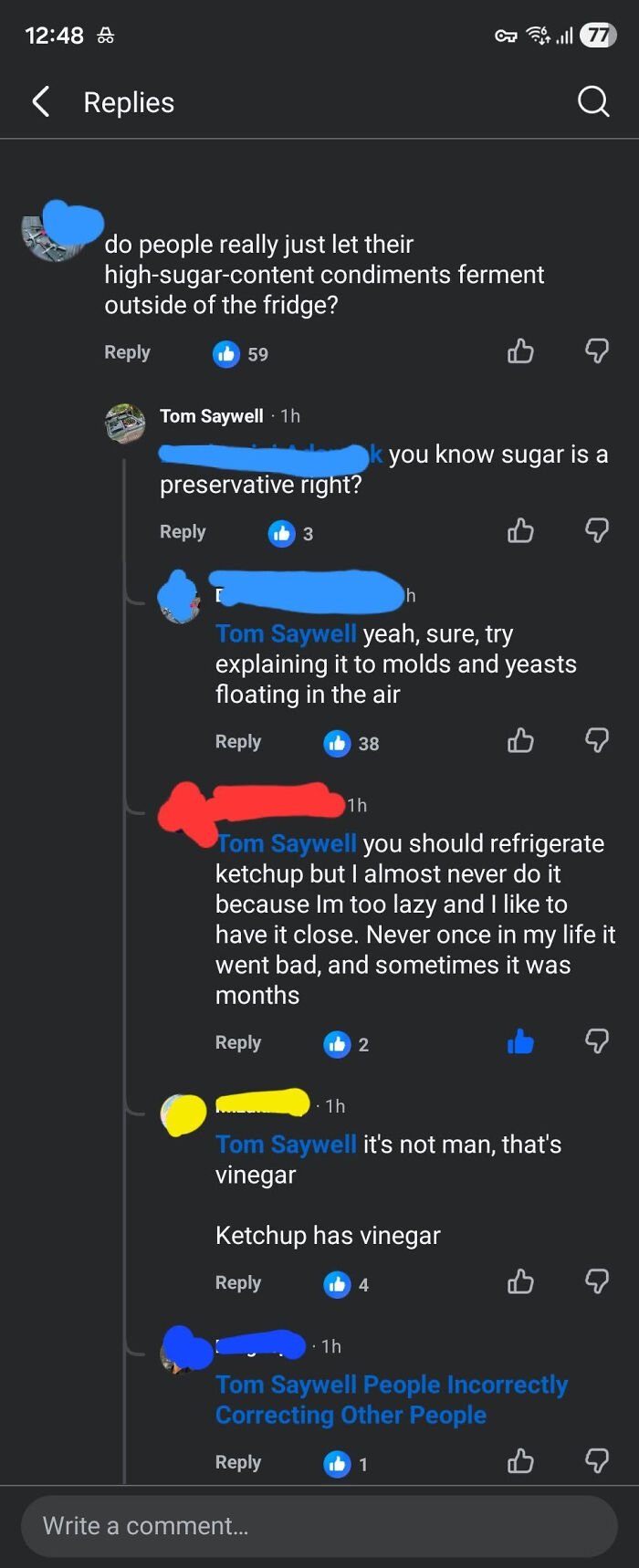
Image source: Tom Saywell
#46
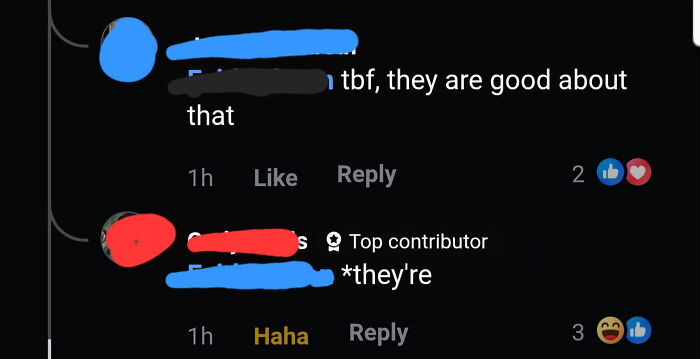
Image source: Amanda Duncan
#47
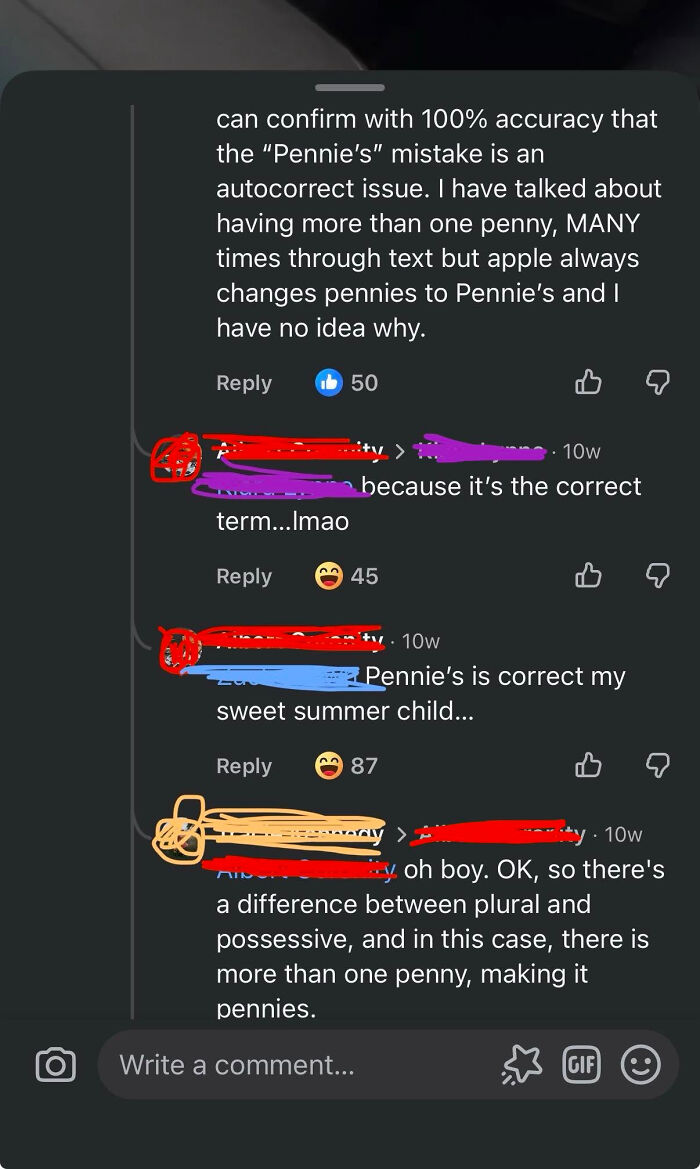
Image source: GayPeacock6018
#48
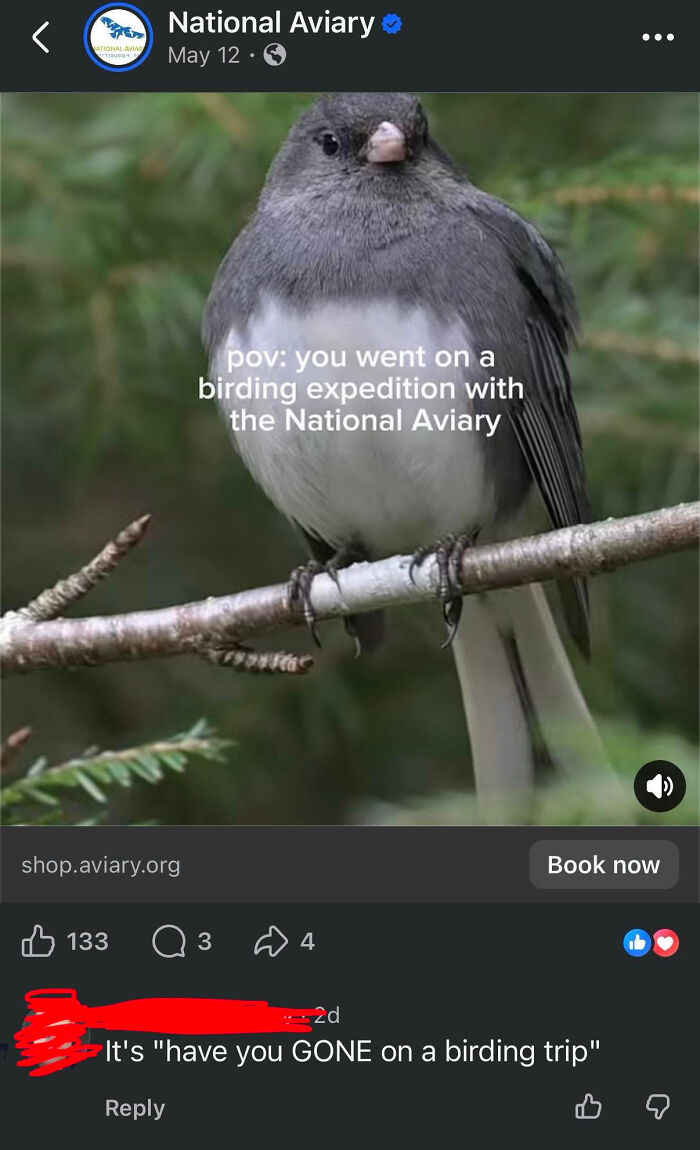
Image source: Kara Boggs
#49
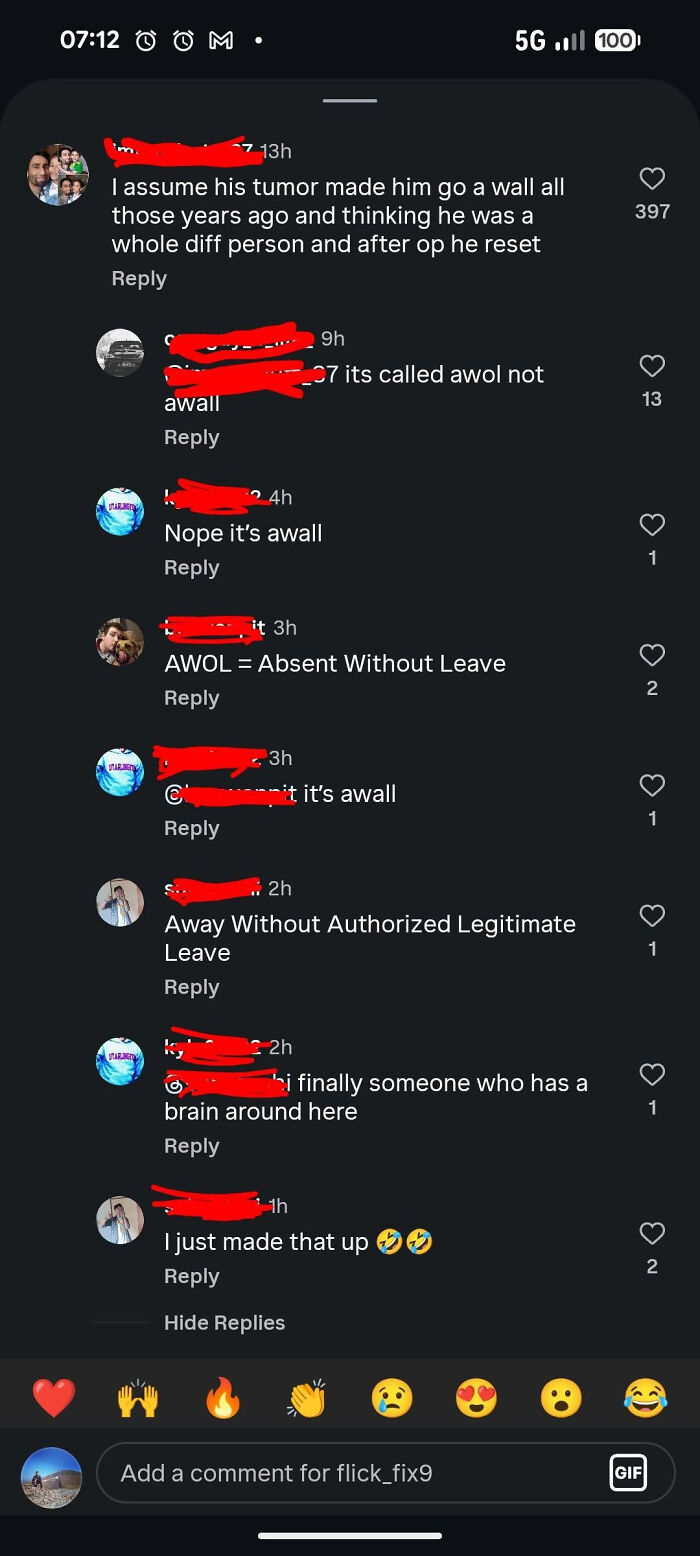
Image source: Christopher Gorman
#50
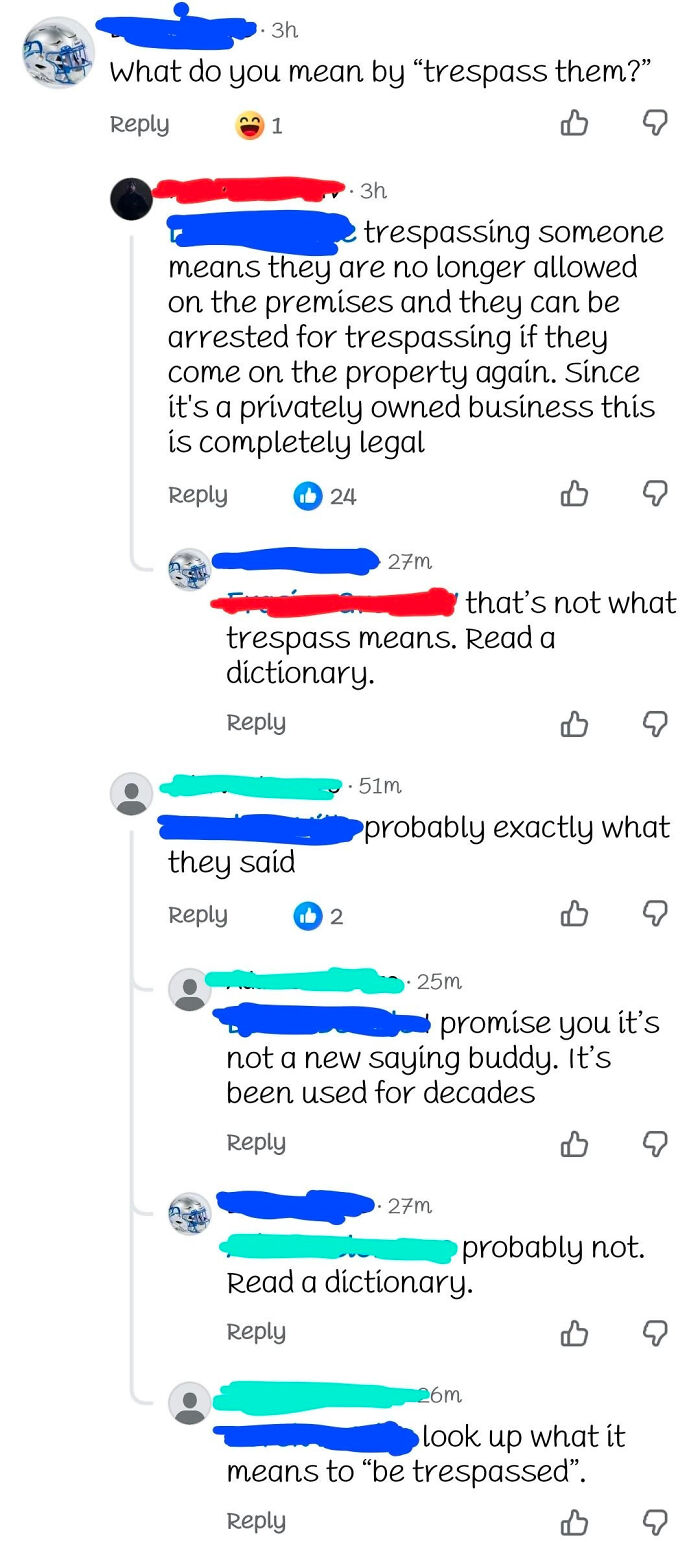
Image source: Jenn Frederick
#51
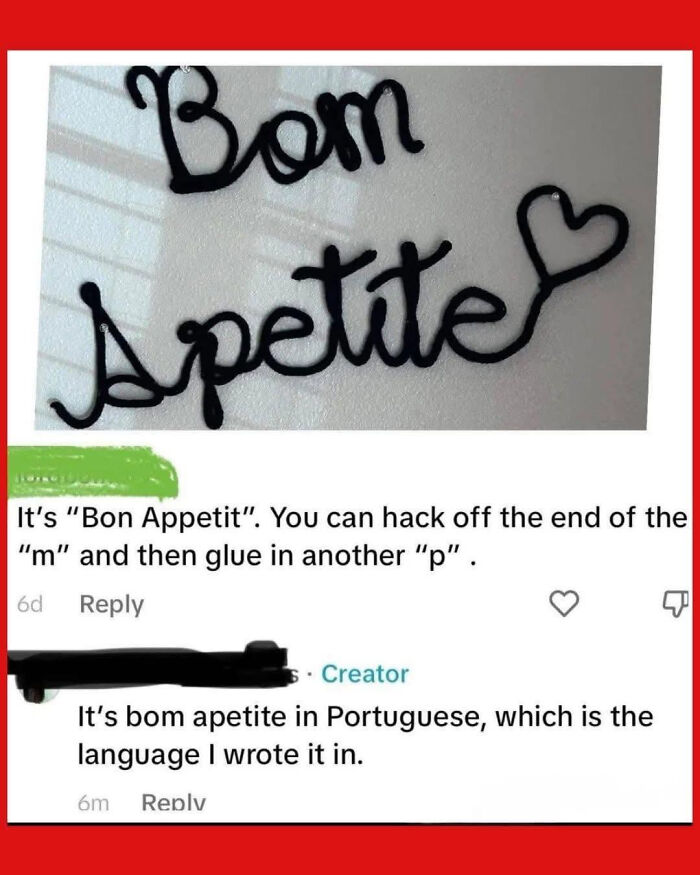
Image source: Beth Ellis
#52
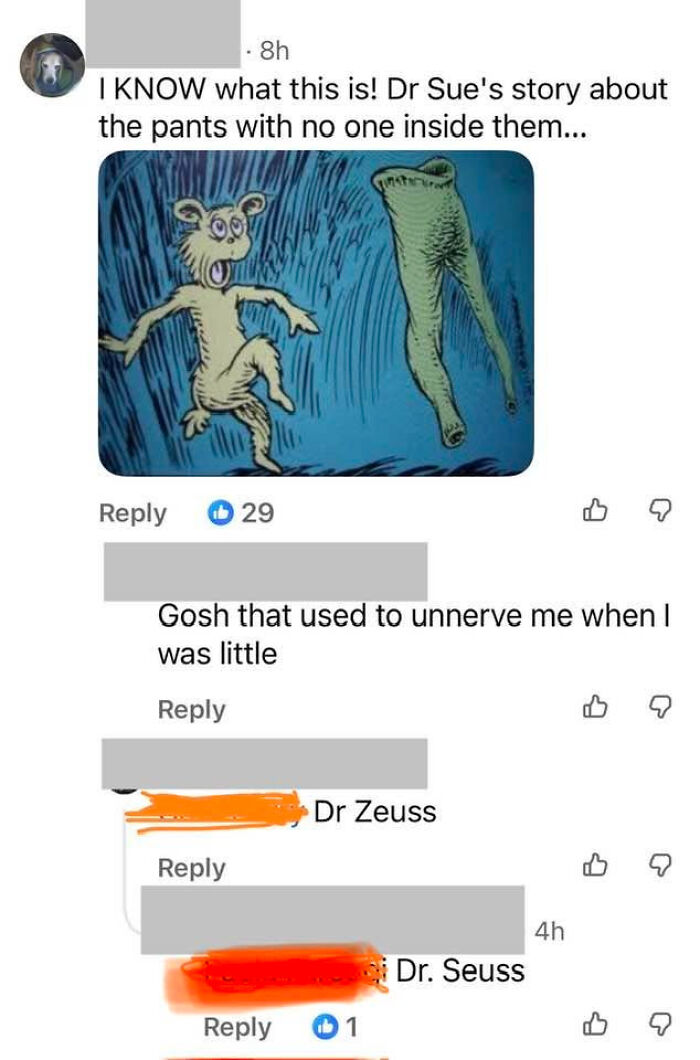
Image source: Vicki Renee Gamble
#53
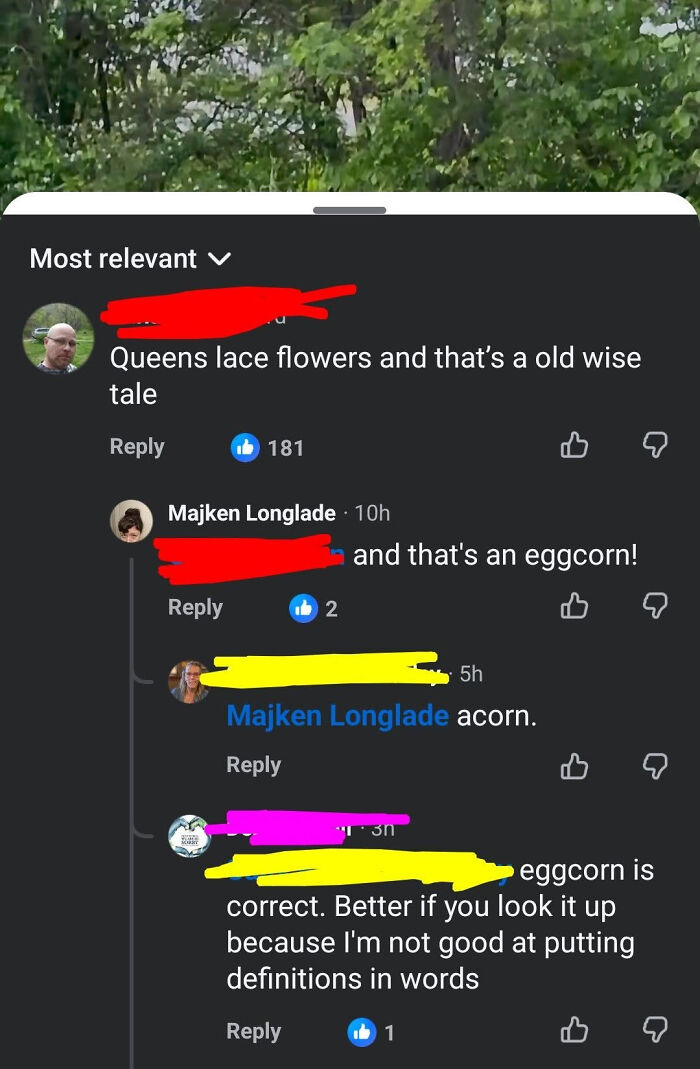
Image source: Majken Longlade
#54
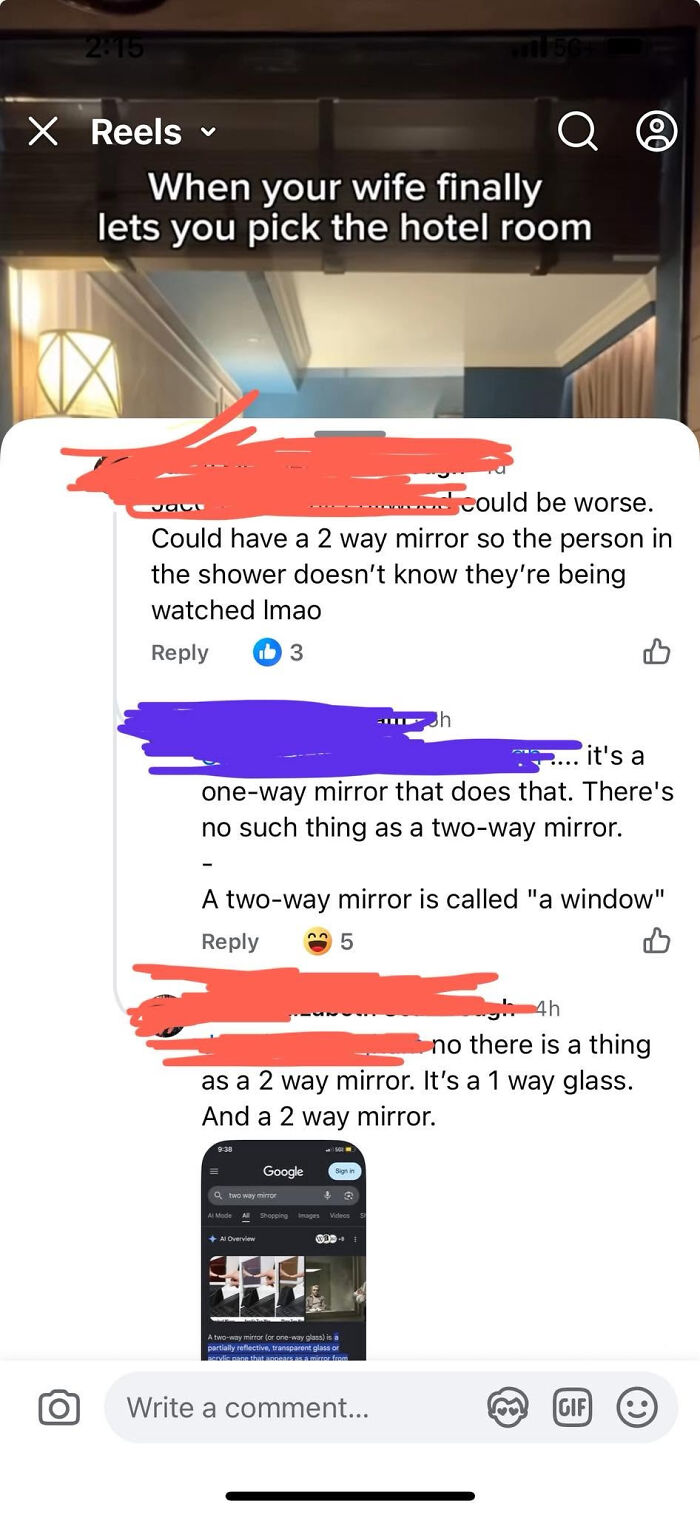
Image source: Blake Finley
#55
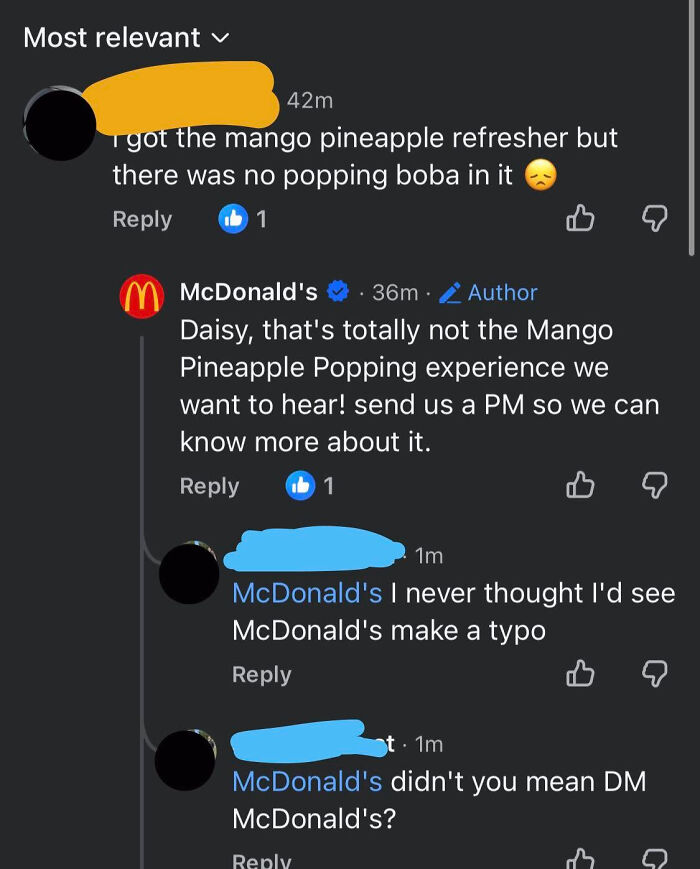
Image source: Pink Girly💕
#56
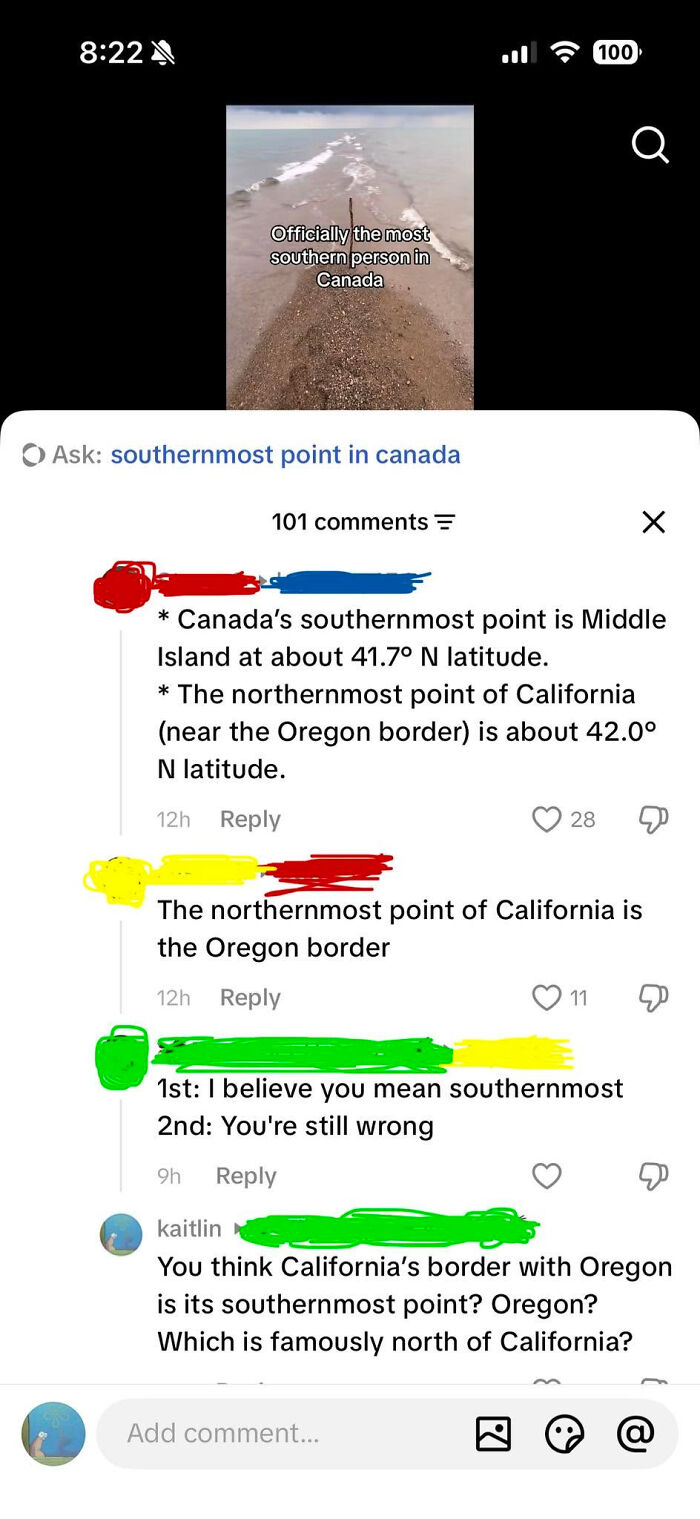
Image source: Kaitlin Courrier
#57
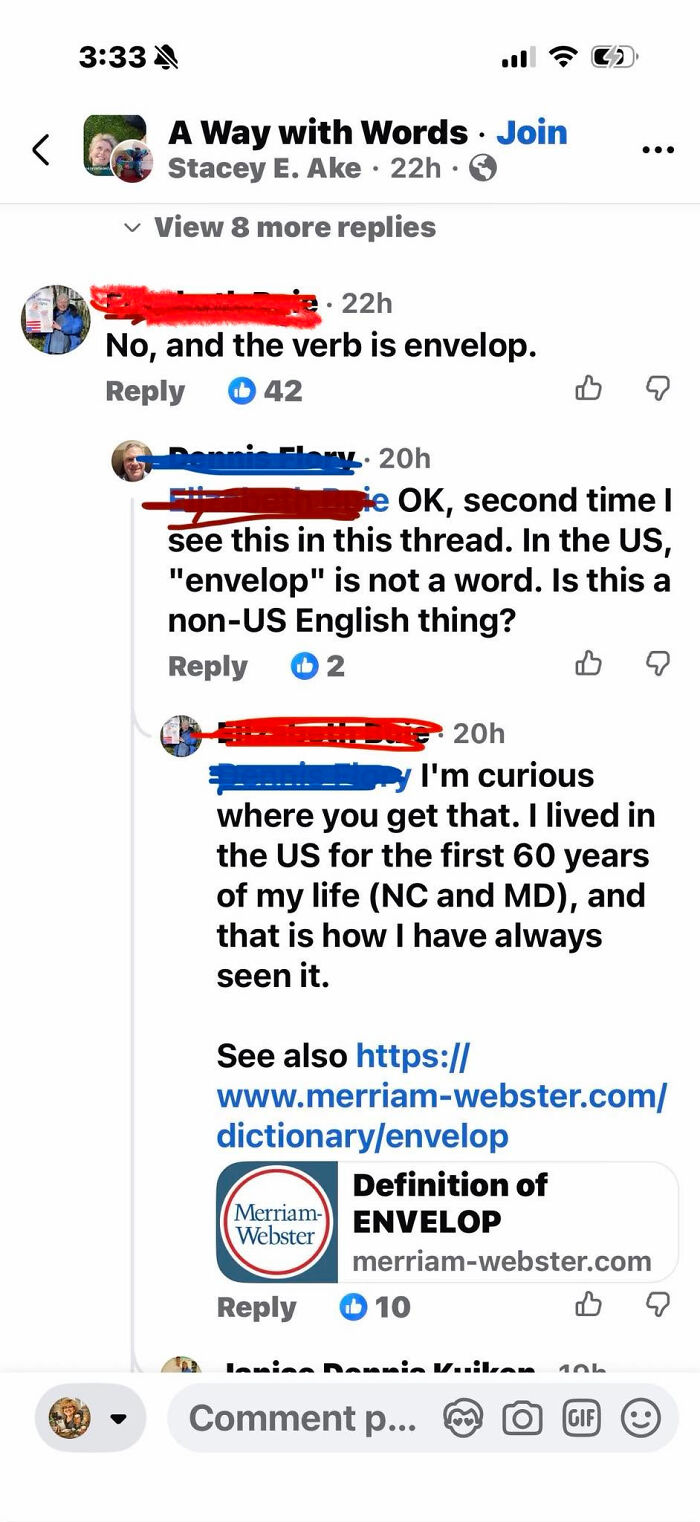
Image source: Dwana Back-Lamberson
#58
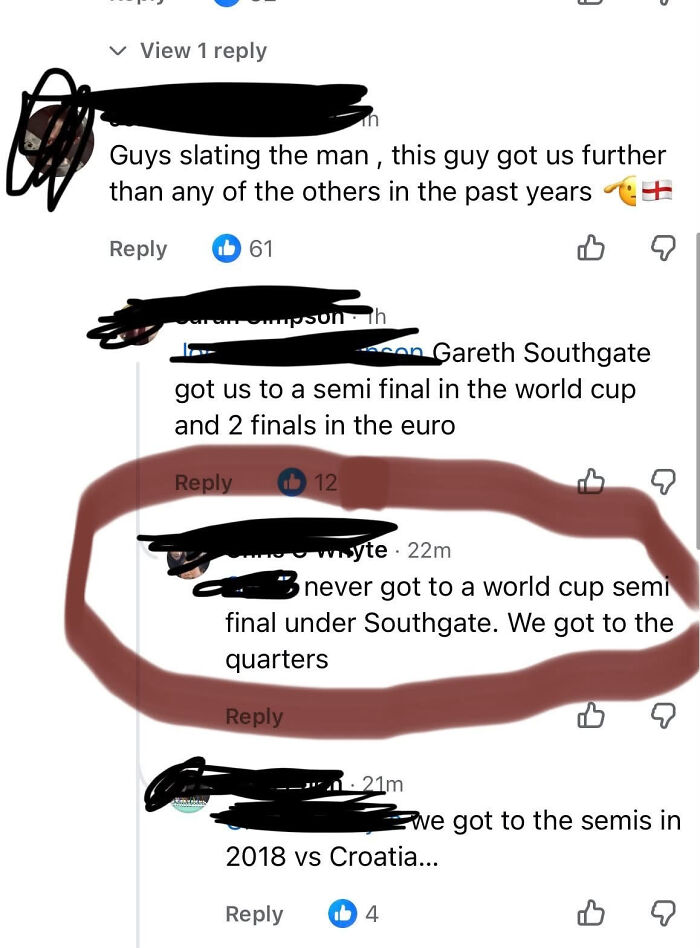
Image source: Ellie Payne
#59
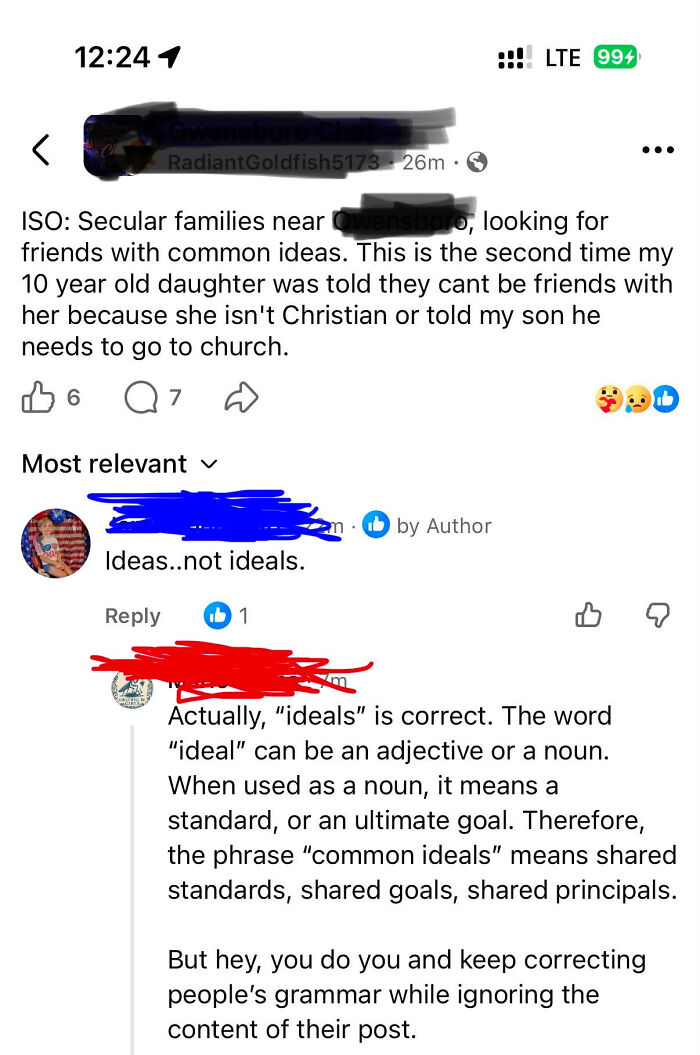
Image source: Lindsey Wilson
#60
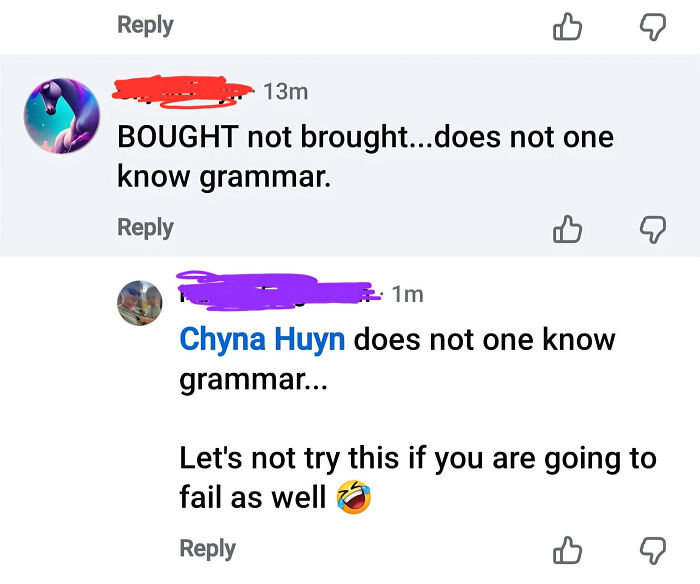
Image source: Dave Berger
#61
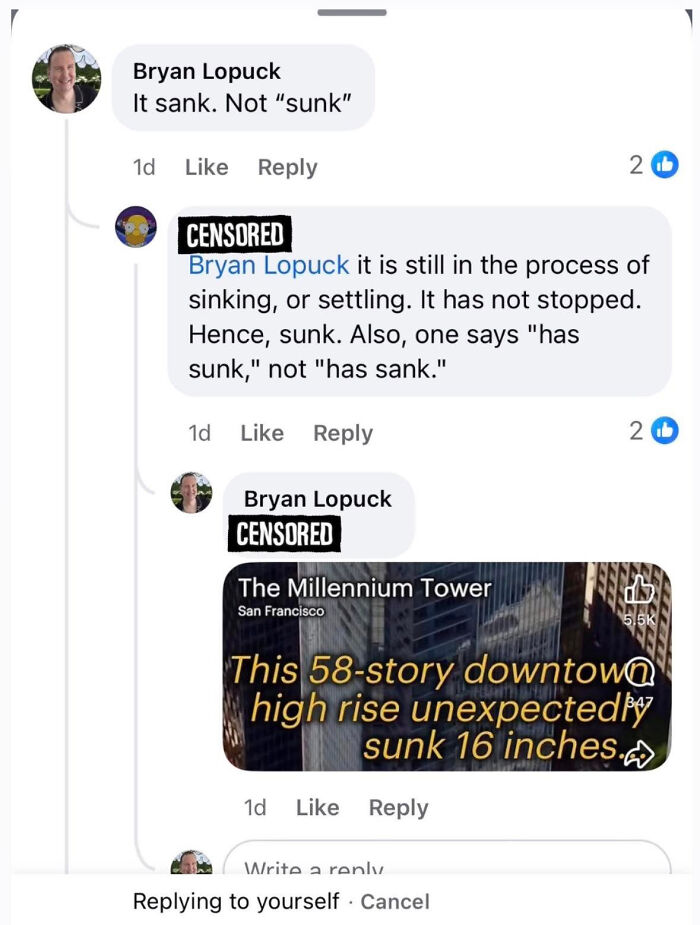
Image source: Bryan Lopuck
#62
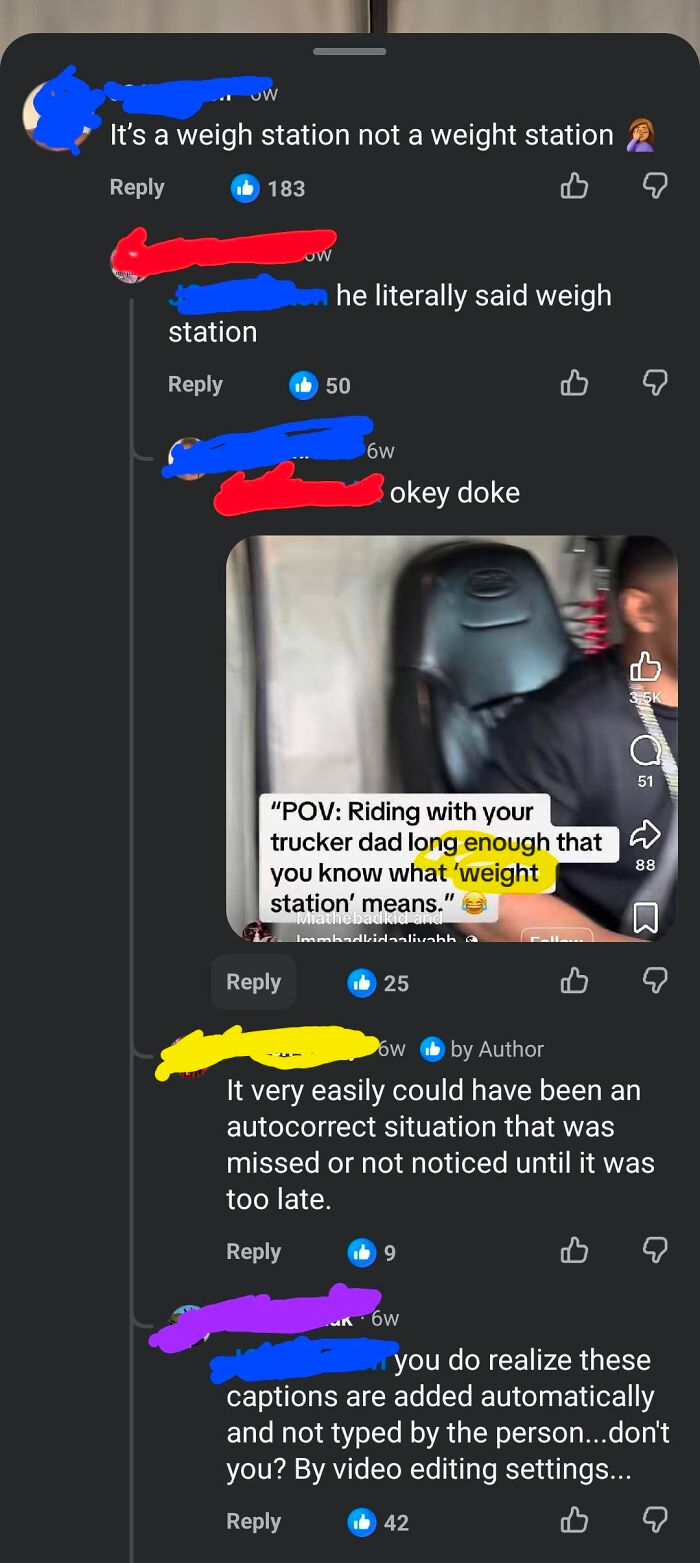
Image source: Dutch Lockett
#63
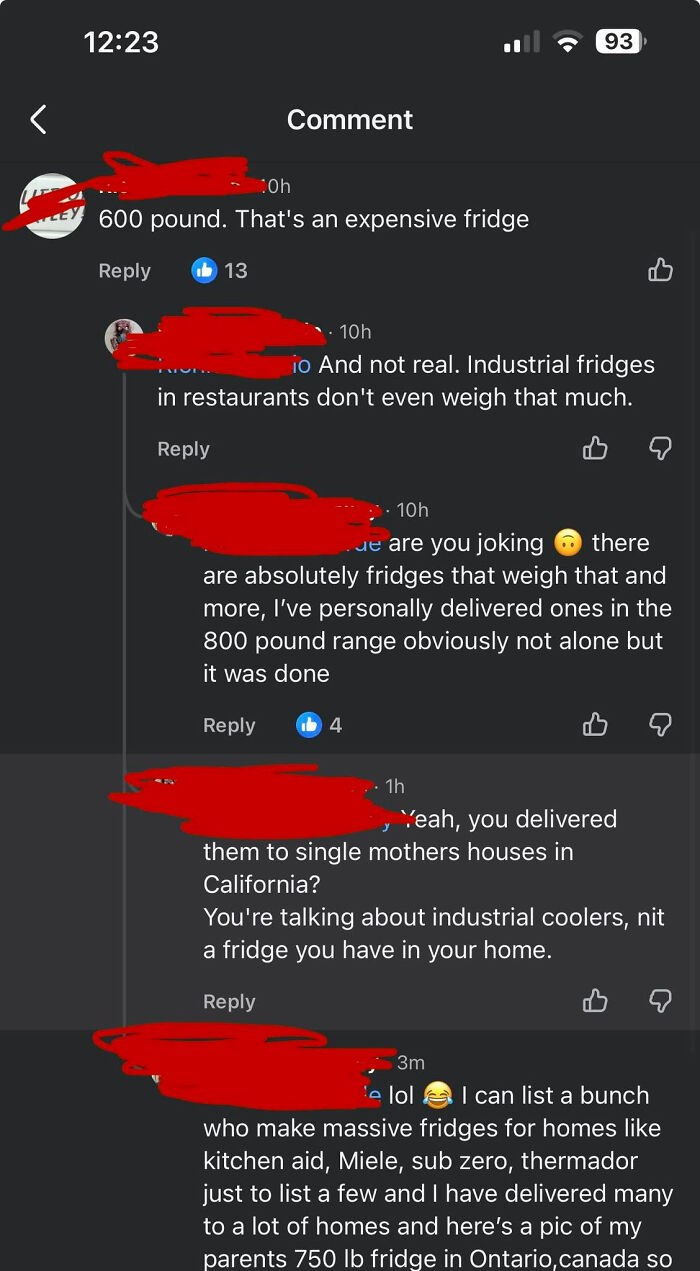
Image source: Dalyvis anonimas
#64
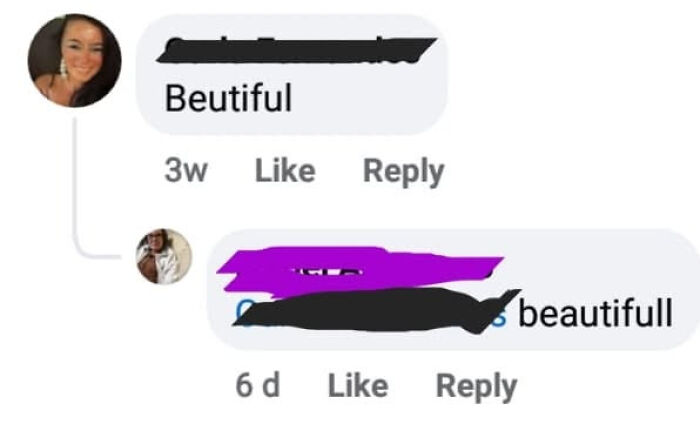
Image source: Ben Slocock
#65
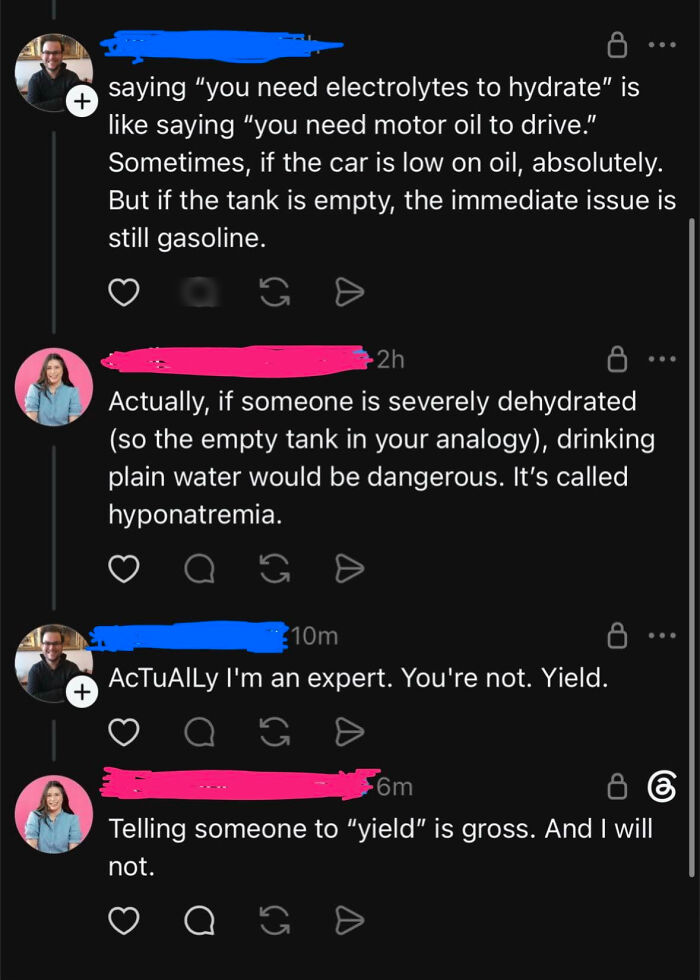
Image source: Sabrina Marie
#66
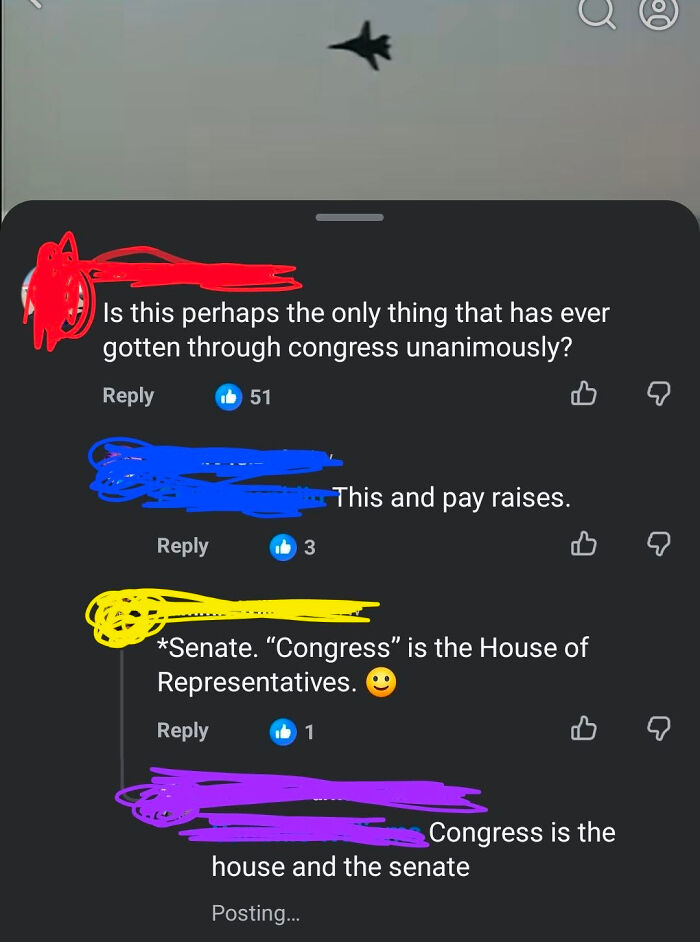
Image source: Matthew Parker
#67
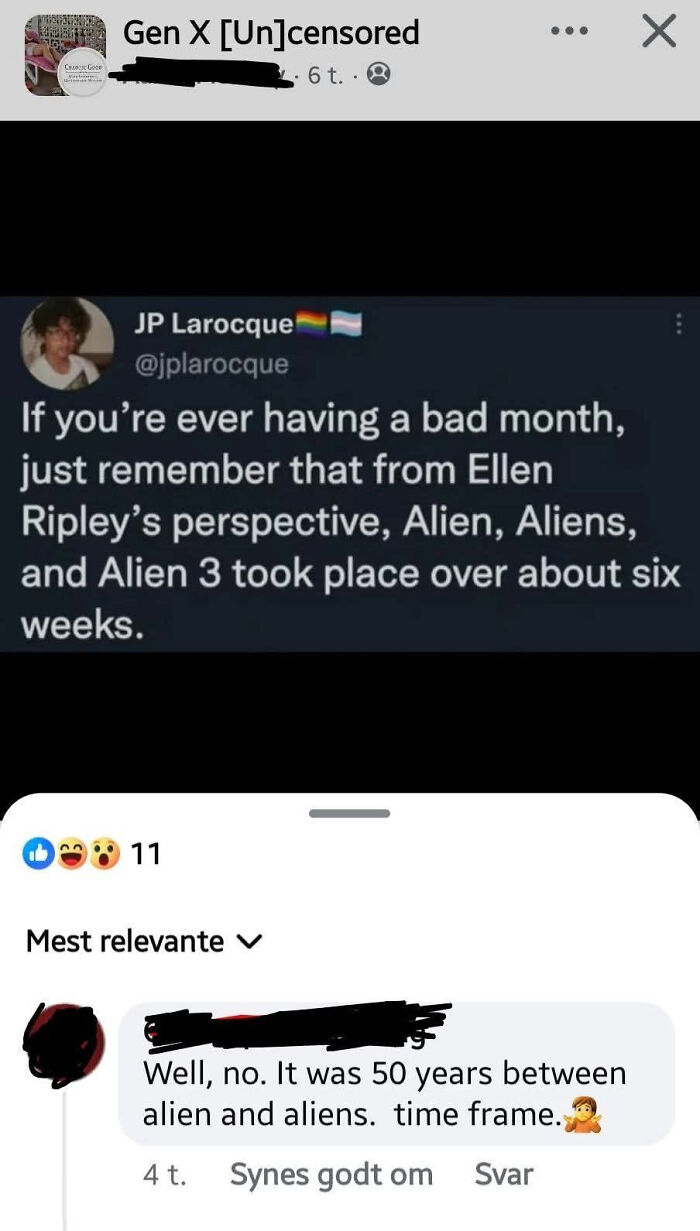
Image source: Ande Rockwood
#68
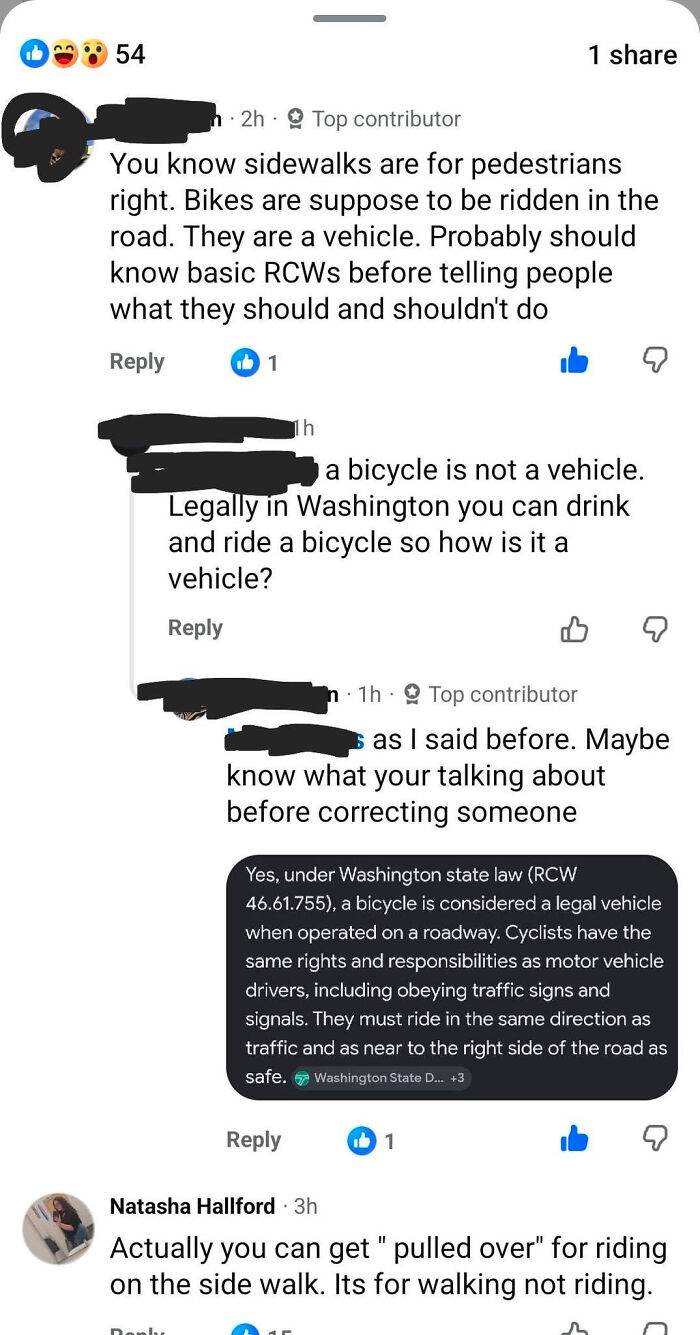
Image source: Thomas Snyder
#69
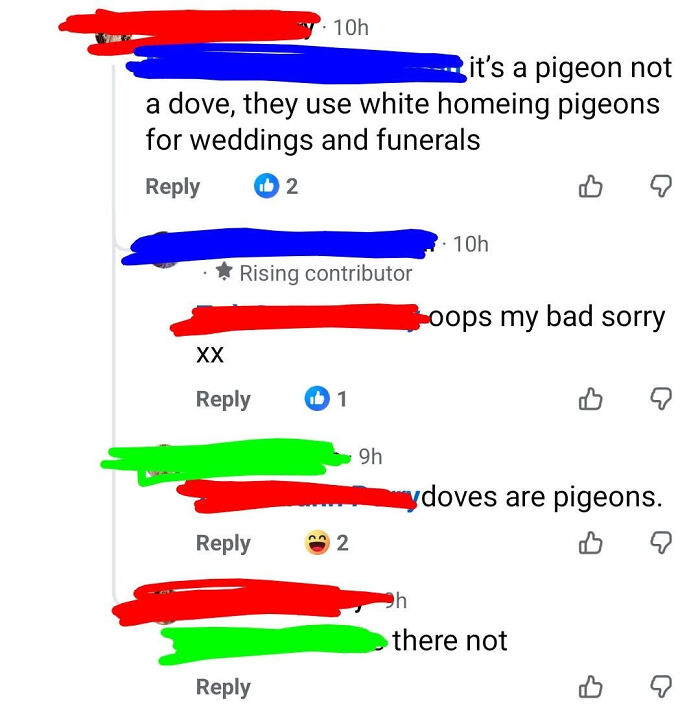
Image source: AJ Lau
 Follow Us