Nathalie Baye, the acclaimed French actress known internationally for playing Paula Abagnale in Catch Me If You Can, died at 77 after a career that made her one of France’s most respected screen performers. Her death marked the loss of an actress whose work stretched across French New Wave aftermath, intimate dramas, crime films, family stories, international productions, and prestige cinema. To American audiences, she may be most familiar as Frank Abagnale Jr.’s mother in Steven Spielberg’s 2002 hit. To French cinema lovers, she was much more: a César-winning performer whose filmography carried decades of emotional range and cultural weight.
Baye had the rare gift of making restraint feel expressive. She could play warmth, disappointment, sensuality, maternal distance, quiet panic, and private grief without needing large gestures. Her best performances often lived in small shifts: a look held too long, a smile that did not fully survive, a pause that revealed a wound under politeness. That subtlety helped her build one of the most durable careers in modern French film.
Who Was Nathalie Baye?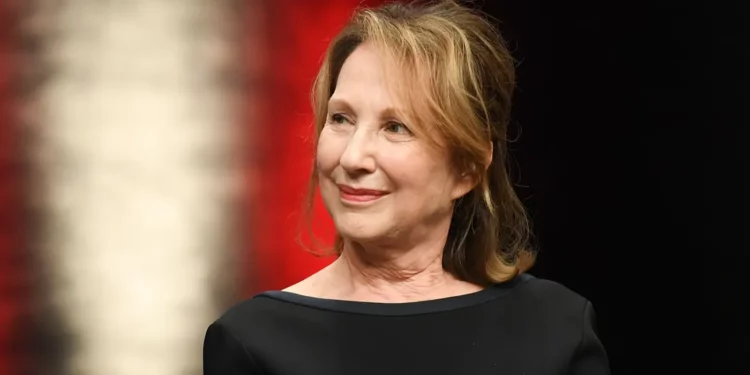
Nathalie Baye was born in Mainneville, France, and became one of the defining French actresses of her generation. She studied dance before turning to acting, and that physical discipline gave her screen work a quiet elegance. Her early career gained important visibility through Day for Night, the François Truffaut film that introduced her to a wider international art-house audience and placed her inside the orbit of one of French cinema’s most important directors.
From there, Baye became a familiar presence in French cinema across the 1970s, 1980s, 1990s, and beyond. She worked with major filmmakers and built a reputation for emotional precision rather than star vanity. Her roles often carried adult complication: women negotiating love, family, professional identity, aging, disappointment, and desire. She could make ordinary emotional tension feel cinematic without making it artificial.
Her career also included major awards recognition in France, where she became a multiple César-winning actress. That matters because her international appearances were only one part of her importance. Baye belonged deeply to French film culture, and her work helped define a style of acting built on observation, understatement, and emotional intelligence.
| Nathalie Baye at a Glance | Details |
|---|---|
| Full Name | Nathalie Marie Andrée Baye |
| Age | 77 |
| Best Known Internationally For | Playing Paula Abagnale in Catch Me If You Can |
| Breakout Film | Day for Night |
| Major Films | Catch Me If You Can, Day for Night, Every Man for Himself, The Return of Martin Guerre, Strange Affair, It’s Only the End of the World |
| Major Recognition | Multiple César Awards and decades of acclaim in French cinema |
| Signature Strength | Understated emotional realism, elegance, restraint, and layered maternal and romantic roles |
| Legacy | A major French actress remembered for subtlety, intelligence, emotional control, and an extraordinary film career across decades |

Why Catch Me If You Can Introduced Her to a Wider American Audience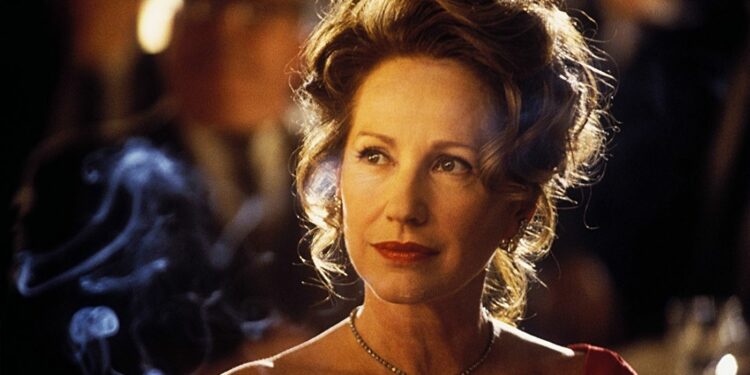
For many American viewers, Nathalie Baye’s most recognizable role came in Catch Me If You Can, where she played Paula Abagnale, the French mother of Frank Abagnale Jr. The role was not large in screen time, but it was emotionally important because Paula helped explain the wound at the center of Frank’s life. The film’s chase, fraud, disguises, and glamour all move quickly, but Frank’s broken family is what gives the story its ache.
Baye made Paula feel charming, distant, complicated, and slightly unreachable. Her scenes with Leonardo DiCaprio and Christopher Walken helped establish the emotional fracture that sends Frank running into reinvention. Paula is not treated as a villain, but her choices create pain. Baye played that ambiguity carefully. She made the character loving in fragments, selfish in ways that felt human, and memorable without needing to dominate the film.
That is why the role stayed with viewers. Catch Me If You Can is often remembered for its speed, style, and cat-and-mouse structure, but Baye’s presence gave it one of its quieter emotional keys. Frank keeps inventing himself partly because the home he wants no longer exists. Paula becomes part of that lost world.
The French Film Career That Made Her Essential
Long before Spielberg introduced her to a broad American audience, Baye had already built a major French career. Day for Night connected her to François Truffaut and the mythology of cinema itself, while Every Man for Himself placed her in the world of Jean-Luc Godard. Those credits alone would be enough to make her important, but Baye’s career did not stop at auteur credibility.
She moved across intimate dramas, thrillers, family films, and psychologically detailed character pieces. In The Return of Martin Guerre, she appeared opposite Gérard Depardieu in one of French cinema’s most internationally recognized historical dramas. In Strange Affair, she earned major recognition for a performance that showed her gift for emotional realism inside workplace and personal tension. Later, It’s Only the End of the World introduced her to another generation through Xavier Dolan’s intense family drama.
What linked much of her work was emotional intelligence. Baye rarely seemed to force a role toward obvious drama. She trusted the details. She allowed women to be contradictory, guarded, affectionate, tired, angry, and self-protective. That honesty is one reason French audiences valued her for so long. She made adult life feel complicated without turning it into theater.
Why Nathalie Baye’s Legacy Will Last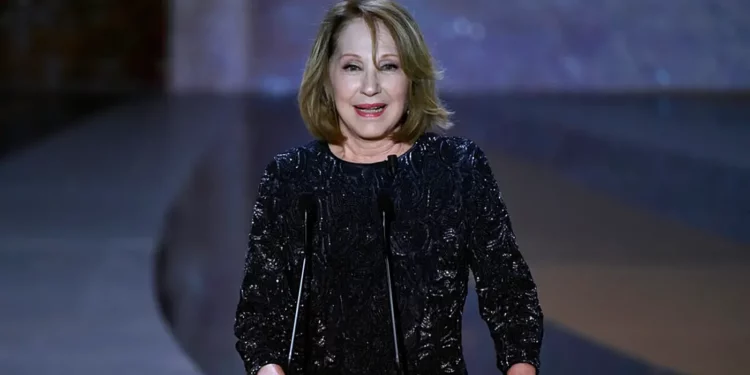
Nathalie Baye’s legacy will last because she represented a deeply respected kind of screen acting: controlled, observant, emotionally exact, and free of unnecessary display. She did not need to overpower a scene to hold it. Her power came from the sense that her characters had private lives beyond the frame, memories the audience could feel even when they were not explained.
Her career also connected French cinema to international audiences in a quiet but meaningful way. She worked with legendary French filmmakers, won major national awards, appeared in Hollywood cinema, and remained active across generations. Viewers who discovered her through Catch Me If You Can were only seeing one corner of a much larger career, but even that brief role showed her ability to make emotional absence unforgettable.
Remembering Nathalie Baye means remembering an actress who turned subtlety into strength. She made mothers, lovers, professionals, wounded women, and ordinary people feel layered rather than decorative. Her best work did not beg for attention. It stayed because it felt true. In French cinema, she leaves behind a body of work shaped by elegance and intelligence. For international audiences, she remains one of those performers whose quiet scenes could explain an entire character’s life.
 Follow Us