How well do you really know your body? If you start to feel like something isn’t functioning quite right, is your first impulse to pop a pill, ask WebMD, or immediately schedule a doctor’s appointment? The reality is that, unless you’ve graduated from medical school, your health might be a complete mystery to you. So if you want to learn more about it, you’ve come to the right place!
Medical students on Reddit have been revealing the most fascinating facts about the human body that they’ve learned throughout their education, so we’ve compiled them all below. From info about common diseases to facts about the immune system, we hope you learn something new from this list, pandas. And be sure to upvote the tidbits of information that blow your mind!
#1
That some scientist had the audacity to actually name it “Sonic Hedgehog”, and that I have sonic hedgehog in my body rn probably.
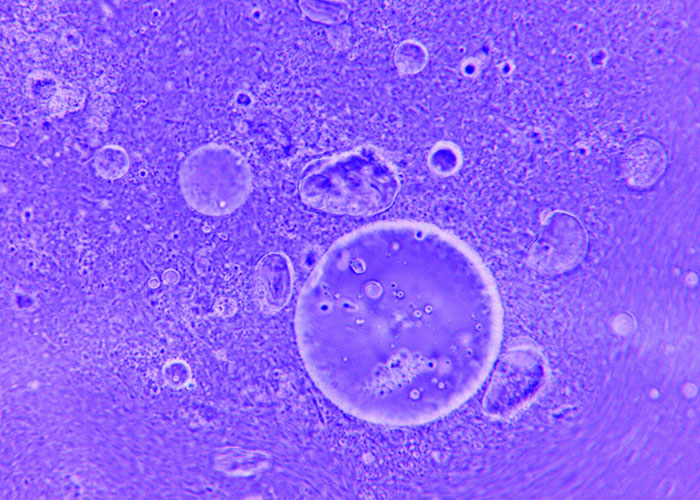
Image source: emmah008, turek/Pexels

#2
If you eat around 10 million bananas at once you’ll be giving yourself a lethal dose of radiation….
I’ll let myself out.

Image source: FerociousPancake, Engin Akyurt/Pexels
#3
The fact that If you stretch the DNA in one cell all the way out, it’s over 2 meters long and all the DNA in all your cells (of one person ) put together would be about twice the diameter of the entire Solar System!!!! Shout out to the underrated histones!!! Also don’t get me started on the genome itself. It’s just simply incredible!
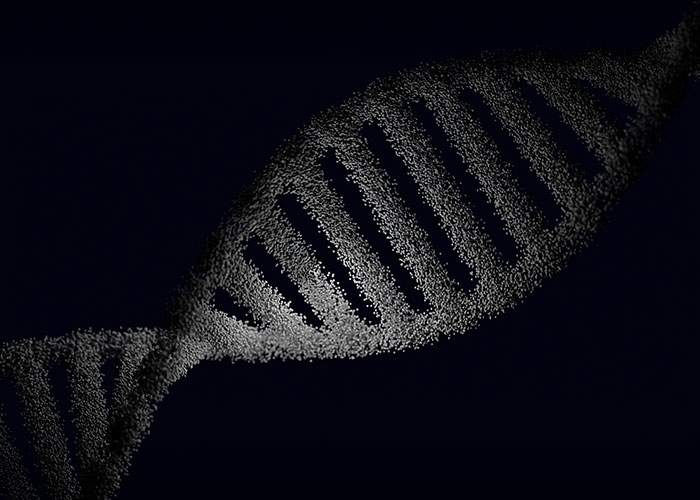
Image source: Bike_Creative, Nicola Narracci/Pexels
#4
The immune system is just amazing. Like the strategies that the body employs to protect you against pathogens are so exquisitely balanced (normally).
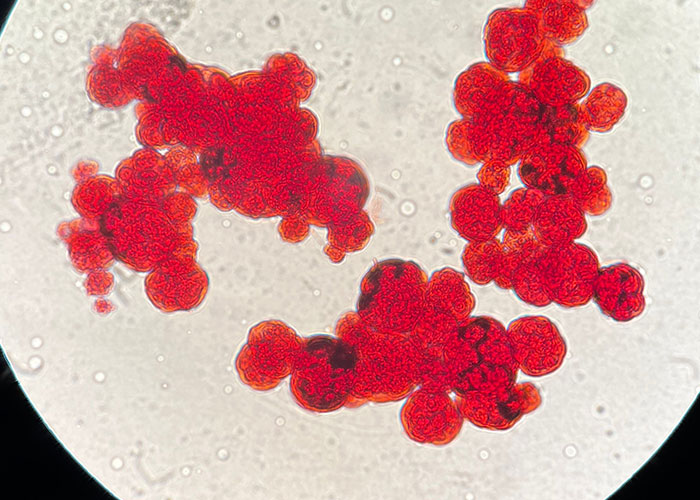
Image source: D0ct0r-Wh0, Leonie Vogler/Pexels
#5
Amniotic fluid being composed of fetal urine which is then swallowed.

Image source: frankthetank34, MART PRODUCTION/Pexels
#6
That naming Lasix = Lasts six hours.

Image source: blknsprinkles, Gustavo Fring/Pexels
#7
That we commonly develop “cancerous” cells and our body is able to find them with super intricate surveillance and destroy them before they grow. I never realized our body fended off cancer every day!
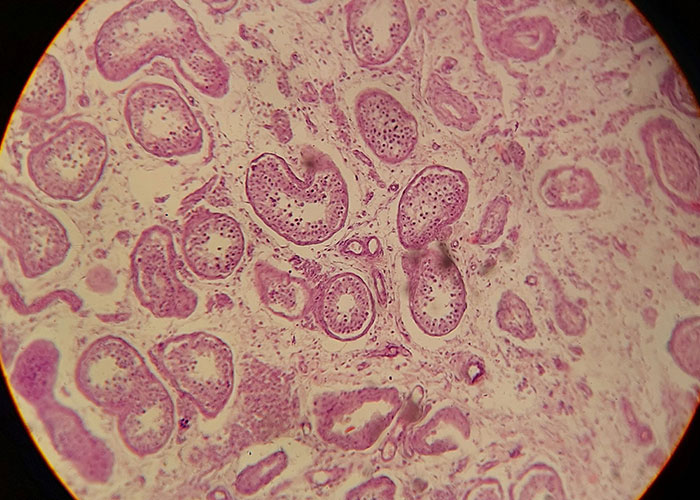
Image source: StatEpi, Lidija Ostojić/Pexels
#8
There’s an HRT medicine with the brand name of Premarin. It’s named after where they get the medicine from: PREgnant MAre uRINe.

Image source: Ixistant, Boys in Bristol Photography/Pexels
#9
Have problems with allergies? Local honey may help. Ingesting the allergens tells your body that it’s food, so hopefully your immune system stops making your life miserable.

Image source: Mefreh, Mihman Duğanlı/Pexels
#10
Diabetes mellitus and diabetes insipidus are named after how they make your urine *taste.*.

Image source: adifferentjk, Mikhail Nilov/Pexels
#11
Yesterday in biochem: if a person farts continuously for 6 years and 9 months, it produces the energy equivalent of a nuke.
Today in biochem: North Dakota consumes the most beer nationally at 45.8 gallons per person per year.
Plum is the primary flavor in Dr. Pepper.
Those are the more recent ones. Last block, we had a professor that asked for fun facts for every hour of lecture. He would verify them and let us know their validity by next class. We pick up lots of nifty facts.

Image source: RAWRtara, Edu Raw/Pexels
#12
There are more over 65 year olds alive today than there have ever been in alive in all history combined before now. As in, all deceased 65 year olds and over in all human history added together is less than the current amount of alive 65 year olds. That is nuts!

Image source: anon, Gaspar Zaldo/Pexels
#13
That stomach gurgles are called borborygmi.
That a relatively good indicator of progression of labour is a blue/purple line which extends from the forchette up the natal cleft.
Not such a fun one but in severe brain injury patients can revert to primitive (infantile) reflexes such as the rooting reflex.
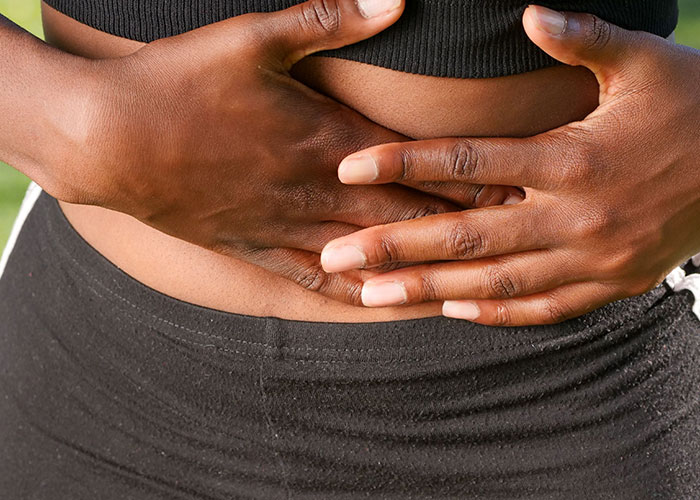
Image source: WonFriendsWithSalad, Kindel Media/Pexels
#14
Babies born via C-section are much more likely to develop eczema than those born via vaginal births.
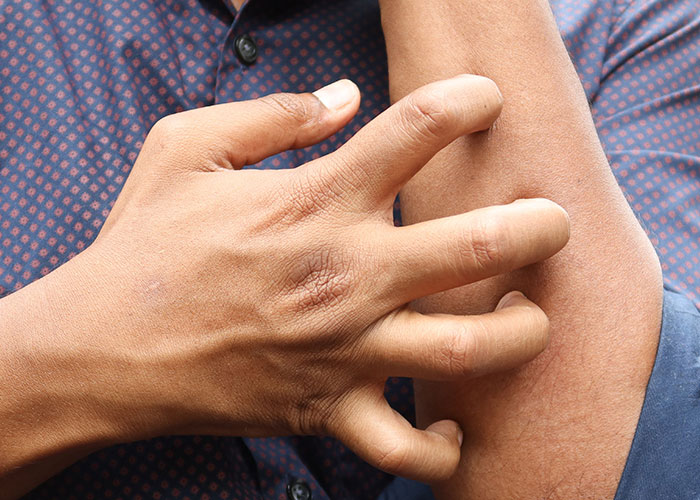
Image source: CheeesyBoii, Towfiqu barbhuiya/Pexels
#15
Barr bodies. I had no idea you could tell the gender of a person by looking at their blood through an optical microscope.
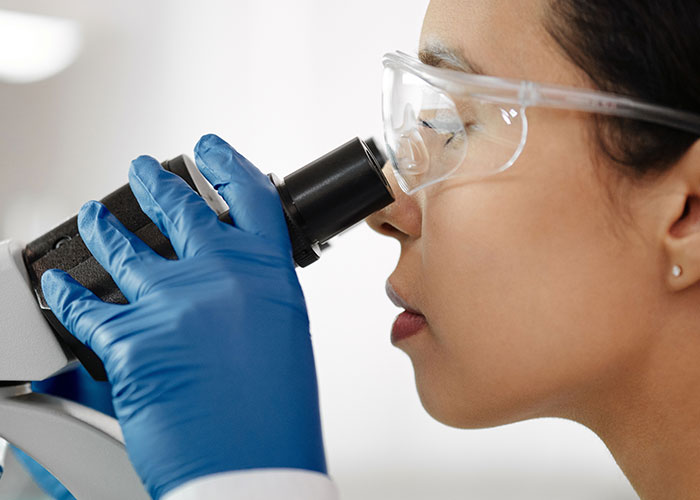
Image source: AzureTaken, Edward Jenner/Pexels
#16
Almost all of the oxygen we breathe in ends up in our urine, and almost all of the CO2 we breathe off comes from our food.

Image source: Tho_Roh, Anastasia Shuraeva/Pexels
#17
When I found out bone marrow transplants were just an infusion of cells IV, not the injection of cells straight into the bone marrow. Blew my frickin mind.
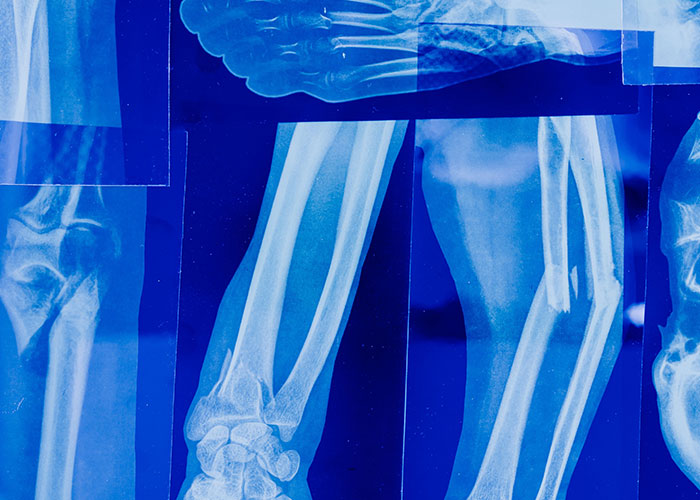
Image source: lucuw, Tara Winstead/Pexels
#18
When you want to perform an action, the cerebellum gets a report on the current position of the body through the spinocerebellar pathway, the intended position of the from the frontal cortex, and subtracts the two to form a motor plan. That alone is mind-blowing enough, but the cerebellum is also constantly updated about the speed and force of muscle contraction as the movement is occurring and updates the plan in real time, thus fine-tuning and correcting the movement even as it’s happening. That is so hype I literally can’t believe it.
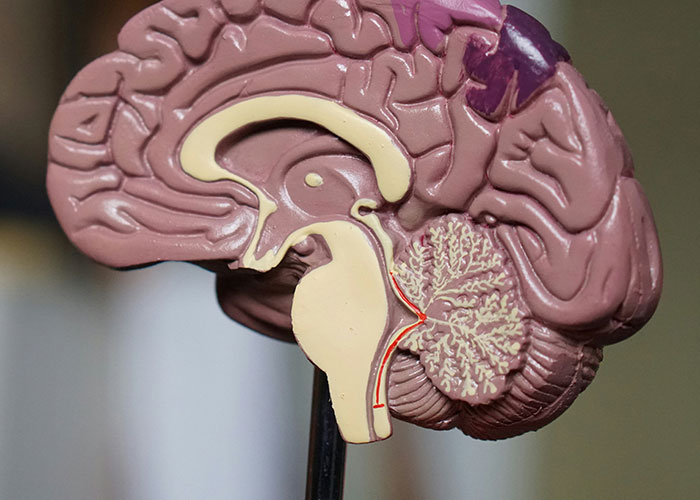
Image source: ProfessionalHentai, Robina Weermeijer/Pexels
#19
Pattern recognition, because once you see a pattern it becomes incredible. Like for example, if you know someone is given a medicine daily, it has a long half-life. Means it’s most likely fat soluble, small, uncharged, those can cross membranes easier, so oral form is preferred, high volume of distribution, because it’s fat soluble goes to liver and muscle, most common side effects are hepatitis and myositis. That pattern will basically follow majority of long half-life of medicine.

Image source: dr_G7, Tara Winstead/Pexels
#20
Oxytocin and ADH evolved from gene duplication so when you are hypovolemic, you trigger ADH release which can then react with the oxytocin receptors to cause pregnant women to go into premature labor.

Image source: Dywyn, Bruno Curly/Pexels
#21
Honestly, I love iron metabolism. Everything from he synthesis to iron mediated cell destruction to its role in the pathology of neuronal injury is just crazy cool to me. If I’d gone PhD I’d probably be trying to work in ferroptosis rn.
Image source: Permash
#22
One of the most emotional moments I’ve had reading First Aid was reading the line “Smallpox eradicated world wide by use of the live attenuated vaccine.” Upon further reading, about 150 to 200 million lives have been saved between 1980 and 2018. So much suffering has been alleviated due to basic knowledge of bugs and our own immunology. Truly, just cool stuff.
Image source: foodforall12
#23
Scalp is an acronym for the layers of the scalp.
S->Skin.
C->Connective Tissue. Layer of vasculature and innervation amongst a dense connective tissue
A->Aponeurosis. The epicranial Aponeurosis (ay-po-ner-o-sis) is a layer of tendon connecting the frontal muscles and the Occipitalis muscle in the back of the head. This layer allows the movement of the scalp
L->Loose Areolar tissue. Another vascularized layer of connective tissue
P->Pericranium. The external surface of the skull bones.
Image source: SenorSpicyNipples
#24
That while the most prominent rotator of the neck in females is the m. sternocleidomastoideus in males it’s actually m. gluteus maximus.
Image source: anon
#25
Alcohol dehydrogenase, which metabolizes methanol, can be competitively inhibited by consuming ethyl alcohol. So if you’re worried you drank a bad batch of moonshine, just drink more alcohol.
Image source: sojo92
#26
A disproportionate number of people pass away in close proximity to doctors.
And, we don’t really cure a whole heck of a lot. Just sort of manage things.
Image source: anon
#27
That there exists a ligament in the body called the gubernaculum, which somehow manages to be funnier to say then spleen.
Image source: sicktaker2
#28
So you’ve passed away in your apartment with your pets effectively trapped in a room with your now lifeless corpse. You forgot to feed them. How long do you think they’ll go before hunger outweighs loyalty? The answer is “not long”. Their favorite bits? Your face, digits and genitals. Source: Rotation with the medical examiner’s office.
Image source: Huskydoc
#29
If a person is awoken from their sleep because of chest discomfort, they have a serious cardiac problem and may be at the doors of an MI.
Image source: anon
#30
Loved learning about cell signaling pathways so far. it’s just so insane to actually realize that all of these tiny processes are happening in your body every second and how each process has its own checking mechanism to make sure everything runs smoothly.
Image source: vain–
#31
In my anatomy class, learning about the central nervous system and it’s division between the sympathetic (fight or flight) and parasympathetic (rest and digest) nervous system. Also, realizing that if your sympathetic NS is “switched on” for too long it can affect sleep and deteriorate your health. Really helped me understand where my anxiety stems from.
Image source: anon
#32
I found it interesting that peds has been turned on it’s head in the past few years about allergens. In the past, parents were told to avoid allergens like eggs and peanut butter until the baby was 2 years of age. Now, they give it to them as early as 4-6 months. They’ve found the earlier the introduction, the less likely the reaction to occur later on with daily introductions. So basically the opposite.
Image source: anon
#33
If the human body could metabolize uranium, it would give us about 18 million kilocalories per gram.
Image source: Stringtone
#34
Tendineae chordae are the heart strings that can snap and cause the heart to “break” if in extreme emotional or physical distress… meaning you can actually pass away from heart break
edit: they function to hold up the AV valves to prevent inversion of the valves.
Image source: sydwig00
#35
That the sickling that happens in HbS RBCs is due to the hydrophobic effect from a single amino acid mutation(valine instead of glutamate) and that this mutation likely happened to offer some form of protection to people living in malaria infested areas.
Image source: Delmarocks7
#36
Eating raw yuca/cassava will give you cyanide poisoning!
Image source: peachyqu33n
#37
All of the mitochondria you have comes from your mom.
Image source: sillysocks125
#38
I just think the fact that macrophages and other phagocytes literally eat pathogens is hilarious. Like when you’re sick, they eat the pathogens to destroy them. I have no idea why that’s so amusing to me.
Image source: Embarrassed_Clue_929
#39
The fact that your body contains more bacterial cells than human cells, and more phage than bacteria.
Image source: hunttherayro
#40
You have peak bone mass in your mid-20s and after that, it declines ~1% each year.
Image source: kryptonxenon345
#41
How devastating diabetes actually is.
Image source: triple_threattt
#42
You know how the biceps are…like… the most prominent muscle in the humerus? They don’t even attach to the humerus.
The Obturator nerve, apparently “obturator” is another word for “forbidden” in latin or greek or something. It’s in a very naughty place.
The saphonous vein. “Saphonous” apparently is a translation of the word “temptress”. Similar reasoning to the obturator nerve, it runs near the pubic symphisis.
Image source: cmn2207
#43
The curlier your hair is , the more disulfide bridges you have.
Image source: dera4l
#44
Every atom is 1% matter and about 99% empty space, and our bodies are made of millions of atoms…which means we are 99% nothingness.
Image source: adbout
#45
Micro major here. Viruses are interesting as heck:
We carry retroviruses genetic code in our germline cells (called endogenous retroviruses) probably as result of our ancestors being infected and had their genetic code overwritten and passed it on to us (5-8% of human genome). So we constantly create these inert retroviruses during cell division. But once another retrovirus infect us, they can essentially “reactivate” the inert retroviral particles.
Herpesvirus is the Houdini of the virus world. It brings into the cell a multitude of “tools” (including its own DNA polymerase, which is pretty rare among the viral family) which allows it to bypass cell division, even blocking cell division, evade the intracellular and extracellular immune system. It can also “hide” within the cell and establish a latent infection without disturbing the cell or the immune system, by “moving” themselves to certain sites on the human body (HSV-1 &2 in dorsal root ganglia, EBV in B cells and salivary glands). Once reactivated they will “leave” the sites to reestablish infection. This is why you see herpes sores on stressed people sometimes. And also pretty much everybody has one kind of herpes or another, because they are so good at hiding.
Supposed, you could program a retrovirus to recognize certain DNA sequences (they already have the tools in place to recognize certain places in the genome they can overwrite), or just the 0.1% difference in ONE person’s DNA since 99.9% of all our DNA is the same… You could infect that ONE person by just teaching the virus to recognize that difference…
Image source: k4Anarky
#46
There’s a distance of 4 angstroms between anything we touch. I always think about it when I touch someone else and how I’m never completely physically connected to them.
Image source: tree_embracer
 Follow Us