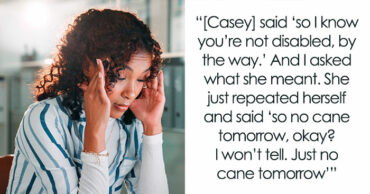
A social media influencer, Joel M, has spoken openly about a deeply personal health condition that he said left him feeling isolated for most of his life.
Joel was born with hypospadias, a congenital disability that affects the development of the p*nis and can make urination, s*xual function, and fertility are more difficult.
Although the condition affects an estimated one in every 300 boys or roughly 15 million men worldwide, Joel said very few people ever talk about it because of the stigma surrounding men’s intimate health.
By sharing his journey online, he hoped more people would seek support instead of suffering in silence.
A social media influencer thought he was the only person in the world living with Hypospadias
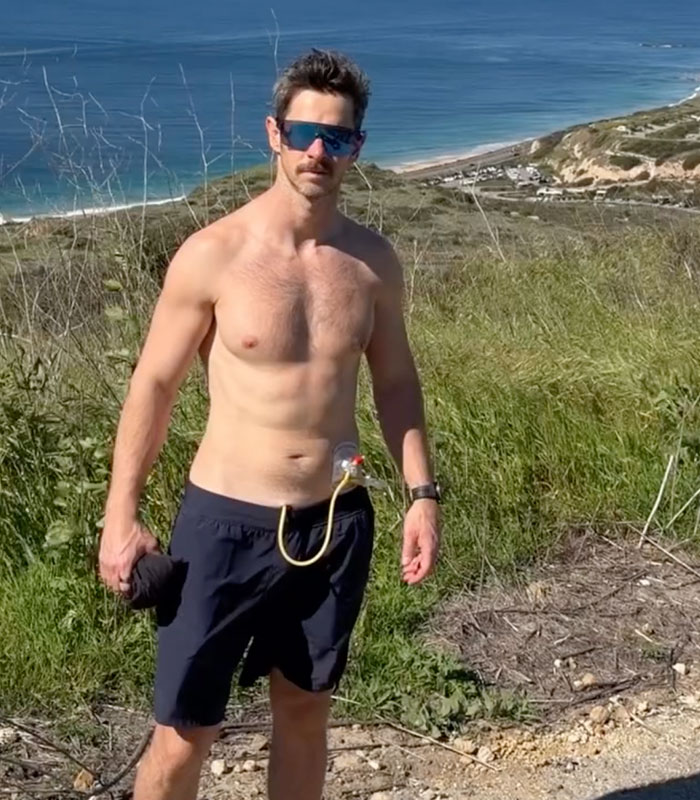
Image credits: joelsurethra
Joel has spent years documenting the physical and emotional impact of living with severe hypospadias.
In an Instagram post, he revealed that although he underwent his first surgery at just 18 months old, the emotional burden stayed with him well into adulthood.
“Growing up, and even into my adulthood, I thought I was the only person in the world who bore the physical and (larger) mental anguish going through my hypospadias complications,” he said.
It wasn’t until later that he discovered the condition is far more common than he had imagined.
According to Joel, around one in every 300 boys is born with hypospadias, meaning millions of men around the world are living with the condition.
“And yet because it involves the p*nis, no one speaks about it,” he added.
Joel believes the stigma surrounding male genital health stops many people from asking for medical care or emotional support.
“As far as we can tell, I’m one of the only people ever to share my story with lifelong hypospadias complications on social media.”

What is Hypospadias and how does it affect men?
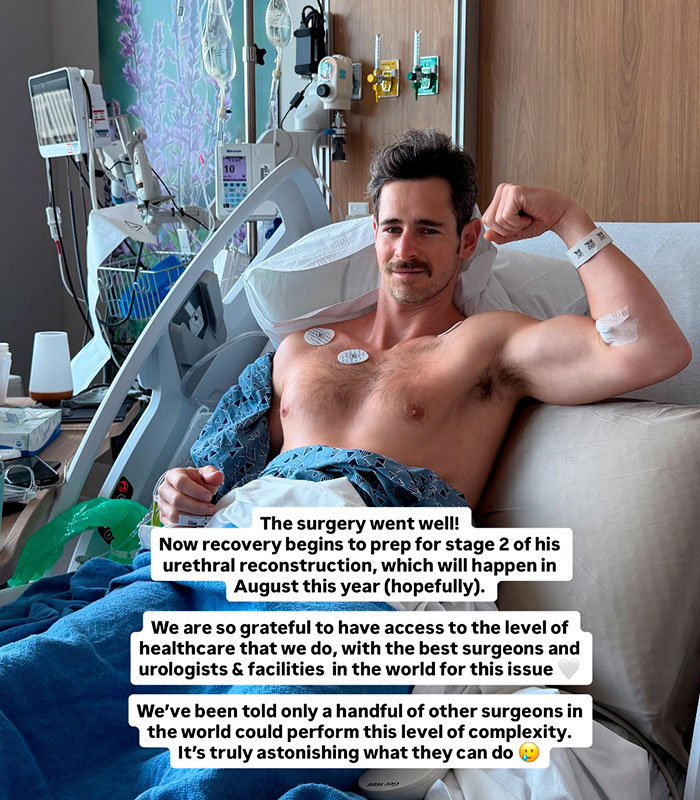
Image credits: joelsurethra
Hypospadias is a congenital condition in which the opening of the urethra does not develop at the top of the p*nis before birth.
Instead, the opening can appear anywhere along the underside of the p*nis. In severe cases, it may be located close to the scrotum.
Dr. Shandip Kumar Sinha, director of pediatric surgery and pediatric urology at Medanata- The Medicity, Gurugram, India, also said the condition can affect the size and shape of the p*nis and may also cause a downward curve.
“The f*reskin may be underdeveloped, and the p*nis may show a downward curvature in many cases,” he said.
Depending on its severity, men may experience difficult urinating, repeated urinary tract infections, s*xual dysfunction, and fertility problems.
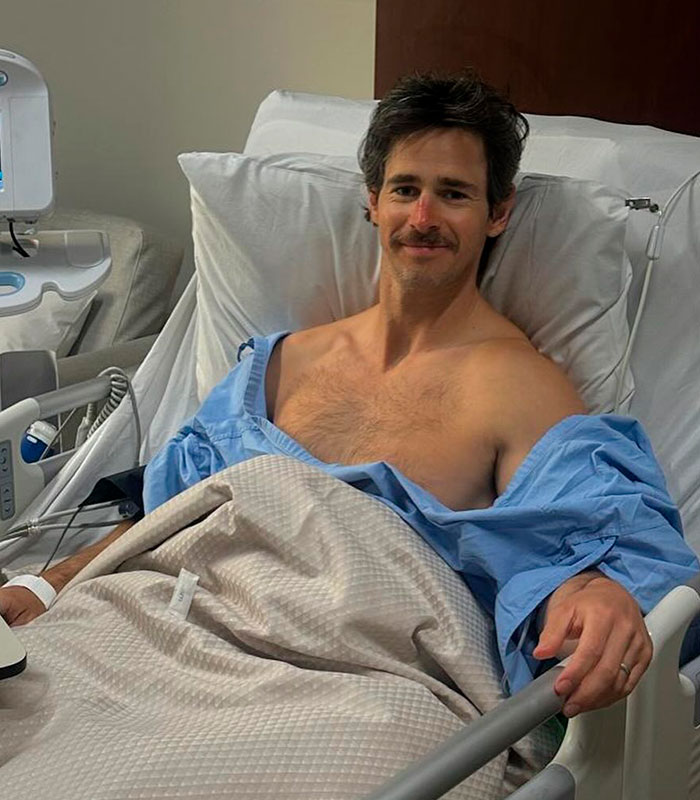
Image credits: joelsurethra
Experts also said the exact cause remains unclear, although genetics appear to play a role, per The Daily Mail.
Research has also suggested that babies born to mothers over the age of 35 may face a slightly higher risk, per Mayo Clinic.
Scientists are also investigating whether exposure to certain hormone-disrupting chemicals, pesticides, pollution, and some environmental factors during pregnancy could contribute, although a direct cause has not been proven.
“Maternal exposure to progesterone during pregnancy may increase the risk of hypospadias in a male fetus,” Dr Sinha said.
“If a biological relative such as the father or a brother has had hypospadias, the chances may be slightly higher,” he added.
Joel further shared that he has undergone multiple surgeries since he was a toddler

Image credits: Joe Maher/WireImage via Getty Images
For many children, hypospadias can be corrected with a single operation performed between 12 and 18 months of age.
Joel’s experience has been much more complicated.
Because he was born with a severe form of the condition, he has required several surgeries throughout his life, including a complex urethroplasty, a procedure that reconstructs the damaged urethra.
He has also shared photos of a suprapubic catheter, a tube inserted through the lower abdomen into the bladder when normal urination is not possible.
Joel later developed urethral stricture disease, a complication in which scar tissue narrows the urethra and restricts urine flow.
The condition can cause painful urination, a weak stream, and repeated urinary tract infections.
Joel shared that he has never hidden the emotional impact hypospadias had on his confidence

Image credits: Amy Sussman/Getty Images
As a teenager, he said he wasn’t sure whether he would ever be able to have s*x “properly.”
Today, he is married and has spoken openly about how intimacy means much more than s*xual function alone.
“S*x matters — but it’s not the only thing that matters,” he said.
He has shared that he and his wife have found closeness through simple experiences like massages, dancing, listening to music, and spending time outdoors together.
Joel has also encouraged other men to lose hope if they are worried about having children.
He has pointed out that fertility treatments, including IVF, remain an option for any couples affected by hypospadias.
Joel said speaking out has helped hundreds of men feel less alone
Image credits: Deon Black/Pexels (not the actual photo)
Since sharing his story online, Joel said he has heard from hundreds of men and families who are facing the same challenges.
He believes those conversations have already helped build a supportive community, but says there is still a long way to go.
“Through dialogue and support, we have been able to help a lot in our community, but we have a long way to go,” he said.
Joel hopes social media will continue breaking the silence around hypospadias and encouraging more men to seek both medical treatment and emotional support.
“I’d be grateful if you could follow my page and share this with anyone you know who might be directly impacted by hypospadias or who might find my content interesting.”
Besides Joel, other men have shared similar experiences with the same condition
Image credits: Stefanie Belinda/Unsplash (not the actual photo)
Joel is not the only public figure to speak about hypospadias.
Former Strictly Come Dancing professional Brendan Cole revealed that he also grew up feeling embarrassed because of the condition.
Speaking on Loose Women in 2018, he said, “It’s ingrained from you from an early age, have you got a small one or a big one.”
He continued, “I had issues when I was born called hypospadias… That was a major thing for me. I had 12 operations from the age of two to 12.”
While genetics remain one of the biggest known risk factors, researchers are continuing to investigate why hypospadias appears to be becoming more common
Image credits: joelsurethra
Dr. Prabudh Goel, professor of paediatric surgery at AIIMS, Delhi, India, believes environmental exposure to endocrine-disrupting chemicals (EDCs) may play a role.
These chemicals are found in some plastics, pesticides, industrial pollutants, and contaminated water, where they can interfere with hormones that help a baby’s reproductive organs develop during pregnancy.
“They are found in everyday sources such as plastics used to heat food, pesticide residues, industrial pollutants, contaminated water and heavy traffic corridors,” he said.
Doctors further stressed that more research is needed, and current studies show an association, not proof that these chemicals directly cause the condition.
Despite the uncertainty, specialists said early diagnosis and timely surgery usually lead to very good outcomes.
Expectant mothers are also encouraged to attend regular prenatal checkups and, where practical, reduce unnecessary exposure to potential hormone-disrupting chemicals during pregnancy.
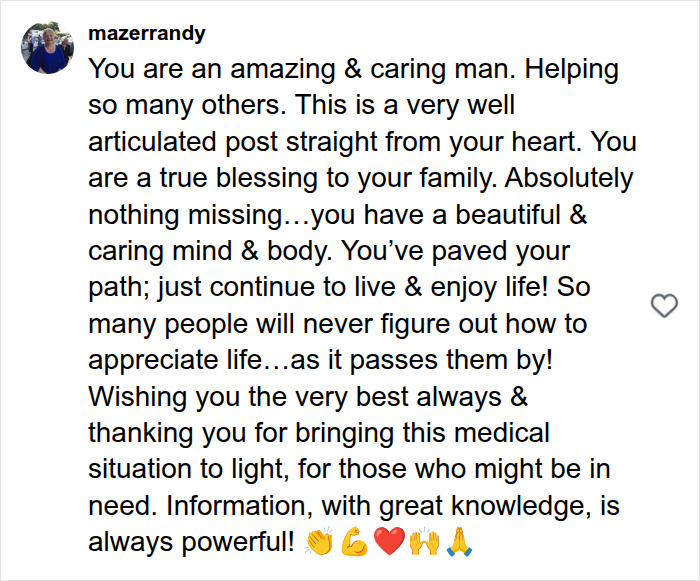
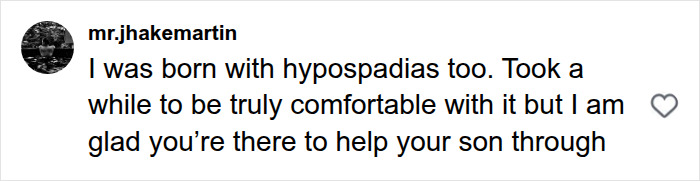
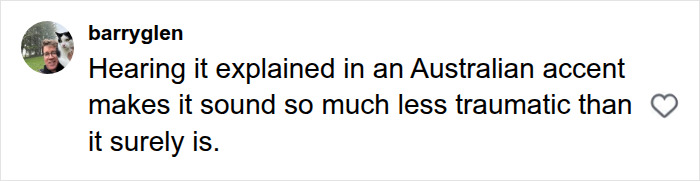
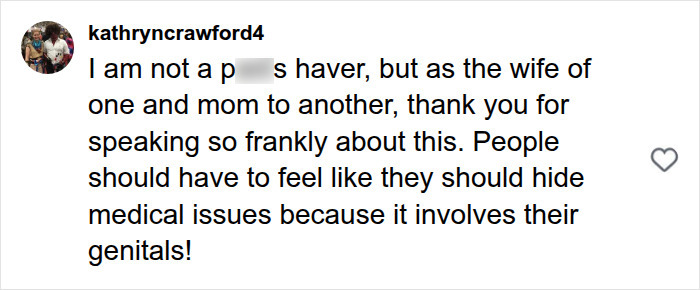
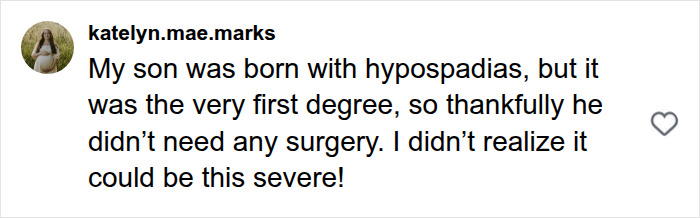
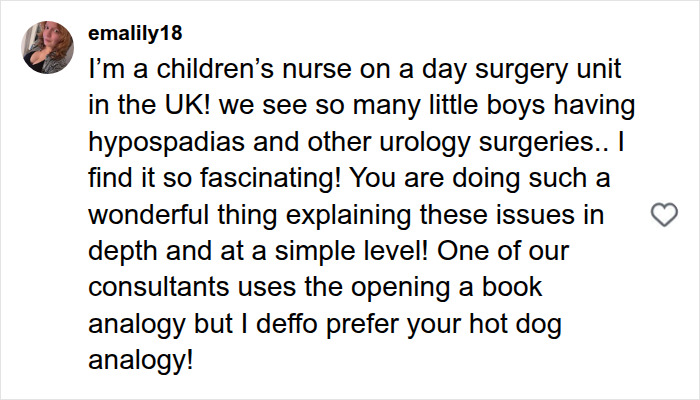
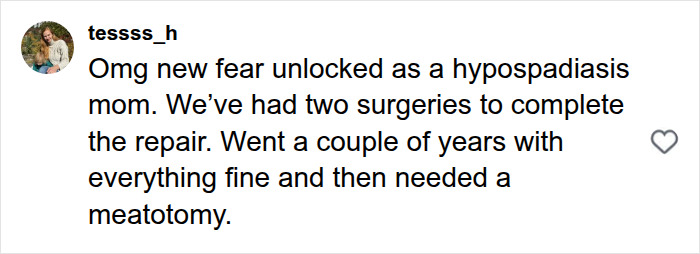
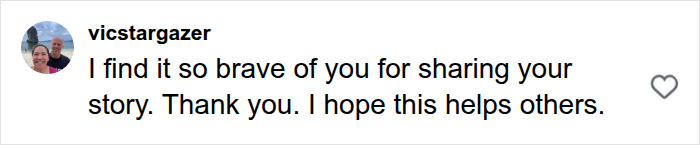
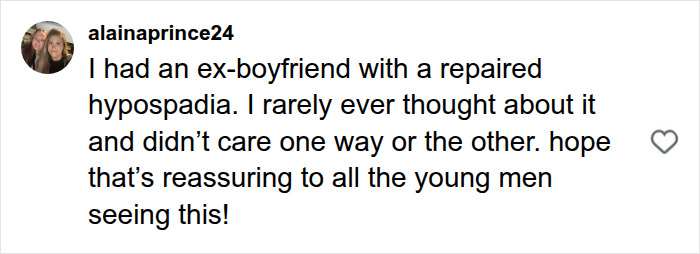
“I find it so brave of you for sharing your story,” wrote one netizen

 Follow Us