Racism is alive and well. No matter how far we’ve come, that’s the sad reality. But often, people will never openly admit to being racist. It shows up in their unconscious bias, and the way they treat or view those with a different skin tone.
Major drama broke out at a grocery store when a woman grabbed a kid and ran off. She claimed to be the 4-year-old’s grandmother who was saving him from being kidnapped by a ‘Mexican’ man. That man turned out to be the boy’s stepfather but try as he might to convince her, the woman refused to believe it. Other shoppers backed her up, the store manager tried to intervene and things reached boiling point when the police were called.
He’s mixed race, his stepson is white but this has never really been an issue until now
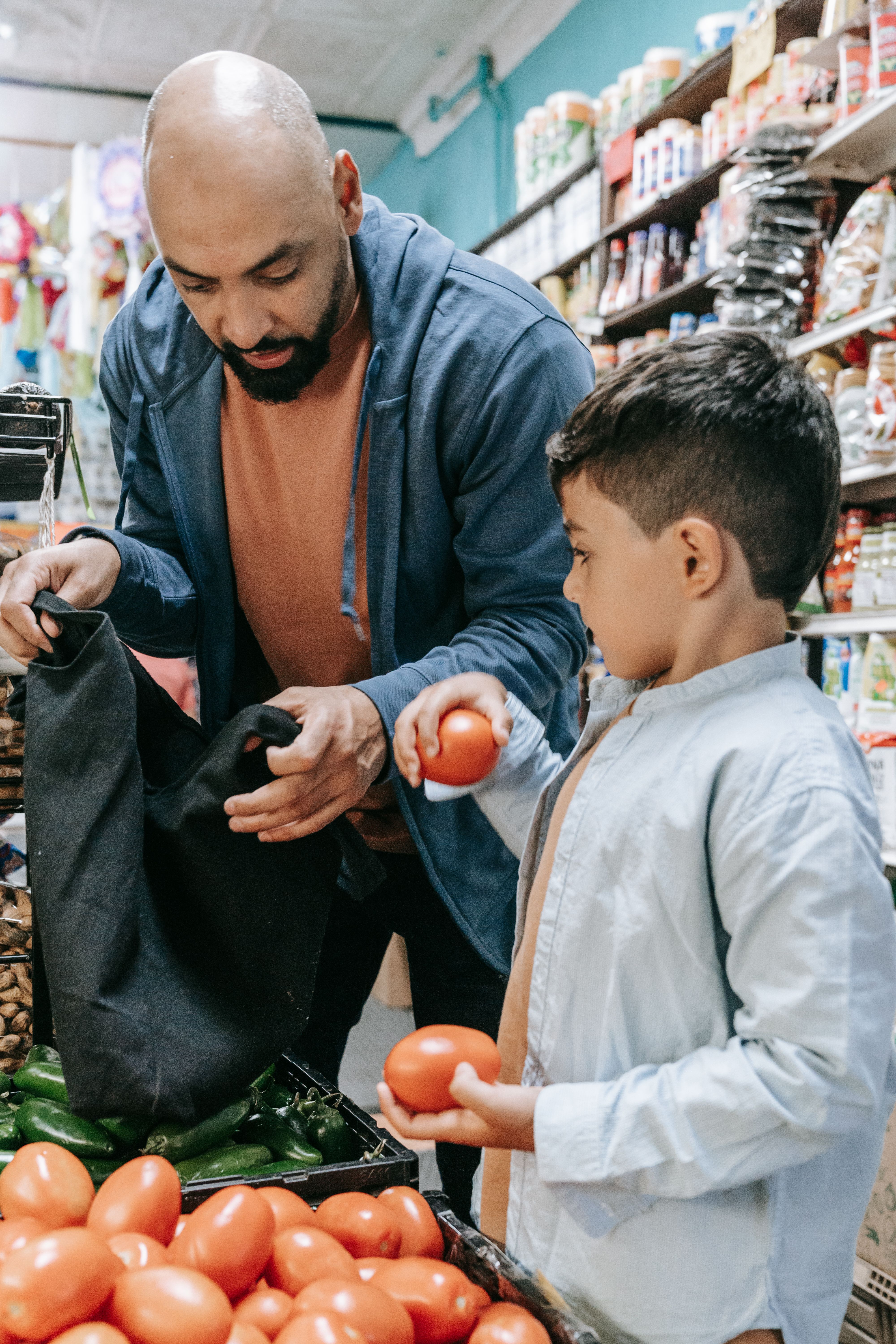
Image credits: Timur Weber / Pexels (not the actual photo)

Drama ensued when a woman grabbed the child and ran off, claiming she was saving him from being kidnapped

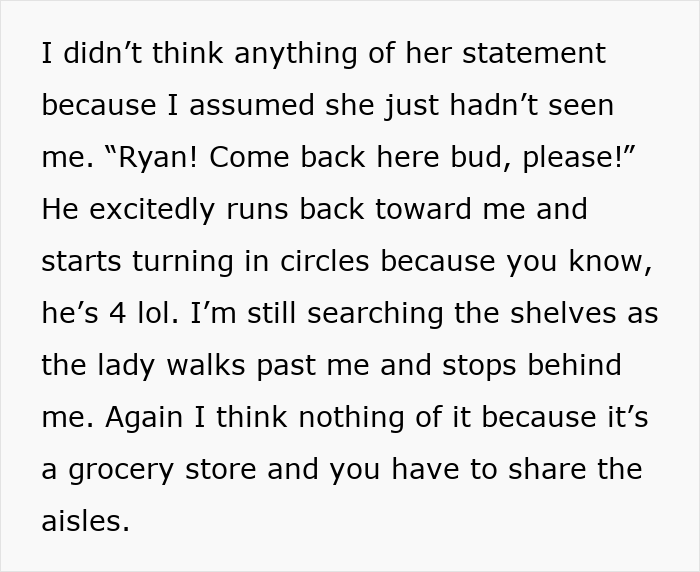
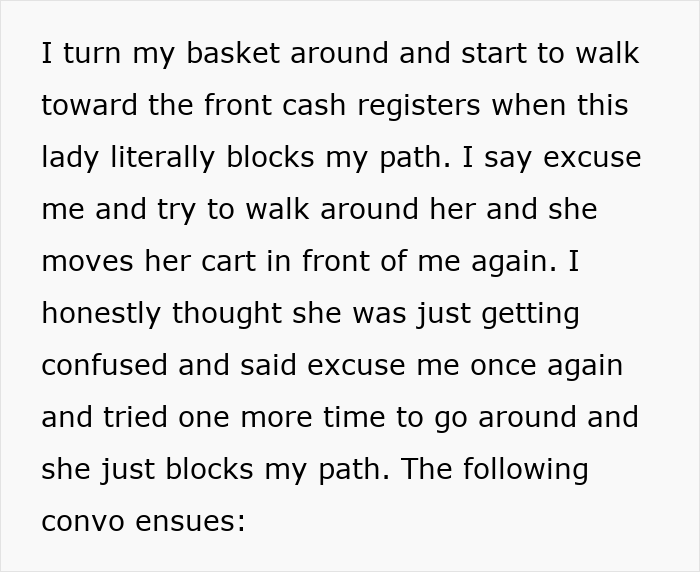
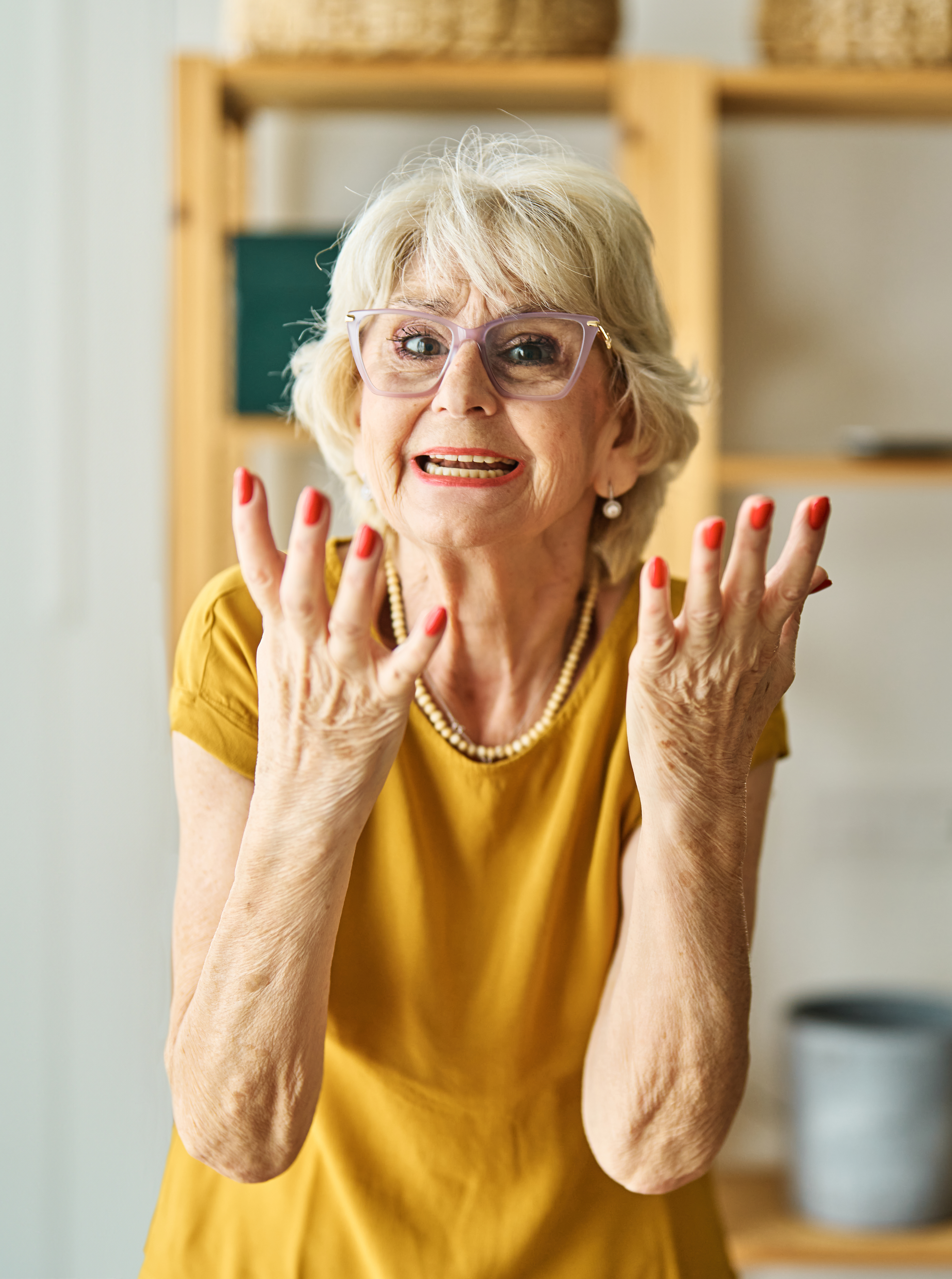
Image credits: dvatri / Envato (not the actual photo)
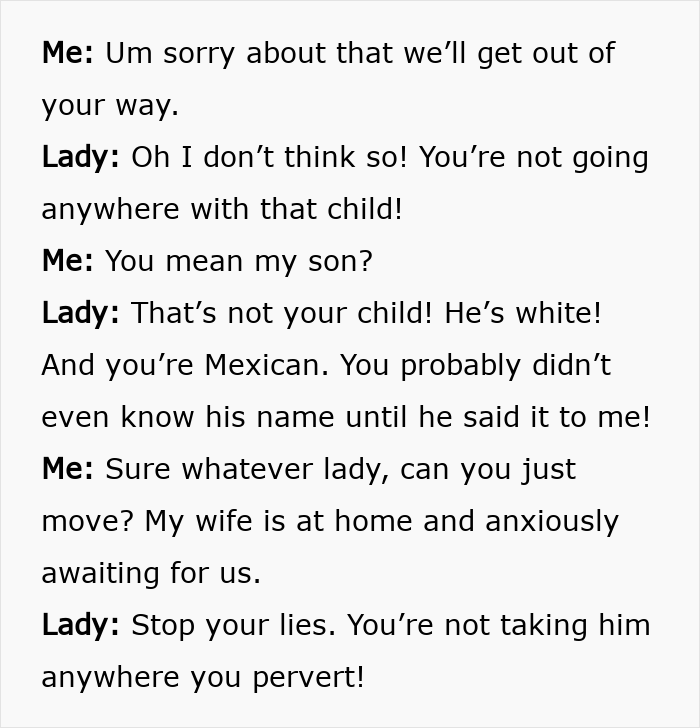
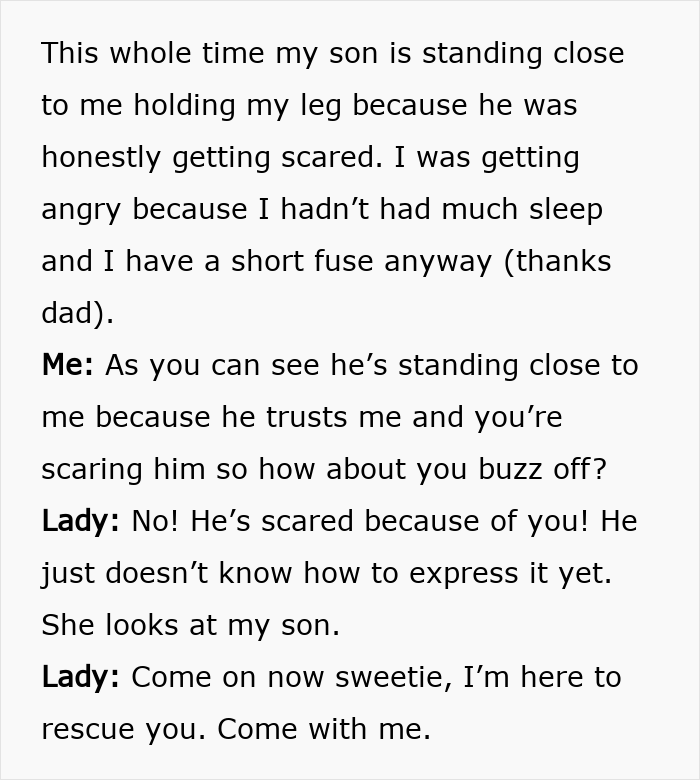
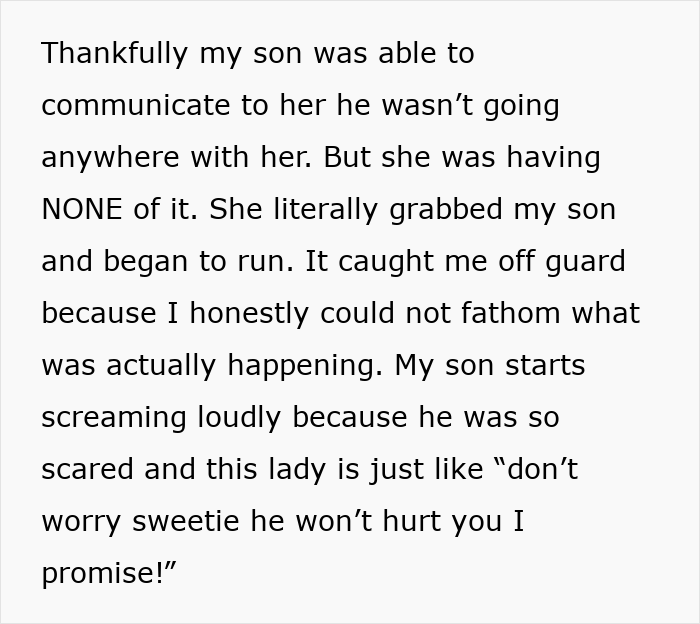
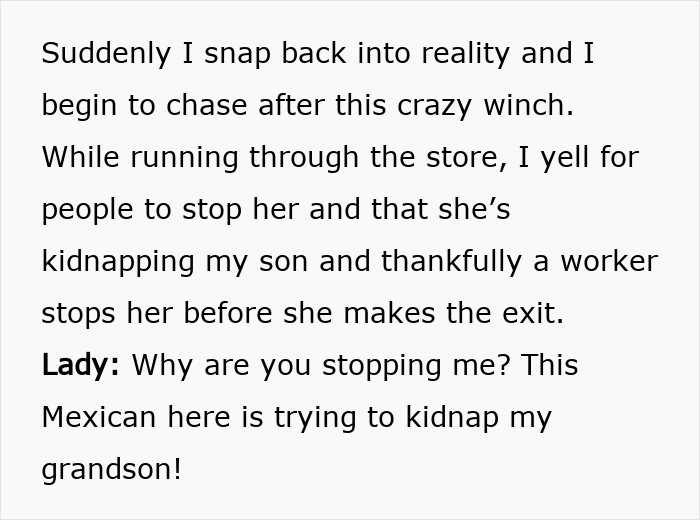

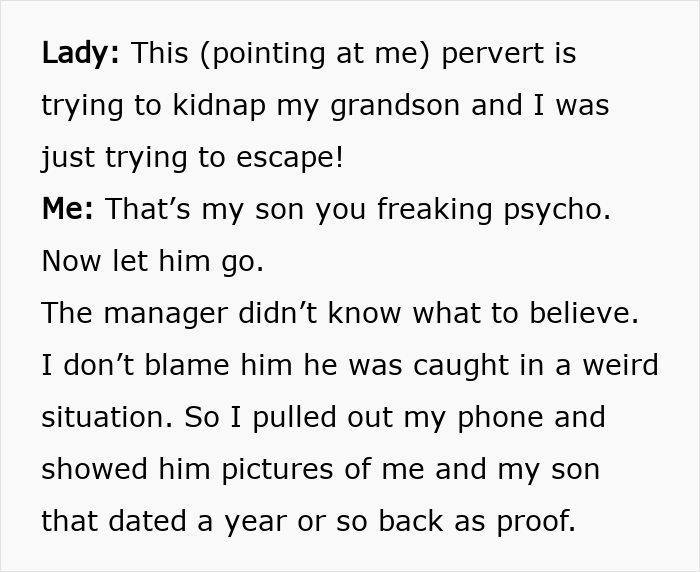
Image credits: Erik Mclean / Unsplash (not the actual photo)
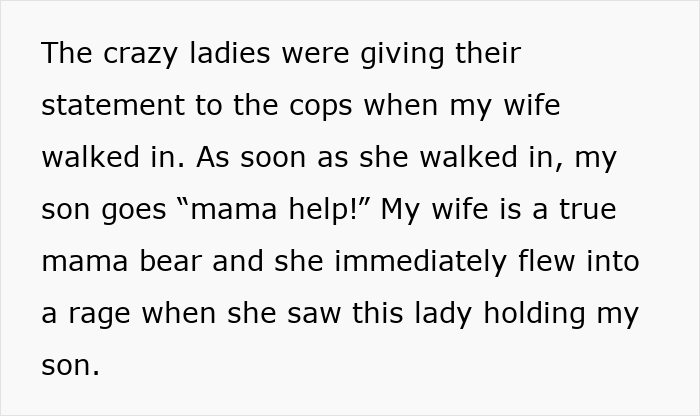
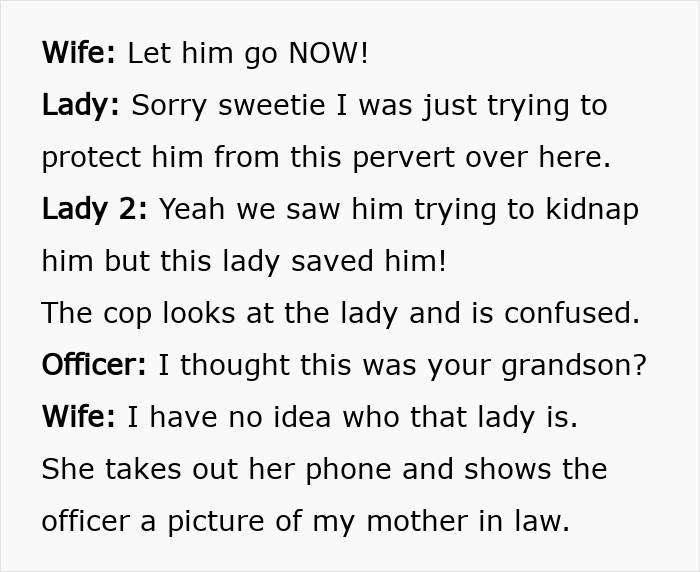
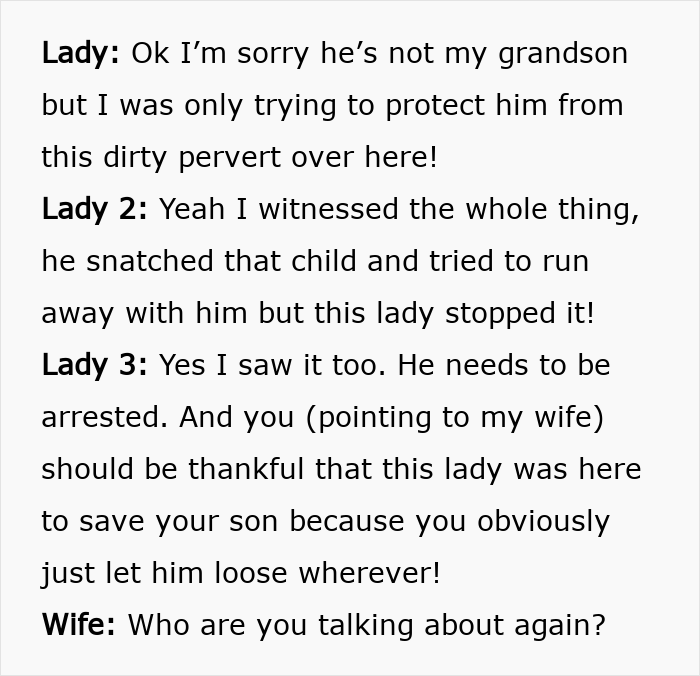
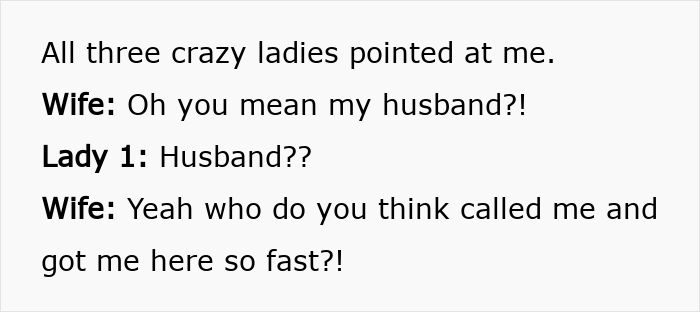
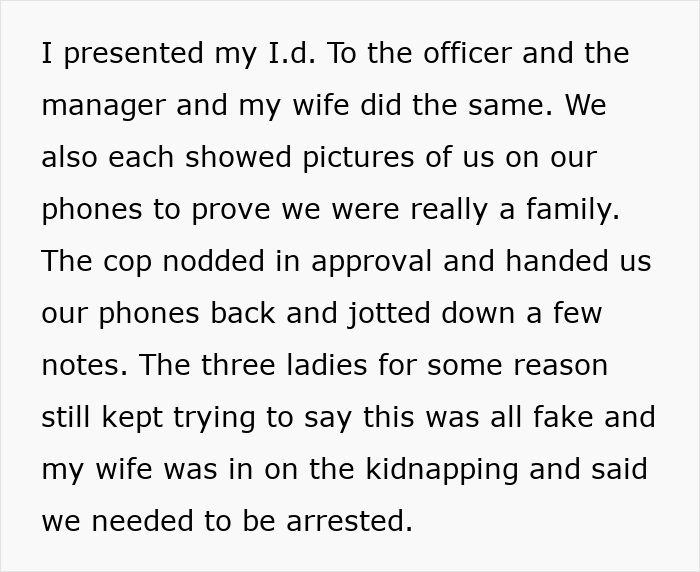
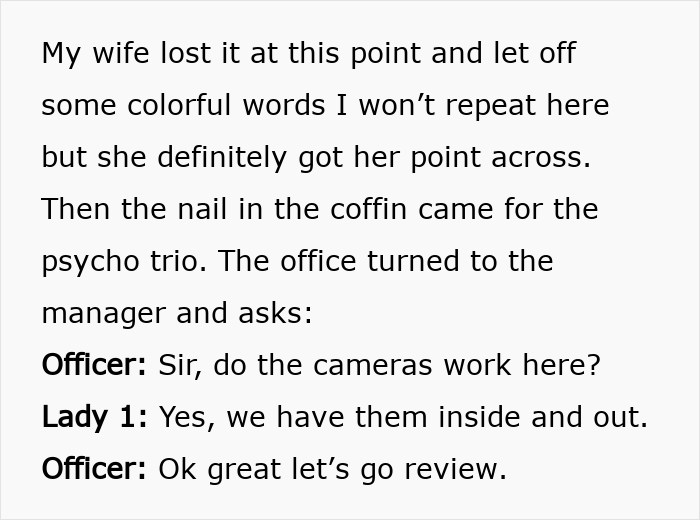
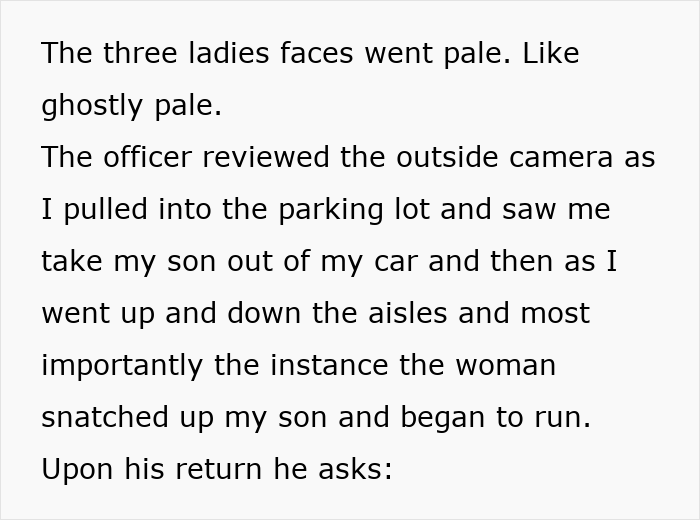
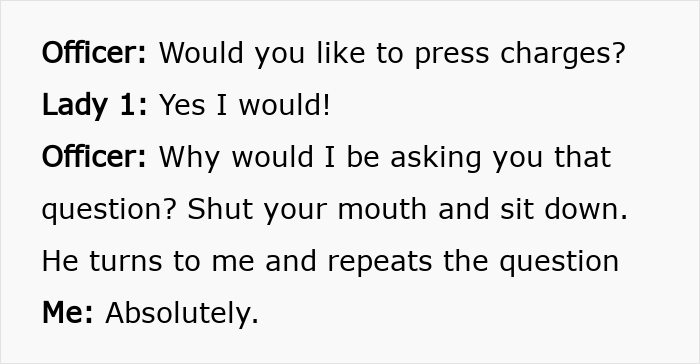
Image credits: Getty Images / Unsplash (not the actual photo)
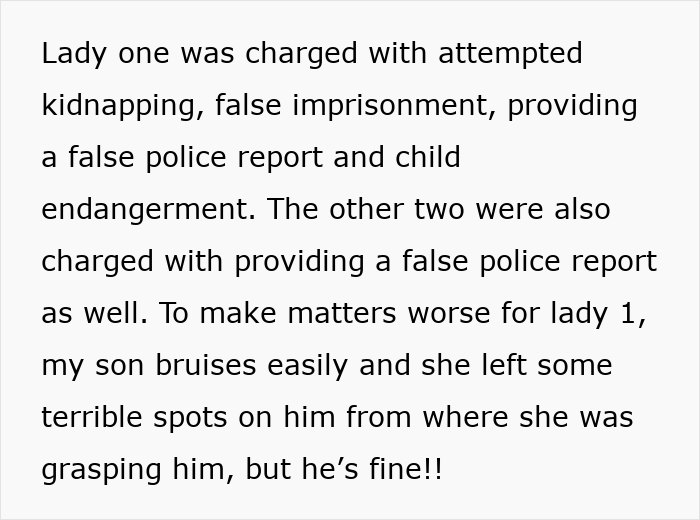
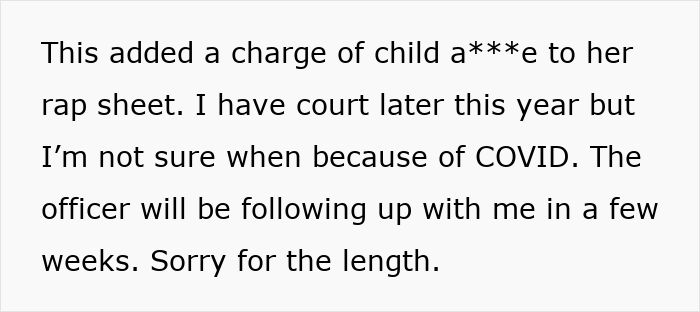
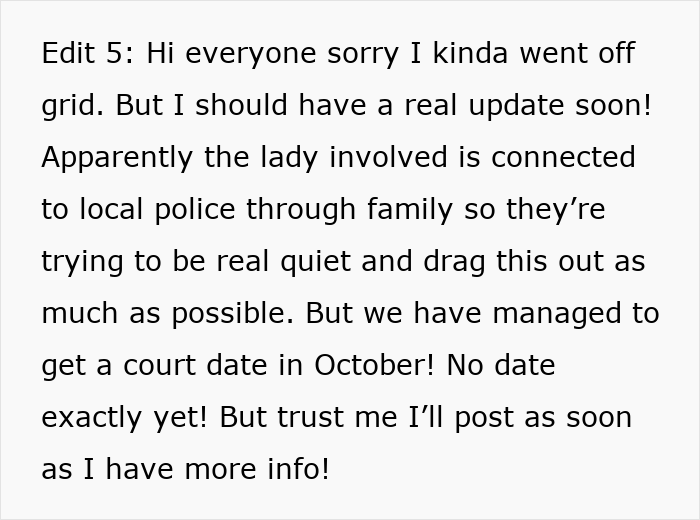
Image credits: anonymous
Image credits: Kindel Media / Pexels (not the actual photo)
“Whites spend a lot of time pretending they don’t see race”: expert warns people to check their unconscious bias
“Whites spend a lot of time pretending they don’t see race.” That’s the word from Yale University Professor John Dovidio, who argues that unconscious bias is pervasive, and impacts nearly every aspect of black lives.
The Professor of Psychology says that racial “color-blindness” has major consequences and that we live in a world where biases are built into our society, making them “one of the hardest things to overcome.”
But the expert doesn’t buy into the “I don’t see color” card. And that’s because he believes that prejudice is embedded in the way people think. “If I see a person of color and I claim to be color-blind, what color do I see? White. And that’s racist,” he explained.
Dovidio makes reference to “aversive racists” who he says “sympathize with victims of past injustice, support principles of racial equality, and genuinely regard themselves as non-prejudiced, but at the same time possess conflicting, often non-conscious, negative feelings and beliefs about blacks.”
The professor notes that these aversive racists have negative feelings toward black people that do not reflect open hostility or hatred. But rather involve discomfort, anxiety, or fear. Like the crazy Karen in the grocery store who believed the white child was being kidnapped by a Mexican.
A number of studies have proven how damaging unconscious bias can be.
“White job applicants were found to be 74% more likely to have success than applicants from ethnic minorities with identical CVs. University professors were found to be far more likely to respond to emails from students with white-sounding names. US doctors have been found to recommend less pain medication for black or Latino patients than white patients with the same injury. White participants in a study were found to perceive black faces as more threatening than white faces with the same expression,” reported the Guardian.
The stepdad in this story is not the only parent to be accused of kidnapping their child. In a 2020 article titled, Transracial adoption: ‘I’ve been accused of kidnapping my white child,’ the BBC shares unconscious bias is built into the U.S. adoption system.
One of the cases features Keia, an African-American woman and her husband, who adopted a white child. According to the couple, they are constantly challenged by suspicious members of the public, who refuse to believe the little boy belongs to them.
Image credits: Michael Borde / Pexels (not the actual photo)
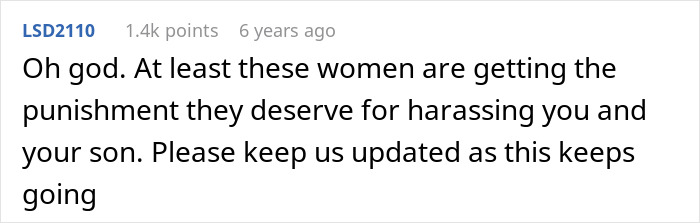
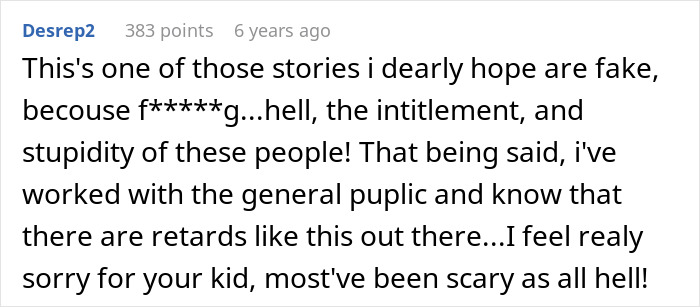
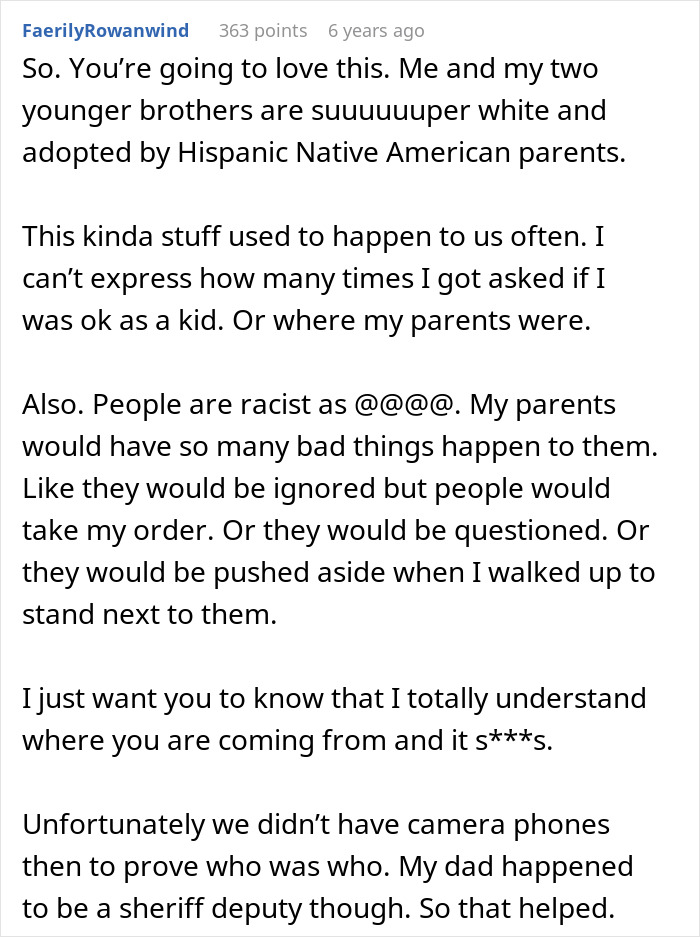
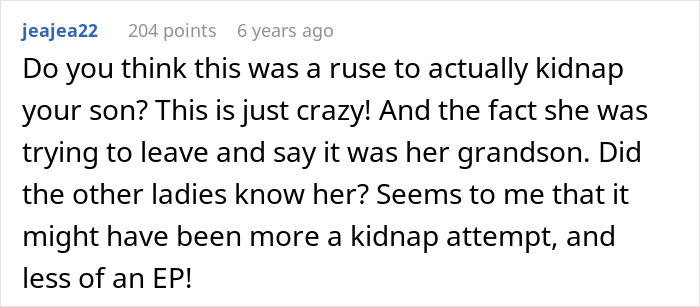
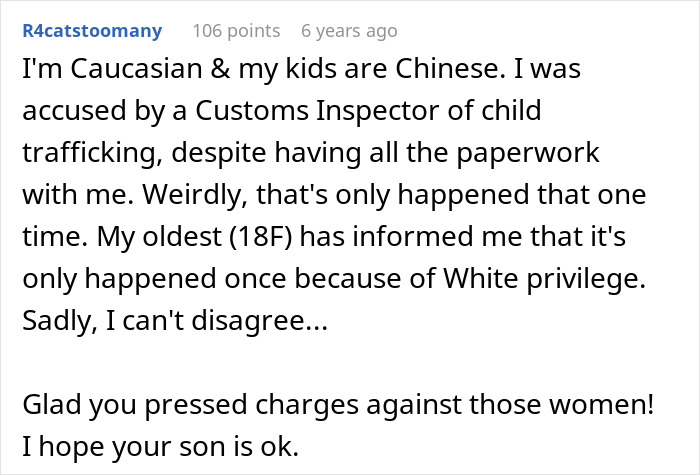
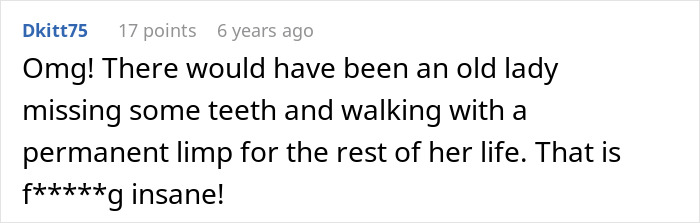
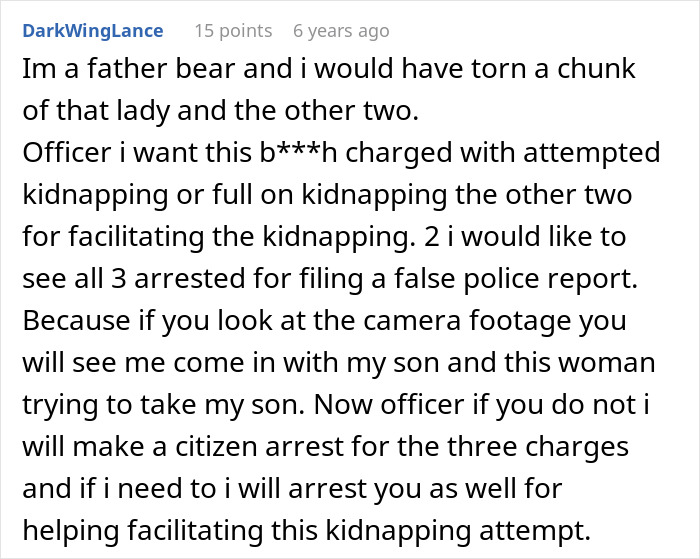
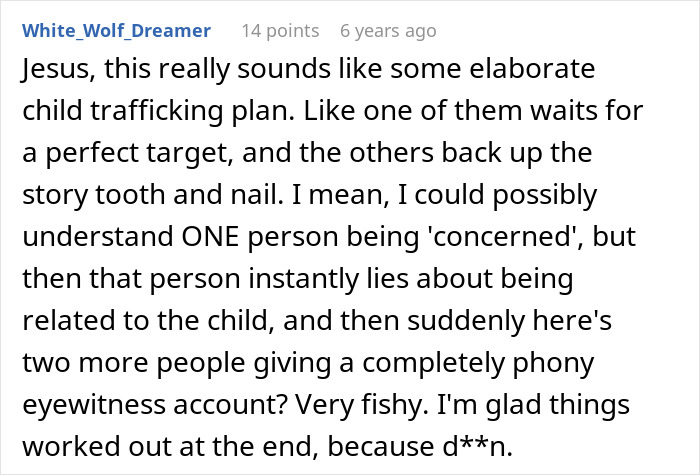
People waded into the discussion, with some sharing their own similar experiences






 Follow Us